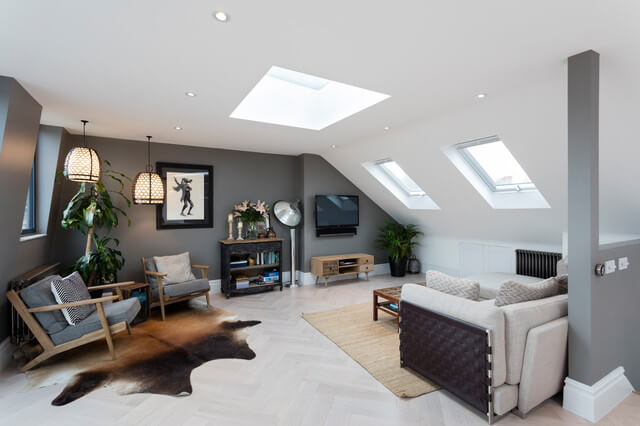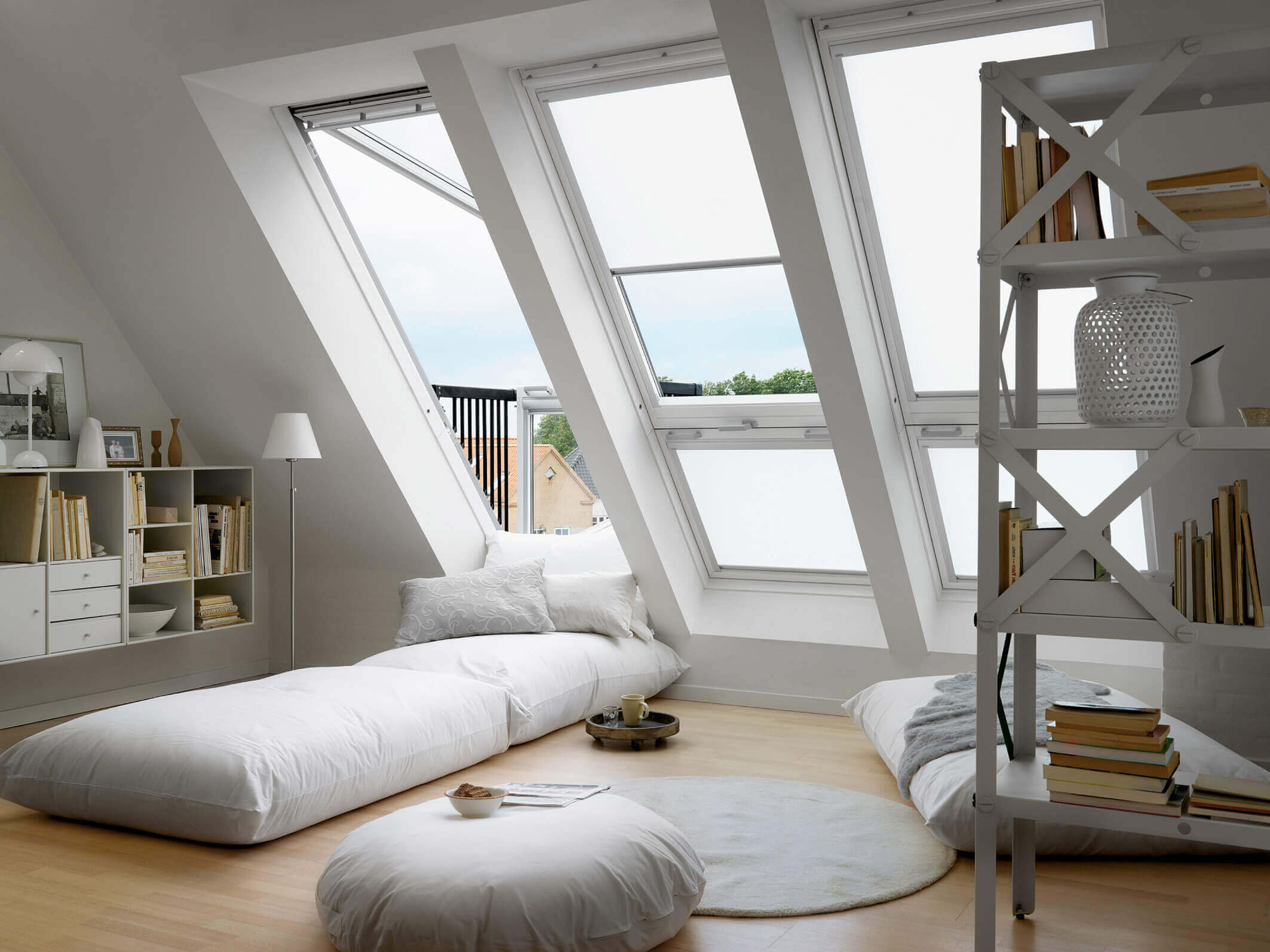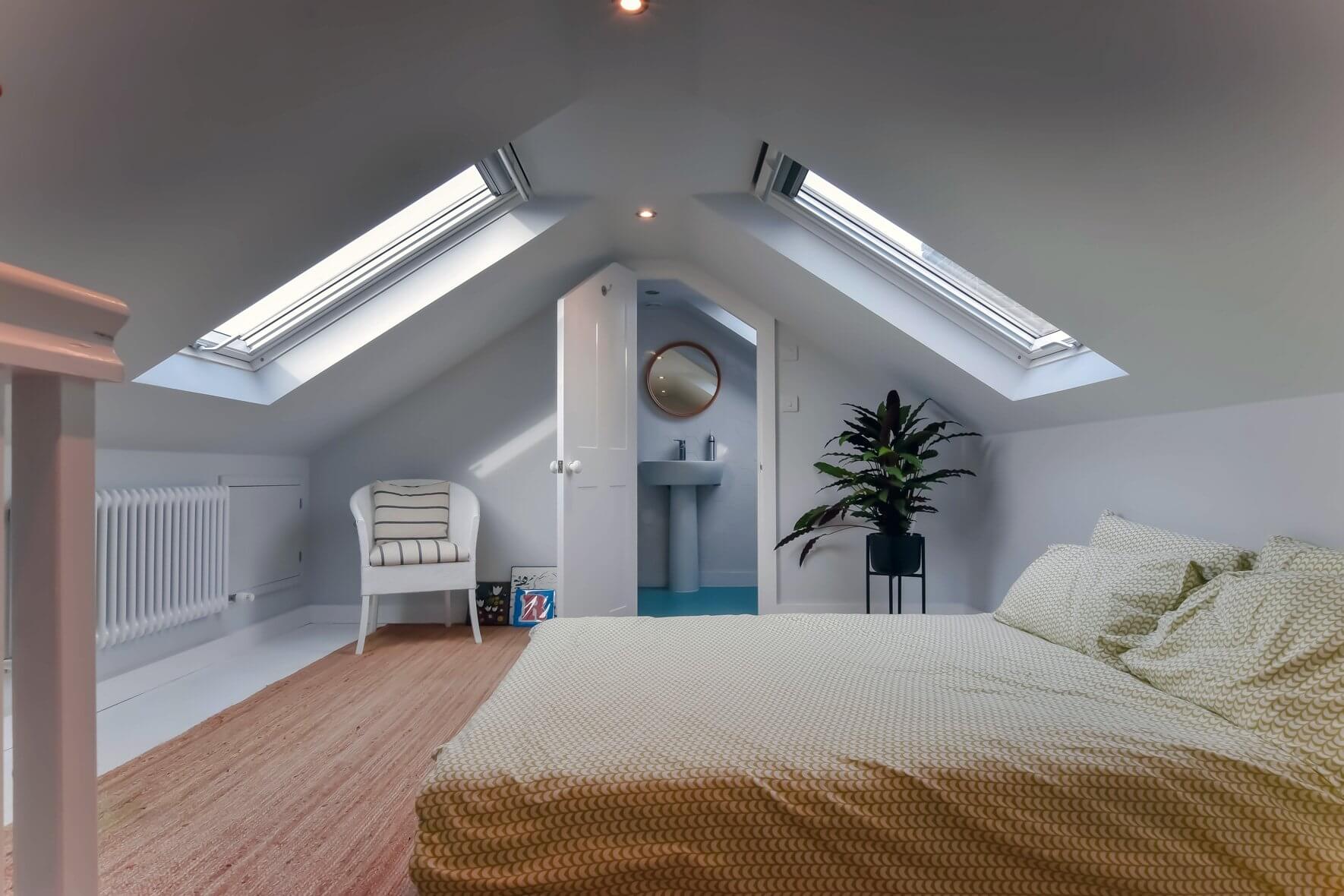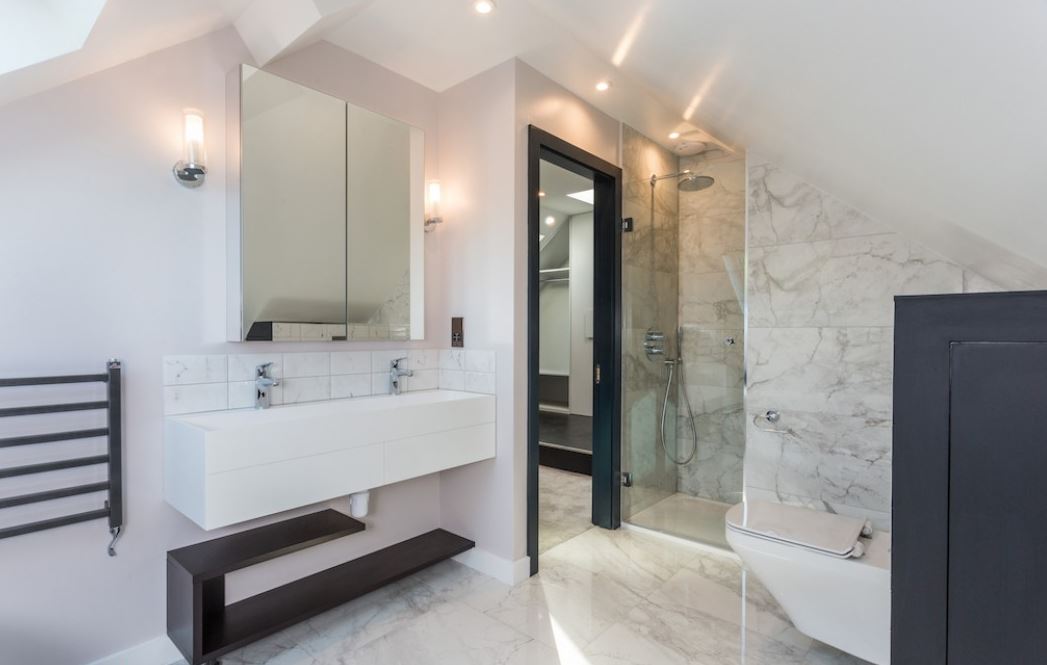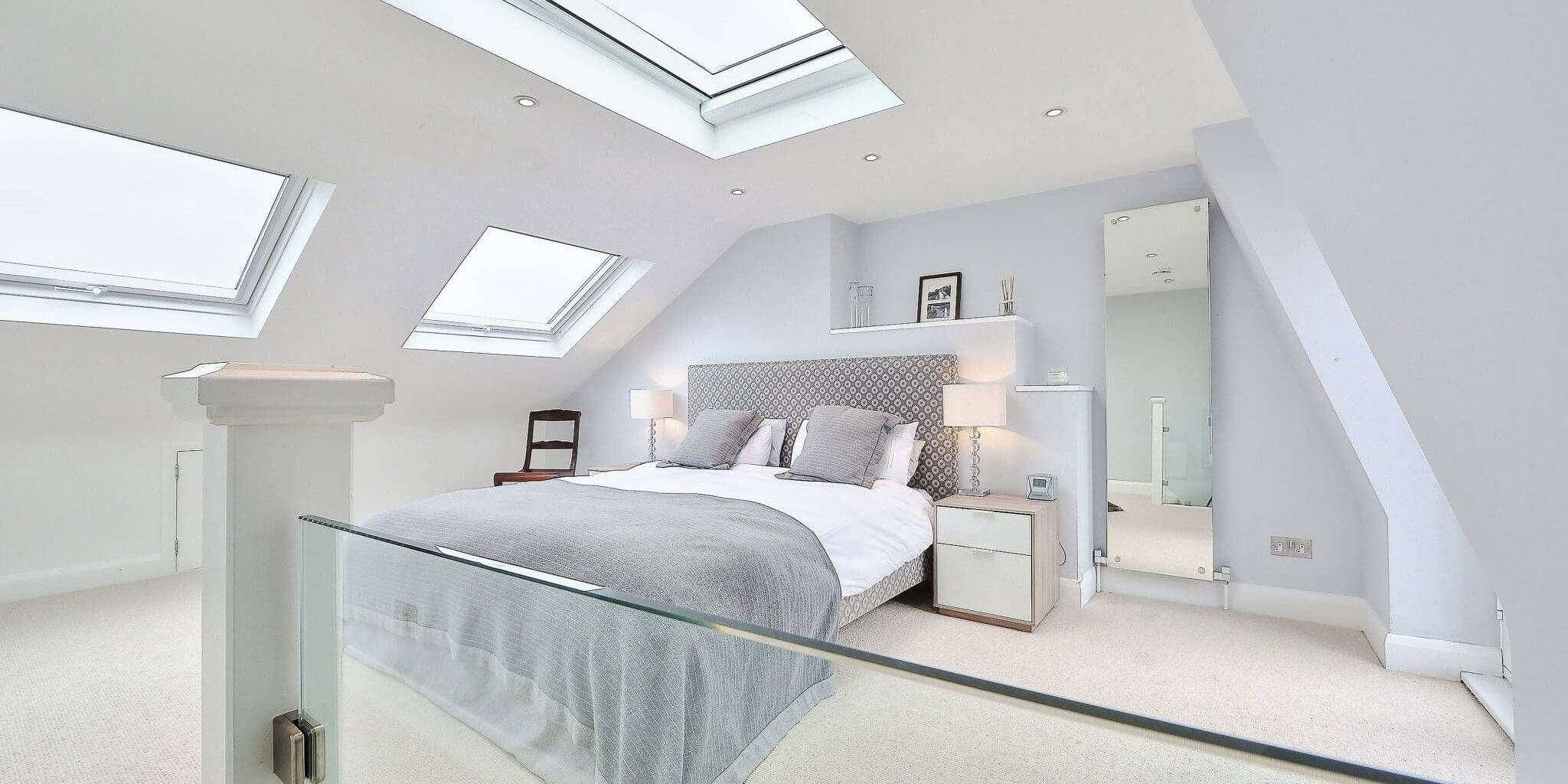
The types of Loft Conversions that we work in -
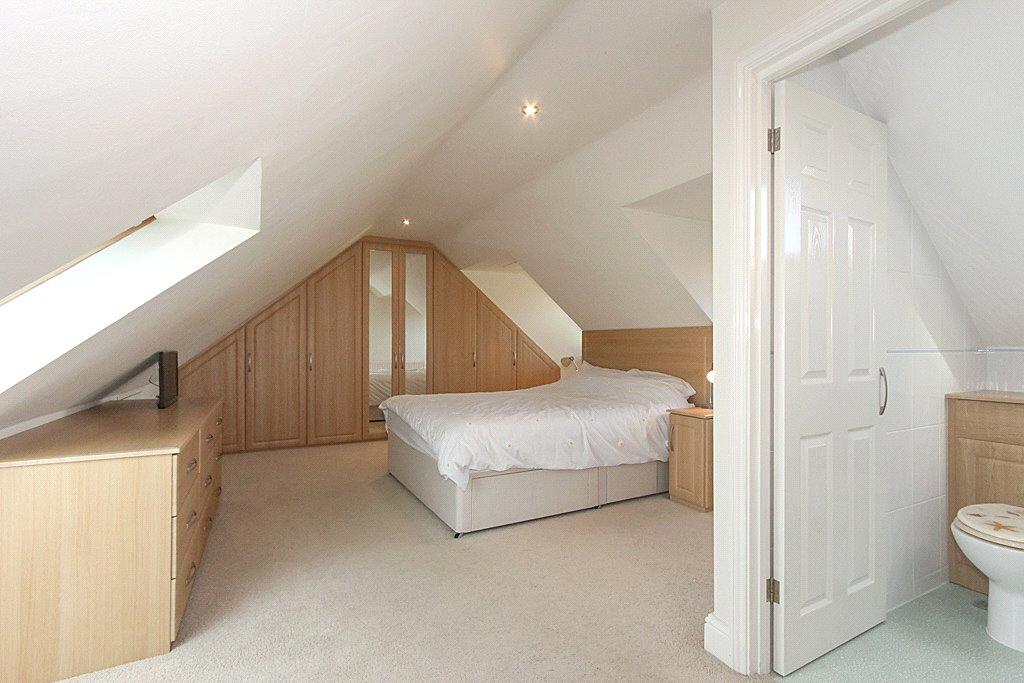
If your loft feels too cramped to do anything with, a dormer could change that completely. It pushes out from the back of the roof, giving you proper standing height and enough floor space to actually call it a room. Most people use it as a bedroom, but it works just as well as a home office or study. A lot of houses in Burnt Oak are 1930s or post-war semis. These homes respond really well to dormers the roof shape lends itself to it, and the results tend to look clean and natural from the outside. Best for: Semis and terraces in Burnt Oak, homeowners who need an extra room, and lofts that are just too low to use as they are.
On a hipped roof, the sides slope inward. It looks fine from the street, but inside the loft that slope takes away a big chunk of usable space. A hip to gable conversion removes it and builds a proper vertical wall in its place, giving you the full width of the loft back. Pair it with a rear dormer and you've suddenly got room for a bedroom, a bathroom, and maybe a bit of storage too. It's one of the bigger transformations you can do to a house in Burnt Oak without it looking out of place. Best for: End-of-terrace and semi-detached homes in Burnt Oak with hipped roofs that limit how much space you can get upstairs.
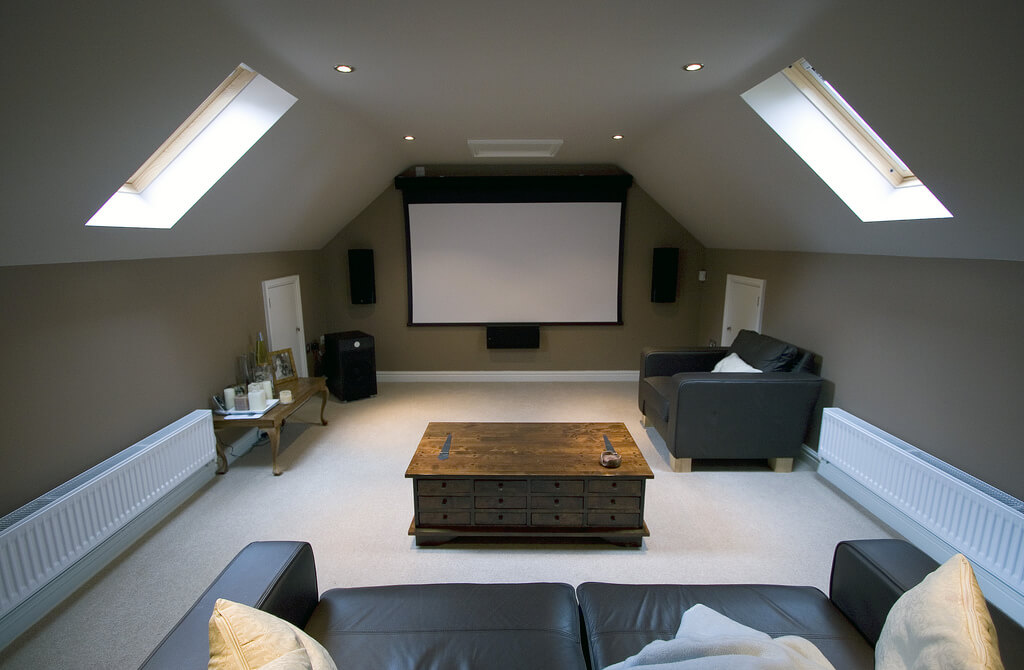
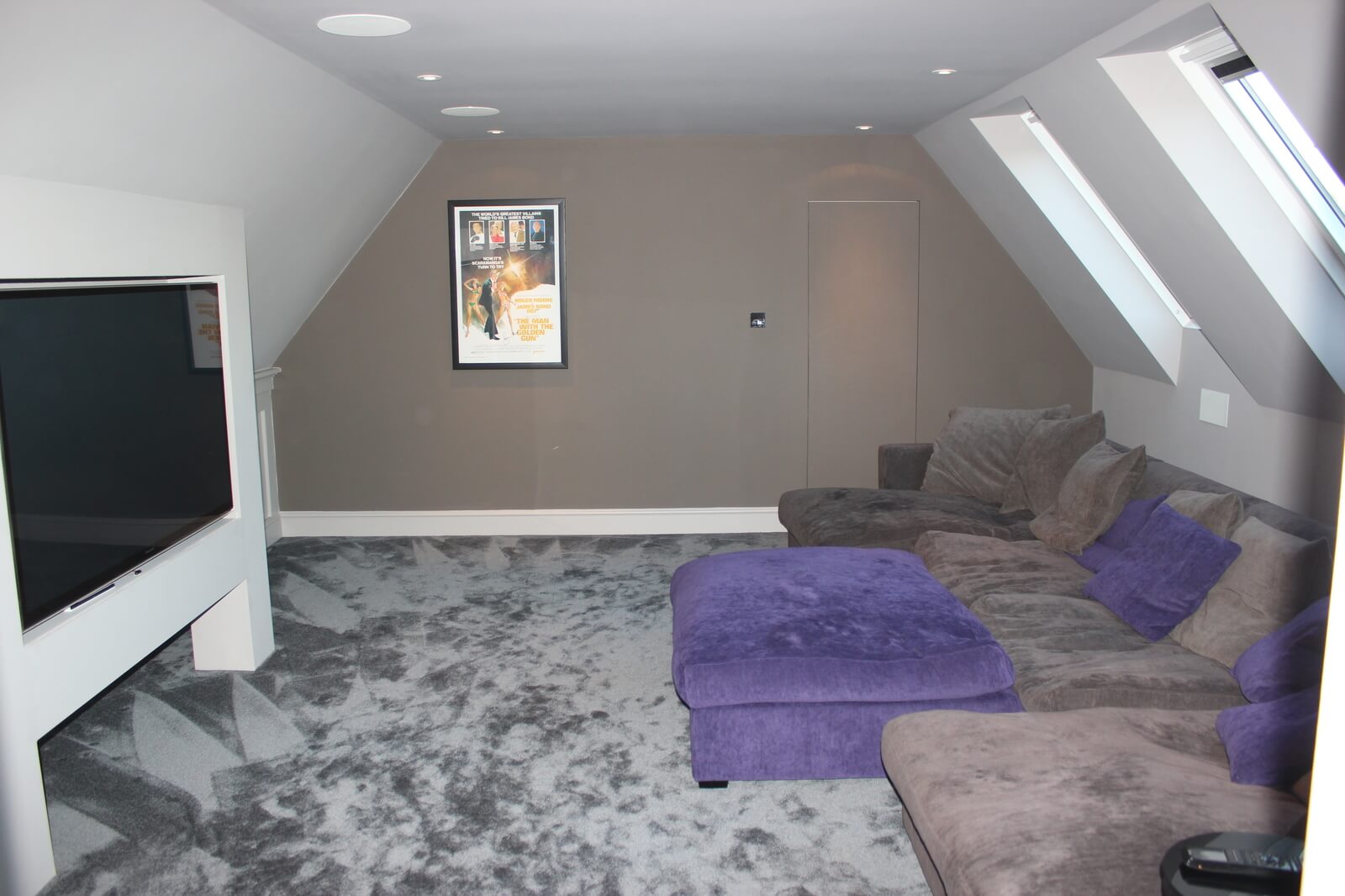
Not every loft needs a full extension. If the space up there is already a reasonable height, a Velux conversion might be all you need. Windows go into the existing roof, the floor gets reinforced, insulation is fitted, and the room is signed off to building regulations. The roofline doesn't change at all. It's the most straightforward route and usually the most affordable. For homeowners in Burnt Oak who don't want a big build or any changes to how the house looks from outside, this is often the right call. Best for: Lofts with enough existing headroom, anyone working to a tighter budget, and homes where keeping the exterior as-is matters.
Got a rear extension on your Burnt Oak home? Then an L-shaped dormer is something worth looking into. Two dormers are built one over the main roof, one over the extension and they connect to form an L shape. The result is a much bigger footprint than a single dormer could ever give you. Two bedrooms and a bathroom upstairs is very achievable with this layout. It's the kind of conversion that genuinely changes how a house lives, not just adds a box room. Best for: Burnt Oak homes with a rear extension, families who need more than one extra room, and anyone who wants to get serious about the space they're adding.
A mansard is a bigger undertaking than the other types. The whole rear roof slope is rebuilt steeply angled, with a flat section on top. What you end up with is something close to a full extra storey. The rooms feel like real living space, not an afterthought. It's not a quick job and it usually needs planning permission. But if you've got a larger property in Burnt Oak and you want to make the most of it, the space a mansard gives you is hard to beat any other way. Best for: Larger homes in Burnt Oak, anyone who wants the maximum possible space, and homeowners who are happy to go through the planning process to get there.
Bungalows are single storey, so everything happens on the ground floor. A loft conversion changes that. You gain a full upper level bedrooms, a bathroom, whatever you need while everything downstairs stays exactly as it is. There are quite a few bungalows in Burnt Oak, and many of them have more roof space than their owners realise. The roof usually runs the full width of the building, which gives you a solid base to work with. It's one of the most effective ways to grow a bungalow without touching the footprint. Best for: Bungalows in Burnt Oak where the ground floor is already fully used, and homeowners looking to add proper long-term living space.
Do you have a question about Loft Conversions? We're here to help. Contact our team at Loft Converter London
The minimum height required for a Loft Conversion is 2.2m (from the floor to the highest point in your loft). If you do not have the required height, your ceilings can be lowered on your first floor.
This depends on the size and type of Loft, most loft conversions take around 10-12 weeks. We can give you a more accurate estimation when we see your property.
Loft Conversion cost is determined by the size and type of the project, the features you would like, etc. Our architect will help you achieve the best use of your space within your budget. Most Lofts cost between £30,000 and £70,000.
No - it's safe to carry on living in your house. Our team starts from the scaffolding before the stairs go in. We always try to limit the disruption during the construction process.
Loft Conversions usually fall under the permitted development category therefore planning permission is not normally required. There are some exceptions like conservation areas, flats, or listed buildings. Our in-house surveyors can advise further on planning permission..
A party wall agreement is also known as PWA is required if you own semi-detached or terraced property. In simple words, if you are working within or near your neighbor’s boundary then you will need a party wall agreement in place. Click here for more info.
Yes - it will add from 15% to 25% upwards depending on the size, design, and type of Loft. Read more about adding value here.
Yes, all Loft conversions require building regulation approval from the local authority. These regulations are important to ensure the safety measures are in place and they set a protocol of construction and design to follow.
Absolutely yes, we will work with you to achieve your dream new living space.