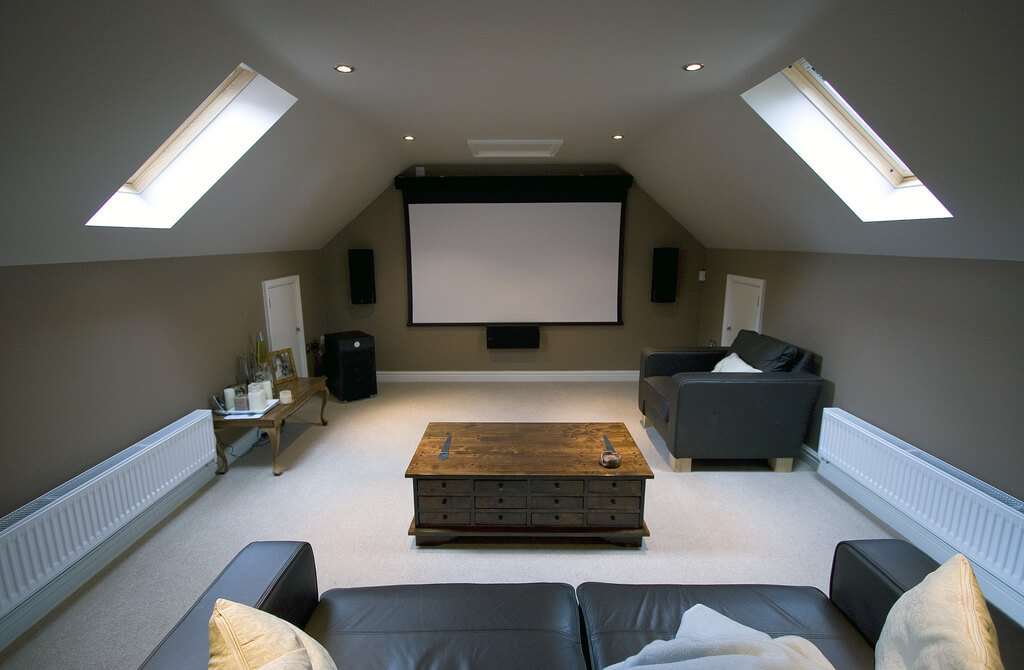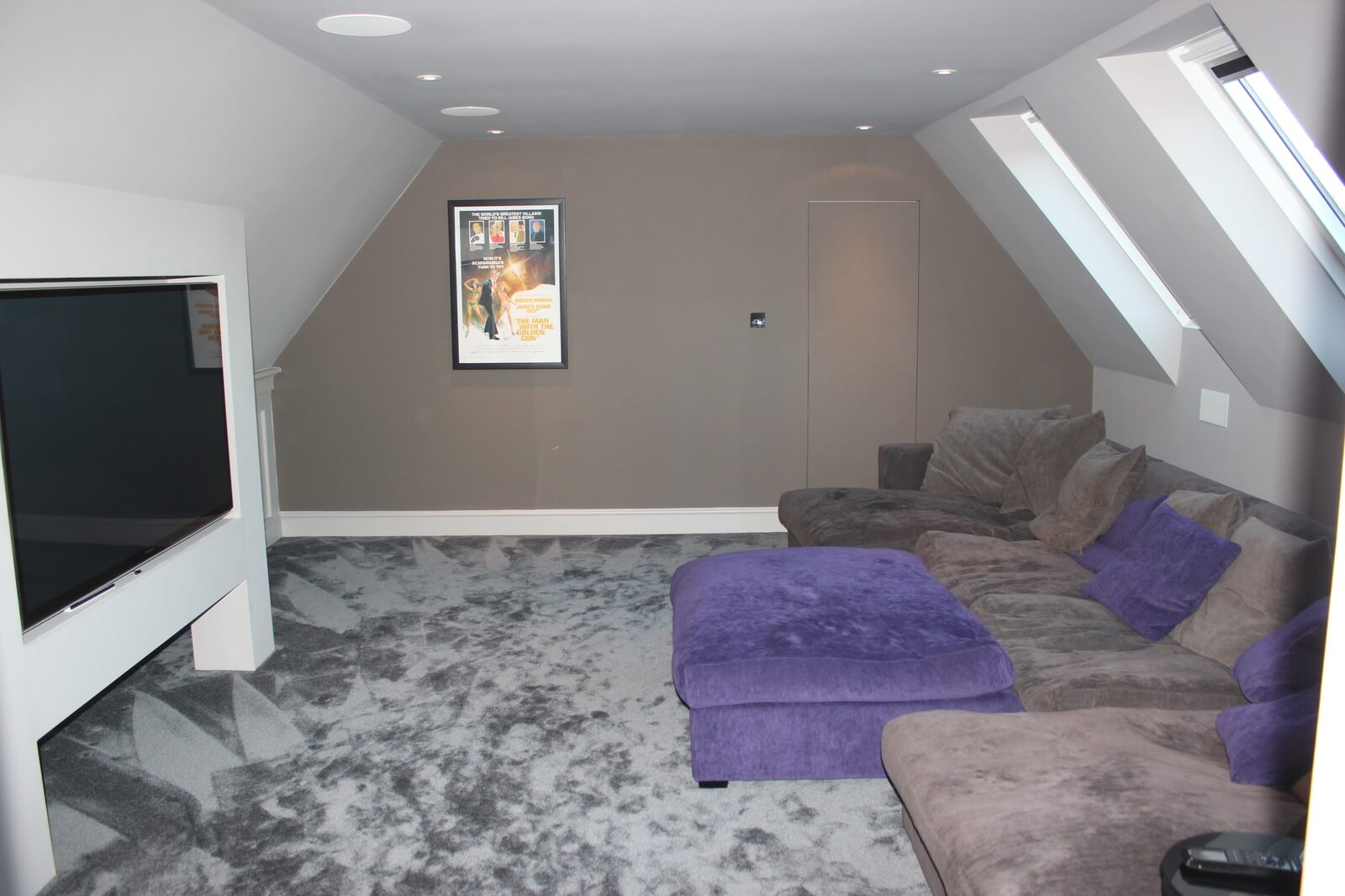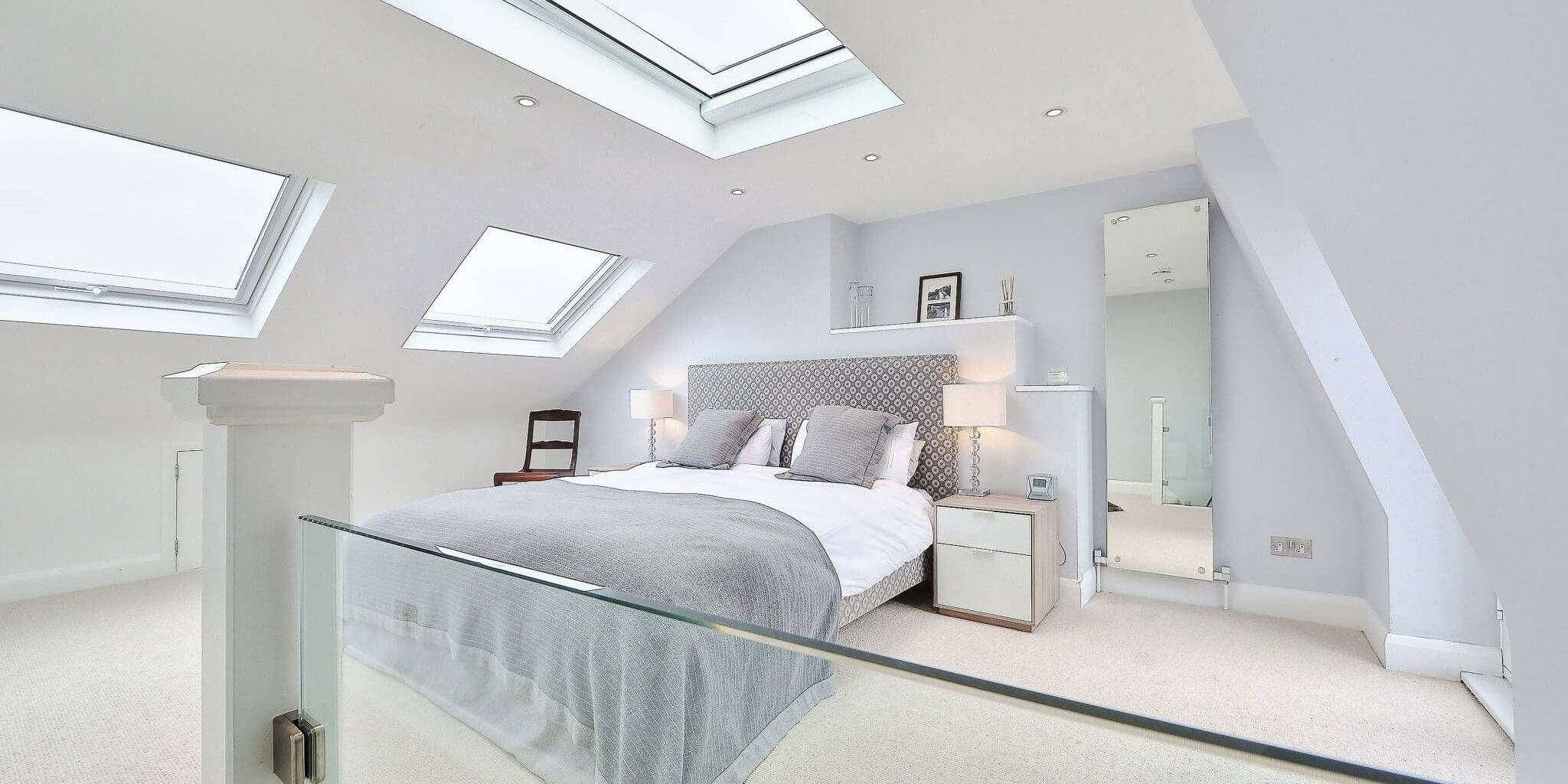
The types of Loft Conversions that we work in -
Golders Green occupies a particular kind of position in North London established, well-connected, and consistently in demand. Properties here hold their value, families put down roots, and the idea of moving elsewhere to get more space rarely feels like a straightforward trade-off. For most Golders Green homeowners who need more room, a dormer conversion is where the conversation starts. We extend the rear roof slope outward with a flat-roofed box structure, creating a full-height ceiling, proper windows, and a room that works like any other in the house. The Edwardian and inter-war semis that characterise much of Golders Green's residential streets are particularly well suited to this approach wide roof spans, solid construction, and rear aspects that lend themselves to exactly this kind of extension. Best for: Edwardian and inter-war semis, family homes needing an extra bedroom or dedicated workspace, and Golders Green properties where the loft has the footprint but not the height.
Golders Green has a lot of substantial semi-detached homes and a significant proportion of them have hipped roofs. From the outside, it's just an aesthetic detail. From inside the loft, it's the reason the space feels unusable. The sloping sides of a hipped roof eat into the internal width and leave large portions of the loft as dead, triangular voids. A hip-to-gable conversion removes that problem entirely. We replace the sloping section with a straight vertical wall, recovering the full width of the loft in a single build. Most homeowners in Golders Green choose to add a rear dormer at the same time and together, the two conversions produce a loft that's wide, tall, and genuinely liveable rather than just technically converted. Best suited for: Semi-detached homes across Golders Green with hipped roofs, and homeowners whose loft feels too narrow or awkward to be worth converting on its own.
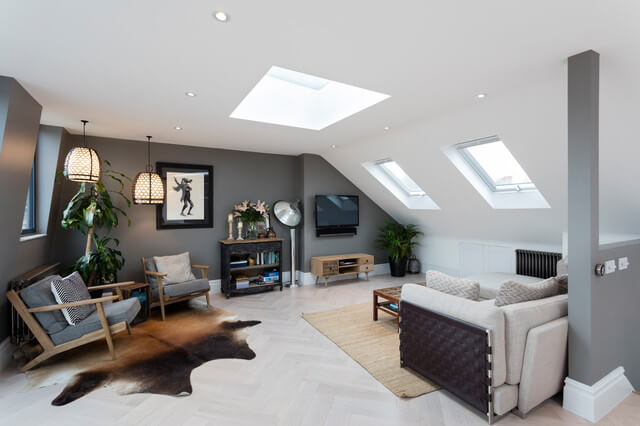
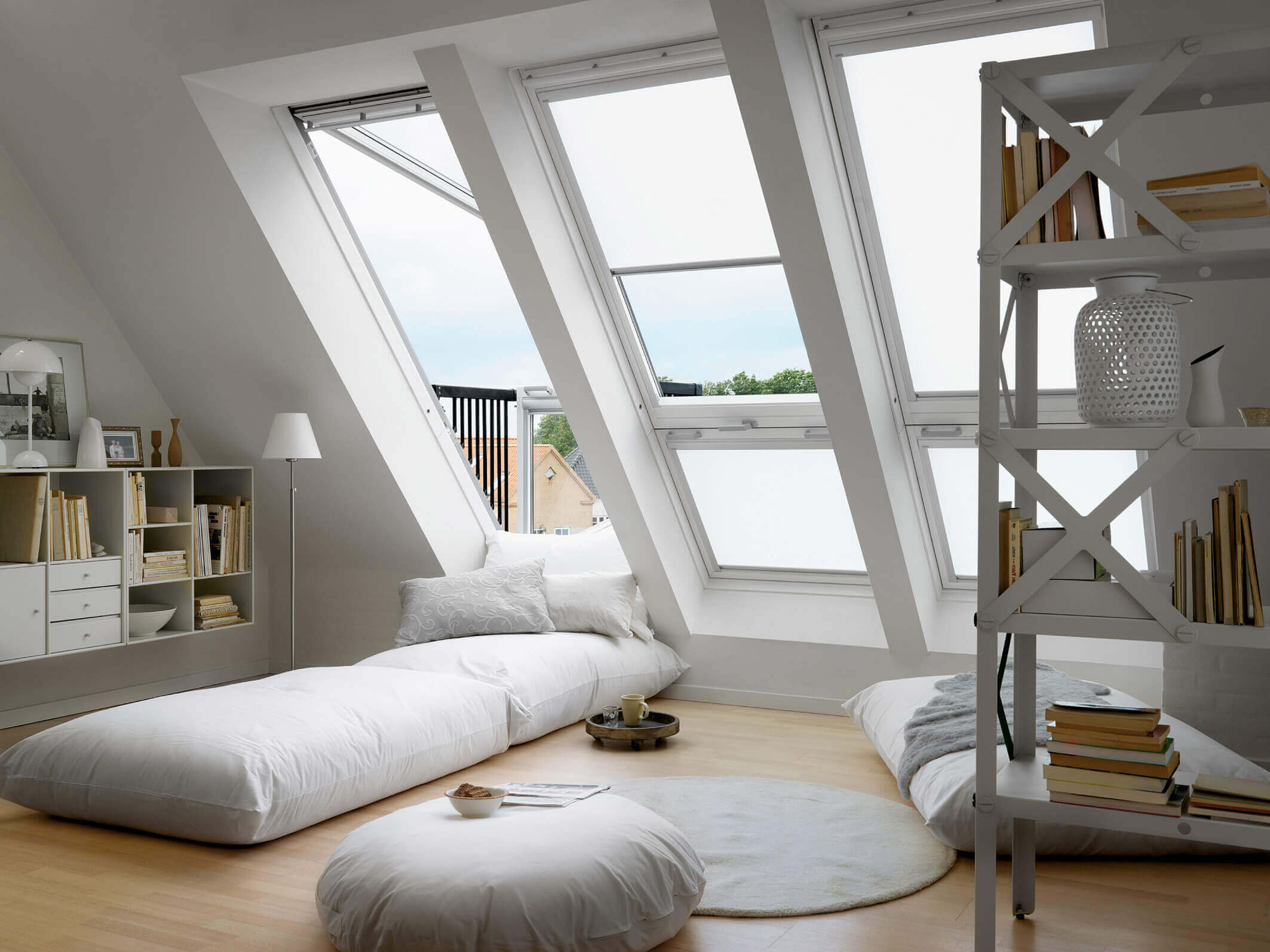
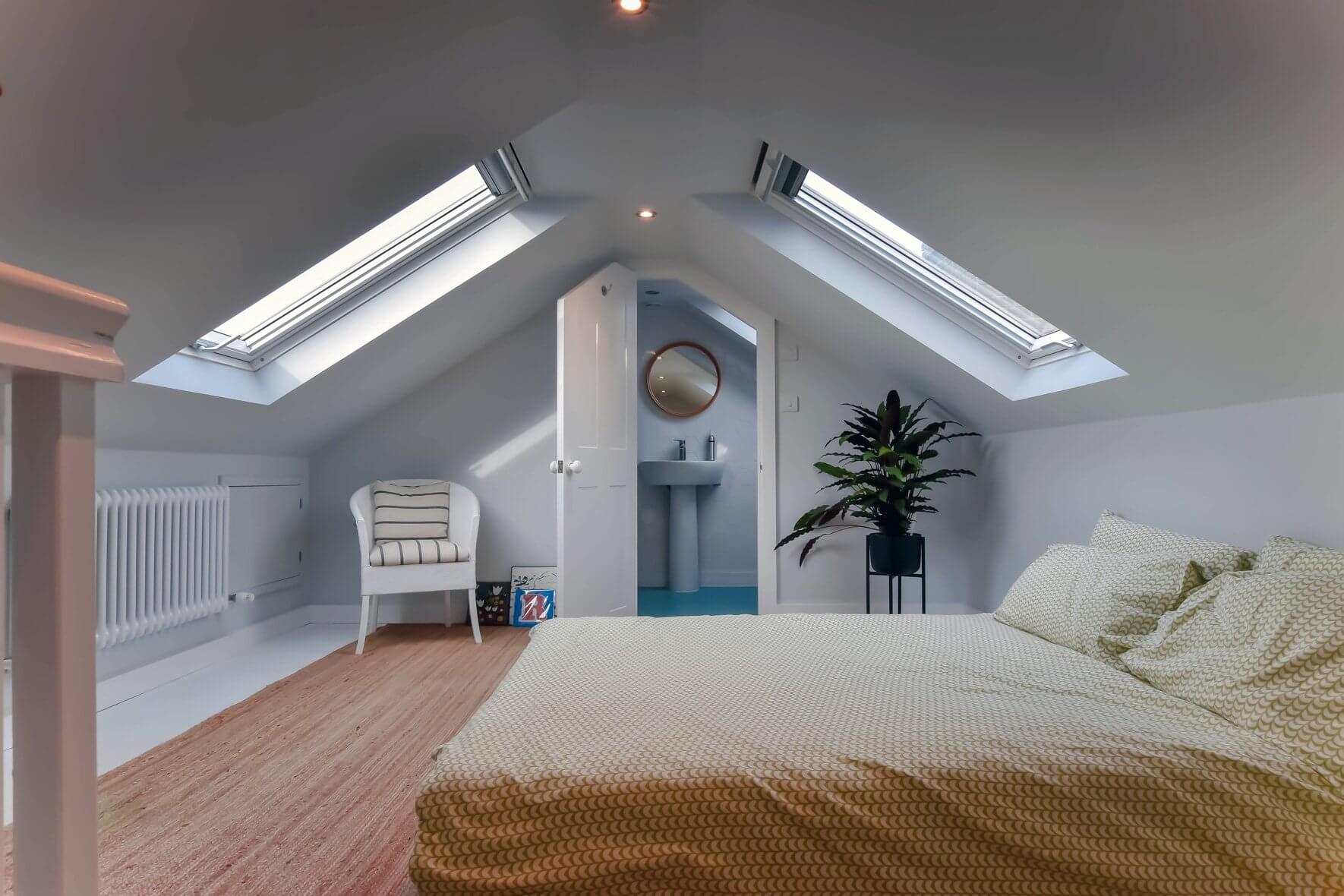
Golders Green is an area where properties are well maintained and carefully considered and for some of them, a Velux conversion reflects that same sensibility. Minimal intervention, clean results, no unnecessary disruption to the fabric of the house. We fit roof windows into the existing slope, reinforce the floor, improve the insulation, and ensure full compliance with building regulations. The roof structure stays exactly as it is. There's no external alteration significant enough to draw planning scrutiny, no structural overhaul, and no extended timeline disrupting daily life. In parts of Golders Green where conservation considerations apply, this approach sidesteps complications that more structural conversions can attract while still delivering a bright, well-finished room. Best for: Golders Green properties with adequate existing head height, homeowners who prefer a considered and minimal approach, and houses in or near conservation areas where external changes face greater restrictions.
The larger homes that line Golders Green's quieter residential streets often share a common feature a rear extension that was added at some point to address the same problem a loft conversion solves today. More space. More room for a growing household. If your home has that extension, an L-shaped dormer is the most efficient way to use both roof sections at once. One dormer on the main roof, a second above the rear extension, joined together to create the characteristic L shape. The combined floor area is substantially larger than a single dormer can provide and the layout it produces is flexible enough to divide into multiple proper rooms. Two bedrooms and a bathroom is a realistic and comfortable outcome. Best for: Larger Golders Green homes with existing rear extensions, families who need more than one new room from the conversion, and properties where the full potential of the roof is yet to be realised.
Golders Green has some of the most architecturally impressive residential properties in North London wide detached houses, generous plots, period details that reward careful design. For homes like these, a mansard conversion isn't just a practical decision. It's the right one aesthetically too. We rebuild the rear slope of the roof at a near-vertical angle with a flat section running across the top. Full ceiling height throughout, maximum usable floor area, and a finish that sits naturally within the character of the house rather than competing with it. The planning process is more involved, and permission from Barnet Council is typically required. But for a Golders Green property of scale and character, a mansard delivers the kind of transformation that other conversion types can only approximate. Best for: Larger detached and semi-detached homes, period properties with strong architectural character, and Golders Green homeowners who want the most ambitious and highest-value conversion their property can accommodate.
They sit quietly among the larger properties modest bungalows on established streets, often owned for decades, rarely considered for conversion. But in Golders Green, where land values are high and every square foot carries weight, a bungalow loft conversion makes a compelling case for itself. The roof of a bungalow covers the entire footprint of the property. That means the floor area a conversion can yield is genuinely substantial not a single spare room, but the potential for a full upper level with bedrooms and a bathroom. The ground floor opens up in ways that change how the whole home functions. And in a location like Golders Green, the impact on property value is equally significant. Best for: Single-storey Golders Green homes sitting on valuable plots, owners who want to significantly increase both space and value, and properties where the potential of the roof has simply never been explored.
Do you have a question about Loft Conversions? We're here to help. Contact our team at Loft Converter London
The minimum height required for a Loft Conversion is 2.2m (from the floor to the highest point in your loft). If you do not have the required height, your ceilings can be lowered on your first floor.
This depends on the size and type of Loft, most loft conversions take around 10-12 weeks. We can give you a more accurate estimation when we see your property.
Loft Conversion cost is determined by the size and type of the project, the features you would like, etc. Our architect will help you achieve the best use of your space within your budget. Most Lofts cost between £30,000 and £70,000.
No - it's safe to carry on living in your house. Our team starts from the scaffolding before the stairs go in. We always try to limit the disruption during the construction process.
Loft Conversions usually fall under the permitted development category therefore planning permission is not normally required. There are some exceptions like conservation areas, flats, or listed buildings. Our in-house surveyors can advise further on planning permission..
A party wall agreement is also known as PWA is required if you own semi-detached or terraced property. In simple words, if you are working within or near your neighbor’s boundary then you will need a party wall agreement in place. Click here for more info.
Yes - it will add from 15% to 25% upwards depending on the size, design, and type of Loft. Read more about adding value here.
Yes, all Loft conversions require building regulation approval from the local authority. These regulations are important to ensure the safety measures are in place and they set a protocol of construction and design to follow.
Absolutely yes, we will work with you to achieve your dream new living space.