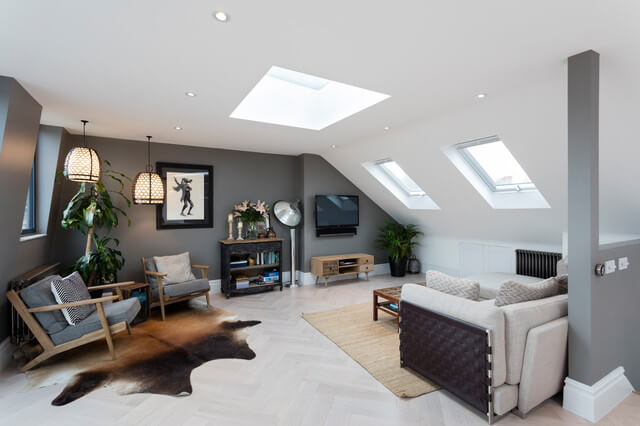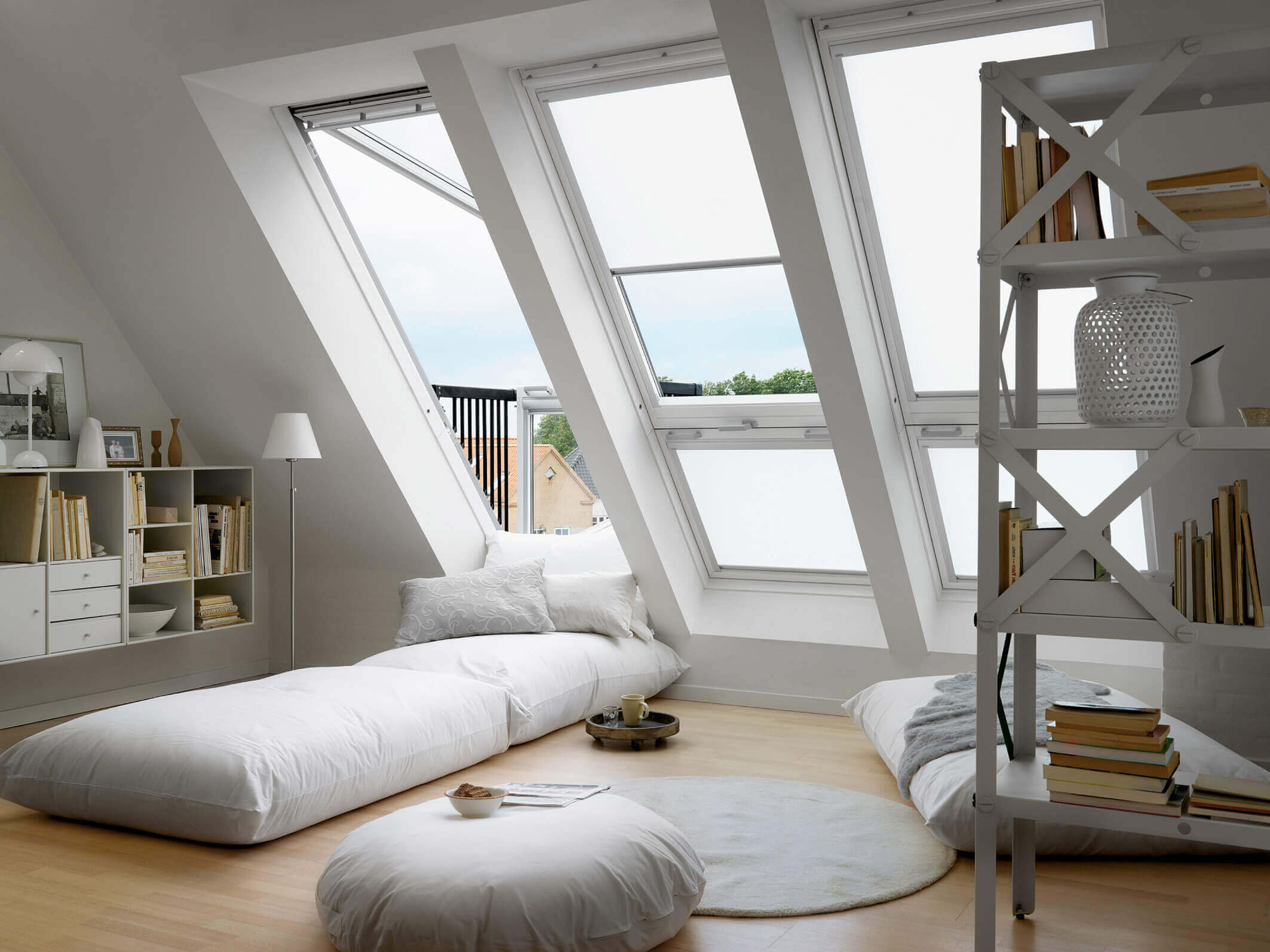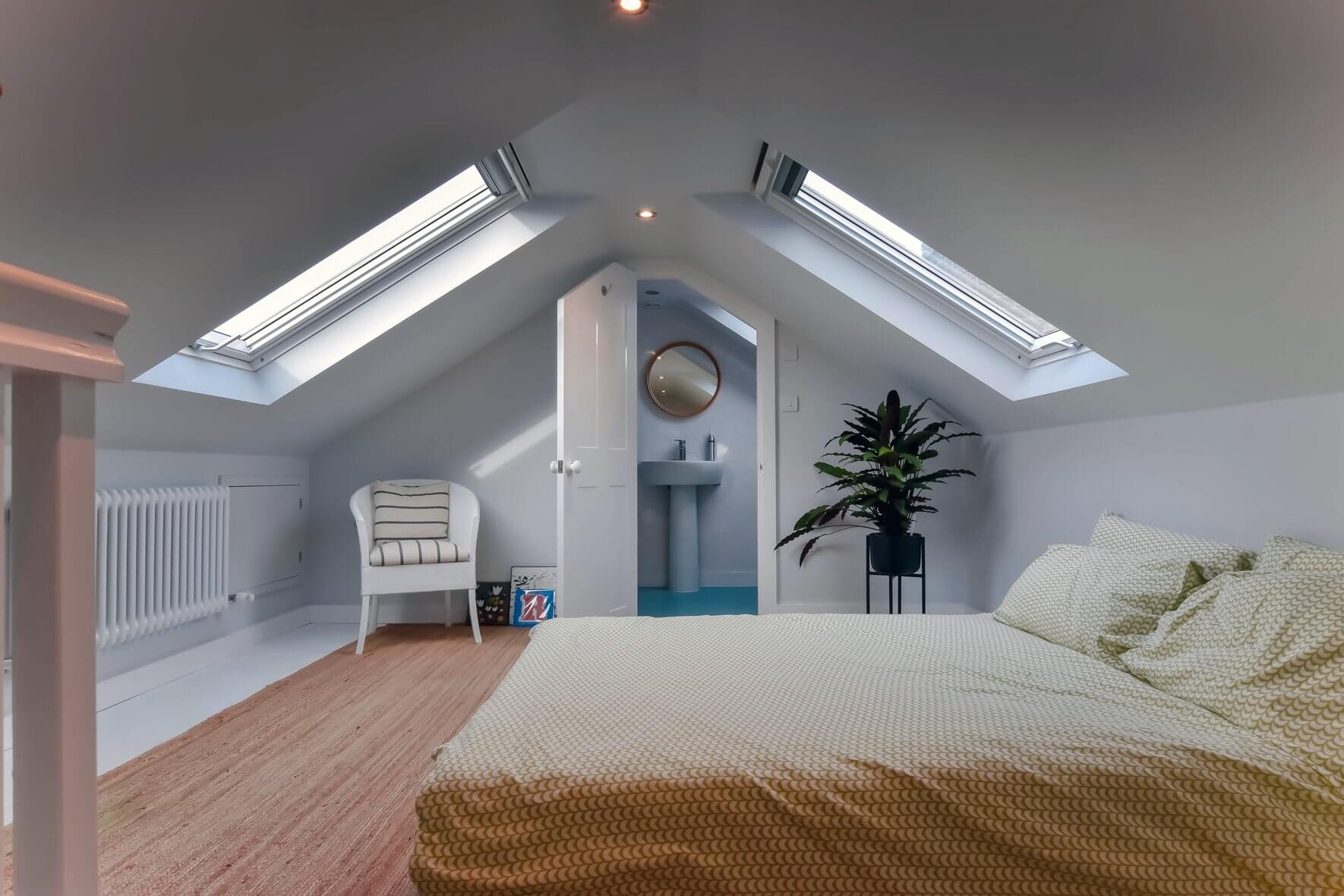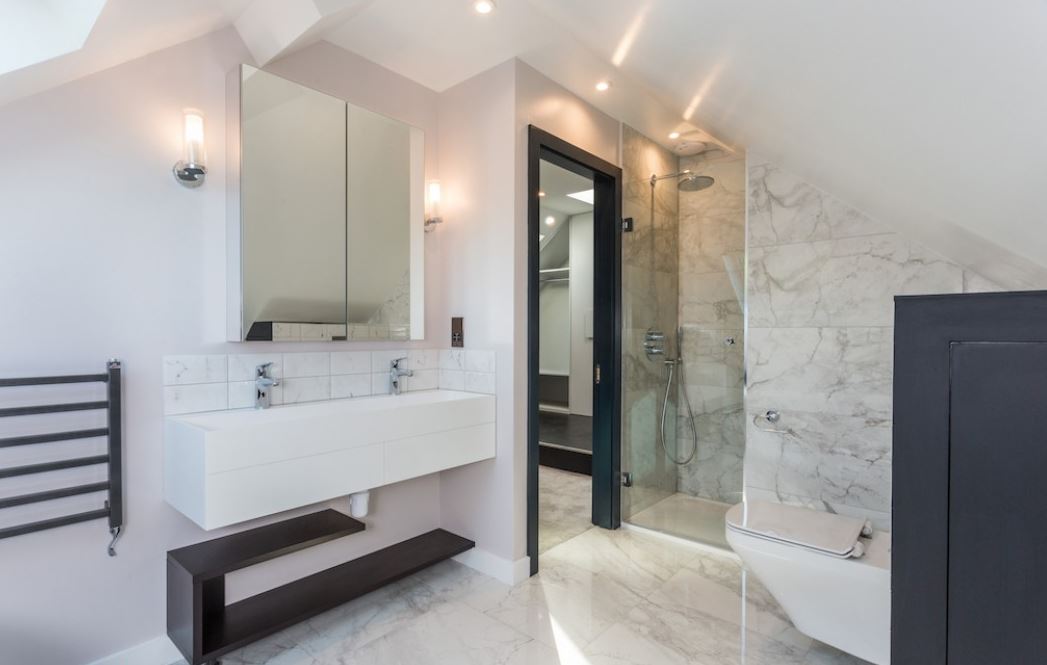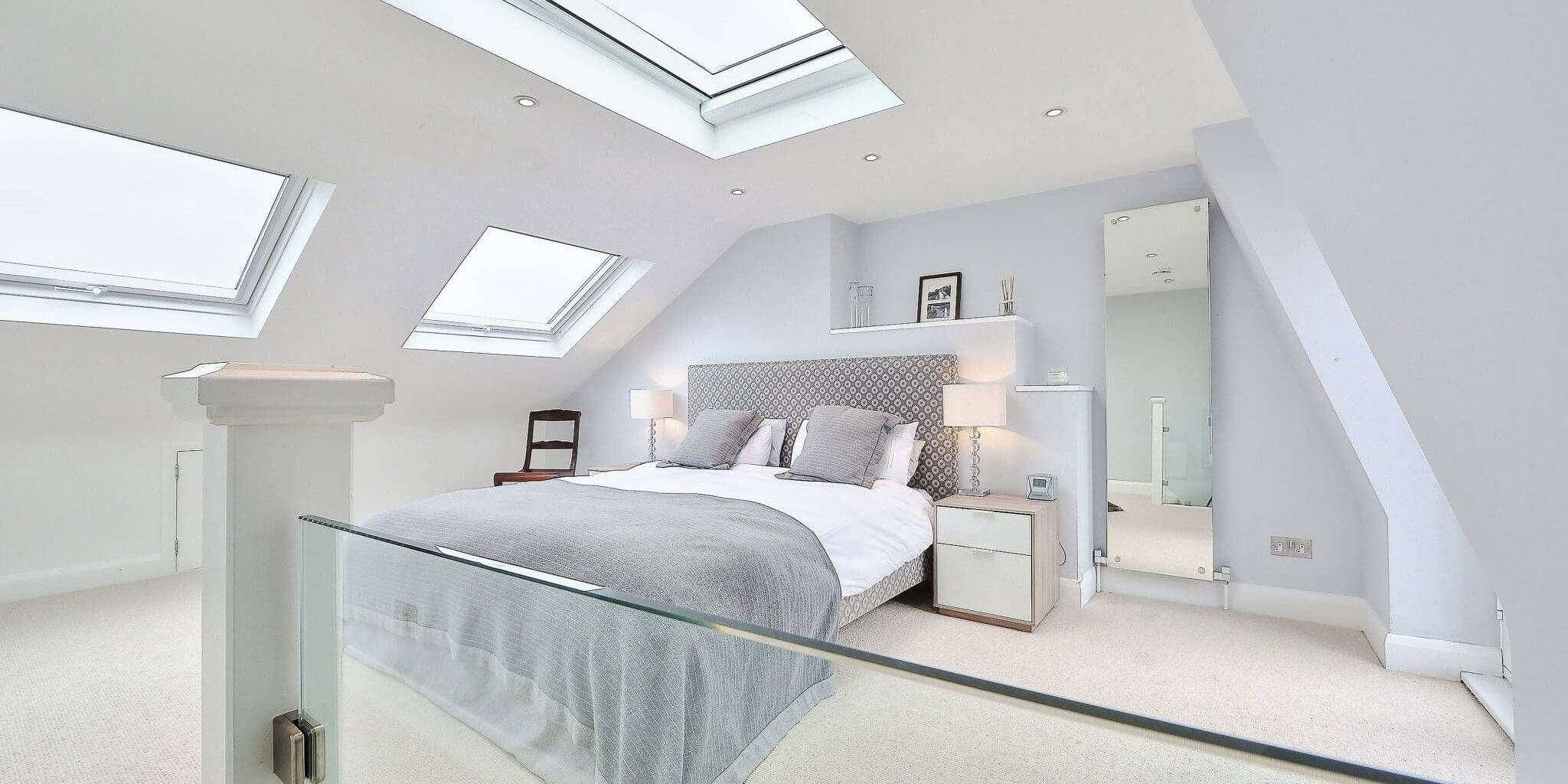
The types of Loft Conversions that we work in -
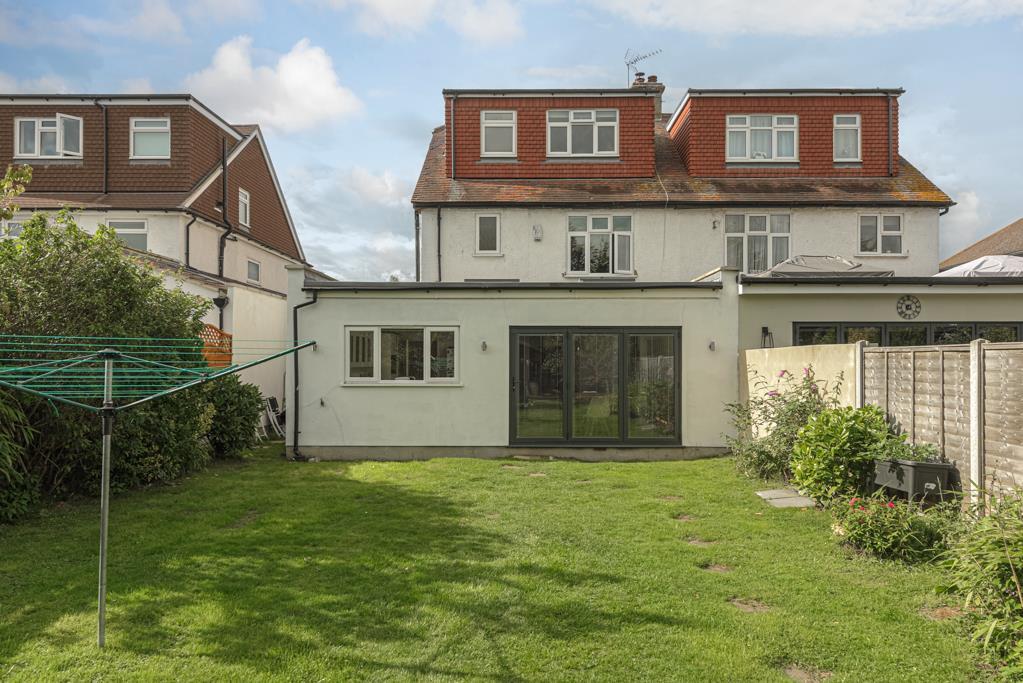
A dormer is the go-to conversion for most Haringey homes and it's not hard to see why. Haringey is full of Victorian and Edwardian terraces, along with plenty of 1930s semis. These homes have character, but they often lack space. A dormer adds a flat-roofed extension to the rear slope, giving you full standing height and a proper room layout where there was once just rafters and dust. It doesn't touch the front of your house. From the street, nothing changes. But inside, you've gained a bedroom, an office, or whatever you actually need. Best for: Victorian terraces, 1930s semis, and any Haringey home where the loft has potential but not enough headroom to use it.
A lot of people in Haringey are sitting on more roof space than they realise they just can't access it because of the shape of their roof. Hipped roofs slope inward on the sides, cutting off a big section of the loft. A hip-to-gable conversion rebuilds that sloping side into a straight vertical wall. Suddenly the loft is wider, taller, and far more practical. Pair it with a rear dormer and you've got a conversion that genuinely transforms how your home feels not just how it functions. Best suited for: End-of-terrace and semi-detached homes across Haringey where a hipped roof is limiting the internal space.
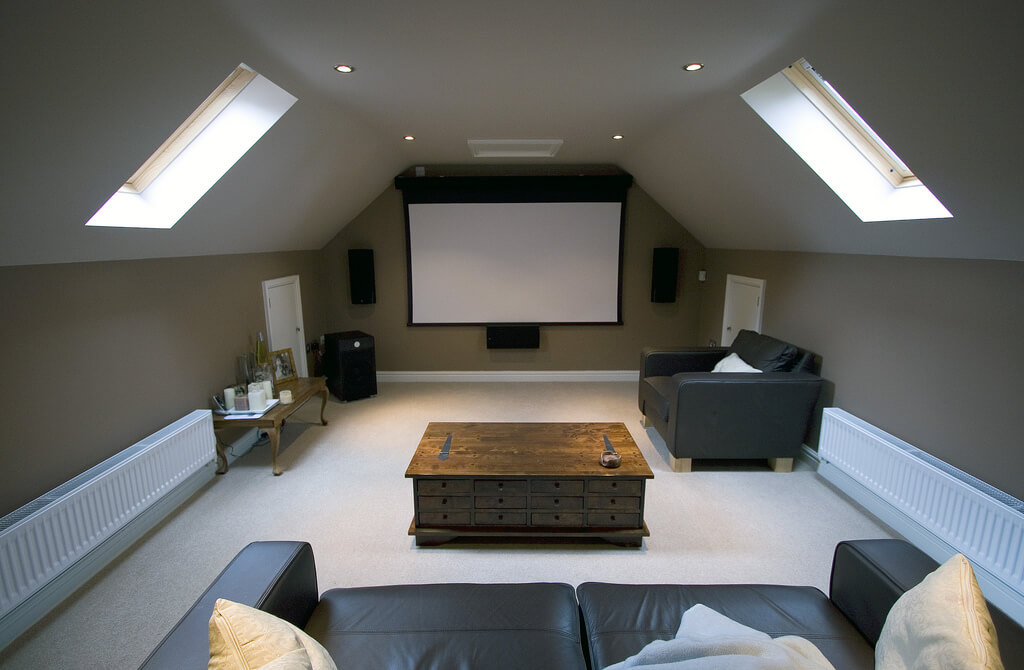
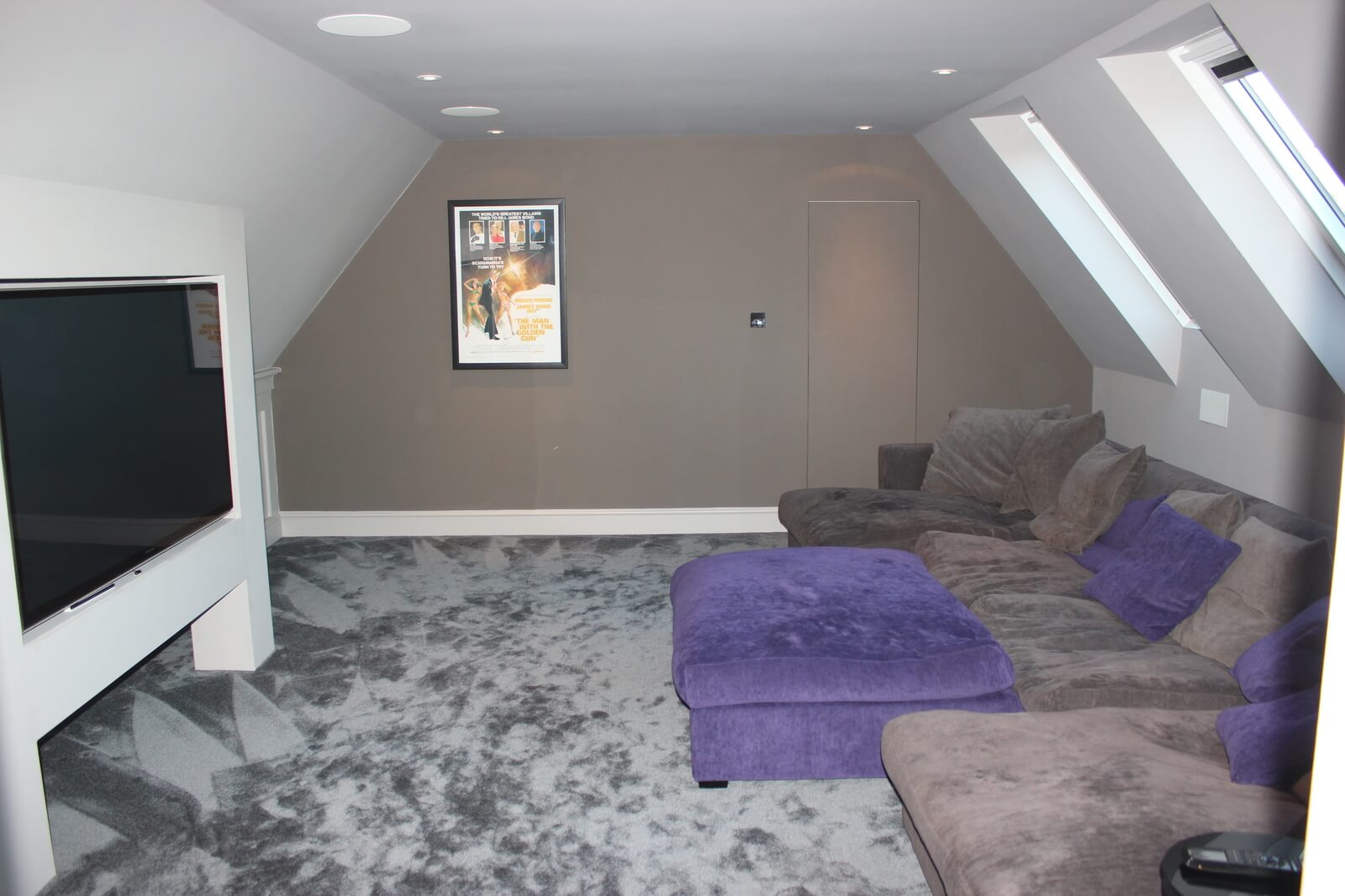
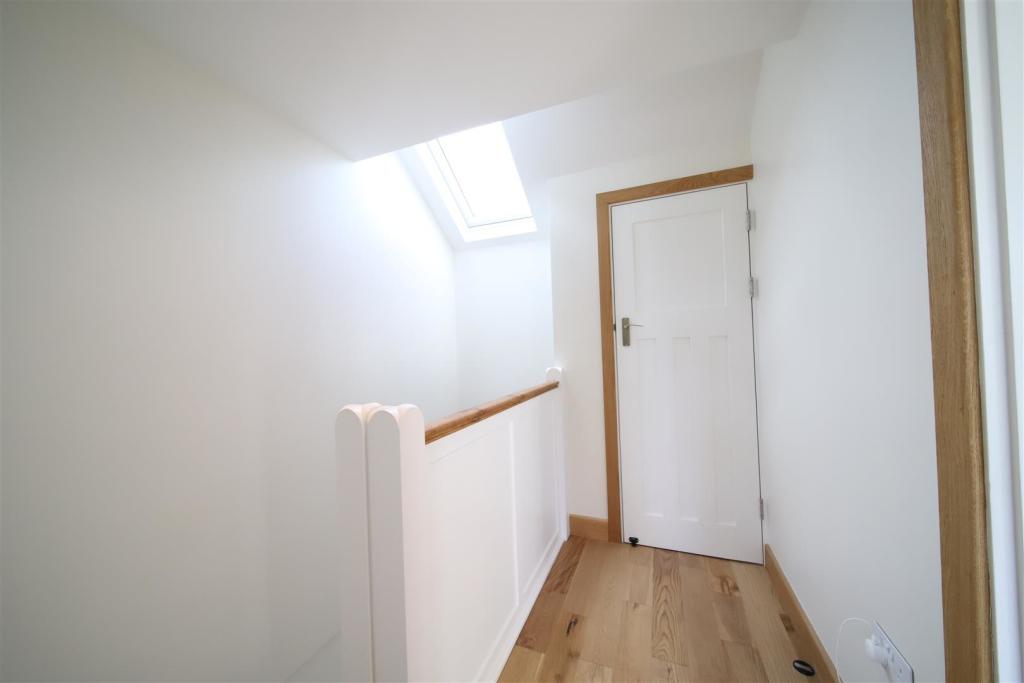
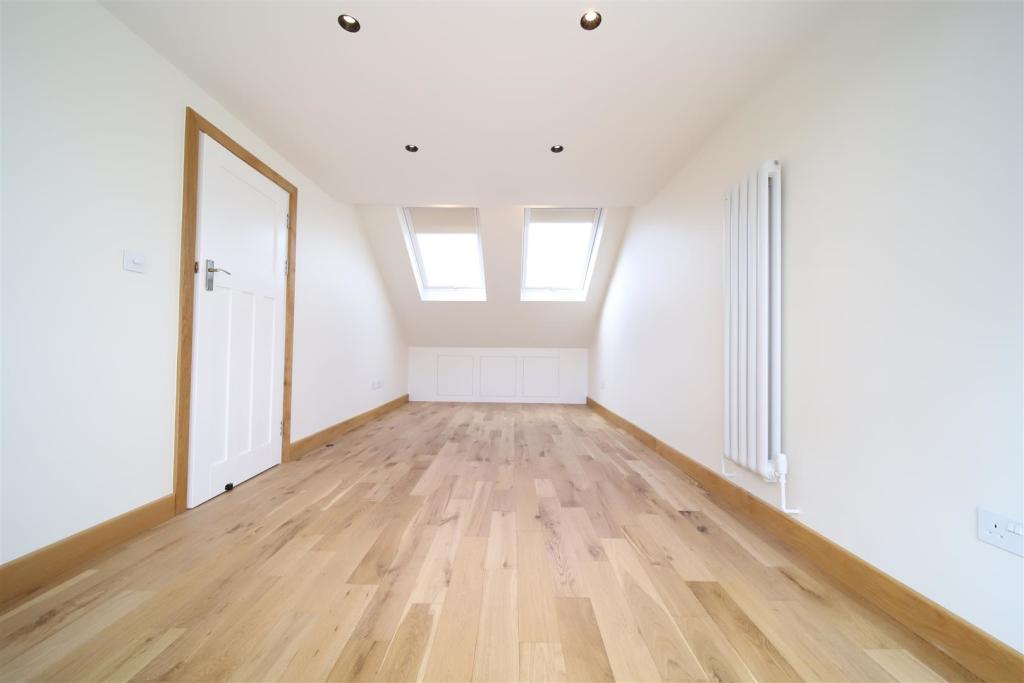
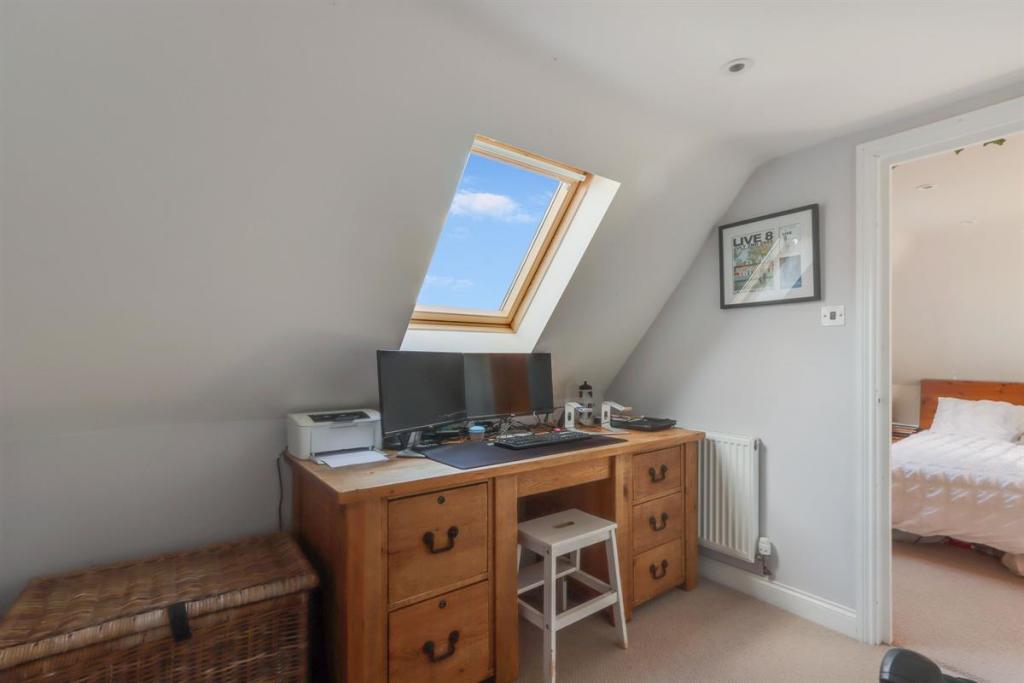
Sometimes the bones of your loft are already good. You just need someone to make it work. A Velux conversion is exactly that. No structural changes to the roof we fit skylight windows into the existing slope, reinforce the floor, sort the insulation, and get everything compliant with building regulations. Clean, simple, and done. In parts of Haringey where planning restrictions are tighter, this is often the most practical route. And in the right property, it produces a bright, comfortable room at a fraction of the cost of a structural build. Best for: Haringey homes with good existing head height, tighter budgets, and properties in conservation areas or where external changes aren't permitted.
Many homes in Haringey particularly the larger Victorian and Edwardian houses have rear extensions. If yours does, an L-shaped dormer is one of the best conversions you can do. We build a dormer on the main roof and a second one above the rear extension, then connect them. The L shape this creates gives you a loft that's wide enough for two bedrooms and a bathroom, with proper circulation space between them. It's the conversion that makes people wish they'd done it sooner. Best for: Haringey homes with rear extensions, families who need more than one new room, and larger Victorian or Edwardian properties.
If you want the most space your roof can possibly give you, a mansard is the answer. We rebuild the rear slope at a near-vertical angle with a flat roof on top. It's a bigger job and it usually needs planning permission from Haringey Council. But the result is closer to a full extra storey than a loft conversion in the traditional sense. For Haringey's larger period homes, a mansard can be genuinely transformative turning an underused roof into a master suite, a self-contained flat, or a series of new rooms. Best for: Larger period homes, properties in N4, N8, and N15, and homeowners in Haringey who want to go as far as the roof will allow.
Haringey isn't all terraces. There are bungalows tucked into quieter streets across the borough and many of them are perfect for a loft conversion. Because bungalow roofs span the full footprint of the property, there's often a lot more space up there than people expect. Converting it adds proper rooms upstairs, gives the ground floor room to breathe, and changes the feel of the whole house. It's one of the more underrated conversions we do and the results consistently surprise people. Best for: Single-storey homes in Haringey where ground-floor space has run out, and owners who want to add real value without the disruption of moving.
Do you have a question about Loft Conversions? We're here to help. Contact our team at Loft Converter London
The minimum height required for a Loft Conversion is 2.2m (from the floor to the highest point in your loft). If you do not have the required height, your ceilings can be lowered on your first floor.
This depends on the size and type of Loft, most loft conversions take around 10-12 weeks. We can give you a more accurate estimation when we see your property.
Loft Conversion cost is determined by the size and type of the project, the features you would like, etc. Our architect will help you achieve the best use of your space within your budget. Most Lofts cost between £30,000 and £70,000.
No - it's safe to carry on living in your house. Our team starts from the scaffolding before the stairs go in. We always try to limit the disruption during the construction process.
Loft Conversions usually fall under the permitted development category therefore planning permission is not normally required. There are some exceptions like conservation areas, flats, or listed buildings. Our in-house surveyors can advise further on planning permission..
A party wall agreement is also known as PWA is required if you own semi-detached or terraced property. In simple words, if you are working within or near your neighbor’s boundary then you will need a party wall agreement in place. Click here for more info.
Yes - it will add from 15% to 25% upwards depending on the size, design, and type of Loft. Read more about adding value here.
Yes, all Loft conversions require building regulation approval from the local authority. These regulations are important to ensure the safety measures are in place and they set a protocol of construction and design to follow.
Absolutely yes, we will work with you to achieve your dream new living space.