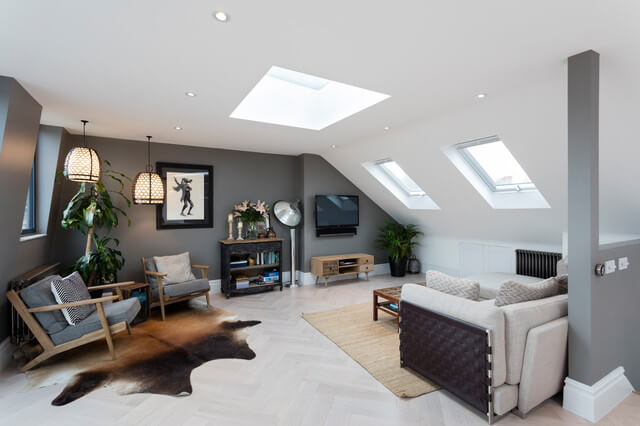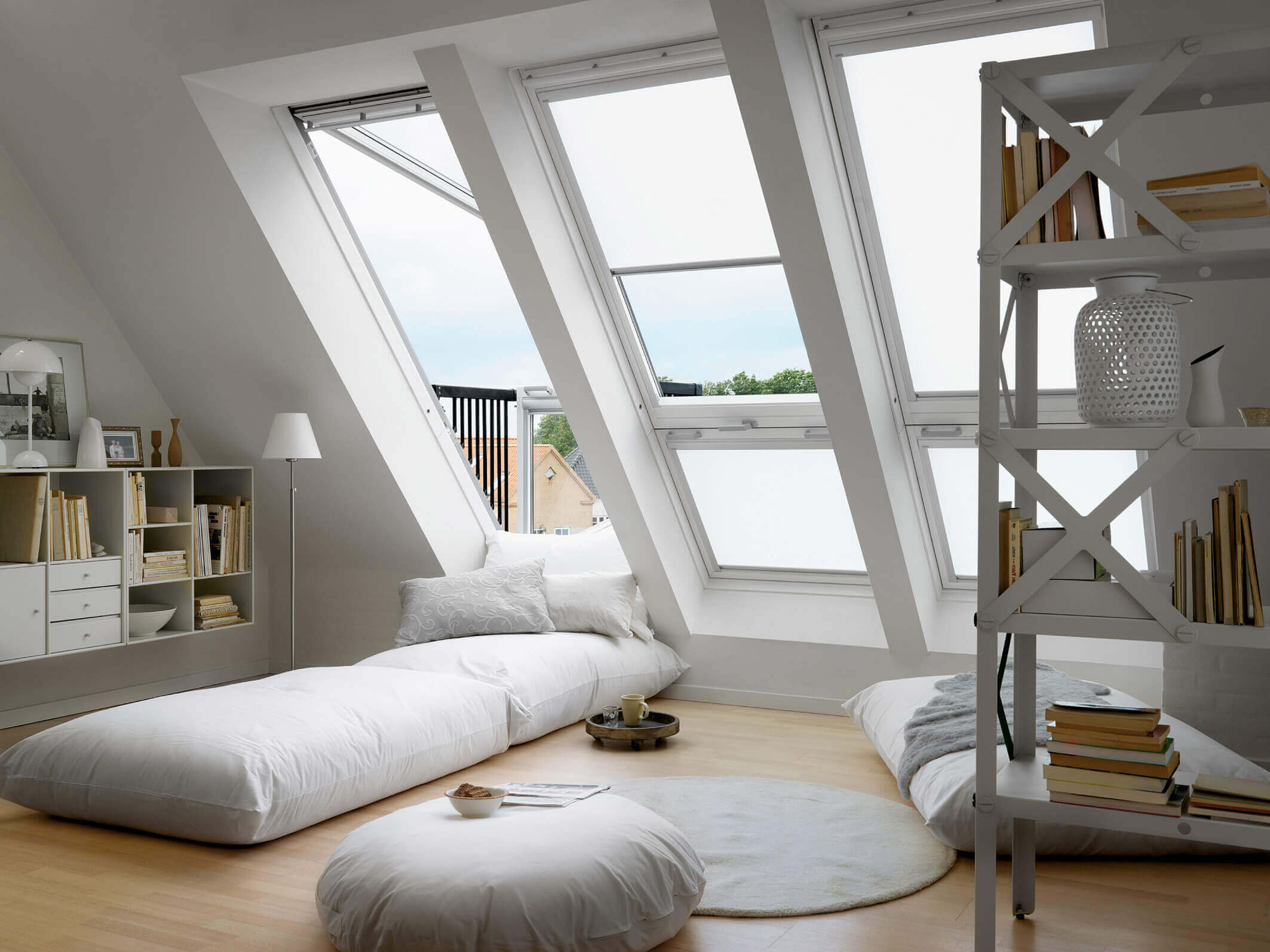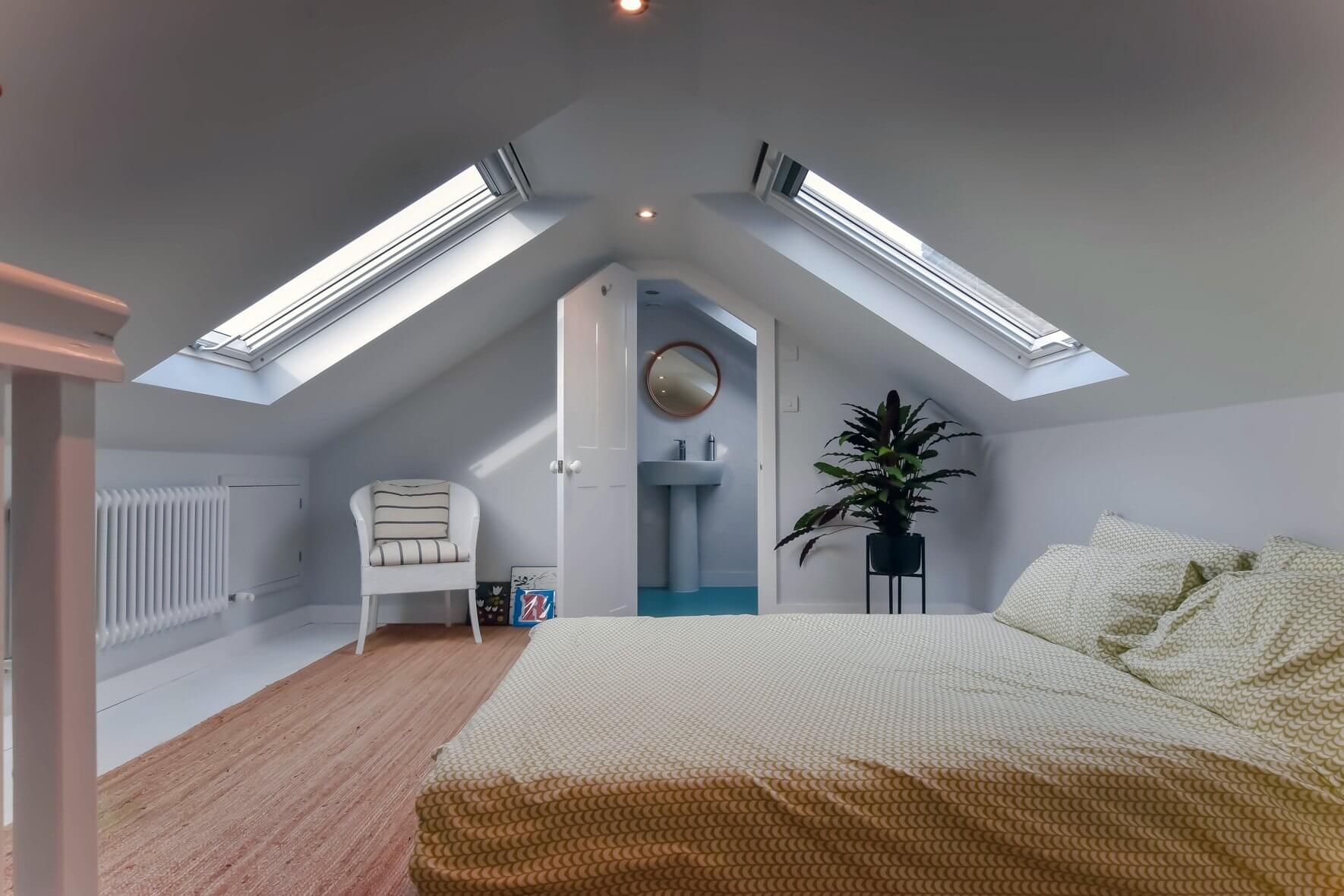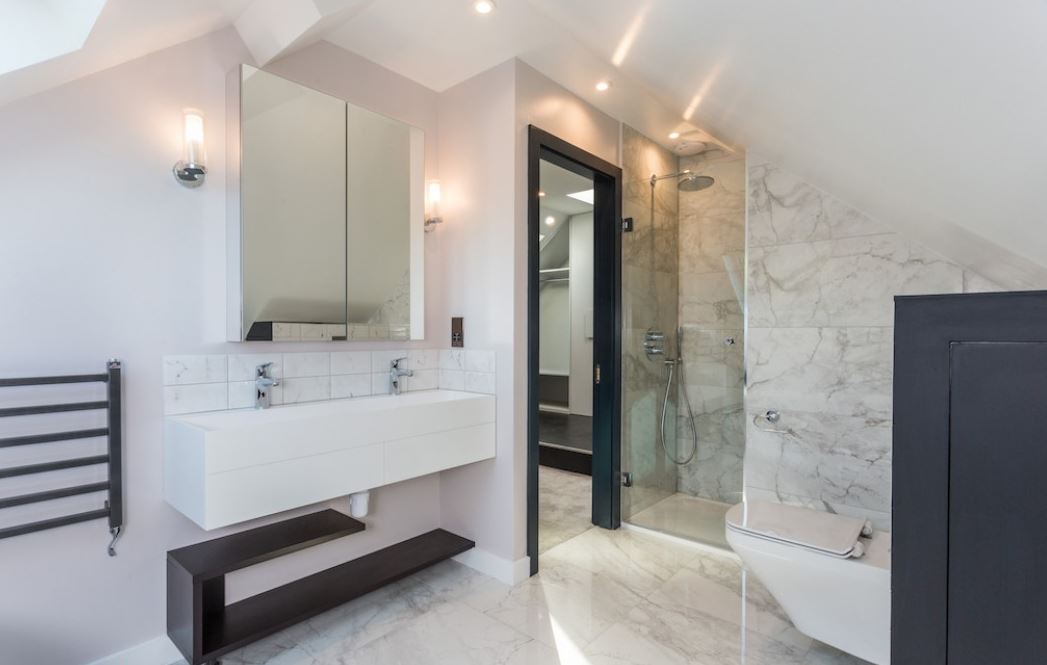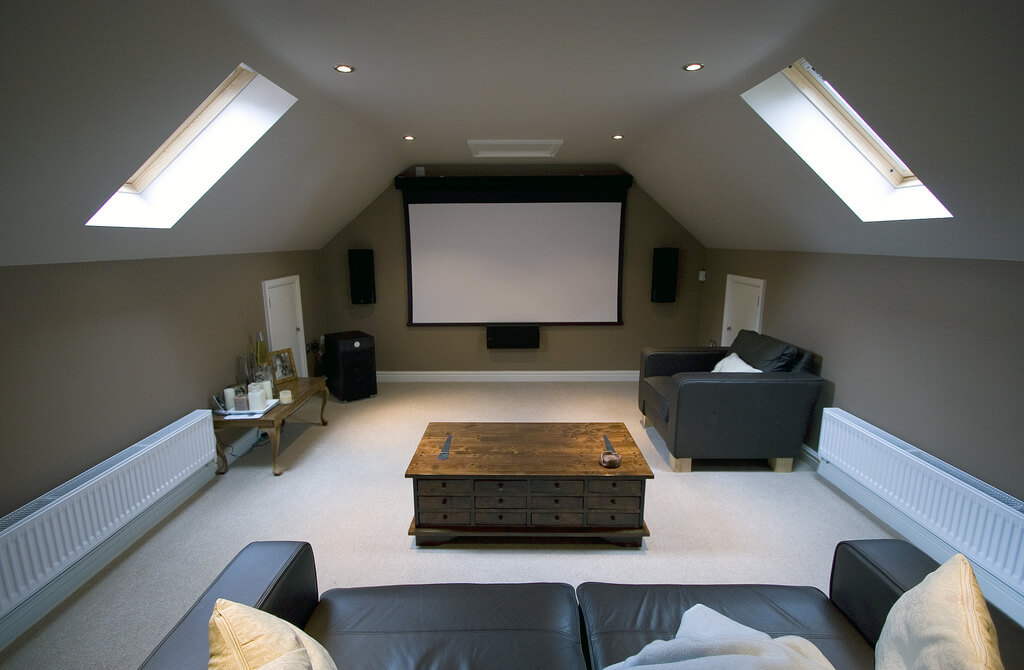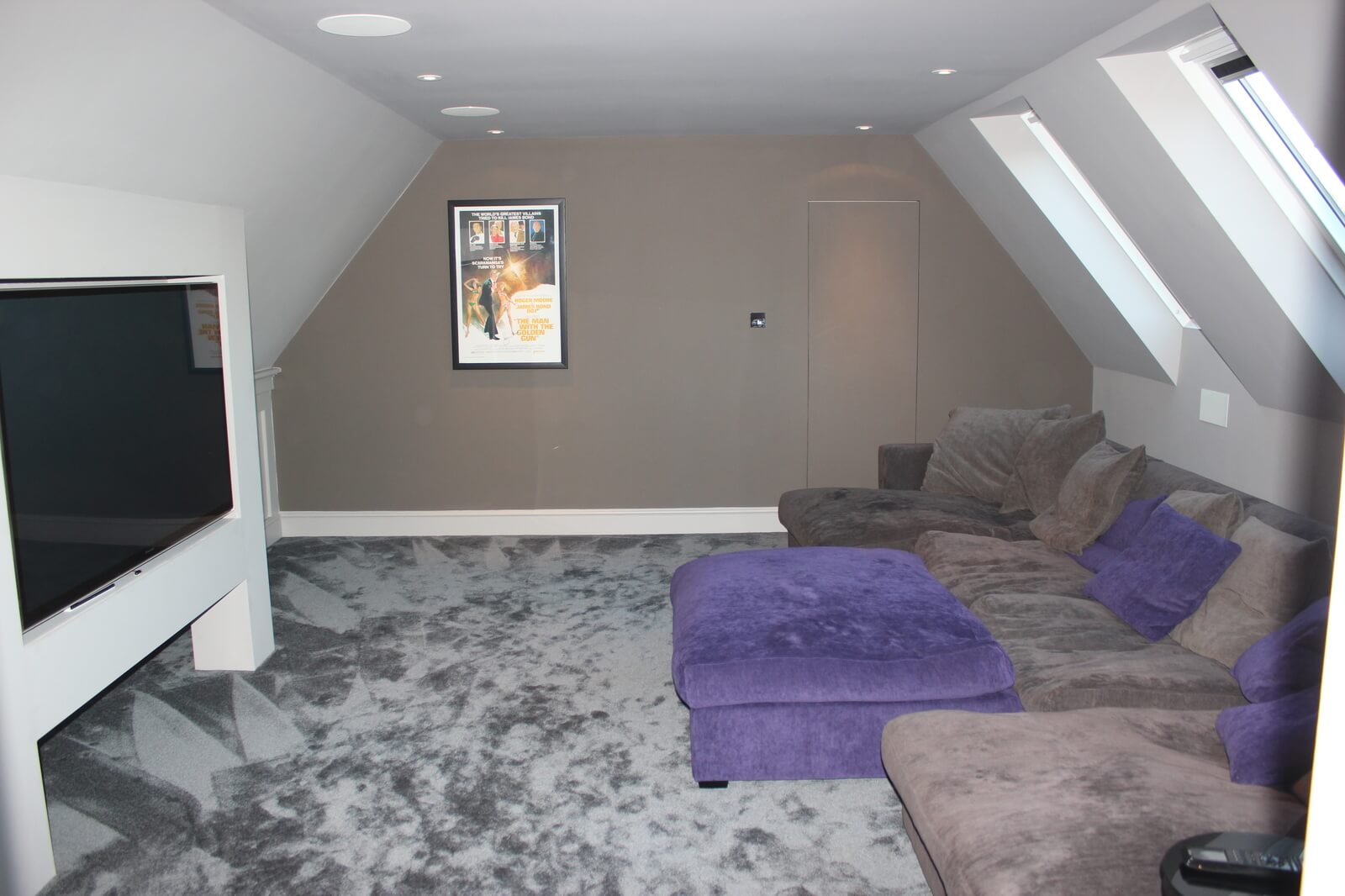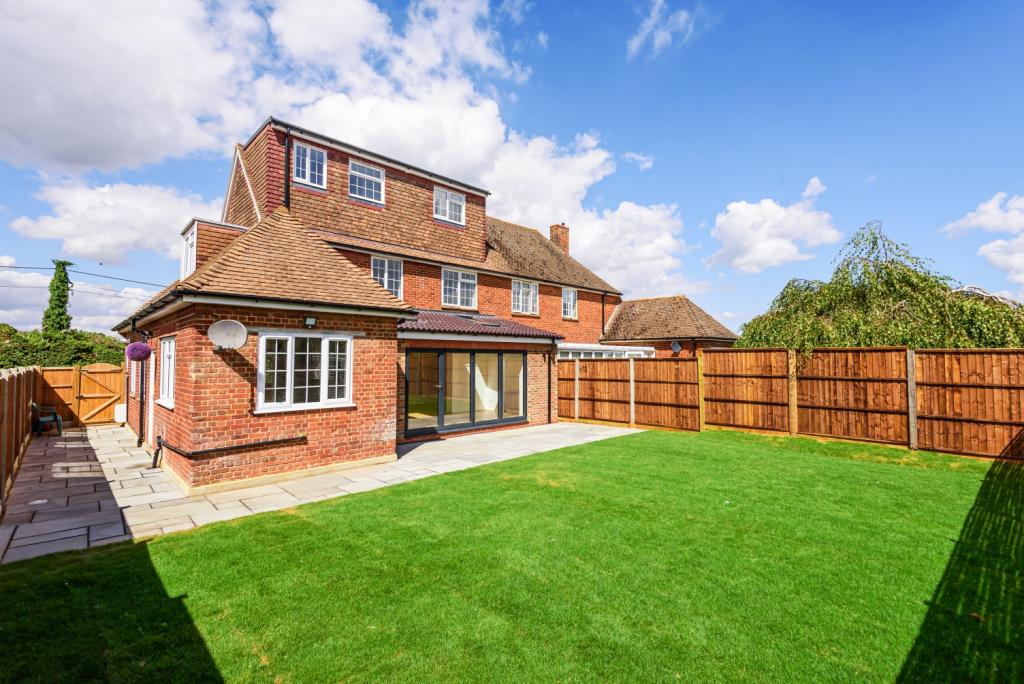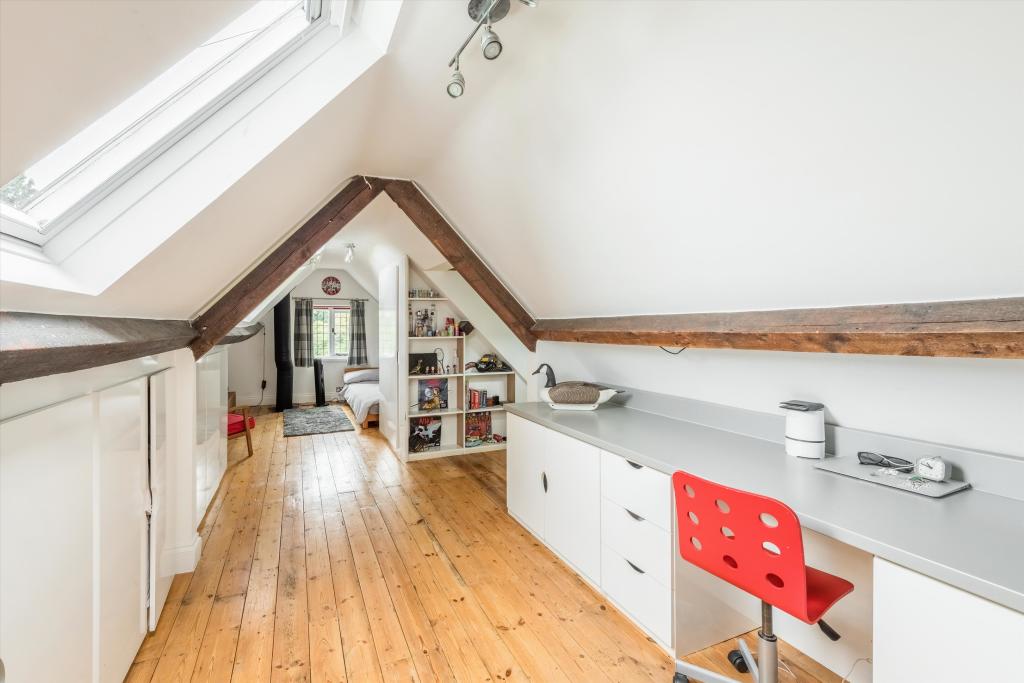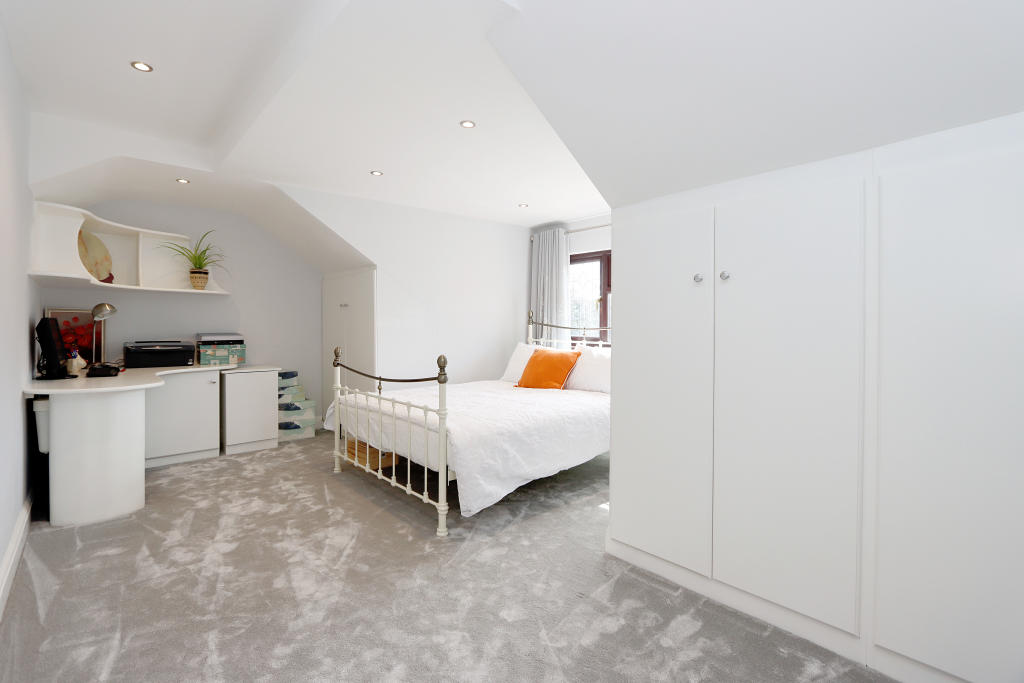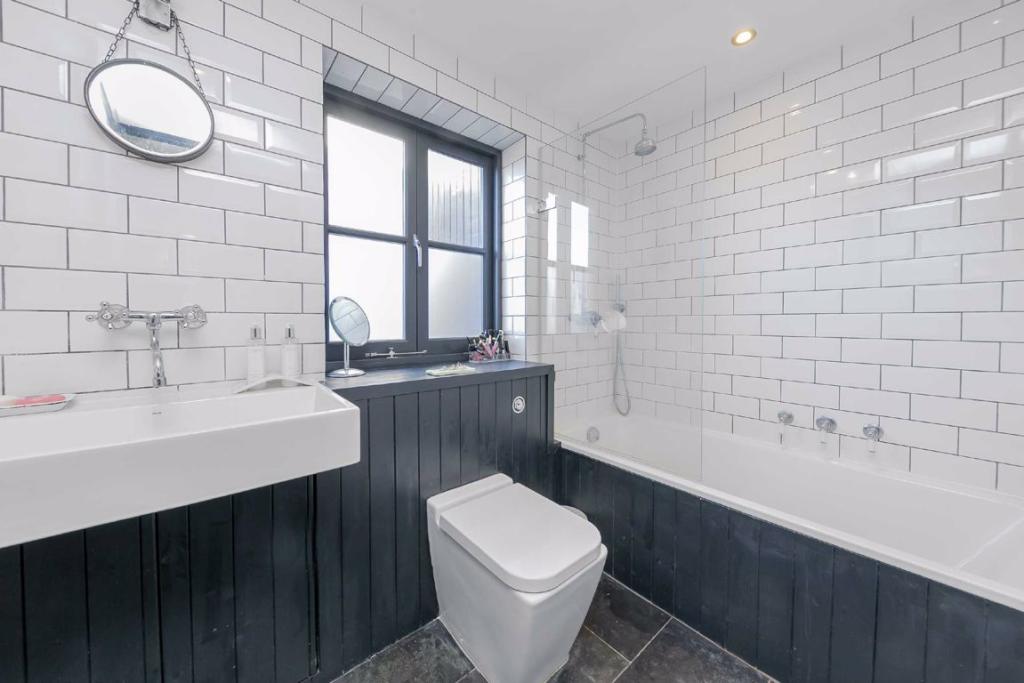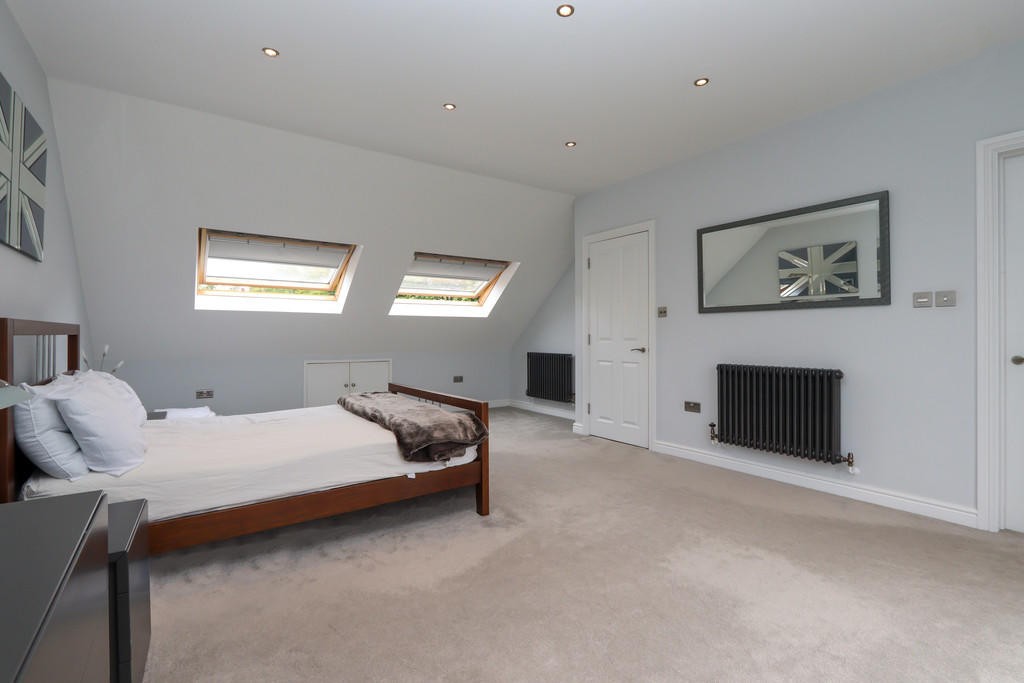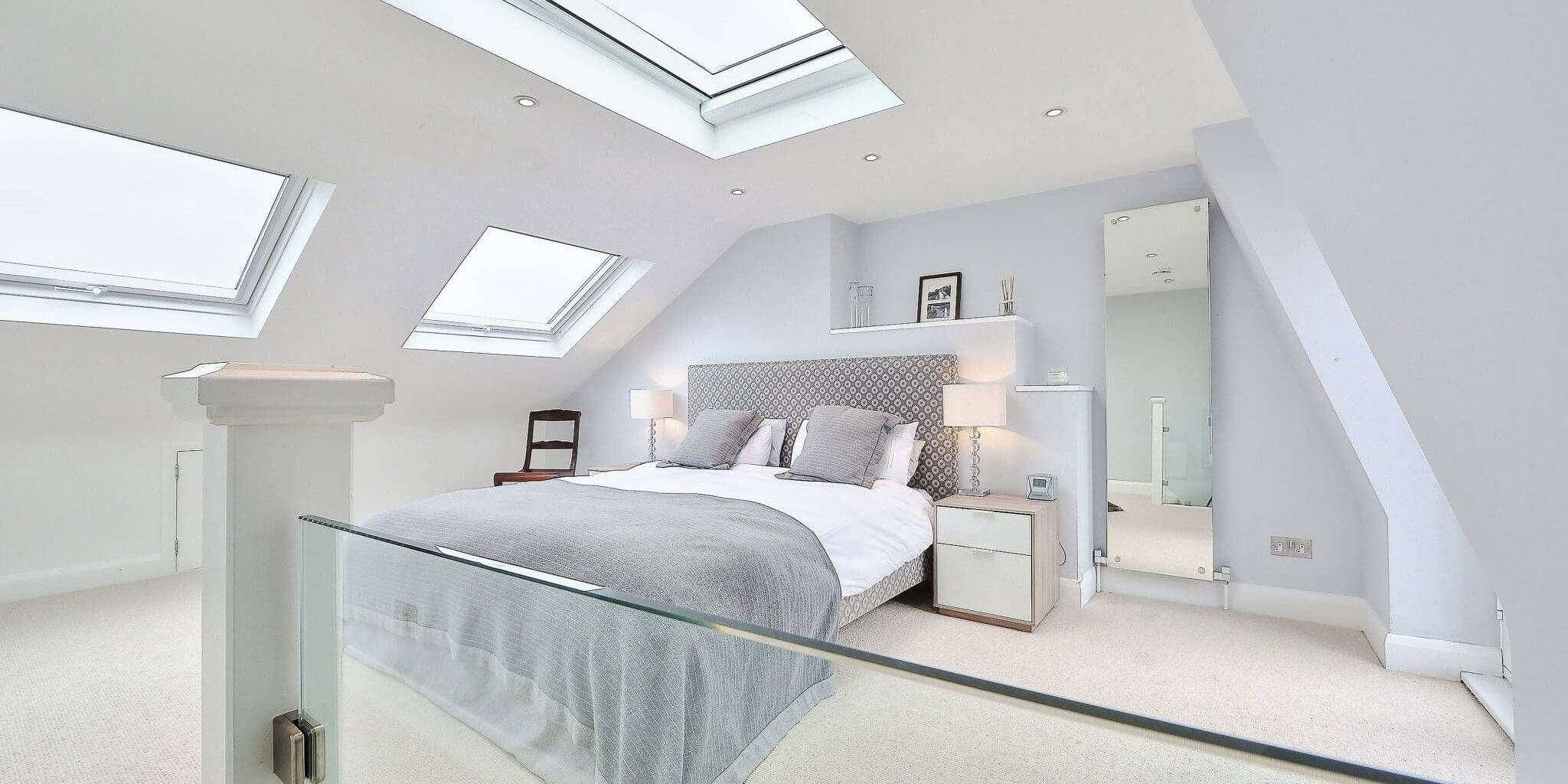
The types of Loft Conversions that we work in -
Cricklewood sits in that part of North West London where the housing is solid, the streets are established, and moving to something bigger costs a lot more than it used to. For most families here, building up makes more sense than moving out. A dormer is where that process usually starts. We extend the rear roof slope with a flat-roofed box structure, giving you full standing height and a proper room layout. Cricklewood has a strong mix of Victorian terraces and inter-war semis both housing types respond well to this conversion. The front of your house stays as it is. The work happens at the back, and the gain inside is real and immediate. Best for: Victorian terraces, inter-war semis, and Cricklewood homes where the loft has potential but head height is holding it back.
Walk down most streets in Cricklewood and you'll notice something about the rooflines a lot of them slope inward at the sides. That's a hipped roof, and while it looks fine from the outside, it quietly takes a chunk out of your usable loft space. A hip-to-gable conversion puts that right. We replace the sloping side with a straight vertical wall, recovering the width that the hipped roof was eating into. It's a change that makes a real difference to how the loft can be used and when combined with a rear dormer, the result is a layout that feels like a proper floor rather than a converted attic. Best suited for: Semi-detached and end-of-terrace homes in Cricklewood where the hipped roof is quietly limiting what the loft can become.
Not every loft in Cricklewood needs a major structural build. Some of them just need the right finishing and a Velux conversion is exactly that. We fit roof windows into the existing slope, reinforce the floor, upgrade the insulation, and make sure everything meets building regulations. The roof doesn't change. There's no structural work, no external alteration, and no lengthy timeline. What you're left with is a bright, well-finished room that uses the space that was already there. In parts of Cricklewood where planning restrictions apply particularly near conservation zones this is often the most practical and sensible route. Best for: Cricklewood homes with good existing head height, homeowners working to a budget, and properties where external changes need to stay minimal.
Cricklewood has a lot of terraced and semi-detached homes that have been extended at the rear over the decades. If that sounds like yours, there's more potential above your head than a single dormer can capture. An L-shaped conversion uses both roof sections. One dormer on the main roof, one above the rear extension, joined together to form the L shape. The combined floor area is significantly larger than a standard dormer and it's realistic to fit two bedrooms and a bathroom up there without any of the rooms feeling like an afterthought. For Cricklewood families who've outgrown their current layout, this is the conversion that tends to settle the question of whether to stay or move. Best for: Cricklewood homes with rear extensions, families needing multiple new rooms, and terraced properties where a single dormer won't go far enough.
Some Cricklewood homeowners don't just want more space they want to go as far as the roof will allow. A mansard conversion is built for exactly that. We rebuild the entire rear slope at a near-vertical angle with a flat roof running across the top. The loft stops being a loft and starts being a floor. Full ceiling height, maximum usable area, and a finish that sits naturally with the character of the house. It's the most involved conversion we do, and it usually requires planning permission from Brent or Barnet Council depending on where in Cricklewood you are. But for the right property, nothing else comes close to what it delivers. Best for: Larger period homes, properties on the Brent and Barnet border, and Cricklewood homeowners who want the most ambitious and highest-value conversion available.
They're easy to overlook, but Cricklewood has its share of bungalows and most of them are sitting on far more roof space than their owners have ever thought to use. A bungalow roof covers the full footprint of the property. That means a loft conversion here can yield a surprising amount of floor area enough for one or two proper rooms that change the entire dynamic of the home. The ground floor opens up, the household gets more breathing room, and the property itself becomes significantly more valuable. It's one of the more underestimated conversions we carry out in this part of London. The results tend to speak for themselves. Best for: Single-storey Cricklewood homes where the ground floor has nothing left to give, and owners who want a meaningful, lasting improvement without the upheaval of moving.
Do you have a question about Loft Conversions? We're here to help. Contact our team at Loft Converter London
The minimum height required for a Loft Conversion is 2.2m (from the floor to the highest point in your loft). If you do not have the required height, your ceilings can be lowered on your first floor.
This depends on the size and type of Loft, most loft conversions take around 10-12 weeks. We can give you a more accurate estimation when we see your property.
Loft Conversion cost is determined by the size and type of the project, the features you would like, etc. Our architect will help you achieve the best use of your space within your budget. Most Lofts cost between £30,000 and £70,000.
No - it's safe to carry on living in your house. Our team starts from the scaffolding before the stairs go in. We always try to limit the disruption during the construction process.
Loft Conversions usually fall under the permitted development category therefore planning permission is not normally required. There are some exceptions like conservation areas, flats, or listed buildings. Our in-house surveyors can advise further on planning permission..
A party wall agreement is also known as PWA is required if you own semi-detached or terraced property. In simple words, if you are working within or near your neighbor’s boundary then you will need a party wall agreement in place. Click here for more info.
Yes - it will add from 15% to 25% upwards depending on the size, design, and type of Loft. Read more about adding value here.
Yes, all Loft conversions require building regulation approval from the local authority. These regulations are important to ensure the safety measures are in place and they set a protocol of construction and design to follow.
Absolutely yes, we will work with you to achieve your dream new living space.