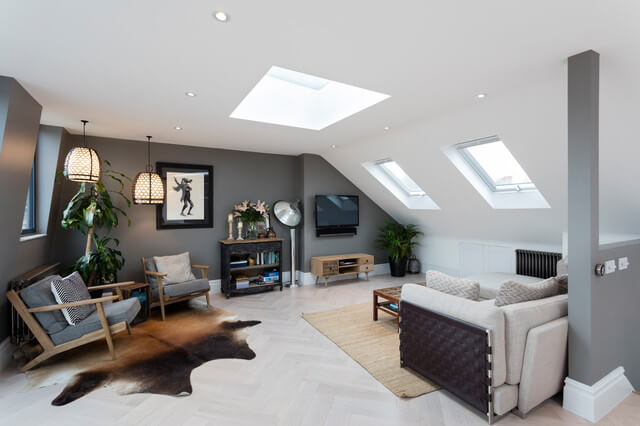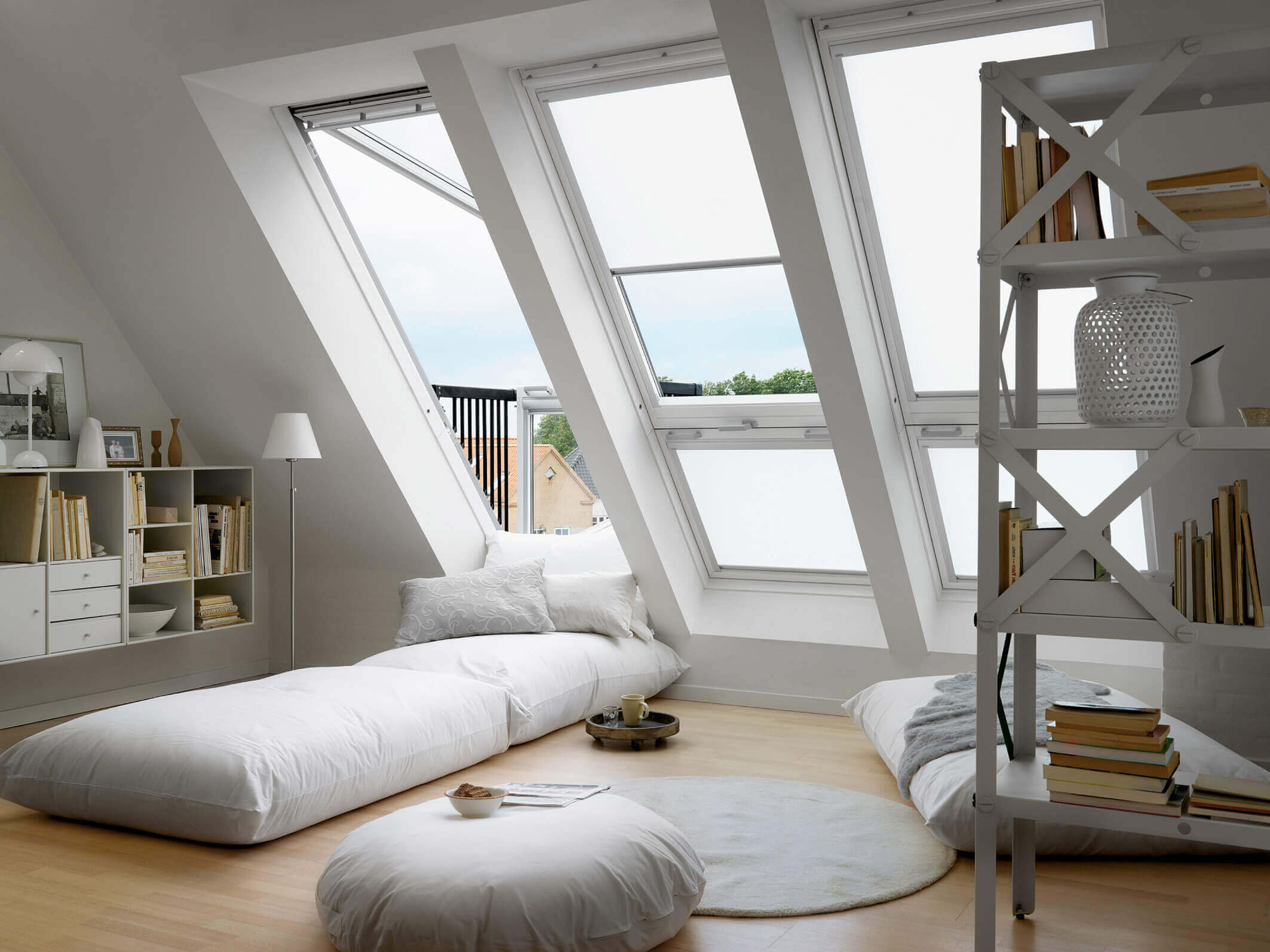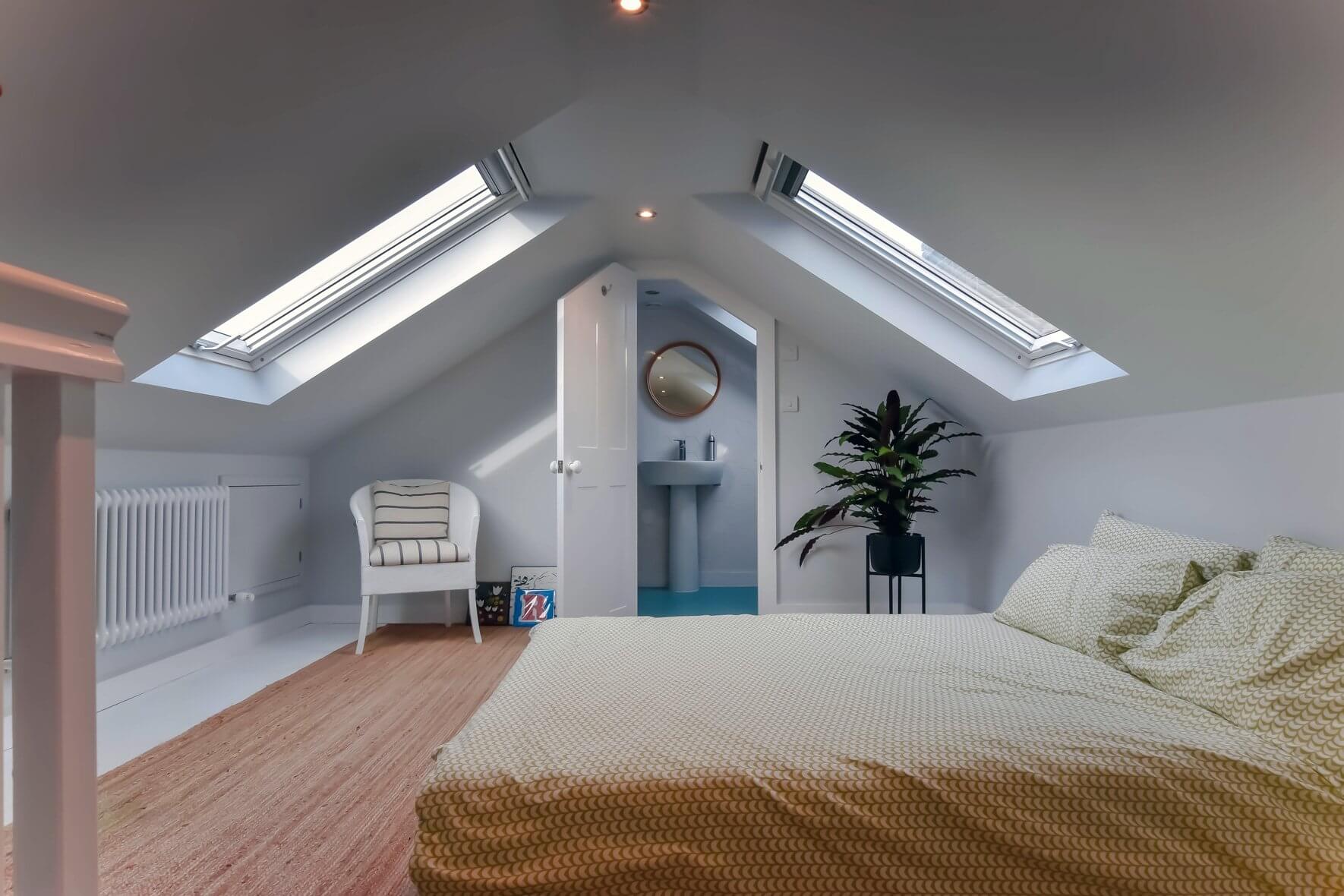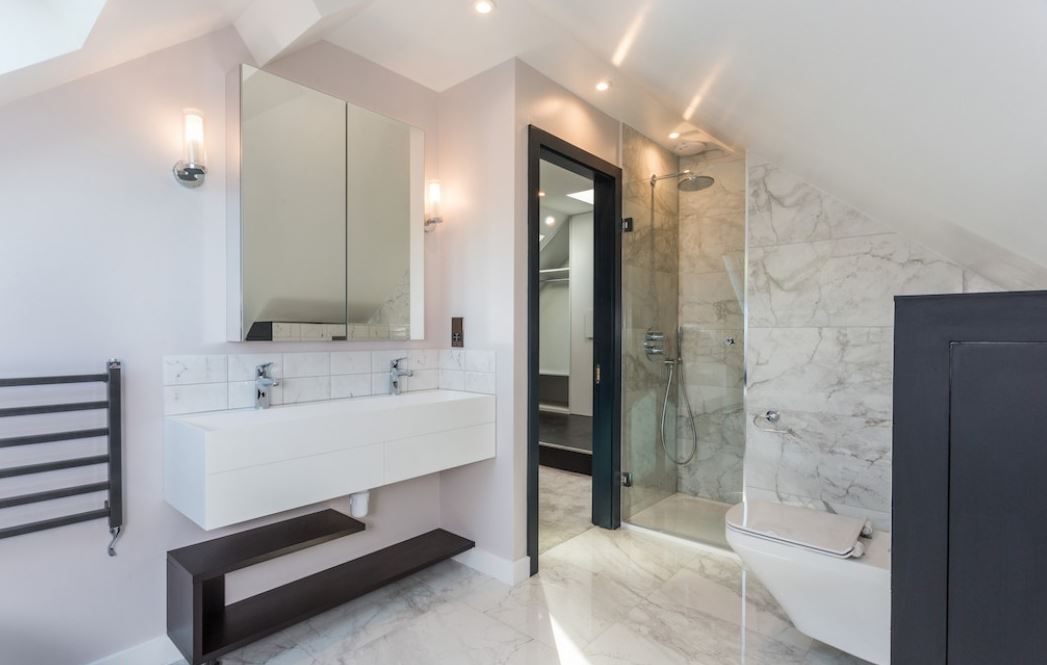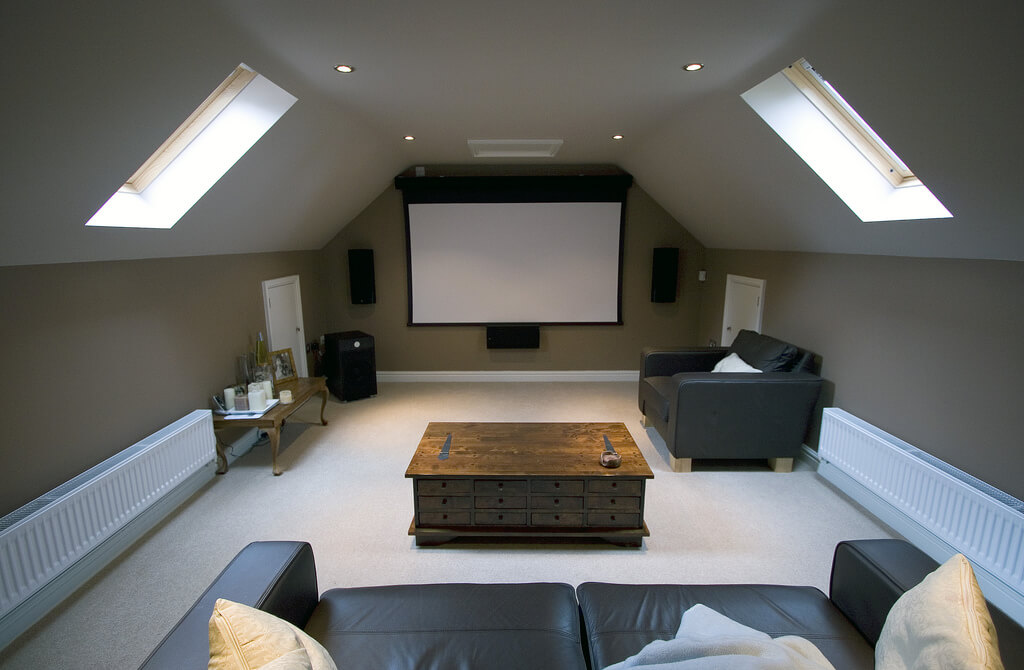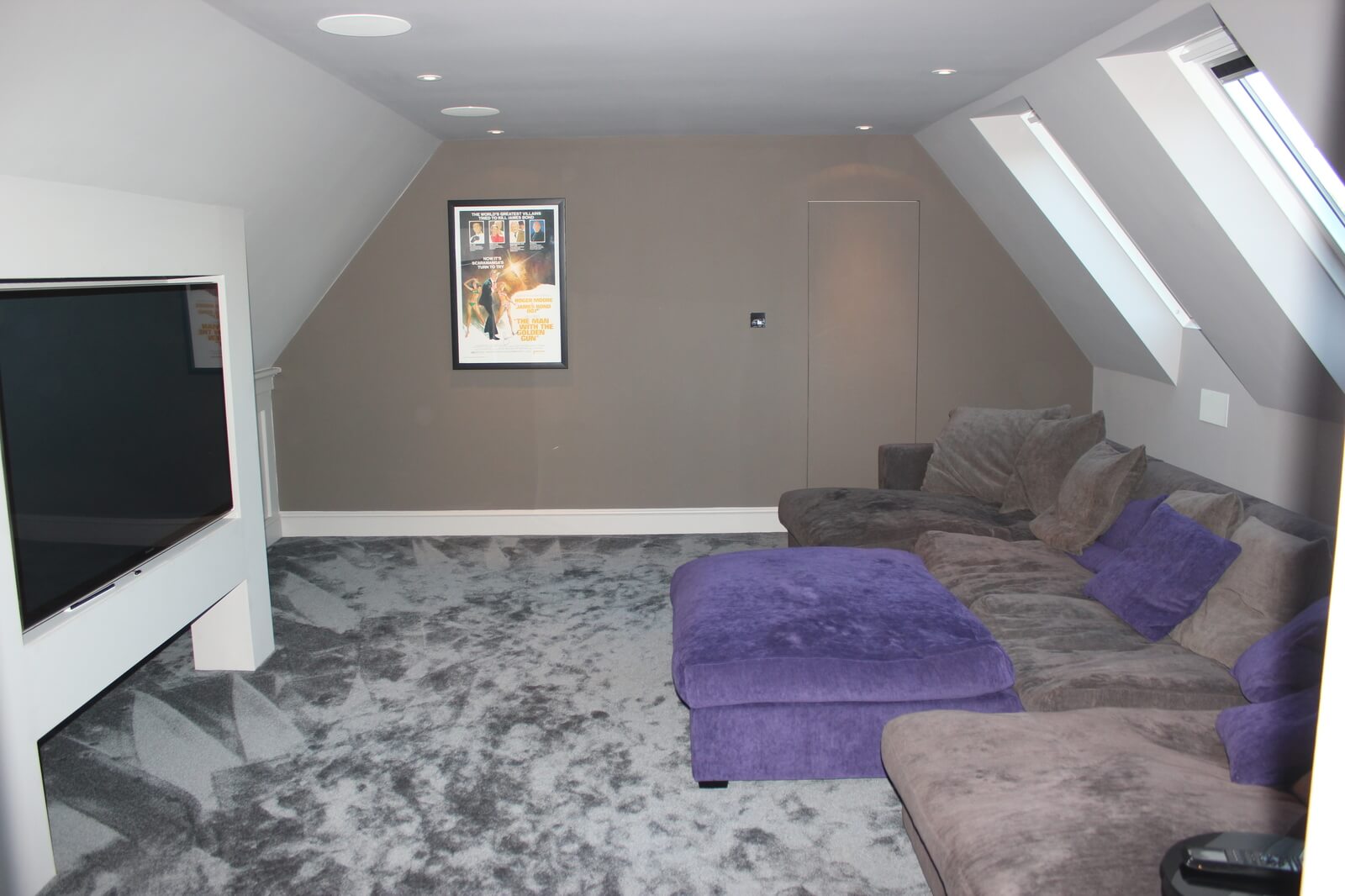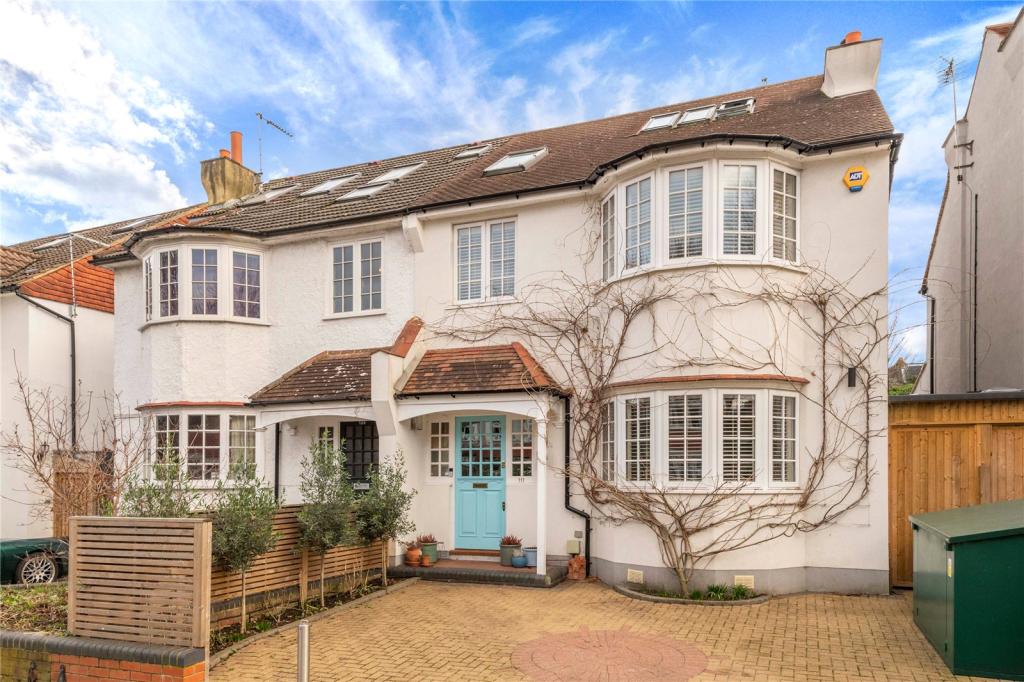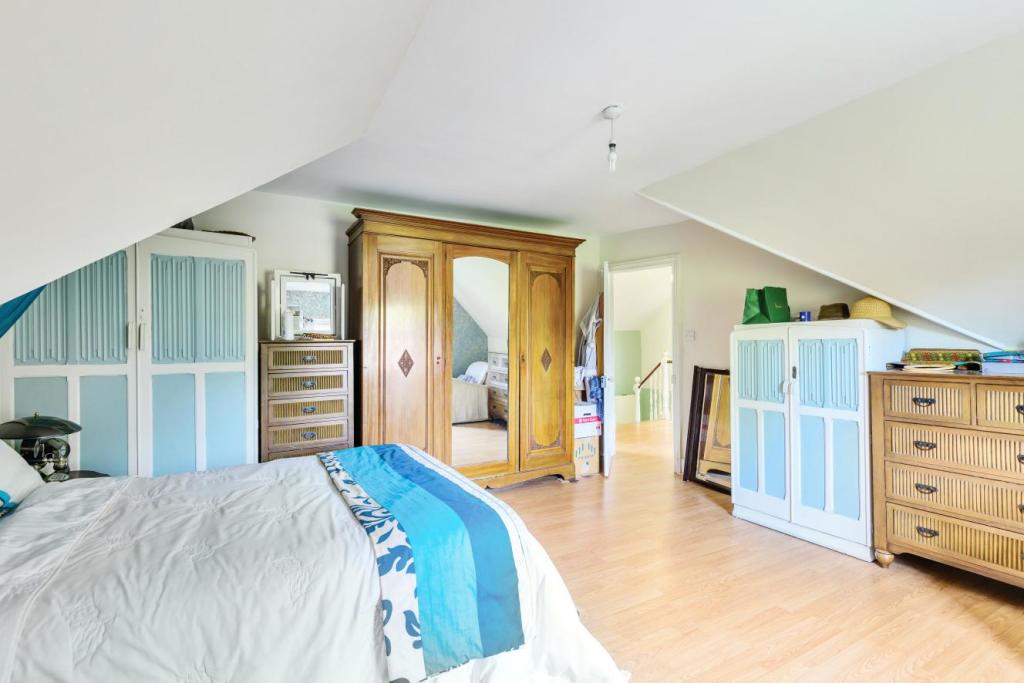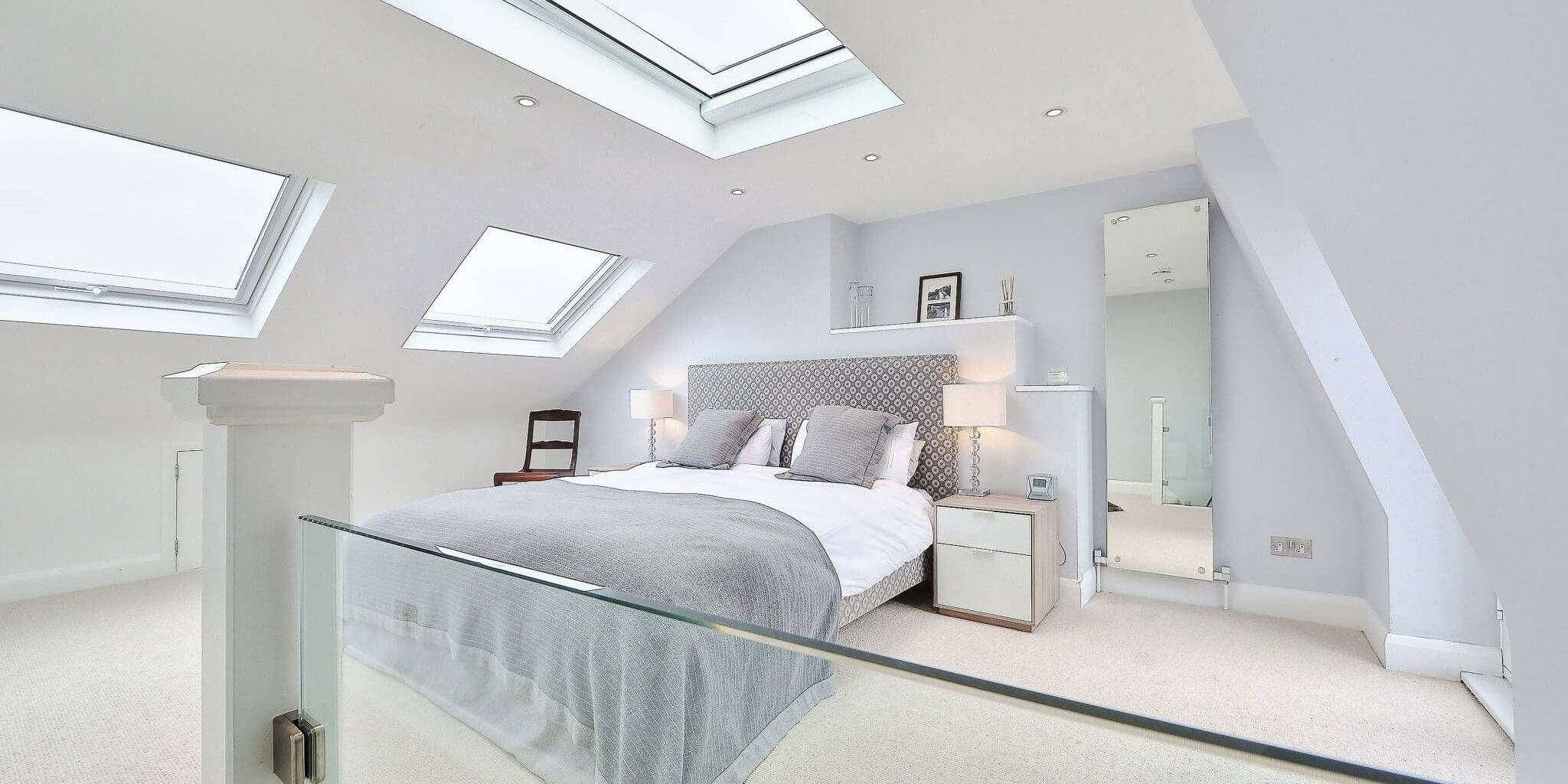
The types of Loft Conversions that we work in -
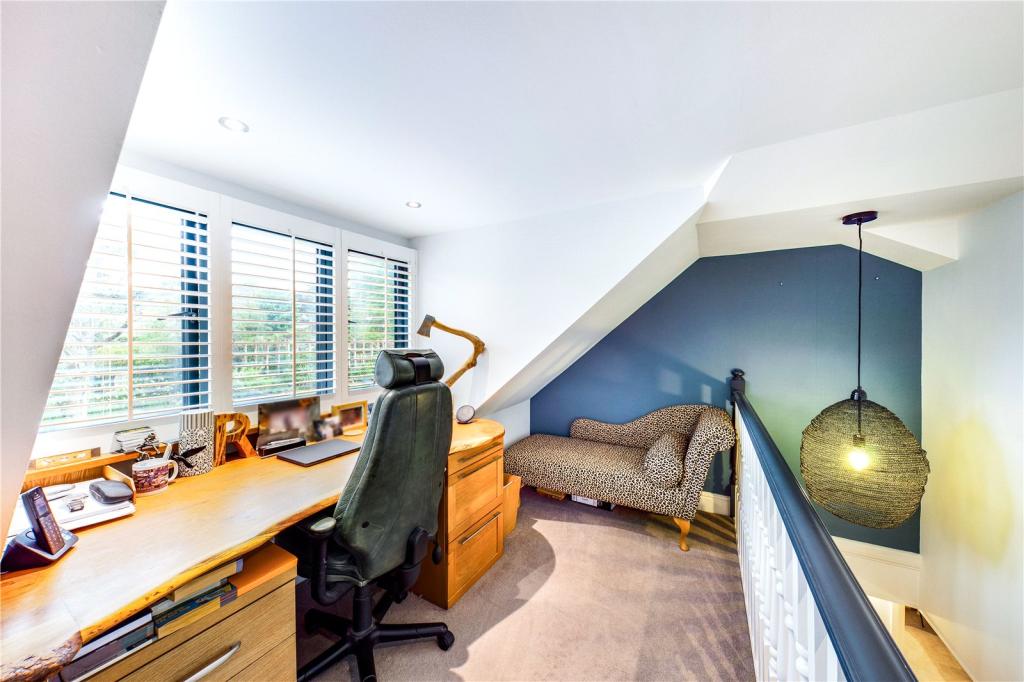
Tottenham is a dense, busy part of North London and moving to a bigger home here isn't always straightforward. For a lot of families, a dormer conversion is the more sensible answer. We add a box-shaped extension to the rear of the roof. That single change gives you a full-height ceiling, proper windows, and a room you can actually furnish and live in. Tottenham has a large number of Victorian and Edwardian terraces, as well as inter-war semis most of which have roof spaces that are well suited to this type of conversion. The street view of your home doesn't change. Everything happens at the back, and the difference inside is immediate. Best for: Victorian and Edwardian terraces, inter-war semis, and Tottenham homes where the loft has width but not enough height to use.
It's a detail a lot of homeowners miss but the shape of your roof has a direct impact on how much loft space is actually usable. If your Tottenham home has a hipped roof, the sides slope inward and cut off a large portion of the internal width. It's frustrating space to lose, especially when the footprint of the house is already limited. A hip-to-gable conversion addresses that directly. We replace the sloping section with a vertical gable wall, recovering all that lost width in one build. Most people add a rear dormer at the same time. Together, the result is a loft that's wide enough and tall enough to split into real, liveable rooms. Best suited for: Semi-detached and end-of-terrace homes across Tottenham where a hipped roof is reducing what the loft can realistically offer.
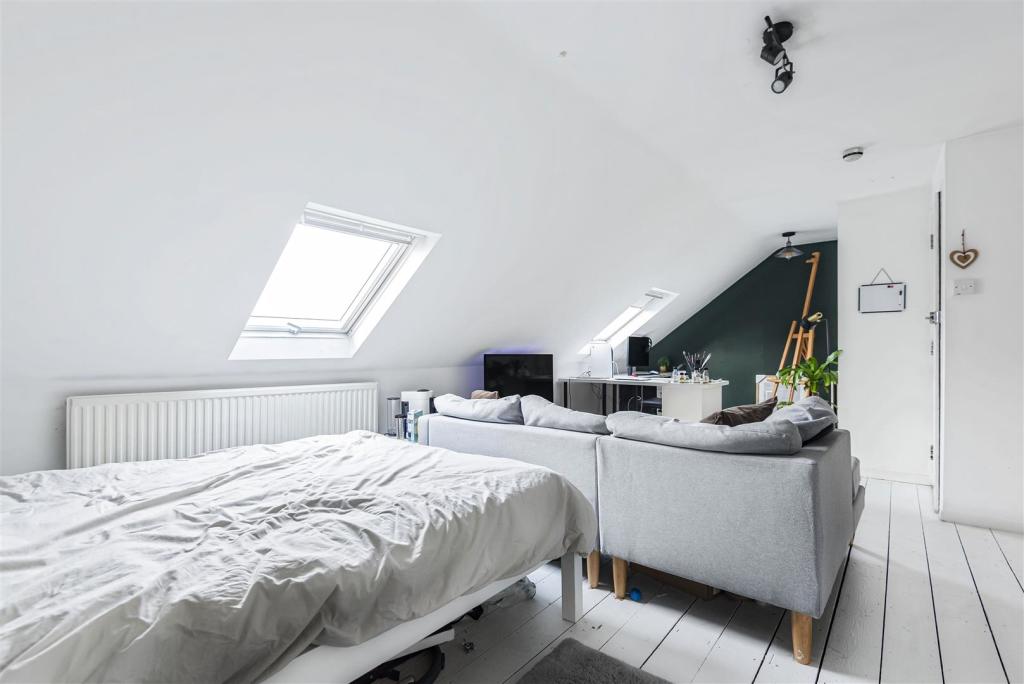
A big build isn't always what a loft needs. In some Tottenham homes, the space is already there it just hasn't been properly finished or made accessible. A Velux conversion works with the existing structure. We install roof windows into the slope, reinforce the floor, improve insulation, and ensure full compliance with building regulations. The roof itself stays untouched. There's no structural overhaul, no extended scaffolding, and no dramatic change to the exterior. For the right property, it's a smart and efficient way to gain a usable room without the cost or complexity of a structural conversion. Best for: Tottenham homes with adequate existing head height, homeowners on a tighter budget, and properties in conservation areas where external changes are restricted.
A lot of Tottenham's terraced and semi-detached homes have been extended at the rear over the years. If yours has, that extension isn't just useful downstairs it opens up a better option upstairs too. An L-shaped dormer builds on both roof sections. One dormer sits on the main roof, another goes above the rear extension, and the two are connected to form the L shape. The floor area this creates is considerably larger than a standard dormer enough for two bedrooms and a bathroom, with each room having proper dimensions rather than being squeezed to fit. Best for: Tottenham homes with existing rear extensions, families who need more than one new room, and terraced properties where space is already at a premium.
For homeowners in Tottenham who want to go further than a standard conversion, a mansard is worth serious consideration. We take the rear slope of the roof and rebuild it at a near-vertical angle with a flat section running along the top. What you end up with isn't just an improved loft it's effectively a new floor. Full ceiling height across the entire space, maximum usable area, and a finish that integrates naturally with the rest of the house. It's a more involved process and planning permission from Haringey Council is usually required. But for larger Tottenham properties, the return in both space and value is hard to match. Best for: Larger homes, period properties in N15 and N17, and Tottenham homeowners who want to unlock the full potential of their roof.
Tottenham isn't an area most people associate with bungalows but they're there, particularly on quieter residential streets away from the main roads. And they're often better candidates for loft conversions than their owners realise. A bungalow roof typically covers the whole footprint of the property, which means there's usually a generous amount of space sitting unused above the ceiling. Converting it adds proper rooms upstairs, takes pressure off the ground floor, and gives the home a completely different feel. The transformation tends to be one of the more striking ones we carry out. Best for: Single-storey homes in Tottenham where the ground floor has no room left to give, and owners ready to make a significant and lasting improvement to their property.
Do you have a question about Loft Conversions? We're here to help. Contact our team at Loft Converter London
The minimum height required for a Loft Conversion is 2.2m (from the floor to the highest point in your loft). If you do not have the required height, your ceilings can be lowered on your first floor.
This depends on the size and type of Loft, most loft conversions take around 10-12 weeks. We can give you a more accurate estimation when we see your property.
Loft Conversion cost is determined by the size and type of the project, the features you would like, etc. Our architect will help you achieve the best use of your space within your budget. Most Lofts cost between £30,000 and £70,000.
No - it's safe to carry on living in your house. Our team starts from the scaffolding before the stairs go in. We always try to limit the disruption during the construction process.
Loft Conversions usually fall under the permitted development category therefore planning permission is not normally required. There are some exceptions like conservation areas, flats, or listed buildings. Our in-house surveyors can advise further on planning permission..
A party wall agreement is also known as PWA is required if you own semi-detached or terraced property. In simple words, if you are working within or near your neighbor’s boundary then you will need a party wall agreement in place. Click here for more info.
Yes - it will add from 15% to 25% upwards depending on the size, design, and type of Loft. Read more about adding value here.
Yes, all Loft conversions require building regulation approval from the local authority. These regulations are important to ensure the safety measures are in place and they set a protocol of construction and design to follow.
Absolutely yes, we will work with you to achieve your dream new living space.