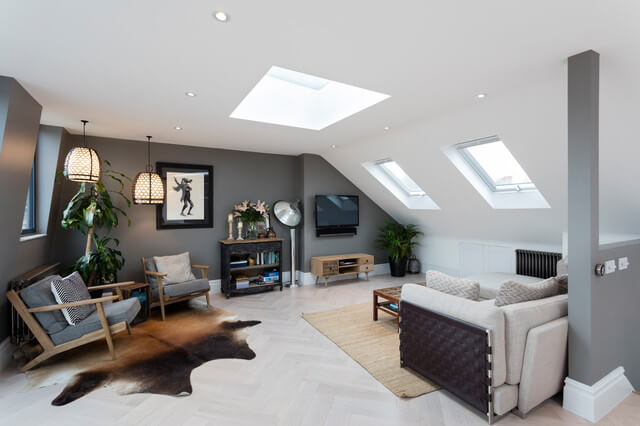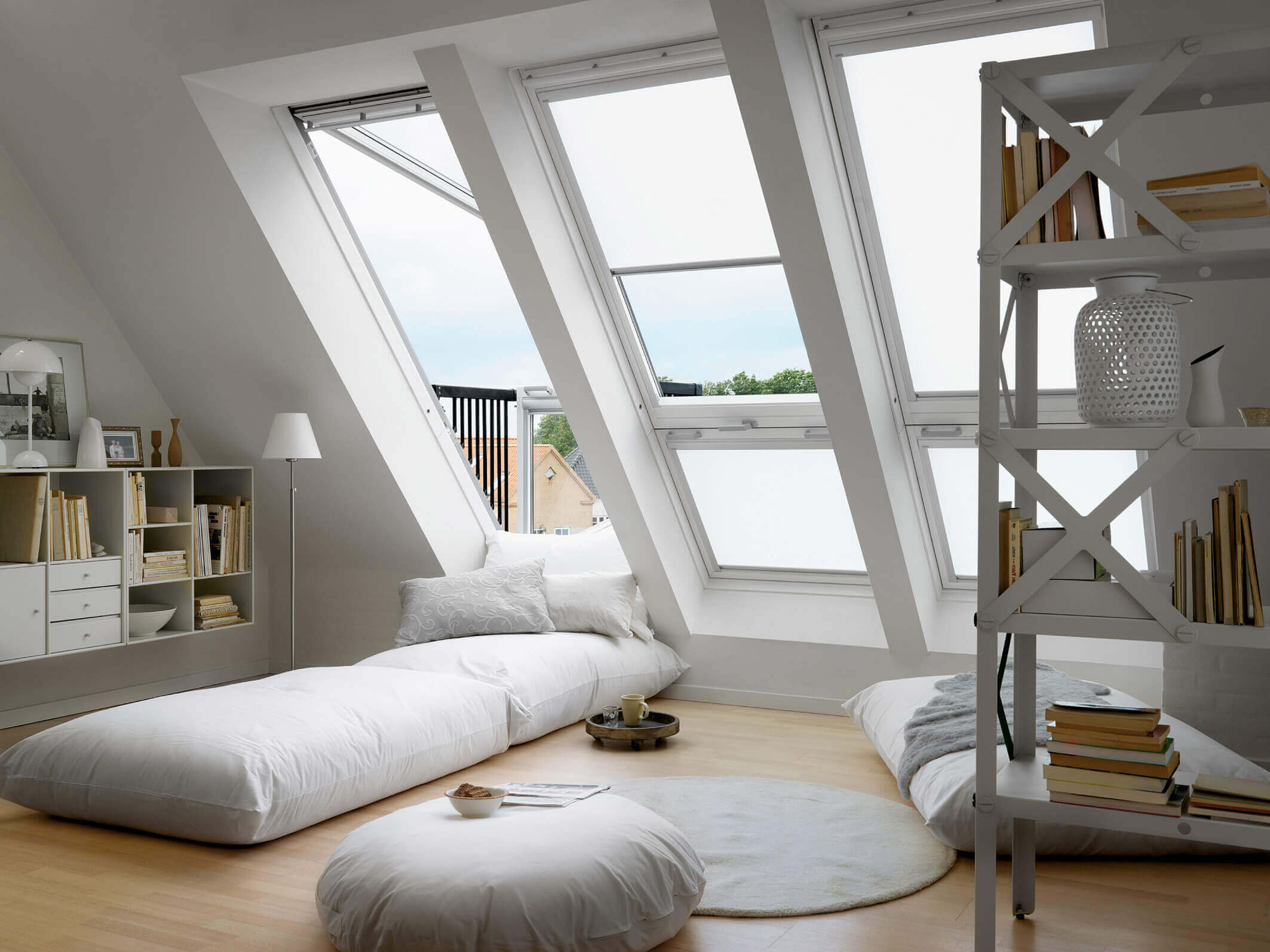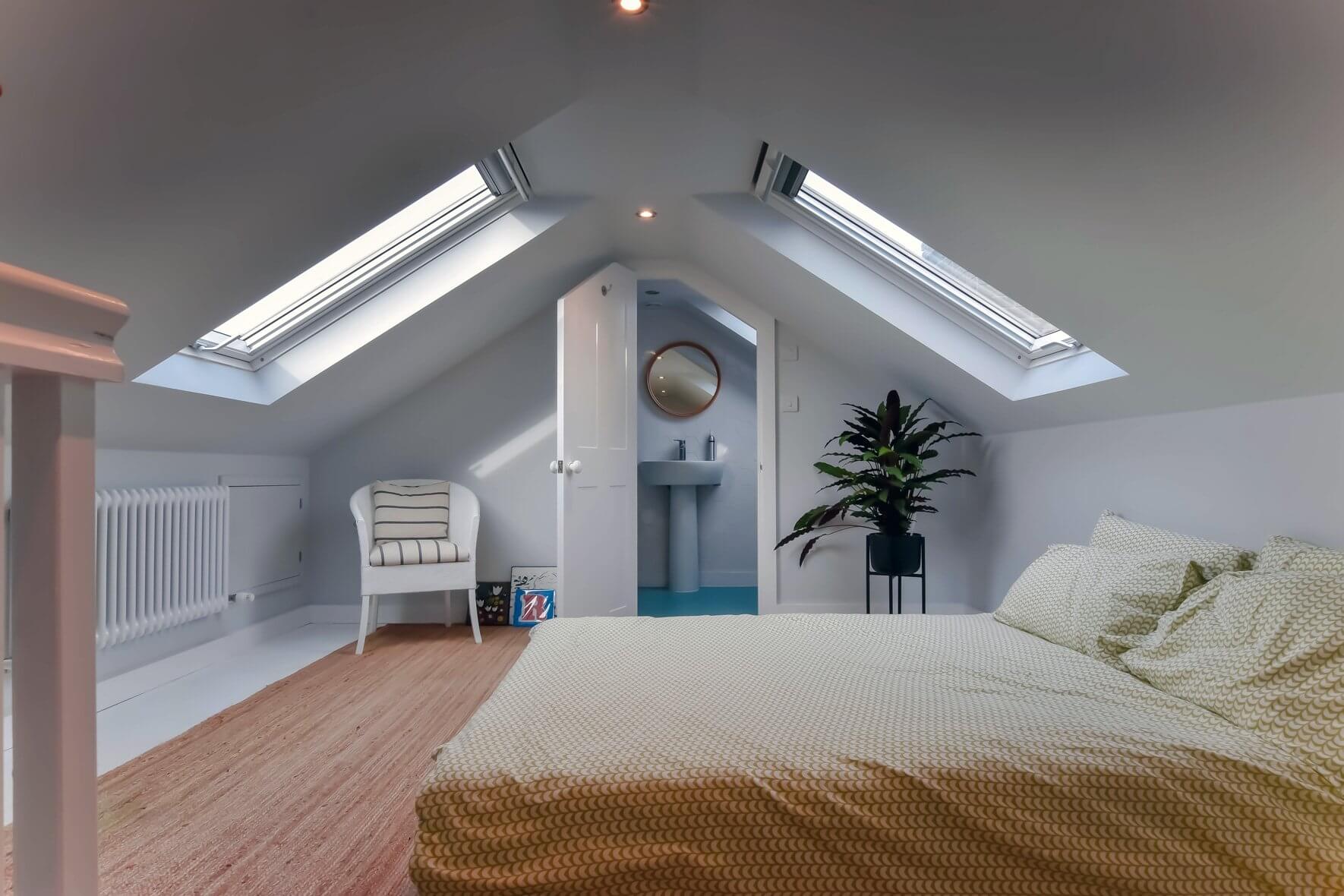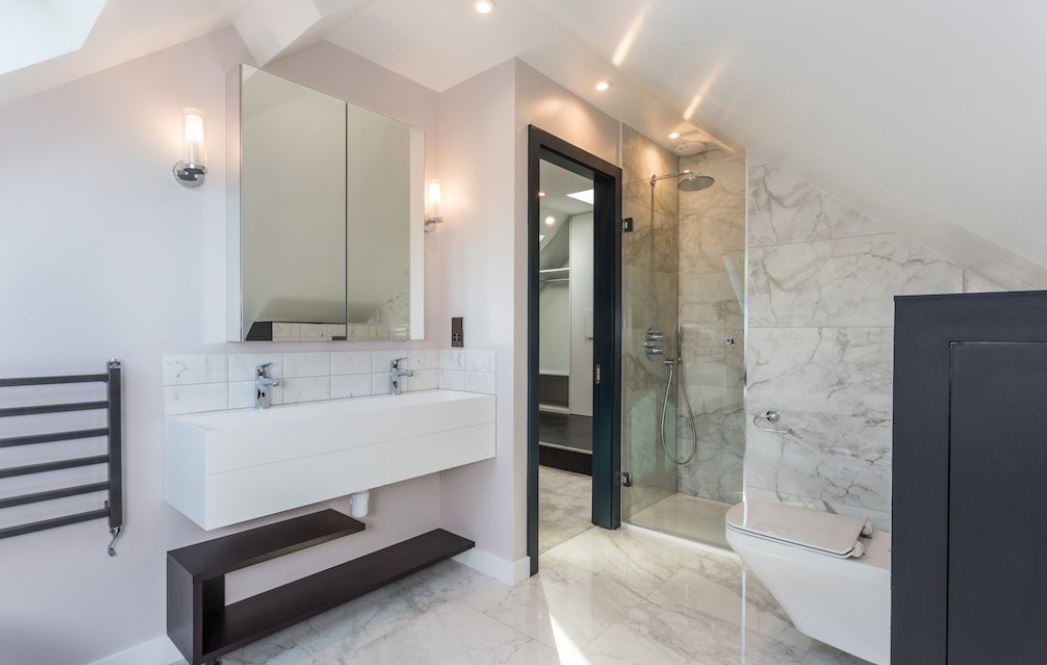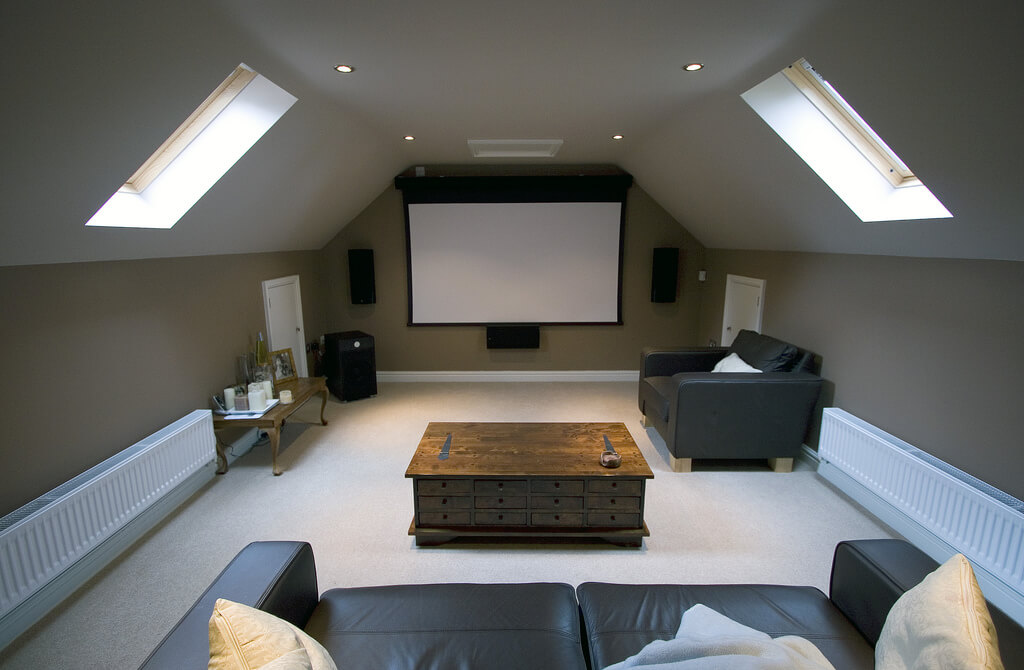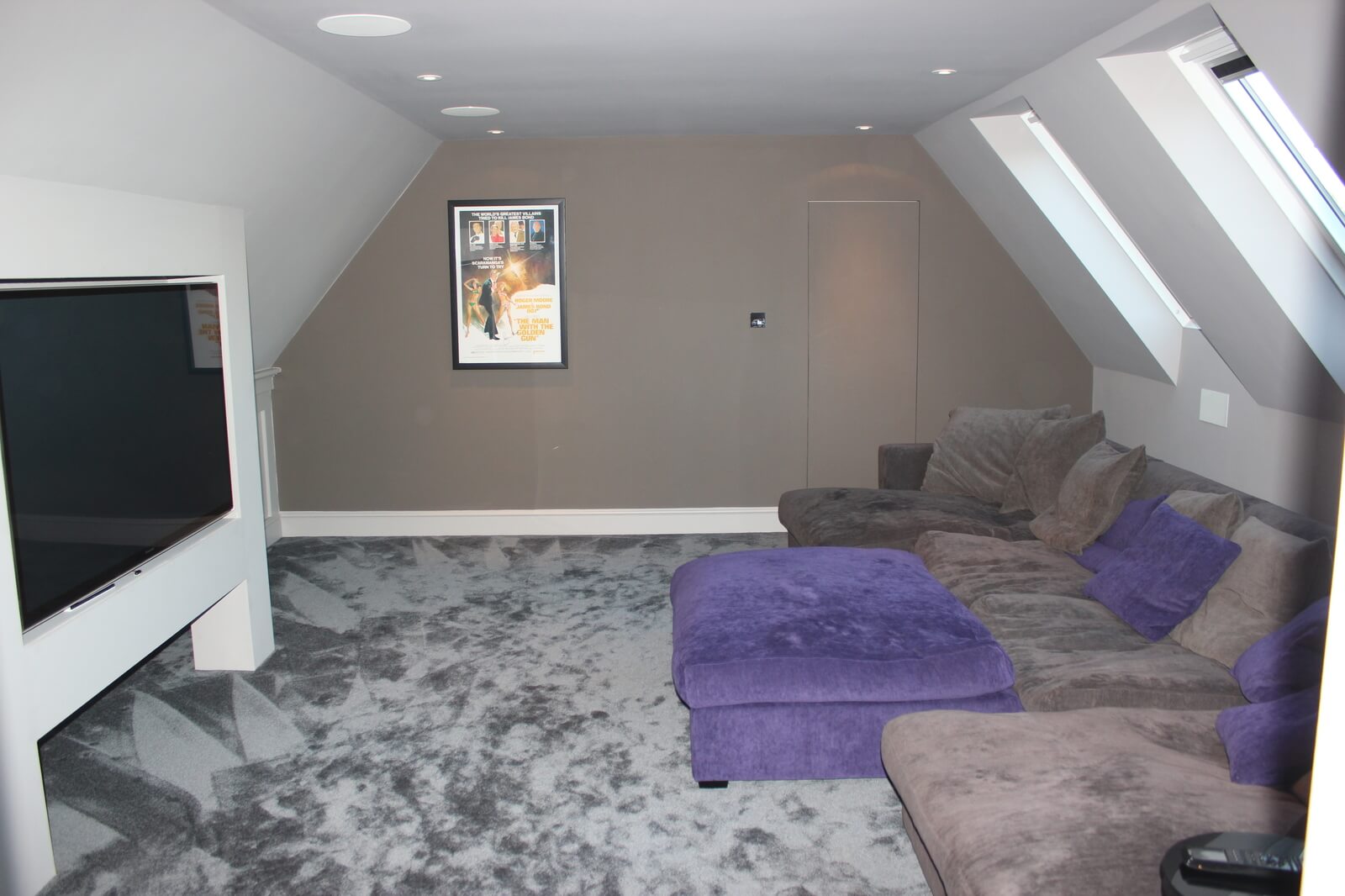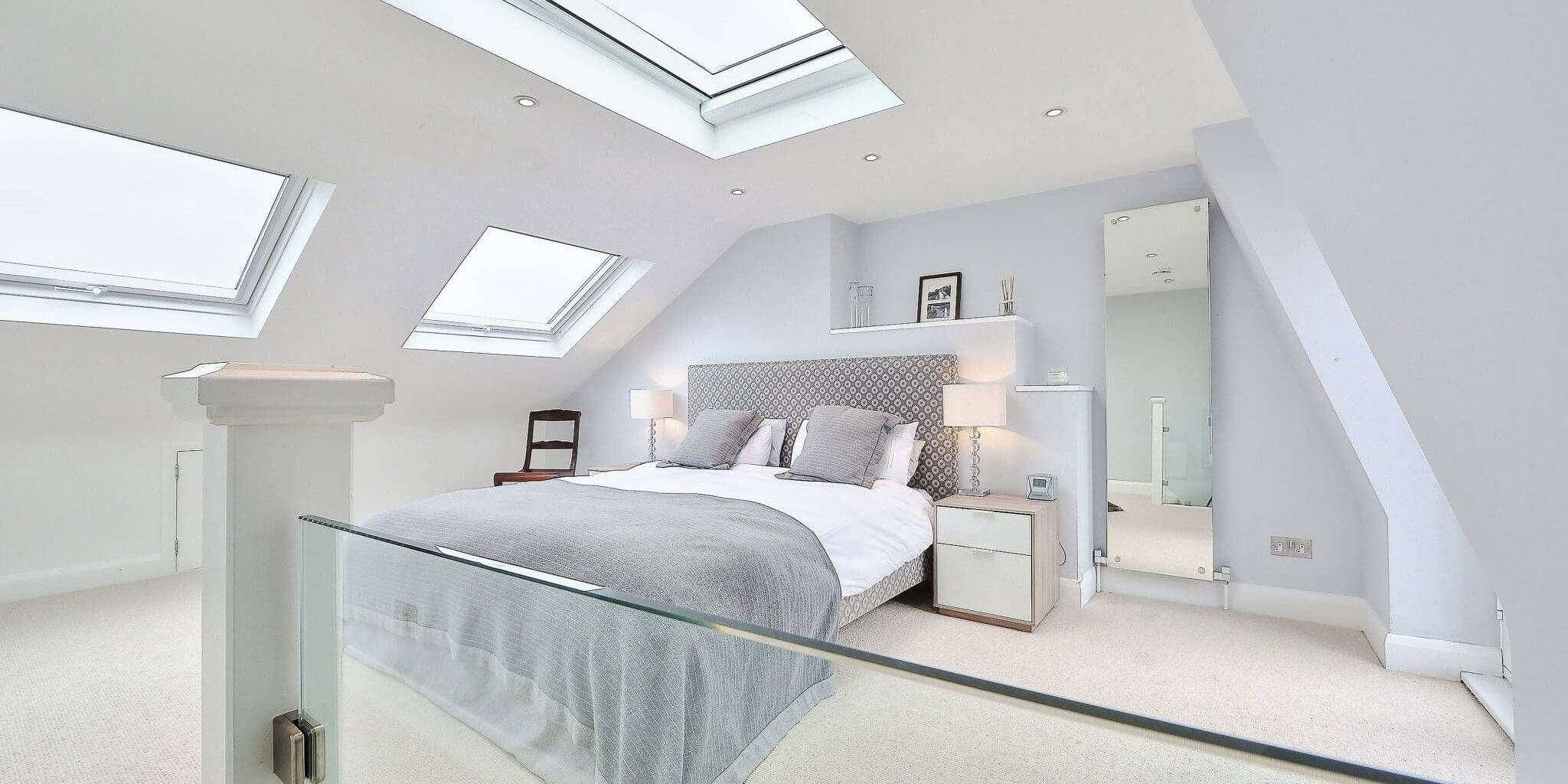
The types of Loft Conversions that we work in -
More room. That's usually where the conversation starts. Not more room somewhere else more room here, in Hendon, in the house you've already put down roots in. The schools are sorted, the commute works, the neighbours are familiar. Moving to solve a space problem means disrupting everything else that isn't a problem. A dormer conversion offers a different answer. We extend the rear roof slope outward. Flat-roofed box, full ceiling height, proper windows, a room that works. Hendon has a strong mix of semi-detached and detached homes many of them built in the 1930s, many with roof spans wide enough to make a dormer genuinely worthwhile. The work stays at the back. The street view doesn't change. But the inside of the house does and meaningfully so. Best for: 1930s semis and detached homes, families who need a proper extra room without the disruption of moving, and Hendon properties where the loft has potential that the current head height isn't allowing.
Pull up a street view of almost any residential road in Hendon and look at the rooflines. A significant proportion of the semi-detached homes here have hipped roofs sides sloping inward, ends that don't terminate in a flat gable wall. It's a characteristic of 1930s housing across this part of North London, and it has consequences for the loft that most homeowners don't consider until they're already planning a conversion. Those sloping sides eat into the internal width. The loft above a typical Hendon semi is often narrower than the house below it not because the property is small, but because the roof shape is quietly taking space away. A hip-to-gable conversion gives it back. We replace the slope with a straight vertical wall, and the loft opens up across its full width. Combine that with a rear dormer and you have a loft that's wide, tall, and properly usable not a compromise, not a squeeze, but a room worth having. Best suited for: Semi-detached homes across Hendon with hipped roofs, and homeowners who've looked at their loft and wondered why it feels so much smaller than the rest of the house.
Not every loft needs rebuilding. Some of them just need someone to finish the job. If the head height is already there and in a number of Hendon's older, well-built properties it is then a Velux conversion is the most direct route to a usable room. Roof windows go into the existing slope. The floor gets reinforced. Insulation is sorted. Building regulations are met. The roof structure stays exactly as it is, the exterior of the house stays exactly as it is, and the whole process is faster and less disruptive than any structural conversion. It's not the most dramatic option. But for the right Hendon property, it's the most intelligent one getting a finished room done efficiently, without spending more than the situation requires. Best for: Hendon homes where existing head height is already workable, homeowners who want a clean result without a major build, and properties where the simplest solution is also the right one.
Hendon's residential streets tell a familiar story. Original houses, extended over the decades rear additions built as families grew, kitchens pushed out, ground floors reshaped to cope with how life actually works. It's a gradual process, street by street, decade by decade. And it creates something in the roof that most homeowners haven't yet thought to use. An L-shaped conversion takes both sections of the roof seriously. A dormer on the main structure, a second one above the rear extension, joined together to form the L shape. The floor area this unlocks is significantly larger than a single dormer large enough for two bedrooms and a bathroom, each room properly proportioned rather than trimmed to fit. For Hendon families who've run out of ground floor and aren't looking to leave, this is the conversion that makes staying feel straightforward. Best for: Hendon homes with existing rear extensions, families who need more than one new room, and properties where a standard dormer would be a start but not enough.
There's a point at which a loft conversion stops being about adding a room and starts being about changing what the house fundamentally is. In Hendon, that point is a mansard. We rebuild the rear slope of the roof entirely. Near-vertical angle, flat section across the top, full ceiling height throughout. It doesn't look like a conversion — it looks like a floor. One that integrates with the house below it, reads as part of the original structure, and delivers more usable space than any other conversion type can offer. Barnet Council's planning process is part of it, and the build reflects the scale of what's being created. But for a larger Hendon property one where the ambition behind the project matches what the house is capable of, a mansard is the version that doesn't leave anything on the table. Best for: Larger detached and semi-detached homes, period properties, and Hendon homeowners who want the conversion that goes as far as the roof will allow.
Hendon has bungalows. They sit on residential streets that have gradually filled in around them two-storey houses on either side, the bungalow in the middle, single-storey and quietly making do. From the outside they look modest. From a conversion standpoint, they're often anything but. A bungalow's roof covers the full footprint of the property. That's not a minor detail it's the reason a loft conversion here can yield a floor area that surprises even the people who commissioned it. Proper bedrooms upstairs. A bathroom. A landing that connects everything. The ground floor, relieved of having to do everything at once, starts functioning the way it was meant to. In Hendon, where demand is consistent and well-converted properties are valued accordingly, a bungalow loft conversion isn't just a home improvement. It's a decision that changes the property's position in the market entirely. Best for: Single-storey Hendon homes where the ground floor has run out of answers, owners who want to make a lasting and high-impact change, and homeowners who are ready to find out what their bungalow has been sitting on all along.
Do you have a question about Loft Conversions? We're here to help. Contact our team at Loft Converter London
The minimum height required for a Loft Conversion is 2.2m (from the floor to the highest point in your loft). If you do not have the required height, your ceilings can be lowered on your first floor.
This depends on the size and type of Loft, most loft conversions take around 10-12 weeks. We can give you a more accurate estimation when we see your property.
Loft Conversion cost is determined by the size and type of the project, the features you would like, etc. Our architect will help you achieve the best use of your space within your budget. Most Lofts cost between £30,000 and £70,000.
No - it's safe to carry on living in your house. Our team starts from the scaffolding before the stairs go in. We always try to limit the disruption during the construction process.
Loft Conversions usually fall under the permitted development category therefore planning permission is not normally required. There are some exceptions like conservation areas, flats, or listed buildings. Our in-house surveyors can advise further on planning permission..
A party wall agreement is also known as PWA is required if you own semi-detached or terraced property. In simple words, if you are working within or near your neighbor’s boundary then you will need a party wall agreement in place. Click here for more info.
Yes - it will add from 15% to 25% upwards depending on the size, design, and type of Loft. Read more about adding value here.
Yes, all Loft conversions require building regulation approval from the local authority. These regulations are important to ensure the safety measures are in place and they set a protocol of construction and design to follow.
Absolutely yes, we will work with you to achieve your dream new living space.