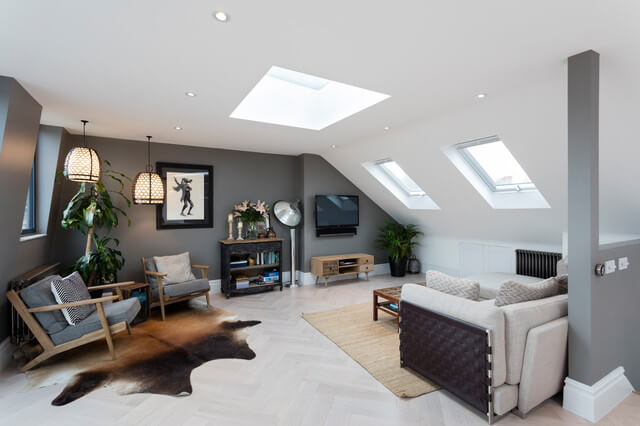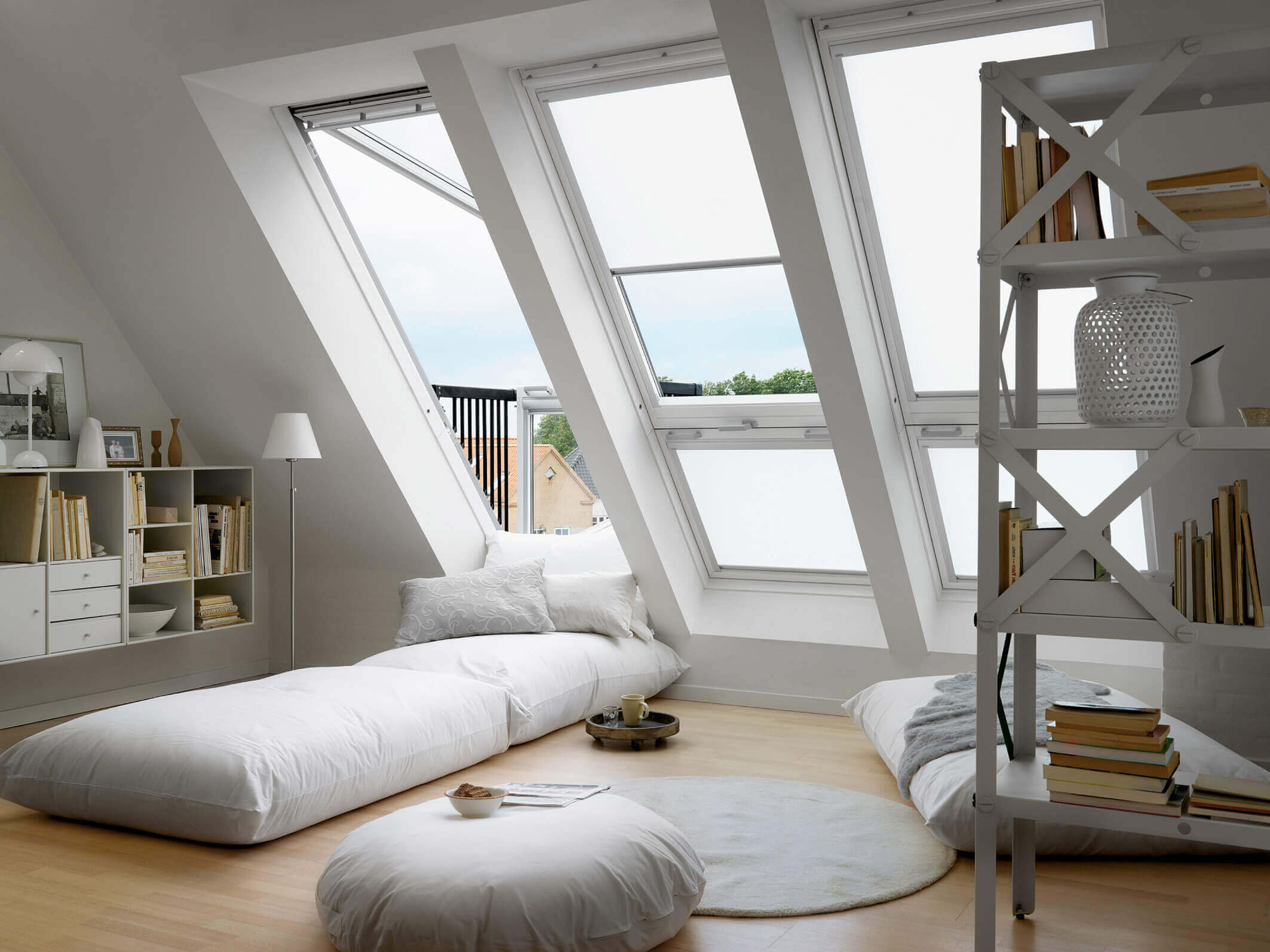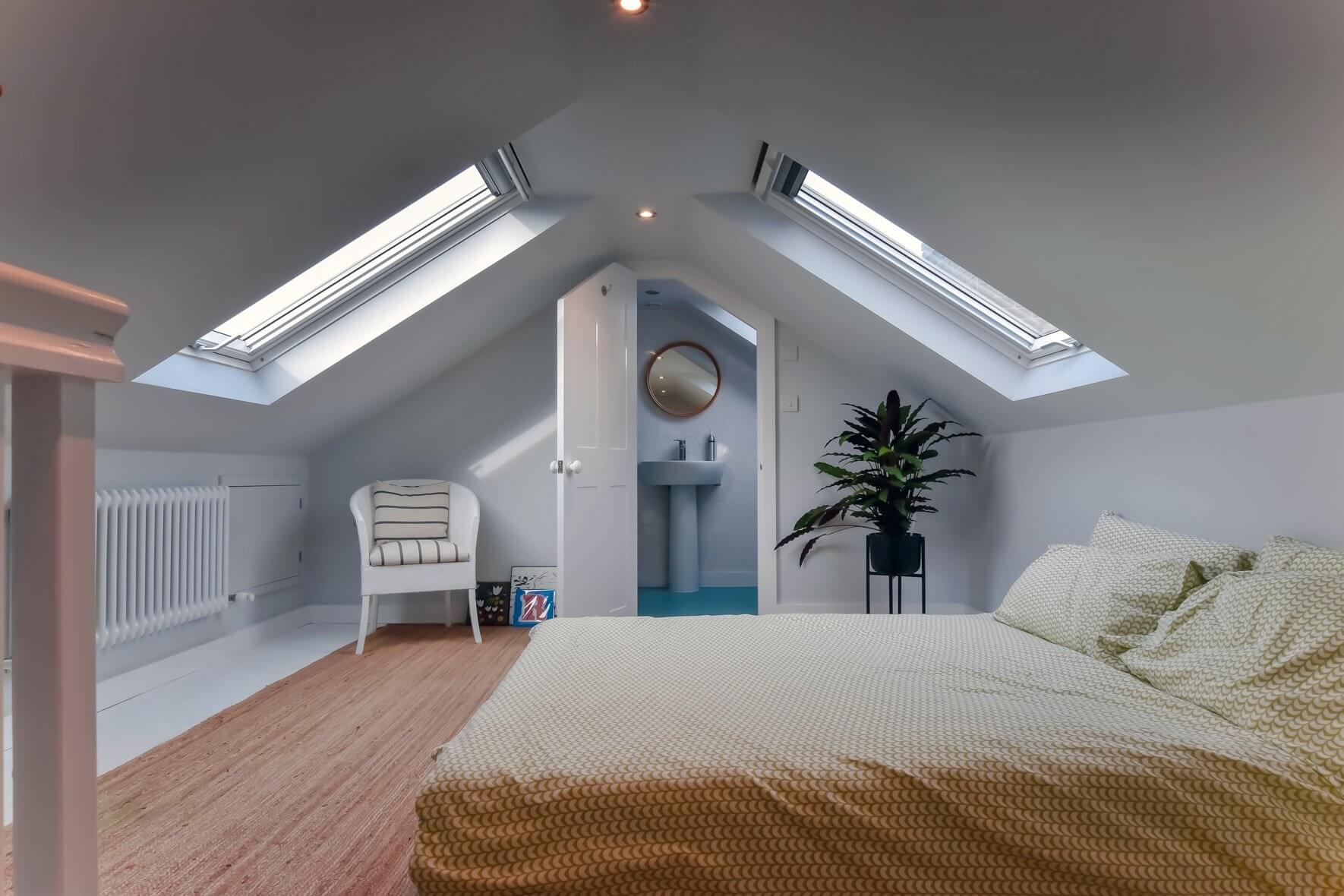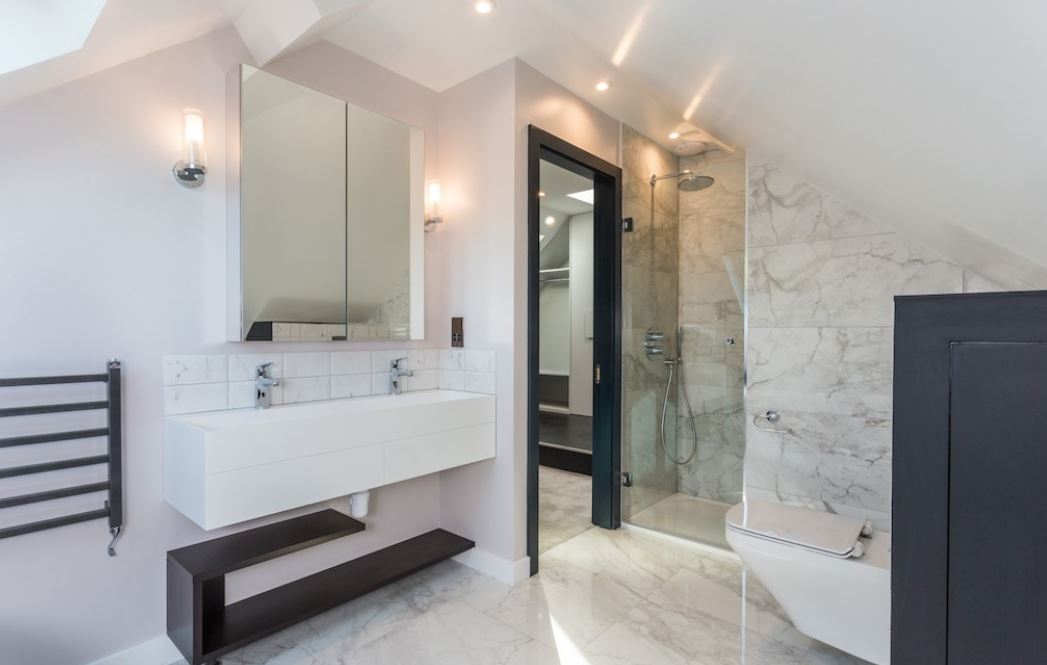
The types of Loft Conversions that we work in -
Kenton doesn't shout about itself and that's part of the appeal. Quiet streets, solid housing, good schools, and the kind of neighbourly familiarity that's harder to find in louder parts of London. Once people settle here, they tend to stay. And when staying means needing more room, the conversation usually starts with a dormer. We extend the rear roof slope outward with a flat-roofed box structure, giving you a full-height ceiling, proper windows, and a room that functions like any other in the house. Kenton's housing stock is dominated by 1930s semi-detached homes properties with wide roof spans, generous plots, and rear aspects that are well suited to exactly this kind of conversion. The front of the house stays as it is. Everything changes behind it. Best for: 1930s semi-detached homes, families needing an extra bedroom or a proper home office, and Kenton properties where the loft has the footprint but the head height isn't there yet.
If Kenton has one defining feature when it comes to loft conversions, it's this a large proportion of the area's semi-detached homes have hipped roofs. And that single architectural detail has more impact on what a loft conversion can achieve than most homeowners realise until they start looking into it properly. A hipped roof slopes inward on the sides. From the pavement, it's just how the house looks. From inside the loft, it means the usable width is considerably narrower than the footprint of the property would suggest. Large triangular voids sit at the edges, eating into space that could be a room. A hip-to-gable conversion replaces that sloping side with a vertical gable wall, recovering all of it. Add a rear dormer alongside and the loft transforms from a narrow, awkward void into a wide, properly proportioned space that can be planned around. Best suited for: Kenton's 1930s semi-detached homes with hipped roofs which describes a significant number of properties across the area and any homeowner whose loft feels too restricted to be worth converting as it stands.
Kenton's housing stock tends to be well-maintained and thoughtfully looked after, and for some of these properties, the loft is already more usable than it appears. The head height is there, the roof is in good condition, and the only thing missing is the finishing that turns a dusty void into a proper room. A Velux conversion provides exactly that. We install roof windows into the existing roof slope, reinforce the floor, upgrade the insulation, and ensure everything meets current building regulations. Nothing structural is touched. The roof stays as it is, the exterior of the house remains unchanged, and the disruption to daily life is minimal compared to any other conversion type. For Kenton homes where the loft already has solid head height, this is often the most sensible and cost-effective starting point, delivering a finished, usable room without the complexity of a structural build. Best for: Kenton properties with good existing loft height, homeowners who want a straightforward and budget-conscious conversion, and houses where keeping external alterations to a minimum is a priority.
Kenton's 1930s semis were built at a time when rear extensions weren't part of the original plan but decades of family living have a way of changing that. A significant number of homes across the area have since been extended at the back, and what that extension creates, less obviously, is an opportunity in the roof above it. An L-shaped dormer takes advantage of both roof sections. One dormer on the main roof, a second sitting above the rear extension, the two connected to form the L shape. The floor area this produces is substantially larger than a single dormer can deliver and the layout it creates is flexible enough to divide into two bedrooms and a bathroom without any of the rooms feeling like they were an afterthought. For Kenton families who've run out of room but aren't ready to leave the area, this conversion tends to settle the question. Best for: Kenton semis with existing rear extensions, families who need multiple new rooms rather than just one, and homes where a standard dormer alone wouldn't create enough of a difference.
Most loft conversions add a room. A mansard conversion adds a floor and in Kenton, where the housing is solid and the demand for space is consistent, that distinction matters. We take the rear slope of the roof and rebuild it from scratch. Near-vertical angle, flat section across the top, full ceiling height running the entire length of the space. The loft stops feeling like a converted attic and starts feeling like a storey that was always meant to be there. It's the most involved conversion we carry out, and Harrow Council's planning process is part of what needs to be navigated. But for a larger Kenton property particularly one on a good street with strong bones the return in space, quality of living, and long-term value is proportional to the ambition of the project. Best for: Larger detached and semi-detached homes, period properties in the better-established parts of Kenton, and homeowners who want the most the roof can offer without stopping short of it.
Kenton has more bungalows than most parts of North West London a legacy of the area's interwar development, when single-storey homes were built on generous plots for a different kind of household. Many of them are still there, largely unchanged, sitting on land that's become significantly more valuable than it was when they were built. The roof of a bungalow covers the full footprint of the property. That means a loft conversion here doesn't just add a spare room it adds a proper upper level, with the potential for multiple bedrooms and a bathroom above a ground floor that suddenly has room to breathe again. The change in how the home functions is immediate and significant. And in Kenton, where bungalows occupy plots that could support a much larger house, the uplift in value that follows a well-executed loft conversion is among the strongest of any property type in the area. Best for: Single-storey homes across Kenton sitting on generous plots, owners who want to fundamentally change what their property offers, and homeowners ready to unlock the full potential of a house that has been underperforming its site for years.
Do you have a question about Loft Conversions? We're here to help. Contact our team at Loft Converter London
The minimum height required for a Loft Conversion is 2.2m (from the floor to the highest point in your loft). If you do not have the required height, your ceilings can be lowered on your first floor.
This depends on the size and type of Loft, most loft conversions take around 10-12 weeks. We can give you a more accurate estimation when we see your property.
Loft Conversion cost is determined by the size and type of the project, the features you would like, etc. Our architect will help you achieve the best use of your space within your budget. Most Lofts cost between £30,000 and £70,000.
No - it's safe to carry on living in your house. Our team starts from the scaffolding before the stairs go in. We always try to limit the disruption during the construction process.
Loft Conversions usually fall under the permitted development category therefore planning permission is not normally required. There are some exceptions like conservation areas, flats, or listed buildings. Our in-house surveyors can advise further on planning permission..
A party wall agreement is also known as PWA is required if you own semi-detached or terraced property. In simple words, if you are working within or near your neighbor’s boundary then you will need a party wall agreement in place. Click here for more info.
Yes - it will add from 15% to 25% upwards depending on the size, design, and type of Loft. Read more about adding value here.
Yes, all Loft conversions require building regulation approval from the local authority. These regulations are important to ensure the safety measures are in place and they set a protocol of construction and design to follow.
Absolutely yes, we will work with you to achieve your dream new living space.