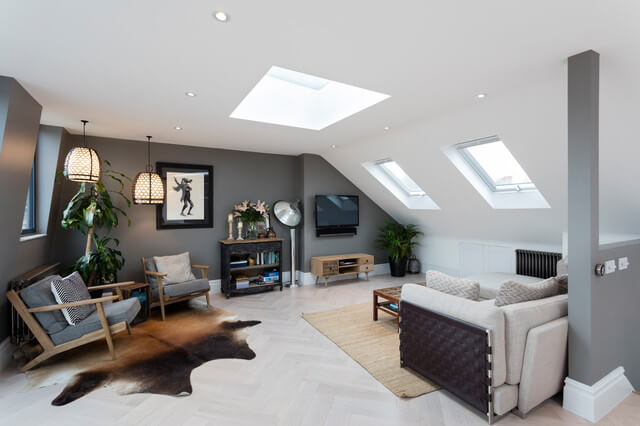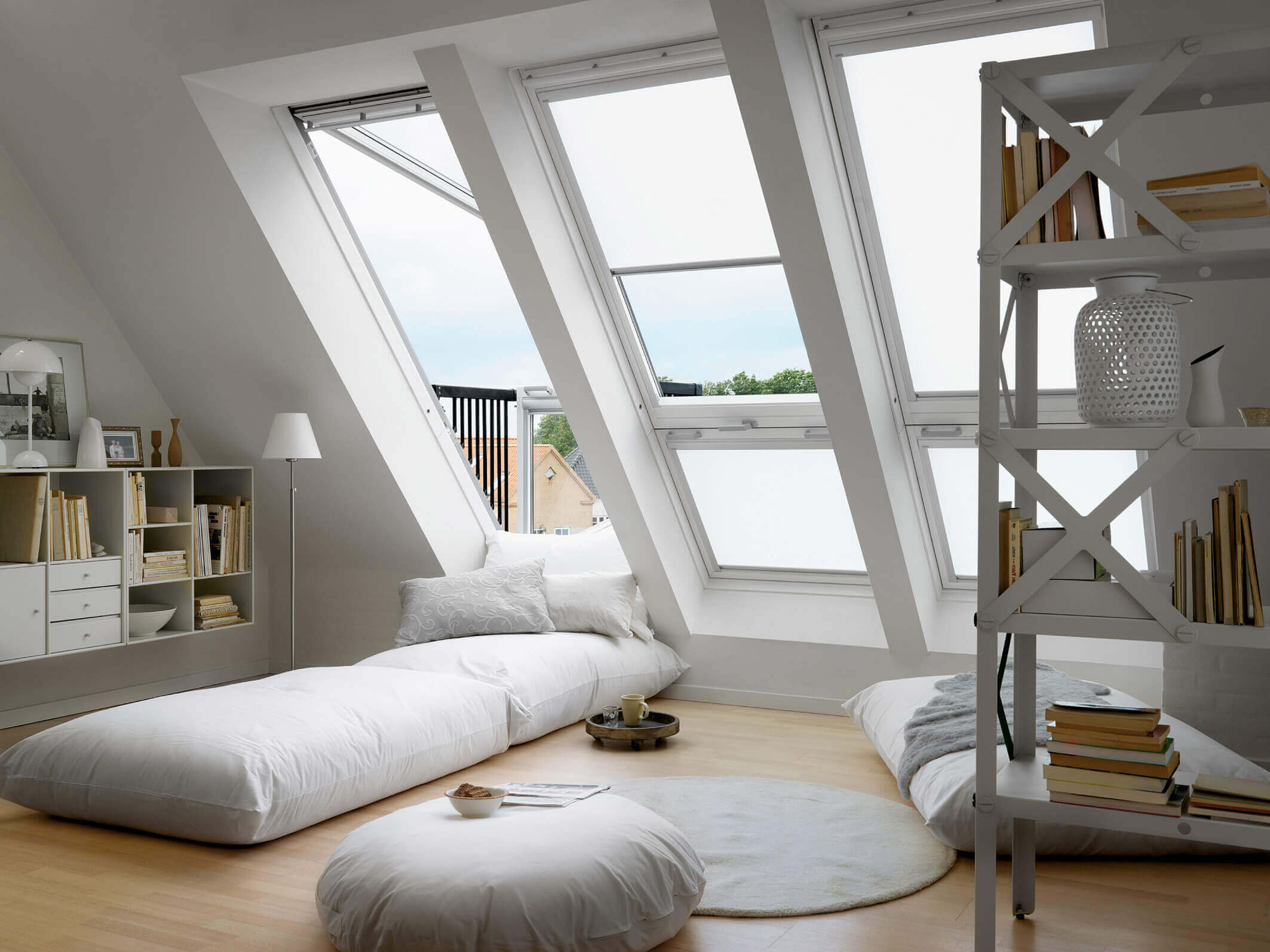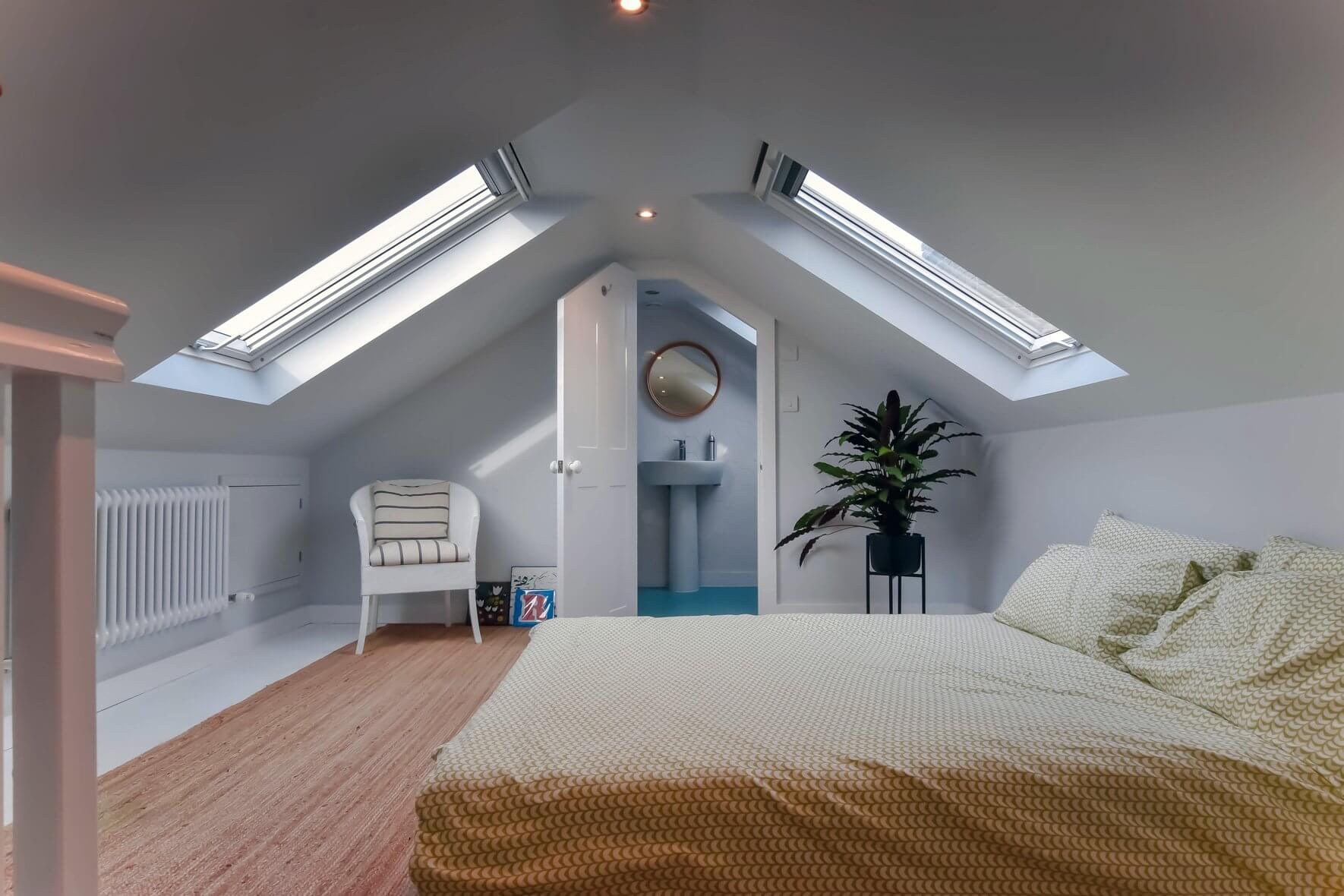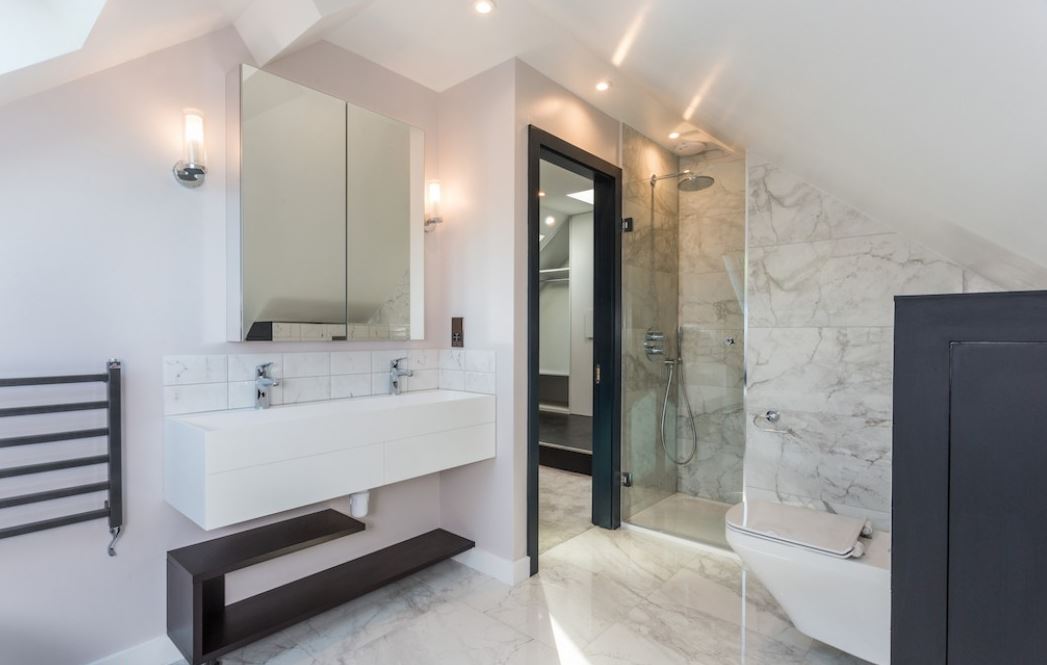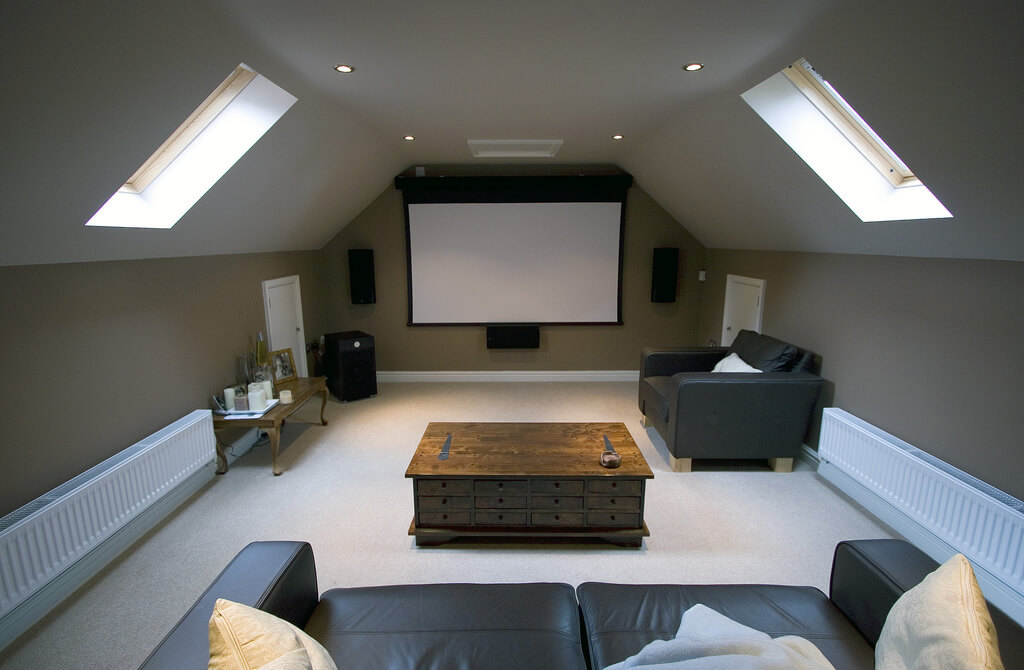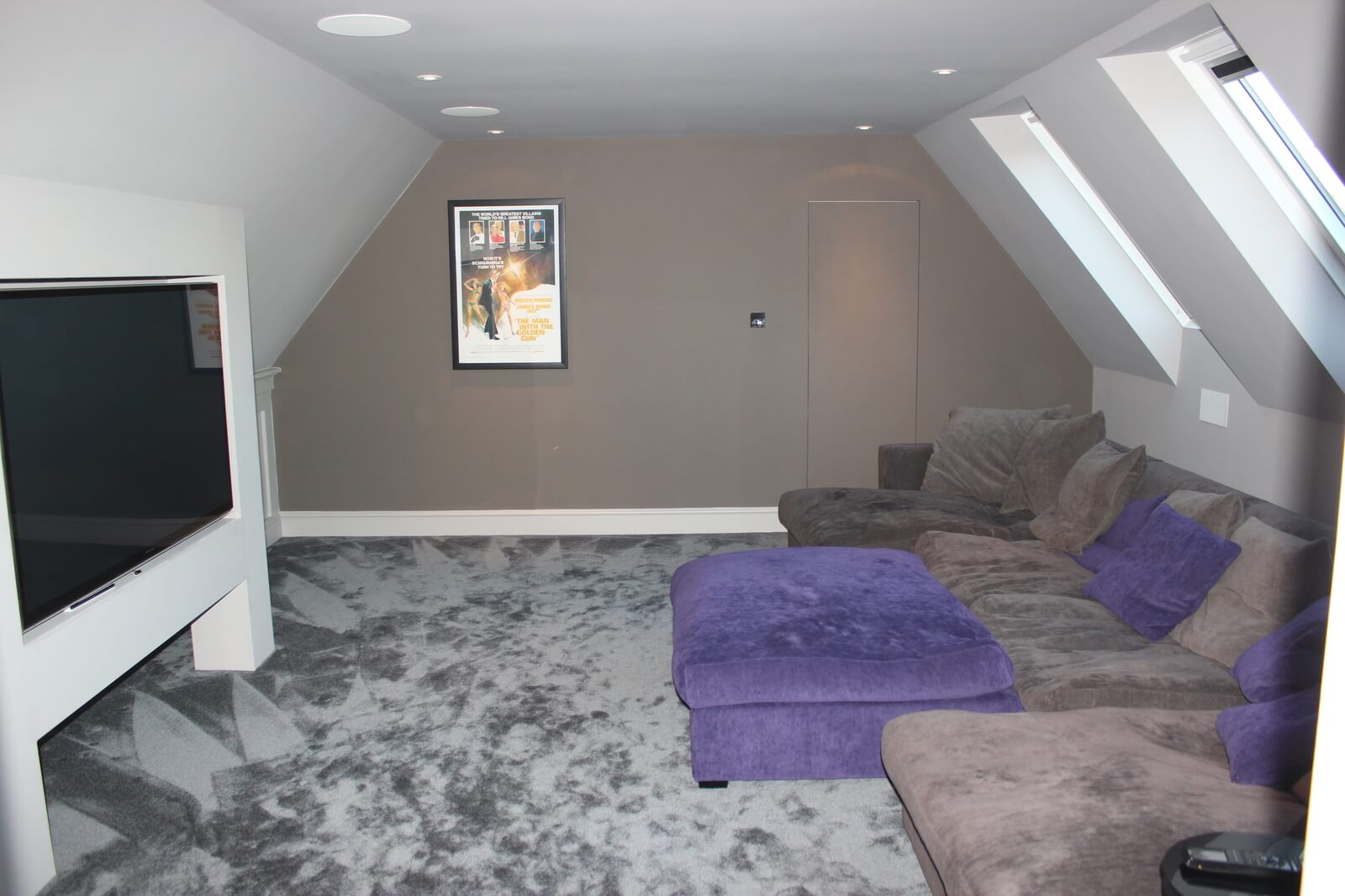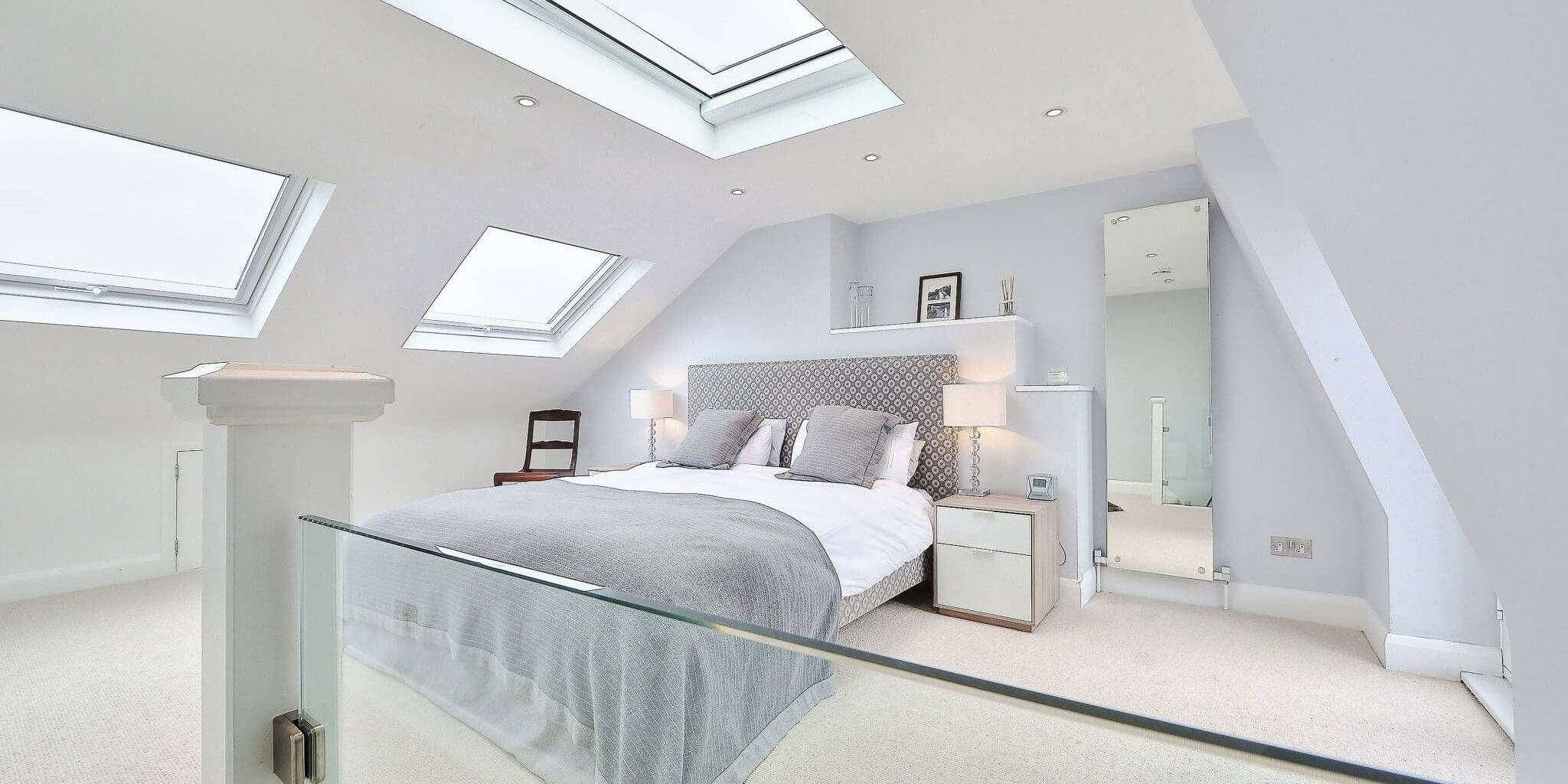
The types of Loft Conversions that we work in -
Let's be straightforward about Kilburn. It's not the cheapest part of London anymore. Prices have moved, the area has changed, and the gap between what you have and what you'd need to spend to get something bigger nearby has widened considerably. So what do you do with a house that's running out of room? You build up. A dormer conversion adds a flat-roofed extension to the rear of the roof full ceiling height, proper windows, a room that works. Kilburn's streets are full of Victorian and Edwardian terraces that are built for exactly this. Wide roof spans, good structural bones, and rear aspects that give the conversion plenty to work with. It's not a complicated idea. It's just a smart one. Best for: Victorian and Edwardian terraces, homes that need another bedroom or a proper office, and Kilburn properties where the loft is there but the height isn't.
Here's a question. Does your roof slope inward on the sides? If yes that's a hipped roof. And that slope is the reason your loft feels narrower than the rest of the house. It's not your imagination. The sloping sides create dead space at the edges, and that dead space is where a usable room could be. A hip-to-gable conversion replaces the slope with a straight vertical wall. The width comes back. The loft opens up. And when you add a rear dormer at the same time which most Kilburn homeowners do what you end up with is a loft that's wide enough and tall enough to actually live in. Simple problem. Direct solution. Best suited for: Semi-detached and end-of-terrace homes in Kilburn where a hipped roof is the thing standing between the current loft and a proper room.
Sometimes the loft doesn't need rebuilding. It just needs finishing. If there's already enough head height up there, a Velux conversion is the most direct route to a usable room. We fit roof windows into the existing slope. We reinforce the floor. We sort the insulation and make sure everything is compliant with building regulations. The roof structure doesn't change. The exterior of the house doesn't change. The timeline is shorter and the cost is lower than any structural conversion. What does change is what's above your head. A finished room. Proper light. A space that works. In parts of Kilburn where planning restrictions are tighter, this approach also sidesteps a lot of the complications that structural conversions can attract. Best for: Kilburn homes with solid existing head height, anyone working within a tighter budget, and properties where the planning environment makes structural changes harder to push through.
Got a rear extension? Then a single dormer is probably leaving space on the table. An L-shaped conversion uses both roof sections main roof and the extension roof building a dormer on each and joining them together. The floor area this creates is significantly larger than a standard dormer. Large enough for two bedrooms and a bathroom, with each room having the kind of dimensions that make it genuinely liveable rather than technically compliant. Kilburn's terraced streets are full of homes that have grown over the years extended, adapted, squeezed for more room at every level. An L-shaped dormer is the logical next step. It takes the extension that already exists and makes it work harder for you. Best for: Kilburn terraces with rear extensions, families who need more than one new room, and homes where the existing footprint already points toward something bigger.
Most loft conversions give you a room. A mansard gives you a floor. We rebuild the rear slope of the roof at a near-vertical angle with a flat section across the top. Full ceiling height throughout. Maximum floor area. A finish that doesn't look like it was added on it looks like it was always there. The planning process is more involved and permission from Brent Council is part of it. The build takes longer than a standard conversion. But let's be honest about what you're getting. Not a spare room. Not a converted attic. A proper storey one that changes the value, the function, and the feel of the entire house. For the right Kilburn property, that's not an expense. It's a decision. Best for: Larger period homes, properties with strong architectural bones, and Kilburn homeowners who want the maximum the roof can deliver and are ready to commit to getting it properly done.
Kilburn isn't an area most people picture when bungalows come up. But they're here sitting on residential backstreets, modest from the outside, often overlooked, and almost always underused in the one place that matters most. The roof. A bungalow's roof covers the full footprint of the property. That's a lot of potential floor area sitting directly above the ceiling. Converting it adds proper rooms upstairs not storage, not a hobby space, but real rooms and completely changes how the ground floor functions below. The home gets bigger, more flexible, and significantly more valuable. In a location like Kilburn, where land is expensive and space is at a premium, leaving that potential untouched isn't a neutral decision. It's an opportunity that's sitting there every day, waiting to be used. Best for: Single-storey Kilburn homes where the ground floor has run out of options, and owners who are ready to take a property that's been underperforming its plot and make it work properly.
Do you have a question about Loft Conversions? We're here to help. Contact our team at Loft Converter London
The minimum height required for a Loft Conversion is 2.2m (from the floor to the highest point in your loft). If you do not have the required height, your ceilings can be lowered on your first floor.
This depends on the size and type of Loft, most loft conversions take around 10-12 weeks. We can give you a more accurate estimation when we see your property.
Loft Conversion cost is determined by the size and type of the project, the features you would like, etc. Our architect will help you achieve the best use of your space within your budget. Most Lofts cost between £30,000 and £70,000.
No - it's safe to carry on living in your house. Our team starts from the scaffolding before the stairs go in. We always try to limit the disruption during the construction process.
Loft Conversions usually fall under the permitted development category therefore planning permission is not normally required. There are some exceptions like conservation areas, flats, or listed buildings. Our in-house surveyors can advise further on planning permission..
A party wall agreement is also known as PWA is required if you own semi-detached or terraced property. In simple words, if you are working within or near your neighbor’s boundary then you will need a party wall agreement in place. Click here for more info.
Yes - it will add from 15% to 25% upwards depending on the size, design, and type of Loft. Read more about adding value here.
Yes, all Loft conversions require building regulation approval from the local authority. These regulations are important to ensure the safety measures are in place and they set a protocol of construction and design to follow.
Absolutely yes, we will work with you to achieve your dream new living space.