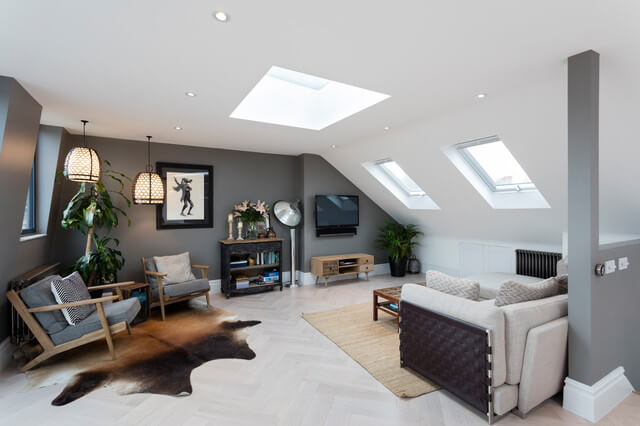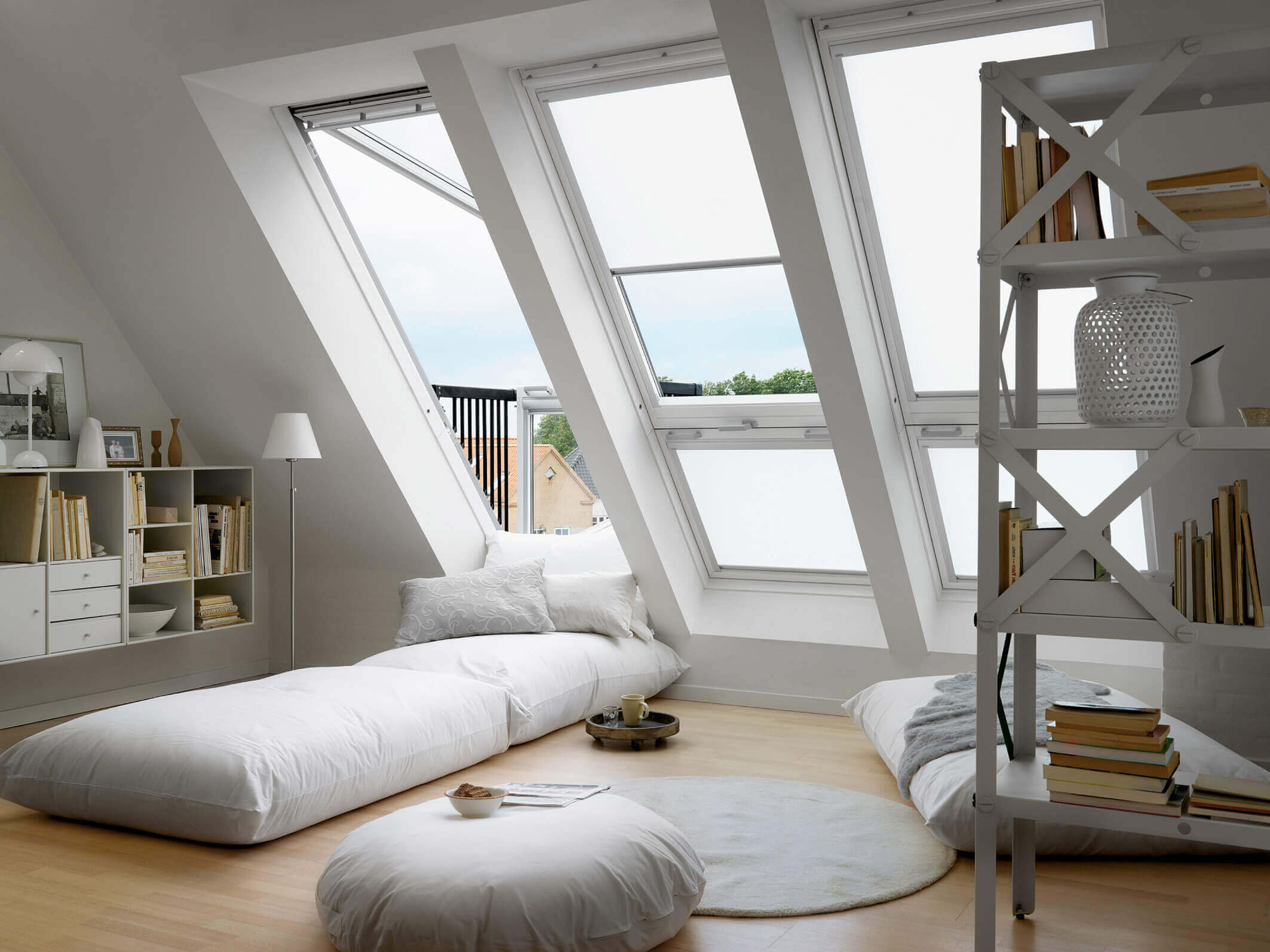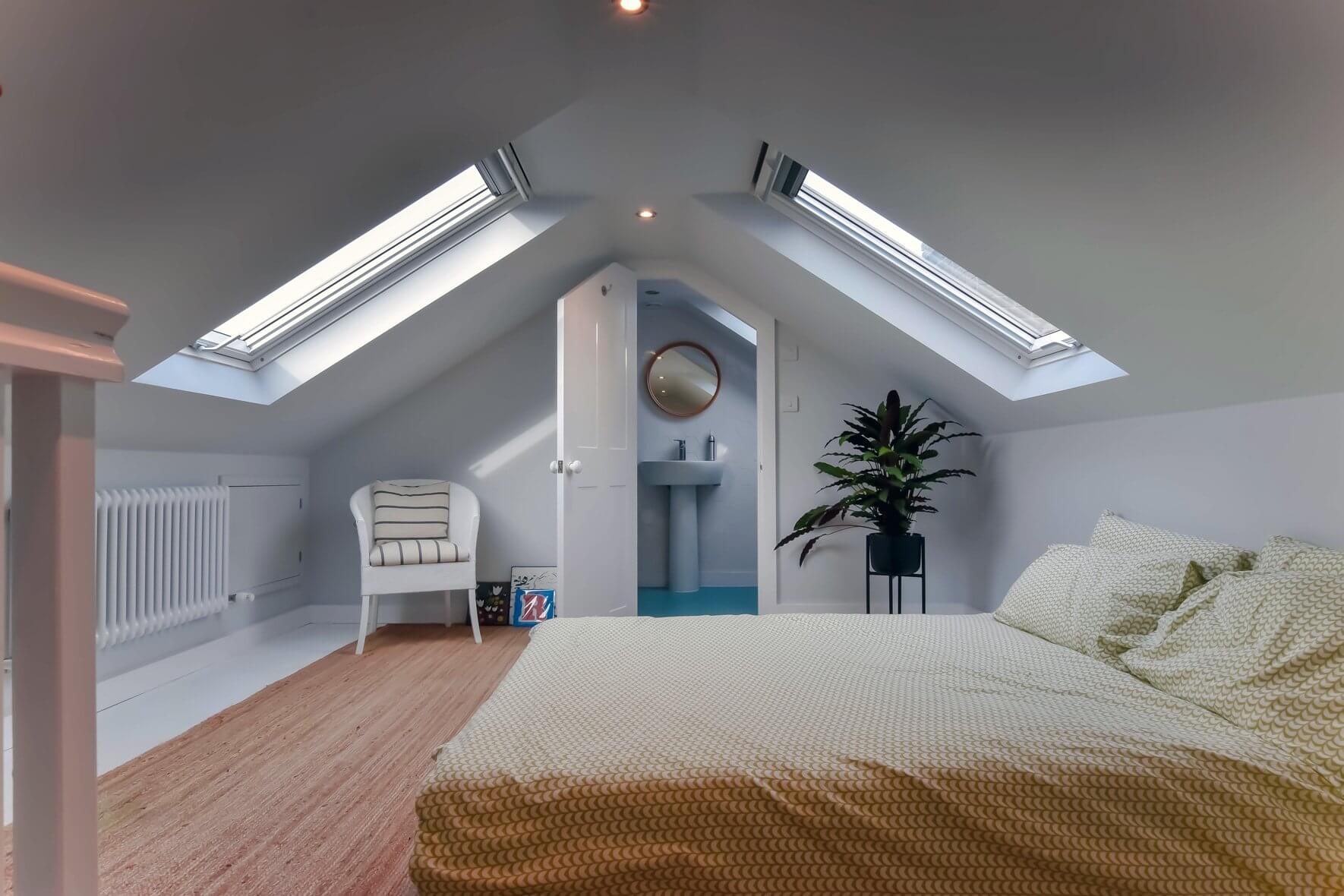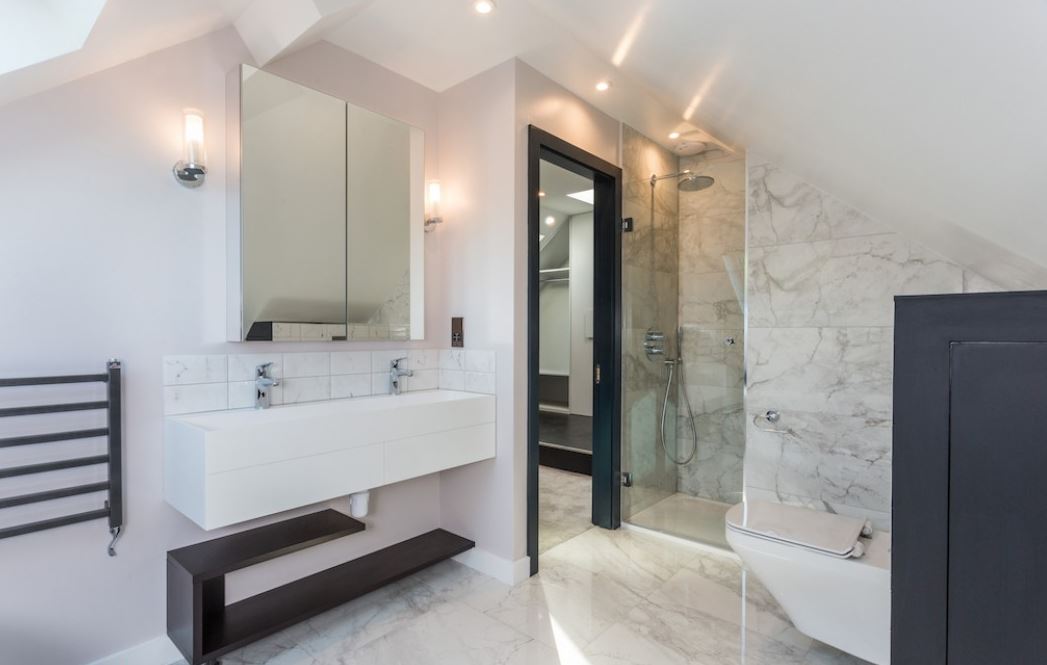
The types of Loft Conversions that we work in -
Harlington is a quiet residential area with a lot of solid older homes, semis and terraces that were built well but weren't designed with modern family life in mind. Space fills up fast. A dormer conversion is one of the most practical ways to deal with that without uprooting everything. The rear roof slope gets pushed outward, proper head height comes in, and the loft goes from dead storage to a room worth having. These older Harlington properties tend to suit dormers well, the roof pitch gives builders something to work with, and the result sits naturally on the back of the house. Bedroom, office, en-suite, it handles all of it. Best for: Semis and terraces in Harlington, families who've run out of room, and lofts that are too low to use as they are.
Hipped roofs are common in Harlington, particularly on semis. That inward slope on the side looks fine from the street but quietly eats into the loft space, leaving you with less room than the house should logically have. A hip to gable conversion removes the slope and puts a straight wall up instead, giving you back the full width of the loft. Pair it with a rear dormer and you've got enough for a bedroom and a bathroom without anything feeling cramped. It's a straightforward fix to a problem that holds a lot of Harlington homes back. Best for: Semis and end-of-terrace homes in Harlington with hipped roofs, and anyone frustrated by how little usable space the loft actually offers.
Not every loft needs a full build. If the head height is already decent, a Velux conversion does the job neatly and without a lot of fuss. The roof stays as it is, windows go in, the floor gets reinforced, insulation is fitted, and the room is signed off to building regs. Nothing changes on the outside. It's the most affordable route and the least disruptive. Harlington is a settled, low-key area and plenty of homeowners here prefer not to make a big statement with the roofline. A Velux conversion respects that while still delivering a proper usable room upstairs. Best for: Harlington homes with workable loft height, anyone on a tighter budget, and properties where keeping the exterior as-is matters.
If your Harlington home has a rear extension, this conversion is worth a serious look. A dormer runs across the back of the main roof and another sits over the extension, they meet in an L shape and the combined floor area is a big step up from a single dormer. Two bedrooms and a bathroom upstairs becomes genuinely achievable rather than a stretch. It's a smart move for families who want to stay in Harlington long term and need the house to grow with them. The layout tends to work naturally and the extra space makes a real difference to how the whole house lives. Best for: Harlington homes with a rear extension, families needing more than one room upstairs, and anyone thinking about the house long term.
A mansard is the biggest conversion you can do, and it shows in the results. The rear roof slope is completely rebuilt, steep at the back, flat on top and what you end up with feels less like a loft and more like a proper extra floor. Full ceiling height, straight walls, real rooms. It takes longer, costs more, and planning permission is usually needed in Harlington. That's just the nature of the project. But for homeowners who want the most space possible and are prepared to go through the process properly, nothing else on this list comes close. In an area like Harlington where family homes are in steady demand, the investment tends to hold up well. Best for: Larger homes in Harlington, anyone who wants maximum floor space, and homeowners happy to go through planning for the best possible result.
There are plenty of bungalows in Harlington and they're well-loved homes. But one floor has its limits, and when the ground level fills up there aren't many options left, except going up. A loft conversion adds a proper upper level while the ground floor stays completely untouched. Bedrooms, a bathroom, whatever is needed, it all goes upstairs and daily life below carries on as normal. Bungalow roofs here often run the full width of the property, so there's usually more space up there than people expect. Get it designed well and it changes the whole feel of the home. Best for: Bungalows in Harlington where the ground floor has run out of room, families needing more space, and homeowners looking to add long term value.
Do you have a question about Loft Conversions? We're here to help. Contact our team at Loft Converter London
The minimum height required for a Loft Conversion is 2.2m (from the floor to the highest point in your loft). If you do not have the required height, your ceilings can be lowered on your first floor.
This depends on the size and type of Loft, most loft conversions take around 10-12 weeks. We can give you a more accurate estimation when we see your property.
Loft Conversion cost is determined by the size and type of the project, the features you would like, etc. Our architect will help you achieve the best use of your space within your budget. Most Lofts cost between £30,000 and £70,000.
No - it's safe to carry on living in your house. Our team starts from the scaffolding before the stairs go in. We always try to limit the disruption during the construction process.
Loft Conversions usually fall under the permitted development category therefore planning permission is not normally required. There are some exceptions like conservation areas, flats, or listed buildings. Our in-house surveyors can advise further on planning permission..
A party wall agreement is also known as PWA is required if you own semi-detached or terraced property. In simple words, if you are working within or near your neighbor’s boundary then you will need a party wall agreement in place. Click here for more info.
Yes - it will add from 15% to 25% upwards depending on the size, design, and type of Loft. Read more about adding value here.
Yes, all Loft conversions require building regulation approval from the local authority. These regulations are important to ensure the safety measures are in place and they set a protocol of construction and design to follow.
Absolutely yes, we will work with you to achieve your dream new living space.