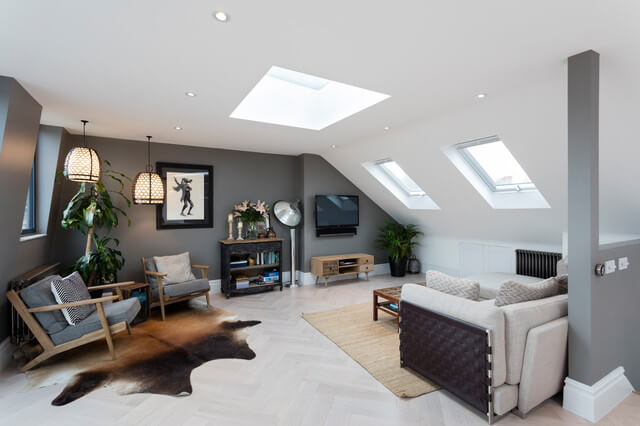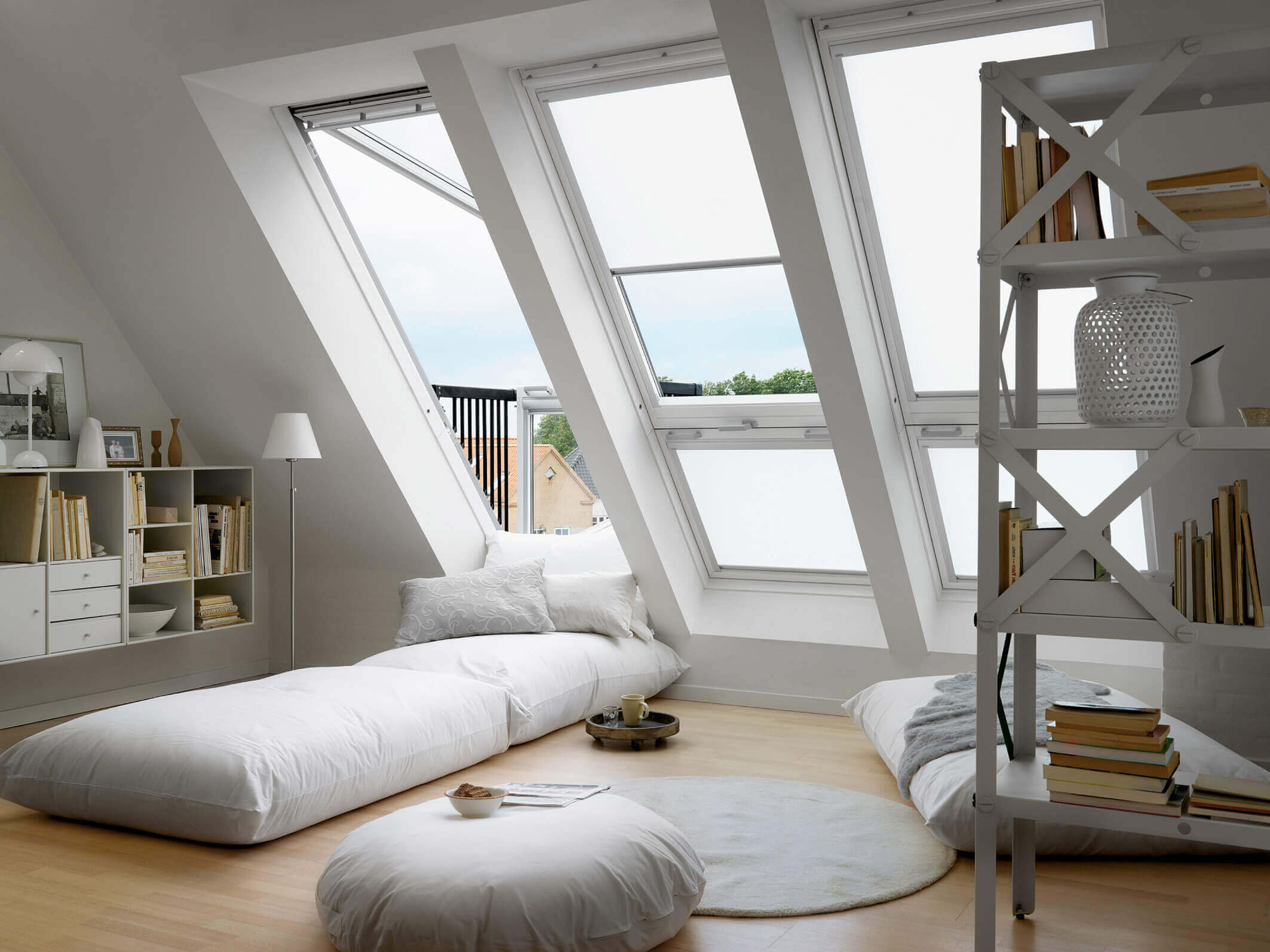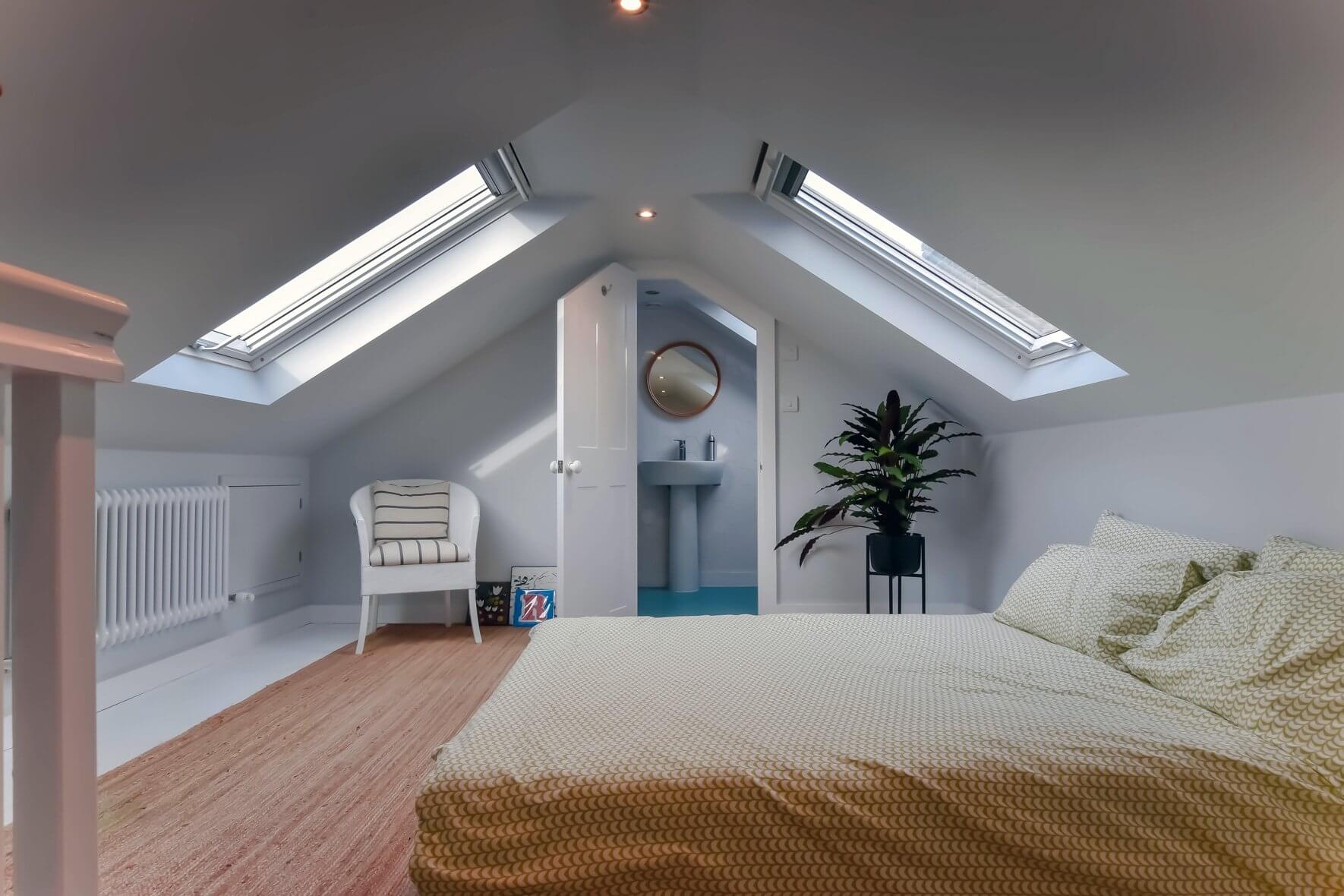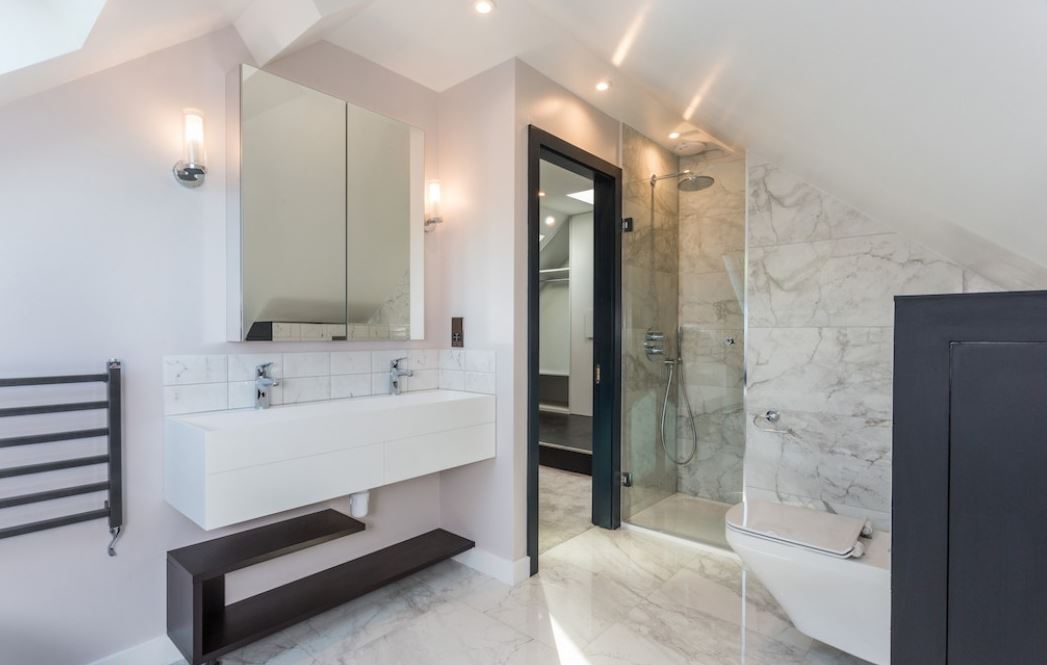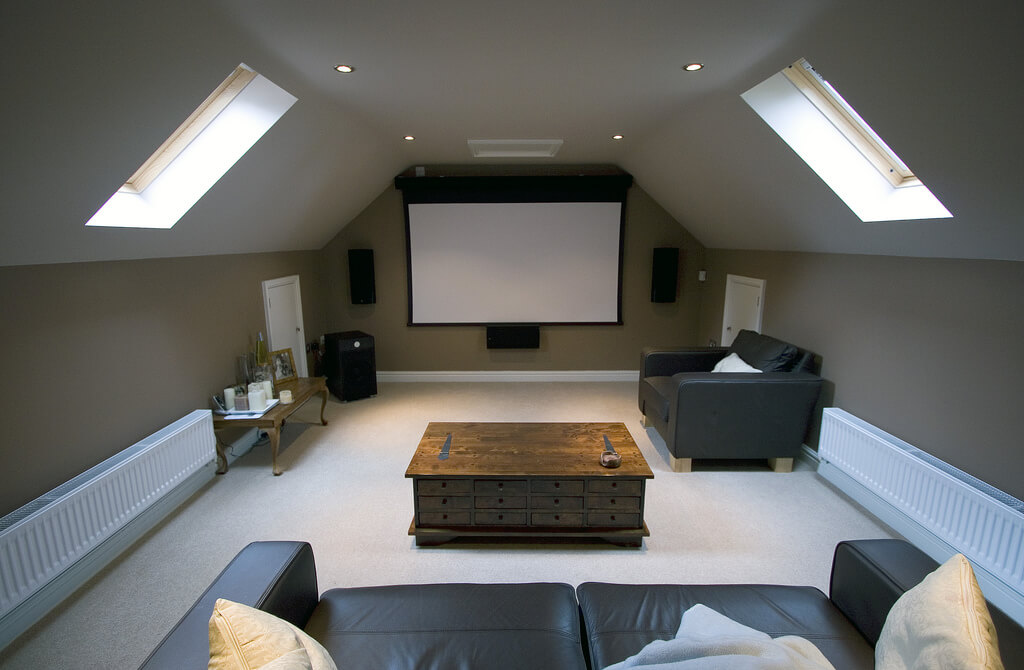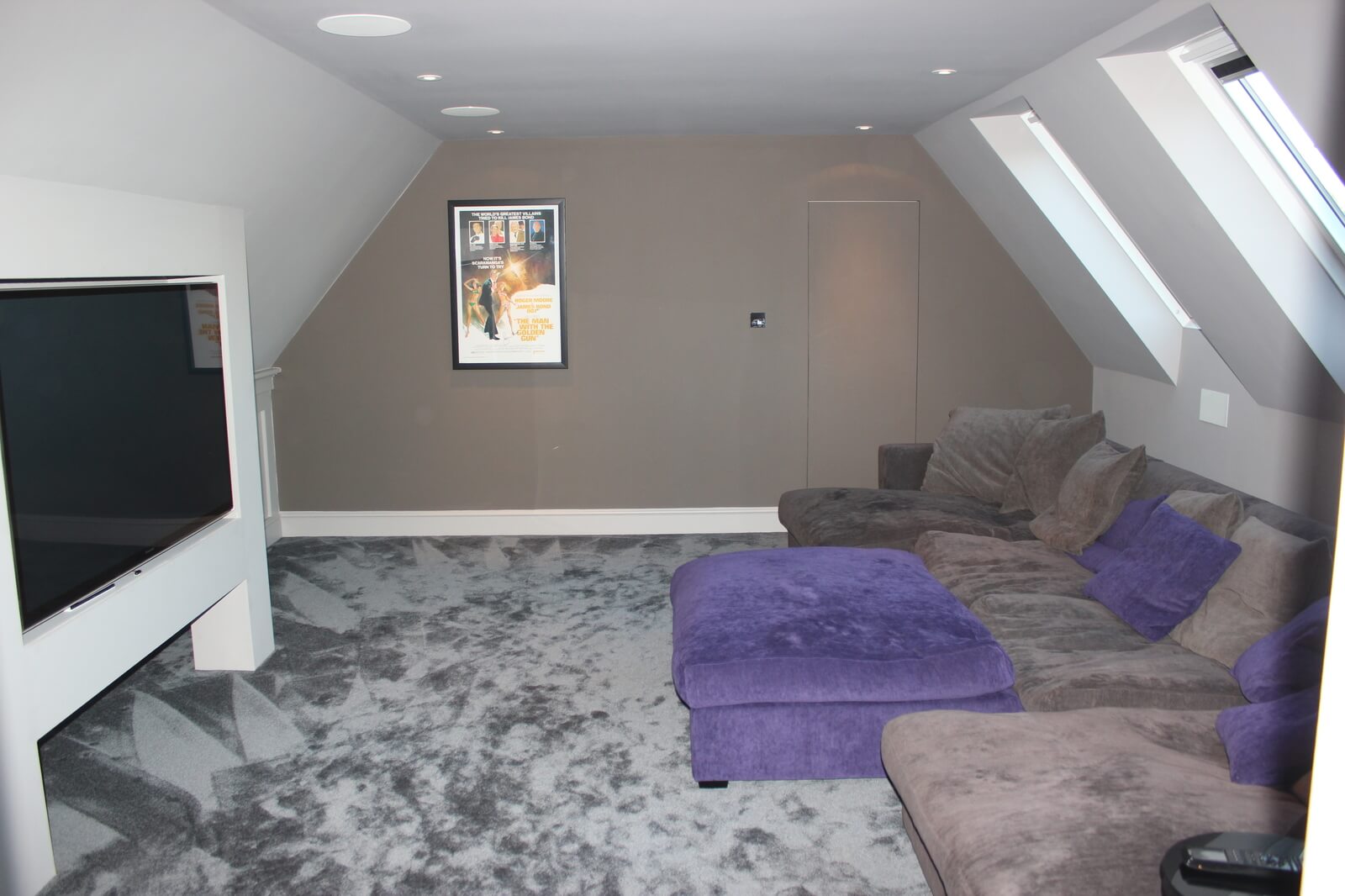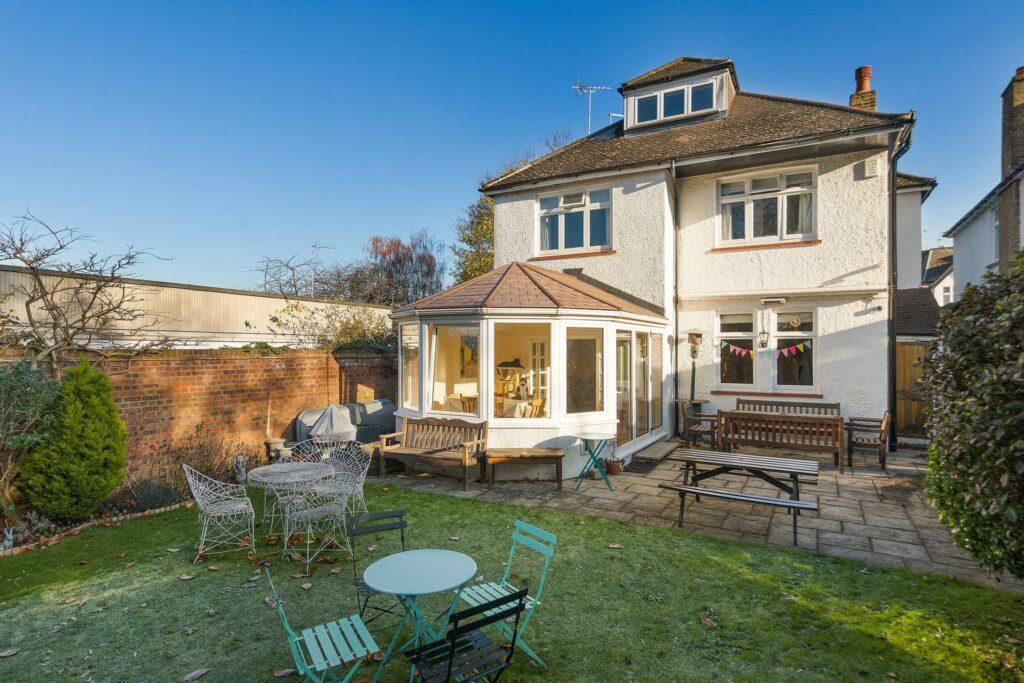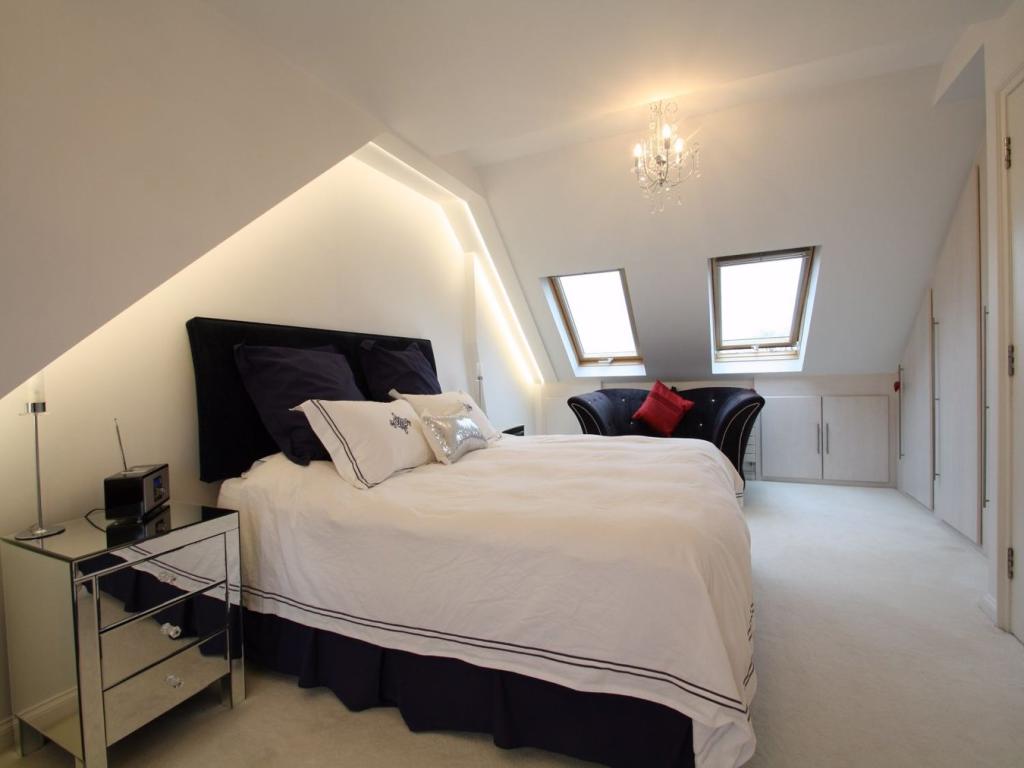
The types of Loft Conversions that we work in -
Hayes is a busy, practical place to live, and when the family starts needing more room, the last thing most people want is the stress of uprooting and moving somewhere new. A dormer loft conversion is one of the best ways to add real, usable space without leaving the area you know. It extends out from the back of your roof, brings in proper headroom, and turns an awkward loft into a room worth having. Hayes has a solid mix of terraced, semi-detached and post-war homes, and dormers work really well across all of them. The proportions tend to suit it, and when it's done right it looks like it's always been part of the house. Best for: Terraced and semi-detached homes in Hayes, families needing a proper extra bedroom, and lofts that are currently too low to stand up in or do anything useful with.
A fair number of homes in Hayes have hipped roofs, where the sides slope inward rather than ending in a flat wall. That slope isn't just awkward to look at from the inside, it cuts directly into the usable floor space in your loft. A hip to gable conversion fixes that. The sloping side gets replaced with a straight vertical wall, and you immediately gain the full width of the loft back. Pair it with a rear dormer and you've got a layout that can comfortably fit a bedroom and a bathroom without feeling cramped. It's a straightforward solution to a very common problem in Hayes housing stock. Best for: Semi-detached and end-of-terrace homes in Hayes with hipped roofs, particularly where the loft feels narrow or pinched on one side.
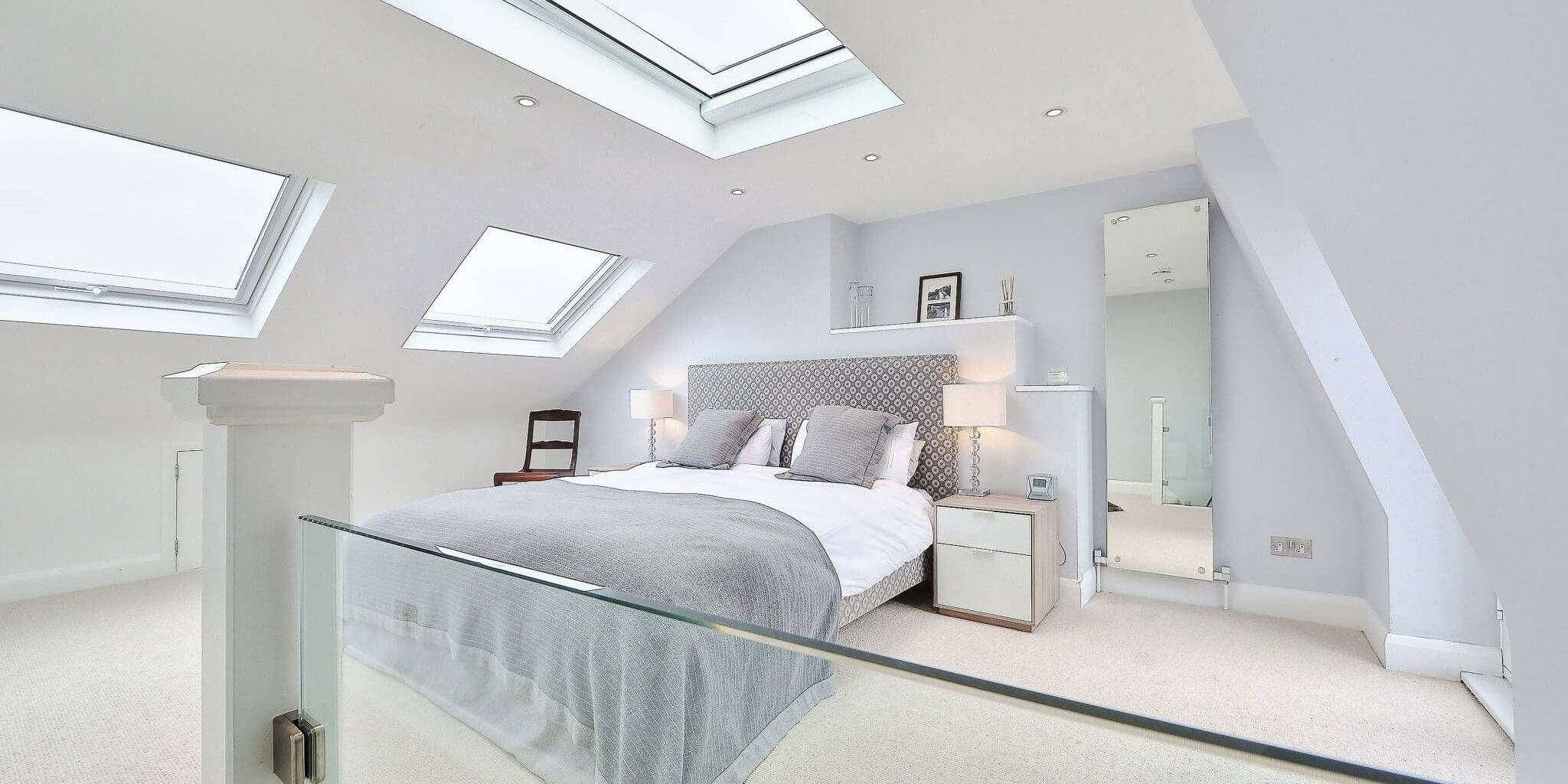
Not every loft project needs to be a big undertaking. A Velux conversion, sometimes called a rooflight conversion, leaves the roof structure completely as it is. Roof windows are fitted in, the floor gets properly reinforced, insulation is sorted, and the whole space is brought up to building regulation standard. That's the full scope of the work. For many Hayes homeowners, this is exactly what's needed and nothing more. If the loft already has a reasonable amount of head height, there's no need to go bigger or more complicated than this. It's a calm, measured approach that gets you a usable room with the least disruption possible. Best for: Hayes homes with adequate existing loft height, tighter budgets, and properties where keeping the exterior of the roof unchanged is a priority.
If your Hayes home has a rear extension, this is where things get really interesting. An L-shaped dormer takes two dormers, one across the main roof, one sitting above the rear extension, and joins them into a single L shape. The amount of floor space that creates is genuinely impressive, and it opens up a lot of options for how you use the loft. Two bedrooms and a bathroom? Easily done. A large master bedroom with a walk-in wardrobe and en suite? That works too. People are often surprised by just how much space they end up with compared to what they imagined was possible. Best for: Hayes properties with an existing rear extension, larger households that need more than one room upstairs, and anyone who wants to squeeze every bit of potential out of their loft.
A mansard conversion isn't the quickest or simplest route, but it is the one that delivers the most space. The rear roof slope is rebuilt at a steep angle and finished with a flat roof on top. What you're left with is a full-height loft that doesn't feel like a converted attic. It feels like a proper floor of the house. It typically requires full planning permission and involves more work than other conversion types. That's worth knowing going in. But for Hayes homeowners who want the maximum return on their investment and are prepared to see the process through properly, a mansard conversion is a serious option. Best for: Larger Hayes properties, homeowners where floor area is the top priority, and projects where a complete roof transformation is both feasible and the right long-term decision.
Hayes has a number of bungalows spread across its residential streets, and many of them are sitting on more loft potential than their owners give them credit for. Converting the loft adds a proper upstairs bedroom, a bathroom, whatever the household actually needs, while the ground floor carries on exactly as before. Nothing downstairs has to change. Bungalow roofs usually span the full width of the property, so there tends to be a good amount of space to work with once you're up there. It's one of those projects where the finished result catches people off guard. A home that felt like it had nowhere left to go suddenly has an entire new floor to live in. Best for: Single-storey homes in Hayes where the ground floor is already fully used, and homeowners looking for a practical, no-nonsense way to add lasting space to their property.
Do you have a question about Loft Conversions? We're here to help. Contact our team at Loft Converter London
The minimum height required for a Loft Conversion is 2.2m (from the floor to the highest point in your loft). If you do not have the required height, your ceilings can be lowered on your first floor.
This depends on the size and type of Loft, most loft conversions take around 10-12 weeks. We can give you a more accurate estimation when we see your property.
Loft Conversion cost is determined by the size and type of the project, the features you would like, etc. Our architect will help you achieve the best use of your space within your budget. Most Lofts cost between £30,000 and £70,000.
No - it's safe to carry on living in your house. Our team starts from the scaffolding before the stairs go in. We always try to limit the disruption during the construction process.
Loft Conversions usually fall under the permitted development category therefore planning permission is not normally required. There are some exceptions like conservation areas, flats, or listed buildings. Our in-house surveyors can advise further on planning permission..
A party wall agreement is also known as PWA is required if you own semi-detached or terraced property. In simple words, if you are working within or near your neighbor’s boundary then you will need a party wall agreement in place. Click here for more info.
Yes - it will add from 15% to 25% upwards depending on the size, design, and type of Loft. Read more about adding value here.
Yes, all Loft conversions require building regulation approval from the local authority. These regulations are important to ensure the safety measures are in place and they set a protocol of construction and design to follow.
Absolutely yes, we will work with you to achieve your dream new living space.