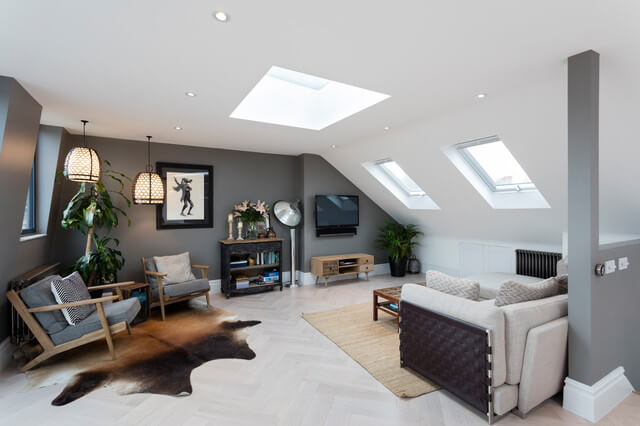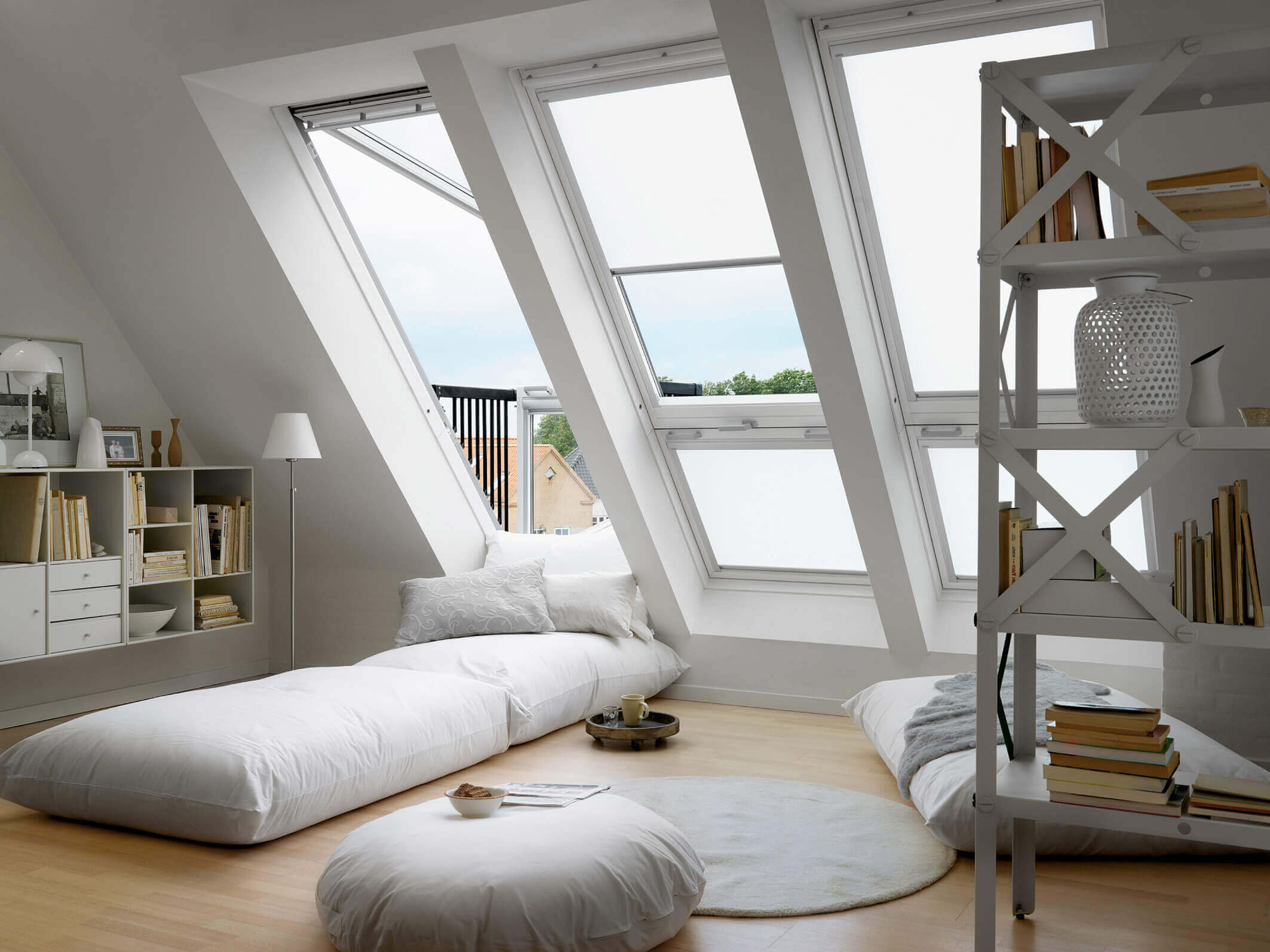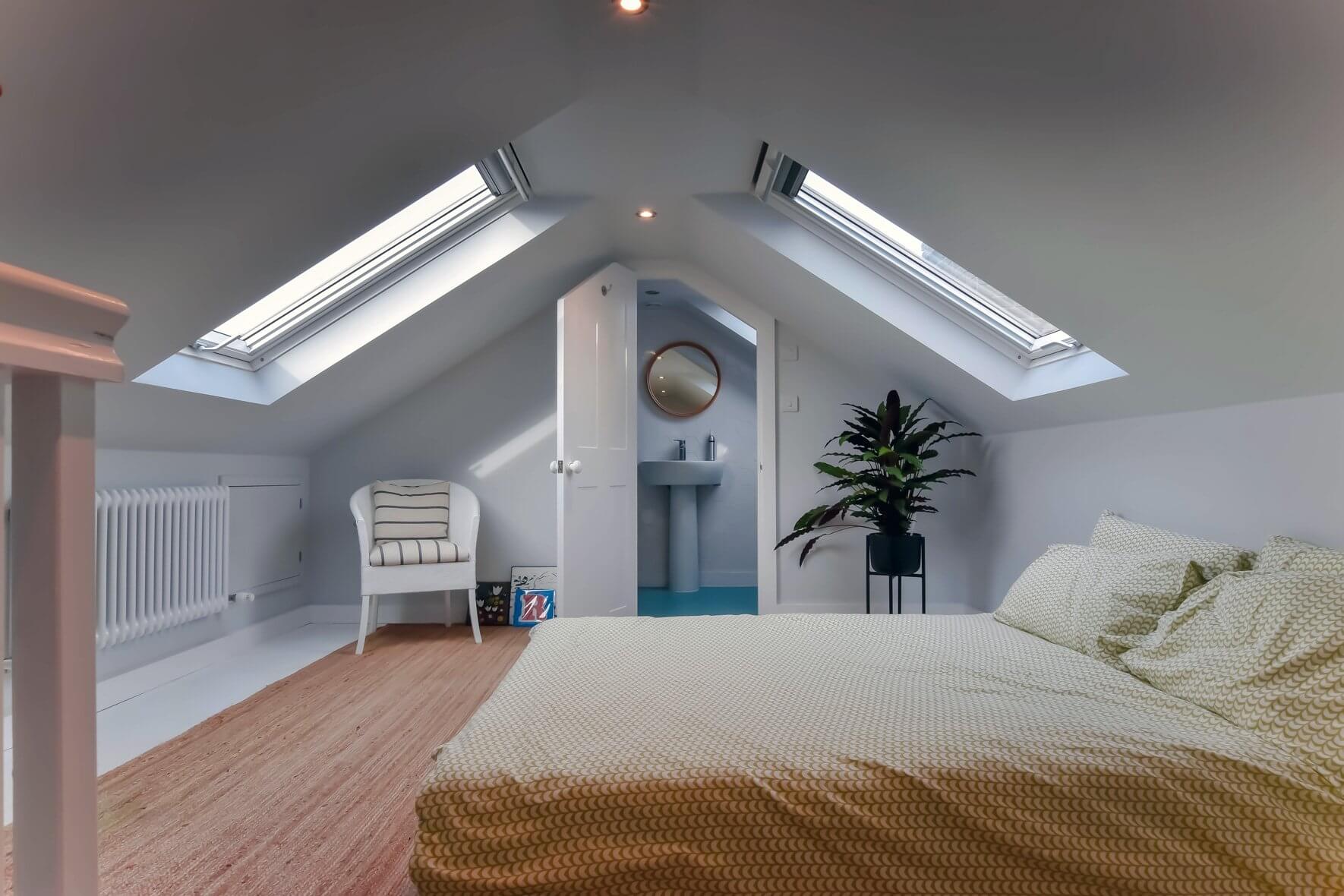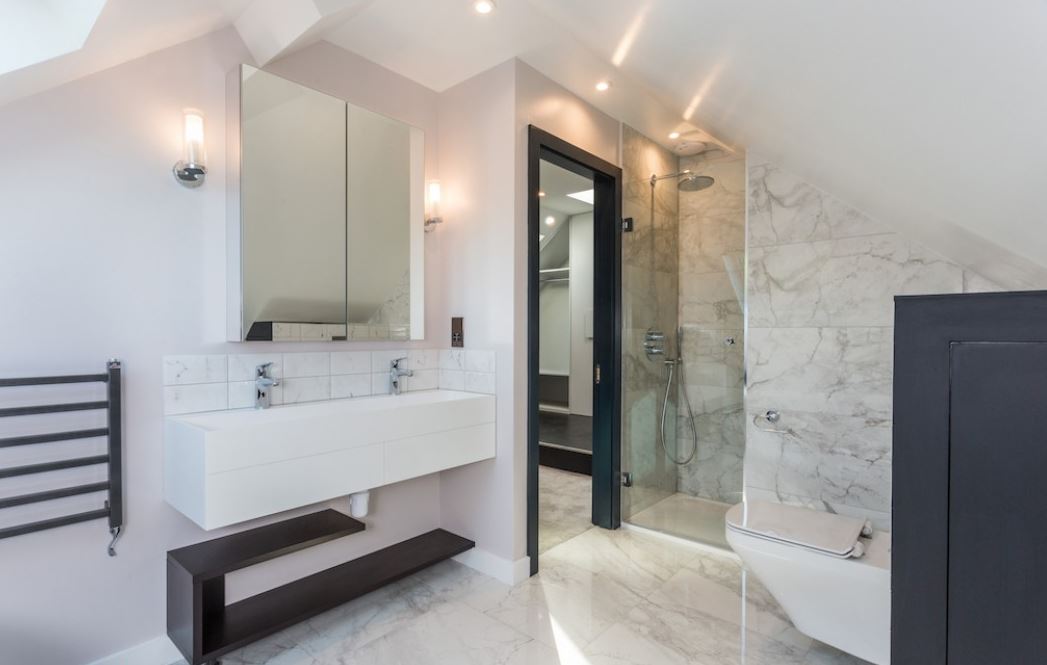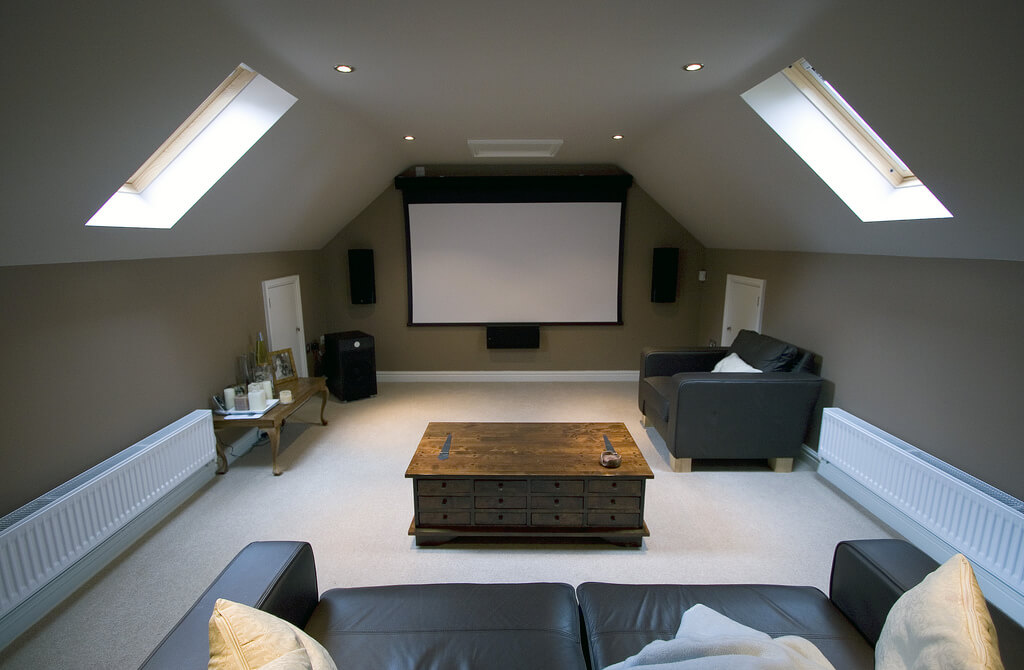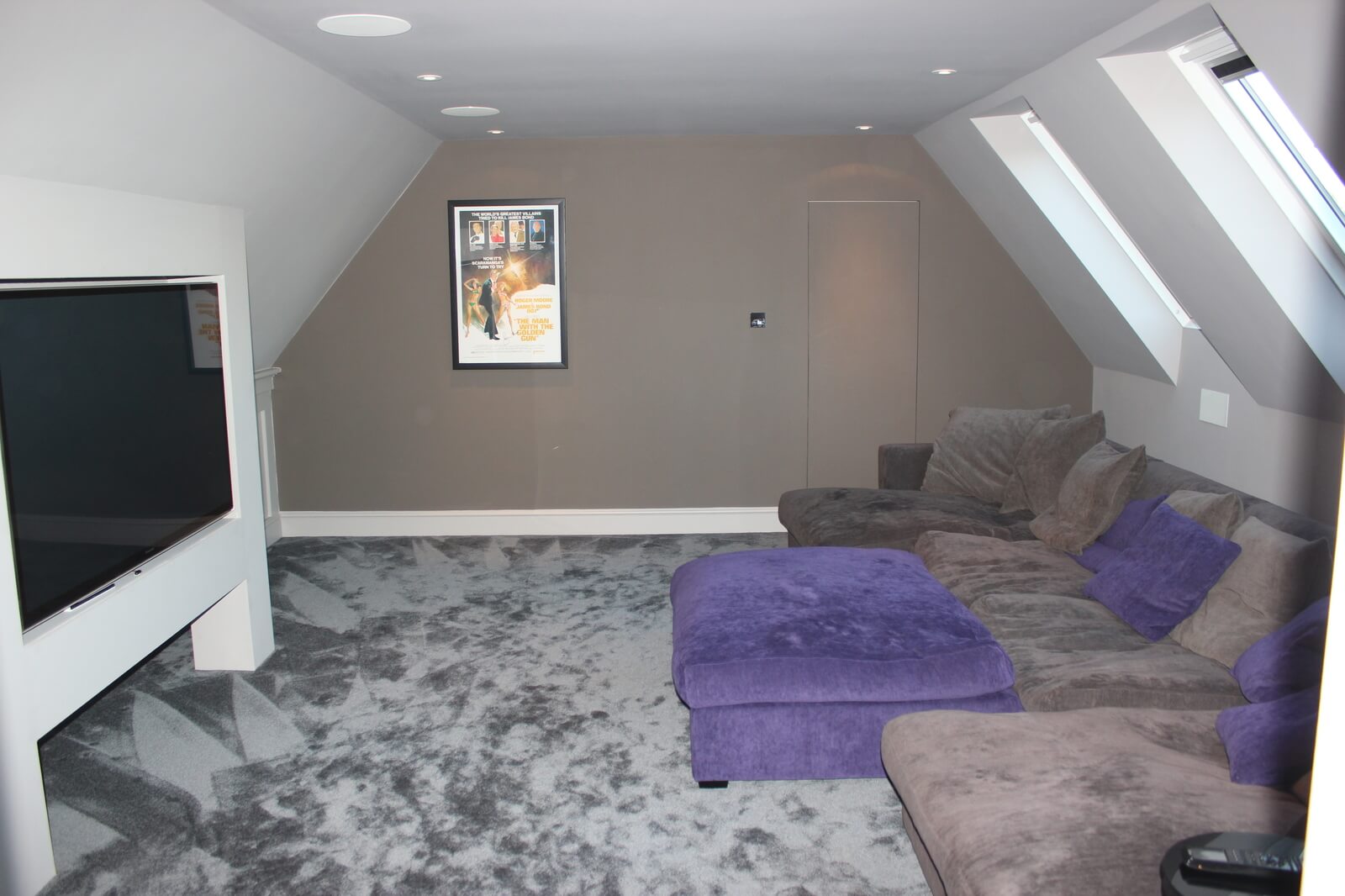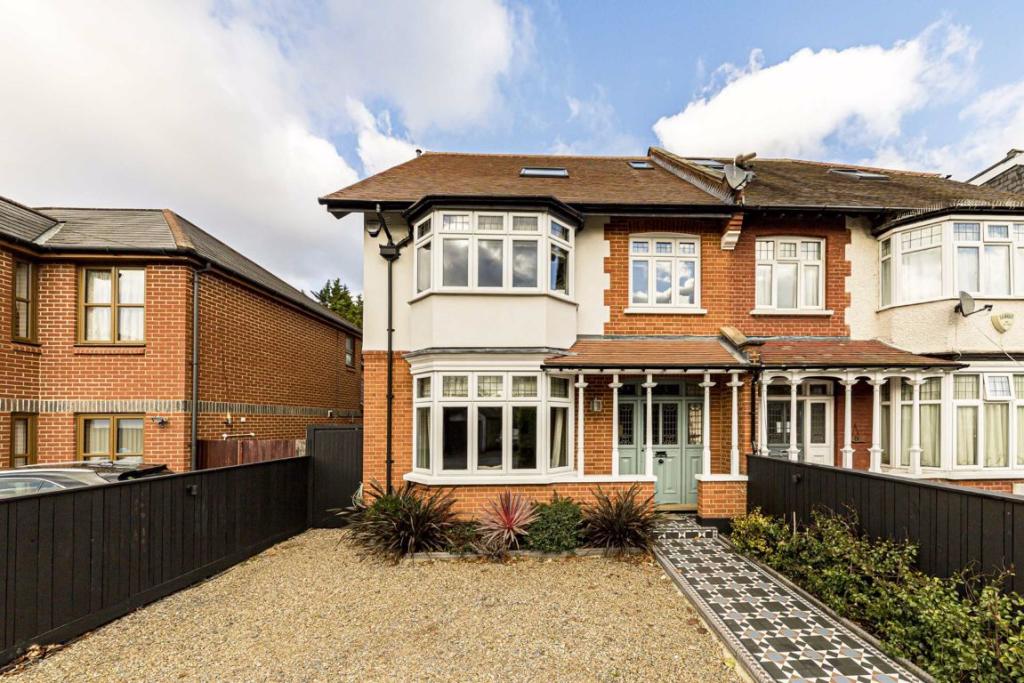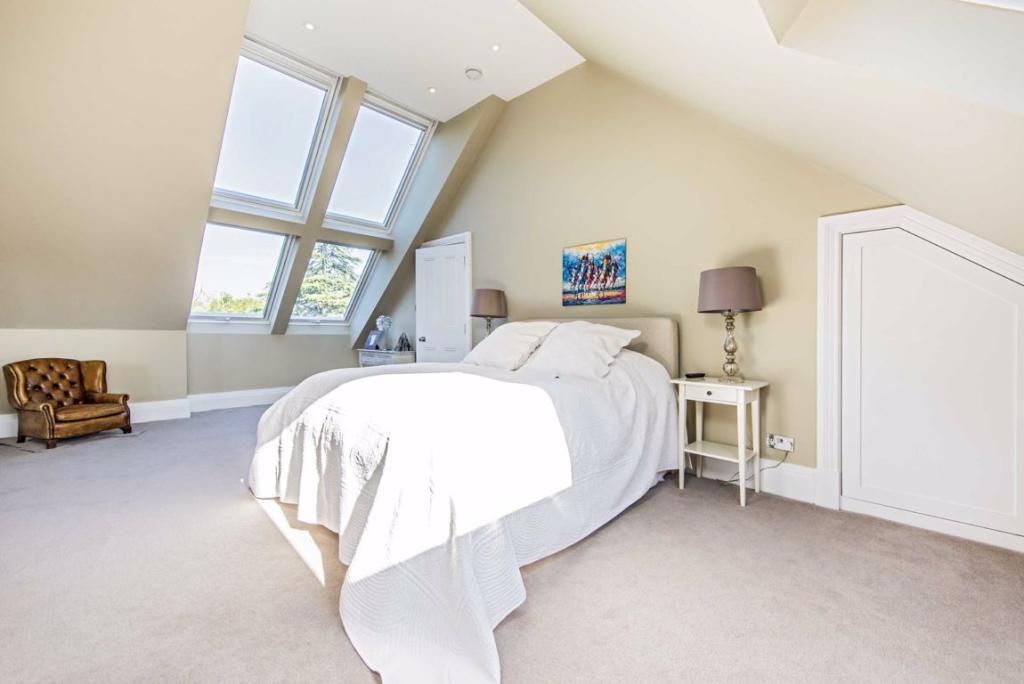
The types of Loft Conversions that we work in -
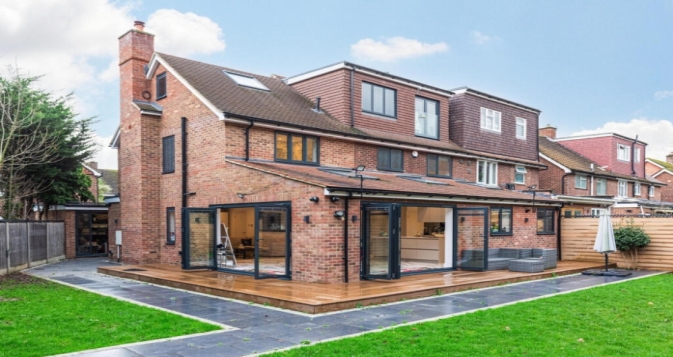
Isleworth is one of those parts of West London that people tend to stay in once they arrive. The riverside setting, the green spaces along the Thames, and the mix of period homes along streets like Twickenham Road and St John's Road give it a character that is genuinely hard to leave. When families here run out of space, the question is rarely whether to move but how to make the home work better. A dormer loft conversion is usually where that conversation ends up. By extending from the rear roof slope, a dormer creates proper headroom and a usable floor area without touching the front of the house or the garden. On Isleworth's Victorian and Edwardian terraces, where the original roof pitch gives you something to work with, a well-designed dormer can feel like a room that was always meant to be there. Best for: Period terraced and semi-detached homes across Isleworth TW7, families needing an additional bedroom, and homeowners who want more space without altering their home's appearance from the street.
A number of Isleworth's interwar semi-detached homes were built with hipped roofs, where the side of the roof slopes inward rather than finishing flat. It is a style that sits well with the neighbourhood, but inside the loft that slope quietly removes width that you could otherwise be standing in. A hip-to-gable conversion replaces that angled side with a straight vertical wall, opening up the loft considerably. Combined with a rear dormer, it turns what felt like an unusable triangular space into a layout that comfortably fits a bedroom and a bathroom. Best for: Isleworth semi-detached and end-of-terrace homes where the hipped roof is the main constraint on loft potential.
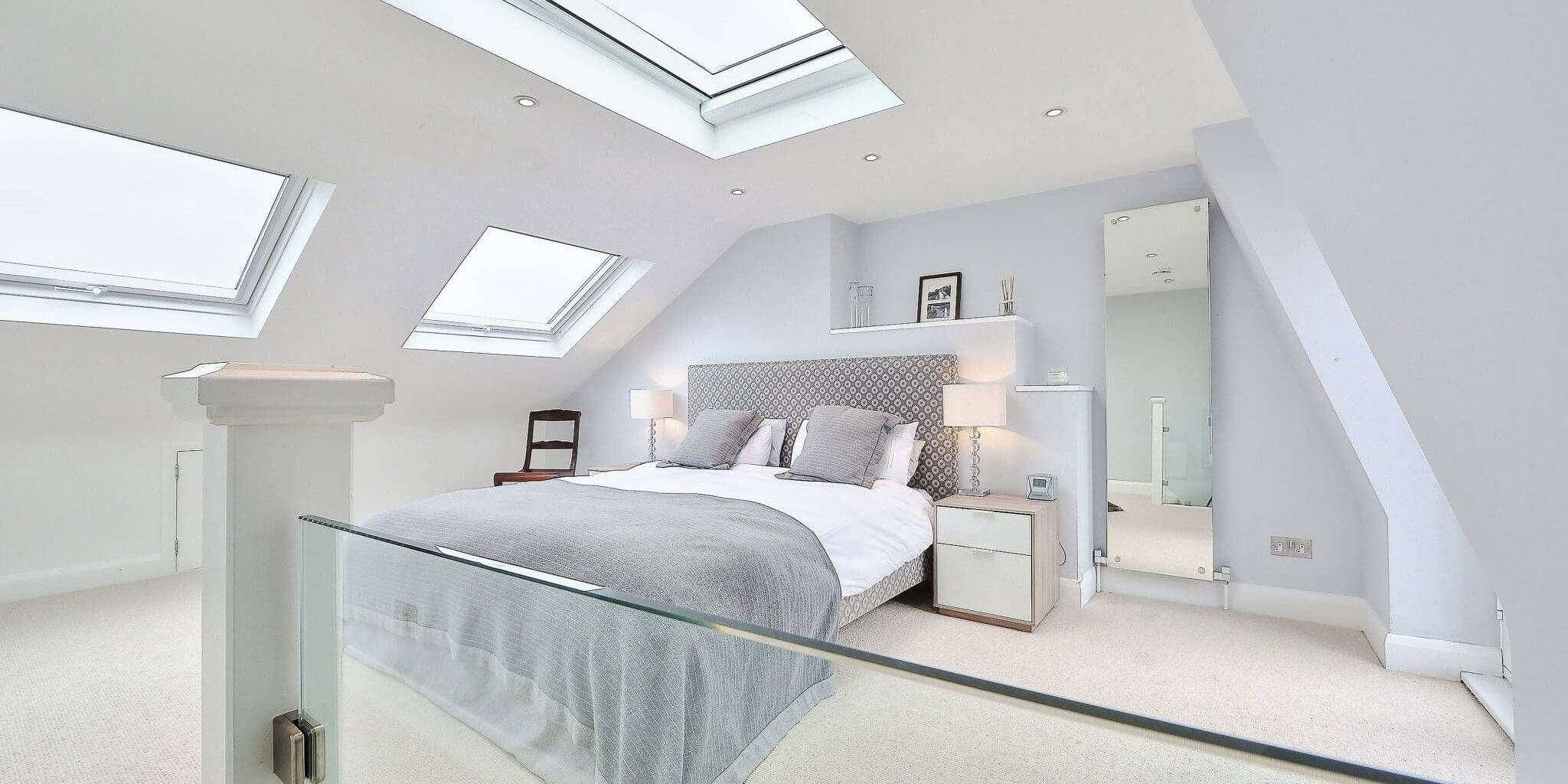
Isleworth has a good number of older properties with naturally steep roof pitches, and when the existing head height is already reasonable, a Velux conversion is often the smartest and most cost-effective option. Roof windows are fitted into the existing slope, the floor is reinforced, insulation is upgraded, and the loft becomes a proper room without the roofline changing at all. For homes close to Isleworth's conservation-sensitive areas along the riverside, this is also the conversion type least likely to require planning permission or raise concerns with the London Borough of Hounslow. Best for: Properties with good existing loft height, tighter budgets, and homes in or near conservation areas where keeping external changes minimal is important.
Many Isleworth homes have been extended at the rear over the years, and if yours has a ground-floor addition, it opens up the possibility of an L-shaped dormer. One dormer is built across the main rear roof, and another over the extension, creating a combined loft floor plan that is large enough to split into two separate rooms rather than one. It is a configuration that works particularly well for families in TW7 who need both a bedroom and a dedicated workspace, or a bedroom and a proper en-suite that does not feel squeezed in. Best for: Extended homes in Isleworth where two usable rooms in the loft are the goal rather than one.
If you want the most space a loft conversion can possibly deliver, a mansard is the answer. The rear roof slope is rebuilt at a near-vertical angle with a flat section across the top, which means every part of the floor becomes fully usable from wall to wall. No awkward corners, no sloping ceilings eating into the furniture layout, just a room that functions like any other in the house. In Isleworth, where period homes command strong prices and homeowners invest carefully in improving their properties, a mansard is a serious and rewarding long-term decision. Best for: Larger Isleworth properties where maximum internal space is the priority, and the homeowner is prepared to work through the planning process.
Isleworth has a mix of converted houses, particularly in and around the TW7 postcode, and top floor flats in these buildings sometimes sit directly beneath a loft that has never been used. If that describes your situation, it is worth exploring, but the starting point is always the legal groundwork rather than the build itself. Lease terms, ownership of the loft space, and freeholder consent must be clearly established before any structural work is considered. We help clients in Isleworth work through these questions early so everything is agreed and understood before any costs are committed. Best for: Top floor flat owners in Isleworth with the right lease and confirmed freeholder support already in place.
Do you have a question about Loft Conversions? We're here to help. Contact our team at Loft Converter London
The minimum height required for a Loft Conversion is 2.2m (from the floor to the highest point in your loft). If you do not have the required height, your ceilings can be lowered on your first floor.
This depends on the size and type of Loft, most loft conversions take around 10-12 weeks. We can give you a more accurate estimation when we see your property.
Loft Conversion cost is determined by the size and type of the project, the features you would like, etc. Our architect will help you achieve the best use of your space within your budget. Most Lofts cost between £30,000 and £70,000.
No - it's safe to carry on living in your house. Our team starts from the scaffolding before the stairs go in. We always try to limit the disruption during the construction process.
Loft Conversions usually fall under the permitted development category therefore planning permission is not normally required. There are some exceptions like conservation areas, flats, or listed buildings. Our in-house surveyors can advise further on planning permission..
A party wall agreement is also known as PWA is required if you own semi-detached or terraced property. In simple words, if you are working within or near your neighbor’s boundary then you will need a party wall agreement in place. Click here for more info.
Yes - it will add from 15% to 25% upwards depending on the size, design, and type of Loft. Read more about adding value here.
Yes, all Loft conversions require building regulation approval from the local authority. These regulations are important to ensure the safety measures are in place and they set a protocol of construction and design to follow.
Absolutely yes, we will work with you to achieve your dream new living space.