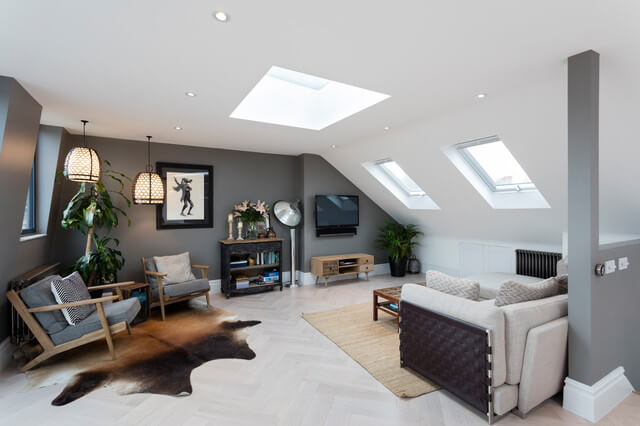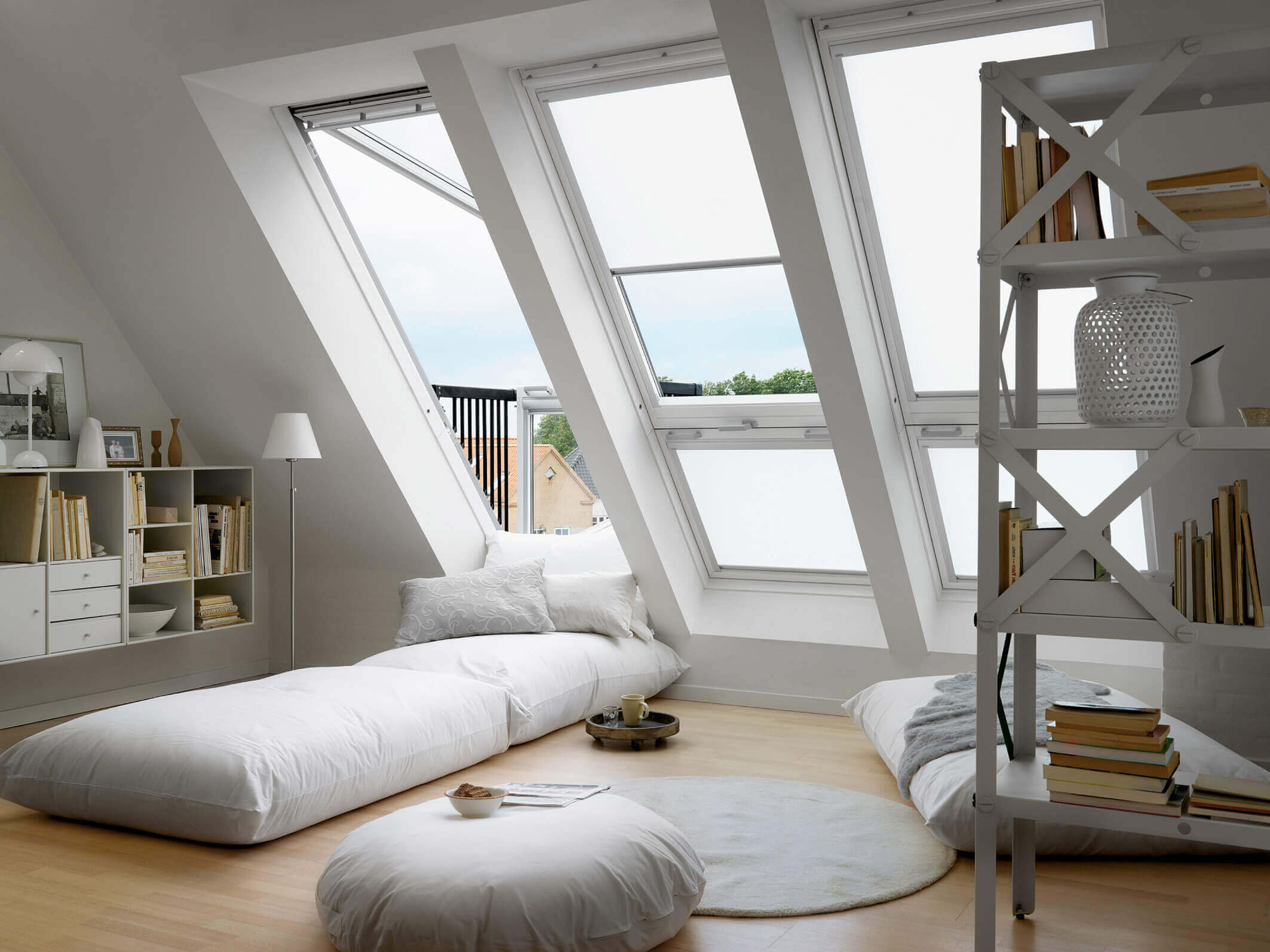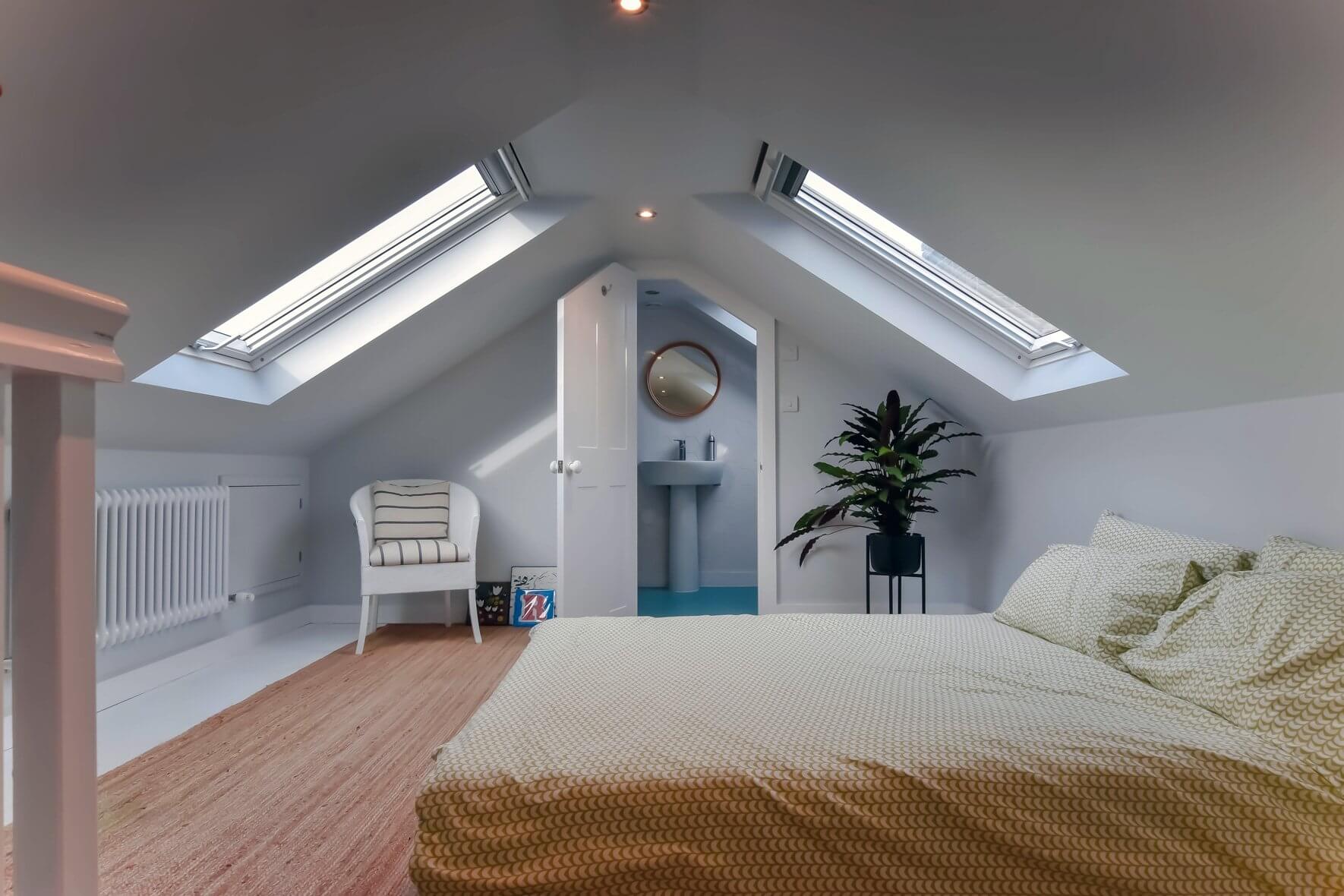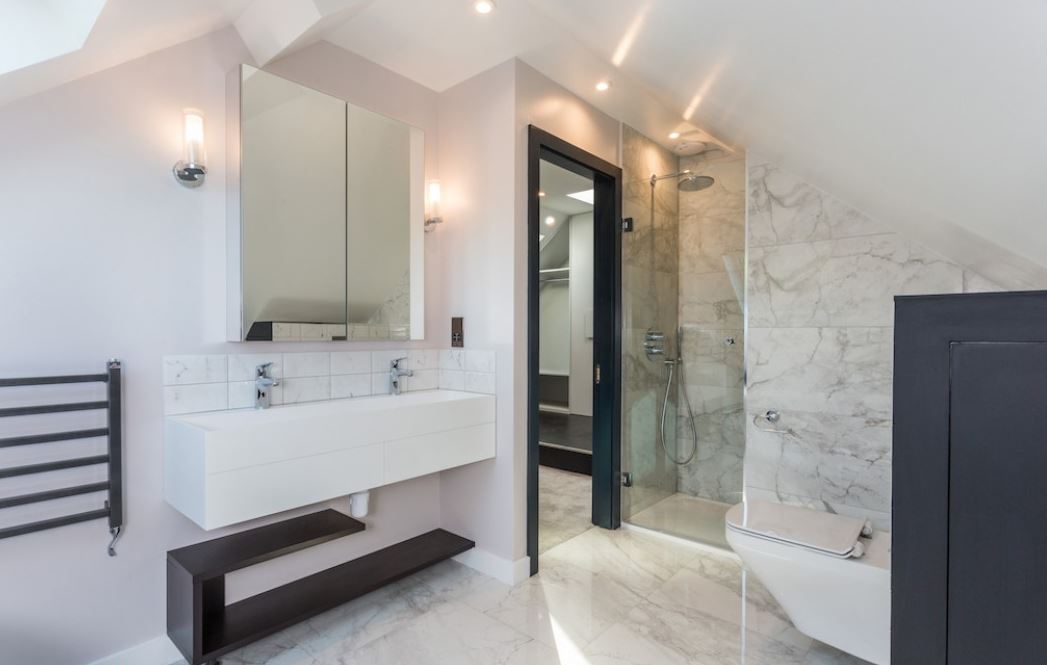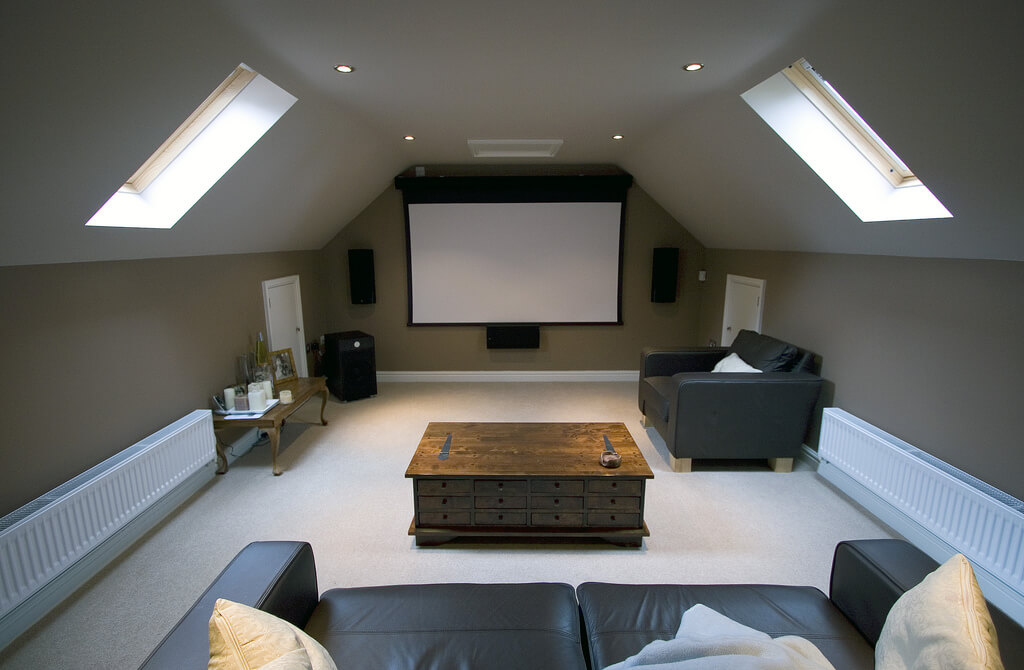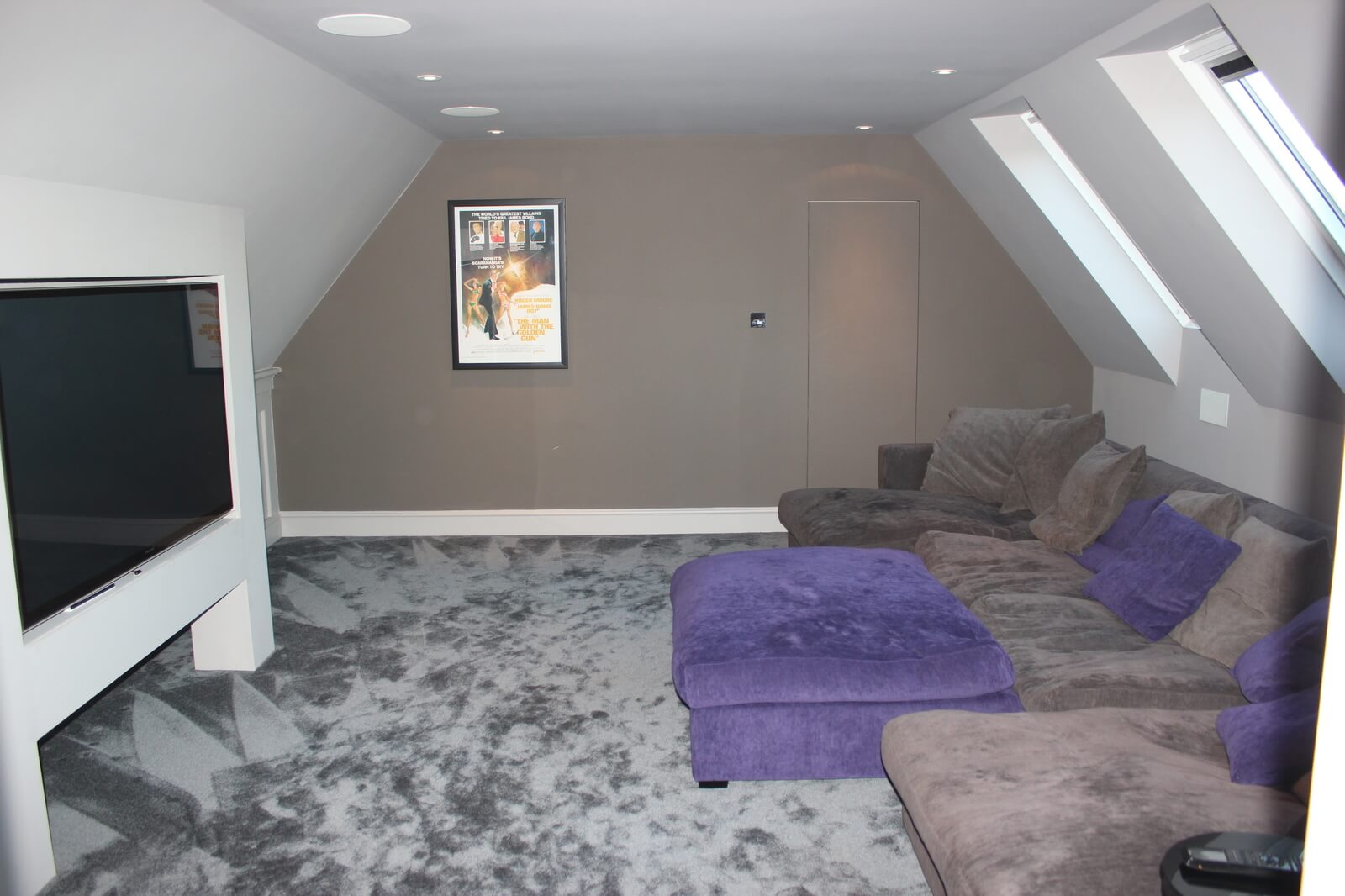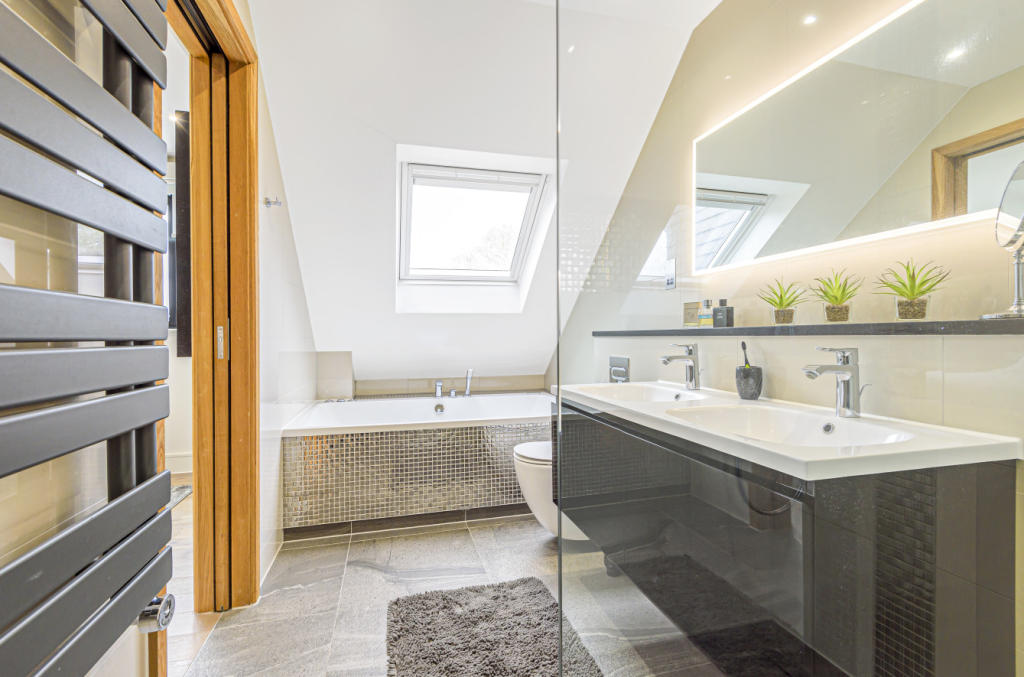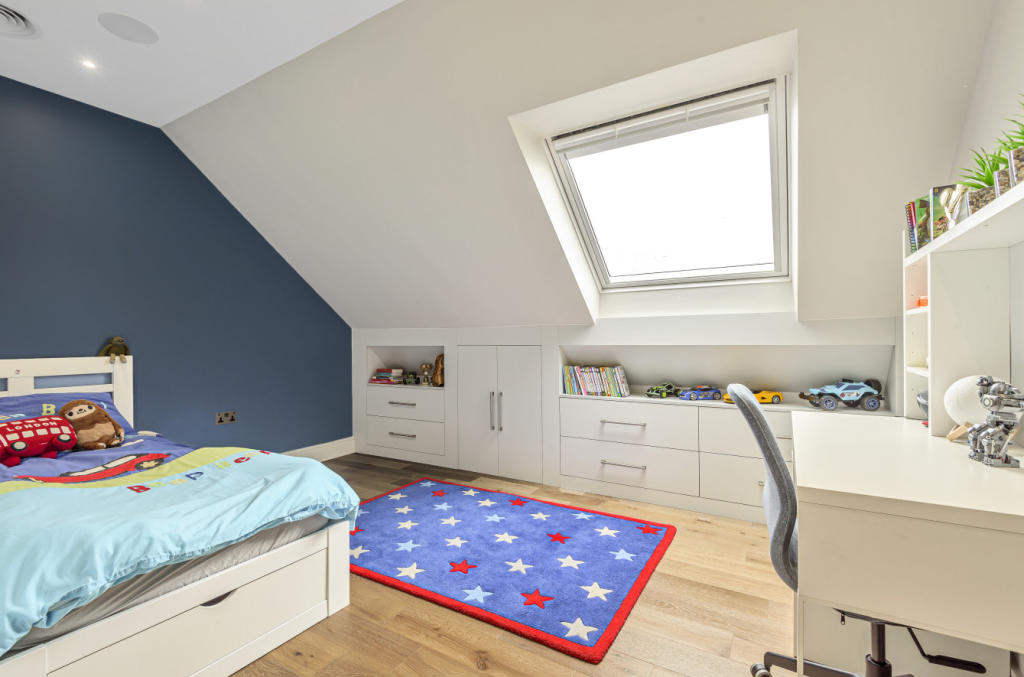
The types of Loft Conversions that we work in -
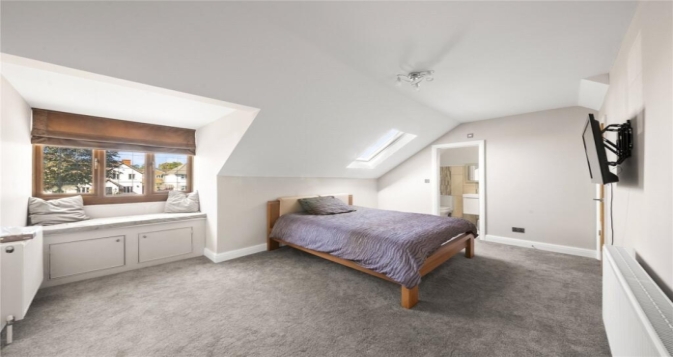
A dormer loft conversion is one of the most popular choices for homeowners in Uxbridge, and it's easy to see why. By adding a box-shaped extension to the rear slope of your roof, you gain the kind of headroom and floor space that turns an awkward, underused loft into a room you'll genuinely love being in. Whether you're after a proper bedroom, a home office for hybrid working, or a master suite with an en-suite, a dormer is usually where the conversation starts. Uxbridge has a lot of 1930s semis and traditional terraces where the roof is wide enough, but the pitch makes it impossible to stand upright. A dormer changes all of that in a straightforward, proven way. Best for: Semi-detached and terraced houses, properties where the loft feels too low to use, and families who need more space without the cost and stress of moving.
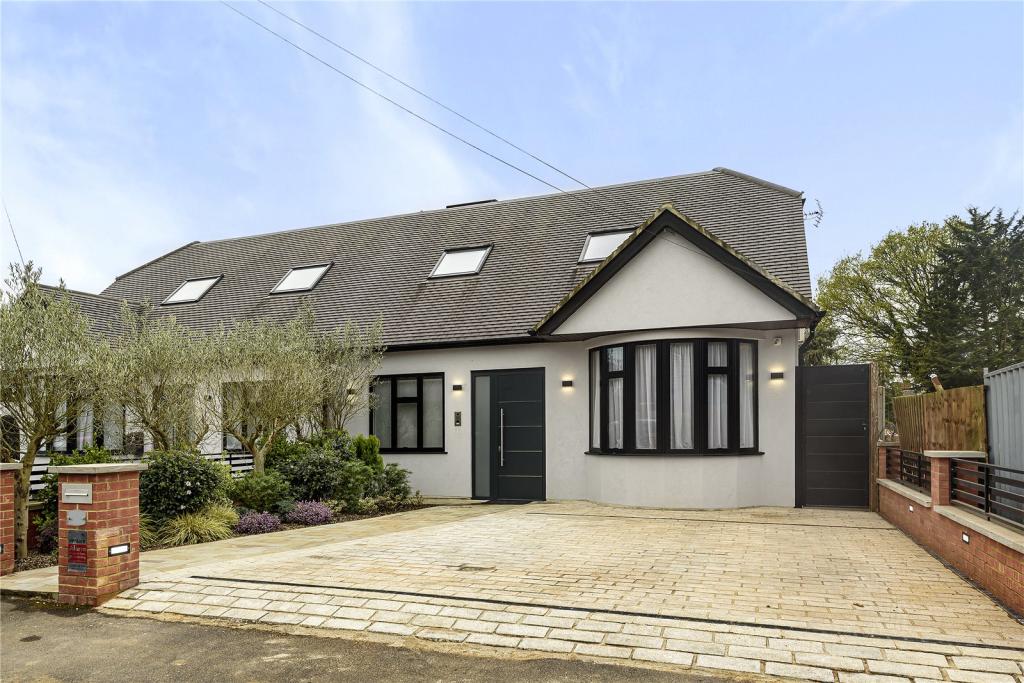
Many semi-detached homes across Uxbridge were built with hipped roofs, in which the sides of the roof slope inward rather than terminating in a straight vertical wall. From the outside, it gives the house a neat, tidy appearance. Inside the loft, though, that slope cuts into the space you could otherwise be using. A hip-to-gable conversion replaces that inward slope with a vertical gable wall, widening the usable width of your loft. Pair that with a rear dormer, and you suddenly have a loft that can comfortably fit a full bedroom and a bathroom side by side, rather than one or the other. Best for: Semi-detached and end-of-terrace homes in Uxbridge, where the hipped roof is the main thing holding the loft back from its full potential.
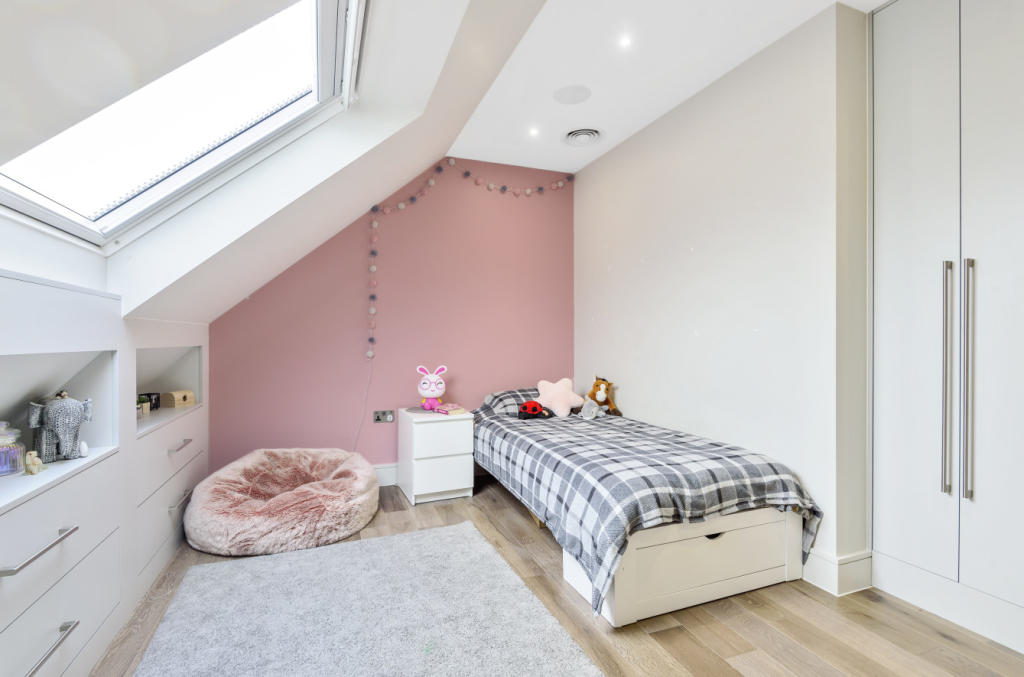
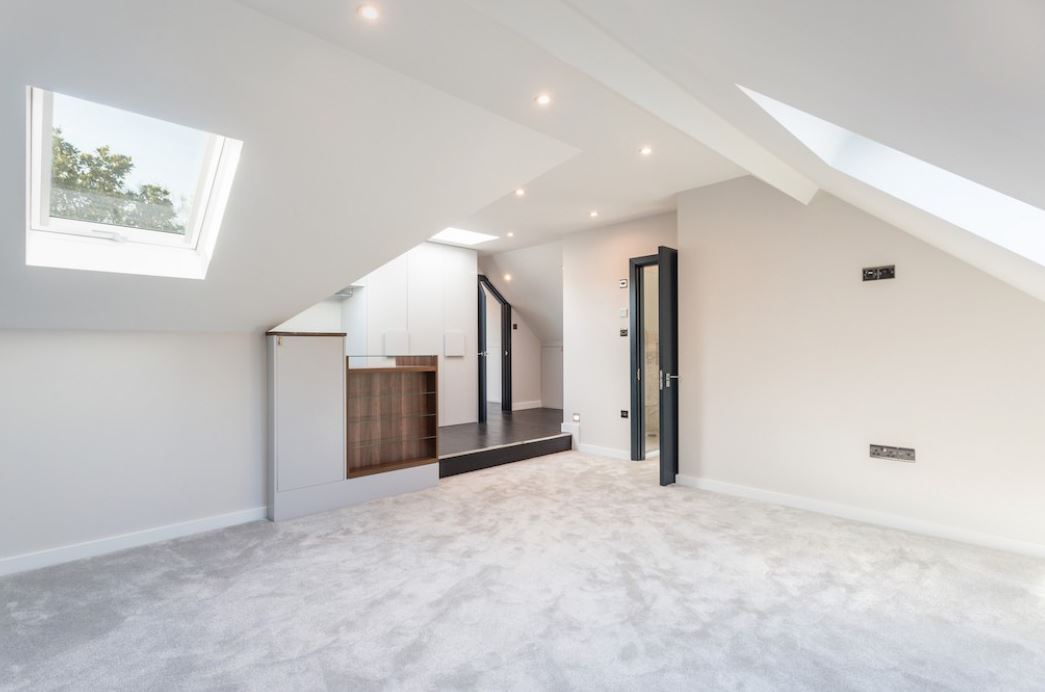
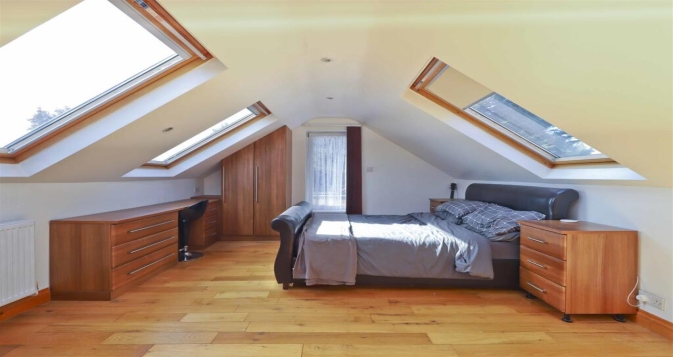
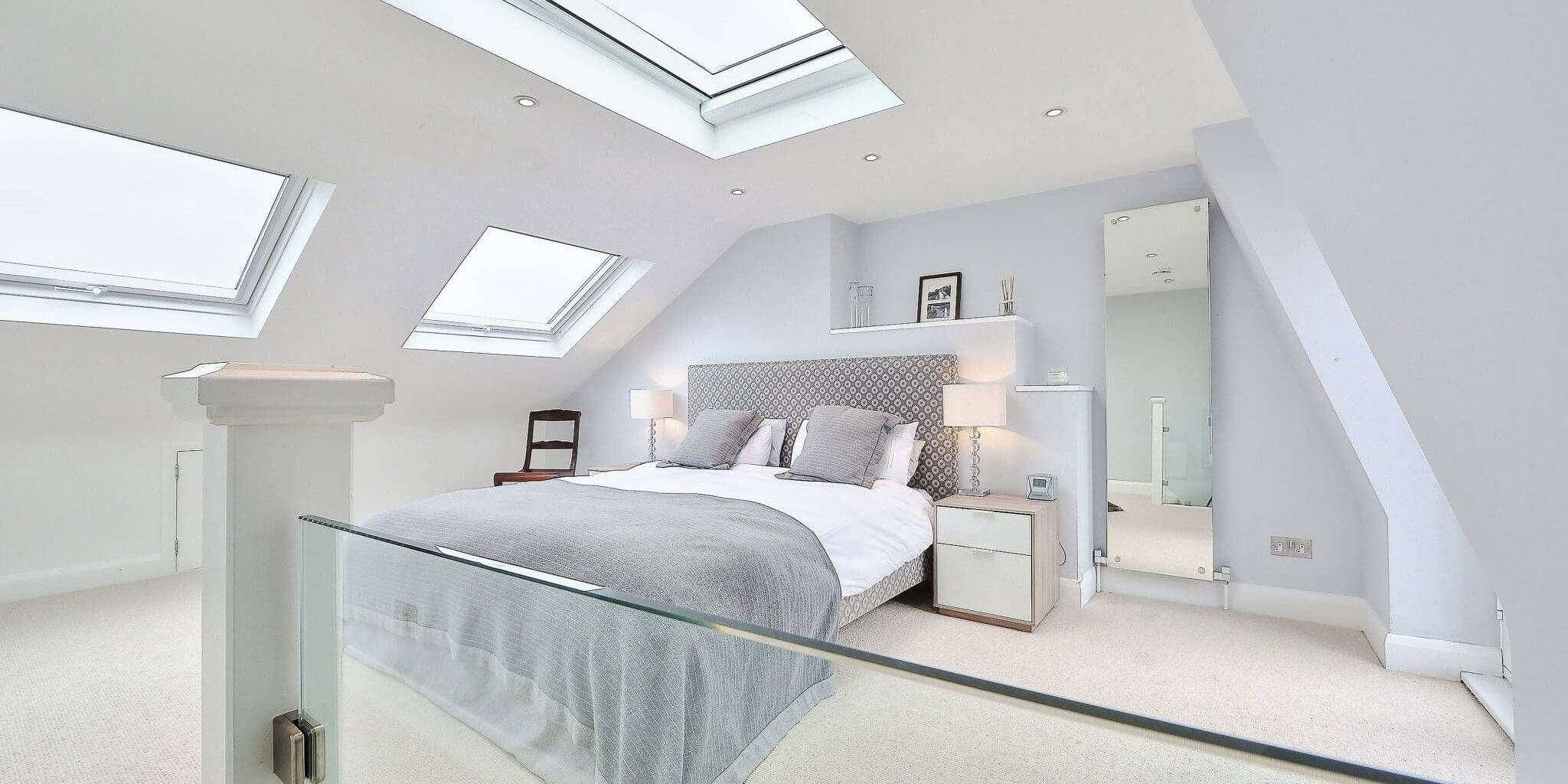
Not every loft in Uxbridge needs major structural changes to become a proper room. If your loft already has a reasonable amount of head height, a Velux conversion could be all you need. Roof windows are installed directly into the existing roof slope without altering the roofline. The floor is reinforced, insulation is upgraded to meet building regulations, and the right placement of windows can make the whole space feel light, airy and genuinely usable. It is the most cost-effective type of loft conversion, and because there are no significant changes to the house's external appearance, it is a popular choice in parts of Uxbridge where homeowners prefer a low-impact approach. Best for: Homes with good existing loft height, anyone working within a tighter budget, or properties where minimal external change is preferred.
If your home in Uxbridge has an existing rear extension, you may have more loft potential than you realise. An L-shaped dormer builds one dormer along the main rear roof and another directly over the rear extension, connecting them to form an L shape that significantly increases the overall floor area of your loft. Rather than one open room where everything has to share the same space, this configuration gives you the room to create two separate spaces. A bedroom and a dedicated bathroom. A study and a guest room. The layout becomes far more flexible and practical. Best for: Extended family homes in Uxbridge and anyone who wants enough loft space to create more than one genuinely usable room.
Of all the loft conversion types available, a mansard gives you the most internal space to work with. The rear slope of the roof is rebuilt at a steep angle with a flat section at the top, which creates a room where the full floor area is usable and the ceiling feels like a proper ceiling rather than a roof closing in on you. There are no tapered edges eating into your furniture placement or your sense of space. It is a more substantial project than a dormer or Velux conversion, and it will usually require planning permission. But for homeowners in Uxbridge who want to extract every possible square foot from their loft and are prepared to go through the planning process properly, the results are hard to match. Best for: Larger homes and wider plots where maximising every square foot of internal space is the goal.
If you own a top floor flat in Uxbridge, a loft conversion may well be possible, but it does require some careful groundwork before anything else can happen. The key questions are who legally owns the loft space, whether your lease permits a conversion, and whether your freeholder is willing to give consent. Building regulations also need to be considered carefully from the very beginning of the process. We help clients in Uxbridge work through all of these questions early, so there are no unexpected complications later on. Once the legal and planning groundwork is in place, the build itself follows a clear and straightforward process. Best for: Top-floor flat owners who have the right lease arrangements and freeholder support in place, and want to unlock the space sitting directly above them.
Do you have a question about Loft Conversions? We're here to help. Contact our team at Loft Converter London
The minimum height required for a Loft Conversion is 2.2m (from the floor to the highest point in your loft). If you do not have the required height, your ceilings can be lowered on your first floor.
This depends on the size and type of Loft, most loft conversions take around 10-12 weeks. We can give you a more accurate estimation when we see your property.
Loft Conversion cost is determined by the size and type of the project, the features you would like, etc. Our architect will help you achieve the best use of your space within your budget. Most Lofts cost between £30,000 and £70,000.
No - it's safe to carry on living in your house. Our team starts from the scaffolding before the stairs go in. We always try to limit the disruption during the construction process.
Loft Conversions usually fall under the permitted development category therefore planning permission is not normally required. There are some exceptions like conservation areas, flats, or listed buildings. Our in-house surveyors can advise further on planning permission..
A party wall agreement is also known as PWA is required if you own semi-detached or terraced property. In simple words, if you are working within or near your neighbor’s boundary then you will need a party wall agreement in place. Click here for more info.
Yes - it will add from 15% to 25% upwards depending on the size, design, and type of Loft. Read more about adding value here.
Yes, all Loft conversions require building regulation approval from the local authority. These regulations are important to ensure the safety measures are in place and they set a protocol of construction and design to follow.
Absolutely yes, we will work with you to achieve your dream new living space.