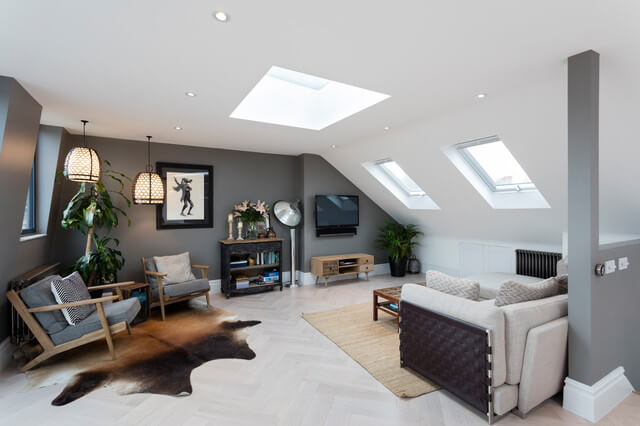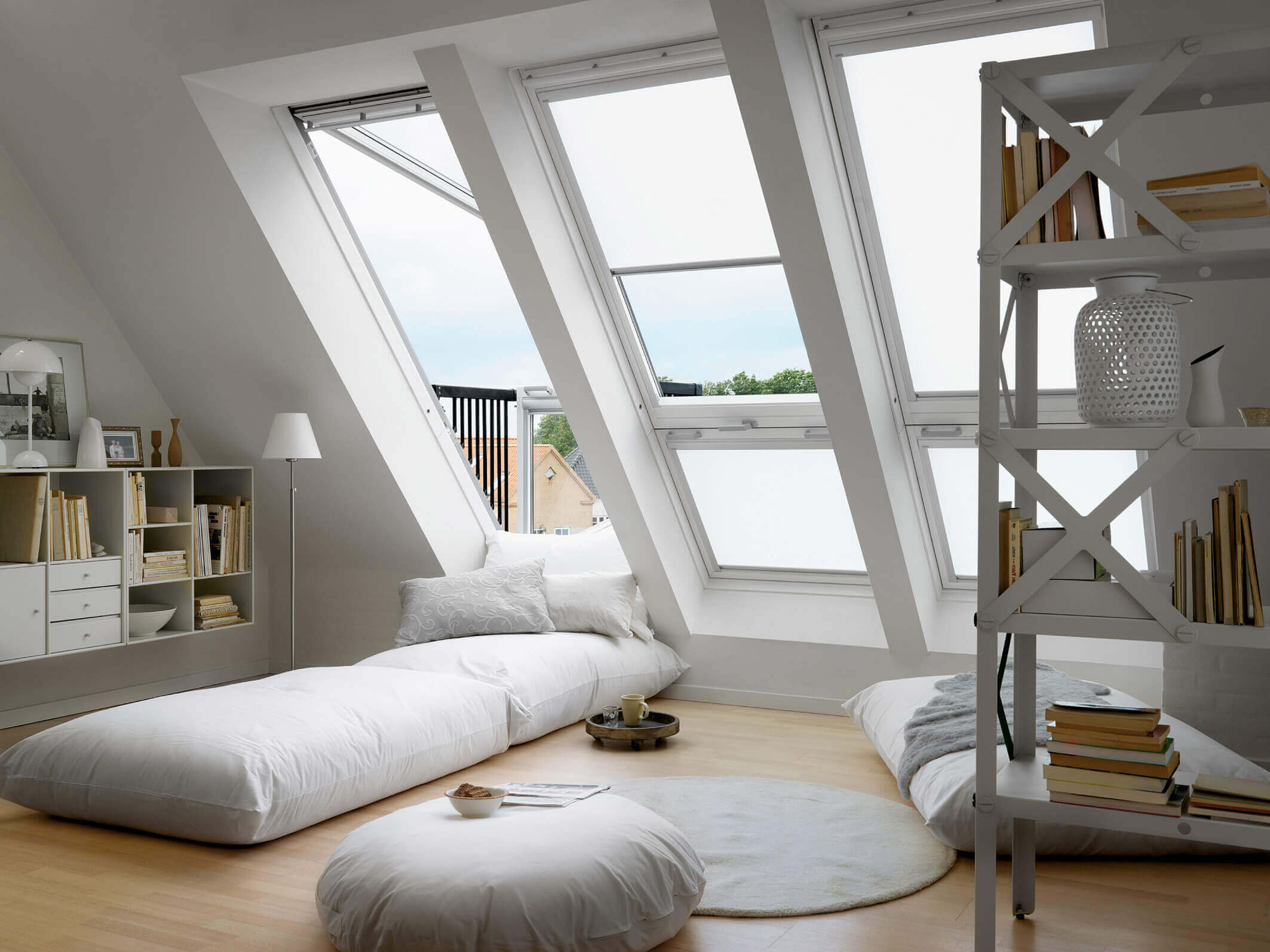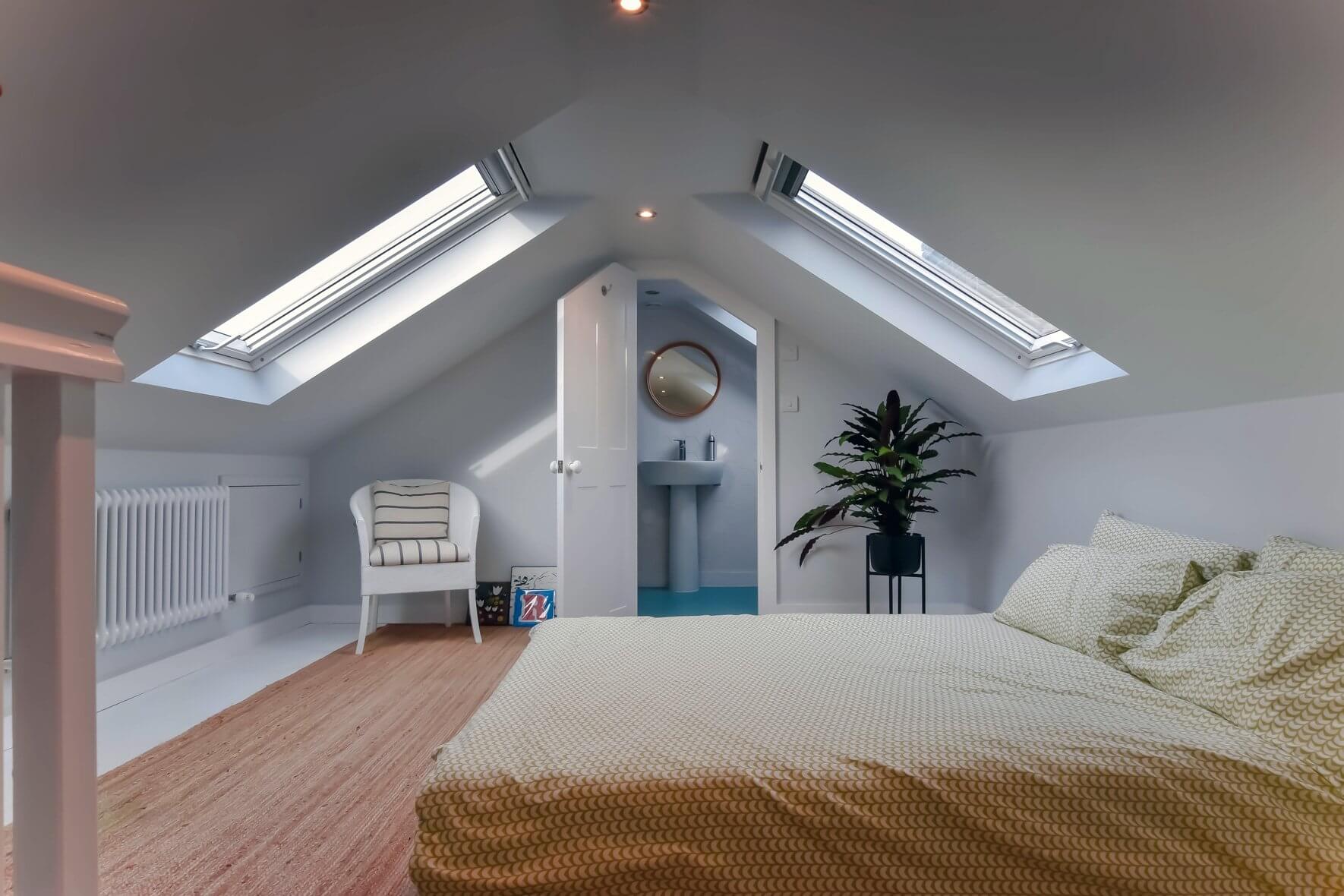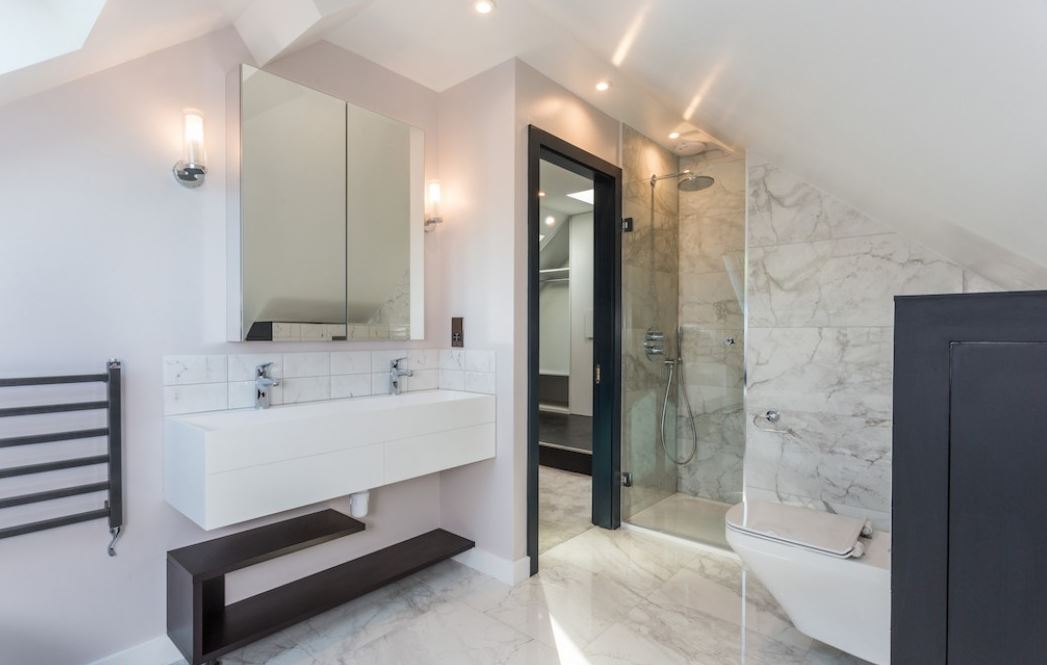
The types of Loft Conversions that we work in -
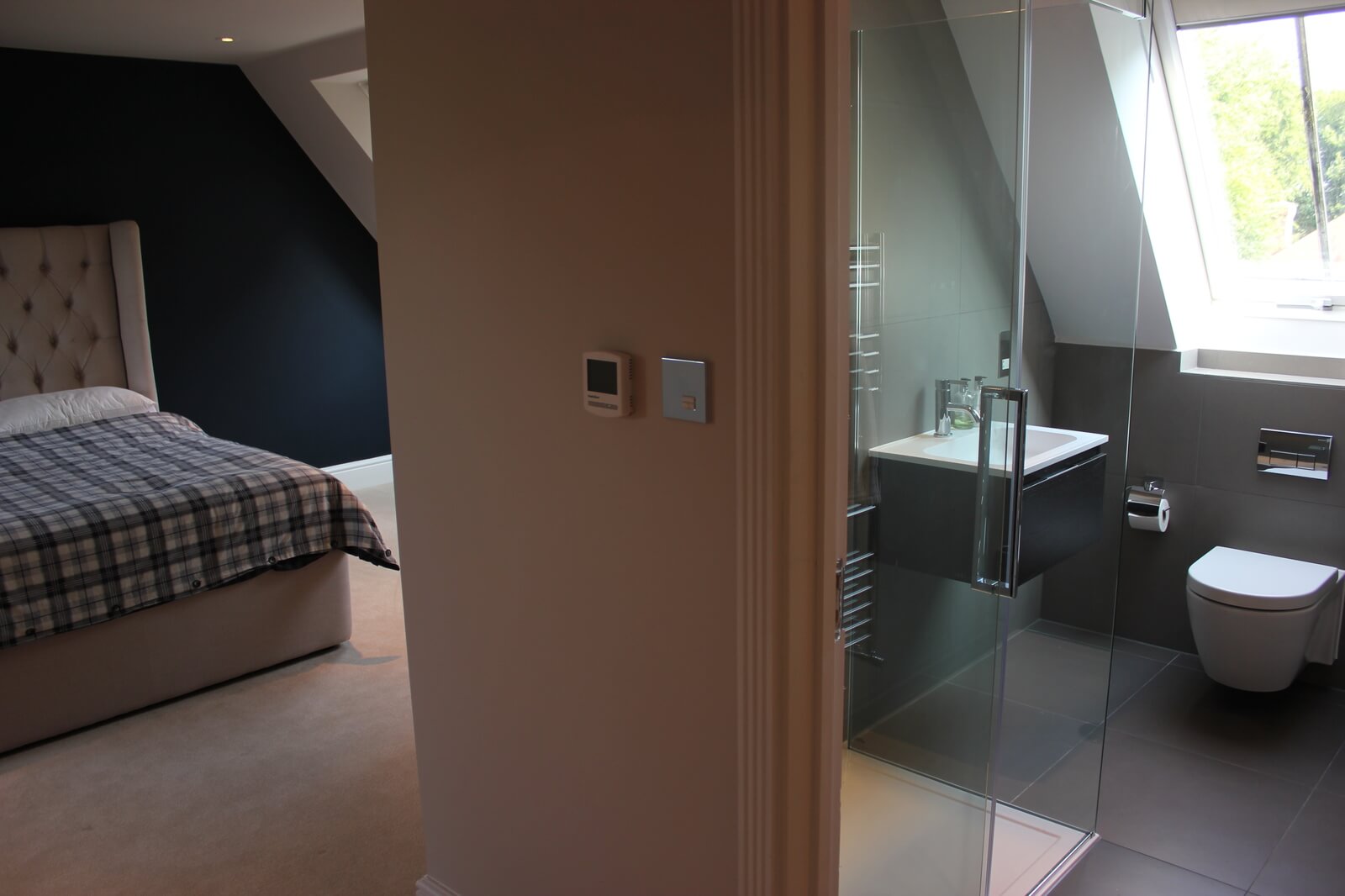
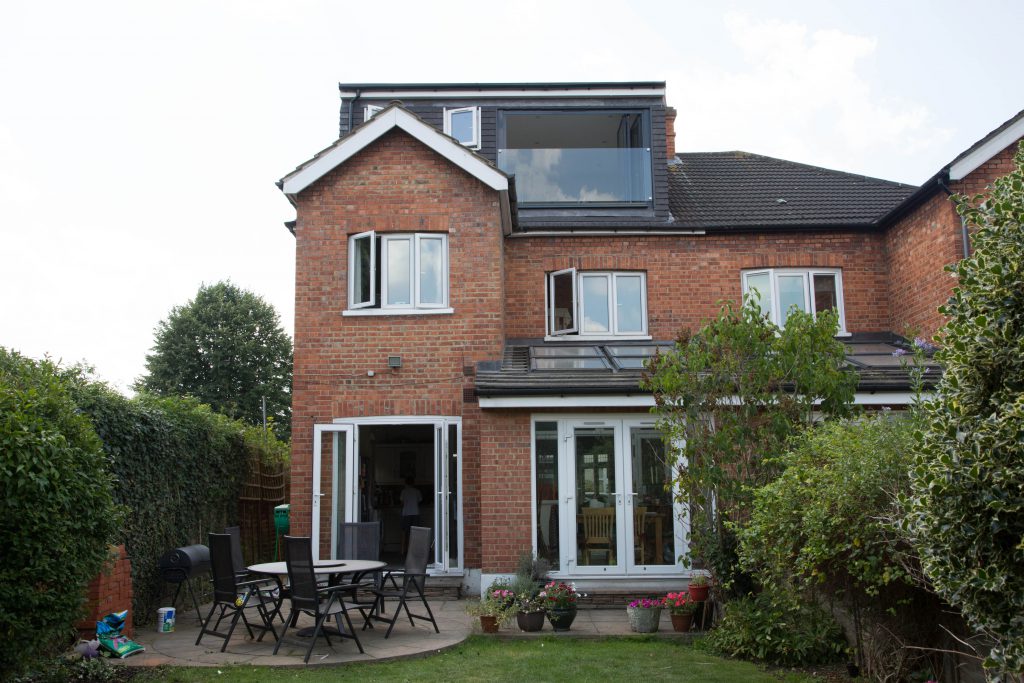
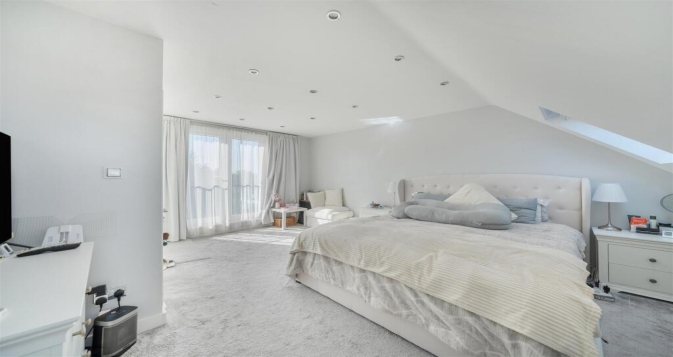
Dormer loft conversions are a practical way to make the most of your Wembley home. By building out from the back of the roof, a dormer gives you more headroom and usable space, so you can turn an unused loft into a real bedroom, office, or even a master suite. This works especially well for Wembley’s 1930s semis, where the roofs are wide but the slope makes it hard to stand up straight. Best for: Semi-detached and terraced houses, properties with limited head height, and growing families needing an additional bedroom.
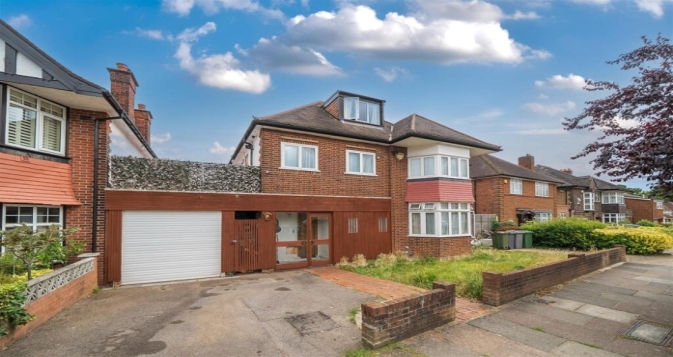
A lot of semi-detached homes in Wembley have hipped roofs, which means one side slopes inwards. With a hip to gable loft conversion, that sloping part is built out into a straight wall, so you get much more space inside the loft. If you add a rear dormer as well, you can turn what would be a narrow loft into a proper bedroom and bathroom setup. Best suited for: Semi-detached and end-of-terrace homes in North Wembley and Sudbury where roof space feels restricted.
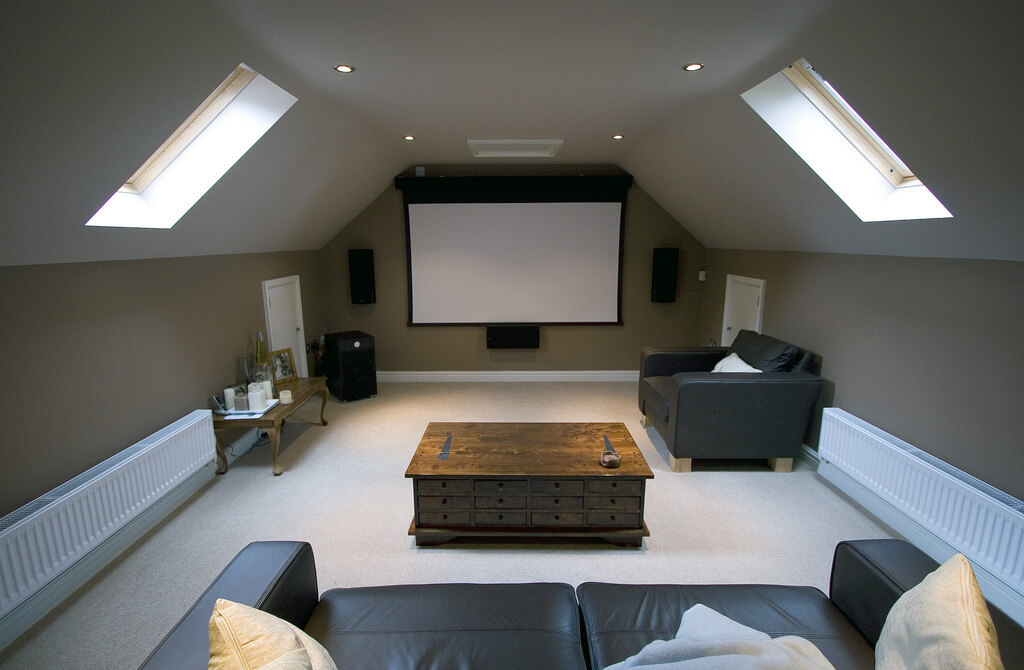
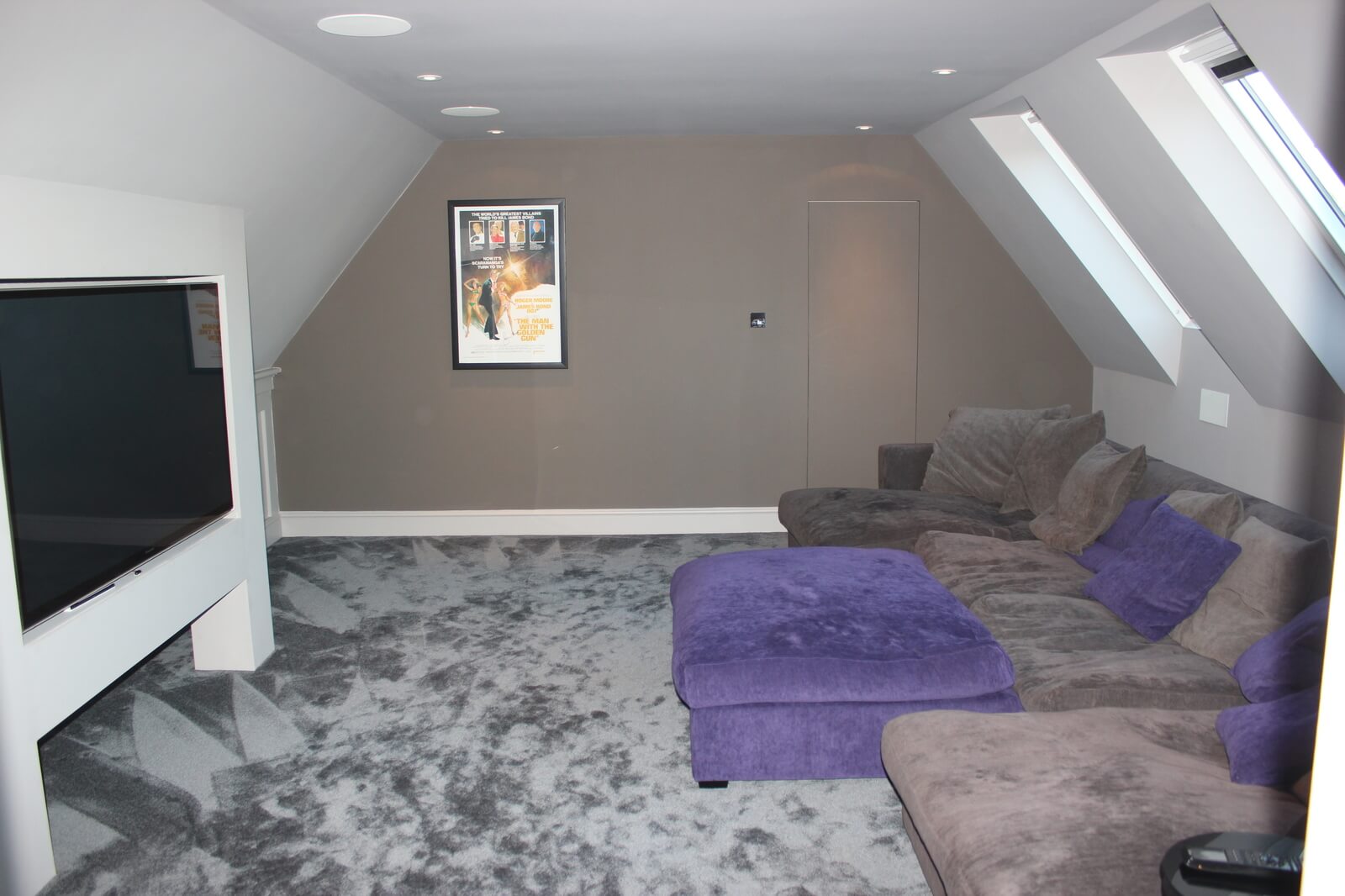
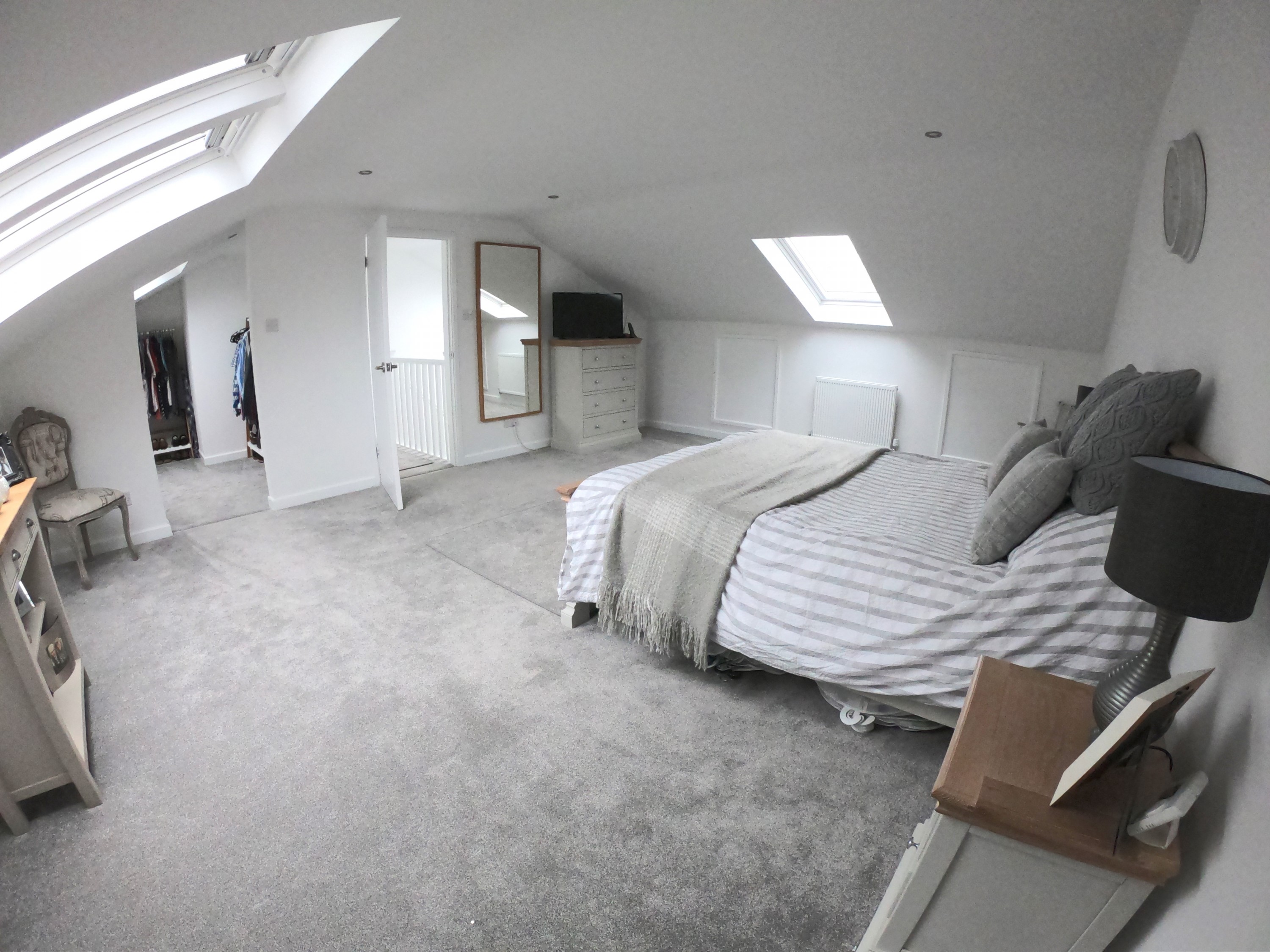
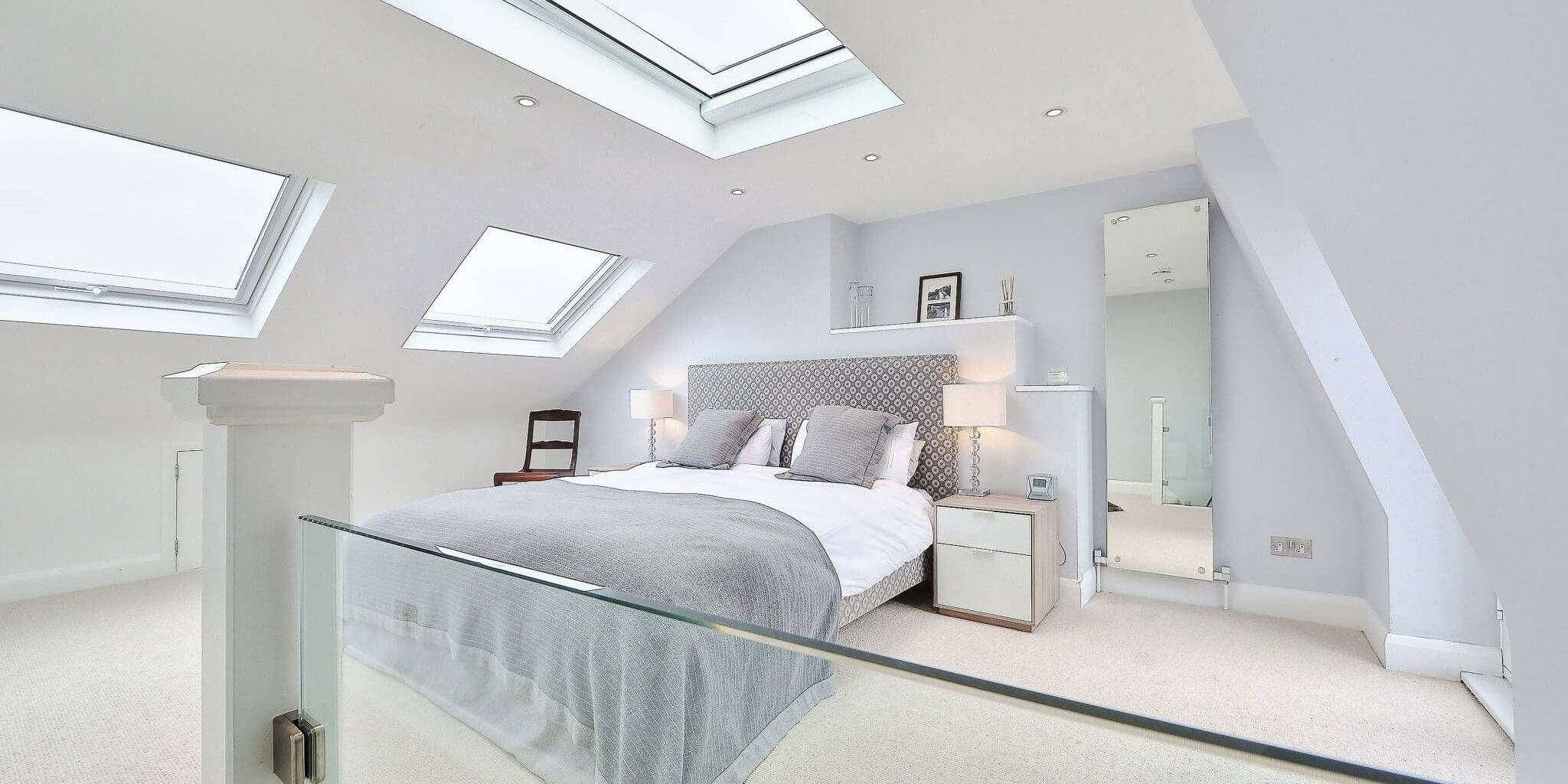
A Velux loft conversion, or roof light conversion, keeps your existing roof as it is. Roof windows are added for natural light, and the floor and insulation are upgraded to meet building rules. In Wembley, this is a popular choice if your loft already has enough headroom or if you want a more budget-friendly option. Best for: Homes with good existing loft height, tighter budgets, or properties where external alterations are not desirable.
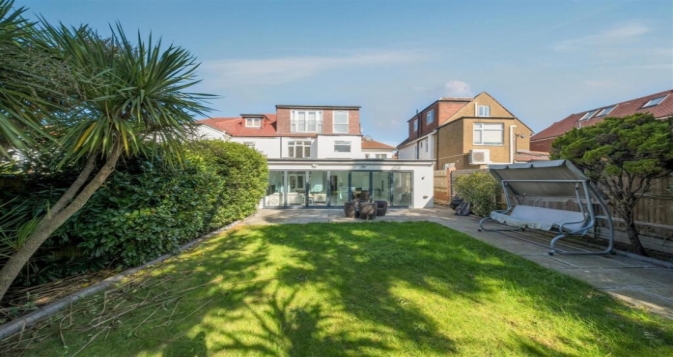
An L-shaped dormer loft conversion works well if your home already has a rear extension. One dormer goes along the main roof and another over the extension, joining together to make an 'L' shape. This setup gives you a bigger, more flexible loft, so you can have two rooms or a bedroom with its own bathroom. Best for: Extended family homes and properties where maximising usable floor space is a priority.
A mansard loft conversion means rebuilding the back of the roof at a steep angle and adding a flat roof on top. It’s a bigger job, but it gives you the most loft space and full head height. In Wembley, people usually go for a mansard conversion if they want to get as much floor space as possible and are ready to handle the planning process. Best for: Larger properties, wider plots, and homeowners focused on achieving maximum internal space.
Loft conversions for flats in Wembley are usually only possible in top-floor flats in converted houses. You’ll need to check who owns the loft, what your lease says, get the freeholder’s permission, and make sure everything complies with building regulations. feasibility early and manage the process from design through to approvals. Best for: Top-floor flats with loft access and clear lease arrangements.
Do you have a question about Loft Conversions? We're here to help. Contact our team at Loft Converter London
The minimum height required for a Loft Conversion is 2.2m (from the floor to the highest point in your loft). If you do not have the required height, your ceilings can be lowered on your first floor.
This depends on the size and type of Loft, most loft conversions take around 10-12 weeks. We can give you a more accurate estimation when we see your property.
Loft Conversion cost is determined by the size and type of the project, the features you would like, etc. Our architect will help you achieve the best use of your space within your budget. Most Lofts cost between £30,000 and £70,000.
No - it's safe to carry on living in your house. Our team starts from the scaffolding before the stairs go in. We always try to limit the disruption during the construction process.
Loft Conversions usually fall under the permitted development category therefore planning permission is not normally required. There are some exceptions like conservation areas, flats, or listed buildings. Our in-house surveyors can advise further on planning permission..
A party wall agreement is also known as PWA is required if you own semi-detached or terraced property. In simple words, if you are working within or near your neighbor’s boundary then you will need a party wall agreement in place. Click here for more info.
Yes - it will add from 15% to 25% upwards depending on the size, design, and type of Loft. Read more about adding value here.
Yes, all Loft conversions require building regulation approval from the local authority. These regulations are important to ensure the safety measures are in place and they set a protocol of construction and design to follow.
Absolutely yes, we will work with you to achieve your dream new living space.