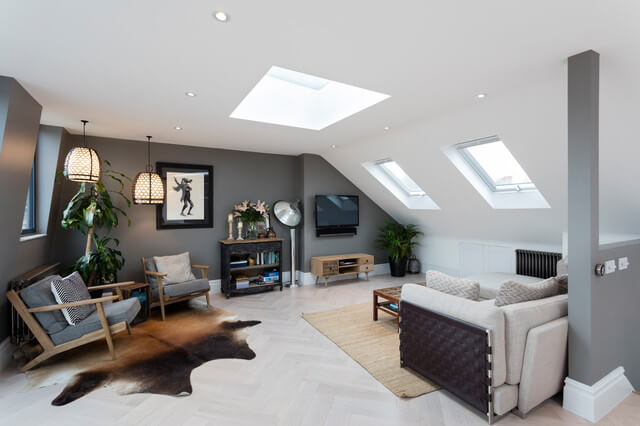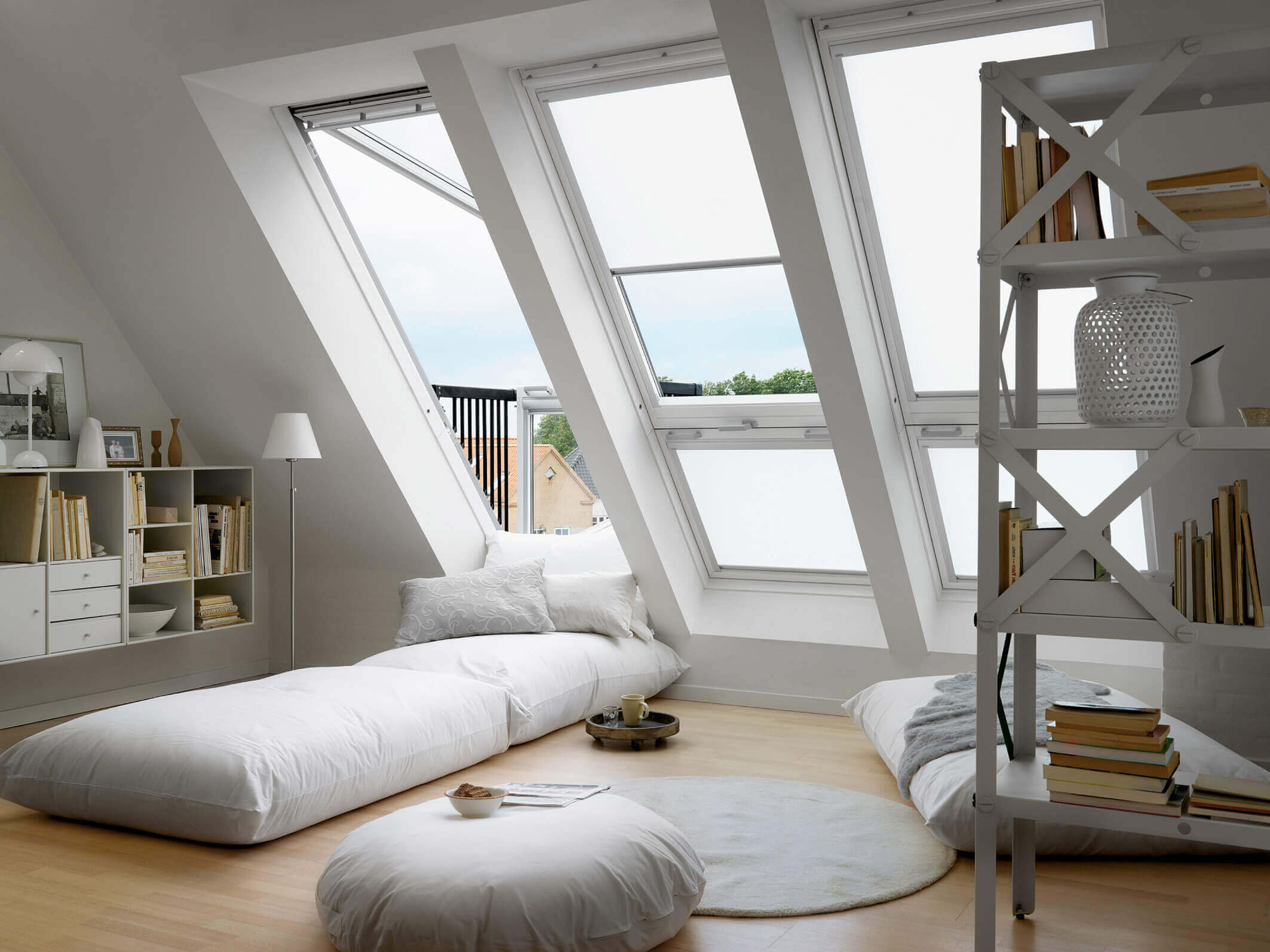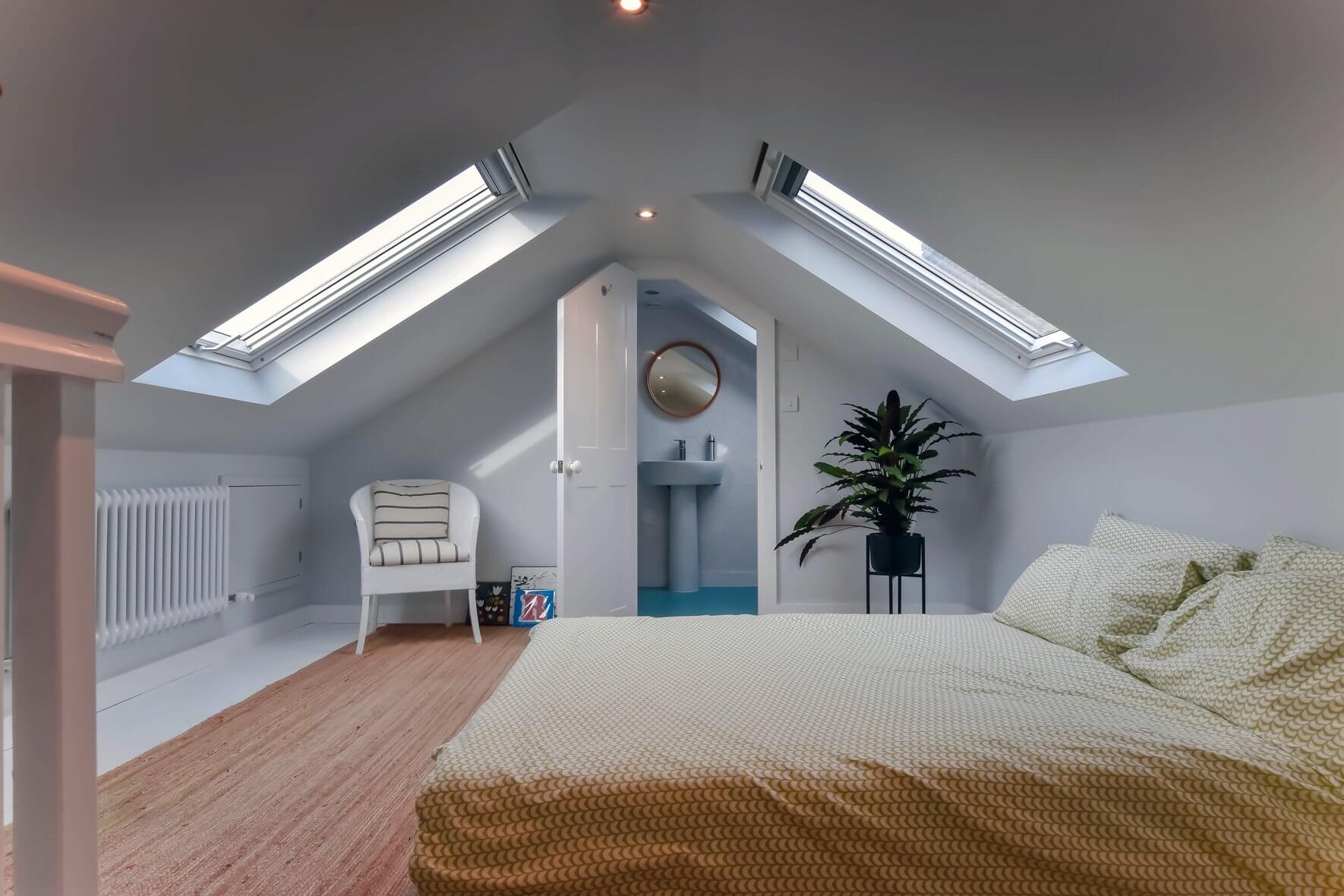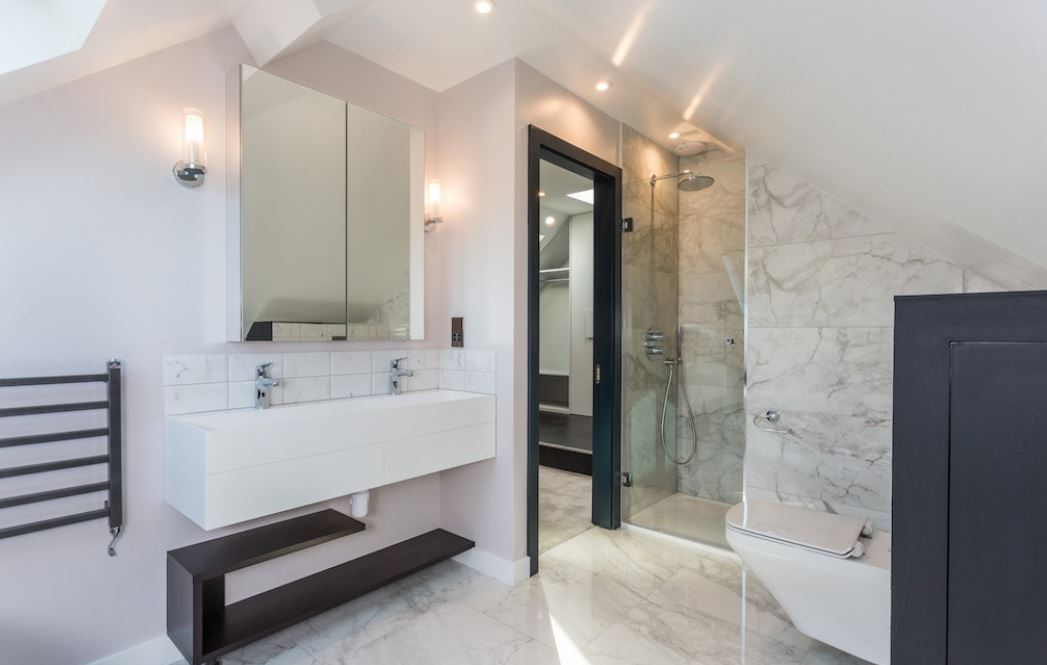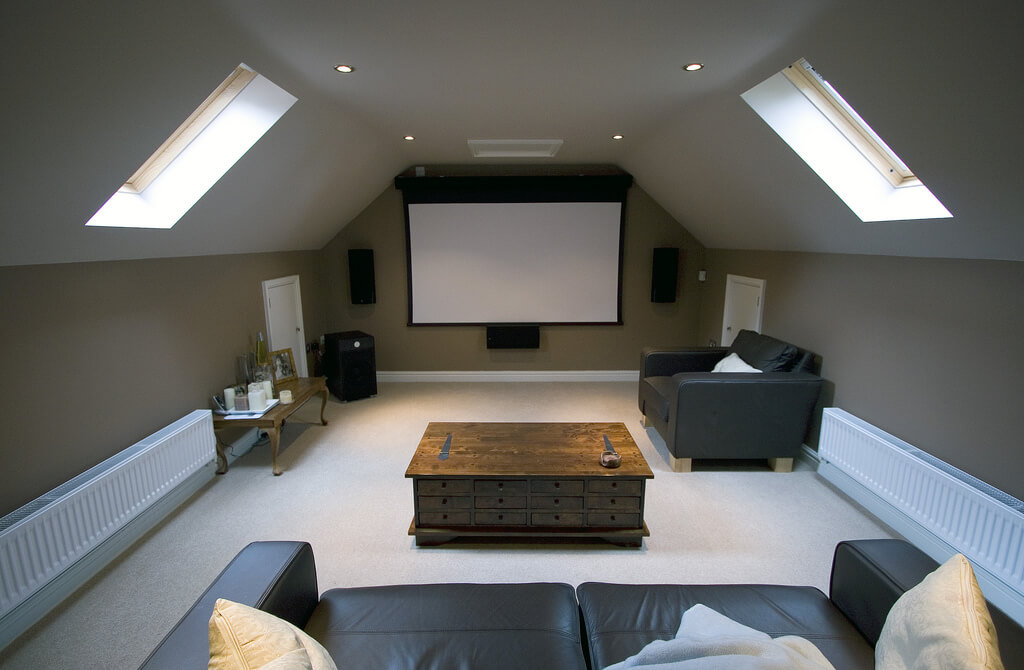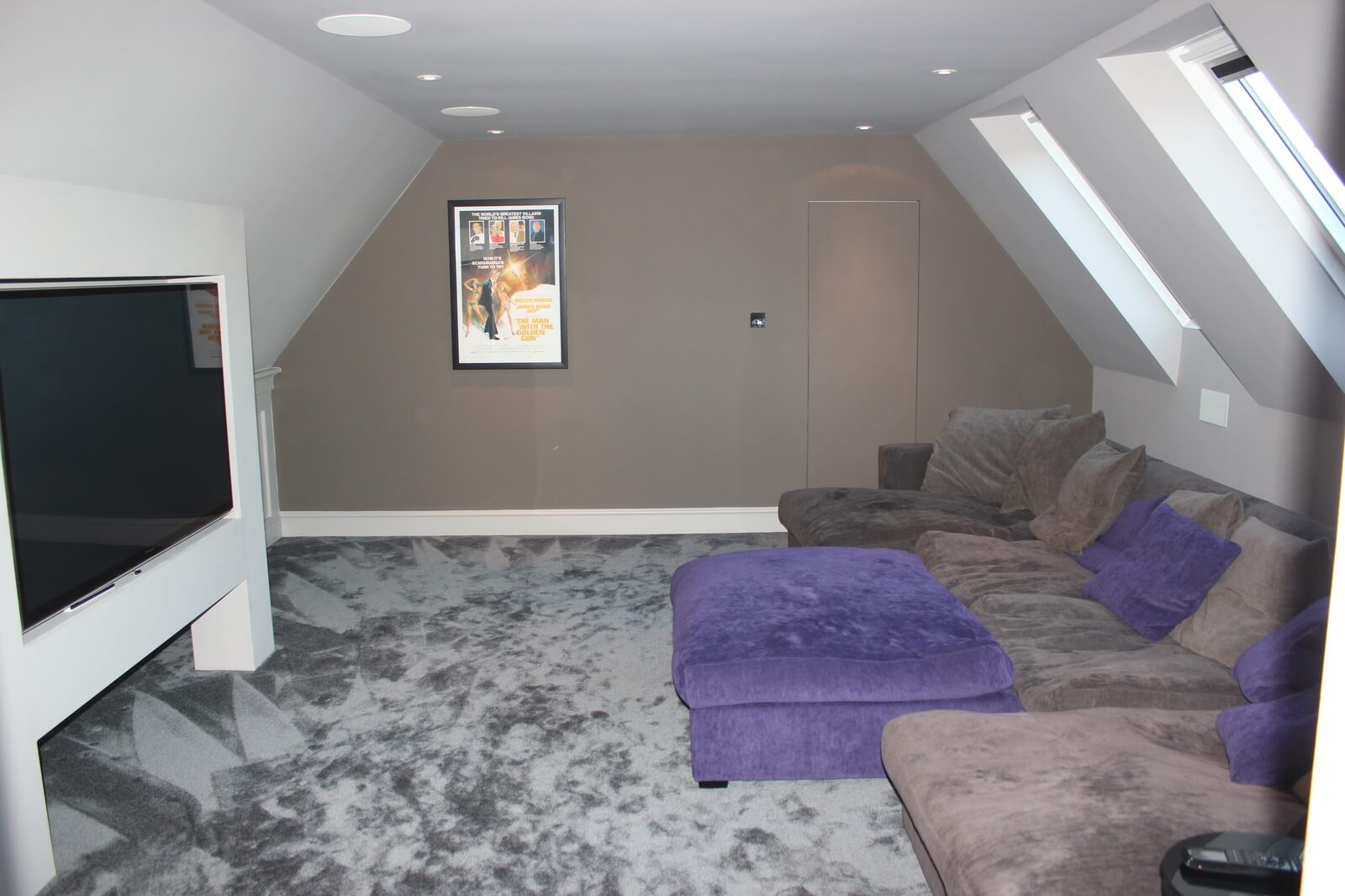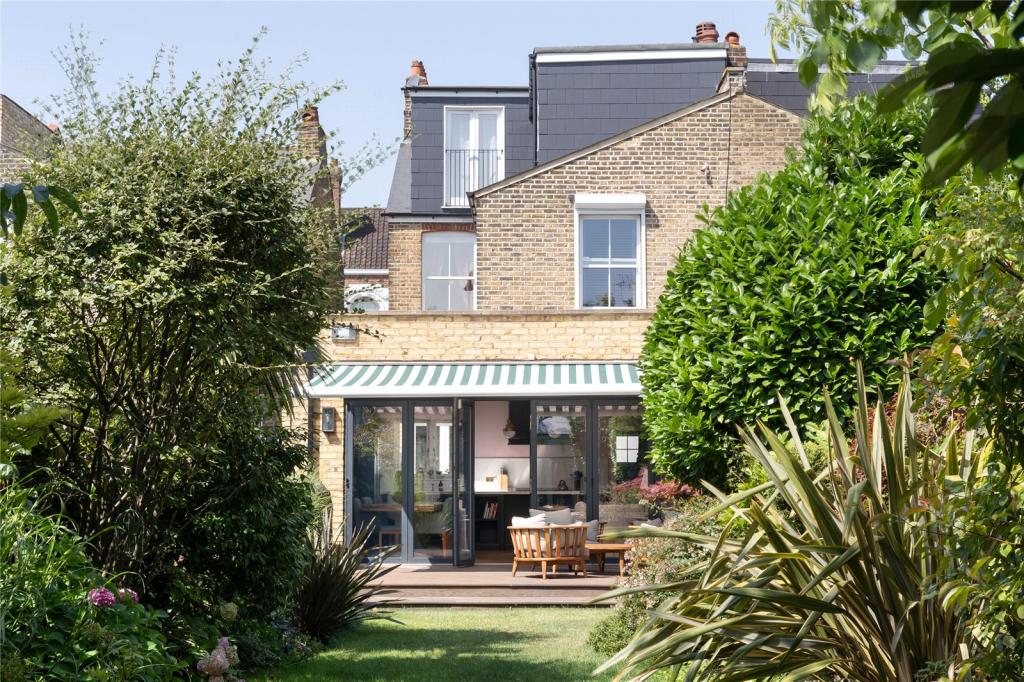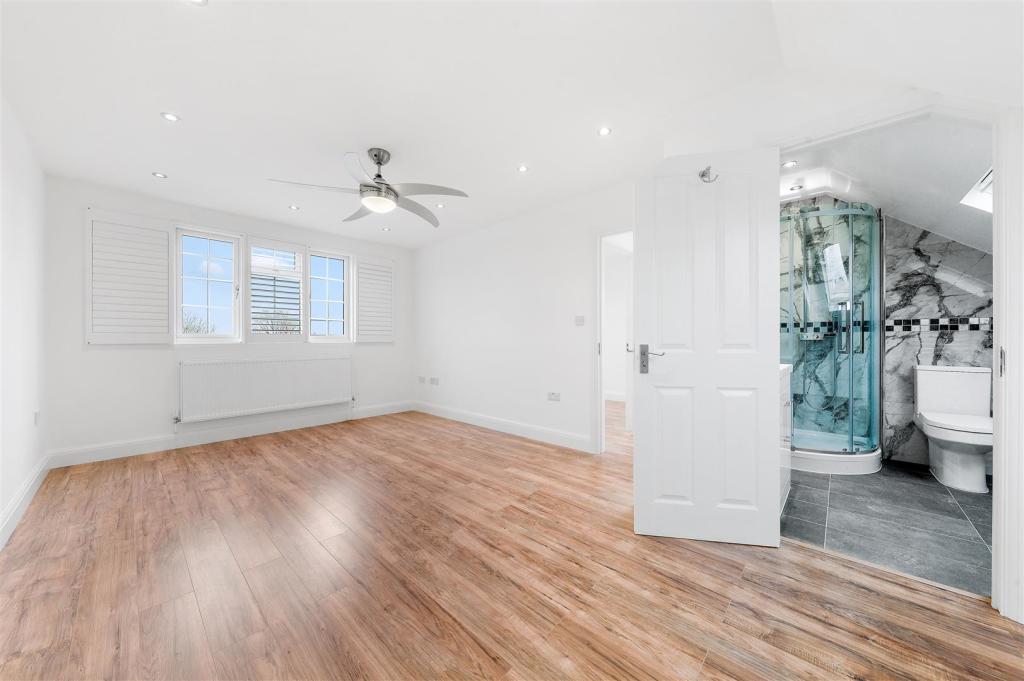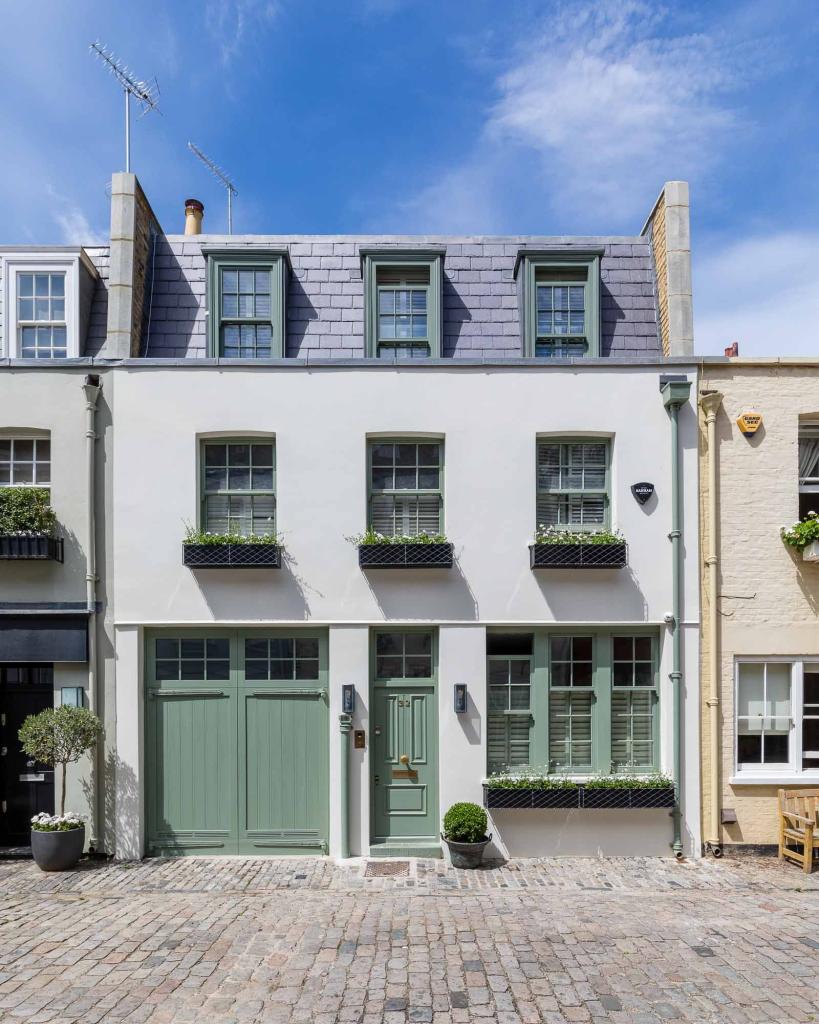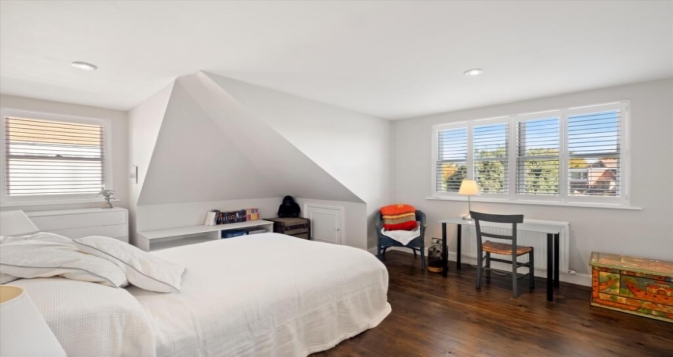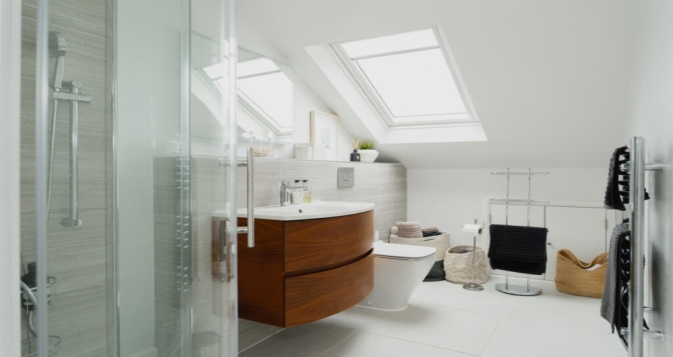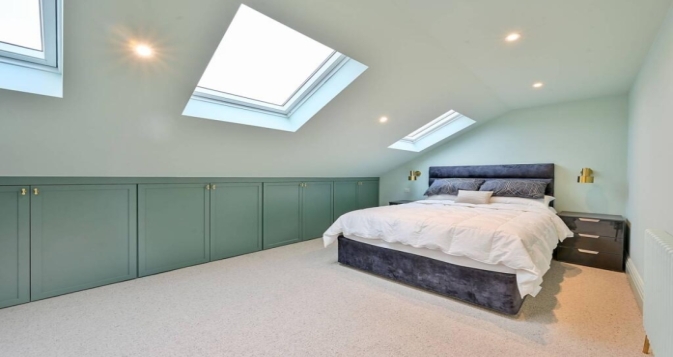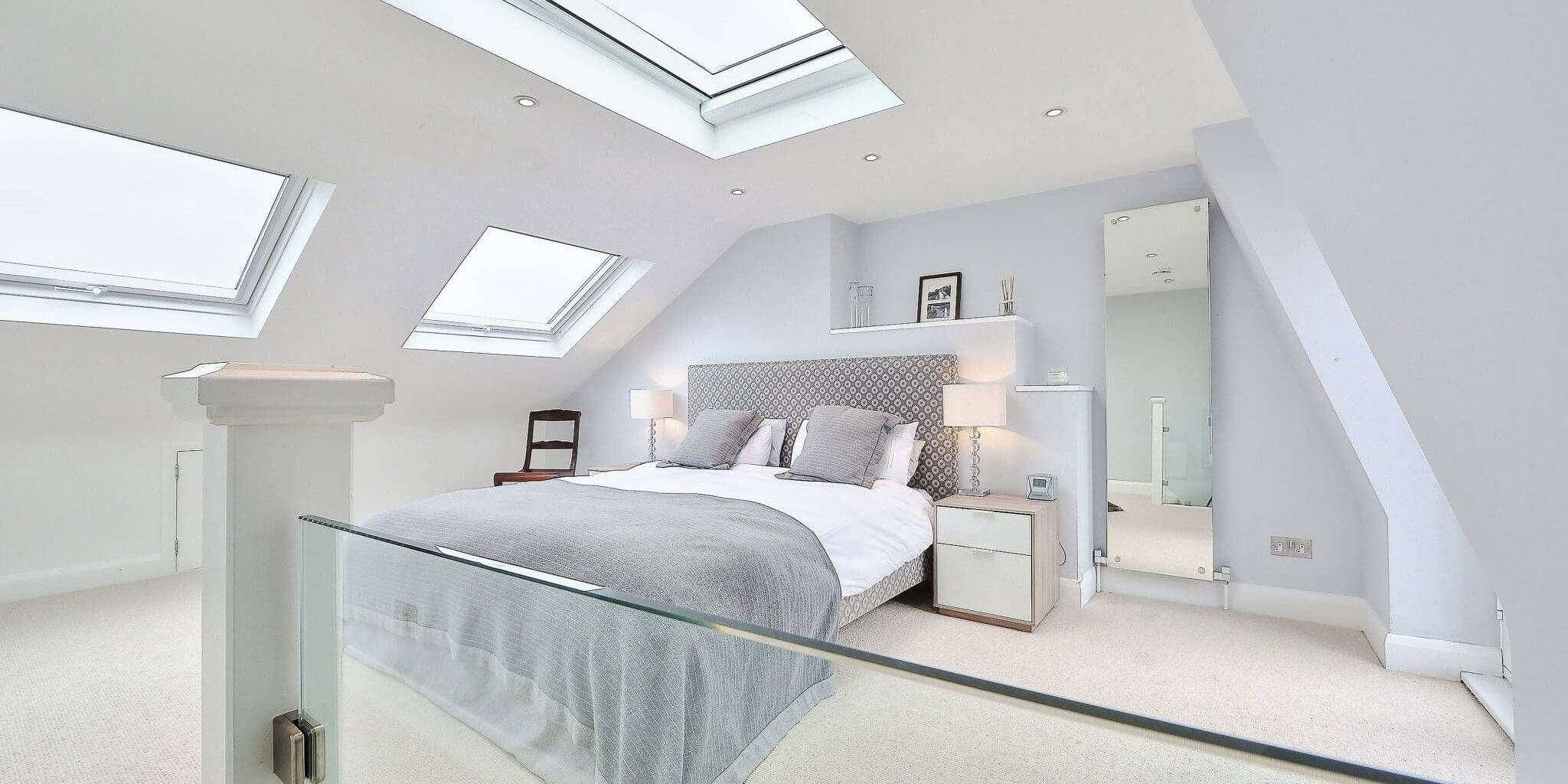
The types of Loft Conversions that we work in -
Shepherds Bush has changed enormously over the past decade. Westfield brought new energy to the area, transport links via the Central and Overground lines make it one of the better-connected parts of West London, and property values on streets like Wormholt Road and Roxwell Road have reflected all of that. For families who have put down roots in W12, moving is rarely the right answer when the house starts to feel small. A dormer loft conversion is usually where the solution begins. By extending outward from the rear roof slope, a dormer provides proper headroom and usable floor area without touching the garden or altering how the house looks from the street. On Shepherds Bush's Victorian terraces, where houses sit tightly together, and every square foot matters, a well-designed rear dormer can genuinely transform how the whole home functions. Best for: Victorian and Edwardian terraced homes across W12, growing families who need an extra bedroom, and anyone who wants more space without the disruption and cost of moving.
Some of Shepherds Bush's semi-detached homes were built with hipped roofs, where the side slopes inward rather than finishing flat. From the outside it looks tidy enough, but inside the loft that slope quietly removes width you could otherwise be standing in and using properly. A hip-to-gable conversion replaces that angled side with a straight vertical wall, opening up the loft considerably. Add a rear dormer, and you move from a space that feels awkward and narrow to one that can comfortably hold a bedroom and a bathroom side by side. Best for: Semi-detached and end of terrace homes in Shepherds Bush, where the hipped roof is the main thing preventing the loft from reaching its potential.
If your W12 property already has a reasonable amount of head height in the loft, a Velux conversion is often the smartest and most straightforward option. Roof windows are fitted directly into the existing slope without altering the roofline, the floor is reinforced, insulation is upgraded, and the result is a bright, genuinely usable room that requires no major external work. It is the most cost-effective conversion type available and the one least likely to require planning permission from the London Borough of Hammersmith and Fulham, which matters in an area as densely built as Shepherd's Bush. Best for: Properties with good existing loft height, tighter budgets, and homes where avoiding a lengthy planning process is a priority.
A number of Shepherds Bush homes have had rear extensions added over the years, and if yours is one of them, it opens up the possibility of something more generous than a standard dormer. An L-shaped conversion builds one dormer across the main rear roof and another over the existing extension, creating a combined loft floor plan that is large enough to work as two separate rooms rather than one. For families in W12 juggling the need for a bedroom and a home office, or a master suite with a proper en-suite, this configuration makes both achievable without compromise. Best for: Extended homes in Shepherds Bush, where two properly usable rooms in the loft are the goal.
Space is tight in Shepherds Bush, and a mansard is the conversion type that makes the most of every square foot available. The rear roof slope is rebuilt at a near vertical angle with a flat section across the top, which means the entire loft floor becomes usable from wall to wall. No sloping ceilings eating into the layout, no corners where you cannot stand upright, just a room that functions like any other in the house. In an area where property values are significant, and homeowners invest carefully, a mansard is a serious long-term decision. It will require planning permission from the London Borough of Hammersmith and Fulham, but for those who want the best possible result, the outcome justifies the process. Best for: Larger W12 properties where maximising every square foot of loft space is the priorit,y and the planning process is something the homeowner is prepared to work through.
Shepherds Bush has a high proportion of converted Victorian houses, and top floor flats in these buildings sometimes sit directly beneath a loft that has never been used. If that describes your situation, it is worth exploring, but the right starting point is the legal groundwork rather than the structural work. Lease terms, ownership of the loft space, and freeholder consent must be clearly established before anything else moves forward. In a borough where the rules around shared buildings are taken seriously, getting these questions right early makes everything else considerably smoother. We help clients work through all of this before any costs are committed. Best for: Top-floor flat owners in W12 with confirmed lease terms and freeholder support already in place.
Do you have a question about Loft Conversions? We're here to help. Contact our team at Loft Converter London
The minimum height required for a Loft Conversion is 2.2m (from the floor to the highest point in your loft). If you do not have the required height, your ceilings can be lowered on your first floor.
This depends on the size and type of Loft, most loft conversions take around 10-12 weeks. We can give you a more accurate estimation when we see your property.
Loft Conversion cost is determined by the size and type of the project, the features you would like, etc. Our architect will help you achieve the best use of your space within your budget. Most Lofts cost between £30,000 and £70,000.
No - it's safe to carry on living in your house. Our team starts from the scaffolding before the stairs go in. We always try to limit the disruption during the construction process.
Loft Conversions usually fall under the permitted development category therefore planning permission is not normally required. There are some exceptions like conservation areas, flats, or listed buildings. Our in-house surveyors can advise further on planning permission..
A party wall agreement is also known as PWA is required if you own semi-detached or terraced property. In simple words, if you are working within or near your neighbor’s boundary then you will need a party wall agreement in place. Click here for more info.
Yes - it will add from 15% to 25% upwards depending on the size, design, and type of Loft. Read more about adding value here.
Yes, all Loft conversions require building regulation approval from the local authority. These regulations are important to ensure the safety measures are in place and they set a protocol of construction and design to follow.
Absolutely yes, we will work with you to achieve your dream new living space.