Can converting my Loft Improve my Property's Energy Efficiency?
October 30, 2023
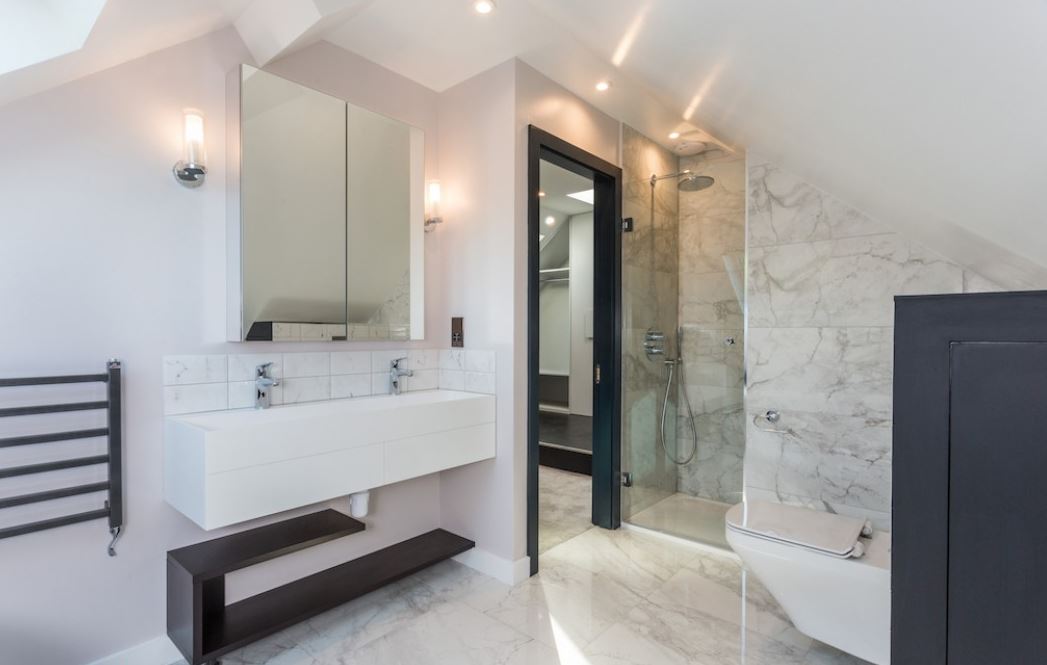
The answer is Yes! By adding a loft conversion will give you the best chance to make your house more energy efficient, as the installation of the insulation is a standard requirement. As per the building regulations, it is required, and there are two forms of insulation which either your local authority or a local building inspector will determine when they visit your house. The Cold Roof Insulation: which in total is 10cm of insulation, 7cm is made up by filling the spaces between the rafters with foam insulation. The remainder of the 3cm of slab insulation is attached to the inside of the rafters. It is important that the 5cm gap is left between the roof felt and insulation in order to allow for ventilation purposes. The Cold Roof insulation is the most straight-forward method to use. Secondly, the Warm-roof insulation, this involves foam insulation of 10cm thick to be fitted over the rafters before the capping, tile battens and tiles are added. When creating a dormer, this is the more difficult option that is usually used when the roof covering has been taken off. This 10cm thick slab of foam insulation can insulate a dormer wall, whereas a 10cm thick quilt of insulation is needed between plasterboard attached to both sides of an internal partition wall. In addition, you will require a 10cm thick insulation between your lofts floor joists. All in all, the insulation work in the loft will help bring the energy costs of your house down. Read more on how to insulate your roofs.
Heating and Ventilation in your Loft
In order to improve your property's energy efficiency, the roof space should be as airtight as possible. It is imperative to introduce controlled ventilation to avoid any risk of condensation and maintain good air quality in your loft. Ventilation in your loft can be via the means of background ventilation such as airbricks and trickle vents, and rapid ventilation via windows, and extract ventilation in wet areas, such as kitchen and bathroom. There is no requirement that the attic bathrooms must have a window given the fact the extract fan can offer rapid ventilation.
A house extension usually increase the heating requirement of the home, and for this reason your boiler might have to be upgraded, but on the other hand, a loft conversion needs little capacity because the walls will be well insulated which will improve the overall energy efficiency of the property. Heat emitters in the attic rooms can be in the form of radiatiors, underfloor heating or even electic floor heating mats in bathrooms. Please do note that if the bathroom has been added then a boiler upgrade might be needed.