Loft Conversion Regulations
What Is the Maximum Loft Conversion Size Allowed in the UK?
February 10, 2026
Understanding how big your loft conversion can be before planning permission becomes required is one of the most practical questions to answer early in the planning process. The rules are defined clearly under permitted development, but they have nuances that catch people out, particularly in London, where local restrictions layer on top of the national framework.
This guide explains the size limits clearly, what counts toward them, and what your options are if your proposed conversion exceeds them.
The permitted development volume limits
The national permitted development rules set specific volume limits for roof enlargements on dwelling houses in England. These are the baseline limits that apply before any local restrictions are considered.
For a terraced house, the maximum additional volume permitted under permitted development is 40 cubic metres. For a detached or semi detached house, the limit is 50 cubic metres.
These limits apply to the total additional volume created above the original roof of the house. They are not limits on the size of a single dormer or extension. They cover the cumulative total of all roof enlargements that have been made to the property since it was originally built.
This cumulative nature is one of the most important and most frequently misunderstood aspects of the volume limit. If a previous owner added a dormer or any other roof enlargement at any point, that volume counts toward your allowance. You may not have the full 40 or 50 cubic metres available even if you have never made any changes to the roof yourself.
What counts as additional volume
The additional volume is calculated as the difference between the volume of the original roof space and the volume of the enlarged roof space after the conversion.
The original roof space means the roof as it was when the house was first built, before any extensions or alterations. Not the roof as you found it when you bought the property. If the house was built in 1935 and a previous owner added a dormer in 1985, the original roof is still the 1935 configuration for the purposes of this calculation.
A rear dormer adds volume by projecting outward from the existing roof slope. The volume of that projection, from the outer face of the dormer back to the original roof slope, is the additional volume counted against the permitted development limit.
A Velux conversion that adds roof lights flush into the existing slope without projecting beyond it does not add any volume in the structural sense. Roof lights are treated separately under permitted development and are not counted against the volume limit, provided they do not protrude more than 150 millimetres beyond the plane of the roof slope.
A hip to gable conversion adds volume by extending the roof outward to replace the sloping hip end with a vertical gable wall. The volume added by this extension counts against the permitted development limit and can be substantial on a larger semi detached or detached home.
Calculating the precise volume of a proposed conversion requires the dimensions of the proposed works and some geometry. An architect, architectural technician, or structural engineer can calculate this accurately as part of their initial assessment. If you want to do a rough check yourself, the Planning Portal's interactive house guide provides useful guidance on how volume is assessed for different conversion types.
Why the limits exist
The volume limits are designed to strike a balance between allowing homeowners reasonable freedom to improve their homes and protecting the character of residential streets and neighbourhoods from overdevelopment.
A home that has had its roof dramatically enlarged can have a significantly different visual impact on the street compared to neighbouring properties, particularly where dormers are large or where the original roof profile has been substantially altered. The volume limits constrain how far this change can go under permitted development before requiring the scrutiny of a formal planning application.
In practice, for most standard London homes, the 40 or 50 cubic metre limit is sufficient to accommodate a well designed conversion without requiring a planning application. The limits become a constraint primarily on larger properties where a more ambitious conversion is planned, or where previous works have already used part of the allowance.
What the limits mean in practice
For most standard terraced and semi detached homes in London, the volume limits are generous enough to accommodate a practical rear dormer or L-shaped conversion without difficulty.
A standard rear dormer on a typical London terrace adds roughly 20 to 30 cubic metres of volume depending on its width, depth, and height. This sits comfortably within the 40 cubic metre limit for a terraced house, leaving some allowance remaining even after the conversion.
An L-shaped dormer on a Victorian terrace with a back addition adds more volume than a standard rear dormer because of the second dormer element. The combined volume of both elements can approach or exceed the 40 cubic metre limit on some properties, particularly larger terraces. This is worth checking carefully before assuming permitted development applies.
A hip to gable conversion on a semi detached home adds a meaningful volume at the hip end. Combined with a rear dormer, the total volume added can approach or exceed the 50 cubic metre limit on larger 1930s semis, particularly where both a hip to gable and a substantial rear dormer are proposed together.
On detached homes, the 50 cubic metre limit is more generous and in most cases allows for a substantial conversion without restriction. But on very large detached properties where an ambitious conversion is planned, the limit can still become relevant.
Height restrictions alongside the volume limits
Volume is not the only size constraint under permitted development. Height restrictions apply independently of the volume calculation.
Any roof enlargement must not exceed the height of the existing ridge line. This means the highest point of the conversion cannot be taller than the highest point of the existing roof. You cannot add volume upward beyond the ridge under permitted development regardless of whether the volume limit has been reached.
This height restriction has a direct practical implication for conversion design. It rules out any approach that would raise the ridge height, such as adding a mansard style pitched roof on top of a dormer that takes the overall height above the original ridge. Any such design requires full planning permission regardless of whether the volume limit would otherwise be met.
The height of any side extension or alteration is also restricted. No extension can be higher than the highest part of the existing roof, which in practice means dormers and other additions must sit below the ridge line throughout.
The original roof: why it matters so much
Because the volume limits apply to additional volume above the original roof configuration, understanding exactly what the original roof looked like is important for any property where previous alterations may have been made.
For a property bought recently with no visible alterations to the roof, the original configuration is typically clear. For a property with an existing dormer, a previously extended roof section, or alterations that were made without formal documentation, establishing exactly what the original roof looked like can require research.
Your local council's planning portal will show the planning history of the property, including any previous applications for roof alterations. Where previous works were carried out under permitted development without a formal application, there may be no council record of them, which can make establishing the original configuration more difficult.
In practice, planning officers assessing applications use the original as-built roof as the baseline, and any ambiguity about what the original roof looked like is generally resolved by reference to the original building plans if they are available, neighbouring properties of the same type, or older photographs of the property.
If you are buying a property with an existing loft conversion and are considering further works, getting clarity on the planning history and the remaining permitted development volume allowance before you proceed is important. A solicitor reviewing the property's legal pack and a planning consultant's assessment can both help establish the position.
When the volume limit is exceeded
If your proposed conversion exceeds the permitted development volume limit, full planning permission is required. This is not the end of the road. Many larger loft conversions in London proceed through the full planning application process.
A householder planning application for a loft conversion currently costs £258 in England. Professional costs associated with the application, including planning drawings and consultant fees, typically add £1,000 to £2,500 on top of this. The statutory determination period is eight weeks from validation, though in practice twelve weeks is a more realistic expectation in many London boroughs.
The planning assessment for a conversion that exceeds permitted development limits is not automatically more difficult than for one that sits within them. The council will assess the proposal against their local planning policies, the impact on neighbouring properties, and the effect on the character of the street and area. A well designed conversion that exceeds the volume limit by a modest amount and addresses potential amenity impacts on neighbours is often approved without difficulty.
Our planning permission timeline guide covers the full application process in detail including realistic timelines and costs at each stage.
Exceeding the limits in conservation areas
In a conservation area, the volume limits matter less than the planning requirement that applies regardless of volume. Within a designated conservation area, any roof enlargement that is visible from a highway requires full planning permission regardless of whether it would otherwise fall within the permitted development volume limits.
In other words, in a conservation area you may have a conversion that is small enough to meet the volume limits but still requires planning permission because of its location and visibility. The two requirements are independent of each other.
Our conservation area guide explains the full planning implications of conservation area status and what the application process typically involves for loft conversions in these areas.
Maximising your permitted development allowance
If you want to make the most of the permitted development volume allowance available to your property, there are design approaches that help.
A well proportioned rear dormer that is set back from the eaves and the sides of the roof, rather than running full width to the very edges, uses the volume allowance efficiently while typically having a lower visual impact than a full width dormer. Building control and planning officers look more favourably on proportionate additions, and designing within the visual norms for your street reduces the risk of objections from neighbours.
If the volume limit is a constraint, prioritising the parts of the conversion that add the most usable space per cubic metre of additional volume is a sensible approach. A well designed dormer that maximises headroom over the most usable part of the floor plan delivers more practical benefit than a less efficient design that uses the same volume allowance less well.
Working with an experienced architect or architectural technician who knows how to calculate volume accurately and design efficiently within the limits is the most reliable way to maximise what your permitted development allowance delivers. Our do you need an architect guide explains the role of different design professionals and when professional design input adds the most value.
Wales, Scotland, and Northern Ireland
The permitted development rules described in this guide apply to England. Wales, Scotland, and Northern Ireland each have their own planning frameworks with different permitted development provisions.
In Wales, the rules are broadly similar to England but have some differences in detail. Planning Permission Wales provides the relevant guidance for Welsh properties.
In Scotland, permitted development rights for loft conversions are defined under the Town and Country Planning (General Permitted Development) (Scotland) Amendment Order 2011. Planning and Architecture Scotland is the relevant reference for Scottish properties.
In Northern Ireland, a separate permitted development order applies. Planning NI provides guidance on what is permitted without an application in Northern Ireland.
This guide, and the wider content on this site, focuses on London and England. If your property is in Wales, Scotland, or Northern Ireland, the specific volume limits and conditions that apply may differ from those described here.
Checking the position for your specific property
Given the cumulative nature of the volume limits, the variation between property types, and the additional restrictions that apply in conservation areas and under Article 4 directions across London, checking the specific position for your property before you commit to any design is important.
The steps to take are straightforward. Check the planning history of the property on your local council's planning portal to identify any previous roof alterations. Check whether the property is in a conservation area using Magic Maps or the council portal. Check whether an Article 4 direction applies to your address. Confirm whether the property is listed on Historic England's National Heritage List.
Once you have that information, have your architect or engineer calculate the volume of the proposed conversion accurately to confirm whether it sits within the permitted development limits.
If everything is clear and the volume is within limits, consider applying for a Lawful Development Certificate to formalise the permitted development position. It costs £258 and provides written confirmation from the council that the works are lawful, which protects you at the point of sale and removes any ambiguity about the planning status of the conversion.
Our permitted development rules guide covers the full framework in detail, and our loft conversion costs page covers the full cost picture including planning application fees where required.
The straightforward summary
The maximum loft conversion size under permitted development in England is 40 cubic metres of additional volume for a terraced house and 50 cubic metres for a detached or semi detached house. These limits are cumulative, cover all roof enlargements since the property was originally built, and apply independently of the height restriction that prevents any addition from exceeding the original ridge line.
Most standard loft conversions on typical London homes sit comfortably within these limits. Larger conversions, combinations of hip to gable and rear dormer on bigger properties, and properties where previous works have used part of the allowance may approach or exceed the limits and require a planning application.
Knowing exactly how much permitted development volume is available to your property, and designing your conversion to make the most efficient use of it, is a straightforward step that avoids the complications and costs of an unnecessary planning application or, worse, an enforcement issue after the works are complete.
At Loft Converter London we check the permitted development position and calculate the available volume as one of the first steps on every project. Getting this right at the design stage costs nothing extra and prevents problems that are expensive to resolve later.
Our loft conversion types guide, building regulations guide, party wall agreements guide, and how long does a loft conversion take guide are all useful reading as you continue to build your understanding before speaking to anyone.
What Loft Conversions Fall Under Permitted Development?
January 30, 2026

Permitted development is one of the most useful things to understand before you start planning a loft conversion in London. It allows certain types of home improvement to proceed without a formal planning application, saving time, money, and the uncertainty of waiting for a council decision.
But permitted development comes with conditions, and London has more exceptions and local restrictions than most parts of the country. Understanding exactly what qualifies, and what does not, helps you plan your project with confidence and avoid the costly mistake of assuming permission is not needed when it actually is.
What does permitted development actually mean for loft conversions
Permitted development rights are granted by the government through the Town and Country Planning (General Permitted Development) (England) Order 2015, which sets out the specific types of works that can proceed without a planning application, provided they stay within defined limits.
For loft conversions, permitted development covers certain enlargements of the roof space of a dwelling house. The keyword is dwelling house. Flats and maisonettes do not benefit from the same permitted development rights as houses, which is one of the reasons converting a loft in a flat involves a more complex planning process. Our loft conversion in a London flat guide covers this in detail.
The permitted development rules define specific conditions relating to volume, height, materials, and the location of the works on the roof. Stay within all of those conditions and no planning application is needed. Exceed any one of them and full planning permission is required.
The volume limits
The volume limit is the most important permitted development condition for most loft conversions and the one most frequently misunderstood.
For a terraced house, the total volume added by any roof enlargement must not exceed 40 cubic metres. For a detached or semi detached house, the limit is 50 cubic metres. These limits apply to the total additional volume created above the original roof, not just the volume of a single dormer or extension.
The cumulative nature of this limit is often overlooked by homeowners. If a previous owner added a dormer at any point, that volume counts toward your permitted development allowance. The 40 or 50 cubic metre limit is for the lifetime of the building's permitted development use, not just for your current project.
Before you assume the full volume allowance is available, check the property's planning history. Your local council's planning portal will show any previous applications and permitted development works that have been formally recorded. Land Registry documents and the property's legal pack may also contain information about previous alterations.
If you are not sure how to calculate the volume of your proposed conversion, a structural engineer or architect can accurately determine it as part of their initial assessment. Our structural calculations guide explains what the engineer assesses and why involving them at the design stage is important.
The height restrictions
Any addition to the roof must not exceed the height of the existing ridge line. This means you cannot build upward beyond the highest point of your current roof under permitted development.
The materials used for any roof extension should also match the existing house in appearance. This does not mean identical, but it does mean significantly different cladding materials or roof coverings that contrast dramatically with the existing building are likely to take the project outside permitted development.
What faces the highway
This is one of the most practically important conditions for London homeowners.
Any enlargement that fronts a highway is not permitted development. In straightforward terms, a dormer on the front elevation of a house that faces the street almost always requires full planning permission. This is why front dormers are relatively uncommon in London compared to rear dormers, and why those that do exist have typically gone through a planning application.
A rear dormer, which faces the garden and is not visible from the street in most cases, is much more likely to qualify as permitted development. This is the most common type of loft conversion in London and, in most cases, can proceed without a planning application on eligible properties.
Side dormers face a mixed position. Whether they qualify for permitted development depends on whether they face a highway, which may be the case on a corner plot or an end terrace. On a mid terrace or standard semi detached home, a side dormer may not face a highway directly, but the specific geometry of the plot matters and this should be confirmed before assuming permitted development applies.
Roof lights and Velux conversions
Velux conversions, which add roof windows flush into the existing slope without altering the roofline, have the most straightforward permitted development position of any conversion type.
Roof lights can be installed under permitted development provided they do not protrude more than 150 millimetres beyond the plane of the existing roof slope, and they are not installed on a roof slope that faces and is visible from a highway.
For most London homes, rear-slope rooflights qualify for permitted development without question. Front-slope roof lights that are visible from the street require planning permission. This is why Velux conversions on the rear slope of a standard London terrace or semi are almost always permitted development, while equivalent works on the front elevation require an application.
Our Velux loft conversion guide covers when this conversion type works best and what the build involves.
Hip to gable conversions and permitted development
Hip to gable conversions have a less consistent permitted development position than standard rear dormers, and this is where many homeowners are caught out.
Under the national permitted development rules, a hip to gable conversion can qualify as permitted development provided it meets the volume limit, does not exceed the ridge height, and uses appropriate materials. But in practice, many London boroughs consider a hip to gable conversion to alter the visible roofline of the property in a way that goes beyond what permitted development intends, particularly where the hip end faces a highway or is visible from public space.
Some boroughs have taken enforcement action against hip to gable conversions carried out under assumed permitted development rights, which creates a risk that is worth taking seriously. The safest approach on a hip to gable conversion in London is to either apply for a Lawful Development Certificate to confirm permitted development status formally before work starts, or to make a full planning application to remove any ambiguity.
Our hip to gable loft conversion guide covers this planning consideration in more detail and what to check for your specific property and borough.
When permitted development does not apply at all
There are specific designations that remove or significantly restrict permitted development rights for loft conversions. London has more of these than most parts of England, and they affect a significant proportion of the capital's housing stock.
Conservation areas are the most widespread restriction in London. Within a designated conservation area, any enlargement of the roof that would be visible from a highway requires full planning permission. Roof lights on a rear slope that is not visible from a road may still qualify for permitted development within a conservation area, but any dormer or structural roof alteration that is visible from public space requires an application.
London has over 1,000 conservation areas spread across all 33 boroughs. Many homeowners do not know their property is within one until they start researching planning rules. You can check whether your property falls within a conservation area using Magic Maps, the government's planning designation mapping tool, or your local council's planning portal.
Our conservation area guide explains the full implications of conservation area status for loft conversions and the typical application process.
Article 4 directions are a further layer of restriction used by some London boroughs to remove permitted development rights in specific areas or streets, usually to protect the character of a neighbourhood. Article 4 directions are used extensively in inner London boroughs. Islington, Camden, Hackney, and Southwark all have Article 4 directions covering significant parts of their area, and some outer London boroughs use them in specific conservation areas or estates.
An Article 4 direction means that works which would otherwise be permitted development require a formal planning application. Checking whether an Article 4 direction applies to your specific address takes only a few minutes on your local council's planning portal and is an essential step before assuming permitted development is available to you.
Listed buildings are subject to a complete removal of permitted development rights. If your home is listed, no permitted development rights apply at all. Any structural work, including internal alterations, requires listed building consent in addition to any planning permission needed. You can check whether your property is listed on the Historic England National Heritage List for England.
Balconies, platforms, and raised terraces
One specific permitted development exclusion that catches people out when planning a loft conversion is the rule on balconies and raised platforms.
Any enlargement that incorporates a balcony, veranda, or raised platform is not permitted development, regardless of size. If you want a roof terrace or an external space accessible from the loft conversion, full planning permission is required regardless of whether the rest of the conversion would otherwise qualify.
This applies even where the raised area is very small. A single step out through a dormer window onto a small platform counts as a raised platform under the rules. If outdoor access from the loft is part of your plans, factor in a planning application from the outset.
Overhanging the outer wall
Any extension that overhangs the outer wall of the house is outside permitted development. This condition is relevant to certain dormer designs where the front face of the dormer extends beyond the line of the existing wall below, which is uncommon but worth being aware of when reviewing proposed designs.
The Lawful Development Certificate
Even when your project clearly qualifies for permitted development, applying for a Lawful Development Certificate from your local authority is worth serious consideration.
A Lawful Development Certificate is a formal written confirmation from the council that your proposed works are lawful under permitted development rules. It is not planning permission. It is a separate application that costs £258 in England and typically takes eight weeks to process.
The practical value becomes clear at the point of sale. When you sell the property, the buyer's solicitor will ask for evidence that the loft conversion was carried out lawfully. A completion certificate from building control confirms that the build complied with building regulations. A Lawful Development Certificate confirms the planning position was lawful. Together, they provide a clean paper trail that makes the conveyancing process straightforward.
Without a Lawful Development Certificate, you are relying on the permitted development rules having been correctly interpreted and applied, which can become a point of friction in a sale even when everything was genuinely done properly.
The Planning Portal provides a useful interactive guide to permitted development rules for householder projects including loft conversions, which is worth reviewing alongside your local council's specific guidance.
What to do before you assume permitted development applies
The most common and costly planning mistake on loft conversions in London is assuming permitted development applies without checking. Taking thirty minutes to verify the position for your specific property before you commit to design fees or contractor quotes is time very well spent.
Check whether your property is in a conservation area using Magic Maps or your local council's portal. Check whether an Article 4 direction applies to your address on the same portal. Check whether your property is listed on the Historic England register. Review the planning history of the property to understand whether previous works have used up part of your permitted development volume allowance.
If everything is clear, confirm with your architect or structural engineer that the proposed design remains within the volume and height limits before finalising the drawings. And consider applying for a Lawful Development Certificate once the design is confirmed, particularly if you plan to sell within the next few years.
Our planning permission timeline guide covers the full application process for cases where planning permission is needed, including realistic timelines and costs at each stage.
The full permitted development checklist
Before proceeding under permitted development, your loft conversion must satisfy all of the following conditions.
The property must be a dwelling house, not a flat or maisonette. The total volume added must not exceed 40 cubic metres for a terraced house or 50 cubic metres for a detached or semi-detached house, including any previous roof enlargements. The works must not exceed the height of the existing ridge line. Materials used must be similar in appearance to the existing house. No part of the works must extend beyond the outer wall of the house. No balcony, veranda, or raised platform must be created. No part of the works must front a highway. The property must not be in a conservation area where the works are visible from a highway. No Article 4 direction must apply to the property that removes the relevant permitted development rights. The property must not be listed.
If your project satisfies every condition on that list, permitted development applies and no planning application is needed. If it fails any one of them, a planning application is required.
Our loft conversion costs page covers the full cost picture including planning application fees and professional costs for cases where an application is needed. Our loft conversion types guide explains how different conversion types interact with permitted development rules in practice.
The straightforward summary
Most standard rear dormers and Velux conversions on non-listed London homes outside conservation areas will qualify for permitted development. But London has more exceptions than anywhere else in the country, and the consequences of getting it wrong range from an enforcement notice to a problem at the point of sale.
Check the specific rules that apply to your property before you proceed with anything. It costs nothing and takes very little time. If there is any doubt about whether permitted development applies, a Lawful Development Certificate or a pre-application enquiry with the local authority resolves that doubt for a modest cost and gives you certainty before you commit to the project.
At Loft Converter London, we check the planning position for every project as one of the first steps in our process. Understanding what is permitted before designs are developed prevents the expensive and frustrating situation of producing detailed drawings for a project that turns out to require planning permission.
If you are building your understanding of the full process, our building regulations guide, party wall agreements guide, do you need an architect guide, and how long does a loft conversion take guide are all useful next steps.
Can You Convert the Loft in a London Flat?
January 23, 2026
This question comes up regularly, and the honest answer is that it depends on several factors specific to your property and lease. Converting a loft into a flat is genuinely possible in some circumstances, but the legal and practical hurdles are more substantial than for a freehold house, and many flat owners discover early in the process that the conversion they had in mind is not straightforward at all.
Here is what you actually need to know before you spend time or money investigating further.
The fundamental difference between a flat and a house
When you own a freehold house, you own the building from the foundations to the ridge. The roof space is yours. The decision to convert it is yours to make, subject to planning rules and building regulations.
When you own a leasehold flat, which is how the overwhelming majority of London flats are owned, the situation is completely different. You own the right to occupy your flat for the term of the lease. The building itself, including the roof structure and the loft space above, is almost certainly owned by the freeholder.
This means that as a leaseholder, you do not automatically have the right to convert the loft, even if the loft space sits physically above your flat. You need the freeholder's permission, and in most cases you need to acquire the legal right to use that space before any conversion can proceed.
What your lease actually says
The starting point for any flat owner considering a loft conversion is reading the lease carefully. Not skimming it. Reading it properly, or having a solicitor read it on your behalf.
The lease will define exactly what you own and what rights you have over the building. It will specify what alterations you are permitted to make, what consent is required from the freeholder for structural works, and whether there are any provisions relating to the roof space or upper parts of the building.
Most standard residential leases in London explicitly require the freeholder's written consent for any structural alterations. Some leases go further and specifically prohibit alterations to the roof structure or external envelope of the building. Others are silent on the specific question of loft conversion, in which case the general alterations clause and the freeholder's ownership of the structure will still apply.
In almost every case, a leaseholder who proceeds with a loft conversion without the freeholder's consent is in breach of their lease. The consequences of that can include the freeholder taking legal action to require the works to be undone, which on a completed loft conversion is an extremely expensive outcome.
A solicitor with leasehold property experience should review your lease before you take any further steps. The Law Society provides a solicitor search tool that allows you to find practitioners with leasehold and property expertise.
The freeholder's position
Even if your lease does not explicitly prohibit a loft conversion, the freeholder owns the roof space you want to convert. They have no automatic obligation to grant you the right to use it or to consent to the works.
Some freeholders are cooperative and will engage constructively with leaseholders who want to convert the loft. Others are not interested or will only agree on terms that make the project financially unviable. The freeholder may want a premium for granting the right to use the loft space, which in London can be a significant sum depending on the value of the property and the area.
If the freeholder is a resident management company in which leaseholders hold shares, which is increasingly common in London purpose built blocks, the decision making process is different. The management company is effectively controlled by the leaseholders collectively, and a conversion proposal needs to go through whatever decision making process the company's articles require.
Engaging the freeholder or their managing agent early, before you commit to design fees or surveys, is the only way to understand whether a conversion is feasible for your specific situation.
Buying the lease of the loft space
In some cases, particularly where the loft space is accessible from a top floor flat and represents a clear opportunity to add value, the freeholder may be willing to sell or lease the loft space to the top floor leaseholder.
This involves negotiating a lease extension or a new lease that specifically includes the loft space, or in some cases purchasing the right to use the roof space through a formal legal agreement. The premium the freeholder charges for this reflects the value of the additional space being created, which in London can be substantial.
This route requires specialist legal advice and potentially a valuation of the loft space from a chartered surveyor. The Royal Institution of Chartered Surveyors provides a member search that allows you to find surveyors with leasehold valuation expertise.
The negotiation can take time. Several months is not unusual, and the legal costs involved in formalising the agreement add to the overall project budget before any construction work begins.
Collective enfranchisement and the right to manage
If leaseholders in a building collectively own the freehold through enfranchisement, the leaseholder of the top floor flat may be in a stronger position to negotiate access to the loft space, since the freeholder is effectively the collective of leaseholders rather than a separate third party.
But even in this situation the loft space is a shared asset of the freehold company, not automatically the property of the top floor leaseholder. The consent of the other shareholders is still required, and the process of allocating the loft space to one leaseholder needs to be handled carefully to protect the interests of all parties.
The Leasehold Advisory Service provides free guidance for leaseholders on a wide range of issues including alterations, enfranchisement, and the right to manage. It is a genuinely useful first resource before you engage paid legal advice.
Planning permission and building regulations still apply
Assuming the leasehold and freeholder questions are resolved in your favour, the planning and building regulations requirements are the same as for any other loft conversion.
Permitted development rights exist for the building as a whole, not for individual flats. For a purpose built flat in a block, permitted development for roof alterations is often more restricted than for a house. Many purpose built flat blocks do not benefit from permitted development for roof extensions at all, meaning full planning permission is required regardless of the size or type of conversion.
Conservation area restrictions, Article 4 directions, and local borough policies all apply in exactly the same way as they would for a house. In the inner London boroughs where purpose built flat blocks are most common, conservation area coverage is extensive and planning applications for roof alterations are assessed carefully.
Our permitted development rules guide explains the national framework and its limitations. Our conservation area guide covers the additional restrictions that affect properties in sensitive locations.
Building regulations apply without exception. Every loft conversion must be structurally sound, fire safe, properly insulated, and compliant with the ventilation and staircase requirements that apply to any habitable room. In a flat, fire safety requirements are particularly important because the escape route from the new loft room will pass through the existing flat and the common parts of the building, which creates specific design requirements that need to be addressed properly.
Our building regulations guide covers all of these requirements in detail.
The structural complexity of a flat loft conversion
Converting a loft above a flat presents structural challenges that are different from those in a house.
The floor between the existing flat ceiling and the loft space is a shared element of the building. Strengthening it for habitable room use involves work that affects the structure of the building as a whole, not just the top floor flat. The freeholder's structural engineer, not just your own, will need to be involved in assessing and approving any structural modifications.
Access for materials and steelwork in a flat building is often more challenging than in a house. Cranes or specialist lifting equipment may be required for structural elements that cannot be carried through the building's common parts.
Party wall considerations are also more complex in a flat building. Other flats in the building may be affected by the structural works, and the party wall or building structure between flats may trigger notice requirements beyond those that would apply in a simple terrace house conversion.
Our structural calculations guide explains what the structural engineer assesses on a loft conversion and why the complexity in a flat building is typically greater than in a straightforward house project.
The costs specific to flat loft conversions
The additional legal and professional costs involved in a flat loft conversion go beyond what a house conversion requires and need to be factored into the budget from the outset.
Solicitor fees for reviewing the lease, negotiating with the freeholder, and formalising any agreement over the loft space can run to £2,000 to £5,000 or more depending on the complexity of the situation and how cooperative the freeholder is.
The premium paid to the freeholder for the right to use the loft space varies enormously depending on the value of the property, the area, and the negotiation. In prime London locations this can be a very significant sum. Even in more moderately priced areas it is unlikely to be trivial.
Managing agent fees, freeholder's legal costs which you may be required to contribute to under the terms of the lease, and the cost of any structural engineer assessment commissioned by the freeholder are all additional items that add to the total before a single brick is moved.
Our loft conversion budgeting guide covers costs across all types of conversion, and while the specific additional costs of a flat conversion go beyond what that guide covers for houses, it provides a useful baseline for the construction cost elements that apply regardless of tenure.
Purpose built blocks versus converted houses
There is an important distinction between flats in purpose built blocks and flats in houses that have been converted into multiple dwellings.
In a purpose built block the loft space, if one exists at all, is typically a communal or service area that is clearly owned by the freeholder and used for building services, water tanks, and similar. Access to it as a private loft conversion is generally more difficult to achieve and less commonly pursued.
In a converted house, where a Victorian or Edwardian terrace has been divided into two or three flats, the loft space above the top floor flat is more analogous to the loft of a house and the physical opportunity for conversion is clearer. These conversions are more commonly attempted and more commonly achieved, though the leasehold legal questions still apply in the same way.
For a top floor flat in a converted Victorian terrace in London, where the loft space above is genuinely accessible and the freeholder is cooperative, the physical conversion is essentially the same as a rear dormer or Velux conversion on a house. The planning, building regulations, structural, and construction requirements are all equivalent. It is the legal and leasehold framework that makes it different, not the building work itself.
When is it worth pursuing?
A flat loft conversion is worth pursuing seriously when several conditions are met together.
The freeholder is cooperative or is a resident management company where you have influence over the decision. The lease does not contain provisions that make the project legally impossible. The loft space above the flat is genuinely accessible and has adequate dimensions to create a useful room. The planning context allows for the conversion without insurmountable restrictions. And the value added by the conversion justifies the additional legal, professional, and freeholder costs on top of the build cost.
When these conditions align, a flat loft conversion in London can be an excellent investment. Top floor flats that include a converted loft room command a significant premium over equivalent flats without one, and in many London locations the value uplift is substantial.
When these conditions do not all align, the project may not be worth pursuing regardless of how attractive it seems on paper. Discovering that the freeholder wants an unaffordable premium or that the lease contains a prohibition on roof alterations after spending money on surveys and drawings is a waste of resources that proper legal advice at the outset would have avoided.
The straightforward summary
Converting the loft in a London flat is possible but it is more legally complex and more expensive in professional costs than the equivalent conversion on a freehold house. The leasehold framework means you need the freeholder's agreement, and in most cases you need to acquire the legal right to use the space before any work can proceed.
Start with your lease. Get a solicitor with leasehold experience to review it. Engage the freeholder early to understand their position. Only once those steps have given you a clear picture of what is legally possible does it make sense to invest in surveys, design drawings, or planning advice.
The homeowners who successfully convert flats in London are the ones who navigate the legal questions carefully at the outset rather than discovering them as obstacles halfway through the process.
At Loft Converter London we have experience working with flat owners on loft conversion projects and understand the specific requirements and challenges involved. If you own a top floor flat in London and want to understand whether a loft conversion is feasible for your property, we are happy to talk through the practical and process questions with you from the start.
Our loft conversion costs page, planning permission timeline guide, building regulations guide, and party wall agreements guide are all useful reading as you build your understanding of what is involved before taking any further steps.
How Long Does Planning Permission Take for a Loft Conversion?
March 31, 2025
One of the most common planning questions we hear is how long the whole process takes. The honest answer is that it depends on whether you need planning permission at all, and if you do, how straightforward your application is.
This guide walks through the realistic timelines at each stage so you can plan your project properly rather than discovering delays when they are least convenient.
First, check whether you actually need planning permission
Most loft conversions in London do not require a planning application. They fall under permitted development rights, which allow certain types of work to proceed without formal council approval, provided they stay within defined limits.
A standard rear dormer on a terraced or semi detached home, a Velux conversion that does not alter the roofline, and many hip to gable conversions all typically qualify for permitted development. If your project falls within these parameters and your property is not in a conservation area or subject to an Article 4 direction, you may be able to start the planning stage of your project in days rather than months.
Our permitted development rules guide explains the specific conditions in detail and helps you work out whether your project qualifies before you spend time and money on a planning application that may not be necessary.
If you are not certain either way, a quick call to your local planning authority or a pre-application enquiry will give you clarity. Assuming permitted development applies without checking is one of the most common and costly mistakes homeowners make.
If you do need planning permission, the statutory timeline
Once a valid planning application is submitted, the local authority has a statutory target of eight weeks to issue a decision for a standard householder application. This is the legal target, not a guarantee.
In practice, eight weeks is achievable for straightforward applications on unrestricted properties where the proposal is clearly acceptable and the case officer has no significant concerns. But a meaningful proportion of London applications take longer than eight weeks, for reasons ranging from officer workload to requests for additional information to referrals to a committee.
For applications in conservation areas, on or near listed buildings, or involving designs that require more detailed assessment, twelve weeks is a more realistic expectation. Some complex or contested applications take longer still.
The stages before you even submit
The statutory eight-week clock does not start until a valid application is submitted. Everything that happens before submission adds to the overall timeline, and this pre-submission phase is where most of the time is actually spent on a well-prepared application.
Getting drawings produced to the planning standard takes time. An architect or architectural technician needs to prepare existing and proposed floor plans, elevations, and a site location plan. For a conservation area application, additional documents such as a design and access statement or a heritage statement may be required. Allow four to eight weeks for drawing preparation, depending on your designer's availability and the complexity of the project.
If you are considering a pre-application enquiry with the council, which we generally recommend for conservation area projects or anything that is not straightforward, that process adds further time. Most London boroughs take four to six weeks to respond to a pre-application query, and some take longer. The fee varies by borough but typically ranges from £150 to £500 for a householder enquiry.
Our conservation area guide explains why pre-application engagement is particularly valuable for properties in sensitive locations and what you are likely to learn from it.
Validation: the step people forget
When you submit a planning application, the council must first validate it before the eight-week clock starts. Validation means checking that the application is complete, the correct fee has been paid, and all required documents are included.
If anything is missing or incorrect, the council will return the application as invalid and ask you to resubmit. This resets the clock and adds further delay. In some London boroughs, validation backlogs mean it takes two to three weeks just to get an application validated after submission.
A well-prepared application that includes everything required the first time avoids this. Your architect or planning consultant should be familiar with the specific validation requirements of your local borough and prepare the submission accordingly.
What happens during the eight-week assessment period
Once validated, the application is assigned to a case officer who carries out the assessment. During this period, several things happen in parallel.
The application is publicised. A site notice is posted on or near your property, and neighbouring properties are notified by letter. They have a defined period, usually 21 days, to submit representations, either supporting or objecting, to the proposal.
Statutory consultees may be asked for comments. In a conservation area, this typically includes the council's own conservation officer. In some cases, highway officers, tree officers, or other specialists are consulted.
The case officer reviews all of this alongside the policy framework and prepares a recommendation. For straightforward applications, the recommendation is to approve, and the decision is issued under delegated powers without going to committee.
When applications go to the committee
Most householder planning applications are decided by a case officer under delegated powers. But some applications are referred to the planning committee, a panel of elected councillors that meets regularly to make decisions on more complex or contentious cases.
If your application is called to the committee, the timeline extends. Committee meetings are held on a fixed schedule, typically monthly, and an application that misses one cycle waits until the next cycle. A referral to the committee can add four to eight weeks to the overall timeline.
Applications are more likely to go to committee when there have been significant objections from neighbours or local groups, when the proposal is a departure from policy, or when a councillor specifically requests it. In conservation areas where local character is a sensitive issue, committee referral is more common than on unrestricted properties.
If your application is refused
A planning refusal is not necessarily the end of the road. You have two options.
The first is to revise the design to address the reasons for refusal and resubmit. A resubmission within twelve months of the original decision does not attract a further planning fee. The assessment timeline restarts from the submission date, so add another 8 to 12 weeks to your overall programme.
The second is to appeal to the Planning Inspectorate. A householder planning appeal is decided by an independent planning inspector rather than the local authority. The written representations procedure, the most common route for householder appeals, typically takes around 6 months from submission to decision.
Appeals succeed when the original refusal was not well-founded in planning policy. They are not a guaranteed route to approval and the timeline is significant. Investing in a well-prepared application and engaging with the council's concerns before and during the process is almost always preferable to relying on appeal.
Lawful Development Certificates: a parallel process worth knowing
If your project qualifies for permitted development, you do not need planning permission. But you may want to apply for a Lawful Development Certificate, which is a formal confirmation from the council that your proposed works are lawful.
This is not planning permission. It is a separate application that confirms the works comply with permitted development rules. It costs £258 in England, and the council has eight weeks to decide.
The practical value is at the point of sale. When you sell the property, the buyer's solicitor will want evidence that the loft conversion was carried out lawfully. A Lawful Development Certificate provides that evidence clearly and removes any ambiguity. Without it, you are relying on the permitted development rules having been correctly interpreted, which can become a friction point in a sale.
Our permitted development rules guide explains when a Lawful Development Certificate is worth applying for and what the process involves.
Building regulations run in parallel, not after
A common misconception is that building regulations approval happens after planning permission is granted. In reality the two processes run in parallel and are completely independent of each other.
You can submit a building regulations application at the same time as your planning application, or even before it if you are confident the planning route is clear. There is no requirement to wait for planning permission before starting the building regulations process.
Running both processes simultaneously reduces the overall programme size. By the time planning permission is granted, your building regulations drawings may already be approved or close to approval, meaning you can start on site sooner.
Our building regulations guide covers what building regulations approval involves and how it fits into the overall project timeline.
A realistic end-to-end timeline
Putting all of this together, here is what a realistic programme looks like for a loft conversion that requires planning permission in London.
Pre-application enquiry, if required, takes four to six weeks. Drawing preparation takes four to eight weeks, which runs partially in parallel with the pre-application stage. Validation and submission take one to two weeks. The statutory determination period is 8 to 12 weeks. If the application goes to the committee, add four to eight weeks. Building regulations running in parallel take six to ten weeks.
From the point you appoint a designer to the point you have planning permission and building regulations approval in hand, allow five to seven months for a straightforward application and seven to ten months if the project is more complex or involves a conservation area.
The build itself then follows, typically taking 10 to 16 weeks for a standard loft conversion. Our dormer loft conversion guide and hip to gable conversion guide give more details on build timelines for specific conversion types.
The straightforward summary
Most loft conversions in London do not need planning permission at all. If yours does, the statutory decision period is eight weeks but the realistic end to end timeline from appointing a designer to having all approvals in place is considerably longer.
The best way to keep the timeline as short as possible is to appoint an experienced designer early, prepare a complete and well documented application first time, consider pre-application engagement in sensitive locations, and run building regulations in parallel with the planning process rather than sequentially.
At Loft Converter London we manage the planning and approvals process as part of every project, making sure applications are properly prepared, submitted on time, and progressed efficiently. Understanding the timeline upfront is the first step to planning a project that runs smoothly from start to finish.
If you are still building your understanding of what the process involves, our loft conversion costs page, building regulations guide, and party wall agreements guide are useful next steps.
Loft Conversion Structural Calculations Explained
February 14, 2025
Structural calculations are one of those parts of a loft conversion that most homeowners never see but absolutely depend on. They sit behind every decision about how the building is strengthened, where beams go, and what the floor can safely carry. Get them right, and the conversion is safe, compliant, and signed off without problems. Get them wrong, and the consequences range from a delayed project to a genuinely dangerous structure.
Here is a plain explanation of what structural calculations involve, why they matter, and what to expect from the process.
What structural calculations actually are
Structural calculations are a set of engineering calculations produced by a qualified structural engineer. They demonstrate mathematically that the proposed structure is strong enough to safely carry the loads placed on it and remain within the limits set by building regulations.
For a loft conversion, the calculations cover several specific elements. The existing floor structure and whether it needs strengthening to support a habitable room. The new roof structure and how it will behave once the conversion is built. Any steel beams required to carry loads across openings or transfer weight to the foundations. And the staircase structure and its connections to the floors above and below.
These calculations are not optional. Building control requires them as part of the building regulations approval process. Without approved structural calculations, your loft conversion cannot be signed off.
Why the existing floor almost always needs strengthening
This is the structural reality that surprises most homeowners when they first hear it.
The timber joists in most London loft floors were not designed to carry the weight of a habitable room. They were sized for occasional access only, meaning someone going up to store boxes or check the water tank a few times a year. The loads in a room where people sleep, furnish, and move around every day are significantly higher.
Building regulations define minimum structural performance standards for habitable floors. In most older London homes, the existing loft joists do not meet those standards without intervention.
The most common solution is to install new, deeper joists alongside the existing ones, a process called doubling up or sistering joisting. This increases the floor's load-carrying capacity without removing the existing structure. In some cases, where spans are longer or loads are higher, a steel beam is needed to reduce the effective span of the joists and bring the floor within acceptable limits.
A structural engineer will calculate exactly what is needed for your specific floor based on the span, the existing joist size and spacing, and the loads the floor needs to carry. There is no standard answer that applies to every home. Each calculation is specific to the building.
Steel beams in loft conversions
Steel beams, typically called RSJs or universal beams, are used in many loft conversions for several reasons.
When a dormer is added, the existing roof structure is cut into and modified. The loads that were previously carried by the roof slope need to be redirected, often through a steel beam that transfers them to the load-bearing walls below. Without this, the structural integrity of the roof is compromised.
In hip-to-gable conversions, removing the hip rafter and constructing a new gable wall involves significant structural reorganisation. Steel beams are almost always required to carry the ridge and transfer loads appropriately. Our hip to gable loft conversion guide explains how this type of conversion works and why the structural element is more involved than a standard dormer.
Steel beams are also used to create the opening for the staircase in the floor below, where the cut in the existing floor structure needs to be properly supported on either side of the opening.
The structural engineer specifies the size, grade, and bearing length of each beam based on the calculated loads. Getting this specification right matters. An undersized beam will deflect excessively and potentially fail. An oversized beam costs more than necessary. The calculation produces the right answer for the specific situation.
What a structural engineer does on a loft conversion
The structural engineer's role starts with an assessment of the existing building. They will visit the property, inspect the loft space, measure the existing joists and roof timbers, and assess the load-bearing walls and foundations.
They will then review the proposed conversion design, typically based on the architectural drawings prepared by your architect or architectural technician. Where the design has structural implications, they will work with the designer to resolve them before finalising the calculations.
The output is a set of structural drawings and calculations that form part of the building regulations submission. These show where new joists go, where beams are positioned, their sizes, how they are supported, and how the new structure connects to the existing building.
During the build, the structural engineer may visit the site to ensure the work is carried out in accordance with their specification. Building control will also inspect structural elements at key stages. Our building regulations guide explains the inspection process in detail and what the building control inspector looks for at each stage.
What happens when unexpected structural issues are found
This is worth understanding before you start, because it happens on a meaningful proportion of London loft conversions.
Older homes sometimes have structural issues that are not visible until the roof is opened. Existing timbers that are undersized, damaged by rot or insect attack, or poorly connected. Previous modifications to the roof structure were not carried out properly. Foundation conditions are weaker than expected.
When these issues are found during the build, the structural engineer needs to revise their calculations and specify additional remedial work. This takes time and costs money. It is one of the main reasons why having a contingency budget is important on any loft conversion project.
Our loft conversion budgeting guide covers contingency allowances and the other hidden costs that sit alongside the standard build quote.
The best way to minimise structural surprises is to have the structural engineer visit the property and carry out a thorough assessment before you finalise drawings or sign a building contract. This costs a few hundred pounds but gives you the most accurate picture possible of what the build involves before you commit.
Party walls and structural calculations
Where the loft conversion involves work on or near a party wall, the structural calculations are relevant to both the party wall process and building regulations.
Your neighbour's party wall surveyor will want to understand what structural work is proposed, how loads are being transferred, and what impact the works may have on the shared wall. The structural engineer's drawings and calculations provide the technical basis for answering those questions.
A clear, well-prepared structural package makes the party wall process smoother. Gaps or ambiguities in the structural information are one of the most common reasons party wall negotiations take longer than necessary. Our party wall agreements guide explains the full party wall process and what to expect at each stage.
How much do structural calculations cost?
For a standard loft conversion in London, structural engineer fees typically range from £500 to £1,500, depending on the project's complexity and the level of involvement required.
A straightforward rear dormer on a standard terrace sits toward the lower end. A hip-to-gable conversion with multiple steel beams and a more complex structural package sits toward the higher end. If the engineer visits the site during the build to inspect structural elements, there will be additional fees for those visits.
Some structural engineers charge a fixed fee for a defined scope of work. Others charge on an hourly or daily rate basis. Get clarity on the fee structure and what is included before you appoint anyone.
These fees are in addition to the build cost and other professional fees. Building control fees, architectural drawing fees, and party wall surveyor fees are all separate costs. Our loft conversion budgeting guide covers all of these in one place, so you can build a realistic total budget before you start.
Choosing a structural engineer
Not all structural engineers have the same experience with residential loft conversions. Some specialise in commercial or large-scale projects and treat domestic work as a secondary activity. For a loft conversion, you want someone who works regularly on residential projects in London and understands the specific structural characteristics of the housing types common in your area.
Ask how many loft conversions they have worked on in the past year. Ask whether they are familiar with your specific conversion type. Ask whether they will visit the site before producing calculations, rather than working solely from drawings. A site visit before calculations are produced is always preferable to an engineer working blind from plans.
Check that they hold professional indemnity insurance. This protects you if their calculations are incorrect and remedial work is required as a result.
The relationship between structural engineer and architect
On a well run loft conversion project, the structural engineer and the designer work together rather than in isolation. The designer produces the spatial layout and the structural engineer makes it work structurally. When structural constraints require changes to the design, the two work together to find solutions that satisfy both the structural requirements and the spatial intent.
This collaboration matters most on complex projects where the structural solution significantly affects how the space looks and functions. A staircase position that works structurally but destroys the usable floor area of the room below needs to be worked through jointly, not resolved by the engineer alone.
Our do you need an architect guide explains how the different professionals on a loft conversion project relate to each other and what each one is responsible for.
The straightforward summary
Structural calculations are not a bureaucratic formality. They are the engineering evidence that your loft conversion is safe to live in, properly built, and compliant with building regulations. Every element of the structural design, from the floor joists to the steel beams to the staircase opening, is based on these calculations.
Appoint a structural engineer early, before drawings are finalised and before you approach builders for quotes. Get them to visit the site in person. And make sure their drawings and calculations are clear and complete before the building regulations submission is made.
At Loft Converter London, every project involves a fully qualified structural engineer from the earliest stage. We believe getting the structural design right before work starts is fundamental to a conversion that is safe, compliant, and built without expensive surprises. If you want to understand more about what your specific project involves structurally, we are happy to talk it through.
If you are continuing to build your understanding of the loft conversion process, our building regulations guide, loft conversion costs page, and loft conversion types guide are useful next steps.
Do You Need an Architect for a Loft Conversion?
January 23, 2025
It is one of the first questions people ask when they start planning a loft conversion. The honest answer is that it depends on your project. But understanding what an architect actually does, and where other professionals can step in, helps you make a smarter decision about who to involve and when.
The short answer
There is no legal requirement to use an architect for a loft conversion. Unlike some types of construction work, nothing in planning law or building regulations specifically mandates that an architect prepare your drawings or oversee your project.
But that does not mean professional design input is optional. You will almost certainly need someone to produce building regulations drawings, and, depending on your project, you may need planning drawings too. Whether that person is a registered architect, an architectural technician, or a design-and-build contractor matters less than the quality of what they produce.
What an architect brings to a loft conversion
A good architect does more than draw plans. They think about how the space will actually work for you. How natural light moves through the room across the day. How does the staircase connect to the floor below without ruining an existing room? How the room feels proportioned and liveable rather than just technically compliant.
On a straightforward rear dormer on a standard London terrace, this level of design input may not be critical. The brief is simple, the constraints are well understood, and an experienced architectural technician or a design-and-build specialist can handle it competently.
On a more complex project, a conservation area application, a listed building, an unusual roof structure, or a conversion that involves significant changes to the floor below, an architect's design thinking can make a meaningful difference to the outcome.
What an architectural technician does
An architectural technician specialises in the technical side of building design. They are skilled at producing the detailed drawings and specifications required by building regulations and planning applications, and many have extensive experience specifically with loft conversions.
For a standard loft conversion that does not require planning permission, an architectural technician is often the most cost-effective way to produce compliant, accurate drawings efficiently. They understand building regulations in detail and know what building control inspectors look for.
The distinction between an architect and an architectural technician matters less than their experience with loft conversions in London specifically. Someone who has done fifty loft conversions in your borough will navigate the process more smoothly than a generalist architect who rarely works on residential extensions.
Design and build contractors
Many loft conversion specialists in London offer a design-and-build service. This means they handle everything from initial drawings through to completion, using in-house or closely associated designers rather than a separately appointed architect.
This approach can work well for straightforward projects. It simplifies the process, reduces the number of separate appointments you need to manage, and can be cost-effective.
The potential downside is that the designer is employed by the contractor, which creates an incentive to design what is easy to build rather than what is best for you. On a simple rear dormer, this tension rarely causes problems. On a more complex project where design decisions have significant implications for how you live in the space, having an independent designer who works solely in your interest is worth considering.
When an architect is genuinely worth it
There are specific situations where appointing a registered architect adds clear value.
Conservation area applications benefit from an architect who understands the local character appraisal and has a track record of gaining consent in sensitive areas. The design language they bring, and the relationship they may have with local conservation officers, can meaningfully improve your chances of approval. Our conservation area guide explains why the design approach matters so much in these applications.
Complex roof structures, where a standard design approach will not work, and creative problem-solving is needed to make the space function properly, are another area where architectural input pays for itself.
If you are planning a conversion that involves significant reconfiguration of the floor below, perhaps combining the loft conversion with changes to the first floor layout to improve the overall flow of the house, an architect who can think across the whole building rather than just the loft is the right choice.
And if you are planning to sell within a few years and want the conversion to have maximum appeal to buyers, good design that makes the space genuinely liveable rather than just technically adequate is a worthwhile investment.
What does an architect cost for a loft conversion?
Architect fees for a loft conversion in London typically range from 5% to 15% of the build cost, depending on the scope of their involvement.
At the lower end, that might mean drawings only for planning and building regulations, with no involvement during the build itself. At the higher end, it covers full design development, planning application management, building regulations drawings, and contract administration during the build.
For a £50,000 loft conversion, full architectural services might cost between £2,500 and £7,500. Drawings-only services typically sit between £1,500 and £3,000.
An architectural technician will generally charge less than a registered architect for equivalent drawing work, typically between £1,000 and £2,500 for a standard loft conversion package.
These costs sit on top of the build cost and the other professional fees involved in a loft conversion project. Our loft conversion budgeting guide covers the full picture of what to budget for beyond the headline build quote.
What drawings do you actually need?
Even if you decide not to appoint a separate architect, you will need certain drawings produced by someone.
For building regulations, you need detailed technical drawings showing the structural design, insulation specification, staircase dimensions, fire safety measures, and ventilation strategy. These need to be accurate and complete. Building control will reject or query drawings that do not meet the required standard, which causes delays.
If planning permission is required, you need planning drawings showing the existing and proposed elevations, floor plans, and a site plan. These do not need to be as technically detailed as building regulations drawings, but they need to accurately represent the proposed works.
Your structural engineer will also produce their own calculations and drawings for the structural elements. These feed into the building regulations package but are separate from the architectural drawings. Our building regulations guide explains how these different sets of drawings fit together in the approval process.
Questions to ask before appointing anyone
Whether you are considering a full architect, an architectural technician, or a design-and-build contractor, the same questions apply.
How many loft conversions have they completed in London, and specifically in your borough or area type? Ask to see examples of completed projects and, if possible, speak to previous clients.
Do they have experience with your specific conversion type? A hip to gable on a semi detached home in a conservation area requires different expertise than a rear dormer on a standard terrace. Our loft conversion types guide explains the different conversion types and their respective complexities.
Are their fees fixed or based on a percentage of build cost? Fixed fees are easier to budget for. Percentage fees can creep upward if the build cost increases.
What is included in their fee? Specifically, does it cover building regulations drawings, planning drawings if required, and any involvement during the build? Get the scope in writing before you appoint anyone.
The practical recommendation
For a straightforward rear dormer or Velux conversion on an unrestricted London property, an experienced architectural technician or a reputable design-and-build specialist with a strong track record will serve you well. There is no need to pay full architectural fees for a simple project.
For anything involving planning permission in a conservation area, a listed building, a complex roof structure, or a conversion that involves significant changes beyond the loft itself, appointing a registered architect with relevant local experience is the smarter choice. The fee is a small proportion of the total project cost and the difference in outcome can be significant.
The most important thing in either case is to appoint someone early, before you approach builders for quotes. Having accurate drawings in place before you go to tender means builders are quoting against the same information, which makes comparing quotes meaningful and reduces the risk of surprises once work starts.
The straightforward summary
You do not legally need an architect for a loft conversion. But you do need someone competent to produce accurate drawings and think carefully about how the space will work. For simple projects, an architectural technician or design and build specialist is often sufficient. For complex or sensitive projects, a registered architect with local experience adds genuine value.
At Loft Converter London, we work with experienced designers and structural engineers to ensure every project is properly designed and documented from the start, whether it is a straightforward rear dormer or a more complex conversion in a sensitive location. Getting the design right before work starts is the single most reliable way to avoid problems, delays, and unexpected costs during the build.
If you are ready to start planning, our loft conversion costs page, permitted development rules guide, and building regulations guide are useful next steps before you speak to anyone.
What are the Loft Conversion Rules in Conservation Areas in London
December 19, 2024
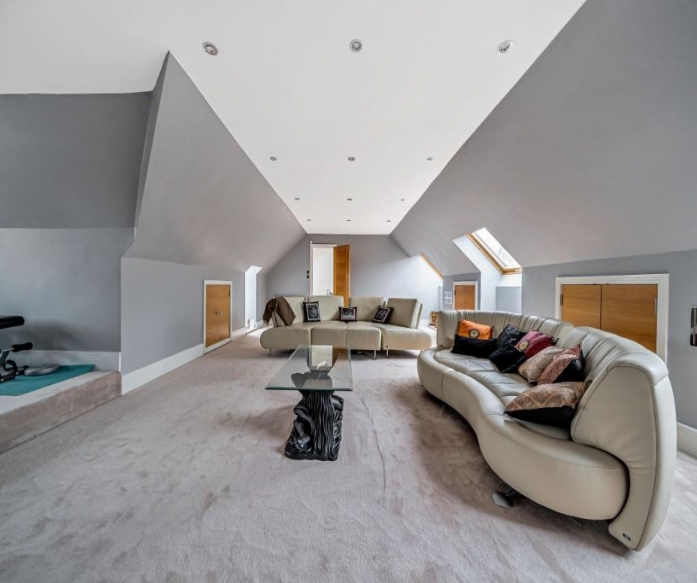
If your home sits within a conservation area, the rules around loft conversions are stricter than they are for most London properties. The permitted development freedoms that apply to standard homes are significantly reduced, and in some cases removed entirely.
This does not mean a loft conversion is impossible. It means you need to understand the rules specific to your area before you commit to any design or spend money on drawings and surveys.
What is a conservation area?
A conservation area is a designated zone where the local planning authority has decided that the character and appearance of the area is worth preserving or enhancing. The designation gives the council additional powers to control changes to buildings and the wider environment within the boundary.
London has more conservation areas than any other part of the country. There are over 1,000 across the capital's 33 boroughs, covering everything from grand Victorian terraces in Kensington to modest Edwardian streets in outer south London. Many homeowners do not realise their property is within one until they start looking into planning rules.
You can check whether your property falls within a conservation area using your local council's planning portal or the Magic Map tool provided by the government, which overlays planning designations across England.
How conservation area status affects permitted development
Under standard national permitted development rules, most rear dormers and Velux conversions can proceed without a planning application. Conservation area designation changes this significantly.
Within a conservation area, any enlargement of a roof that would be visible from a highway requires full planning permission. In practical terms, this means side dormers and often rear dormers that can be seen from a road or public footpath fall outside permitted development.
Velux style roof lights set into the existing slope are sometimes still permitted development within conservation areas, provided they do not project significantly beyond the plane of the roof and are not on a front elevation. But this depends on the specific borough and the local conservation area appraisal, which can impose additional restrictions beyond the national rules.
The key point is that conservation area rules are not uniform across London. Each conservation area has its own character appraisal and management plan, and different boroughs interpret and apply the rules differently. What is acceptable in one area may not be in another even within the same borough.
Our permitted development rules guide explains how the national framework works for standard properties, which provides useful context before looking at the additional conservation area layer.
What planning permission involves in a conservation area
If your proposed conversion requires planning permission, the application is assessed against a broader set of criteria than a standard householder application.
The council will consider whether the design preserves or enhances the character and appearance of the conservation area. This is the central test. It is not enough for the conversion to be structurally sound and code compliant. It also needs to be sympathetic to the architectural character of the area.
In practice this means the materials, proportions, and detailing of the conversion will be closely scrutinised. A zinc clad dormer might be acceptable in some conservation areas and completely refused in others. Traditional materials that match or complement the existing roof covering are generally more likely to gain consent.
The Planning Portal provides guidance on making householder applications and what conservation area considerations typically involve. It is a useful first reference before you engage a planning consultant or architect.
The role of a conservation officer
Every London borough has a conservation officer whose job is to advise on applications affecting conservation areas and listed buildings. Engaging with them before you submit an application can be genuinely useful.
A pre-application enquiry, which is a paid service offered by most councils, gives you the opportunity to present your proposals informally and get officer feedback before you commit to a full application. This can save significant cost if the officer identifies early that a particular design approach is unlikely to gain consent.
Some conservation officers are pragmatic and will work with you to find a design that is acceptable. Others interpret the rules strictly. Knowing where your local officer stands before you invest in detailed drawings is time and money well spent.
Pre-application fees vary by borough but typically run between £150 and £500 for a householder query. Check your local council's planning portal for the specific fee structure in your area.
What designs tend to get approved in conservation areas
While every application is assessed on its own merits, there are design approaches that consistently perform better in conservation area applications than others.
Rear dormers finished in materials that match the existing roof, with proportions that sit quietly within the roofscape rather than dominating it, tend to fare better than bold contemporary additions. Lead or zinc cladding is accepted in some conservation areas but not others. Slate or tile that matches the existing covering is generally the safest material choice.
Keeping the dormer set back from the eaves and the ridge line, rather than running it full width to the very edges of the roof, helps it read as a subordinate addition rather than a dominant new element. Many conservation officers specifically look for this kind of restraint in a design.
Roof lights on rear slopes, where they are not visible from the street, are often the most straightforward option in sensitive conservation areas. A well designed Velux conversion can still create a genuinely useful room in many London lofts, particularly where the existing ridge height is reasonable.
Our Velux vs dormer guide compares both options in terms of cost, space, and value, which is helpful context when you are weighing up which design direction to pursue in a conservation area.
Article 4 directions and their impact
Some London conservation areas go further than standard conservation area restrictions through the use of Article 4 directions. These are local planning directions that specifically remove permitted development rights that would otherwise apply.
In areas covered by an Article 4 direction, works that would normally be permitted development require a planning application. This can include things like changing window materials, altering front boundaries, and in some cases certain types of roof alteration.
Article 4 directions are used extensively in inner London boroughs. Islington, Camden, Hackney, and Southwark all have Article 4 directions covering significant parts of their area. Some of these directions are borough-wide. Others apply to specific streets or estates.
Checking whether an Article 4 direction applies to your property is straightforward on your local council's planning portal and takes only a few minutes. Skipping this check and assuming permitted development applies is one of the most common and costly mistakes homeowners make when planning a loft conversion in London.
Listed buildings within conservation areas
Some properties within conservation areas are also listed buildings. These are subject to an entirely separate and more demanding regime.
If your home is listed, permitted development rights do not apply at all. Any works, including internal alterations, require listed building consent in addition to any planning permission that may be needed. The threshold for what constitutes a notifiable alteration is lower for listed buildings than for unlisted properties.
Listed building consent applications are assessed against the impact on the special architectural or historic interest of the building. Loft conversions on listed buildings are possible but they require careful design, specialist advice, and in many cases a heritage statement that demonstrates understanding of the building's significance.
Unauthorised works to a listed building are a criminal offence. The penalties include unlimited fines and in serious cases prosecution. If you are in any doubt about whether your property is listed, check the Historic England National Heritage List for England before proceeding with any plans.
Structural and building regulations requirements
Getting planning permission in a conservation area does not change what building regulations require. All the same structural, fire safety, insulation, staircase, and electrical standards apply regardless of whether the property is in a conservation area or not.
Our building regulations guide covers these requirements in full. The party wall process also applies in exactly the same way as it would for any other loft conversion in London. Our party wall agreements guide explains what to expect and how to manage the process.
Timelines and costs
A planning application in a conservation area follows the same eight week statutory determination period as a standard householder application. In practice it can take longer, particularly if the officer requests additional information or the application goes to committee rather than being decided under delegated powers.
Budget for the application fees and associated professional costs. A householder application currently costs £258 in England. Architect drawings prepared to planning standard, a planning consultant if required, and any heritage or design and access statements add to this. Total professional costs for a conservation area application typically run between £1,500 and £3,500 depending on the complexity of the proposals and the borough involved.
If the application is refused, you have the right to appeal to the Planning Inspectorate. Appeals take around six months and add further cost. Getting the design right before submission, ideally with pre-application officer engagement, is the most reliable way to avoid this outcome.
For a full picture of the costs involved in a London loft conversion beyond planning, our loft conversion budgeting guide covers everything from structural engineer fees to building control and party wall costs.
The straightforward summary
Living in a conservation area does not prevent you from converting your loft. But it does mean the process requires more care, more professional input, and more time than a standard conversion on an unrestricted property.
Check your conservation area status and any Article 4 directions before you do anything else. Engage a conservation officer early if a planning application is likely. Choose a design that respects the character of the area rather than fighting against it. And if your property is listed, get specialist advice before you proceed with any plans at all.
The homeowners who navigate conservation area rules successfully are the ones who take the time to understand them upfront rather than discovering the constraints halfway through the process.
If you are building your understanding of what a loft conversion involves more broadly, our loft conversion types guide, loft conversion costs page, and permitted development rules guide are useful places to continue.
Party Wall Agreements for Loft Conversions: What You Need to Know
November 20, 2024
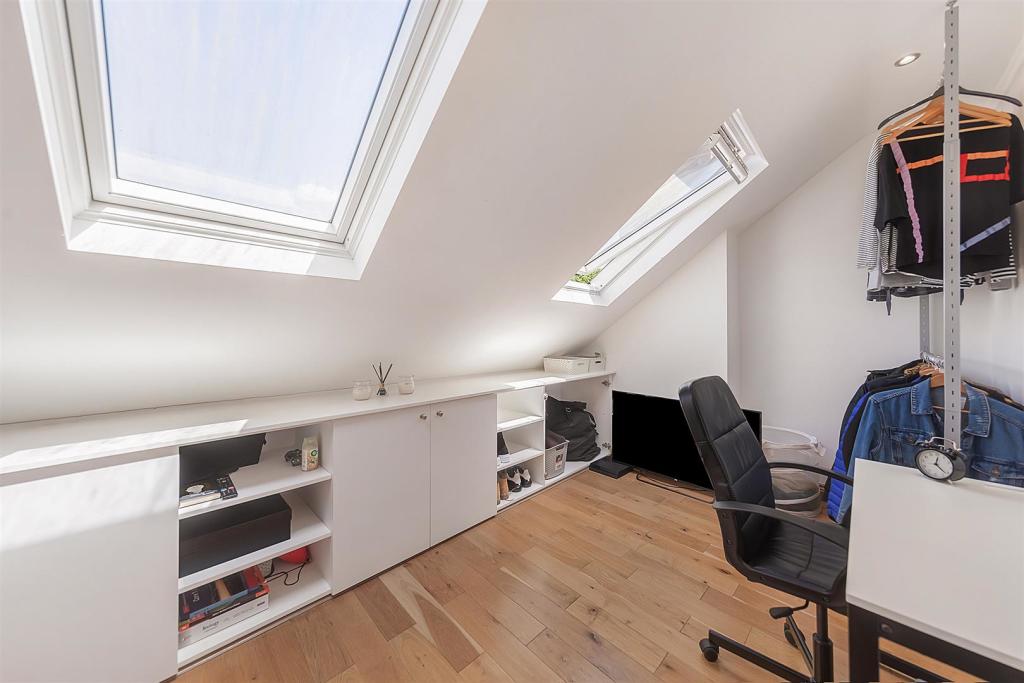
Party wall agreements are among the most overlooked aspects of planning a loft conversion. Most homeowners only find out they need one when their builder mentions it weeks before work is due to start. At that point, it can delay the project, add unexpected cost, and create friction with neighbours at exactly the wrong moment.
Understanding how party wall rules work before you get to that stage makes the whole process considerably smoother.
What is a party wall?
A party wall is a wall that sits on the boundary between two properties and is shared by both owners. In London, terraced and semi-detached homes, the wall between you and your neighbour is almost always a party wall.
The Party Wall etc. Act 1996 sets out the legal framework for how work that affects a party wall must be handled. It exists to protect both you and your neighbour, and it applies regardless of how good your relationship with them is.
Does a loft conversion trigger the Party Wall Act?
Not every loft conversion does, but many do. It depends on the specific work involved.
If your loft conversion involves cutting into the party wall, for example, to insert a steel beam that bears on it, you are almost certainly within the scope of the Act. If you are building a rear dormer that sits close to or on the party wall, that is likely to trigger it too.
A Velux conversion that involves no structural work near the party wall may not require a notice. But if there is any doubt, the safest approach is to have a party wall surveyor review the drawings and confirm either way before work starts.
Getting this wrong is not just a legal issue. Carrying out notifiable works without serving the correct notice leaves you liable for any damage your neighbour can demonstrate was caused by your works, with no formal framework to assess or dispute those claims.
What is a party wall notice?
Before any notifiable work begins, you must serve a formal written notice on your neighbour. This is called a party wall notice.
The notice sets out what work you intend to carry out, when you plan to start, and gives your neighbour the opportunity to consent or dissent. The required notice period is typically two months before work starts for party wall works, and one month for excavation works near a neighbouring building.
You can serve the notice yourself. There is no legal requirement to use a surveyor at this stage. A written letter that clearly describes the proposed works and the intended start date is sufficient, provided it meets the requirements of the Act.
Templates are available online and your architect or builder may be able to help you draft one. The key is to serve it early enough that the response period does not delay your start date.
What happens after you serve the notice?
Your neighbour has fourteen days to respond. There are three possible outcomes.
They consent in writing. If they do, no surveyor is needed and you can proceed once the notice period has elapsed. Keep their written consent safely with your project documents.
They do not respond within fourteen days. If there is no response, they are deemed to have dissented and the dispute resolution process begins automatically. This sounds alarming but it is a routine part of the process and does not indicate hostility.
They actively dissent. They respond to say they do not consent to the works. Again, this triggers the dispute resolution process.
In either dissent scenario, a party wall award must be agreed before work can start. This is where surveyors become involved.
What is a party wall award?
A party wall award is a legally binding document that sets out the rights and obligations of both parties in relation to the proposed works. It typically includes a schedule of condition of the neighbouring property before work starts, the agreed working hours and methods, how any damage will be assessed and resolved, and any specific protections required for the neighbouring structure.
The award is drawn up by surveyors acting for each party. Once agreed and signed, it allows the works to proceed within the defined framework.
Who pays for the surveyors?
This is the part that surprises most people.
You pay for both surveyors. As the building owner carrying out the works, you are responsible for the reasonable fees of both your own surveyor and your neighbour's surveyor if they appoint one.
Your own surveyor's fees typically run between £700 and £1,200 for a straightforward loft conversion. Your neighbour's surveyor will charge similarly. On a mid terrace in London with neighbours on both sides, both of whom dissent and appoint surveyors, you could be looking at £2,000 to £3,000 in surveyor fees alone before a single brick is moved.
This is a genuine and often unbudgeted cost. Our loft conversion budgeting guide covers this alongside the other hidden costs that sit outside the standard build quote.
Can you use one agreed surveyor?
Yes. If both parties agree, a single agreed surveyor can act for both the building owner and the adjoining owner. This is called an agreed surveyor appointment and it is often faster and cheaper than each party appointing their own.
It works best when the relationship with your neighbour is straightforward and neither party has complex concerns about the works. The agreed surveyor must act impartially for both sides.
If your neighbour has specific concerns or wants independent representation, separate surveyors are the more appropriate route.
What is a schedule of condition?
A schedule of condition is a detailed photographic and written record of the state of your neighbour's property before work starts. It documents existing cracks, defects, and the general condition of the walls, ceilings, and floors closest to the works.
This protects both parties. If your neighbour claims after the works that a crack appeared as a result of your conversion, the schedule of condition provides an objective baseline to assess whether that crack existed beforehand.
Without a schedule of condition, disputes about damage become much harder to resolve objectively. A good party wall surveyor will always include one as part of the award process.
How long does the party wall process take?
From serving the notice to having a signed award in place, the process typically takes six to ten weeks if everything runs smoothly. If there are complications, disputes about the scope of works, or delays in your neighbour appointing a surveyor, it can take longer.
This timeline has a direct impact on your project programme. If you serve notice two weeks before you want to start on site, you will almost certainly be delayed. The notice needs to go out early, ideally at the same time you are finalising drawings and getting quotes from builders.
Build the party wall timeline into your project plan from the beginning, not as an afterthought once everything else is in place.
What if your neighbour is difficult?
The Party Wall Act is designed to handle disagreement. A neighbour who dissents is not blocking your project. They are triggering a formal process that protects both sides, and provided the works are reasonable and carried out properly, the award will almost always allow them to proceed.
What a neighbour cannot do is simply refuse to engage. If they fail to appoint a surveyor within the required timeframe, you can appoint one on their behalf. The process continues with or without their active cooperation.
What they can do is raise legitimate concerns about the method or timing of works, and those concerns will be considered as part of the award process. A good surveyor on your side will help you understand which concerns are reasonable and how to address them.
If your neighbour raises issues about the structural impact on their property, your structural engineer's drawings and calculations will be central to resolving those concerns. Our loft conversion building regulations guide explains the structural assessment process in more detail.
What if your neighbour is a leaseholder or a freeholder?
This adds a layer of complexity that is worth being aware of.
If your neighbour owns the freehold, the process is straightforward. If they are a leaseholder, you may need to serve notice on both the leaseholder and the freeholder, depending on the terms of the lease and the nature of the works.
Similarly, if you are a leaseholder yourself, you need to check your lease before carrying out any loft conversion. Most leases require the freeholder's consent for structural works, and some expressly prohibit loft conversions altogether. This is a separate requirement from the Party Wall Act and needs to be resolved before anything else.
Documenting everything properly
Keep copies of every notice served, every response received, and every piece of correspondence with your neighbour and their surveyor throughout the process. The party wall award itself should be filed safely with your other property documents.
When you come to sell, your solicitor will ask about party wall notices and awards as part of the conveyancing process. Having clean, complete documentation makes this straightforward. Gaps in the paperwork create questions that slow down a sale.
The straightforward summary
Party wall agreements are a legal requirement for most loft conversions in London terraced and semi detached homes. They are not optional, they are not just a formality, and they are not free.
Serve notice early, budget for surveyor fees on both sides, and treat the process as a normal part of the project rather than an obstacle. In most cases neighbours are cooperative, the award is agreed without drama, and the works proceed without issue.
The problems arise when people leave it too late, try to avoid the process, or treat their neighbour as an adversary rather than someone with legitimate rights under the law.
Get it right from the start and it is a manageable part of any loft conversion project.
If you are building up your understanding of the full process, our permitted development rules guide, building regulations guide, and loft conversion costs page cover the other key areas you need to know before speaking to contractors.
What are the Loft Conversion Building Regulations Explained for Homeowners
October 1, 2024
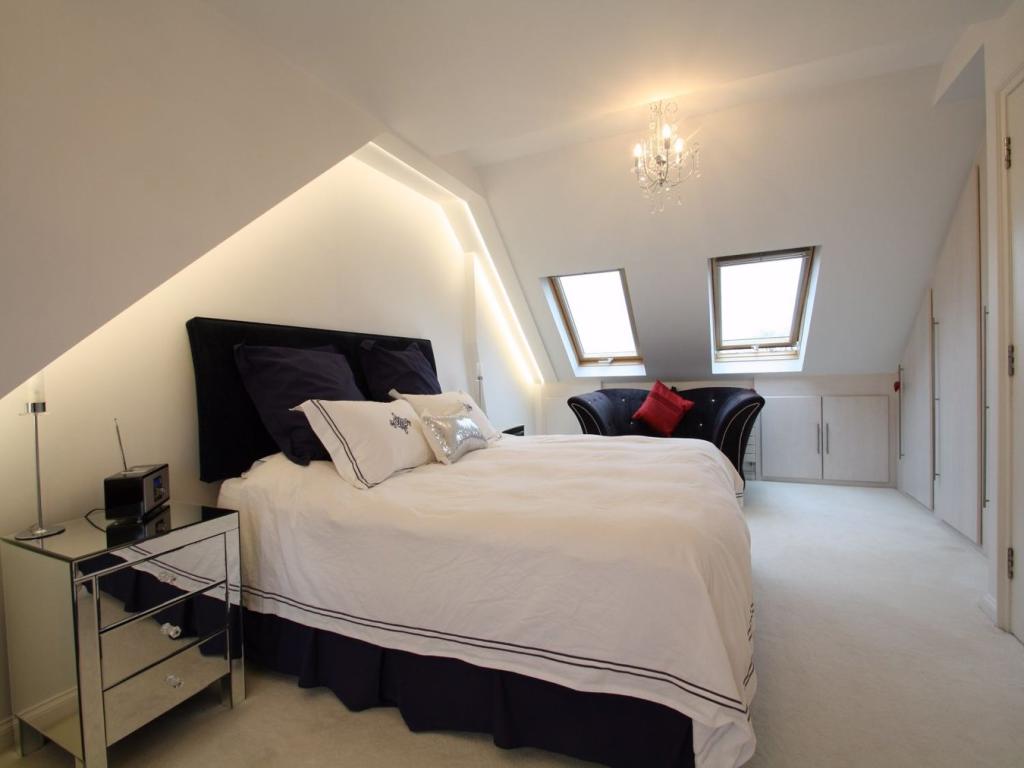
Planning permission gets most of the attention when people start researching loft conversions. But building regulations matter just as much, and in some ways more. They apply to every loft conversion, regardless of whether planning permission was required.
Understanding what building regulations cover, why they exist, and what the process looks like will help you avoid problems during the build and when you eventually come to sell.
What building regulations actually are
Building regulations are a set of nationally defined standards that ensure construction work is safe, structurally sound, and energy efficient. They cover everything from how much weight a floor can take to how quickly you can escape the building in a fire.
They are not optional. Every loft conversion must comply with building regulations, and the work must be inspected and signed off by a building control inspector before the project is considered complete.
This is completely separate from planning permission. You can have permitted development rights that mean no planning application is needed, and building regulations still apply in full. The two processes run independently of each other.
Who handles building control?
You have two options for building control sign-off in England.
The first is your local authority building control team. You submit a building notice or full plans application to the council, pay the associated fee, and their inspector visits at key stages of the build.
The second is an approved inspector, a private-sector alternative. These are commercial firms that perform the same function as local authority building control. Some builders have preferred relationships with approved inspectors, and in some cases, the process can move faster.
Either route results in the same outcome: a completion certificate confirming the work meets building regulations. The cost is broadly similar across the two options, typically £800-£1,200 for a standard loft conversion in London.
Confirm with your builder whether building control fees are included in their quote or billed separately. It is a common source of confusion when comparing quotes from different contractors. Our loft conversion budgeting guide covers this alongside the other costs that often sit outside the headline quote.
What building regulations cover in a loft conversion
There are several specific areas that building control will assess during and after your loft conversion. Each one has practical implications for how the building is designed and carried out.
Structural strength
The existing floor structure in most lofts is not designed to take the weight of a habitable room. The joists are typically sized for occasional access, not for people living and sleeping in the space.
Before anything else, a structural engineer will assess whether the floor needs strengthening and specify what is required. New or doubled-up joists are common. Steel beams are sometimes needed, depending on the span and the loads involved.
The structural engineer's calculations form part of the building regulations submission. Building control will want to see these before approving the structural elements of the build.
If you are not sure whether your loft floor is suitable as it stands, our loft suitability guide explains what to look for before you get to the formal assessment stage.
Fire safety
This is one of the most important and sometimes most misunderstood parts of building regulations for loft conversions.
Adding a habitable room at the top of a house changes the building's fire risk profile. The regulations require that anyone sleeping in the loft can escape safely in the event of a fire, and that the fire does not spread rapidly through the structure.
In practical terms, this usually means a protected escape route from the loft down to the ground floor exit. For a two-storey house becoming three-storey, this typically requires fire doors on all rooms that open onto the staircase, mains-wired, interlinked smoke alarms on every floor, and the staircase itself to be enclosed rather than open-plan.
In some cases, a skylight window large enough to escape through can substitute for a protected staircase route, but this depends on the specific layout and the building control inspector's assessment.
These fire safety measures are not optional extras. They are a condition of sign off, and a builder who tells you they are not required is either mistaken or cutting corners. Make sure you discuss fire safety requirements explicitly with both your builder and your building control inspector early in the process.
Insulation and thermal performance
Loft conversions must meet minimum thermal insulation standards. The roof slopes, any flat roof sections, the gable walls, and the floor all need to meet specific U-values, which measure how much heat passes through them.
In practice, this means a decent depth of insulation between and below the rafters, careful attention to cold bridges where the insulation is interrupted, and appropriate vapour control layers to manage condensation.
Getting insulation right matters beyond just compliance. A poorly insulated loft conversion will be cold in winter and uncomfortably hot in summer. It will also cost more to heat. Specifying good-quality insulation at the build stage is always worthwhile.
Staircase requirements
Building regulations set specific requirements for the staircase that provides access to the loft conversion. The pitch angle, the dimensions of each step, the headroom above the stairs, and the handrail and balustrade must all meet defined standards.
This matters practically because the staircase has to fit within the available floor space on the floor below while still meeting these requirements. In some London homes with tight layouts, this is genuinely challenging and requires careful design to resolve.
A staircase that does not meet building regulations will not receive sign-off. Building this requirement into the design from the start, rather than retrofitting a compliant staircase into a fixed layout, saves on high costs and frustration. Our dormer loft conversion guide covers how staircase planning affects the overall design and budget.
Electrics and lighting
Any electrical work carried out as part of the loft conversion must comply with Part P of the building regulations, which covers electrical safety in dwellings.
This means the electrical installation must be designed, installed, and tested by a qualified electrician who is registered with a competent person scheme such as NICEIC or NAPIT. They will self-certify the work, which means they can issue the relevant certificate directly without a separate building control inspection of the electrics.
Make sure your builder uses a registered electrician and that you receive the electrical installation certificate upon completion. You will need this when you sell the property.
Ventilation
Habitable rooms need adequate ventilation to maintain air quality and manage moisture. Building regulations specify minimum requirements for both background ventilation, typically trickle vents in windows, and rapid ventilation, which means openable windows of a certain size.
Bathrooms and en-suites within the loft conversion need mechanical extract ventilation to remove moisture at source, ducted to the outside of the building.
These requirements feed into the window specification and any mechanical ventilation design, so they need to be considered at the design stage rather than treated as an afterthought.
The inspection process
Building control does not just review drawings and sign off at the end. An inspector visits at specific stages throughout the build to check that the work on site matches the approved design and meets the required standards.
Typical inspection points for a loft conversion include the commencement of work, the structural floor and steelwork, the roof structure before it is covered, the insulation before it is boarded, the staircase, and the final completion inspection.
Missing an inspection stage can cause significant problems. If insulation is boarded over before it has been inspected, the inspector may require it to be opened up again. This is avoidable with good communication between your builder and the building control body.
A good builder will manage the inspection schedule as part of project management. Ask specifically how they handle this during contractor interviews.
The completion certificate
At the end of the project, once all inspections have been passed and the work is signed off, you receive a building regulations completion certificate. This is a critical document.
Keep it safe. When you come to sell the property, your solicitor will ask for it and the buyer's solicitor will require it. Without it, there are two routes. One is to apply retrospectively for regularisation, which involves building control inspecting the completed work and potentially requiring elements to be opened up or redone. The other is to take out indemnity insurance, which covers the buyer against enforcement action but does not confirm the work is actually safe or compliant.
Neither option is as straightforward or as reassuring as simply having the original completion certificate. Getting building regulations sign off properly the first time is always the right approach.
Retrospective building regulations approval
If you have bought a property where a previous loft conversion was carried out without building regulations approval, or where the completion certificate has been lost, you have options but none of them are simple.
A regularisation application can be made to the local authority building control team. This involves an inspector assessing the existing work and identifying whether it meets current standards. In some cases work will need to be exposed or altered to achieve compliance.
If the work is older and the regularisation route is not practical, indemnity insurance is sometimes used as an alternative in property transactions. But this is a commercial solution to a legal risk, not confirmation that the building is safe.
If you are buying a property with an unconverted or previously converted loft and want to understand what you are taking on, speaking to a structural engineer and a building control body early is money well spent.
The straightforward summary
Building regulations apply to every loft conversion. They are not a bureaucratic formality but a genuine set of standards that ensure the building is safe, warm, and fit to live in.
The key areas to stay on top of are structural strength, fire safety, insulation, the staircase, electrics, and ventilation. Each one has practical design implications that should be worked through at the planning stage, not discovered halfway through the build.
Use a builder who understands and respects the process, keep all your documentation, and make sure you receive the completion certificate at the end. That single document protects both your safety and your investment.
If you are still at the early stage of planning your conversion, our loft conversion costs page and permitted development rules guide are useful next steps before you start speaking to contractors.
Permitted Development Rules for Loft Conversions in London
September 22, 2024
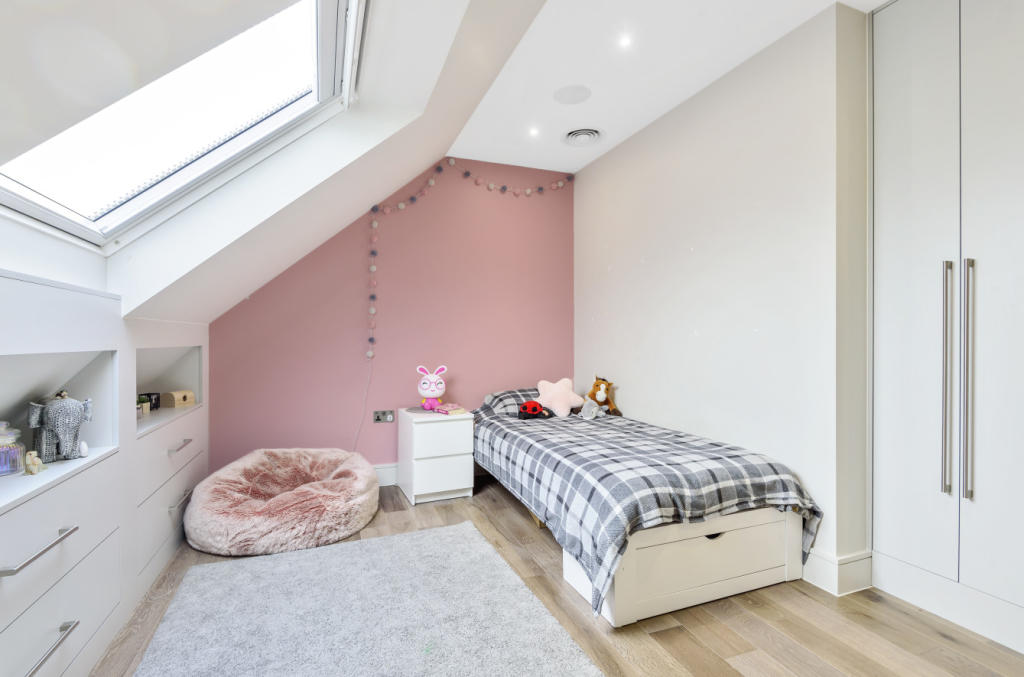
One of the first questions people ask when thinking about a loft conversion is whether they need planning permission. The good news is that most loft conversions in London do not require a formal application. They fall under permitted development rights, which allow certain types of work to proceed without council approval.
But permitted development has conditions attached. And London has more exceptions and local restrictions than most parts of the country. Getting this wrong costs time and money, so it is worth understanding the rules clearly before you start.
What does permitted development actually means
Permitted development is not a free pass to build whatever you want. It is a set of nationally defined rules that allow specific types of home improvement to proceed without a planning application, provided the work stays within certain limits.
For loft conversions, those limits cover things like the volume you can add, the height of the conversion, the materials you use, and where on the roof the work takes place.
If your project stays within those limits, you can proceed without applying to the council. If it exceeds them in any way, you need full planning permission.
The volume limits
This is the most important rule for most loft conversions.
For a terraced house, the total volume added by a loft conversion must not exceed 40 cubic metres. For a detached or semi-detached house, the limit is 50 cubic metres.
This is a cumulative limit. If a previous owner already added a dormer or extended the roof in any way, that volume counts toward your allowance. Always check the property's history before assuming you have the full allowance available.
If you are not sure how to calculate the volume of your proposed conversion, a structural engineer or architect can work this out for you as part of their initial assessment. Our loft suitability guide explains what to look for when assessing your existing roof space.
The height rules
Any addition to the roof must not exceed the height of the existing ridge line. This means you cannot build upward beyond the highest point of your current roof.
This rule catches people out when they are planning a conversion on a property with a relatively low ridge height. If the ridge is not high enough to create a usable room within the permitted development limit, the only options are to apply for planning permission or accept a smaller space.
Roof materials
Under permitted development, the materials used on the exterior of the conversion should be similar in appearance to the existing house. This does not mean identical, but it does mean a wildly different cladding or roofing material is likely to fall outside the rules.
In practice, most builders use materials that match or closely complement the existing roof covering. It is worth confirming this when reviewing drawings and specifications.
Where on the roof can the work go
Permitted development rules are stricter about what faces the street.
Any enlargement that fronts a highway is not permitted development. In plain terms, this means front dormers almost always require full planning permission. A rear dormer that faces the garden and is not visible from the street is much more likely to qualify.
Side dormers are a grey area and depend on the specific property and its orientation. If in doubt, check with your local planning authority or speak to a planning consultant before proceeding.
What is not allowed under permitted development
Even if your conversion meets the volume and height limits, certain things will take it outside permitted development entirely.
Verandas, balconies, and raised platforms are not permitted. If you want a roof terrace or an external space attached to the loft conversion, you will need planning permission regardless of the size.
Any work that overhangs the house's outer wall is also outside the rules.
And any extension that sits forward of the principal elevation, which usually means the front of the house, requires a full application.
When permitted development does not apply at all
This is where London gets more complicated than the rest of the country.
If your home is in a conservation area, a National Park, an Area of Outstanding Natural Beauty, or a World Heritage Site, permitted development rights for loft conversions are significantly restricted. In these areas, any enlargement of the roof that would be visible from a road or public footpath requires planning permission.
London has a large number of conservation areas spread across almost every borough. If you are unsure whether your property sits within one, you can check on your local council's planning portal or use the Planning Portal's national map.
Listed buildings are a separate category entirely. If your home is listed, permitted development rights do not apply at all. Any work, including internal changes, requires listed building consent in addition to any planning permission needed. The rules are strict and the penalties for non-compliance are serious.
Article 4 directions are another London-specific issue. These are local planning directions that remove permitted development rights in specific streets or areas, usually to protect the character of a neighbourhood. Some London boroughs use these extensively. Islington, Camden, and several other inner London boroughs have Article 4 directions covering large parts of their area.
Always check whether an Article 4 direction applies to your specific property before assuming permitted development is available to you.
Lawful Development Certificates
Even when your project clearly qualifies for permitted development, it is worth considering applying for a Lawful Development Certificate from your local council.
This is not the same as planning permission. It is a formal confirmation from the council that your proposed works are lawful under permitted development rules. It costs around £230 and takes around eight weeks to process.
Why bother if you do not need permission? Because when you come to sell the property, buyers and their solicitors will ask for evidence that the loft conversion was carried out lawfully. A Lawful Development Certificate provides that evidence clearly and removes any ambiguity.
Without it, you are relying on the permitted development rules having been correctly applied, which can become a point of friction in a sale even if everything was done properly.
Permitted development versus planning permission: the cost difference
If your project does need planning permission, it is worth knowing what that adds to your budget and timeline.
A householder planning application currently costs £258 in England. But the associated costs, including architect drawings prepared to planning standard, a planning consultant if required, and any additional reports the council requests, typically bring the total to £800 to £1,500.
The bigger impact is time. A standard householder application takes 8 weeks to be decided. In practice, with pre-application queries, requests for additional information, and occasional delays, twelve weeks is more realistic.
If your project is borderline, it is sometimes worth making small design changes to bring it within permitted development rather than going through a planning application. A good architect or planning consultant can advise on this quickly.
The practical steps to take
Before you speak to builders or commit to any design, take these steps in order.
Check whether your property is listed or in a conservation area. Your local council's planning portal will tell you this in a few minutes.
Check whether an Article 4 direction applies to your street. This is also available on the planning portal.
Check whether any previous loft or roof extensions have used up part of your permitted development volume allowance. Land Registry records and the property's planning history will show this.
If everything is clear, confirm with your architect or structural engineer that the proposed design remains within the volume and height limits before finalising the drawings.
And consider applying for a Lawful Development Certificate once the design is confirmed, particularly if you plan to sell the property within the next few years.
Our loft conversion types guide explains how different conversion designs interact with these rules, and our loft conversion budgeting guide covers the full cost picture, including planning fees and associated professional costs.
The honest summary
Most standard rear dormer and Velux loft conversions on non-listed London homes outside conservation areas will qualify for permitted development. But London has more exceptions than anywhere else in the country, and the consequences of getting it wrong, whether that is an enforcement notice or a problem at the point of sale, are worth avoiding.
Take thirty minutes to check the rules that apply to your specific property before you start planning anything. It costs nothing and could save you significant time and money further down the line.
If you are ready to start thinking about what kind of conversion suits your home, our loft conversion costs page and dormer loft conversion guide are good starting points.
Explanation Of The Professional Fees Involved In A Loft Conversion
December 20, 2023
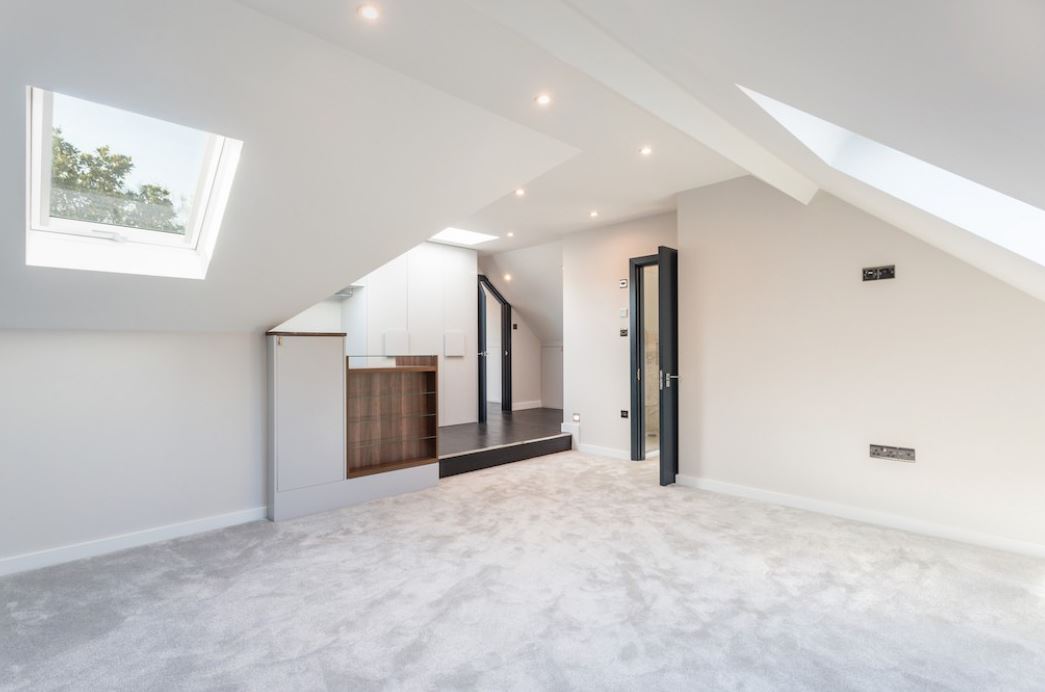
When you hire a professional to carry out the work on your loft conversion, there will be additional fees involved. These could include architectural and design fees, permits, and inspections, as well as any other specialist services required. It is important to factor these costs into your budget when considering undertaking a loft conversion.
Architectural and design fees
It is important to hire a professional architect or designer when undertaking a loft conversion. This will help ensure that the project is completed safely and meets all necessary regulations. The cost of these services can range from £500 - £5,000 depending on the size of the project.
Permits and inspections
Depending on your local regulations, you may need to apply for permits and inspections in order to proceed with a loft conversion. These can range from £50 - £500 depending on the complexity of the project.
Specialist services
Depending on the nature of your project, you may need to hire specialist services such as electrical or plumbing work. Again, these costs vary greatly and will depend on the size and complexity of the project.
Party Wall Agreement
A party wall agreement may be required if your loft conversion affects a neighbouring property. This can cost between £250 - £500 depending on the complexity of the project.
Can converting my Loft Improve my Property's Energy Efficiency?
October 30, 2023
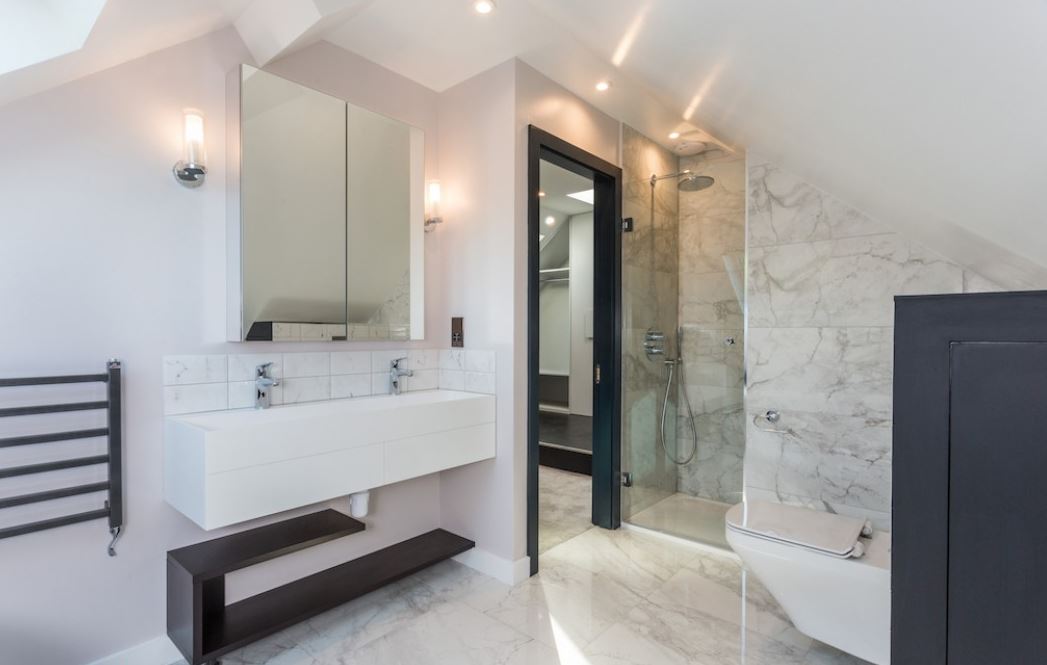
The answer is Yes! By adding a loft conversion will give you the best chance to make your house more energy efficient, as the installation of the insulation is a standard requirement. As per the building regulations, it is required, and there are two forms of insulation which either your local authority or a local building inspector will determine when they visit your house. The Cold Roof Insulation: which in total is 10cm of insulation, 7cm is made up by filling the spaces between the rafters with foam insulation. The remainder of the 3cm of slab insulation is attached to the inside of the rafters. It is important that the 5cm gap is left between the roof felt and insulation in order to allow for ventilation purposes. The Cold Roof insulation is the most straight-forward method to use. Secondly, the Warm-roof insulation, this involves foam insulation of 10cm thick to be fitted over the rafters before the capping, tile battens and tiles are added. When creating a dormer, this is the more difficult option that is usually used when the roof covering has been taken off. This 10cm thick slab of foam insulation can insulate a dormer wall, whereas a 10cm thick quilt of insulation is needed between plasterboard attached to both sides of an internal partition wall. In addition, you will require a 10cm thick insulation between your lofts floor joists. All in all, the insulation work in the loft will help bring the energy costs of your house down. Read more on how to insulate your roofs.
Heating and Ventilation in your Loft
In order to improve your property's energy efficiency, the roof space should be as airtight as possible. It is imperative to introduce controlled ventilation to avoid any risk of condensation and maintain good air quality in your loft. Ventilation in your loft can be via the means of background ventilation such as airbricks and trickle vents, and rapid ventilation via windows, and extract ventilation in wet areas, such as kitchen and bathroom. There is no requirement that the attic bathrooms must have a window given the fact the extract fan can offer rapid ventilation.
A house extension usually increase the heating requirement of the home, and for this reason your boiler might have to be upgraded, but on the other hand, a loft conversion needs little capacity because the walls will be well insulated which will improve the overall energy efficiency of the property. Heat emitters in the attic rooms can be in the form of radiatiors, underfloor heating or even electic floor heating mats in bathrooms. Please do note that if the bathroom has been added then a boiler upgrade might be needed.
Installation of a New Staircase for a Loft Conversion
September 22, 2023
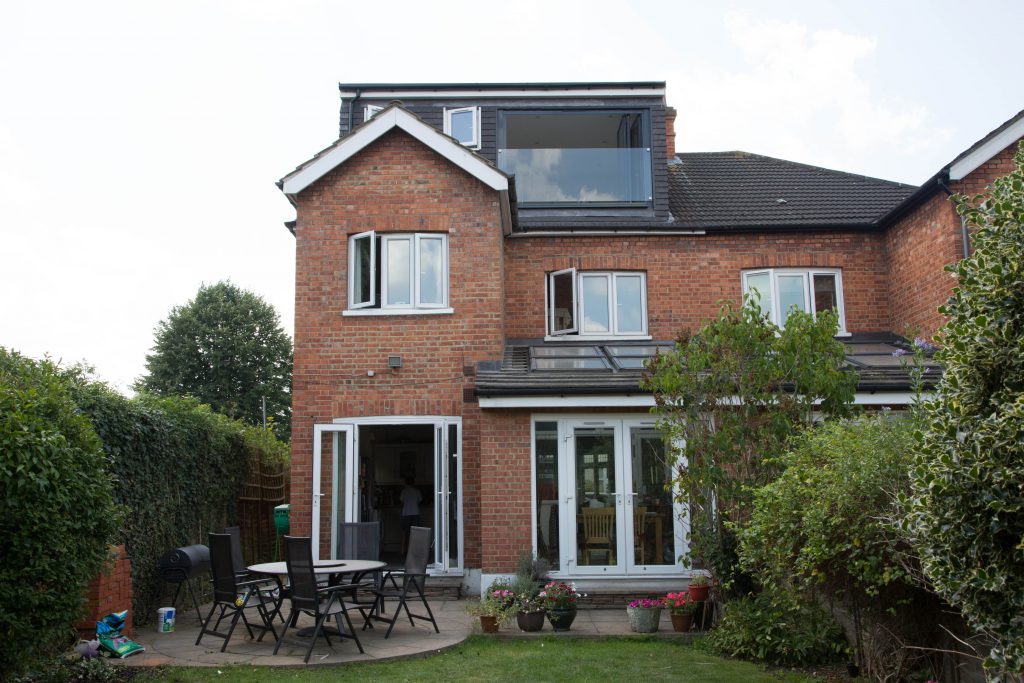
The best place for the staircase to land should be in line with the roof ridge, this is make the best use of the available height above the staircase. The required minimum height above the pitch line is 2m, which can be reduced to 1.9m towards the centre, and further 1.8m to the side of the stairs. In actual sense, the exact staircase position will much depend on the layout of the floor below, and where possibly the available height can be achieved using a dormer or by adding a skylight above the staircase or, if possible, converting a hip rood end to a gable. The maximum number of steps within a straight line are sixteen, a typical installation usually only requires thirteen steps. When it comes to step size, the maximum step rise is 220m and the step depth is around 220mm, both these measurements are taken from the pitch point. The step usually has a nose that protrudes 16-22mm in front of the pitch line. By all means, the ratio size must not exceed the maximum angle of pitch requirement of 42 degrees. Winders should have a minimum requirement of atleast 50mm at the narrowest point. Finally when it comes to Balustrading, the minimum height is 900mm above the pitch line, and the spindles should have enough seperation distance that a 100mm sphere cannot pass through it.
Will I need new ceiling joists for my Loft Conversion?
Yes, in most cases, you will be required to get additional new joists that comply with the building regulations because the existing ceiling joists are very unlikely to be able to take the load of a conversion floor. You can get your structural engineer to specify the exact size and grade required. The new joists will span between the load bearing walls in the loft, and are usually raised slighly above the existing ceiling plasterwork with the use of spaceers below the joist ends. You need to ensure that this spacing must be good enough to avoud any new floor joist deflection from touching the ceiling plaster below. The new joists will run along the existing joists. In addition, above window and door openings, thicker wood is used to bridge the opening, because you do not want pressure on the existing opening lintel. RCJs which are known as Rolled steel joists, are specifically used to distribute the load, and in some installations are used to carry the ends of the new joists. If you head space is limited, then bigger thicker joists, much more closely spaced, can be specified.
The Legal Side of Loft Conversions: What You Need to Know Before Starting Your Project
May 5, 2023
LEGAL TERMINOLOGIES IN LOFT CONVERSIONS
Building Regulations
These are a set of standards and guidelines that dictate the minimum requirements for the construction and alteration of buildings in order to ensure the health, safety, and welfare of people who use them.
Party Wall Agreements
Legal agreements made between property owners that govern the rights and responsibilities associated with shared walls or boundaries between their respective properties.
Planning Permission
A formal process of obtaining approval from local authorities for proposed developments or changes to existing buildings or land use, ensuring that they comply with local planning policies and regulations.
Permitted Development Rights
A set of planning rules that allow certain types of building work and changes of use to be carried out without the need for planning permission, subject to certain restrictions and conditions.
PLANNING PERMISSION FOR LOFT CONVERSIONS
When considering a loft conversion project, it is important to understand whether planning permission is required. Planning permission is typically required for loft conversions that involve significant alterations to the roof space or changes to the overall appearance of the property, particularly in conservation areas or listed buildings. The size and location of the property can also be factors in determining whether planning permission is required. It is important to consult with your local planning authority to determine the specific requirements in your area. If planning permission is required, the process involves submitting an application and following the necessary steps to ensure compliance with all relevant regulations. This can include submitting detailed plans and working with professionals to ensure that the project meets all building codes and standards.
By understanding the requirements for planning permission and following the necessary process, you can ensure that your loft conversion project is successful and compliant with all necessary regulations. Additionally, it is important to consider any restrictions or limitations that may apply to the property. This could include factors such as the height of the roof or the amount of available space in the loft. Working with a professional architect or builder can help to identify any potential limitations and ensure that the project is feasible. It is also important to consider the potential impact of the loft conversion on the surrounding area, including issues such as noise, privacy, and access. When applying for planning permission, it may be necessary to address any concerns raised by neighbors or other stakeholders. Ultimately, by taking a thorough and careful approach to the planning permission process, you can ensure that your loft conversion project is successful and meets all necessary requirements.
COMPLIANCE WITH BUILDING REGULATIONS
When undertaking a loft conversion project, it is important to understand the role of building regulations and ensure that your project complies with all relevant standards. Building regulations are in place to ensure that all construction work meets minimum standards for safety, health, and environmental protection. Identifying the specific regulations that are relevant to your loft conversion project is essential, as these may vary depending on the type of work being carried out.
Relevant regulations may include those related to structural work, fire safety, and insulation. For example, regulations related to structural stability ensure that buildings are constructed to withstand the loads they will be subjected to, including the weight of the building itself, occupants, and furniture. Fire safety regulations require that buildings have adequate fire detection and alarm systems, emergency lighting, and escape routes, to ensure that occupants can safely evacuate in the event of a fire.
Energy efficiency regulations set minimum standards for insulation, heating, and lighting, helping to reduce energy consumption and carbon emissions. Ventilation and drainage regulations ensure that buildings have adequate ventilation and water management systems, preventing the buildup of moisture and mold, which can have negative impacts on health. Overall, building regulations are an essential component of the construction process, ensuring that buildings are safe, healthy, and sustainable. Compliance with building regulations is mandatory, and failure to comply can result in fines, legal action, or even the demolition of the building. By taking a careful and thorough approach to building regulations, you can ensure that your loft conversion project is safe, compliant, and of high quality.
DEALING WITH PARTY WALL AGREEMENTS
When planning a loft conversion project, it is important to understand the role of party wall agreements and when they are required. Party wall agreements are legal agreements between neighbors that govern work that is carried out on or adjacent to a shared wall or boundary. They are designed to protect the interests of both parties and prevent disputes from arising. If your loft conversion project involves work that affects a shared wall or boundary, you may need to negotiate a party wall agreement with your neighbor. This may involve providing notice of the proposed work, giving your neighbor the opportunity to review and comment on the plans, and agreeing on any necessary safeguards to protect their property.
Negotiating a party wall agreement can be a complex process, and it is important to work with a qualified and experienced party wall surveyor to ensure that the agreement is fair, legal, and binding. It is also important to understand the rights and responsibilities of both you and your neighbor under the party wall agreement. This may include provisions for access to the shared wall, compensation for any damage that occurs during the work, and dispute resolution mechanisms. By understanding the role of party wall agreements and negotiating them in good faith, you can ensure that your loft conversion project proceeds smoothly and without dispute, while also protecting the interests of your neighbor.
INSURANCE AND LIABILITY
When embarking on a loft conversion project, it is important to understand the insurance requirements involved. Depending on the scope of the project and the specific insurance coverage you already have in place, you may need to obtain additional insurance to protect yourself and your property during the construction process. It is also critical to ensure that the loft conversion company you hire has adequate insurance coverage to protect against any unforeseen accidents or liability issues that may arise during the project. It is also important to understand the legal implications of accidents or damage that may occur during the project and to have appropriate protection in place to mitigate any potential losses. When it comes to insurance requirements for a loft conversion, there are a few key factors to consider. Here are some potential insurance requirements for a loft conversion project:
Building Insurance
Your building insurance policy may not cover any damage caused during a loft conversion project, especially if the work is considered structural or if the scope of the project is significant. You may need to purchase additional building insurance coverage or update your current policy to ensure that it covers any new work done on the property.
Accidental Damage Insurance
In addition to building insurance, you may also want to consider purchasing accidental damage insurance. This can provide coverage for damage to your property that occurs during the loft conversion project, such as accidental damage to walls, floors, or other parts of the property.
Contractor Insurance
It's important to work with a reputable loft conversion company that has the necessary insurance coverage to protect against liability and any unforeseen circumstances that may arise during the project. They should have a Public Liability insurance policy that will cover any damages caused by their work.
Warranty
Check with your contractor if their work is covered by a warranty. Some contractors provide a warranty for their work, which can provide peace of mind and additional protection in case of any problems that arise after the project is completed.
Personal Liability Insurance
Personal Liability insurance can cover you in case of any accidents or incidents that occur during the project. It can cover you for any injuries suffered by workers on your property or visitors, in addition to covering any damages that might result from the work being done
How a Loft Conversion can transform your home
February 22, 2023
PLANNING YOUR LOFT CONVERSION FOR MAXIMUM SPACE
When planning a loft conversion, it's important to assess your home's existing layout and identify areas where additional space could be added. A loft conversion can provide valuable additional living space, but it's essential to plan for maximum use of that space. For example, if your loft will be built on your roof with slanted pitches, rather than leaving these awkward angles as dead space, it could be better to convert it into storage, add plugs, or customize your wiring to have unwanted pieces and wires hidden into these unnoticed spaces. Moreover, making the most of vertical space is key. Incorporating smart storage solutions, loft beds, and built-in shelving can help maximize your loft conversion's potential. By carefully considering the layout and function of your new space, you can create a loft conversion that not only adds valuable living space but also enhances the overall functionality and flow of your home. In addition to maximizing your loft’s space, it is also important to consider the size of the loft you will make use of. Pushing for a bedroom with an en-suite bathroom in a small loft space can technically give you two rooms in one space, but it may be too cramped, making it challenging to fully utilize. This logic goes both ways. If you’re lucky enough to have a bigger space for your loft conversion, rather than just having a bedroom, if there seems to be awkward or blank space, it can be better to convert it into something as simple as a built-in vanity or closet for wardrobe space. By understanding your space, you’re able to better maximize and make your loft truly functional and practical.
DESIGNING YOUR LOFT CONVERSION FOR MAXIMUM VALUE
Identifying features and finishes that will add the most value to your home is an important consideration when planning your loft conversion. Choosing finishes and features that are both aesthetically pleasing and high-quality can help increase the overall value of your home. En-suite bathrooms are a popular feature that can add value and convenience to your home, while high-end flooring and fixtures can give your loft conversion a luxurious feel. Juliet Balconies and Skylights are also good options to add to further enhance your loft. When selecting features, finishes, and materials for your loft conversion, it's important to choose options that are both stylish and functional, while also complementing your personal tastes and preferences. By incorporating these elements into your design, you can create a loft conversion that is both beautiful and practical. Furthermore, understanding your loft layout is a great way to fully utilize your space. An open plan layout can be a great option for a loft conversion, especially if the space is large enough to accommodate multiple functions. An open plan design allows for flexibility and can make the loft feel more spacious and airy. In an open plan loft conversion, the space can be divided into distinct zones for different functions, such as a living area, dining area, and home office. This can be achieved through the use of furniture placement, area rugs, and lighting. It is important to consider the flow of the space and ensure that there is enough room for each zone to function comfortably.
EVALUATING LOFT CONVERSION LAYOUT
When designing a loft conversion, it is important to consider not only your current needs, but also the future. Factors such as potential family growth, working from home, or rental income opportunities should be taken into account to ensure that the space remains functional and useful in the long term. One way to future-proof your loft conversion is to incorporate multi-functional furniture and features. For example, a built-in desk or shelving unit can serve as both a workspace and storage solution, while a sofa bed or fold-out table can provide extra sleeping or dining space when needed. It is also important to think about the layout of the space and how it can be adapted for different uses. For example, a bedroom could be converted into a home office or a playroom as your family's needs change over time. Finally, it is worth considering the potential for rental income, either through a self-contained unit or by renting out a spare bedroom. By designing your loft conversion with the future in mind and incorporating multi-functional features, you can make the most of your new space for years to come. With this in mind, before embarking on your loft conversion project, it is important to have a clear understanding of the costs and benefits involved. The cost of a loft conversion can vary widely depending on factors such as the size and complexity of the project, the materials used, and the location of the property. It is important to obtain detailed quotes from reputable contractors and factor in additional costs such as planning permission, building regulations, and professional fees. However, a loft conversion can also provide a number of benefits, including increased living space, improved functionality, and added value to the property. It can also be a more cost-effective option than moving to a larger home, especially in areas where property prices are high. In addition, a well-designed loft conversion can help to reduce energy bills by improving insulation and ventilation. Ultimately, the decision to undertake a loft conversion should be based on a thorough assessment of the costs and benefits involved, as well as your own personal circumstances and goals
CALCULATING POTENTIAL COSTS AND BENEFITS OF A LOFT CONVERSION
Developing a realistic budget for a loft conversion project is crucial to avoid overspending and ensure that the project is completed within your financial means. It is important to take into account all potential costs, including materials, labor, professional fees, and any additional expenses such as planning permission or building regulations. Researching prices and obtaining quotes from reputable contractors can help you develop a more accurate budget. It is also important to set aside a contingency budget of around 10-20% of the total project cost to cover unexpected expenses that may arise during the project. This can help to prevent delays and ensure that the project can be completed smoothly. It is important to be realistic about your budget and avoid cutting corners or sacrificing quality to save money. A well-planned and executed loft conversion can add value to your property and provide a comfortable and functional living space for you and your family.
FINDING THE RIGHT LOFT CONVERSION COMPANY FOR MAXIMUM QUALITY AND SATISFACTION
One key factor to consider when evaluating potential loft conversion companies is their experience and qualifications. Look for companies that specialize in loft conversions and have a track record of successful projects. It is also important to check their qualifications and certifications, such as membership in a professional organization or accreditation from a regulatory body. Additionally, customer reviews can provide valuable insights into the company's reputation and level of customer service. In relation to this, it is important to work closely with your chosen company to ensure that your loft conversion is completed to your satisfaction. This involves monitoring progress and addressing any issues or concerns that may arise during the project. Regular communication with the company can help to ensure that any problems are addressed promptly and that the project stays on track. It is also important to establish clear timelines and milestones to ensure that the project is completed on time. Finally, it is important to monitor the quality of workmanship throughout the project and ensure that it meets your expectations. This may involve regular site visits or inspections to ensure that the work is progressing according to plan and that the finished product meets your requirements. By working with a reputable and reliable company and monitoring progress throughout the project, you can ensure that your loft conversion is a success and provides a comfortable and functional living space for you and your famil
Guide to Converting your Loft in 2023
February 8, 2023
Loft Conversions are now becoming a popular option among homeowners that are looking to upgrade and spruce up their homes without breaking the bank. A loft conversion involves transforming an unused attic space into a functional living area in your home. This process includes adding necessary features such as stairs, windows, insulation, and electrical and plumbing systems to make the space inviting and livable. The purpose of a loft conversion is to increase the overall living space of a property and enhance its value. Loft conversions can vary in complexity and can range from simple storage spaces to fully finished rooms like bedrooms, bathrooms, home offices, or playrooms. Before pushing through with this undertaking, there are several things that should be laid out in order to fully understand the process and advantages of having a loft conversion done in your home.
BENEFITS OF A LOFT CONVERSION
A loft conversion provides numerous benefits to homeowners. Firstly, it increases the overall living space in the property, allowing for an additional room that is fully customizable. Typically, homeowners used to only convert their lofts into bedrooms or bathrooms, but over the years, people have gotten more creative with how they transform their space. Your loft can even become a music room or entertainment area! Surely, it will become a space that will address your needs and mirror your lifestyle. Secondly, a loft conversion is known to add value to the property, making it a cost-effective alternative to moving to a larger home. It increases the property’s square footage and value by 20%. Aside from adding value, a loft conversion can also improve the energy efficiency of the property, thanks to the inclusion of insulation and windows in the conversion process. The high level of customization offered by loft conversions allows homeowners to create a space that meets their specific needs and style preferences.
IS MY HOME SUITABLE FOR A LOFT CONVERSION?
Before proceeding with a loft conversion, your home will be assessed on a number of things. First, it is important to figure out if you have enough room. While a loft conversion will not take away any outdoor space, your loft must be accessible. This will entail building a new stairwell and installing a new structure on the roof of your home. It is important that your home can accommodate not only a new stairwell that will be built, but access points for the construction itself. Secondly, it is important to check for any planning restrictions in your area. This will mostly apply to those who live in conserved or private areas. Typically, homes in these areas prove to be challenging to have a loft conversion done due to regulations set in the area. Lastly, one of the biggest factors that will determine if your home is suitable for a loft conversion is the main structure of your property, and more importantly, your roof. It is important that experts study and inspect the existing beams and structure of your home to check if it can handle the additional weight. In relation to this, the pitch and build of your roof will also be assessed to see how a new structure can be built.
WHAT ARE MY OPTIONS?
A loft conversion is very versatile and can adjust to just about any build and style of home. It will surely match the proportions and measurements of your property to make it look like a seamless addition to your home. There are several types of loft conversions, each with different costs. The following are the most common types:
1. Roof light Conversion: This type of conversion involves adding skylights to the roof to bring in natural light. The estimated cost of this type of loft conversion ranges from £30,000 - £35,000.
2. Dormer Conversion: This type of conversion involves adding a new vertical extension to the roof, creating additional headroom and floor space. The most common type with different varieties like the side dormer or two-window dormer which can cost anywhere from £35,000 - £50,000.
3. Mansard Conversion: This type of conversion involves creating a flat roof extension, with the sides of the roof being built up to the maximum height allowed by planning regulations. This type of loft conversion can cost anywhere between £50,000 - £75,000
4. Hip to Gable Conversion: This type of conversion involves changing the shape of a sloping roof to a gable end, increasing the floor space. A Hip to Gable Loft Conversion typically costs around £35,000 - £45,000
To give you a better picture of what loft conversion can match your home type, here are a few examples of loft conversion styles that match different types of homes:
- Detached / Semi-Detached House: Double Dormers or an L Shaped Loft Conversion would utilize the space the best. This type of home will most likely need planning permission and party wall agreements. Aside from a Dormer, a Hip to Gable is also great for Detached houses with hipped roofs. Detached homes can also accommodate a Roof light or Mansard, but it’s best to have a dormer installed for space maximization.
- End of Terrace House: Since most Terraced homes have a hipped roof, it’s best to do a Hip to Gable on a Terraced home since it can be converted into a gable roof. It will give the best return on space. However, a roof light, dormer, and mansard are also suitable. It is important to note, for dormers specifically, that your space might be limited when you decide to have this built on a Terraced home.
- Mid Terrace House: A Mid Terrace House is great for a loft conversion. It pairs well with either a Dormer or Mansard, but cannot have a Hip to Gable loft conversion done.
WHAT ARE THE BUILDING REQUIREMENTS IN A LOFT CONVERSION?
Height Requirement
The minimum height requirement for a loft conversion is typically 2.2 meters (7 feet 2 inches) to stand up in the space. This is measured from the highest point of the floor to the ridge of the roof. If the height of the loft is less than 2.2 meters, it may still be possible to convert the space, but it will likely require raising your roof, if your building regulations permit you to do so, or lowering your ceiling to accommodate height space for your loft.
Insulation & Fire Safety
Fire safety features are important factors in a loft conversion. This ensures the safety of your loft before, during, and after the build. As a precaution, fire-resistant materials, like gypsum plasterboard for walls and ceilings, are recommended to be used to prevent the spread of fire. In addition to this, smoke detectors are a good option and a must to add to your loft, along with fire-rated doors and emergency lighting. Aside from that, fire-resistant glazing your windows are also an option that will help prevent the spread of fire. These are good measures to take and add to your loft for additional safety. Furthermore, insulation is also important as a start. This helps regulate the temperature in your room, which is essential. It can prevent your loft from catching smoke and fire, especially during hotter seasons. Full insulation is essential, which requires you to properly insulate your roof, walls, floor, and ceiling. There are several types of loft insulation, including:
- Mineral wool: This type of insulation is made from recycled glass or rock and is known for its excellent thermal and acoustic insulation properties.
- Fiberglass: This type of insulation is made from glass fibers and is commonly used in loft insulation due to its affordability and ease of installation.
- Foam: This type of insulation is made from polyurethane or polystyrene and provides excellent thermal insulation properties.
- Sheep's wool: This type of insulation is made from natural wool and is known for its high thermal and acoustic insulation properties, as well as being environmentally friendly.
Generally, the recommended depth of loft insulation is 270mm, but the exact depth required may vary based on the type of insulation used and local building regulations.
Party Wall Agreements
A Party Wall Agreement is necessary if the loft conversion project involves work on a shared or party wall that separates your property from your neighbor's. The party wall agreement details the terms and conditions of the works being done, including the proposed start and end dates, the scope of the work, and any specific requirements to protect the neighboring property. It also outlines the rights and duties of all parties involved, such as access to the property and compensation for any damages caused. To obtain a party wall agreement, you need to serve a party wall notice to the adjacent property owner and allow them time to respond. If a mutually acceptable agreement cannot be reached, a surveyor may be needed to resolve any disputes. It is important to note that Party Wall Agreements may involve local authorities. With this, rules and regulations regarding party wall agreements vary by region or area.
WHAT ARE THE MAIN COMPONENTS OF A LOFT CONVERSION?
A loft is made possible with careful construction and placement of different elements to create a new space that is functional and practical. These include:
- Roof structure: The existing roof structure will be assessed to determine if it's suitable for conversion, and if necessary, reinforced to accommodate the additional weight and usage of the converted space.
- Staircase: A staircase is required to access the converted loft space, and it can be installed in a variety of styles to match the existing decor. A few common options are having a straight or spiral staircase installed to connect your loft to your home.
- Flooring: The flooring of the loft will be reinforced to ensure it can support the additional weight and usage, and finished with appropriate flooring materials such as carpet, hardwood, or laminate.
- Windows: Windows is usually installed in the roof to provide natural light and ventilation to the loft space. - Electrical and plumbing: Electrical and plumbing systems will be installed to provide power, lighting, and heating to the loft space, and to ensure it has an adequate water supply. This makes your loft fully functional and livable, rather than just mere storage or attic space.
- Insulation: Loft insulation is installed to ensure the converted space is energy-efficient and comfortable to use.
- Structural support: Structural support such as steel beams or rolled steel joists may be required to ensure the stability and safety of the conversion.
- Interior finishes: The interior of the loft will be finished with appropriate materials and fixtures, such as walls, ceilings, doors, and lighting fixtures, to match the existing decor and create a functional living space.
Do I need Planning Permission for a Loft Conversion?
January 1, 2023
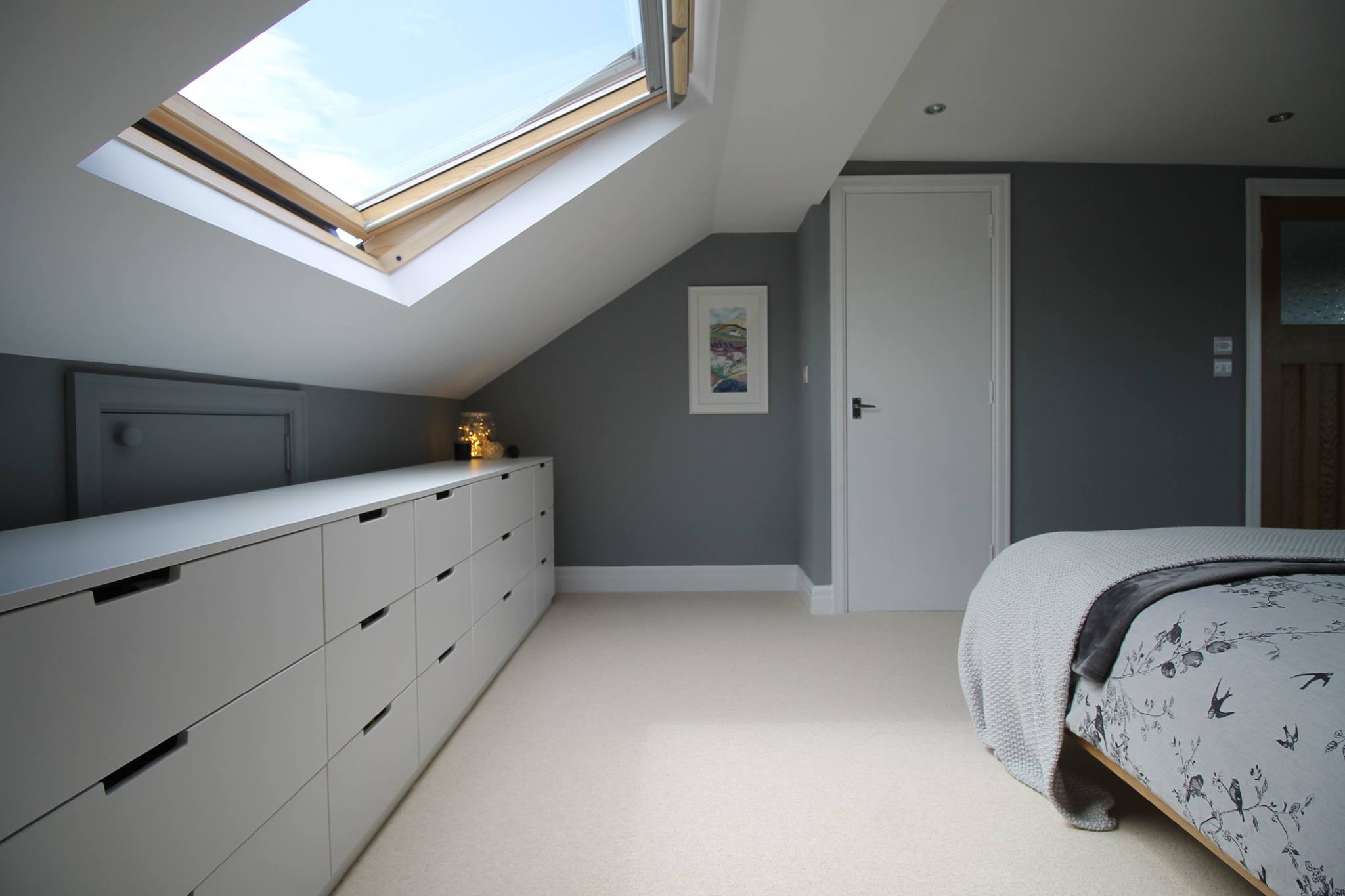
Whether or not you need planning permission for a loft conversion depends on the type of conversion and where it is being carried out. If you are carrying out a simple loft conversion without a roof extension, you will probably not need to apply for planning permission. However, if you are considering extending the roof or converting the space into an additional room, you should apply for planning permission.
Getting planning permission
Getting planning permission for a loft conversion is not always easy. There are a number of rules that must be followed. It can take months to obtain approval. This is especially important if you are planning to sell your home in the future.
If you're unsure about whether or not you need planning permission for your loft conversion, you should ask experts from Loft Conversion Company. You should also check with your neighbors, who may be able to give you more information. You can find more information about permitted development rights at the Planning Portal, or in government guidance.
Most loft conversions are considered permitted development, but there are certain restrictions that apply. For example, a loft conversion can't extend beyond the highest point of the roof, nor can it have more space than the volume allowance for the building. In addition, you can't have raised platforms, balconies or verandahs.
If you need planning permission for your loft conversion, it can take up to eight weeks. You can apply online via the ePlanning website. The process can also be speeded up by using the building notice application. This allows you to avoid detailed drawings, and instead focus on getting an accurate quote for the work.
In most cases, a loft conversion is considered permitted development, but you may need to obtain planning permission if you want to enlarge the roof space. You may also be required to submit a party wall notice, or make a party wall agreement with your neighbours.
You can also get your plans approved if you have listed buildings or if you're in a conservation area.
Can My Neighbour Object to My Loft Conversion?
December 5, 2022
Having a loft conversion is a great way to add extra living space to your home. However, there are some things you should know before you begin. For instance, you should check with your neighbour to see if they have any objections. If they have objections, you can try to work with them to find a solution that will work for both parties.
Party wall agreement
Whether you're a homeowner looking to build a loft conversion or you're a landlord looking to convert a spare room into a bedroom, a party wall agreement can protect your interests and the interests of your neighbours. However, you'll need to follow the correct procedures.
The best way to understand the requirements is to read the Party Wall Act. It applies to any building work that will affect a shared wall. In short, a Party Wall Agreement is required for all work that will affect the shared wall of two properties. It provides a framework for resolving disputes and gives you the chance to avoid disputes in the future.
The Party Wall Act requires you to serve a notice to your neighbours before you begin any work. The notice should give your neighbours the chance to object. Depending on the type of work you are doing, you may need to serve more than one notice. You should also give your neighbours the chance to see and discuss your plans before you actually begin.
If your neighbours agree to the work, you can begin. However, if they object, you may need to hire a surveyor from the loft conversions company We can help you reach an agreement and can also provide a professional opinion on the best way to proceed.
In the event that your neighbours object to your work, you can proceed to mediation. This can be a more efficient and cost-effective way to settle dispute. If you cannot resolve the dispute with mediation, you can consider taking legal action. This may be a costly option.
The Party Wall Act also requires you to serve a notice to your neighbour when you intend to demolish part of the shared wall. If you do not, your neighbour may take legal action. While you're doing this, it's a good idea to take photos of the party wall and the site you're working on to show your neighbours what you're doing.
The Party Wall Act also has a number of other requirements. In addition to the usual notice requirements, you must also serve the same notice to your neighbours two months before you begin your work.
Insulation
Getting a loft conversion can make your home more functional. But there are certain rules to follow to make sure your conversion is successful. You may want to discuss your plans with your neighbours to avoid having any problems.
Loft conversions are usually considered permitted development. But if your conversion includes structural alterations, then your neighbour may have to give their permission. In addition, you will have to follow building regulations to make sure your conversion is safe.
Before converting your loft, you should seek advice from your local planning authority to ensure that you are following the right rules. If you are not sure what you need to do, you can get advice from our architectural team.
Once you have decided on your loft conversion plan, you need to ensure that you are using the right materials. You must also be sure that you have good insulation and that you are installing it properly. You may also need to hire a professional building surveyor from our company.
In the event that your neighbour objects to your conversion, you will need to consider a party wall agreement. This is a legal document that protects your neighbours building rights. It details the terms of the conversion and is signed by both parties.
The Party Wall Act applies to all types of properties. It also provides a framework for preventing and resolving disputes.
If your neighbour objects to your loft conversion, you must discuss the issues with them before serving a party wall notice. This notice will outline your plans and allows your neighbour to raise objections. If you are unable to settle the issue, you may have to take legal action.
Using a party wall surveyor to resolve disputes can be an effective way to avoid costly legal proceedings. The surveyor will assess your situation and provide impartial advice.
If you have used up your permitted development rights, you may have to apply for full planning permission. If you are planning on doing any structural changes to your party wall, you will also need to get written consent from your neighbour.
What is a Party Wall Agreement?
November 11, 2022

What is a Party Wall Agreement?
A party wall agreement is a legal document that individual landowners enter into with their neighbors. These agreements are often helpful in determining when a building was constructed. They are usually signed prior to construction, but they can be entered into years before a building is constructed.
Disadvantages of a party wall agreement
A party wall agreement is an important document that establishes the relationship between two property owners. It can help limit disputes between the owners of two adjacent properties, and in some situations, it can even prevent lawsuits altogether. The agreement is enforceable, and it binds subsequent owners, too. A party wall agreement is a type of covenant that runs with the land, meaning that future owners are bound to meet their obligations. Moreover, this type of agreement gives future buyers the same rights and burdens as the original owners. Regardless of ownership, the rights and burdens are attached to the property, and a party wall agreement can help prevent conflicts.
The benefit of a party wall agreement
The benefit of a party wall agreement is that it prevents expensive litigation. It defines the rules for maintenance and alterations, and it may include regulations for noise. It may also stipulate a waiting period before alterations are permitted. This way, a property owner will not have to worry about a dispute.
Another benefit of a party wall agreement is that it allows the developer to take into consideration the impact of his building work on adjoining properties. The construction of a building can cause major disruption to the neighboring properties. Not only is this potentially damaging for the adjacent property, but it can also incur additional construction costs and professional fees. Therefore, it is important to use this document before starting any construction.
How to serve a party wall agreement
If you're planning to construct or renovate a building that shares a party wall with your neighbors, you need to follow the steps outlined in the Party Wall Act to make sure that all parties are aware of the project. A Party Wall Act notice must be served at least one month before the start of construction or demolition. Depending on the type of work, you may need to give more than one party notice to your neighbors.
It is important to remember that a party wall agreement is a legal document that both parties are legally bound to. It is designed to minimize the chance of future disputes. It can also cover issues such as access to the other unit and repairs. It is vital that the agreement be filed in the real property records of the county, which makes it legally binding.
It is important that you provide your neighbors with the necessary information and architectural drawings. It is also important to note that you can't carry out any work without their written consent. Providing them with the required information and drawings may help you resolve the dispute. It's also a good idea to explain your plans in person to avoid surprises.
Service of documents by hand may be preferred by the owners of adjoining properties. While the Party Wall Act specifies that it must be served personally, this may not be the best option for some neighbors. Serving documents by hand adds a personal touch to the legal process and may even be preferred by those whose relationships with their neighbors are cordial.