Loft Conversion Ideas
Loft Conversion Cost in London: 2026 Guide
January 10, 2026
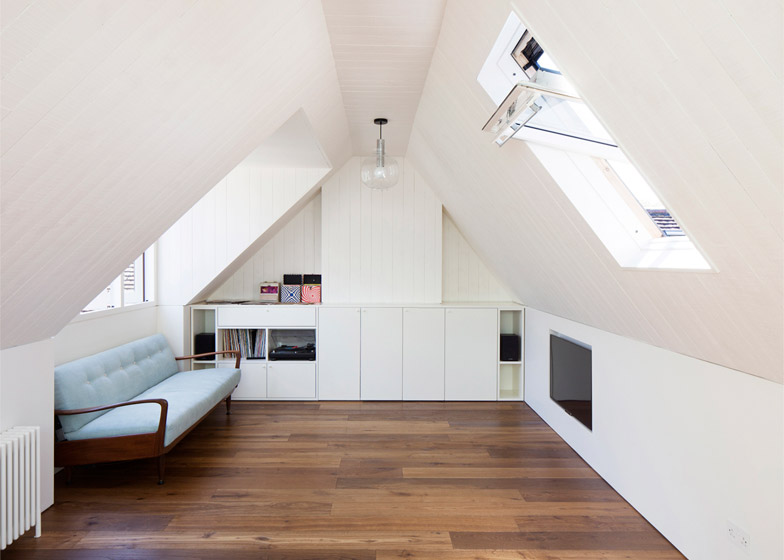
If you are planning a loft conversion in London and want to understand what it actually costs, this guide gives you realistic figures for 2026. Not ballpark estimates that bear little relation to what builders actually quote, but honest numbers based on what London homeowners are paying right now for different types of conversion.
Costs have moved over the past few years. Materials prices have settled after the volatility of the post-pandemic period, but remain higher than pre-2020 levels. Labour costs in London continue to rise. And the additional professional fees, surveys, and approvals that sit alongside every project add more to the total than most people expect.
Here is the full picture.
What drives the cost of a loft conversion in London
Before getting into specific numbers, understanding what actually drives the cost helps you make sense of why quotes vary so much between projects and between contractors.
The type of conversion is the single biggest cost driver. A Velux conversion that keeps the roof structure intact costs significantly less than a dormer that extends it, which in turn costs less than a hip to gable conversion that rebuilds a substantial part of the roof. The structural complexity involved in each type determines how much material, time, and skilled labour is required.
The size of the conversion matters directly. A larger dormer means more structure, more roofing, more internal volume to insulate, plaster, and finish. Every additional square metre adds cost across multiple trades.
The specification of the finish has a larger impact than most people realise. The difference between a mid range and high end finish on flooring, windows, bathroom fittings, joinery, and decoration can easily be £10,000 to £20,000 on the same structural build.
The condition of the existing building creates variation that is harder to predict. Older London homes sometimes have structural conditions that are not visible until the roof is opened. Undersized joists, deteriorated timbers, and improperly executed roof modifications all add to costs when discovered on site.
And London-specific factors, including labour rates that are higher than the national average, the logistics of working on tight urban sites, the cost of waste disposal, and parking restrictions that affect material deliveries, all push costs higher than equivalent work elsewhere in the country.
Velux loft conversion cost in London 2026
A Velux loft conversion keeps the existing roofline intact and adds roof windows flush with the slope. It is the most affordable conversion type and the fastest to build.
For a standard London home in 2026, a fully finished Velux conversion typically costs between £22,000 and £38,000. This covers structural floor strengthening, a new compliant staircase, insulation between and below the rafters, roof windows, first- and second-fix electrics, plastering, and basic decoration.
The lower end of this range reflects a smaller, simpler project on a straightforward London terrace with no complications. The upper end reflects a larger space, higher-specification windows, a more complex staircase, and a higher-quality internal finish.
Adding an ensuite bathroom to a Velux conversion, which is only practical where the floor area is sufficient, typically adds £8,000 to £14,000 to the overall cost, depending on the specification and the extent of the plumbing work.
Our Velux loft conversion guide explains when this type works well and when a dormer is a better investment for your specific home.
Rear dormer loft conversion cost in London 2026
A rear dormer is the most popular loft conversion type in London. It projects outward from the existing roof slope to create full headroom and usable floor space that the existing roof shape would not allow.
A standard rear dormer on a London terrace or semi detached home in 2026 typically costs between £38,000 and £62,000 fully finished. This covers the structural dormer build, roofing and weatherproofing, new staircase, insulation, windows, plastering, electrics, and basic decoration.
A rear dormer with an ensuite bathroom, which is the most common specification for a master bedroom conversion, typically costs between £48,000 and £75,000 fully finished. The ensuite adds plumbing, tiling, sanitaryware, and ventilation to the standard room fit-out.
A larger or wider rear dormer, or one with a higher specification finish throughout, sits at the upper end of this range. A more modest dormer on a smaller property with a straightforward brief sits toward the lower end.
Our dormer loft conversion guide covers the full cost breakdown, what is and is not typically included in builder quotes, and how to compare quotes meaningfully.
L-shaped loft conversion cost in London 2026
An L-shaped conversion combines a rear dormer on the main roof with a second dormer over the back addition, creating a larger and more versatile floor plan than a single dormer alone. It is the conversion of choice for Victorian and Edwardian terraces with a back addition.
An L-shaped loft conversion in London in 2026 typically costs between £48,000 and £72,000 fully finished for the shell and basic fit-out. With a well-specified ensuite bathroom, the total typically sits between £58,000 and £85,000.
The higher cost compared to a standard rear dormer reflects the additional structure required for the back addition dormer, the more complex roofing work at the junction between the two elements, and the greater internal volume to finish.
Our L-shaped loft conversion guide explains how this conversion type works, which homes it suits, and the structural details that make it more complex than a standard rear dormer.
Hip to gable loft conversion cost in London 2026
A hip-to-gable conversion replaces the sloping hip end of a hipped roof with a vertical gable wall extending to the ridge line. It is most common on 1930s semi detached and detached homes in outer London.
A hip to gable conversion on its own in 2026 typically costs between £42,000 and £68,000 fully finished. Most homeowners combine it with a rear dormer at the same time, creating the largest possible usable floor area. The combined hip to gable and rear dormer typically costs between £58,000 and £82,000 fully finished.
With a well-specified master bedroom ensuite, the total for a combined hip-to-gable and rear dormer ranges from £68,000 to £95,000 in most London locations.
Our hip to gable loft conversion guide covers the structural complexity of this conversion type and why the combined approach with a rear dormer delivers the strongest return on investment for homes with hipped roofs.
Mansard loft conversion cost in London 2026
A mansard conversion rebuilds the rear roof slope as a near-vertical wall with a shallow-pitched roof at the top. It creates the maximum possible internal volume of any conversion type and is most commonly seen on Victorian and Edwardian properties in inner London.
A mansard conversion in London in 2026 typically costs between £65,000 and £95,000, fully finished, with higher-specification projects on larger properties exceeding £100,000. The higher cost reflects the extent of roof rebuilding involved, the fact that mansard conversions almost always require full planning permission, and the greater volume of internal work required.
Mansard conversions are not the right choice for every home. They make most sense on inner London terraces where a hip to gable option is not available and the scale of the building suits the more substantial roof alteration.
The additional costs that sit outside the build quote
This is where most homeowners are caught out. The contractor's build quote covers the construction work. It does not automatically include the significant range of additional professional fees and statutory costs that are involved in every loft conversion.
Structural engineer fees in London in 2026 typically run between £600 and £1,800, depending on the complexity of the project. This covers the site assessment, structural calculations, and drawings required for building regulations. Our structural calculations guide explains what the structural engineer does and why their involvement from the earliest stage is essential.
Architectural or architectural technician fees for drawing preparation typically run between £1,200 and £3,500 for a standard loft conversion package covering building regulations and planning drawings where required. Our do you need an architect guide explains the different options and what each one involves.
Building control fees for a standard loft conversion in London typically range from £800 to £1,400, depending on the local authority and the size of the project. This covers the plan check and all site inspections through to the completion certificate.
Party wall surveyor fees depend entirely on whether neighbours consent or dissent. If all neighbours consent, costs are minimal, typically under £500 for agreement preparation. If neighbours appoint their own surveyors, you pay their fees too, which can add £1,000 to £1,500 per neighbour. On a mid-terrace with two neighbours both appointing surveyors, party wall costs alone can reach £3,000 to £4,000. Our party wall agreements guide covers the full process and what to budget for.
Planning application fees in England in 2026 are £258 for a householder application. Professional costs associated with a planning application, including planning drawings and consultant fees if required, typically add £800-£2,000 to this. Our planning permission timeline guide covers when planning permission is needed and what the process involves.
Scaffold costs vary depending on the size of the property and the duration of the project. Some contractors include scaffold in their quote. Many do not. A scaffold for a standard London terrace loft conversion typically costs between £1,500 and £3,000.
VAT at 20% applies to the build cost and most professional fees. Make sure you know whether every quote you receive includes or excludes VAT before you compare figures. On a £55,000 build quote, VAT adds £11,000. The difference between a VAT inclusive and VAT exclusive quote is not a small rounding error.
The Planning Portal provides useful guidance on planning fees and the application process, and GOV.UK building regulations guidance covers the regulatory framework that applies to every conversion.
Contingency: the budget line most people skip
A contingency allowance is mandatory for a loft conversion in an older London home. It is a realistic acknowledgement that older buildings contain surprises that are not visible until the roof is opened and the structure is exposed.
The most common unexpected costs on London loft conversions include additional structural remediation when existing timbers are found to be undersized or damaged, asbestos removal in properties built before the mid-1980s, where asbestos-containing materials may be present in the roof structure, and additional plumbing or electrical work required to bring existing services up to a standard that connects properly to the new conversion.
A realistic contingency for a London loft conversion is 15% of the total build cost. On a £60,000 project that means holding £9,000 in reserve. This is not money you expect to spend. It is money you need to have available if the unexpected occurs, which, on a meaningful proportion of London loft conversions, it does.
The HomeOwners Alliance provides practical guidance on managing building projects and budgeting for contingencies that is worth reading before you start.
Total realistic budgets by conversion type in 2026
Pulling all of this together, here are realistic all-in budgets for each conversion type in London in 2026. These figures include the build cost, all professional fees, building control, a reasonable allowance for party wall costs, VAT, and a 15% contingency.
A Velux conversion with a single room and no ensuite has a realistic all-in budget of £32,000 to £52,000. With a modest ensuite, allow £42,000 to £62,000.
A rear dormer with a bedroom and an ensuite has a realistic all-in budget of £62,000 to £95,000 depending on size and specification.
An L-shaped dormer with bedroom and ensuite has a realistic all-in budget of £72,000 to £105,000.
A hip-to-gable with a rear dormer and ensuite has a realistic all-in budget of £82,000 to £118,000.
A mansard conversion with bedroom and ensuite has a realistic all-in budget of £90,000 to £135,000.
These are honest numbers for London in 2026. They will surprise people who have been working from the headline build costs shown on comparison websites or from quotes that exclude VAT and professional fees. But they reflect what homeowners who have done this recently are actually spending.
Value added versus cost: the London calculation
The reason loft conversions remain popular in London despite these costs is that the value they add consistently exceeds what they cost to build.
A well-executed rear dormer creating a bedroom and ensuite typically adds 15% to 20% to the value of a London property. A hip to gable with rear dormer typically adds 20% to 25%. On a London home worth £700,000 that is between £105,000 and £175,000 in added value.
Even at the upper end of realistic all-in costs, the return on investment is compelling in London. The capital's combination of high property values, strong buyer demand for larger family homes, and significant transaction costs that make moving expensive all combine to make loft conversions one of the most financially rational home improvements available to London homeowners.
Nationwide Building Society's house price data and Rightmove's property trends both provide useful context on London property values by area and property type, which helps you calculate the specific return on investment for your home.
Our loft conversion vs moving house guide runs through the full financial comparison between converting and moving, which consistently favours converting for homeowners who are happy in their location and have a suitable roof.
Getting accurate quotes in 2026
The most reliable way to get accurate quotes is to have proper drawings prepared before you approach contractors. Builders quoting from a design brief or a verbal description cannot give you a reliable number. Builders quoting from detailed architectural and structural drawings can.
Three quotes from experienced London loft conversion specialists, all working from the same drawings, gives you a meaningful basis for comparison. Make sure every quote is itemised and specifies clearly what is and is not included. Confirm whether VAT is included in every quote before you compare figures.
Be wary of quotes that are significantly below the others. As we cover in our most common loft conversion mistakes guide, the cheapest quote is rarely the best value and often reflects scope gaps, specification reductions, or a contractor who will make up the margin through variations once work is underway.
The Royal Institution of Chartered Surveyors provides guidance on finding qualified surveyors and cost consultants who can provide independent cost advice if you want professional validation of the quotes you receive.
The straightforward summary
Loft conversions in London in 2026 cost more than most online guides suggest once you account for all professional fees, VAT, and a realistic contingency. But they also add more value than most people expect, and the return on investment in London remains strong across all conversion types.
Understanding the full cost picture before you start, rather than discovering additional costs as the project progresses, is the foundation of a project that delivers what you expected within a budget you can manage.
At Loft Converter London, we are transparent about costs from the first conversation. We provide fully itemised quotes that include everything required to complete your project to a high standard, with no surprises added once work is underway. If you want to understand what a loft conversion would realistically cost for your specific home, we are happy to start that conversation.
Our loft conversion types guide, building regulations guide, permitted development rules guide, and party wall agreements guide are all useful resources for building your understanding of what is involved before you speak to anyone.
Are Loft Conversions Popular in North West London?
December 15, 2025
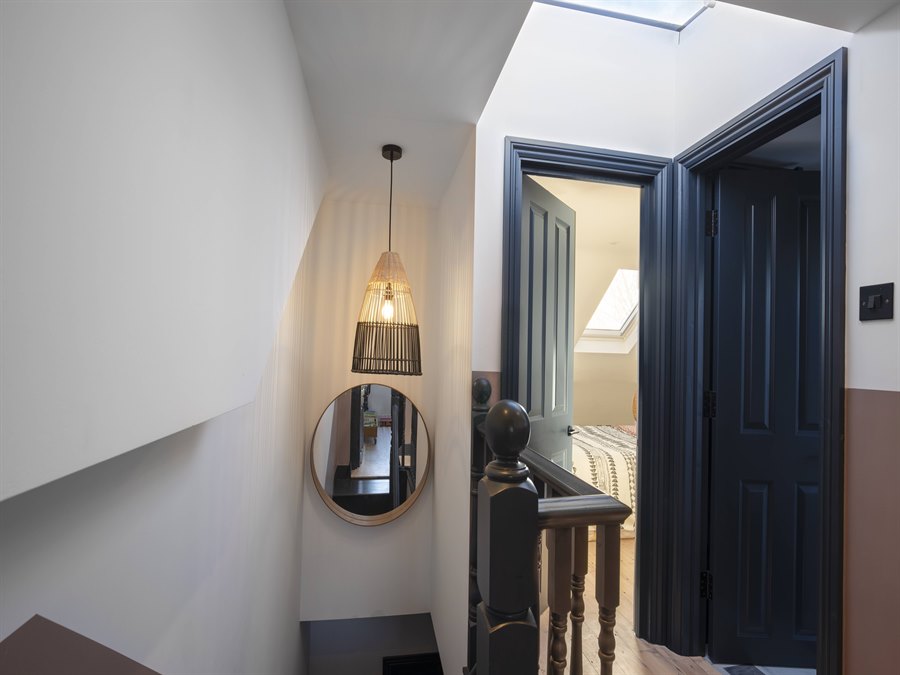
North West London is one of the most active areas in the capital for loft conversions, and it is easy to see why. The housing stock across areas like Barnet, Brent, Harrow, Camden, and parts of Ealing is dominated by exactly the type of properties that convert well. Semi-detached and detached homes from the 1930s, large Victorian and Edwardian terraces, and substantial Edwardian semis all lend themselves naturally to loft conversions that add genuine space and meaningful value.
Add to that the property values across North West London, which make the return on investment from a well-executed conversion particularly strong, and you have a combination of factors that make this one of the busiest areas in London for this type of work.
The housing stock that makes North West London ideal
The reason loft conversions are so popular in North West London comes down to the specific type of homes that dominate the area.
The interwar suburban expansion of the 1920s and 1930s produced large numbers of semi-detached homes across Barnet, Harrow, Brent, and the outer parts of Camden. These homes typically have hipped roofs, generous ridge heights, and loft spaces that respond extremely well to hip to gable conversions combined with rear dormers. The result is often a substantial master bedroom suite that transforms how the property functions for a growing family.
Victorian and Edwardian terraces are concentrated in the inner parts of North West London, particularly across Camden, parts of Brent, and the conservation areas of Barnet. These properties, with their steep-pitched gable-ended roofs, are natural candidates for rear dormers and L-shaped conversions. Many have back additions that create the specific geometry that makes an L-shaped conversion possible, delivering the largest possible loft floor area within the existing roof footprint.
Detached homes, which are more common in North West London than in most other parts of the capital, offer the most flexibility of all. Detached properties can accommodate hip to gable conversions on both end elevations, full-width rear dormers, and, in some cases, combinations of conversion types that create genuinely large additional floor areas.
Property values and return on investment
Property values across North West London make the financial case for loft conversions particularly compelling.
In areas like Hampstead, Highgate, and the more sought-after parts of Barnet, average property values are well above the London median. A well-executed loft conversion adding a master bedroom and ensuite can add between 20% and 25% to a property's value in these locations. On a home worth £900,000, that is £180,000 to £225,000 in added value for a conversion that costs between £55,000 and £80,000 to build.
Even in more moderately priced parts of North West London, such as Harrow, Wembley, and outer Brent, the value uplift from a quality loft conversion consistently outperforms the build cost. The demand for family homes with four or more bedrooms in good school catchment areas is strong and persistent, and buyers pay a premium for the extra bedroom and bathroom that a loft conversion provides.
Our loft conversion vs moving house guide runs through the full financial comparison between converting and moving to a bigger property, which is particularly relevant in North West London where the stamp duty and transaction costs of upsizing are substantial.
Planning rules across North West London boroughs
North West London spans several boroughs, and the planning rules that affect loft conversions vary between them. Understanding the specific rules for your borough before you start planning is important.
The London Borough of Barnet covers a large area of North West London including East Barnet, Finchley, Golders Green, Hendon, and Mill Hill. Most residential properties in Barnet sit outside conservation areas and benefit from standard national permitted development rights. A rear dormer on a standard terrace or semi-detached home in most parts of Barnet will qualify for permitted development provided it meets the volume and height limits. Barnet does have conservation areas, particularly around the historic centres of East Barnet and Hadley, where stricter rules apply.
The London Borough of Brent includes Wembley, Kilburn, Willesden, and Cricklewood. Brent has a number of conservation areas, particularly in the south of the borough, closer to the boundary with Camden, and Article 4 directions that restrict permitted development in certain streets. Checking your specific address on Brent Council's planning portal before assuming permitted development applies is always worth doing.
The London Borough of Harrow covers Harrow on the Hill, Pinner, Stanmore, and Wealdstone among others. Harrow has relatively fewer conservation area restrictions than inner London boroughs, and most standard loft conversions on the dominant 1930s semi-detached stock proceed under permitted development. Harrow on the Hill village is a notable exception with stricter conservation controls.
The London Borough of Camden covers the inner parts of North West London including Hampstead, Belsize Park, Chalk Farm, and Kentish Town. Camden is one of the most restrictive London boroughs for planning purposes. It has extensive conservation area coverage and Article 4 directions across large parts of the borough. Loft conversions in Camden frequently require full planning permission rather than permitted development, and the council's conservation officers apply the rules rigorously. Engaging with Camden's planning department early and getting professional design advice is particularly important in this borough.
Camden Council's planning portal provides detailed information about conservation areas, Article 4 directions, and local planning policies relevant to loft conversions.
Our permitted development rules guide explains the national framework that applies across all boroughs, and our conservation area guide covers the additional restrictions that apply in sensitive locations like much of Camden.
The most popular conversion types in North West London
The dominant housing type in each part of North West London shapes which conversion types are most commonly built.
Hip to gable conversions combined with rear dormers are the most popular choice across the 1930s semi detached stock that dominates Barnet, Harrow, and Brent. These properties have hip roofs, making a hip-to-gable conversion the most space-efficient option, and the combination with a rear dormer creates a substantially larger and more valuable loft than a dormer alone.
Our hip-to-gable loft conversion guide covers this conversion type in detail, including costs, planning considerations, and the structural work involved.
Rear dormers and L-shaped conversions are the most common choice on the Victorian and Edwardian terraces of inner North West London. These properties have gable-ended roofs that do not benefit from a hip to gable conversion, but their steep pitch and often generous ridge height make them excellent candidates for rear dormers and L-shaped conversions that create large, well-lit loft rooms.
Our L-shaped loft conversion guide explains why this conversion type works so well on Victorian and Edwardian terraces and what it involves in terms of cost, structure, and planning.
Velux conversions are popular across North West London where budget is the primary consideration or where the existing loft already has excellent natural height. Many 1930s semis in Barnet and Harrow have ridge heights that make a Velux conversion a genuinely viable option, particularly for a study or single bedroom rather than a master suite.
Our Velux loft conversion guide covers when this type works well and when a dormer is the better investment.
Conservation areas and listed buildings in North West London
North West London has a varied landscape of conservation areas. Camden's extensive designations are well known and significantly affect what is permissible on residential properties across much of the inner borough. But other North West London boroughs also have conservation areas that are worth being aware of.
Hampstead Garden Suburb, which straddles the boundary between Barnet and Camden, is one of the most strictly controlled residential areas in London. It is a designated conservation area with specific design guidance, and the Hampstead Garden Suburb Trust has additional oversight powers over external alterations. Loft conversions in Hampstead Garden Suburb require full planning permission, sympathetic design, and careful engagement with both the local authority and the Trust before any work proceeds.
Hampstead Garden Suburb Trust publishes detailed guidance on acceptable roof alterations and extensions, essential reading before pursuing a loft conversion in this area.
Pinner village in Harrow, Stanmore town centre, and parts of Finchley in Barnet all have conservation area designations that restrict what permitted development allows. Golders Green and parts of Hendon have specific streetscape characteristics that local policy seeks to protect.
If your property is listed, which a small but significant number of North West London homes are, the rules are more demanding still. Listed building consent is required for any structural alterations, regardless of whether planning permission is needed, and the design must preserve the special character of the building.
Historic England's National Heritage List allows you to check whether your property is listed before you proceed with any plans.
The loft conversion process in North West London
The process for a loft conversion in North West London follows the same stages as anywhere else in London, but the specific timeline and requirements vary depending on which borough you are in and whether planning permission is needed.
For a standard permitted development conversion in Barnet or Harrow, the overall timeline from appointing a designer to moving into the finished room is typically five to seven months. For a conversion requiring full planning permission in Camden or a conservation area application elsewhere in the borough, seven to ten months is more realistic.
Building regulations apply to every conversion regardless of borough or planning status. Party wall notices are required wherever work affects or is close to a shared wall. The structural engineer assessment and calculations are a fundamental part of every project.
Our how long does a loft conversion take guide covers the realistic timeline for each stage of the process in detail.
Finding the right contractor in North West London
North West London is well served by loft conversion specialists, but the variation in quality and experience between contractors is significant. Choosing the right contractor matters enormously and the guidance that applies across London applies here equally.
Get three properly itemised quotes. Check insurance and accreditation. Ask for references from completed projects in the area and follow them up. Look for a contractor who has specific experience with your conversion type and your borough's planning requirements.
The Federation of Master Builders member search allows you to find vetted contractors in specific areas of London. The TrustMark scheme provides another route to finding government endorsed tradespeople who have met quality and trading standards.
Our most common loft conversion mistakes guide covers the contractor selection errors that most frequently cause problems on loft conversion projects and what to look for when evaluating quotes and contractors.
What North West London homeowners typically achieve
The results achievable through a well-executed loft conversion in North West London are genuinely impressive, given the housing stock available.
A 1930s semi-detached home in Barnet or Harrow that starts with a hipped loft and limited usable space can typically gain a 30 to 45 square metre master bedroom suite through a hip-to-gable with a rear dormer conversion. A Victorian terrace in inner North West London can gain a similarly generous L-shaped loft room. And even a more modest Velux conversion on a property with good natural ridge height creates a useful additional room at a cost hard to match with any other type of home improvement.
The combination of North West London property values, the suitability of the dominant housing types for conversion, and the strong demand from buyers for homes with extra bedrooms makes loft conversions one of the most financially rational home improvements available to homeowners in this part of London.
The straightforward summary
Loft conversions are popular in North West London because the housing stock is well-suited, the property values make the return on investment compelling, and the demand for larger family homes in the area is consistently strong.
The specific rules, costs, and conversion types that make sense depend on your borough, your property type, and what you are trying to achieve. Getting these factors right requires local knowledge and professional input from the design stage.
At Loft Converter London, we work extensively across North West London and understand the specific characteristics of the housing stock, the planning requirements of each borough, and the design approaches that work best for the properties in this part of the capital. If you are considering a loft conversion in North West London and want to understand what is possible for your home, we would be happy to start that conversation.
Our loft conversion costs page, loft conversion types guide, and building regulations guide are useful starting points as you continue to build your understanding before speaking to anyone.
Hip to Gable Loft Conversion Cost in London Explained
July 29, 2024
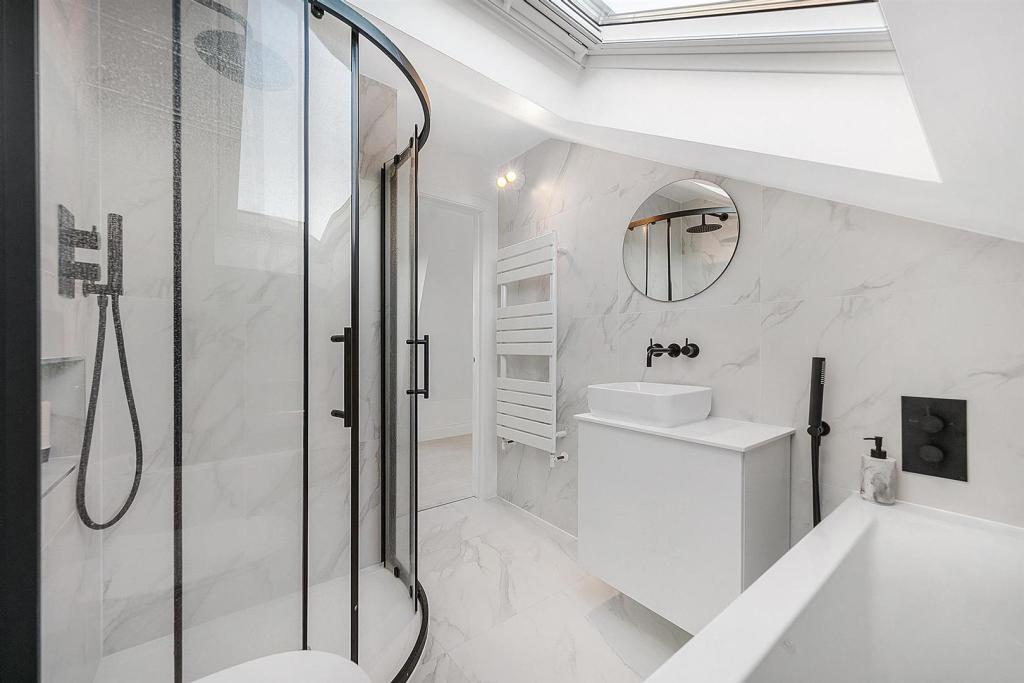
If you live in a detached or semi-detached home in London, there is a good chance your roof has a hipped end. That sloping side means your loft loses a significant amount of usable space compared to a house with a straight gable wall.
A hip-to-gable conversion fixes that. It extends the sloping hip end outward to create a vertical gable wall, thereby dramatically increasing the floor area and headroom in the loft.
It is one of the more substantial types of conversion, but for the right home, it transforms what is possible in the space.
How it works
On a standard hipped roof, all four sides slope downward. The two shorter ends, the hips, cut into the loft space at an angle, leaving awkward triangular corners that are largely unusable.
A hip-to-gable conversion removes that sloping end and replaces it with a straight vertical wall extending to the ridge line. The result is a much squarer, more usable room.
On a semi-detached home, this is done on the outward-facing side, not the party wall side. On a detached home, it can be done on either or both ends.
It is often combined with a rear dormer, creating a substantial amount of new space across the entire upper floor. If you want to understand how these two types work together, our loft conversion types guide explains the different combinations clearly.
What does it cost in London?
A hip-to-gable conversion in London typically costs between £40,000 and £65,000, fully finished. If you add a rear dormer at the same time, which most people do, the combined cost usually sits between £55,000 and £80,000.
The higher cost compared to a simple Velux or basic dormer reflects the structural complexity involved. You are removing part of the existing roof, building a new gable wall, and extending the roof covering. That requires more materials, more time, and more skilled labour.
What drives the final number up or down includes the size of the hip end being converted, whether you are combining it with a dormer, the finish specification inside, and the complexity of the steelwork required.
For a full picture of what sits on top of the build cost, our loft conversion budgeting guide covers the additional fees, surveys, and hidden costs that apply to most London conversions.
Does it need planning permission?
This is where hip-to-gable conversions differ from a standard rear dormer.
In many London boroughs, hip-to-gable conversions fall outside permitted development. Because the change alters the roof's external appearance on a visible side of the property, some councils require a full planning application.
This is not universal. Permitted development rules allow hip-to-gable conversions in many cases, provided the total volume added does not exceed 40 cubic metres for a terraced home or 50 cubic metres for a detached or semi-detached property, and certain other conditions are met.
But conservation areas, Article 4 directions, and local borough policies can all restrict what is allowed without permission. Some London boroughs are stricter than others, and it is always worth checking before assuming you can proceed without an application.
A planning application incurs fees of roughly £800 to £1,500 and typically takes eight to twelve weeks to decide. Factor that into your timeline if required.
What about party wall agreements?
On a semi-detached home, the hip end you are converting sits away from the shared wall, so the conversion itself may not trigger party wall obligations. But if a rear dormer is being added at the same time, and that work is close to or on the party wall, notices will likely be required.
Our loft conversion budgeting guide covers party wall costs in more detail, including what happens when neighbours appoint their own surveyor.
How much value does it add?
A hip-to-gable conversion, particularly when combined with a rear dormer, creates some of the largest usable floor areas of any loft conversion type. More usable space means more value, and in London, that relationship is fairly direct.
Most agents and surveyors report that a well-executed hip-to-gable with a rear dormer adds between 20% and 25% to a property's value in London. On a £700,000 semi-detached home, that is £140,000 to £175,000 in added value.
Even at the higher end of build costs, the numbers make a strong case for this type of conversion in London, where space is at a premium, and buyers pay accordingly for extra bedrooms and bathrooms.
Is your home suitable?
Not every hipped roof is a straightforward candidate. The height of the existing ridge line matters, as does the roof pitch and the span of the hip end being extended.
Some older London homes have complex roof structures with multiple hips, valleys, and other features that complicate construction. A structural engineer will identify these early and give you a realistic picture of what is involved before you get builder quotes.
It is also worth checking the ridge height at the hip end, specifically, as this determines how much usable space is actually gained once the conversion is done. Our loft suitability guide helps you understand what to look for before speaking to builders or engineers.
What the build process looks like
A hip-to-gable conversion is more disruptive than a Velux conversion but is broadly similar in duration to a standard dormer. Most projects run between ten and sixteen weeks from start to finish.
The sequence typically starts with scaffolding, followed by the removal of the existing hip tiles and structure, the construction of the new gable wall, and then the roofing work to tie everything together. Internal work follows once the structure is weathertight.
Because the roof is partially open during the structural phase, weather matters. Good builders will time this work carefully and have plans in place to protect the building during that period.
The straightforward summary
A hip-to-gable conversion is not the cheapest option, but for detached and semi-detached homes in London, it is often the most transformative. It turns a cramped, awkward loft into a proper full-width room, and when combined with a rear dormer, it can add as much usable space as a full-floor extension at a fraction of the disruption.
If you are in a semi-detached or detached London home with a hipped roof and need more space, this is one of the strongest value-adds available to you.
The first step is finding out whether your roof is suitable and what planning rules apply in your borough. Start with a structural engineer visit and a quick check with your local planning authority, or speak to a specialist who knows your area well.
If you are still comparing your options, our Velux vs dormer guide and loft conversion costs page are good places to build your understanding before committing to anything.
Velux Loft Conversion Cost vs Dormer: Which Is Better Value?
June 25, 2024
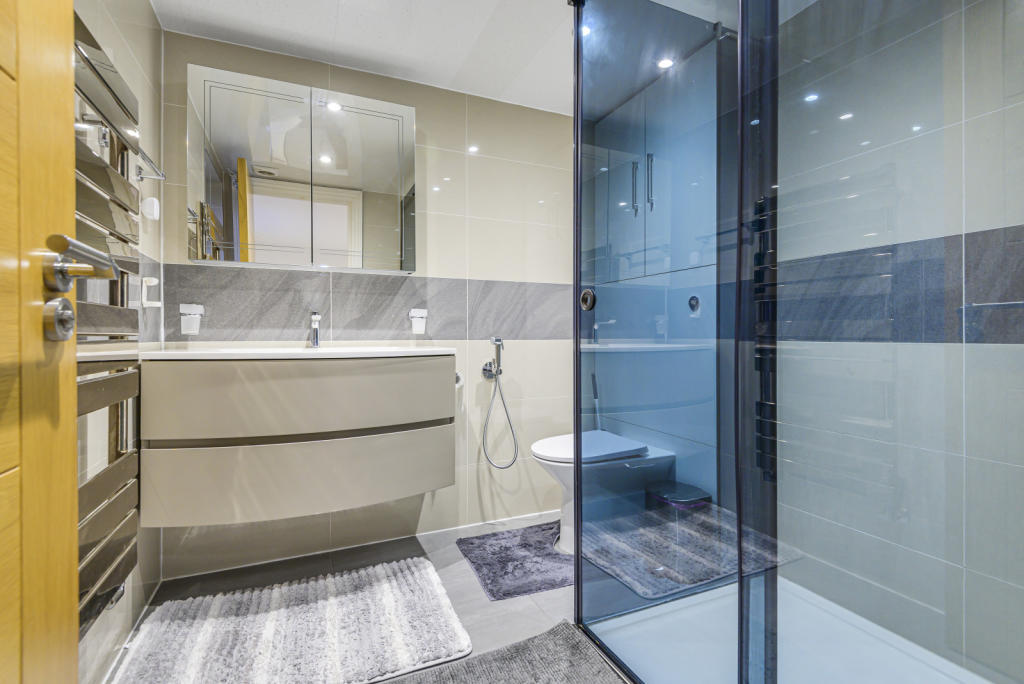
If you are looking at converting your loft, these are the two most common options you will come across. Both add usable space. Both are popular in London. But they work differently, cost differently, and suit different homes.
Here is a clear comparison to help you decide which makes more sense for your situation.
What is a Velux loft conversion?
A Velux conversion, sometimes called a roof light conversion, is the most straightforward type. It keeps the existing roofline completely intact and simply adds windows flush into the roof slope.
Because you are not changing the roof structure, the build is faster, cheaper, and less disruptive. It is also more likely to fall under permitted development, meaning no planning permission is required in most cases.
The trade-off is headroom. You are working entirely within the existing roof space, so the usable floor area is limited to wherever the ceiling height is tall enough to stand or sit comfortably. In many London terraces and semis, that means a smaller usable room than people expect.
What is a dormer loft conversion?
A dormer extends outward from the existing roof slope, creating a vertical wall and a flat or pitched roof section. This dramatically increases both headroom and floor space compared to a Velux conversion.
Most dormers are built at the rear of the property. A rear dormer is the most common loft conversion in London because it maximises space, typically falls under permitted development, and does not affect the home's street appearance.
The build is more complex than a Velux conversion, which means it costs more and takes longer. But the space you gain is considerably greater.
If you want to understand the full range of conversion types before deciding, our loft conversion types guide covers everything from hip to gable and mansard options too.
The cost difference
This is where most people start, so here are realistic London figures for both.
A Velux loft conversion typically costs between £20,000 and £35,000 fully finished. The lower cost reflects the simpler build, less structural work, and shorter programme. You are essentially fitting windows, insulating, boarding out, adding a staircase, and finishing the space.
A dormer loft conversion typically costs between £35,000 and £60,000 fully finished. The additional cost covers the structural extension of the roof, new external walls, weatherproofing, and the extra internal volume that needs insulating, plastering, and finishing.
For a full breakdown of what drives these numbers, our loft conversion budgeting guide covers the hidden costs that sit on top of both types.
The value each one adds
Cost is only part of the equation. What matters is what you get for the money and what it does to your property value.
A Velux conversion adds value, but less than a dormer in most cases. Because the usable floor space is smaller, it is harder to fit a proper bedroom and ensuite, which is what buyers pay a premium for.
A dormer, particularly a rear dormer with a bedroom and bathroom, consistently adds more value in London. Agents and surveyors generally report that a well built dormer adds 15% to 25% to a property's value, which on most London homes means the conversion pays for itself and then some.
If the goal is maximising return on investment, the dormer wins for most London homes, even though it costs more upfront.
Which is better for your home?
The honest answer is that it depends on your roof.
A Velux conversion works well when the existing loft already has reasonable height throughout, typically a ridge height of at least 2.2 metres, and the floor area is large enough to create a comfortable room. It is also a good option when budget is the primary constraint or when planning restrictions make structural changes difficult.
A dormer makes more sense when headroom is limited, when you want to fit a bedroom and bathroom, or when you want to maximise the value added to the property. For most standard London terraces and semis, a rear dormer is simply the more practical and more valuable option.
The key question is whether your existing roof space has enough natural height. If it does, a Velux conversion can be excellent value. If it does not, you will be disappointed with the result and a dormer is worth the additional cost.
Our loft suitability guide helps you understand what your existing roof space can realistically support before you commit to either route.
Planning permission considerations
Both types usually fall under permitted development for rear extensions, but there are exceptions worth knowing about.
Velux conversions almost always qualify for permitted development because they do not alter the roofline. Rear dormers also typically qualify, provided they do not exceed certain size limits and you are not in a conservation area or a borough with additional restrictions.
Front dormers almost always require full planning permission, which adds cost and time. If you are in a conservation area, even rear dormers may need an application.
It is always worth checking with your local authority or speaking to a planning consultant before assuming permitted development applies to your specific property.
The straightforward verdict
If your budget is tight and your loft already has reasonable height, a Velux conversion offers solid value and a faster, cleaner build.
If you want to maximise space, create a proper bedroom and bathroom, and get the strongest return on your investment, a dormer costs more but delivers more. For most London homes, the extra spend is justified by the extra value it creates.
The best way to know for certain is to get a structural engineer to assess your roof space first. It costs a few hundred pounds and tells you clearly which route is actually viable for your home, before you spend time and money getting quotes for something that may not work.
What can your Loft be used for?
July 29, 2023
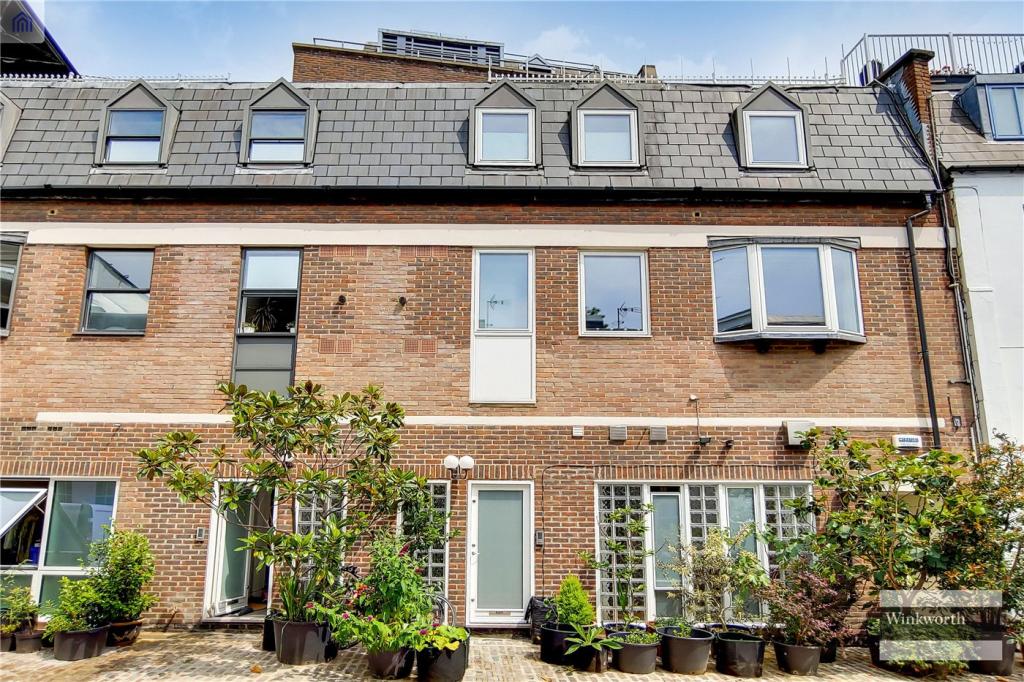
Home Office or Kids Playroom in your Loft?
Did you know the loft is one of the perfect locations for your Home office? If you do not want to add an extra bedroom in the loft but you work from home then the best alternative will be a " home office". Like all offices, you want to keep your office full of natural light and this can be done via some fantastic skylights, which will bring you natural light. In our opinion, go for the light colored blinds as they will still let some light through even when closed which will allow you to work effectively when the sun sets. The home office loft conversion will make use of the areas around the sloped ceilings in the most productive way. You can have built-in storage on the sides and your desk close to the skylight. On the other side, lofts make great kids bedrooms, playrooms as the extra space are just perfect for kids and teens.
Dresser / Walk-in Wardrobe in your Loft
A loft conversion can give you lots of space and ideas that you can implement. if you always wanted a walk-in Wardrobe but space was little around your room then why not have your very own walk-in wardrobe. We can make use of the space in the eaves with built-in storage which will solve the problem of the awkward sloping roof. You can add a large skylight above your dresser or walk-in wardrobe positioning it in such a way that it gives you the most natural light. We absolutely love the concept of having a master bedroom in the loft with this walk-in wardrobe concept. For those people who do not have space in the loft for a dresser or walk-in wardrobe, they can opt for an open wardrobe or clothes rack that will dramatically reduce the amount of space required.
How to utilise the Eaves Space in your Loft?
There are quite a few difficult spaces in the Loft conversion, not more so than the eaves. If you are designing a bathroom for the loft and want to find a solution to make use of the awkward space, do consider implementing a handy recess into the eaves. This will make the most of the space which otherwise would have been wasted. The eaves area is also best suited for building the toilet and bath. As you might be aware by now that, by undertaking loft conversion, we need to embrace the awkward spaces that come with it and utilise them in a creative and practical way. For example, add shelves or a desk into that corner which seems difficult, add cupboards custom-made to match the slanted roof, which will give you a brilliant storage solution, and at the same time it will maximise your internal space.
Additional Features and Their Associated Costs
When it comes to loft conversions, there are many additional features that can be added to create an even more luxurious and functional space. Some of these features include Skylights, Velux windows, en-suite bathrooms, kitchenettes, and home offices. These features can add significantly to the overall cost of a loft conversion but they can also add tremendous value and functionality as well.
Planning And Budgeting Tips For Getting The Most Out Of Your Project
When it comes to planning and budgeting for a loft conversion, the key is to plan ahead. Start by researching different types of conversions and get an estimate on the cost associated with each one. Additionally, look into ways you can save money on materials and labor costs before starting the project. Finally, make sure to create a detailed budget and plan for the project before beginning any work. This will help ensure that you get the most out of your project.
Importance of Lighting in Lofts
June 20, 2023
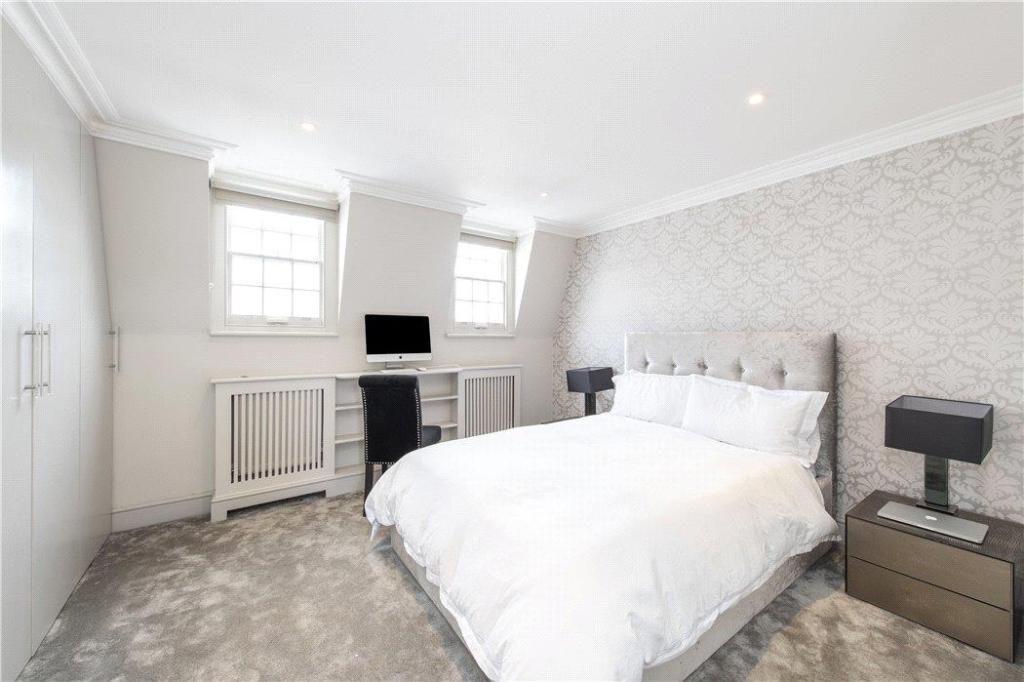
Skylights/Rooflights
The ideal method is to use skylights/rooflights that follow the pitch line of the roof. This is fitted by removing the tiles and battens where the skylight will be fitted. The skylight frame is fitted and the surrounding tiled to a good finish. Such type of window is the most cost-effective and no permission is required to install it. You need to take time out to have a think about how you want your windows in your Loft conversion. Think about the size and where do you want to position them as this is an important factor that can determine how much light you get into your loft. The general rule states that window glazing should make up at least 20% of the loft area, that is if you are very keen on natural light.
Dormer Windows
Dormer windows add the much needed space to your loft conversion, in addition to giving natural light. Dormer windows are most effective when the pitch angle is high, as this way the internal floor area can be increased. The mansard conversion type will give the most converted roof space because it projects the maximum available head space, this providing a bigger usable internal floor area. The hip to gable conversion will also have a similar effect.
Do you know that the position of the windows will help us decide what sort of roof shape to go for?
For instance, a long, shallow room will benefit from windows that are equally spaced along its length, whereas a narrow deeper room can benefit from just one big window. As all rooms vary in size and shape, you have to take time to consider what type of window will be most apt for your loft conversion. Grant Sneddon, who is a daylight window expert at Velux says " A top-hung alternative whereas the window is just within an arm's reach gives a better view and more headspace too. He further adds that the center-pivot window, that is operated by a rod or electronically is best if the window is out of reach. All in all, before you start bringing your loft to life, take time about to decide about what window you want and where do you want to place it.