Loft Conversion Tips
What Are the Most Common Loft Conversion Mistakes?
November 20, 2025
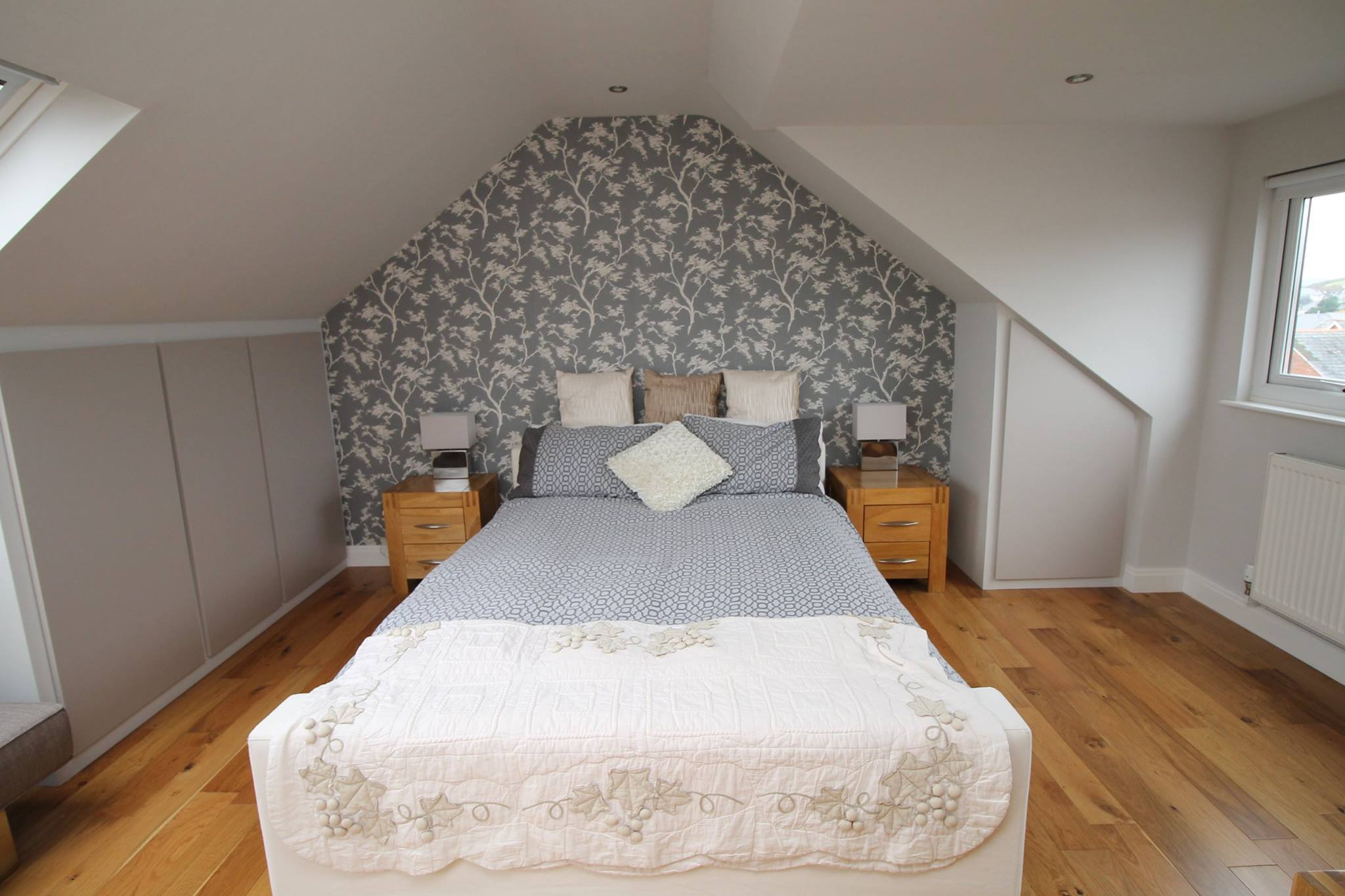
A loft conversion is one of the biggest investments a London homeowner makes. Most go well. But a meaningful number run into problems that were entirely avoidable, and the pattern of mistakes that cause those problems tends to repeat itself across projects.
Understanding what goes wrong, and why, is one of the most useful things you can do before you start.
Choosing the cheapest quote
This is the most common and most costly mistake on loft conversions in London. The temptation to go with the lowest price is understandable when quotes can vary by £15,000 or more on the same project. But the lowest quote is almost never the best value.
Cheap quotes are cheap for a reason. They typically reflect one or more of the following: materials being substituted for lower quality alternatives, labour being underpriced because experience is lacking, items being omitted from the scope that will be charged as extras once work is underway, or corners being cut on the things that are hardest to see once the walls are plastered and the roof is covered over.
The things that get cut on a cheap loft conversion are often the things that matter most. Inadequate structural steel. Insufficient insulation depth. Poor waterproofing at the dormer junction. Substandard fire door installation. These are not aesthetic failures that you can fix later. They are safety and compliance failures that can cost significantly more to remediate than the saving made by choosing the cheaper contractor in the first place.
Get three properly itemised quotes. Make sure each one covers the same scope. Understand what is and is not included before you compare the numbers. The Federation of Master Builders maintains a directory of vetted contractors and provides guidance on what a proper building contract should include, which is a useful reference when evaluating quotes.
Not checking whether a contractor is properly insured and accredited
Appointing a contractor without checking their insurance and accreditation is a risk that exposes you to significant financial liability if something goes wrong.
A reputable loft conversion contractor should carry public liability insurance, employers liability insurance, and ideally a structural warranty or latent defects insurance that covers the building for ten years after completion. Ask for evidence of these before you sign a contract. A contractor who is reluctant to provide this information is not a contractor you should be working with.
Membership of a recognised trade body is not a guarantee of quality but it is a reasonable indicator that a contractor has met minimum standards and has access to a dispute resolution process if things go wrong. The National Federation of Builders and the Federation of Master Builders are both recognised bodies with member directories and codes of conduct.
Skipping the structural engineer
Some homeowners, and some less scrupulous contractors, try to proceed without appointing a structural engineer, relying instead on the contractor's own judgment about what the structure needs.
This is a serious mistake. A structural engineer is not just a box ticking exercise for building regulations. They are the person who confirms that the floor can carry the loads it will be subjected to, that the steel beams are the right size and in the right positions, and that the existing structure is sound enough to proceed without remedial work.
Without proper structural calculations, you have no way of knowing whether the building is safe. Building control will require structural calculations as part of the approval process, but an engineer who is engaged properly from the design stage adds far more value than one who is brought in at the last minute to produce numbers that justify decisions already made.
Our structural calculations guide explains what the structural engineer assesses and why their involvement from the earliest stage is fundamental to a safe and compliant conversion.
Serving party wall notices too late
Party wall notices have a mandatory two month notice period. This is fixed by law and cannot be shortened regardless of how urgent your project feels or how accommodating your neighbour is.
The mistake almost everyone makes is leaving party wall notices until the build is about to start. By that point, the two month notice period pushes the start date back by two months, or in a worst case scenario where the neighbour dissents and surveyors need to be appointed and an award agreed, potentially longer.
Serving notice at the same time drawings are being prepared, which is typically two to three months before you plan to start on site, means the notice period runs concurrently with the design and approvals process rather than adding to it.
Our party wall agreements guide covers the full process and the timelines involved.
Underestimating the total budget
Headline build quotes for loft conversions rarely tell the whole financial story. The additional costs that sit outside the build quote are real, predictable, and consistently underestimated by homeowners who are planning their first conversion.
Structural engineer fees, building control fees, architect or architectural technician fees, party wall surveyor fees, scaffolding if not included in the build quote, and VAT if not clearly stated all add to the total. In London these additional costs typically run between £5,000 and £12,000 on top of the build quote depending on the project type and complexity.
Then there is contingency. A realistic contingency allowance for a loft conversion in an older London home is 15% of the build cost. Unforeseen structural conditions, additional works that become apparent once the roof is opened, and variations to the original scope all draw on this reserve. Building it in from the start is not pessimism. It is honest budgeting.
Our loft conversion budgeting guide covers all of these costs in detail so you can build a realistic total budget before you commit to anything.
Getting the staircase wrong
The staircase is one of the most consequential design decisions in a loft conversion and one of the most commonly handled poorly. It affects building regulations compliance, the usable floor area in the loft, and how much space is lost on the floor below.
The most common mistake is not thinking about the staircase until the rest of the design is fixed, then trying to fit it into whatever space remains. A staircase that does not meet building regulations will not get sign off. A staircase that works technically but lands in the wrong position in the loft ruins the floor plan. And a staircase that takes too much from the floor below destroys a room that was previously useful.
The staircase position needs to be the first design decision, not the last. Work out where it can go on the floor below, what that means for the room it takes space from, and where it arrives in the loft before anything else is fixed. An experienced architect or designer who has solved this problem many times on similar properties will reach the right answer faster and with fewer compromises than one who treats it as a secondary consideration.
Ignoring fire safety requirements
Fire safety requirements for loft conversions are not optional, and they are more demanding than many homeowners and some contractors appreciate. Adding a habitable room at the top of a two storey house creates a three storey building, and the fire safety requirements for a three storey dwelling are meaningfully stricter than for a two storey one.
A protected escape route from the loft down to the ground floor exit is required. In most cases this means fire doors on all rooms that open onto the staircase on every floor. Mains wired interlinked smoke alarms on every floor. And the staircase itself being enclosed rather than open to the living areas.
The London Fire Brigade publishes specific guidance on fire safety in loft conversions that is worth reading before you start. Building control will assess fire safety compliance during inspections, but understanding the requirements from the outset means they are designed in rather than retrofitted at extra cost.
Choosing the wrong conversion type for the home
Not every conversion type suits every home, and choosing the wrong one wastes money or delivers a disappointing result.
A Velux conversion on a home with insufficient ridge height creates a cramped, unusable space. A rear dormer on a home with a hipped roof misses the opportunity to unlock the space that a hip to gable conversion would create. A conversion designed without proper thought about how the room will function produces a technically compliant space that nobody wants to spend time in.
The right conversion type for your home depends on the roof type, the existing ridge height, the floor plan of the house below, the planning constraints of your area, and what you actually need the space for. Getting this decision right requires an honest assessment of all of these factors before committing to a design direction.
Our loft conversion types guide covers the main options and what each one suits, and our loft suitability guide helps you assess your specific home before approaching anyone.
Not getting building regulations sign off
Building regulations completion certificates are required for every loft conversion. They are not an optional administrative step and they cannot be backdated or obtained retrospectively without significant cost and complication.
A loft conversion without building regulations sign off is a liability that will come to light when you sell the property. The buyer's solicitor will ask for the completion certificate. Without it, the sale can fall through or you will be required to take out indemnity insurance, which covers legal risk but does not confirm the building is safe.
Some contractors, particularly those working at the cheaper end of the market, are careless about managing the building control process. They miss inspection stages, fail to get the right sign offs at the right times, and deliver a finished project without the completion certificate that confirms it is compliant.
Ask your contractor explicitly about their building control process before you appoint them. How do they manage inspection stages? Who is responsible for liaising with the building control body? What happens if an inspection raises an issue? A contractor with a clear, confident answer to these questions has done this properly before.
Overlooking insulation quality
Insulation in a loft conversion affects comfort, energy bills, and building regulations compliance. It is also one of the things that is hardest to check once the walls and ceilings are plastered, which makes it a tempting area for contractors to cut corners.
Inadequate insulation depth, gaps around structural elements where cold bridges form, and missing vapour control layers all create problems that are expensive to fix after the fact. An inadequately insulated loft room will be cold in winter and overheated in summer regardless of how well it is decorated.
The Insulation Manufacturers Association provides useful guidance on insulation standards and what to look for when specifying insulation for a loft conversion. Making sure your drawings specify insulation to the required standard, and asking your building control inspector specifically about insulation at the relevant inspection stage, are the two most effective checks available to you.
Designing without thinking about natural light
A loft bedroom or living space that is dark feels oppressive regardless of how well it is finished. Natural light in a loft conversion is not just a design preference. It affects how the space feels to live in every day and it affects the value the conversion adds to the property.
The mistake is treating windows as an afterthought rather than a fundamental design element. How many roof lights? Where are they positioned relative to the bed and the desk? Do they provide cross ventilation or just light? What direction do they face and how does that affect solar gain in summer?
These decisions need to be made at the design stage when they can be designed in properly, not at the fit out stage when the structural openings are already fixed. Velux has a useful inspiration section on their website specifically for loft conversion bedroom ideas, including guidance on window placement and the effect of different configurations on how the space feels.
Rushing the design stage
The design stage is where the most important decisions are made and where mistakes are cheapest to fix. Changes made on paper cost nothing. Changes made on site, after structural elements have been built, cost significantly.
Rushing the design to get on site faster is one of the most common causes of expensive mid-build variations. An incomplete or poorly considered design leaves decisions to be made under time pressure during the build, when the right answer is harder to find and the cost of implementing it is higher.
Take the time to get the design right. Work through the staircase position, the window configuration, the ensuite layout, and the storage design before drawings are finalised. Ask your designer to walk you through every decision and make sure you understand the implications of each one. The extra weeks spent on a thorough design process pay back many times over during the build.
Not reading the contract properly
A building contract is a legal document that defines what you are paying for, what the programme is, what happens when things go wrong, and what the process is for managing variations and disputes. Not reading it properly before signing is a mistake that leaves you exposed.
Key things to check include the scope of works and what is explicitly excluded, the payment schedule and whether it is linked to stage completions, the process for agreeing variations and how they are priced, the defects liability period and what it covers, and the dispute resolution process if disagreements arise.
The JCT Minor Works Building Contract is a widely used standard form for residential building projects in the UK and provides a fair and well understood framework for both parties. A contractor who insists on using only their own bespoke contract terms and resists any standard form is worth approaching with caution.
The straightforward summary
Most loft conversion mistakes are predictable and preventable. They cluster around the same areas: choosing contractors on price alone, skipping professional input at the design and structural stages, leaving party wall notices too late, underestimating the full budget, and rushing decisions that need proper thought.
The homeowners who avoid these mistakes are not the ones who are luckier or more experienced. They are the ones who take the time to understand what is involved before they commit, appoint the right professionals, and treat each stage of the process with the attention it deserves.
At Loft Converter London we have seen the consequences of these mistakes on projects that come to us for remediation, and we build our process specifically to prevent them from happening on the projects we manage from the start. Getting it right first time is always less expensive than fixing it afterward.
If you are at the early stages of planning, our loft conversion costs page, permitted development rules guide, and how long does a loft conversion take guide are useful starting points before you speak to anyone.
Can You Live in Your Home During a Loft Conversion?
November 3, 2025

This is one of the most practical questions people ask before committing to a loft conversion. The short answer is yes, most families in London stay in their home throughout a loft conversion. But it is worth being honest about what that actually involves before you decide.
The honest reality
A loft conversion is one of the least disruptive types of home improvement in terms of impact on daily living. The work is happening above the existing living space, the ground floor and first floor remain largely intact and usable throughout, and the most disruptive phase, when the roof is being opened up and the structure is being built, typically lasts only two to three weeks.
That said, living through any building project involves noise, dust, tradespeople coming and going, and a degree of disruption to your daily routine. Being realistic about this before you start means you can plan around it rather than being surprised by it.
The most disruptive phase
The structural phase at the beginning of the build is when things are loudest, most disruptive, and most weather-dependent. This is when the existing roof is opened up, steel beams are installed, and the new dormer frame or gable wall is constructed.
During this phase, there will be significant noise from cutting, drilling, and general structural work. Dust from ceiling joints can find its way into the rooms below more than people expect, particularly in older London homes where construction is not airtight. And there will be periods where the roof is partially open, during which time the weather matters and the building feels less secure than usual.
This phase typically lasts 2 to 3 weeks for a standard rear dormer. For a more complex conversion, such as a hip-to-gable with a rear dormer, it can take 3 to 4 weeks. After the structure is weathertight and the roof is closed up again, the internal fit out phase is considerably quieter and less intrusive.
The staircase installation
One of the more genuinely disruptive moments in a loft conversion is installing the new staircase. This involves cutting an opening in the ceiling of the room below and building the stair structure down into the existing floor plan.
The room where the staircase opening is being cut will be unusable for a day or two during this work, and the dust and disruption in that area is significant. If the staircase is being installed in a bedroom, that bedroom will need to be cleared and vacated for that period.
Planning around this is straightforward if you know it is coming. Moving furniture out of the affected room before this stage of the work begins, and having alternative sleeping arrangements for a night or two if needed, is all that is typically required.
Dust management
Dust is the most persistent source of complaint from homeowners living through a loft conversion, and it is worth addressing directly.
Dust from structural work, particularly cutting into the existing ceiling and roof structure, travels farther and is harder to contain than most people expect. A good builder will hang dust sheets at the staircase and at the opening to the loft to limit how much construction dust migrates into the living areas below, but some migration is unavoidable in an older home.
Covering furniture in the rooms directly below the works with dust sheets before the structural phase begins is sensible preparation. Removing soft furnishings like cushions and rugs from rooms below the works for the duration of the structural phase is also worth doing. These are things you can organise yourself before work starts, and they make a meaningful difference to the cleaning required afterwards.
Air purifiers running in the rooms below during the structural phase help with fine dust particles that the dust sheets cannot catch. This is a modest investment that makes living through the structural phase noticeably more comfortable, particularly for anyone in the household with respiratory sensitivity.
Noise and working hours
Building work in a residential area in London is governed by the Control of Pollution Act, which allows noisy construction work between 8am and 6pm Monday to Friday and 8am to 1pm on Saturdays. Most builders in London work within these hours, though some are more considerate about minimising noise at the boundaries of these periods than others.
If you work from home, the noise during the structural phase is the most challenging part of living through a conversion. Power tools, hammering, and the general sounds of construction are not compatible with calls or concentrated work. Planning around this by working from a different location during the loudest phases, typically the first two to three weeks, is a practical solution if your work situation allows it.
If you have young children who nap during the day, the noise during the structural phase will disrupt that routine. Again, being aware of this before it happens and planning alternative arrangements for the loudest days makes it manageable rather than stressful.
Access and security
During the build, tradespeople will need access to your home regularly. On a typical build day the main contractor and subcontractors will arrive in the morning and be on site until the end of the working day.
Establish clear expectations with your contractor before work starts about how access is managed, how the site is secured at the end of each day, and who has keys or access codes to the property. A good contractor will have clear procedures for this and will communicate their daily programme so you know when to expect people on site.
The building site itself, which, on a loft conversion, is primarily the loft space and the external scaffolding, should be secured at the end of each working day. External scaffolding, in particular, should have anti-climb measures in place, and the scaffold access point should be secured when the site is not occupied. Your contractor is responsible for site security and you should raise any concerns about this directly with them if something does not look right.
Living with scaffolding
External scaffolding is required for most loft conversions in London, both for safe working access during the structural phase and for the installation of roof windows and external cladding on the dormer.
The scaffolding will partially obscure windows on the upper floors of the house and can make the home feel darker during the weeks it is in place. On narrow London terraces where the scaffolding wraps around the rear of the property, it can also make the garden feel unusable during this period.
Scaffolding is typically in place for six to ten weeks on a standard conversion. The structural phase requires it from the start. The scaffold is often kept up through the roofing and external cladding work before being struck once the external envelope is complete and the internal fit out is underway.
If you have children who use the garden regularly, being without it for six to ten weeks is worth factoring into your plans. Starting a loft conversion in spring or early summer means the scaffold period is more likely to overlap with good weather, which is the most frustrating timing for garden access. There is no perfect time of year to avoid this, but being aware of it before you start means you can plan around it.
The internal fit-out phase
Once the structure is weathertight and the scaffold starts to come down, the internal fit out phase is considerably more liveable. Plastering, first-fix electrics and plumbing, second-fix, tiling, and decoration are all quieter and less dusty than the structural phase.
During this phase, the main disruption is tradespeople moving through the house to access the loft space and the occasional delivery of materials. The rooms below the conversion are largely unaffected and daily life returns to something close to normal.
The most disruptive elements of the fit out phase are the bathroom tiling if an ensuite is included, which involves cutting tiles and generates fine dust, and any making good work on the floors below where the staircase has been installed.
When temporary relocation might make sense
For the majority of London loft conversions, staying in the property throughout is practical and most families manage it without significant hardship. But there are specific situations where temporary relocation is worth considering.
If the household includes someone with a serious respiratory condition, asthma, or dust allergy, the structural phase generates enough fine particulate matter to make staying in the property genuinely problematic. In this situation relocating for two to three weeks during the structural phase is the sensible choice.
If you are a full time home worker whose income depends on uninterrupted concentration, and working from alternative locations is not practical for your role, the noise during the structural phase may make it more cost effective to stay elsewhere for the loudest two to three weeks than to lose working time.
If the conversion is combined with other significant works elsewhere in the house, such as a kitchen renovation or a bathroom refit on the floor below, the combined disruption may make the property uncomfortable to live in for an extended period.
In these situations, staying with family or friends during the worst weeks, or renting temporary accommodation for a short period, is a rational response. The cost of two to three weeks of alternative accommodation is modest in the context of the overall project budget and is worth weighing against the disruption of staying.
Preparing your household before work starts
The practical preparation you do before work begins makes a significant difference to how liveable the project is.
Clear the loft space completely before the contractor starts. Everything stored in the loft needs to come down and find a temporary home elsewhere in the house or in storage. A loft full of boxes and furniture when the contractor arrives on day one slows the start of the project and adds cost.
Move furniture away from walls and ceilings in rooms directly below the works. The ceiling below the loft, particularly over the landing and the top floor bedrooms, will experience vibration and some movement during the structural phase. Items on top of wardrobes or on high shelves in these rooms can fall. Clear these areas before work starts.
Discuss dust management with your contractor explicitly before work begins. Ask what measures they will put in place to limit dust migration into the living areas. A contractor who has a clear answer to this question has given it thought. One who seems uncertain or dismissive about it is a warning sign.
Establish a clear communication arrangement with your site manager or main point of contact on the build. Knowing who to call when you have a question or concern, and that calls will be answered promptly, makes living through the project considerably less stressful.
The children and pets question
Young children and pets both need specific consideration during a loft conversion.
Children need to understand that the building site above them is out of bounds. The loft space during construction is not safe for children to access and the scaffolding is not a play structure. Clear boundaries, communicated simply and repeatedly, are all that is needed for most children. A contractor who is professional about site security will also have physical barriers in place that make unauthorised access difficult.
Dogs tend to find the noise and presence of strangers stressful. If you have a dog that is anxious around unfamiliar people or loud noise, planning where the dog will be during working hours is worth thinking through before work starts. Some dogs adapt quickly to the routine of tradespeople arriving each day. Others do not, and having them stay with someone or in day care during the structural phase may be kinder for the animal and less stressful for the household.
Cats are largely self-managing in this respect and will find their own distance from the disruption as needed.
The straightforward summary
Yes, you can live in your home during a loft conversion, and most London families do. The build is primarily happening above the existing living space, the most disruptive phase lasts two to three weeks, and after that, the project becomes considerably more manageable.
The keys to making it work are honest preparation before work starts, clear communication with your contractor throughout, and realistic expectations about what living through a building project actually involves. It is not a comfortable experience in the way that everyday life is comfortable, but it is manageable, and the result at the end of it makes it worthwhile.
At Loft Converter London, we take the disruption to our clients seriously and manage every site with that in mind. That means proper dust protection, clear daily communication, respectful working practices, and a programme that moves efficiently through each phase to minimise how long the disruption lasts. A well-run project is a more liveable project, and we think about that from the first day on site.
If you are still at the planning stage, our loft conversion costs page, how long does a loft conversion take guide, and loft conversion types guide are useful next steps before you commit to anything.
How Long Does a Loft Conversion Take in London?
October 1, 2025
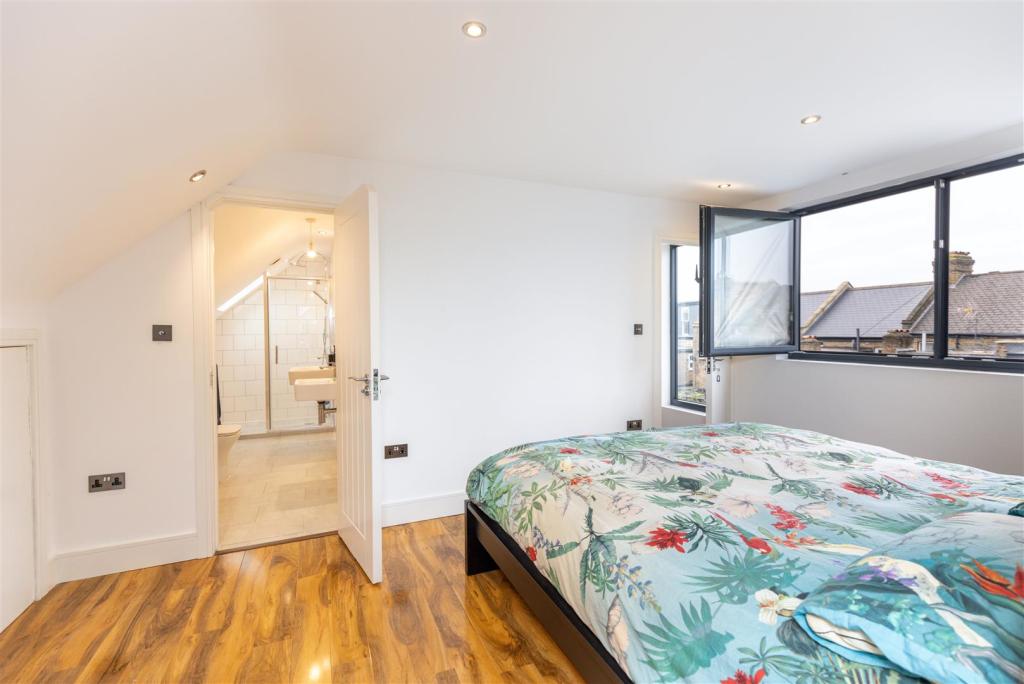
Build time is one of the first practical questions people ask when they start planning a loft conversion. The honest answer is that it depends on the type of conversion, the complexity of the project, and how well the preparation work is done before anyone sets foot on site.
This guide gives you realistic timelines for each stage of the process, from the first conversations through to moving into the finished room.
The full timeline, not just the build
Most people think about loft conversion timelines in terms of how long builders are on site. But the time on site is only one part of the overall programme. The preparation work that happens before the build starts, getting drawings done, approvals in place, and contractors appointed, typically takes longer than the build itself.
Understanding the full end to end timeline helps you plan properly and avoid the frustration of thinking a project is six weeks away when it is actually six months away.
Stage one: design and drawings
Before any planning or building regulations application can be made, drawings need to be produced. An architect or architectural technician needs to measure the existing building, develop the design, and produce the drawings required for submission.
For a straightforward rear dormer on a standard London terrace, this typically takes four to six weeks from appointment to drawings being ready. For a more complex project, a hip to gable conversion, a conservation area application, or a conversion that involves significant changes to the floor below, allow six to eight weeks or more.
The structural engineer needs to be involved at this stage too. Their initial site visit and preliminary assessment feeds into the design before drawings are finalised. Trying to rush this stage creates problems later when structural issues that should have been resolved on paper have to be worked out on site.
Our do you need an architect guide explains the roles of different design professionals and how the design stage works in practice.
Stage two: planning permission if required
Most loft conversions in London do not need planning permission. If yours falls under permitted development you can skip this stage entirely, though applying for a Lawful Development Certificate as a record of permitted development compliance adds around eight weeks and is worth considering if you plan to sell in the near future.
If planning permission is required, the statutory determination period is eight weeks from validation of a complete application. In practice, with preparation time, validation, and the assessment period, allow ten to fourteen weeks from submitting drawings to receiving a decision. Conservation area applications and anything that goes to committee can take longer.
Our planning permission timeline guide covers the full application process in detail including what each stage involves and where delays typically occur.
Stage three: building regulations
Building regulations approval can run in parallel with planning rather than after it, which is one of the most effective ways to compress the overall timeline. There is no requirement to wait for planning permission before submitting a building regulations application.
A building notice or full plans application submitted to building control at the same time as the planning application means that by the time planning permission arrives, building regulations may already be approved or close to it.
Full plans approval, where detailed drawings are submitted and checked before work starts, typically takes four to six weeks. A building notice, where you notify building control and they inspect during the build rather than approving drawings upfront, can be submitted closer to the start of works but carries more risk of issues being identified on site rather than resolved on paper.
Our building regulations guide explains both routes and the practical implications of each.
Stage four: party wall notices
If your conversion triggers the Party Wall Act, which most loft conversions on London terraced and semi detached homes do, notices need to be served on neighbours before work starts. The minimum notice period is two months for most party wall works.
This is one of the most common causes of project delays and it is entirely avoidable with proper planning. Serve notice as early as possible, ideally at the same time drawings are being prepared, so the two month period runs concurrently with the design and approvals process rather than adding to it.
If your neighbour dissents and surveyors need to be appointed and an award agreed, add a further four to eight weeks to the timeline. On a project that is otherwise well prepared, a late party wall notice is the single most preventable source of delay.
Our party wall agreements guide covers the full process including timelines and what happens when neighbours dissent.
Stage five: contractor appointment
Once approvals are in place and party wall matters are in hand, you need to appoint a contractor. Getting quotes, comparing them properly, checking references, and agreeing a contract takes time and should not be rushed.
Allow two to four weeks to get three properly itemised quotes from experienced loft conversion specialists. If you are using a design and build company the process is somewhat different but the principle of not rushing the appointment decision still applies.
The contractor's start date depends on their availability, which in London for good loft conversion specialists is often four to eight weeks from appointment. Factor this into your programme. A contractor who can start immediately is sometimes a sign that they are not as busy as the best firms, which are usually booked ahead.
Stage six: the build itself
This is where most people's timeline expectations sit, so here are realistic figures by conversion type.
A Velux loft conversion is the fastest build of any conversion type. Because the roof structure is not being altered, the work is simpler and the programme is shorter. A standard Velux conversion on a London terrace typically takes six to eight weeks from start to a finished, usable room.
A rear dormer on a standard London terrace typically takes eight to twelve weeks. The structural phase, where the roof is opened up and the dormer frame is built, takes two to three weeks and is the most weather sensitive part of the programme. Once the structure is weathertight the internal fit out proceeds steadily.
An L-shaped dormer takes longer because there is more structure to build and the junction between the two dormer elements requires careful execution. Allow ten to fourteen weeks for a standard L-shaped conversion on a Victorian terrace.
A hip to gable conversion alone typically takes ten to twelve weeks. Combined with a rear dormer, which is the most common approach on 1930s semi detached homes, allow twelve to sixteen weeks for a well run project.
A mansard conversion is the most structurally complex type and typically takes sixteen to twenty weeks. The extent of roof rebuilding involved and the greater volume of internal finishing work both contribute to the longer programme.
These timelines assume a well prepared project with drawings and approvals in place before work starts, a competent contractor managing the programme properly, and no significant unforeseen structural issues arising during the build.
What can extend the build timeline
Several things extend the on site programme beyond the estimates above, and being aware of them helps you plan and build contingency into your expectations.
Unforeseen structural conditions are the most common cause of build delays. Once the roof is opened up, the structural engineer may identify existing timbers that need remedial treatment, connections that need strengthening, or conditions that were not visible during the initial assessment. Resolving these takes time and involves additional design work and materials on top of the original programme.
Weather affects the structural phase more than any other part of the build. A week of sustained rain while the roof is partially open can delay the programme and in the worst cases cause damage to the internal structure below. Good builders manage this risk carefully but cannot eliminate it entirely.
Material delays have become more of a factor in recent years. Structural steel, specialist roofing materials, and certain window types can have lead times of several weeks. A well organised contractor orders materials ahead of when they are needed on site so that delivery delays do not translate directly into programme delays.
Decisions made slowly by the client during the build can also extend the programme. Choices about bathroom fittings, flooring, internal joinery, and decoration that are not made in advance of when the contractor needs them can cause the programme to stall while the contractor waits for direction. Making these decisions before work starts, not during it, keeps the programme moving.
What a realistic end to end timeline looks like
Putting all of this together, here is what the full programme looks like from deciding to proceed to moving into the finished room.
For a permitted development rear dormer on a standard London terrace with no complications, a realistic end to end timeline is as follows. Design and drawings take four to six weeks. Building regulations running in parallel takes four to six weeks. Party wall notices run concurrently and take eight to ten weeks including the notice period and any award process. Contractor appointment and mobilisation takes three to five weeks after approvals are in place. The build itself takes eight to twelve weeks.
From the point of appointing a designer to moving into the finished room, the realistic timeline for a straightforward rear dormer is five to seven months. For more complex conversions or those requiring planning permission, seven to ten months is a more accurate expectation.
These timelines surprise many people who expect to be in a finished loft room within a few months of deciding to proceed. The preparation work takes time and cannot be effectively compressed without creating problems later. Understanding this upfront leads to a much smoother experience than discovering it halfway through.
Tips for keeping the project on programme
The most reliable way to keep a loft conversion on programme is to do as much preparation work as possible before work starts on site.
Appoint your design team early and give them clear, complete information about what you want from the conversion. Indecision at the design stage slows everything down and creates incomplete drawings that cause problems during building regulations assessment and on site.
Serve party wall notices as early as possible. The two month notice period is fixed by law and cannot be shortened regardless of how urgent your project feels. Getting this started while drawings are being prepared is the single most effective thing you can do to keep the overall programme tight.
Run building regulations and planning in parallel wherever possible. The two processes are entirely independent of each other and there is no reason to wait for one before starting the other.
Make finish decisions before work starts. Tiles, flooring, bathroom fittings, internal doors, and joinery specifications all need to be confirmed before the contractor needs them on site. Creating a schedule of all finish decisions and working through them methodically before the build starts prevents the most common source of mid-build delays.
Build contingency into your timeline expectations. Even a well run project with good preparation encounters minor delays. Expecting the best case scenario and being surprised by a two week delay is more stressful than expecting a realistic timeline and finishing on programme.
The straightforward summary
A loft conversion in London takes longer from start to finish than most people initially expect. The build itself is only part of the programme. Design, approvals, party wall notices, and contractor appointment all add time before anyone picks up a tool.
For a straightforward rear dormer, five to seven months from start to finish is realistic. For more complex conversions or those requiring planning permission, seven to ten months is a more accurate expectation. Building these timelines into your planning from the start leads to a much smoother experience than discovering them as surprises along the way.
At Loft Converter London we manage the full programme from initial design through to completion, keeping every stage on track and making sure preparation work is done properly before the build begins. A well prepared project runs more smoothly, finishes closer to programme, and costs less in the end than one that rushes the early stages and pays for it on site.
If you are building your understanding of what the full process involves, our loft conversion costs page, building regulations guide, and party wall agreements guide are useful next steps.
Loft Bathroom Design Ideas for Small Spaces
September 22, 2025
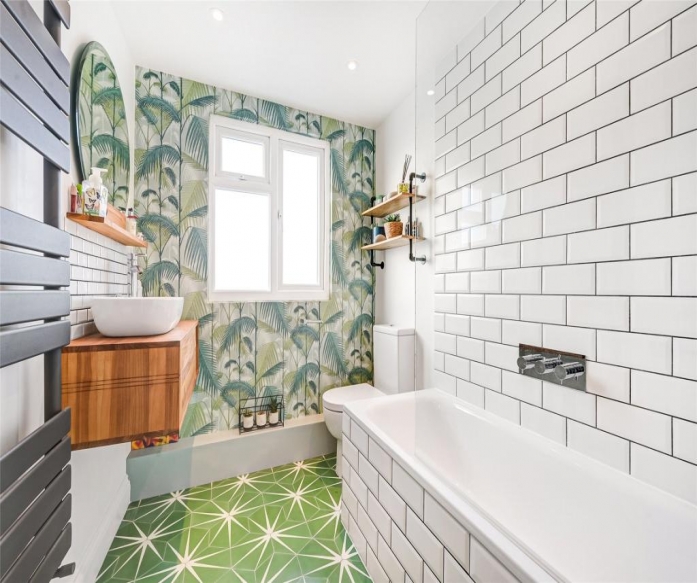
A loft bathroom is one of the most challenging spaces to design well. You are working with a limited floor area, varying ceiling heights, sloping walls, and the structural constraints of a conversion that was probably not originally planned around an ensuite. But a well-designed loft bathroom can also be one of the most characterful rooms in the house, and getting it right makes a significant difference to how the whole conversion feels.
This guide covers practical ideas and approaches that work specifically in small loft bathroom spaces, along with honest advice on what to prioritise and what to avoid.
Understanding the constraints before you design
Before thinking about tiles and fixtures, understand what you are actually working with. The available headroom at different points in the bathroom is the most important factor in deciding what goes where.
A shower needs a minimum of 2 metres of clear height at the shower head, ideally more. A toilet and basin are more forgiving and can sit comfortably under lower sections of the ceiling. A bath requires a long flat section of floor with adequate headroom for getting in and out, which in many small loft bathrooms is simply not achievable without compromising the rest of the space.
Map the ceiling height at every point in the proposed bathroom before you finalise the layout. Mark where the two metre line falls, where one metre eight falls, and where the ceiling drops below comfortable standing height. Those measurements will define your layout more than any design preference.
The RIBA Find an Architect tool is useful if you want professional help working through a challenging loft bathroom layout before committing to any structural changes.
Shower over bath or shower only
This is the first practical decision for most small loft bathrooms, and the answer is usually shower only.
A bath requires significant floor area, a long enough flat ceiling section to use it comfortably, and a structural floor that can take the weight of a full bath, plus water, plus occupant. In a small loft bathroom where floor area is at a premium and ceiling height varies, a well designed shower enclosure will always serve the space better.
A walk-in shower without a tray or screen is one of the cleanest solutions in a small loft bathroom. Wet-room-style waterproofing to the floor and lower walls removes the visual barrier of a shower tray and screen, making the room feel larger and the design feel more deliberate. The sloping floor required for drainage can be designed to follow the natural fall of the space, which in some loft configurations works very naturally.
If a bath is genuinely required, a freestanding bath positioned under the highest section of the ceiling with a handheld shower is the most practical approach. But be honest about whether a bath will actually be used regularly or whether a well designed shower is the more realistic fit for how the bathroom will function day to day.
Bathstore and Victorian Plumbing both have extensive ranges of compact shower enclosures and wet room drainage systems suitable for small loft bathrooms, with useful online planning tools that let you explore different configurations.
Making the layout work
In a small loft bathroom, the layout needs to be resolved at the design stage with the same rigour as the structural design. A poorly considered layout creates a bathroom that is frustrating to use, regardless of how well it is finished.
The toilet position is often the most constrained decision because the waste pipe needs a clear fall to the soil stack, which limits where it can go without significant additional plumbing work. Positioning the toilet close to the existing soil stack location reduces cost and avoids the need for a macerator pump, which adds noise and maintenance requirements.
A wall-hung toilet is worth considering in a small loft bathroom. It frees up floor space, makes cleaning easier, and looks cleaner than a close coupled floor standing unit. The cistern sits concealed within a slim duct or false wall, which adds a small amount of depth to one wall while saving floor space.
A compact basin mounted on a vanity unit rather than a pedestal keeps the floor clear and provides the storage that a small bathroom desperately needs for toiletries, towels, and cleaning products. Wall-mounted vanity units with storage above and below the basin are particularly efficient in tight spaces.
Crosswater produces a well-regarded range of compact bathroom furniture specifically designed for smaller spaces, including slim-depth vanity units and wall-hung storage that work well in loft conversions where depth is limited.
Shower design for loft bathrooms
The shower enclosure or wet room area is the centrepiece of most loft bathrooms and deserves careful thought for both design and function.
A frameless glass panel rather than a full enclosure is one of the most effective ways to make a small loft shower feel larger. A single fixed glass panel with an open entry keeps sightlines clear and avoids the visual clutter of a framed screen with multiple panels. In a wet room configuration with proper waterproofing throughout, a single glass deflector screen is sometimes all that is needed to keep water contained.
The position of the shower head relative to the ceiling height matters practically. A fixed overhead rain shower needs at least two metres of clearance above the shower tray or wet room floor. If the ceiling drops below that at the shower head position, a wall-mounted shower arm that angles the head downward and inward is a simple solution that avoids the headroom problem without compromising the shower experience.
Thermostatic shower valves are worth specifying over manual mixer valves in any new bathroom. They maintain a constant water temperature regardless of what else is happening in the household plumbing, which is both more comfortable and safer. The Hansgrohe Ecostat range and Mira showers both offer good quality thermostatic options across different price points.
Natural light in a loft bathroom
A loft bathroom with natural light feels dramatically better than one without. If the layout allows, a roof light above the shower or bath area transforms the space from a functional box into something genuinely pleasant.
Roof windows manufactured specifically for wet room environments are available from Velux and other manufacturers. These use laminated inner panes and sealed-unit constructions that handle the humidity of a bathroom environment without the condensation and seal failure issues that standard roof windows can experience in wet areas.
Privacy is an obvious consideration with a roof light in a bathroom. Obscured glass is available as a standard option from most roof window manufacturers and addresses privacy concerns effectively. Alternatively, a roof light positioned over the shower rather than the WC or vanity area provides natural light where it is most impactful while limiting any privacy concern.
If a roof light is not possible due to the roof structure or budget, a well-lit bathroom using layered artificial lighting can still feel bright and pleasant. Mirror-fronted storage units that reflect light back into the space, combined with well-positioned downlights and a heated mirror or mirror with integrated LED surround, go a long way toward compensating for the absence of natural light.
Tiles and surfaces
Tile choice in a small loft bathroom significantly affects how the space feels. The general principle is that fewer grout lines make a space feel larger, which points toward larger format tiles rather than small mosaic or brick formats.
Large format porcelain tiles, 600 by 600 millimetres or larger, used consistently across the floor and walls create a clean, expansive feel that makes a small bathroom read as more generous than it is. Carrying the same tile from floor to wall without a break is particularly effective in a wet room configuration where the floor and lower walls are all part of the waterproofed envelope.
Light-coloured tiles reflect light, making the space feel brighter. Greys, whites, and warm stone tones all work well. Very dark tiles can look dramatic in a loft bathroom with good natural light, but can feel oppressive in a small space that relies primarily on artificial lighting.
Slip resistance on the floor tile matters in a wet room. A tile that looks beautiful but becomes dangerously slippery when wet is not suitable for a shower floor, regardless of how good it looks on the showroom floor. Check the R rating of any floor tile before specifying it for a wet room application. R10 is the minimum for a domestic wet room floor.
Mandarin Stone and Tile Giant both offer extensive ranges of large-format tiles suitable for small loft bathrooms, with helpful in-store and online planning advice.
Storage solutions
Storage in a small loft bathroom needs to be built in from the start. There is rarely enough space for freestanding furniture, and adding it as an afterthought results in a cluttered, cramped space.
The eaves sections on either side of the bathroom, where the ceiling slopes down toward the outer wall, are natural storage locations. Built-in recessed shelving or a custom storage unit designed to fit the exact profile of the eaves cavity uses space that would otherwise be dead and keeps the main floor area clear.
Recessed niches in the shower wall are among the most useful details in any loft bathroom. A niche built into the structural wall behind the shower tiles provides a permanent shelf for shampoo, soap, and shower products without requiring a separate shower caddy that collects mould and gets knocked over. Two niches at different heights, one at hand level and one slightly higher, cover most practical requirements.
A mirror with integrated storage behind it, above the basin, is another efficient solution. The mirror provides the functional surface needed at the basin while the storage behind it keeps the vanity area clear of toiletry bottles and everyday clutter. Roper Rhodes produces a good range of mirrored bathroom cabinets, including options with integrated lighting that work well in compact spaces.
Heating and ventilation
A loft bathroom that is not properly heated and ventilated will develop condensation problems that lead to mould, tile grout deterioration, and eventually structural damage if moisture gets into the building fabric.
Mechanical extract ventilation is a building regulations requirement for any bathroom without an openable window providing adequate natural ventilation. In a loft bathroom, the duct run to the outside may be longer than in a standard bathroom, which affects the required fan specification. An undersized fan that cannot overcome the resistance of a long duct run will not adequately ventilate the space, regardless of how long the duct run is.
A humidity-sensitive fan that runs automatically when moisture levels exceed a set threshold is more effective than a fan wired to the light switch, which often does not run long enough to clear the space properly after a shower. Vent Axia and Manrose both produce good quality humidity-controlled extractor fans at accessible price points.
A heated towel rail on the bathroom regulations circuit provides both warmth and a practical place to dry towels, which in a small bathroom without good natural airflow matters more than in a standard bathroom. A chrome ladder-style heated towel rail in a slim profile fits neatly on a narrow wall section and adds warmth without dominating the space.
Underfloor heating beneath the tile is a popular addition in loft bathrooms and works well with the large-format tiled floors that suit the space. Electric underfloor heating rather than wet system underfloor heating is typically the most practical choice in a loft bathroom where installing pipework through the existing floor structure adds significant complexity.
Waterproofing
Waterproofing in a loft bathroom is more critical than in a ground or first-floor bathroom because any water ingress through the floor structure has a long way to travel before it causes visible damage, by which time significant harm may already have been done.
A tanked wet room floor, where the waterproofing membrane is applied to the entire floor and lower wall surfaces before tiling, is the correct approach for any wet room style loft bathroom. This is not an area to cut costs. A properly tanked wet room using a quality system such as Wedi or Schluter Kerdi will last the life of the building without issues. A poorly waterproofed wet room will cause expensive damage within a few years.
The waterproofing system should be installed by someone who has done it before and understands the specific details at junctions, corners, and penetrations. These are the points where failures happen. Ask your builder specifically about their experience with wet-room waterproofing and the system they use before work starts.
Plumbing and waste
Getting the plumbing right in a loft bathroom avoids costly problems that are hard to fix once the tiles are down.
Waste pipes need a minimum fall toward the soil stack to drain properly. In a loft conversion where the waste has to travel down through the building to reach the stack, maintaining adequate fall throughout can require raising the shower tray or wet room floor slightly, which affects the finished floor height and the headroom calculation at the shower.
Hot water pressure at loft level is sometimes lower than on lower floors, particularly in older London homes with gravity-fed hot water systems. This can affect shower performance significantly. A shower pump or an unvented hot water cylinder upgrade may be required to achieve adequate pressure at the top of the building. Your plumber should assess the existing system before specifying the shower valve and confirm whether any upgrade is needed.
The straightforward summary
Designing a loft bathroom well in a small space comes down to honest planning before creative decisions. Understand the ceiling heights first. Fix the layout based on what is structurally and plumbing-wise practical. Design storage in from the start. Ensure proper waterproofing, adequate ventilation, and appropriate heating before considering tiles and fittings.
The loft bathrooms that work best are those where these practical decisions were carefully made at the design stage, not discovered as problems during or after the build. A small bathroom that is well planned, properly built, and thoughtfully finished will feel better to use every day than a large bathroom that was designed without thinking through how it actually functions.
At Loft Converter London, we treat the bathroom design as an integral part of the conversion design, not a separate afterthought. Getting the layout, services, and structure right together from the start is what creates a loft bathroom that works properly for years without issues.
If you are still planning your conversion, our loft conversion costs page, how to design the perfect loft bedroom guide, and building regulations guide are useful next steps before you finalise any decisions.
How to Design the Perfect Loft Bedroom
August 17, 2025
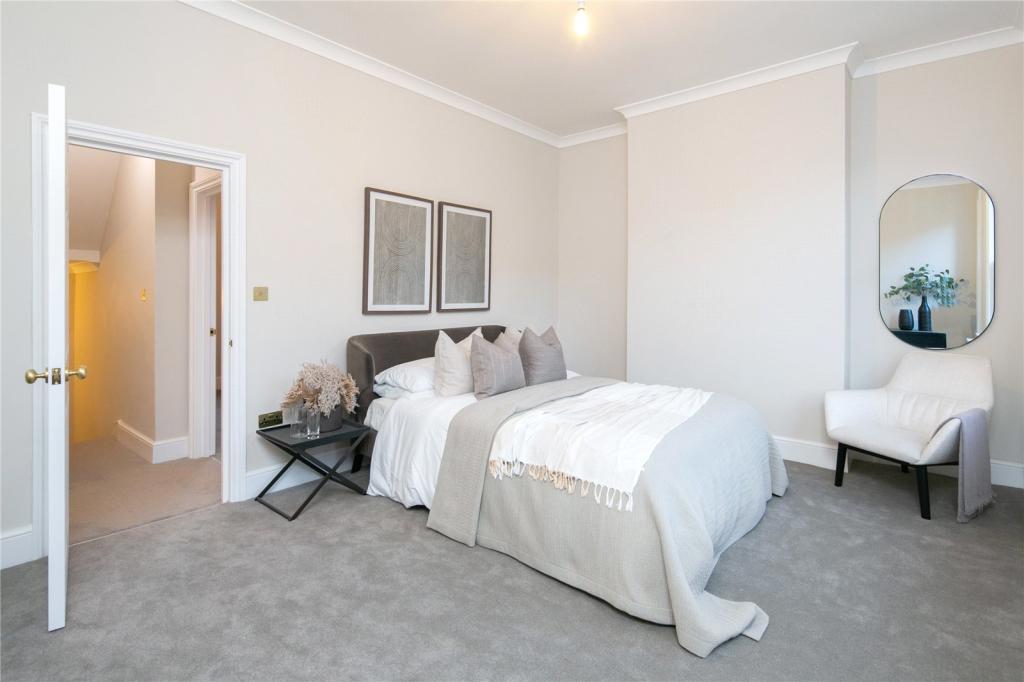
A loft bedroom is one of the most rewarding spaces to design in a London home. It sits apart from the rest of the house, often has interesting angles and roof lines, and with the right approach can feel genuinely special rather than just functional.
But loft bedrooms also come with specific design challenges that standard bedrooms do not. Low eaves, sloping ceilings, awkward corners, and limited wall space all need to be worked through carefully. Get the design right from the start and the room becomes the best in the house. Get it wrong and it feels cramped, poorly lit, and frustrating to live in.
Here is a practical guide to designing a loft bedroom that genuinely works.
Start with the layout before anything else
The single most important design decision in a loft bedroom is where the bed goes. Everything else follows from that.
The bed needs a position where the ceiling height above it is adequate. Lying in bed and feeling the ceiling too close overhead is uncomfortable and claustrophobic. Ideally the ceiling above the bed should be at least 1.8 metres, and higher is better. In a dormer conversion the central section of the room has full height throughout, which is usually where the bed sits naturally.
Once the bed position is fixed, work outward from there. Where can storage go without eating into the circulation space? Where does natural light fall in the morning and evening? Where is the door arriving from the staircase, and does it create a sensible flow into the room?
Sketch the layout on paper before committing to any built-in furniture or storage. A simple floor plan to scale will reveal quickly whether a proposed layout works or creates problems. If you are working with an architect or architectural technician this is a conversation to have at the design stage before the conversion is built, not after. Our do you need an architect guide explains how design professionals can add value at this stage and what to expect from the process.
Make the most of the sloping ceiling
Sloping ceilings are the defining characteristic of most loft bedrooms and they are an asset, not just a constraint. The trick is working with them rather than fighting them.
Low eaves areas, where the ceiling slopes down toward the edges of the room, are unsuitable for standing but perfectly suited for storage, seating, or a desk. Built-in wardrobes that follow the roofline are one of the most practical and visually satisfying solutions in a loft bedroom. They use space that would otherwise be wasted and create a clean, integrated look that works better than freestanding furniture pushed awkwardly against a sloping wall.
A window seat or reading nook built into a low eaves area is another popular approach that turns an architectural constraint into a feature. Low platforms with cushions and built-in shelving on either side create a cosy, purposeful space from what might otherwise be a dead corner.
The RIBA Find an Architect tool is useful if you want to find a designer with specific experience in residential loft spaces who can help you develop these ideas properly for your specific room.
Natural light is everything
A loft bedroom lives or dies by its natural light. Get it right and the room feels bright, airy, and connected to the outside. Get it wrong and it feels dark and oppressive regardless of how well it is decorated.
Dormer windows that face the garden provide excellent forward-facing light that feels natural and comfortable. Roof lights set into the slope complement this with overhead light that changes beautifully through the day and brings in sky views that no vertical window can match.
For bedrooms, the position of roof lights relative to the bed matters. A roof light directly over the bed lets in early morning sun, which wakes sleepers naturally but may not be welcome in summer. Positioning roof lights to one side of the bed, or specifying blackout blinds from the outset, gives you control over light levels without sacrificing the benefit of the window.
Velux offers a well organised range of roof window options including blackout, dim-out, and solar control blinds that are worth looking at during the specification stage. Their room visualiser tool also lets you explore how different window configurations affect the feel of the space before anything is built.
On north facing slopes where direct sunlight is limited, roof lights can still bring in good diffused daylight. South and west facing slopes get strong direct sun and solar control glazing is worth specifying to prevent the room from overheating in summer.
Storage: plan it in, do not add it later
Storage in a loft bedroom needs to be designed in from the start. The irregular geometry of the space makes freestanding furniture a poor fit in most cases, and trying to retrofit storage into a finished loft bedroom is expensive and often disappointing.
Built-in wardrobes that follow the eaves line are the most space efficient solution. They can be designed to use every centimetre of height up to the point where the slope meets the floor, with hanging rails, shelving, and drawers configured to the specific dimensions of the eaves cavity.
A well designed built-in wardrobe in a loft bedroom will typically store as much as a conventional wardrobe in a standard bedroom while occupying space that could not be used for anything else. This is one of the genuinely clever aspects of loft bedroom design when it is done properly.
For a master bedroom with generous floor area, a dedicated dressing area in one of the eaves sections is worth considering. This separates the sleeping and dressing functions cleanly and creates a room that feels more considered and more luxurious than a standard bedroom with a wardrobe against the wall.
Neville Johnson and Hammonds Furniture both specialise in fitted bedroom furniture and have specific experience designing storage solutions for loft conversions with sloping ceilings and irregular shapes.
Ensuite design in a loft bedroom
Most people converting their loft into a master bedroom want an ensuite. Getting this right requires careful thought about position, layout, and the practical requirements of fitting a bathroom in a space where headroom varies.
The ensuite needs to be positioned where the ceiling height is sufficient for the specific fittings. A shower needs at least 2 metres of headroom at the shower head position. A toilet and basin need adequate height but are more flexible. The most common approach is to position the ensuite under the lower eaves section where headroom is insufficient for standing, using the space for the toilet and vanity, with the shower positioned where the ceiling is higher.
Ventilation is critical in a loft ensuite. Mechanical extract ventilation ducted to the outside is a building regulations requirement, and in a loft space where the duct run may be longer than in a standard bathroom, specifying an appropriately powerful fan is important. A poorly ventilated loft ensuite creates condensation problems that are expensive to fix after the fact.
Natural light in the ensuite makes a significant difference to how the room feels. A roof light above the shower is one of the most effective and most popular solutions, and Velux and other manufacturers produce roof windows specifically designed for wet room environments. The Velux integra range includes solar and electric opening options that work well in bathroom positions where manual operation is awkward.
Our dormer loft conversion guide covers how ensuites are typically integrated into dormer conversions and what to budget for the bathroom element specifically.
Heating and ventilation
Loft bedrooms can be uncomfortably hot in summer and cold in winter if heating and ventilation are not thought through properly. The thermal performance of the conversion is the foundation, but how the room is heated and ventilated day to day matters just as much.
Most loft conversions in London are heated by extending the existing central heating system with radiators in the loft. This works well for winter warmth but does nothing about summer overheating, which is a real issue on south and west facing loft bedrooms with significant roof light glazing.
Opening roof lights provide natural ventilation and help manage heat buildup on warm days. Positioning at least one opening roof light to allow cross ventilation, where air can enter through one window and exit through another, significantly improves summer comfort.
Electric underfloor heating under a tiled ensuite floor is a popular addition that provides warmth at floor level without requiring additional radiators in a space where wall space for radiators may be limited.
For high specification conversions, a mechanical ventilation with heat recovery system provides continuous background ventilation while recovering heat from outgoing air. It is more expensive to install than a simple radiator and opening windows solution but creates a more comfortable and energy efficient room year round. MVHR units from manufacturers such as Zehnder are worth researching if this level of specification is relevant to your project.
Flooring choices
Flooring in a loft bedroom affects both the feel of the room and the structural requirements of the floor beneath it.
Engineered timber is one of the most popular choices for loft bedrooms. It is warm underfoot, looks good, and is dimensionally stable in the temperature and humidity variations that loft spaces experience. Solid timber is also used but is more susceptible to movement in environments that warm and cool significantly through the day.
Carpet is warmer and quieter than hard flooring but requires careful specification in a space that may experience some degree of temperature cycling. Good quality carpet with a proper underlay performs well in loft bedrooms and is often the preferred choice for comfort.
Tiles are typically reserved for the ensuite rather than the bedroom itself, where the hardness and coldness underfoot work against the comfort expected in a sleeping space.
Whatever flooring is chosen, make sure it is installed after the structural floor has been properly completed and signed off by building control. Fitting flooring over a floor that has not been formally inspected creates problems at the sign off stage. Our building regulations guide explains the inspection process and what happens at each stage of the build.
Colour, light, and the feel of the room
Loft bedrooms benefit from a considered approach to colour that works with the angles and proportions of the space rather than against them.
Light colours open up the room and make sloping ceilings feel less imposing. White or off-white ceilings throughout, including on the sloping sections, create a clean and airy feel that works well in most loft bedrooms. Darker colours on the sloping ceiling sections can create a cocooning effect that feels deliberately intimate, but this works best in rooms with good natural light rather than those that rely entirely on artificial lighting.
Painting the walls and ceiling the same colour throughout, treating the entire irregular envelope as a single surface, is a contemporary approach that flattens the angles and creates a calm, unified feel. It works particularly well in rooms with interesting architectural shapes where contrast between wall and ceiling colour would draw attention to every awkward junction.
Farrow and Ball have a useful room-by-room colour guide that includes specific advice for rooms with sloping ceilings and unusual proportions. Their sample service lets you test colours in the actual space before committing, which is worth doing in a loft where the light quality is different from a standard room.
Lighting design
Artificial lighting in a loft bedroom deserves specific attention because the geometry of the space makes standard ceiling mounted fittings less effective than in a regular room.
A central ceiling rose in the middle of a sloping ceiling provides uneven light distribution and creates shadows in the eaves sections. Recessed downlights positioned along the flat section of the ceiling, combined with wall lights at low level and bedside lighting, provide much better coverage and more flexibility.
Lighting on a dimmer circuit throughout is worth specifying from the start. The ability to adjust light levels from bright and functional for getting dressed to low and relaxed for winding down makes a meaningful difference to how the room feels in daily use.
If the conversion includes a roof light directly above, a shading solution that incorporates electric blackout blinds makes the room functional as a sleeping space year round. Manually operated blinds on a roof light that is not easily reached are frustrating in practice. Specify electric operation from the outset and control them from a bedside switch or a smartphone app.
The straightforward summary
Designing a loft bedroom well comes down to working with the geometry of the space from the start rather than treating it as a standard room with an awkward ceiling. Fix the bed position first, design storage in rather than adding it later, get the natural light right, and think carefully about heating, ventilation, and how the room will actually be used day to day.
The rooms that work best are the ones where these decisions were made at the design stage, before the conversion was built, not retrofitted afterward. An experienced designer who understands loft spaces will help you avoid the most common mistakes and create a room that feels genuinely considered rather than improvised.
At Loft Converter London we think about how each loft bedroom will actually live before we finalise any drawings. The structural decisions and the design decisions are connected, and getting both right at the same time is what creates a conversion that exceeds expectations rather than just meeting the minimum brief.
If you are still at the planning stage, our loft conversion types guide, loft conversion costs page, and do you need an architect guide are useful next steps before you start making detailed design decisions.
What are the Best Loft Conversion Types for 1930s Houses in London?
July 29, 2025
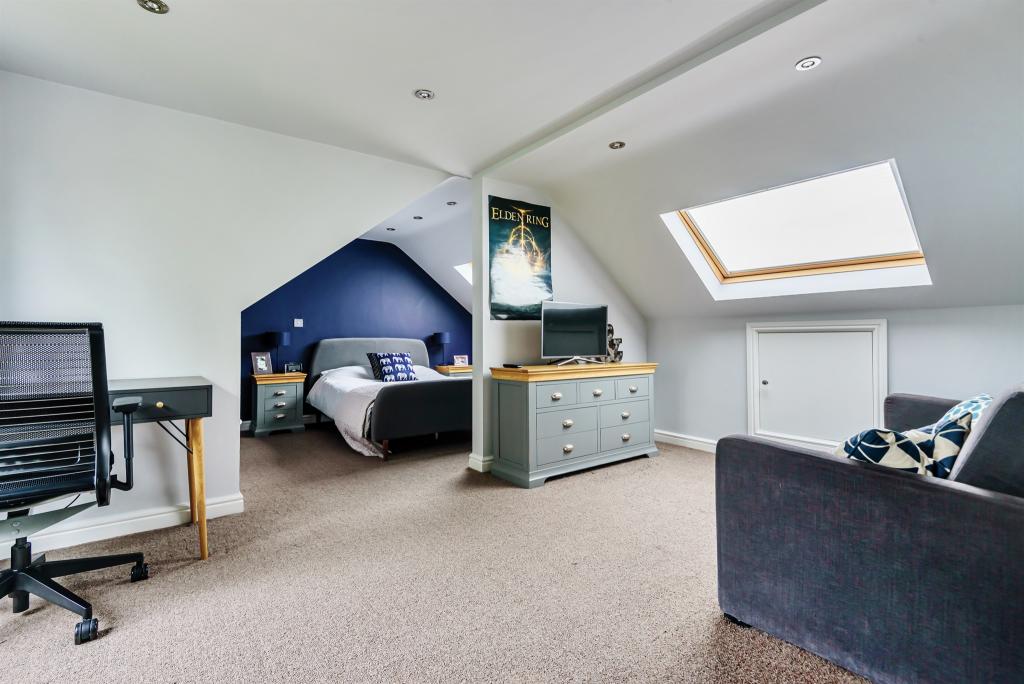
1930s houses make up a significant proportion of London's housing stock, particularly in outer south, east, and west London. They are well-built, generously proportioned by London standards, and, in most cases, have loft spaces that convert extremely well.
But 1930s houses have specific characteristics that affect which conversion types work best, what planning rules apply, and what the structural work involves. Understanding those characteristics before you start planning will help you make better decisions and avoid the surprises that catch people out.
What makes 1930s houses different
Before getting into conversion types, it is worth understanding what sets 1930s houses apart structurally and architecturally.
Most 1930s London homes are semi-detached or detached, built in the interwar suburban expansion that spread out from the inner city along new arterial roads and underground lines. They tend to have hipped roofs rather than the gable-ended roofs common on Victorian and Edwardian terraces. The roof pitch is typically around 40 to 45 degrees, which is steep enough to create a reasonable loft space but often not as generous as the steeper-pitched roofs on older stock.
The back addition that defines the Victorian and Edwardian terraces is largely absent from 1930s homes. Instead, you typically have a more rectangular footprint with a hipped roof on both the main body of the house and sometimes over a rear projection.
The walls are usually cavity construction, which was becoming standard by this period, and the timber frame is generally sound in well-maintained properties.
One characteristic that matters specifically for loft conversions is the presence of a hipped roof on the side or sides of the property. This is what opens up the hip to gable option that is not available on gable-ended Victorian terraces, and it is often the most important single factor in deciding which conversion type makes the most sense.
Hip to gable conversion: the most popular choice
For most semi-detached 1930s houses in London, a hip-to-gable conversion combined with a rear dormer is the strongest option available. It is popular for good reason.
The hipped end of a 1930s semi-detached roof slopes inward from the party wall side, eating into the loft space and creating awkward triangular corners that are largely unusable. A hip-to-gable conversion removes that sloping end and replaces it with a vertical gable wall extending to the ridge, transforming the shape of the loft from an awkward wedge into a proper rectangular room.
Combined with a rear dormer that adds full headroom across the back of the roof, the result is a loft room that is genuinely generous, well-proportioned, and large enough to accommodate a master bedroom with an ensuite comfortably.
The combined hip to gable and rear dormer is the single most transformative conversion available to 1930s semi-detached homes. It creates the largest possible usable floor area within the existing roof footprint and consistently delivers the strongest return on investment of any option available to these properties.
Our hip to gable loft conversion guide covers the specific costs, structural requirements, and planning considerations for this conversion type in detail. Our hip to gable vs dormer guide compares the two approaches directly, if you want to understand the trade-offs before deciding.
Rear dormer only: the more affordable alternative
Not every homeowner wants or needs the full hip-to-gable treatment, and a rear dormer alone is a perfectly viable option on many 1930s houses.
If the existing loft already has a reasonable ridge height and the triangular corners created by the hipped end are not a critical issue for the intended use of the room, a rear dormer alone can create a usable bedroom or study without the additional cost and complexity of the hip-to-gable element.
The rear dormer provides full headroom across the back portion of the loft and delivers the natural light and ventilation a habitable room requires. In a 1930s semi-detached home with a reasonably steep roof pitch, the floor area within the dormer alone is often sufficient for a single bedroom with a modest ensuite.
The decision between a rear dormer alone and a hip-to-gable combined with a rear dormer comes down to three questions. How much usable space do you actually need? What is your budget? And how important is maximising the value added to the property?
If the answers point toward more space, a higher budget, and the strongest return, go for the combined approach. If a single room is sufficient and budget is the primary constraint, a rear dormer alone delivers good value on a 1930s house.
Our dormer loft conversion guide covers costs, planning, and structural requirements for rear dormers in detail.
Velux conversion: when it works on a 1930s house
A Velux conversion keeps the existing roofline intact and adds roof windows flush with the slope. It is the most affordable conversion type and the least disruptive to build.
For a 1930s house, a Velux conversion can work well, but only if the existing ridge height is sufficient. The 40 to 45 degree pitch common on 1930s homes creates a reasonable loft space in many properties, but the ridge height is often lower than on the steeper-pitched Victorian and Edwardian terraces.
Before committing to a Velux conversion on a 1930s house, measure the ridge height carefully. If the internal height from the strengthened floor level to the underside of the ridge is at least 2.2 metres, a Velux conversion will create a usable room. If it is below that, the space will feel cramped, and a dormer is a better investment even at a higher cost.
The other consideration specific to 1930s houses is that the hipped ends of the roof mean the Velux conversion creates a room that narrows toward each end. Even if the central ridge height is adequate, the usable floor area may be more limited than it appears from the outside because the sloping hip ends cut into the space on both sides.
A Velux conversion on a 1930s semi-detached home often works best as a study or single bedroom rather than a master bedroom suite, simply because the irregular shape of the room makes it harder to fit larger furniture and a bathroom in the space available.
Our Velux loft conversion guide explains in detail when this conversion type works well and when it is likely to disappoint, which is worth reading before ruling out or committing to this option.
What about mansard conversions?
A mansard conversion involves rebuilding the entire rear roof slope as a near-vertical wall with a shallow-pitched roof at the top. It creates the maximum possible internal volume of any conversion type and is commonly seen on inner London period properties.
On a 1930s house, a mansard is technically possible, but rarely the most practical or cost-effective choice. Mansard conversions are significantly more expensive than dormers or hip-to-gable conversions, typically starting at £60,000 and often exceeding £80,000 fully finished. They almost always require full planning permission regardless of location. And the architectural character of a mansard sits more naturally with the Victorian and Edwardian terraces of inner London than with the suburban semi-detached aesthetic of most 1930s housing.
For a 1930s house where the goal is maximising space and value, a hip-to-gable with a rear dormer almost always delivers a better outcome at a lower cost than a mansard. Mansard conversions make more sense on inner London terraces where a hip to gable option is not available and the scale of the building suits the more dramatic roof alteration.
Planning permission on 1930s houses
Most 1930s houses in London are outside conservation areas, so standard national permitted development rules apply without the additional restrictions that affect older inner London stock.
A rear dormer on a 1930s semi-detached home typically qualifies for permitted development provided it meets the volume limit of 50 cubic metres for a detached or semi-detached property and does not exceed the ridge height or project beyond the outer wall.
Hip-to-gable conversions on 1930s homes are where the planning position becomes less predictable. Some London boroughs accept hip to gable conversions as permitted development on semi-detached homes. Others require a full planning application because the alteration is visible from the street or highway.
This variation between boroughs means you cannot assume either way without checking. Your local planning authority's portal will show whether permitted development applies and whether any Article 4 directions affect your street. A quick pre-application enquiry with the planning department is worth the modest cost if there is any doubt.
Our permitted development rules guide explains the framework in detail. Our planning permission timeline guide outlines what the application process entails if one is required.
Structural considerations specific to 1930s houses
The structural characteristics of 1930s houses create specific considerations for loft conversions that are worth understanding before you appoint an engineer or start getting builder quotes.
The existing floor joists in the loft are almost certainly not adequate for a habitable room. This is true of virtually all pre-1980s London homes, regardless of construction type. New joists will need to be installed alongside the existing structure to bring the floor up to building regulations standard for a habitable room.
The roof timbers in many 1930s homes are in reasonable condition, provided the roof has been maintained, but some properties of this age have timbers affected by moisture over the decades. A structural engineer will assess the condition of existing timbers during their initial visit and identify any that require remedial treatment before the conversion proceeds.
Steel beams are almost always required on a hip to gable conversion to carry the extended ridge and transfer loads to the new gable wall and the structure below. On a rear dormer, they are commonly required around the dormer opening. The engineer will specify the size and position of each beam based on the calculated loads specific to your building.
Access for steelwork installation in a 1930s semi-detached home is sometimes more challenging than in a terrace because the side access that exists in a terrace is often absent. Craneage or other lifting solutions may be required to get large beams into position, which adds to both cost and programme. An experienced builder will factor this in from the start rather than discovering it on site.
Our structural calculations guide explains what the structural engineer assesses and why involving them before drawings are finalised saves time and money across the whole project.
Party wall considerations on semi detached 1930s homes
On a semi-detached 1930s house, the party wall sits on one side only. Any work that affects or is close to that shared wall requires party wall notices to be served on the neighbour before work starts.
A rear dormer that sits away from the party wall may not trigger party wall obligations, depending on how close it gets to the boundary. A hip to gable conversion that involves structural work on or near the party wall almost certainly will.
The hip end of a semi-detached 1930s roof does not directly involve the party wall in the same way as on a terrace, but the structural reorganisation required to build the new gable wall and extend the ridge can still bring work close enough to the shared wall to trigger the Act.
Your structural engineer's drawings will show clearly whether party wall notices are required. Serve them early. On a semi-detached home with one neighbour, the process is simpler than on a mid-terrace, but the same basic rules and timelines apply.
Our party wall agreements guide explains the full process including what happens if your neighbour dissents and what the surveyor fees are likely to be.
What a 1930s loft conversion typically costs
The cost depends significantly on which conversion type you choose.
A Velux conversion on a 1930s house typically costs between £20,000 and £35,000 fully finished. A rear dormer alone typically costs between £35,000 and £55,000. A hip to gable with a rear dormer typically costs between £55,000 and £80,000 fully finished.
These figures include the structural work, staircase, insulation, windows, plastering, electrics, and basic decoration. What they do not include are the additional professional fees and costs that sit alongside any loft conversion project.
Our loft conversion budgeting guide covers everything from structural engineer fees and building control to party wall costs and contingency allowances, giving you a realistic total budget to work with before you start approaching builders.
How much value does a loft conversion add to a 1930s house?
1930s semi-detached homes in London respond well to loft conversions in terms of value. Buyers in the areas where these homes are most common, outer south London, east London, and suburbs served by the underground network, actively look for the extra bedroom and bathroom that a loft conversion provides.
A rear dormer creating a bedroom and ensuite typically adds between 15% and 20% to the value of a 1930s semi-detached home. A hip-to-gable with a rear dormer typically adds between 20% and 25%, reflecting the larger, more generous space it creates.
On a 1930s semi detached home worth £550,000, that is between £82,500 and £137,500 in added value depending on the conversion type. Even at the upper end of build costs, the return is strong.
The condition and quality of the finish matter. A well-designed, properly finished conversion with good natural light, a functional ensuite, and adequate storage will always outperform a basic conversion with the same floor area. At Loft Converter London, we work with every client to ensure the design and specification match the intended use and the value outcome they are seeking.
The straightforward summary
For most 1930s semi detached houses in London, a hip to gable conversion combined with a rear dormer is the best option available. It creates the largest usable space, delivers the strongest return on investment, and transforms the roof from an awkward hipped structure into a proper, generous loft room.
A rear dormer alone is a good alternative where budget is the primary constraint or where a single room is sufficient for the intended use. A Velux conversion works on 1930s homes with adequate ridge height but is limited by the irregular shape that the hipped roof creates inside the loft.
The starting point for any 1930s loft conversion is a structural engineer's assessment of the existing roof space to confirm ridge height, floor structure, and timber condition before you commit to any design direction or builder quotes.
At Loft Converter London, we have extensive experience converting 1930s homes across London and understand the specific structural, planning, and design considerations that these properties present. If you are thinking about converting your 1930s loft and want to understand what is possible for your specific home, we are happy to start that conversation.
Our loft conversion costs page, hip to gable vs dormer guide, and permitted development rules guide are useful next steps as you continue to build your understanding.
What Is an L-Shaped Loft Conversion?
June 6, 2025
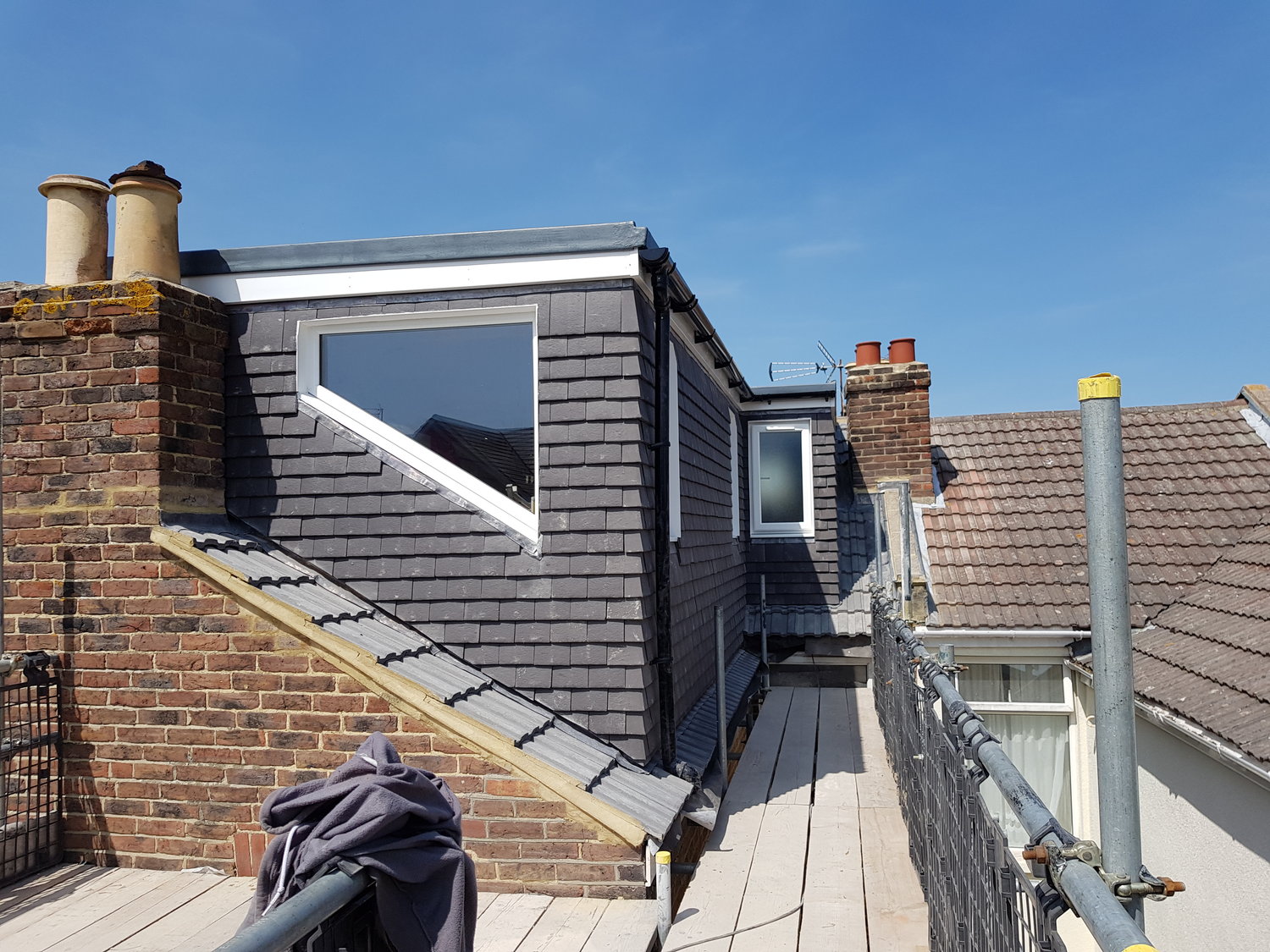
If you live in a Victorian or Edwardian terraced house in London, there is a good chance you have heard the term L-shaped loft conversion. It is one of the most popular conversion types in the capital, and for good reason. But it is also one of the most misunderstood in terms of what it actually involves, what it costs, and which homes it suits.
This guide explains everything clearly so you can decide whether it is the right option for your home.
What an L-shaped loft conversion actually is
An L-shaped loft conversion combines two dormers built at right angles to each other, creating a footprint that forms an L shape when viewed from above. In most cases this means a main rear dormer running across the back of the house combined with a smaller dormer extending over the back addition, which is the lower rear extension that sits behind the main body of many Victorian and Edwardian terraces.
The result is a significantly larger and more versatile loft space than a single rear dormer alone would create. Instead of one rectangular room across the back of the main roof, you get an L-shaped floor plan that opens up genuine possibilities for a master bedroom with ensuite, a bedroom with separate dressing area, or even two separate rooms depending on the size of the property.
The back addition element is what makes this conversion type specific to Victorian and Edwardian terraces. These homes were typically built with a lower rear outrigger, sometimes called a back addition or back return, which originally housed the kitchen, scullery, and outside toilet. The roof of this outrigger sits lower than the main roof and at a right angle to it, which is exactly what creates the opportunity for an L-shaped conversion.
Why it works so well on Victorian and Edwardian terraces
The geometry of the typical Victorian terrace in London is almost perfectly suited to an L-shaped conversion. The back addition creates a natural second dormer position at right angles to the main rear dormer, and the combined floor area of both elements is typically larger than what a single dormer could achieve on the same property.
Many of these homes have a back addition that already extends one storey. The loft conversion brings the upper level of the back addition up to match the main loft space, effectively creating a continuous upper floor across the rear of the property where previously there was a step down.
The L-shape also works well structurally because the two dormers support each other at the junction, which simplifies certain aspects of the structural design compared to some other approaches.
If you are not sure whether your home has a back addition that suits this conversion type, look at the rear of your property from the garden. If there is a lower roofed section at the back that runs at right angles to the main house, you almost certainly have the right configuration for an L-shaped conversion. Our loft suitability guide explains what to look for when assessing whether your home is a good candidate for different conversion types.
How much space does it create?
This is where the L-shaped conversion really justifies its popularity in London.
A single rear dormer on a standard London terrace typically creates between 15 and 25 square metres of usable floor space. An L-shaped conversion on the same property typically creates between 30 and 50 square metres, depending on the size of the main roof and the back addition.
That is a meaningful difference. It is the difference between fitting a single bedroom with limited space to spare and fitting a proper master bedroom with a well proportioned ensuite and potentially a dressing area or study space alongside it.
For many London families who need more than one additional room, an L-shaped conversion can sometimes accommodate two bedrooms and a bathroom within the same loft space, which on a mid terrace represents a genuinely transformative increase in the usable area of the home.
What does an L-shaped loft conversion cost in London?
An L-shaped loft conversion in London typically costs between £45,000 and £70,000 fully finished. The range reflects differences in the size of the property, the specification of the finish, and the complexity of the structural work at the junction between the two dormer elements.
The higher cost compared to a standard rear dormer reflects the additional structure required for the back addition dormer, the more complex roofing work at the internal corner where the two dormers meet, and the greater internal volume that needs insulating, plastering, and finishing.
The internal corner junction, sometimes called the valley, is one of the most technically demanding parts of an L-shaped conversion from a weatherproofing perspective. Getting this detail right is critical because a poorly executed valley junction is a common source of water ingress on loft conversions. An experienced builder who has done this many times will handle it correctly. An inexperienced one may not.
Our loft conversion budgeting guide covers the full cost picture including the additional professional fees, party wall costs, building control, and other expenses that sit alongside the build quote on any London loft conversion.
Planning permission and permitted development
Most L-shaped loft conversions on Victorian and Edwardian terraces in London qualify for permitted development, which means no formal planning application is required. The two dormer elements are treated together as a single conversion for the purposes of the volume calculation, and provided the total volume added does not exceed 40 cubic metres for a terraced home the permitted development rules are satisfied.
As with any loft conversion, conservation area designations, Article 4 directions, and local borough policies can affect whether permitted development applies to your specific property. Inner London boroughs with extensive conservation area coverage, such as Islington, Camden, and Hackney, require particularly careful checking before assuming permitted development is available.
The materials used on the exterior of both dormer elements need to be similar in appearance to the existing house under permitted development rules. In practice this means matching or complementing the existing brick and roof covering rather than introducing a dramatically different external finish.
Our permitted development rules guide explains the full framework and the specific conditions that need to be met, and our conservation area guide covers the additional restrictions that apply in sensitive locations.
Building regulations and structural considerations
Building regulations apply to an L-shaped conversion in exactly the same way as any other type. The floor structure needs to be assessed and strengthened to meet habitable room standards. Fire safety measures including protected escape routes and interlinked smoke alarms are required. The staircase must comply with the specified dimensions. Insulation must meet current thermal performance standards.
The structural complexity of an L-shaped conversion is somewhat greater than a standard rear dormer because of the junction between the two elements. Steel beams are almost always required, both to carry the loads around the dormer openings and to handle the structural requirements at the corner where the two dormers meet.
A structural engineer needs to assess the existing building and produce calculations specific to the L-shaped configuration. This is not a job for a generic residential structural engineer who rarely works on loft conversions. You want someone with direct experience of this conversion type who understands the specific load paths and structural details involved.
Our structural calculations guide explains what the structural engineer assesses and why having the right engineer involved from the start is fundamental to a safe and compliant build. Our building regulations guide covers the full requirements and the inspection process.
The staircase in an L-shaped conversion
The staircase position is worth thinking about carefully on an L-shaped conversion because the larger floor area creates more options but also more decisions.
The staircase needs to arrive in a position that serves the whole L-shaped floor plan efficiently without eating into the most valuable parts of the space. On some properties it works best positioned in the main dormer section. On others, arriving through the back addition element makes more sense depending on the layout of the first floor below.
Getting the staircase position right requires thinking about the floor below as well as the loft itself. Where can the staircase fit on the first floor without destroying a bedroom or creating an awkward dead corridor? Which position on the first floor corresponds to the best arrival point in the loft?
These are design questions that benefit from proper architectural input. An experienced architect or architectural technician who has worked on many Victorian terraces will have seen these challenges before and know how to resolve them. Our do you need an architect guide explains the role of design professionals on a loft conversion and when proper design input pays for itself.
How much value does an L-shaped conversion add?
An L-shaped loft conversion consistently delivers some of the strongest returns of any conversion type in London. The combination of generous floor area, full headroom throughout, and the ability to accommodate a master bedroom and ensuite creates exactly the kind of space that London buyers pay a premium for.
Most agents and surveyors report that a well built L-shaped conversion adds between 20% and 25% to the value of a Victorian or Edwardian terrace in London. On a £700,000 home that is £140,000 to £175,000 in added value.
Even at the upper end of build costs, the return on investment is compelling. And when you compare the total cost of an L-shaped conversion against the cost of moving to a bigger home in London, the conversion almost always wins financially. Our loft conversion vs moving house guide runs through that comparison in detail.
The key to achieving the upper end of that value range is quality of finish and functionality of layout. A well designed L-shaped conversion with a generous master bedroom, a properly proportioned ensuite, and good natural light will add more value than a poorly designed one with the same floor area. Design matters, and it is worth investing in getting it right.
Common mistakes to avoid
There are a few specific mistakes that come up repeatedly on L-shaped conversions that are worth knowing about before you start.
Underestimating the valley junction detail is the most consequential. The internal corner where the two dormers meet requires careful waterproofing and detailing. Cut corners here and water ingress is the result, often not immediately obvious but causing damage over time. Ask your builder specifically about their experience with this detail and how they approach it.
Positioning the staircase without properly thinking through the first floor layout is another common problem. It seems straightforward to find a position on the first floor but getting it wrong means losing a bedroom, creating an awkward landing, or arriving in the wrong part of the loft entirely. Work this out on paper before anything else.
Specifying windows without considering solar gain is worth mentioning specifically for L-shaped conversions because the back addition dormer often faces a different direction to the main rear dormer, and one of them may catch more direct sun than expected. Solar control glazing on south or west facing windows is a modest additional cost that makes a meaningful difference to comfort in summer.
And finally, not getting a party wall notice served early enough. On a mid terrace with neighbours on both sides, an L-shaped conversion will almost certainly trigger party wall obligations on both sides. Leaving this until the last minute delays the project and creates unnecessary stress. Our party wall agreements guide explains the process, the timelines, and what to budget for.
Is an L-shaped conversion right for your home?
The honest answer is that if you live in a Victorian or Edwardian terraced house in London with a back addition, an L-shaped conversion should be near the top of your list to consider. It creates more space than any other conversion type available to these homes, it adds the strongest value, and it suits the geometry of the building naturally.
The questions to resolve before committing are whether the existing roof heights on both the main roof and the back addition are sufficient, whether the first floor layout can accommodate a staircase in a sensible position, and whether your budget stretches to the higher cost compared to a standard rear dormer.
A structural engineer assessment of the existing roof space and a preliminary design exercise to work out the staircase position will answer all three questions before you spend significant money on drawings or builder quotes.
The straightforward summary
An L-shaped loft conversion combines a rear dormer on the main roof with a second dormer over the back addition, creating an L-shaped floor plan that is larger and more versatile than a standard rear dormer alone.
It is the conversion of choice for Victorian and Edwardian terraces in London, delivering the most usable space, the strongest value uplift, and the best return on investment of any conversion type available to these homes. It costs more than a standard dormer and involves more structural complexity, but for the right home the numbers make a compelling case.
At Loft Converter London we have completed many L-shaped conversions across London and understand the specific details that make the difference between a conversion that works brilliantly and one that disappoints. If you are thinking about an L-shaped conversion and want to understand what it would involve for your specific home, we are happy to talk it through from the start.
Our loft conversion costs page, loft conversion types guide, and hip to gable vs dormer guide are useful next steps if you want to keep building your understanding before speaking to anyone.
What Is a Velux Loft Conversion and When Does It Work Best?
May 15, 2025
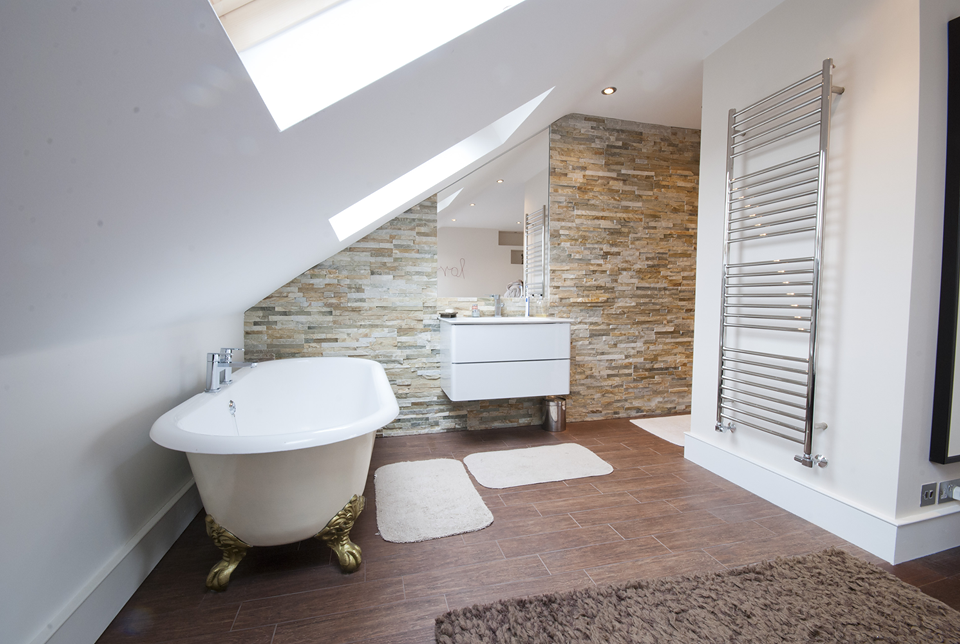
If you have heard of the term 'Velux loft conversion' and are not entirely sure what it means or whether it suits your home, this guide covers everything you need to know. It is one of the most straightforward and affordable ways to convert a loft, but it only works well in specific circumstances.
Understanding when it is the right choice and when it is not will save you time and money at the planning stage.
What a Velux loft conversion actually is
A Velux loft conversion, sometimes called a roof light conversion, keeps the existing roofline completely intact. No part of the roof structure is extended or altered. Instead, windows are cut into the existing roof slope and fitted flush with the surface, allowing light and ventilation into the space below.
Velux is actually a brand name, the most well-known manufacturer of roof windows, but the term is widely used to describe any roof light conversion regardless of which manufacturer's windows are used. Other brands, such as Fakro and Keylite, produce comparable products and are used interchangeably by most builders.
The conversion works within the existing space inside the roof. The floor is strengthened to meet building regulations requirements for a habitable room, a staircase is installed to provide proper access, insulation is fitted between and below the rafters, and the space is plastered, wired, and finished as a usable room. The roof's external appearance changes only in that windows are now visible on the slope.
How it compares to a dormer
The fundamental difference between a Velux conversion and a dormer is how the roof structure is affected.
A dormer projects outward from the roof slope, creating new vertical walls and additional headroom beyond what the existing roof shape provides. It adds space. A Velux conversion does not add any space. It simply makes the existing space usable.
This distinction matters enormously in practice. If your existing loft has enough height throughout to stand and move around comfortably, a Velux conversion can create a perfectly usable room. If it does not, no amount of roof windows will fix that. You are limited by the geometry of the existing roof, and nothing in a Velux conversion changes that geometry.
Our Velux vs dormer guide compares both options across cost, space, planning, and value. If you want a more detailed side-by-side comparison before deciding which route to take.
The headroom question
This is the single most important factor in deciding whether a Velux conversion will work for your home.
Building regulations require a minimum headroom of two metres at the centre of a habitable room, though in practice a comfortable usable room needs more than the bare minimum throughout the floor area. The relevant measurement is the height from the finished floor level to the underside of the rafters at the ridge, which is the highest point of the internal space.
A ridge height of at least 2.2 metres is generally considered the minimum for a Velux conversion to create a genuinely usable room. Below that, even with roof windows providing excellent natural light, the space feels cramped, and the practical usable area is limited.
Many London homes have sufficient ridge height for a Velux conversion to work well. Victorian and Edwardian terraces with steep-pitched roofs often have surprisingly generous loft spaces. Postwar homes with shallower pitches tend to have lower ceilings and are more likely to need a dormer to create a proper room.
The only reliable way to know whether your loft has enough height is to measure it. Take the measurement from the existing floor joists, not from the loft boarding if there is any, to the underside of the ridge timber. If you are not comfortable doing this yourself, a structural engineer can assess it as part of a broader loft suitability review.
Our loft suitability guide explains what to look for when assessing your existing roof space and which measurements matter most.
When a Velux conversion works best
There are specific situations where a Velux conversion is genuinely the right choice rather than a compromise.
The first is where the existing loft already has excellent natural height. If your ridge is high and the roof pitch is steep, you may have more usable space within the existing roof than you realise. In these cases, a Velux conversion creates a light, airy room that costs significantly less than a dormer and involves considerably less disruption to the building.
The second is where planning restrictions make structural alterations difficult or impossible. In conservation areas, a Velux conversion on a rear slope that is not visible from the street is often the most straightforward route to adding a room without triggering a planning application. Roof windows fitted flush with the slope typically do not alter the character of the roofscape as a dormer does, making them more acceptable in sensitive locations.
Our conservation area guide explains how planning restrictions in sensitive locations affect loft conversion options and what tends to get approved.
The third situation is the budget. A Velux conversion typically costs between £20,000 and £35,000 fully finished, compared to £35,000 to £60,000 for a rear dormer. If budget is the primary constraint and the loft has adequate height, a Velux conversion delivers a usable room at a lower cost and with a faster build programme.
The fourth is where speed and minimal disruption matter. Because the roof structure is not being altered, a Velux conversion is faster to build than a dormer. The risk of weather-related delays during the structural phase is lower. And the project is generally less disruptive to the household throughout.
When a Velux conversion does not work
Being honest about the limitations is just as important as understanding the benefits.
If your loft does not have sufficient ridge height, a Velux conversion will be disappointing. The room will feel cramped, the usable floor area will be small, and you will have spent money creating a space that does not function well for its intended purpose. In this situation, a dormer is the right answer even though it costs more.
If you want to fit a proper bedroom and ensuite, the available floor area in a Velux conversion is often not sufficient, particularly in narrower London homes. The sloping ceilings eat into the usable area quickly as you move toward the eaves, and fitting a bathroom alongside a bedroom in the remaining space requires very careful planning.
If your primary goal is maximising the value added to the property, a dormer that creates a generous bedroom and ensuite will almost always deliver a stronger return than a Velux conversion. The value uplift from adding usable floor area in London is significant, and a Velux conversion adds less floor area than a dormer by definition.
If you want to understand the financial comparison in detail, our loft conversion vs moving house guide covers the return on investment for different conversion types in the context of London property values.
Planning and permitted development
Velux conversions have the most straightforward planning position of any loft conversion type. Because they do not alter the roofline and the windows sit flush with the existing roof slope, they almost always qualify for permitted development.
The conditions are simple. The windows must not protrude more than 150mm beyond the roof slope. They must not be installed on a front elevation that faces a highway. And the property must not be subject to restrictions that remove permitted development rights, such as a conservation area designation on a front slope or an Article 4 direction.
For most London homes, a rear slope Velux conversion is permitted development without question. This means no planning application, no eight week wait for a decision, and no planning fees beyond the cost of drawings for building regulations.
Even where a planning application would not be required, it is worth considering a Lawful Development Certificate if you plan to sell the property in the future. This gives you formal written confirmation from the council that the works were lawful, which buyers and their solicitors will find reassuring. Our permitted development rules guide explains the Lawful Development Certificate process and when it is worth applying for one.
Building regulations still apply
A common misconception is that because Velux conversions are simple and do not need planning permission, they somehow bypass building regulations. They do not. Building regulations apply to every loft conversion without exception.
The same requirements that apply to a dormer or hip to gable conversion apply here. The floor must be structurally adequate for a habitable room. Fire safety measures must be in place including a protected escape route and interlinked smoke alarms. Insulation must meet minimum thermal performance standards. The staircase must comply with the required dimensions and specifications. Electrics must be installed and certified by a registered electrician.
None of these are optional even on the simplest Velux conversion. A building regulations completion certificate is required at the end of the project and is necessary when you come to sell. Our building regulations guide covers what each requirement involves and what the inspection process looks like throughout the build.
The staircase on a Velux conversion
One aspect of Velux conversions that people underestimate is the staircase. Because no space is being added to the roof structure, the staircase must fit within the house's existing floor plan below. This is sometimes more challenging than it sounds.
A fixed staircase that meets building regulations requires a certain run and rise, a minimum headroom above the stair, and handrails on both sides if the width requires it. Finding a position within the existing first-floor layout that accommodates all of this without sacrificing too much usable space on the floor below is a design challenge that needs proper thought.
In some London homes with tight layouts, the staircase question is the most constraining element of a Velux conversion and should be resolved at the design stage before any other decisions are made. An experienced architect or architectural technician will work through this early and confirm whether a compliant staircase can be fitted before you commit to the conversion.
Our 'Do you need an architect?' guide explains the roles of different design professionals on a loft conversion project and when it is worth appointing an architect rather than an architectural technician.
The insulation consideration
Roof insulation in a Velux conversion requires careful attention because the existing rafters in most older London homes are not deep enough to accommodate the thickness of insulation needed to meet current building regulations thermal standards in a single layer between the rafters.
The standard approach is to insulate between the rafters, then add a further layer below them, reducing the internal height slightly but achieving the required thermal performance. This needs to be accounted for in the design, as it affects the finished ceiling height and the position of the roof windows relative to the finished internal surfaces.
Getting the insulation specification right matters beyond compliance. A well-insulated Velux conversion will be comfortable year-round. A poorly insulated one will be cold in winter and overheated in summer, particularly given that roof windows admit a lot of solar gain on warm days. Roof windows with solar control glass are worth specifying on south or west-facing slopes for this reason.
Velux windows: what to specify
Not all roof windows are equal. The specification choices you make affect both the performance of the finished room and the project's cost.
Centre-pivot windows, which open by rotating around a central horizontal axis, are the most common and affordable. Top-hung windows, which hinge at the top and open outward at the bottom, offer a cleaner view when open and suit rooms with lower window sills. Both are widely available, and both meet building regulations requirements for ventilation and means of escape where required.
Glazing specification matters. Double-glazed units are standard. Triple glazing improves thermal and acoustic performance and is worth considering on busy London streets. Solar control glazing reduces heat gain on south and west-facing slopes. Laminated inner panes improve security and reduce the risk of injury if the glass breaks.
Electric operation, where the windows open and close via a motor and can be linked to rain sensors, is a popular upgrade, particularly for windows that are not easily reached from floor level. The cost premium over manual operation is modest relative to the overall project cost, and the convenience benefit in daily use is significant.
What a Velux conversion costs in London
A fully finished Velux conversion in London typically costs between £20,000 and £35,000. This covers the structural floor work, staircase, insulation, roof windows, plastering, electrics, and basic decoration.
The variables that push the cost toward the upper end of the range include the number and specification of roof windows, the complexity of the staircase, the addition of an ensuite if the space allows, and the quality of the internal finish.
The costs that often sit outside the headline quote include building control fees, structural engineer fees, party wall notices if applicable, and any scaffold required for window installation. Our loft conversion budgeting guide covers all of these additional costs in detail so you can build a realistic total budget rather than working from the build cost alone.
The straightforward summary
A Velux loft conversion is the right choice when your existing loft already has good natural height, when planning restrictions make structural alterations difficult, when budget is the primary constraint, or when you want the fastest and least disruptive route to adding a room.
It is not the right choice when headroom is marginal, when you need to maximise floor space, or when the goal is the strongest possible return on investment. In those situations, a dormer delivers better results even at a higher cost.
The starting point for any decision is measuring your ridge height accurately and being honest about whether the existing space will work as a room. If it will, a Velux conversion is an excellent value option. If it will not, knowing that early saves you from committing to a conversion that will disappoint.
At Loft Converter London, we assess every loft individually before recommending an approach. We would rather tell you honestly that a Velux conversion will not work for your home than let you spend money finding that out halfway through a project. Getting the right conversion type from the start is the foundation of a project that delivers what you actually need.
If you are still comparing your options, our loft conversion types guide, loft conversion costs page, and hip to gable vs dormer guide are useful next steps before you make any decisions.
Hip to Gable vs Dormer Loft Conversion: Key Differences
April 13, 2025
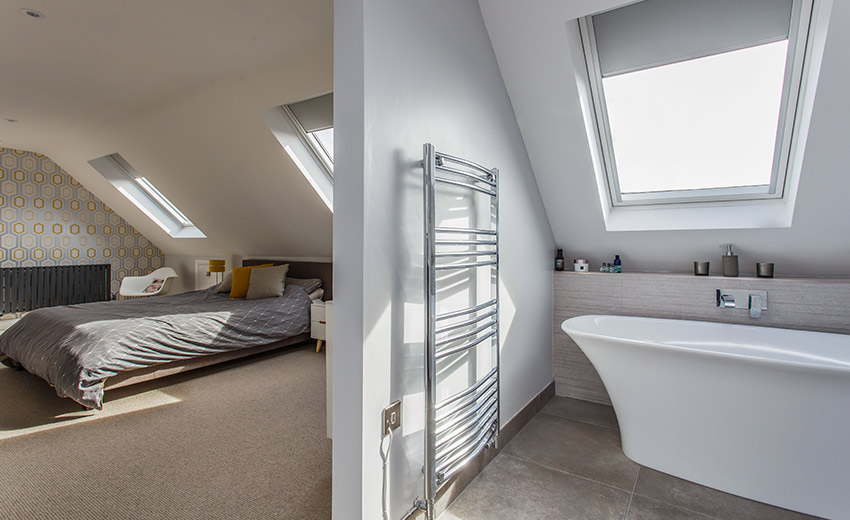
If you are trying to decide between a hip to gable conversion and a dormer, you are probably at the stage where you have done enough research to know both options exist but are not yet clear on which makes more sense for your home.
The two are often discussed together because they are frequently combined on the same project. But they are fundamentally different in what they do, what they cost, and which homes they suit. Understanding the differences clearly will help you make a better decision.
What each one actually does
A dormer conversion extends outward from the existing roof slope, creating a vertical wall and a flat or shallow pitched roof section that projects beyond the original roofline. It adds headroom and usable floor space within the footprint of the existing roof. Most rear dormers in London are built at the back of the property where they are not visible from the street.
A hip to gable conversion does something structurally different. Instead of projecting outward from the slope, it replaces the sloping hip end of the roof with a new vertical gable wall built out to the ridge line. This extends the ridge and creates a much wider, squarer loft space than existed before.
A hip to gable conversion does not add space in the same way a dormer does. What it does is unlock space that the hip end of the roof was previously eating into. The awkward, unusable triangular corners that a hipped roof creates inside the loft are eliminated, and the room becomes a proper rectangular space from wall to wall.
Which homes each option suits
This is the most important practical distinction between the two.
A dormer can be added to almost any roof type, including hipped roofs, gable ended roofs, and most other configurations. It is the most versatile conversion option and suits the widest range of London home types. Terraced houses, semi detached homes, and detached properties can all benefit from a rear dormer.
A hip to gable conversion only applies to homes with a hipped roof. If your roof already has a gable end, a hip to gable conversion is simply not relevant. The question only arises when the end of your roof slopes inward rather than ending in a vertical wall.
In London, hipped roofs are most common on detached and semi detached homes, particularly those built between the 1920s and 1960s. Victorian and Edwardian terraces usually have gable ended roofs and therefore do not need or benefit from a hip to gable conversion.
If you are not sure what type of roof you have, standing back and looking at the end of your house from the street or garden will tell you. A sloping end is a hip. A flat vertical end wall is a gable.
The space each one creates
This is where the numbers start to matter.
A rear dormer on a standard London terrace typically adds between 15 and 25 square metres of usable floor space, depending on the width of the house and the size of the dormer. The headroom within the dormer itself is full height throughout, which makes it straightforward to fit a bedroom, an ensuite, or a study.
A hip to gable conversion on its own does not add a fixed amount of space in the same measurable way. What it does is transform the shape of the existing loft from an awkward wedge to a proper rectangular room. The gain in usable space depends on how steeply the hip slopes and how much of the loft it was previously eating into. For a typical semi detached home the space gained by converting the hip end can be substantial, sometimes adding the equivalent of several square metres of properly usable floor area.
The reason most people combine the two on the same project is that a hip to gable conversion alone, without a rear dormer, often still lacks headroom over much of the floor area. Adding a rear dormer at the same time resolves this and together the two create a genuinely large, well proportioned loft room.
Our hip to gable loft conversion guide covers the specific space gains in more detail and explains how the combination with a rear dormer works in practice.
Cost comparison
A rear dormer on a standard London terrace typically costs between £35,000 and £60,000 fully finished. The range reflects differences in size, specification, and the complexity of the structural work involved.
A hip to gable conversion costs between £40,000 and £65,000 on its own. When combined with a rear dormer, which is the most common approach on semi detached homes, the combined cost typically sits between £55,000 and £80,000 fully finished.
The higher cost of a hip to gable conversion compared to a standard dormer reflects the greater structural complexity. You are removing part of the existing roof, building a new gable wall, extending the ridge, and re-covering the roof over the new structure. Each of those elements adds material and labour cost over and above what a dormer alone requires.
Our loft conversion budgeting guide covers the full cost picture for both types including the additional professional fees, party wall costs, and building control fees that sit alongside the build quote.
Planning permission considerations
Rear dormers on most London homes qualify for permitted development, meaning no planning application is needed provided the design stays within the defined volume and height limits and the property is not in a conservation area or subject to other restrictions.
Hip to gable conversions have a more complicated relationship with permitted development. In many London boroughs a hip to gable conversion falls outside permitted development because it alters the external appearance of a visible roof end. Some boroughs accept them as permitted development. Others require a full planning application.
This variation between boroughs makes it particularly important to check with your local planning authority before proceeding. Do not assume permitted development applies to a hip to gable conversion without confirming it for your specific property and borough.
If planning permission is required it adds cost and time to the programme. A householder planning application costs £258 in England and takes eight to twelve weeks to decide, with professional drawing and consultant costs typically adding £800 to £1,500 on top of that.
Our permitted development rules guide explains the framework in detail and our planning permission timeline guide walks through what the application process involves and how long each stage realistically takes.
Structural complexity
Both conversion types involve structural work, but the nature of that work differs.
A rear dormer requires the existing roof slope to be cut into and a new structural frame built for the dormer itself. Steel beams are commonly required to carry the loads around the dormer opening and transfer them to the walls below. The floor may also need strengthening to meet building regulations requirements for a habitable room.
A hip to gable conversion involves removing the hip rafter and the hip end of the roof structure entirely and replacing it with a new gable wall built out to the ridge. The ridge itself is extended. New roof timbers are required to span the enlarged roof area. Steel beams are almost always needed to carry the extended ridge and transfer loads to the new gable wall and the structure below.
In structural terms a hip to gable conversion is generally the more complex of the two. It involves more disruption to the existing roof structure and requires more careful engineering to ensure the loads are carried correctly through the new configuration.
Our structural calculations guide explains what the structural engineer assesses on each type of conversion and why getting the structural design right before work starts is fundamental to a safe and compliant build.
Disruption and build programme
A standard rear dormer on a London terrace typically takes eight to fourteen weeks from start to completion. During the structural phase, when the roof is being opened up and the dormer frame is being built, there will be several days where the roof is partially exposed. Good builders manage this carefully and have the structure weathertight as quickly as possible.
A hip to gable conversion takes slightly longer because the structural work is more extensive. A hip to gable with rear dormer combined typically runs between twelve and eighteen weeks depending on the size and complexity of the project.
Both types of conversion can be carried out while the family continues to live in the property. The noise and dust during the structural phase is significant but manageable for most households.
Value added to the property
Both types of conversion add meaningful value to London properties, but the combined hip to gable and rear dormer consistently delivers the strongest return.
A rear dormer that creates a bedroom and ensuite typically adds between 15% and 20% to a property's value in London. On a £650,000 home that is £97,000 to £130,000 in added value.
A hip to gable with rear dormer, which creates a larger and better proportioned space, typically adds between 20% and 25%. On the same £650,000 home that is £130,000 to £162,000 in added value.
The stronger return reflects the greater usable space created and the appeal to buyers of a large, well proportioned loft room with proper headroom throughout. In London where space commands a premium, the difference in floor area between a standard dormer and a hip to gable dormer combination translates directly into value.
Our loft conversion vs moving house guide puts these numbers in the context of the full financial comparison between converting and moving to a bigger property.
Which one is right for your home
The answer depends on what type of roof you have and what you are trying to achieve.
If you have a gable ended roof, the hip to gable question does not apply. A rear dormer or an L-shaped dormer is almost certainly the right route and the decision comes down to size, specification, and budget.
If you have a hipped roof and you want to maximise the space and value you create, a hip to gable conversion combined with a rear dormer is the strongest option financially and practically. The additional cost over a dormer alone is usually justified by the additional space and value created.
If you have a hipped roof but budget is the primary constraint, a rear dormer alone can still create a usable room in many cases, particularly if the existing ridge height is reasonable. A structural engineer can assess whether the existing loft space has enough natural height to make a dormer alone work without the hip to gable element.
The most reliable way to understand which approach suits your specific home is to have a structural engineer assess the existing roof space before you commit to any design direction. It costs a few hundred pounds and gives you an accurate picture of what is actually possible before you spend money on drawings or builder quotes.
The straightforward summary
A dormer adds space by projecting outward from the roof slope. A hip to gable conversion adds space by replacing the sloping hip end with a vertical gable wall. Most homes with hipped roofs benefit from both at the same time.
The dormer is the more versatile option and suits a wider range of homes. The hip to gable conversion is only relevant for hipped roof properties but when combined with a dormer creates the largest and most valuable loft conversions available to London homeowners.
At Loft Converter London we assess every project individually to recommend the approach that makes the most sense for the specific home, the budget, and what the homeowner is trying to achieve. There is no one size fits all answer, but there is always a right answer for your property if you take the time to understand it properly.
If you are continuing to build your understanding of what your options are, our loft conversion costs page, loft conversion types guide, and do you need an architect guide are useful next steps.
Dormer Loft Conversion Cost Guide for London Homeowners
August 17, 2024
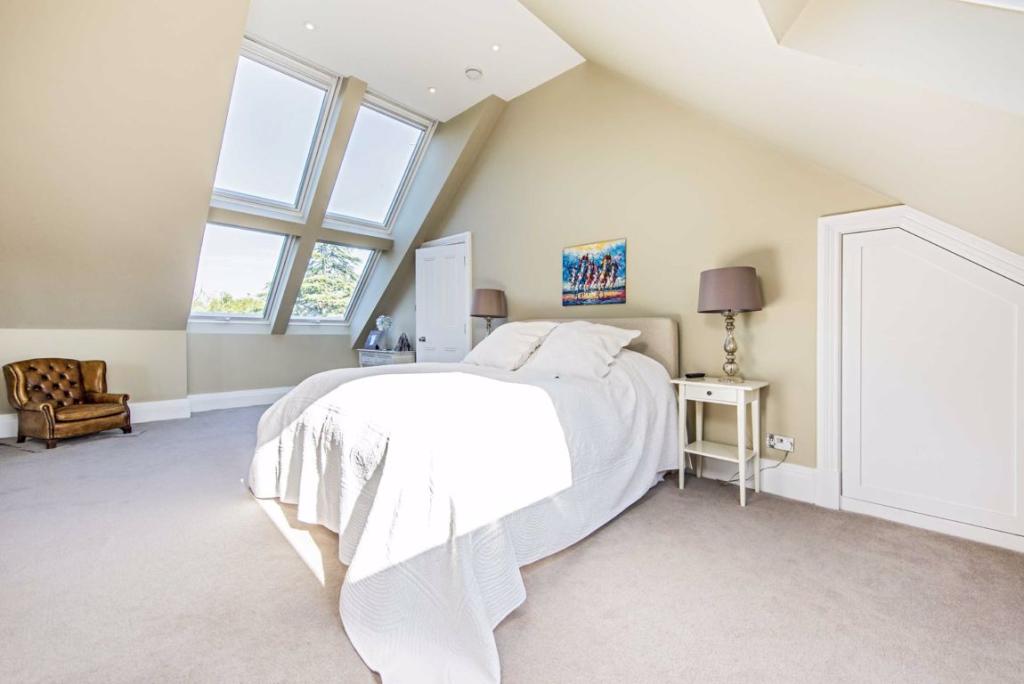
A dormer loft conversion is the most popular choice for London homeowners, and it is not hard to see why. It adds genuine headroom, creates a proper, usable room, and, in most cases, does not require planning permission.
But the cost varies more than most people expect. This guide breaks down what you are actually paying for, what drives the price up or down, and what a realistic budget looks like for a London property.
What is a dormer loft conversion?
A dormer is a structural extension that projects outward from the existing roof slope. It creates a vertical wall and a flat or shallow-pitched roof, which adds headroom and floor space that simply would not exist in the original roof shape.
The most common version in London is a rear dormer, built at the back of the property, out of sight from the street. This is practical, usually permitted development, and gives you the most usable space for the money.
Other variations include side dormers, L-shaped dormers on Victorian and Edwardian terraces, and full-width dormers that run across the entire rear of the roof. Each has different cost implications and planning considerations.
If you want to understand how a dormer compares to other conversion types before deciding, our loft conversion types guide covers all the main options side by side.
What does a dormer loft conversion cost in London?
For most London homes, a rear dormer loft conversion costs between £35,000 and £60,000 fully finished. That is a wide range, and the gap between the lower and upper ends comes down to a handful of specific factors.
A basic rear dormer on a standard London terrace, finished to a decent standard with a single room, sits toward the lower end of that range. Add an ensuite bathroom, high-end finishes, complex steelwork, or a larger footprint and the cost moves toward the upper end.
An L-shaped dormer, which combines a rear dormer with a smaller side return and is common on Victorian terraces, typically costs between £45,000 and £70,000. The additional structure and roofing work adds to both the build time and the cost.
A full-width rear dormer, which maximises the space across the entire back of the roof, costs between £50,000 and £75,000 in most cases.
These figures assume a fully finished room ready to use. They include the structural work, staircase, insulation, windows, plastering, electrics, and basic decoration. What they often do not include are the additional costs that sit alongside any loft conversion project.
Our loft conversion budgeting guide covers those hidden costs in detail, including party wall agreements, structural engineer fees, building control, and planning if required.
What affects the cost most?
Size is the obvious one. A larger dormer means more structure, more roofing, more internal volume to finish, and a longer build programme. Every additional square metre adds cost.
The staircase has a bigger impact than most people realise. A simple straight stair costs less than a space-saving alternating tread stair or a bespoke joinery solution. But the staircase also affects how much floor space you lose on the floor below, sometimes forcing layout changes that add further cost.
Adding an ensuite bathroom is where costs can jump significantly. You are adding plumbing, tiling, sanitaryware, and ventilation on top of the standard room fit out. Budget an additional £6,000 to £12,000 for a well-finished ensuite, depending on specification.
The condition of your existing roof matters too. Older roofs sometimes need structural repairs or strengthening before the dormer can be built. A structural engineer will identify this early, which is why getting one involved before you approach builders is always worth the cost.
Specification drives the final number more than anything else. The difference between a mid-range and high-end finish on windows, flooring, joinery, and bathroom fittings can easily be £10,000 to £15,000 on the same structural build.
Planning permission and permitted development
Most rear dormers in London qualify for permitted development, meaning no formal planning application is needed. But there are conditions attached and exceptions that catch people out.
The dormer must not exceed the highest point of the existing roof. It must not overhang the outer wall of the house. Materials should be similar in appearance to the existing house. And the total volume added across all extensions must not exceed 40 cubic metres for a terraced home or 50 cubic metres for a detached or semi-detached property.
If you live in a conservation area, a listed building, or an area covered by an Article 4 direction, permitted development rights may be restricted or removed entirely. Some London boroughs have specific local policies that go further than the national rules.
A full planning application adds around £800 to £1,500 in fees and drawings, and typically takes eight to twelve weeks. If your property is in a sensitive area, it is worth getting professional advice before assuming you can proceed without one.
Building regulations and sign off
Every dormer loft conversion needs building regulations approval, regardless of whether planning permission is required. These are separate processes and both are mandatory.
Building regulations cover structural integrity, fire safety, insulation, ventilation, and means of escape. An inspector will visit at key stages of the build and sign off at the end.
Without a building regulations completion certificate, you cannot legally sell the property and the work is not covered by the protections that come with a proper sign-off. Budget around £800 to £1,200 for building control fees, and confirm with your builder whether this is included in their quote or separate.
Party wall considerations
If your dormer is being built close to or on a shared wall, you are legally required to serve a party wall notice on your neighbour before work starts. Most rear dormers on terraced homes trigger this requirement.
If your neighbour agrees and signs the notice, costs are minimal. If they appoint their own surveyor, you pay their fees. That can run to £1,000 or more per neighbour. On a mid-terrace with neighbours on both sides, that is a potential £2,000 addition to your budget that many people do not anticipate.
How much value does a dormer add?
This is the number that puts the cost in context. A well-built dormer loft conversion in London, particularly one that creates a bedroom and ensuite, typically adds between 15% and 25% to a property's value.
On a £650,000 London terrace, that is £97,000 to £162,000 in added value. Even at the upper end of build costs, the return on investment is strong. London's price per square foot makes adding usable space one of the most reliable ways to increase what a property is worth.
An L-shaped dormer that creates a large master bedroom with an ensuite consistently performs at the higher end of that value range because it adds the kind of space buyers specifically look for and pay a premium for.
If you are weighing up a loft conversion vs moving to a bigger home, our guide runs through the full financial comparison honestly.
What the build process looks like
A standard rear dormer on a London terrace takes between eight and fourteen weeks from start to finish. An L-shaped dormer or a more complex build can take sixteen weeks or more.
The project typically starts with scaffolding, followed by structural work to prepare the floor and support any required steel beams. The dormer structure goes up next, followed by roofing and weatherproofing before internal work begins.
The disruption is real but manageable. Most families continue living in the property throughout the build, though the noise and dust during the structural phase can be significant for a few weeks.
A good builder will keep you informed at each stage and have the building weather-tight as quickly as possible. Ask specifically about this when you are interviewing contractors.
Getting quotes right
The most common mistake people make is comparing quotes that do not cover the same scope. One builder includes scaffolding, building control, and a staircase. Another does not. On paper, the second quote looks cheaper, but it is not.
Ask every builder to provide an itemised quote that specifies exactly what is and is not included. Confirm whether VAT is included. Ask about contingency allowances for unforeseen structural issues. And check what their process is for managing building control sign-off.
Three comparable quotes from experienced loft conversion specialists will give you a reliable picture of what your specific project should cost.
The straightforward summary
A dormer loft conversion is the most practical and most popular way to add serious usable space to a London home. For most terraced and semi-detached properties, it delivers the best combination of added space, added value, and realistic cost.
Budget honestly, understand what is and isn't in your quotes, and involve a structural engineer early. Those three steps will save you from the surprises that catch most people off guard.
If you are at the early stage of thinking this through, our loft conversion costs page and loft suitability guide are good places to start before you speak to anyone.
Loft Conversion vs Moving House in London: Which Saves More Money?
April 13, 2024
This is one of the most common questions we hear. You need more space, and you have two realistic options. Do you convert your loft and stay put, or do you sell up and buy somewhere bigger?
Both routes cost serious money in London. The question is which one makes more financial sense for your situation.
What moving house actually costs in London
People focus on the price difference between their current home and the next one. But moving is expensive before you even think about that gap.
Here is what you are actually paying when you move in London:
Estate agent fees typically range from 1% to 3% of your sale price. On a £600,000 home, that is up to £18,000 gone before you see a penny.
Stamp duty on your next purchase can be substantial. On a £750,000 property, you are looking at around £27,500. If you already own and are not a first-time buyer, there is no relief available on standard purchases.
Solicitor fees, surveys, and removals add another £3,000 to £5,000. And if your chain falls through and you restart the process, many of those costs repeat.
In total, moving in London routinely costs £40,000 to £70,000 in transaction costs alone, before you account for any difference in mortgage.
What a loft conversion actually costs
A well-built loft conversion in London typically runs between £35,000 and £65,000 fully finished. That includes the structure, staircase, insulation, electrics, plastering, and basic decoration.
Add in the hidden costs we cover in our loft conversion budgeting guide, such as party wall agreements, structural engineer fees, building control, and planning if required, and the realistic all-in number for most London homes sits around £45,000 to £70,000.
That is comparable to moving costs, but with one major difference. The loft conversion adds a room and adds value. Moving costs just disappear.
The value a loft conversion adds
This is where the numbers start to favour converting. A properly built loft conversion in London typically adds between 15% and 25% to a property's value, according to multiple estate agent and surveyor reports.
On a £600,000 home, that is £90,000 to £150,000 in added value. Even if you spend £60,000 on the conversion, the return on investment is strong, particularly in areas where square footage commands a premium.
A bedroom and bathroom loft conversion will almost always add more value than it costs in London. That is not always true in other parts of the country, but London's price per square foot makes the calculation different.
If you want to understand which type of conversion adds the most value, our loft conversion types guide breaks it down clearly.
The mortgage reality
Moving to a bigger home usually means a bigger mortgage. In the current rate environment, that matters a lot.
If you are moving from a £600,000 home to a £800,000 home and need to borrow an extra £200,000, at a 5% rate that adds roughly £1,100 per month to your repayments. Over five years, that is £66,000 in additional interest alone, not capital repayment.
A loft conversion financed through savings or a remortgage at a lower rate can cost significantly less in total, especially if your existing mortgage deal is already favourable.
It is worth speaking to a mortgage broker before making this decision, because the numbers look very different depending on your current deal, equity position, and what you would need to borrow.
When moving makes more sense
A loft conversion is not always the right answer.
If your home has other fundamental problems, too small a footprint, a poor location, bad schools nearby, or a layout that simply does not work for your family, adding a room at the top will not fix them.
If you need significantly more space beyond one or two rooms, converting your loft gets you one or possibly two extra rooms. Moving might get you a whole different class of property.
And if your loft is not suitable for conversion due to roof height, structure, or access constraints, the decision gets made for you. Our loft suitability guide helps you understand whether your home is a realistic candidate before you go any further.
When converting makes more sense
If you like where you live, your home is fundamentally right for your family, and you just need more space, a loft conversion is hard to argue against financially.
You avoid all transaction costs. You stay in an area you know. You add lasting value to an asset you already own. And you avoid the disruption, uncertainty, and cost of a chain.
For most London homeowners who are happy in their location and have a suitable roof, the numbers consistently favour converting over moving.
The honest comparison
Here is a straightforward way to think about it. Add up the realistic cost of moving, including stamp duty, agent fees, legal costs, and any premium you would pay for the extra space. Then compare that to a realistic all-in loft conversion quote, including contingency.
In most London scenarios, the conversion comes out cheaper and leaves you with a more valuable home at the end of it.
The exception is if you genuinely need to move for reasons beyond space. But if space is the primary driver, staying put and building up is almost always the better financial decision in London.
If you are at the early stage of thinking this through, our loft conversion cost guide gives you a solid starting point for what to budget.
Budgeting for a Loft Conversion in London: Hidden Costs to Know
March 11, 2024
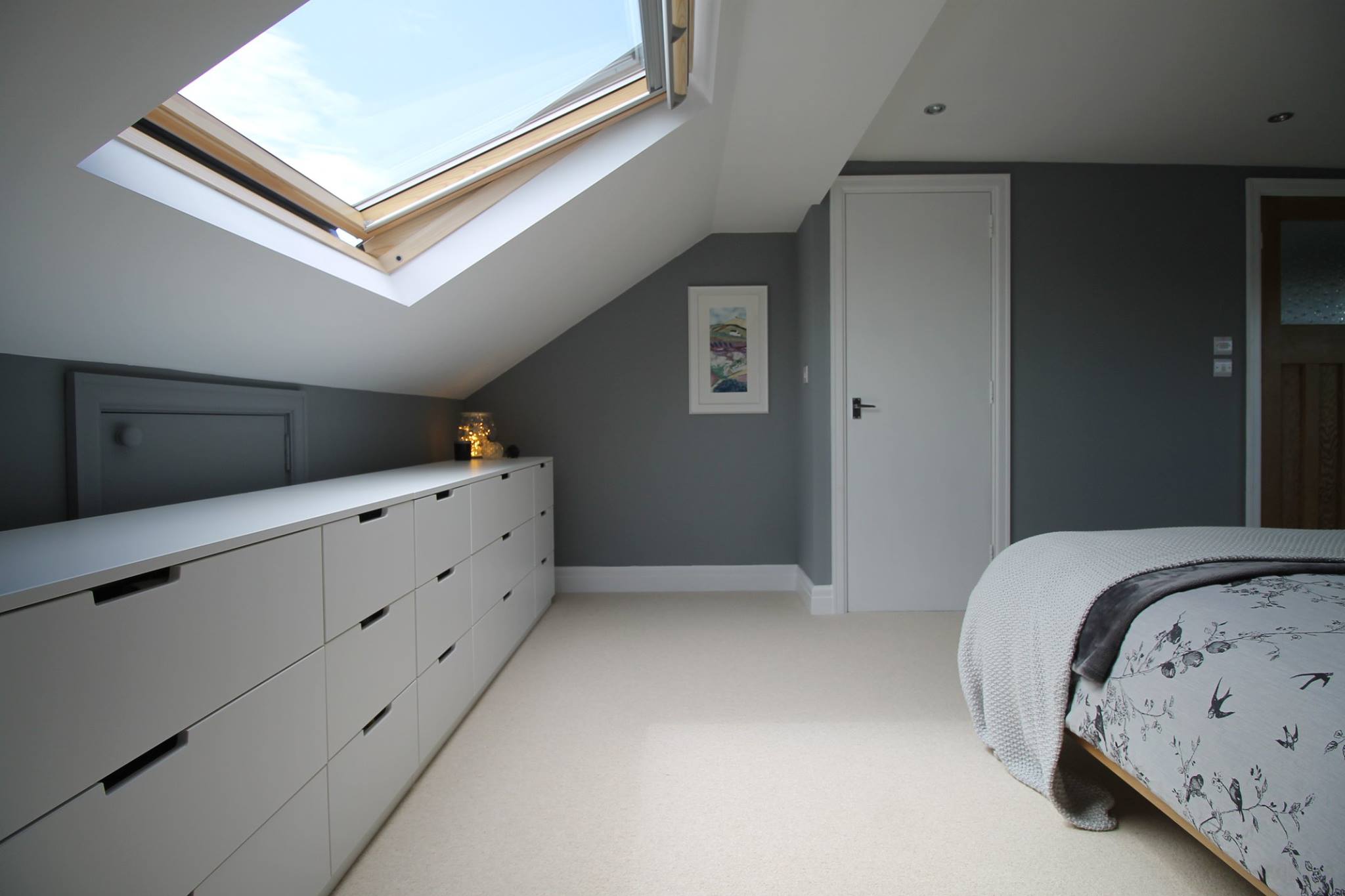
A loft conversion sounds simple on paper. You have unused space above your head, and you want to turn it into something useful. But the final bill almost always surprises people, and not in a good way.
Here's what actually drives up the cost, and what to watch for before you commit.
The quote you get is rarely the final number
Most builders quote for the core build. That includes the structure, stairs, insulation, windows, and basic electrical work. What it often does not include is everything that comes after or around it.
Party wall agreements, planning fees, structural engineer reports, building control sign off, and specialist surveys all sit outside the standard quote. In London, these extras can easily add £3,000 to £8,000 to your budget before a single wall goes up.
Planning permission is not always straightforward
Many loft conversions fall under permitted development, which means no formal planning application is needed. But not all do. If you live in a conservation area, a listed building, or certain boroughs with local restrictions, you will need full planning permission.
That costs money and takes time. Budget around £800 to £1,500 for the application and associated drawings, and expect a decision to take eight to twelve weeks.
If you want to understand more about what counts as permitted development, our planning and permissions guide walks through it in plain terms.
Party wall notices catch people off guard
If your loft conversion involves work on or near a shared wall, you are legally required to serve notice on your neighbours. Most people forget this until the build is about to start.
If your neighbour agrees, costs are minimal. If they appoint their own surveyor, you pay their fees too. That can run to £1,000 or more per neighbour. In a terrace, that could mean two sets of fees.
Structural work can vary wildly
Older London homes often need more work than expected once a structural engineer gets involved. Existing roof timbers may not be strong enough, or the floor will need strengthening to meet building regulations.
These are not optional extras. They are legal requirements. A standard steel beam installation runs between £1,500 and £3,000, but this varies depending on access, size, and what the engineer specifies.
The staircase takes up more of your budget than most people expect
A new staircase is not just carpentry. It needs to comply with building regulations, fit within the available floor space, and often means sacrificing part of an existing room below. If that means moving a wall or relocating a door, the costs stack up quickly.
Budget at least £3,000 to £5,000 for a well made, code compliant staircase. Cheaper options exist, but they often cause problems at building sign off.
VAT is not always included
Most quotes from builders are either plus VAT or already include it. Make sure you know which you are looking at. At 20%, it is a significant difference on a £40,000 build.
If your builder is not VAT registered, that can sometimes save money, but it also raises questions about their size, experience, and insurance. Worth checking carefully.
Finishing costs are often underestimated
The shell of a loft is one thing. Getting it to a liveable standard is another. Plastering, flooring, lighting, sockets, decoration, and fitted storage are rarely included in a structural quote.
For a modest loft room you might budget £5,000 to £10,000 for finishes alone. For a bedroom with an ensuite, that number climbs further.
Our loft conversion costs page gives a fuller breakdown of what to expect at each stage of the finish.
Building regulations sign off is not optional
Every loft conversion in England needs building regulations approval. This is separate from planning permission and covers things like fire safety, structural integrity, insulation, and means of escape.
You will need a building control inspector to visit at various stages of the build and sign off at the end. Some builders include this in their quote. Many do not. Budget around £800 to £1,200 for building control fees.
Without sign off, you cannot legally sell the property and the work is not protected under building regulations warranties.
What to do before you get quotes
Get a structural engineer to look at your roof before you even approach builders. It costs a few hundred pounds and tells you upfront whether your loft is viable and what complications exist. It also means builders are quoting against the same information, which makes comparing quotes much easier.
If you want to see what types of loft conversion suit different home styles, take a look at our loft conversion types guide.
The honest summary
A well planned loft conversion in London typically costs between £35,000 and £65,000 fully finished, depending on the type, size, and specification. The wide range exists because the hidden costs above can shift a project significantly.
Get everything itemised in writing before you sign anything. Ask each builder specifically what is and is not included. And build in at least a 15% contingency because something almost always comes up once the roof is open.
The Most Cost-Effective Loft Conversions for London Homes
January 30, 2024
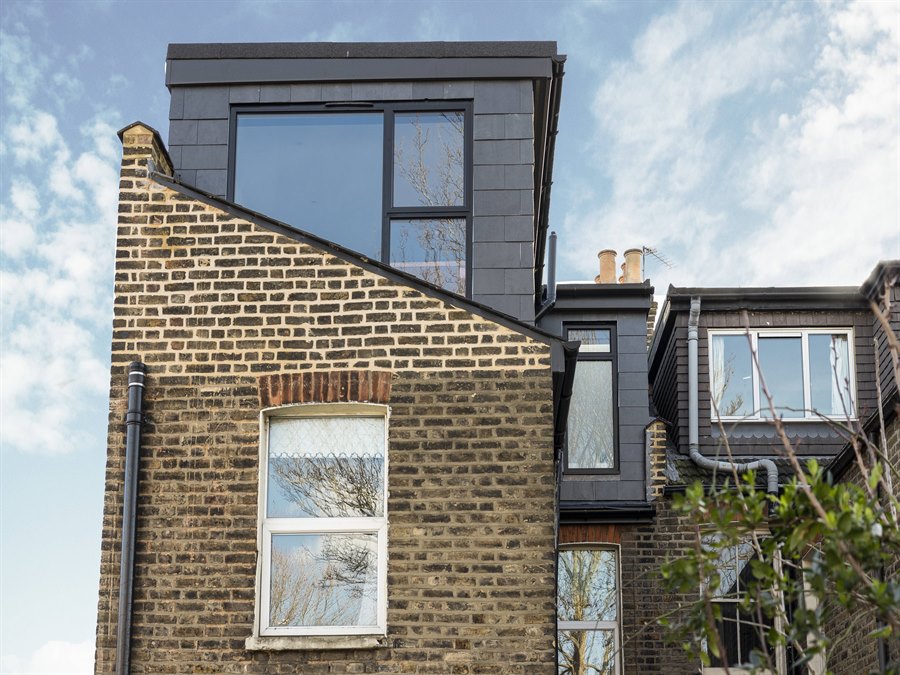
Moving house in London is expensive. Between stamp duty, estate agent fees, solicitor costs, and the premium on a bigger property, you're easily looking at £50,000 to £100,000+ just to get through the door of somewhere larger. A loft conversion sidesteps all of that. You stay put, keep your commute, keep the kids in the same school — and still get the extra space you need.
But not all loft conversions cost the same. The type you choose, the property you live in, and where you are in London all play a big part in the final bill. Here's what actually works if you want to get the most from your budget.
Why London Homeowners Keep Choosing Loft Conversions
The numbers make sense. A loft conversion can add 20–25% to a London property's value. A 2025 Nationwide report found that adding a double bedroom and bathroom through a loft conversion can boost a three-bedroom home's value by up to 24%. On a £500,000 London property, that's roughly £100,000–£120,000 in added value.
Compare that to the cost of the conversion itself — typically £50,000 to £90,000 in London — and the maths speaks for itself.
You also get to skip the garden sacrifice. Unlike a rear extension, a loft conversion uses space that's already there, sitting empty above your head. In tightly packed London boroughs where gardens are small, that matters.
The Four Main Types (Ranked by Cost)
1. Velux (Rooflight) Conversion — From Around £45,000–£65,000
This is the cheapest option. No changes to the roof structure — just skylights fitted into the existing slope, along with insulation, flooring, and a new staircase.
It works best if your loft already has decent headroom (at least 2.3 metres at the ridge). You won't get as much usable floor space as other options, but you'll spend less and the build is quicker — often just a few weeks.
The catch: because the roof stays as it is, you lose usable space where the ceiling slopes down. It's fine for a home office or spare bedroom. Less ideal if you need a full master suite.
Almost always falls under permitted development, so no planning application needed.
2. Dormer Conversion — Around £50,000–£80,000
The most popular choice for London terraces. A dormer is a box-shaped structure that extends out from the rear roof slope, giving you proper full-height walls at the back of the room.
This opens up significantly more space than a Velux conversion. Most people use it for a bedroom and en-suite bathroom. On a Victorian or Edwardian terrace — which makes up a huge chunk of London's housing — a rear dormer is often the sweet spot between cost and space gained.
Rear dormers usually qualify for permitted development. Front and side dormers typically need planning permission.
3. Hip-to-Gable Conversion — Around £65,000–£90,000
If you live in a semi-detached or detached house with a hipped roof (one that slopes down on the side), this converts that sloping end into a vertical gable wall. The result is a much bigger room with full headroom across a wider area.
It's commonly combined with a rear dormer for maximum space. Popular across outer London boroughs like Ealing, Hounslow, and Hillingdon.
More structural work involved than a dormer, so costs go up. But for semi-detached homes, it's often the most effective way to create genuinely usable loft space.
4. Mansard Conversion — £80,000–£120,000+
The most expensive option, and the one that gives you the most space. A mansard rebuilds the rear roof into near-vertical walls with a flat top, essentially creating a whole new floor.
Common in inner London, especially on terraced properties where maximising every square metre matters. It's the go-to for conservation areas where other dormer styles might not get planning approval (though mansards themselves always require planning permission).
The build takes longer, costs more, and involves more red tape. But the extra floor area and property value increase can make it worthwhile on higher-value properties.
What Makes London More Expensive?
London loft conversions typically cost 15–25% more than the same job elsewhere in the UK. Here's why:
Labour costs are higher. A skilled carpenter or structural engineer in West London charges more per day than one in the Midlands. That's just the cost of living difference filtering through to trades.
Site logistics are trickier. Terraced streets mean parking permits, restricted delivery windows, and sometimes crane hire to get materials over the roof. On a wide plot in the suburbs, the same job is simpler and cheaper.
Older housing stock needs more work. Victorian and Edwardian homes — the majority across many London boroughs — have cut timber roof structures. Each one needs individual structural assessment before work can start.
How to Keep Costs Down
Pick the right conversion for your property. A Velux conversion on a house with good existing headroom is far cheaper than forcing a mansard onto a property that doesn't need one. Match the conversion type to what your roof can handle.
Consider a first-fix (shell) conversion. Some builders offer to handle the structural work — steel beams, floor, staircase, dormer structure — and leave the finishing to you. If you're handy or have contacts in the trades, this can cut the bill significantly.
Don't over-spec the finishes. The biggest cost creep comes from finishing work: flooring, built-in storage, bathroom fittings, decorating. Set a clear budget for finishes early and stick to it.
Get a Lawful Development Certificate. Even if you don't need planning permission, getting an LDC (around £100–£200) proves your conversion is legal. It protects you at resale and avoids headaches with solicitors down the line.
Budget 15–20% above the base quote. Construction on existing buildings is unpredictable. Older roofs can need more strengthening than expected. A contingency fund stops surprises from derailing the project.
Do You Need Planning Permission?
Most loft conversions in London fall under permitted development, meaning no planning application is needed. The rules are:
- No more than 40 cubic metres of extra roof space for terraced houses, or 50 cubic metres for semi-detached and detached homes.
- No extension higher than the existing roof.
- Materials must match the existing house.
- Side-facing windows must be obscure-glazed.
- No extension beyond the front roof slope facing the road.
However, these rights don't apply if your property is listed, in a conservation area, or subject to an Article 4 direction. Many inner London boroughs — Islington, Hackney, Southwark, Camden — have significant conservation area coverage. Always check with your local authority or a planning consultant before you commit.
And remember: even if you don't need planning permission, building regulations approval is mandatory for every loft conversion. This covers structural safety, fire protection, insulation, and staircase standards. Skipping building regs creates serious problems when you try to sell.
Party Wall Agreements
If your loft conversion involves work on or near a shared wall — and on most London terraces, it will — you need a party wall agreement with your neighbours. Serve notice at least two months before work starts. Budget £1,000–£3,000 for surveyor fees per neighbour.
It's tempting to skip this. Don't. It protects both you and your neighbours, and missing it can cause legal issues at sale.
Which Conversion Offers the Best Value?
For most London homeowners on a budget, a rear dormer hits the best balance. It costs less than a hip-to-gable or mansard, gives you proper full-height space, works on the terraced houses that dominate London's housing, and usually doesn't need planning permission.
If your loft already has good headroom and you just need a functional extra room, a Velux conversion is the most affordable path.
And if you're in a semi-detached property with a hipped roof, a hip-to-gable with rear dormer combination gets you the most space for the money.
The mansard makes financial sense mainly on higher-value properties in inner London, where the larger space gain translates to a bigger value uplift.
The Bottom Line
A loft conversion remains one of the smartest investments a London homeowner can make. You avoid the crushing costs of moving, you add genuine value to your property, and you get usable space without giving up your garden.
The key is matching the conversion type to your property, your budget, and your actual needs. Start with a structural survey and an honest conversation with a specialist about what your roof can support. Get at least three quotes. And always — always — go through building regulations properly.
Your loft is sitting there doing nothing. Put it to work.
How Much Does a Loft Conversion in London Cost?
April 17, 2023
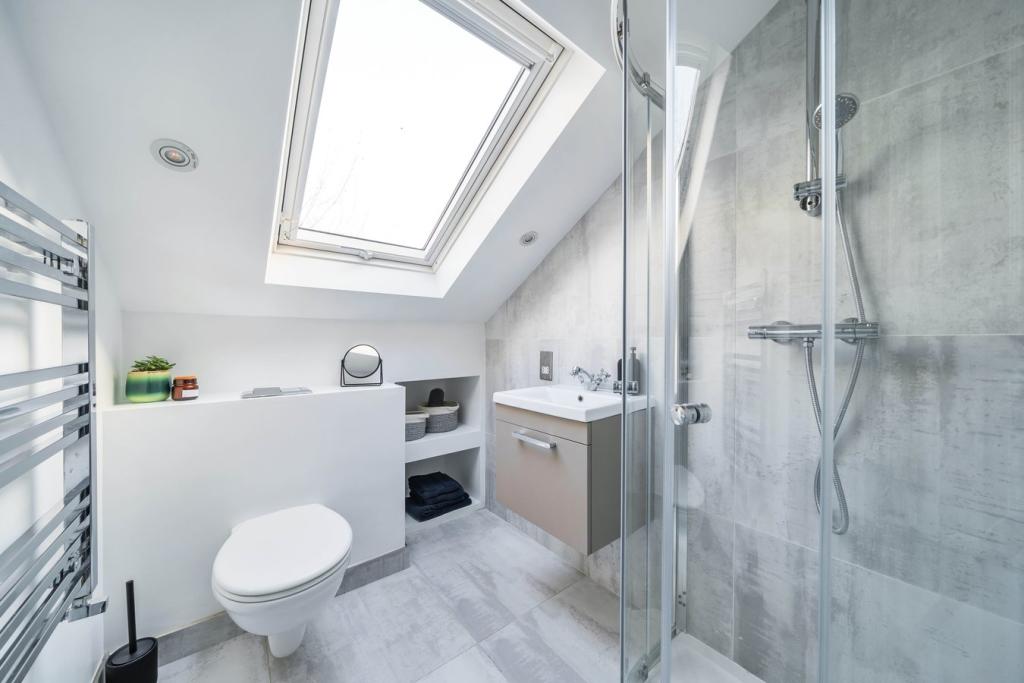
The cost of a loft conversion in London can vary widely depending on several factors, such as the type of conversion, the size of the space, and the materials used. Generally, the cost of a loft conversion in London can range from £20,000 to £50,000, and sometimes more for larger or more complex projects.
It's important to note that loft conversion costs can be higher in London due to higher labour and material costs compared to other parts of the UK. Additionally, the cost may be affected by the location of the property, accessibility, and whether any additional work, such as plumbing or electrical work, is required.
To get a more accurate estimate of the cost of your loft conversion project in London, it's best to consult with a professional loft conversion company. They can provide you with a detailed breakdown of costs based on your specific project requirements and provide you with a more accurate estimate.
How do you calculate the cost?
Calculating the cost of a loft conversion can be challenging, as it can depend on many different factors. Here are some of the key factors to consider when estimating the cost of a loft conversion:
Type of loft conversion: Different types of loft conversions have different costs. For example, a dormer loft conversion may be less expensive than a mansard loft conversion.
Size of the loft: The larger the loft space, the higher the cost is likely to be. However, larger spaces may also be able to accommodate more features, such as an en-suite bathroom or additional storage.
Structural work required: If structural work is required to support the loft conversion, such as adding steel beams, this will add to the cost.
Materials used: The cost of materials used for the loft conversion can vary depending on the quality and type of materials chosen.
Electrical and plumbing work: If the loft conversion includes adding electrical or plumbing work, this will add to the cost.
Labour costs: Labour costs will depend on the complexity of the project and the hourly rate of the contractors.
To get an accurate estimate of the cost of a loft conversion, it's recommended to get quotes from several reputable loft conversion companies. They can assess your specific requirements and provide a detailed breakdown of costs, including materials, labour, and any additional expenses such as planning permission or building regulations. It's important to keep in mind that loft conversion costs can vary, so it's best to get multiple quotes to compare prices and ensure you are getting a fair price.
How Your Location Can Change The Cost Of Your Loft Conversion
The average cost for a loft conversion will vary depending on where you live. Generally, homeowners in major cities and densely populated areas are likely to pay more due to the increased demand for space. Additionally, properties outside major cities may have access to cheaper labor costs and materials as well as more flexible planning permission regulations.
Factors That May Increase The Cost Of A Loft Conversion
Whenever a loft conversion project is not a standard one, costs can increase accordingly. The most common reasons why the budget can be higher than the average are:
Unexpected structural issues that need to be fixed
These can range from the removal of existing structures or having to reinforce the floorings and walls.
Additional work required
This may include extra electrical, plumbing, or insulation.
Unforeseen complications during construction
These could range from access issues to delays due to bad weather.
Having an extra level added in the loft conversion
This can be a great way to add extra space, but it also adds to the cost.
Higher quality materials than expected
If you decide to use more expensive materials than originally planned, this too can add to the cost.
How to Plan your Loft Conversion
November 28, 2022
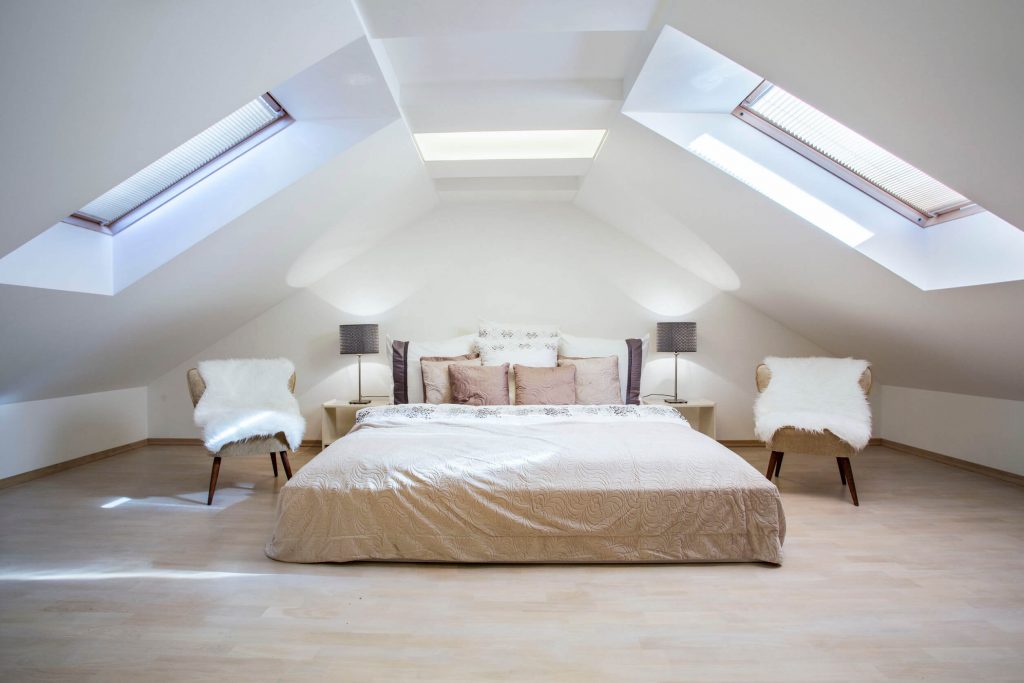
One of the most important things to think about when planning a loft conversion is the design. You should also consider what furniture you'll need to furnish the new space. It's best to shop for items in advance, so you can have them delivered in a timely manner. Lastly, you should consider whether to keep the new furniture in your home or move it into the loft after the conversion is complete.
Planning permission
If you want to convert your loft into a bedroom, you will need planning permission. Although loft conversions are often done without a planning permit, it is a good idea to seek permission from the local authority to protect the value of your property and ensure that any changes do not cause any harm to your neighbors. Generally, a standard loft conversion does not require planning permission as the work is not likely to have a significant effect on the outside of your property and it will not affect the view or space between neighboring properties.
To get planning permission, you must consult with our architect. This will ensure that your conversion will be approved without any complications. You should also discuss the loft extension plans with our qualified architect before you begin the conversion.
Designing a loft conversion
Designing a loft conversion is a great opportunity to create extra space. If you've got a spare room on the second floor, you can turn it into an extra bedroom. However, if you have a narrow space, you'll need to consider other features. Built-in wardrobes and shelves are an excellent way to maximise space. You can also include other features such as a study and laundry cupboard.
Another important aspect of loft conversion design is windows. Ideally, 20 percent of the roof area should be glazed to maximize natural light. The shape of the roof will also affect the positioning of the windows. For example, if your room is long and shallow, it makes sense to have windows evenly spaced along its length, while if it's narrow and deep, you might want to opt for a single large window.
Head height requirements
When planning a loft conversion, it's important to know how high the ceiling needs to be. Generally, the minimum ceiling height is two metres, although this can be reduced to 1.8 metres in the middle and 1.9 metres at the edge. This rule is only applicable to newly-built lofts.
Glazing options
There are many glazing options available for loft conversions. Rooflights are a good choice if you want to flood the attic with natural light. However, they don't allow for optimal views of the surrounding landscape. For this reason, rooflight isn't always suitable for conversions with low head heights. If you want to maximize views, skylights with glass fronts may be the better choice.
If you have a listed building, you'll want to ensure you adhere to building regulations. This may mean using a specific type of glazing. This is particularly important if you want to minimize noise or keep internal condensation to a minimum. This type of glazing can be expensive, so be sure to consider the costs before committing.
Insulating a loft conversion
Insulating a loft conversion is an essential step in any loft renovation project. It will not only keep the space warm in winter, but it will also improve energy efficiency in your home. Insulation also helps to keep noise levels down in the home by dampening outside noise. A skilled Architect will be able to advise you on the best insulation for your conversion.
It is also important to consider the roof of your loft conversion. If it is not insulated well, heat will escape. You should also consider the loft conversion regulations, which have recently become stricter. Older loft conversions are unlikely to meet current building regulations.
What are the benefits of a Loft Conversion
November 9, 2022
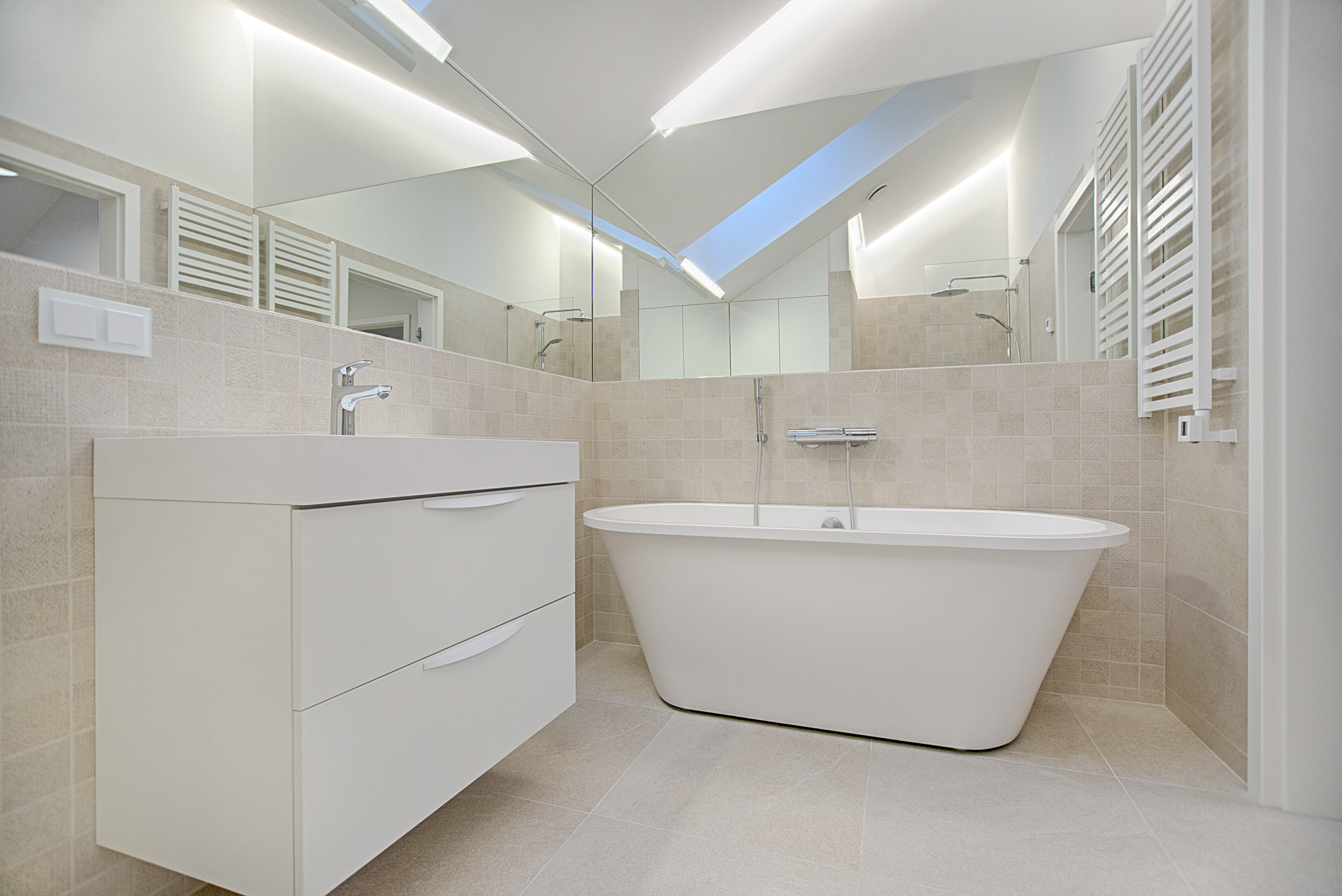
Benefits of a Loft Conversion
You can increase the value of your home by having a loft conversion, and gain an extra living area. You also can eliminate the hassle of moving house by having additional space. If you are considering a loft conversion, here are some things you should know. You may want to de-clutter your loft and make more use of it.
Common uses of a loft conversion
There are many common uses for a loft conversion, including a bathroom. Adding a bathroom to your home can not only make it more comfortable, but it can also add value to your home. If you are considering a loft conversion, consult an expert to find out if it is possible to add an extra bathroom.
A loft conversion can add value to your home and can make it more energy efficient. The extra insulation helps to reduce your utility costs. There are several different types of loft conversion, including dormer conversion, hip-to-gable conversion, and gable conversion. Dormer conversions are the most common, and they typically feature dormer windows. In addition to adding space to your home, a dormer conversion is a good option if you have a house with a traditional roof structure.
Loft conversions also have many other advantages. They can increase the value of your home, as the addition of a bedroom and bathroom can increase the value of your home by up to 21%. They also help to reduce your energy bills and carbon footprint. Additionally, many buyers will prefer a home that is energy efficient.
Increase in value of your home
A loft conversion is an excellent way to increase the value of your home. Not only does it provide additional space, but it also allows for natural light through roof windows. Having a double bedroom and bathroom in your loft can make your home more sellable. It can even help you make money if you plan to rent out the additional space.
Before undertaking a loft conversion, make sure you have the proper planning permission. This will ensure that you can carry out the conversion legally, which will help increase the value of your home. You should also make sure that your conversion does not clash with other properties in the neighborhood. A loft conversion can add between 10 and 15 percent to the value of your home.
Many homeowners use a loft for different purposes, including bedrooms, home offices, gyms, and games rooms. The extra rooms can increase the value of your property, while the work itself is relatively inexpensive. In fact, some homeowners find that their loft conversion can increase the value of their property by as much as 20%.
Adding extra living space
One of the benefits of a loft conversion is the extra living space it can give you. It is also an excellent way to increase the value of your property. It can give you a second bedroom, or a larger kitchen. You can work from home, or simply enjoy a more spacious environment.
If you have a growing family, a loft conversion can be a great way to create more space without having to move. A loft conversion can also provide extra storage space. This extra space can be used to store winter decorations or even seasonal equipment. In addition, it can be used as a home office.
Eliminating the hassle of moving house
Getting a loft conversion can save you the hassle of packing up and moving house. It is a cheaper alternative to selling your house, and the extra space will also help you save money on Stamp Duty and other expenses. The process of conversion takes very little time, and the inconvenience you experience is minimal. It may require some inconvenience on your part, such as short-term disruption to your daily life, but it will be less troublesome than moving house.
Loft conversions can also help you save on energy bills. You can also make use of the space for storage. There are many options for storage, including storage units larger than your current loft. Storage is also a great way to keep items out of sight but accessible when you need them. In addition, most loft conversions do not require planning permission and fall within Permitted Development Rights, making the process a quick and hassle-free process.