The Most Cost-Effective Loft Conversions for London Homes
January 30, 2024
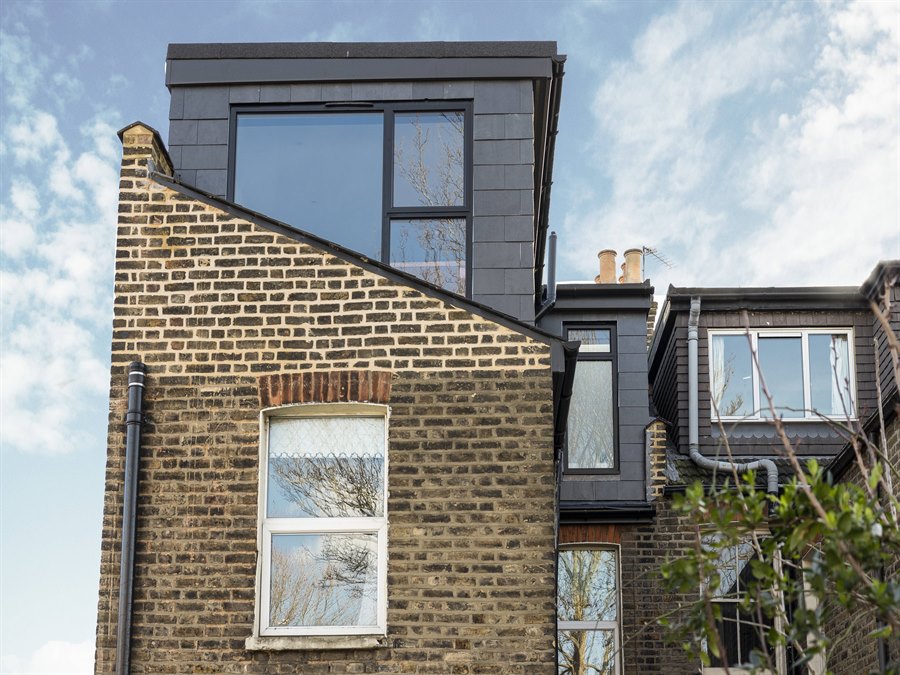
Moving house in London is expensive. Between stamp duty, estate agent fees, solicitor costs, and the premium on a bigger property, you're easily looking at £50,000 to £100,000+ just to get through the door of somewhere larger. A loft conversion sidesteps all of that. You stay put, keep your commute, keep the kids in the same school — and still get the extra space you need.
But not all loft conversions cost the same. The type you choose, the property you live in, and where you are in London all play a big part in the final bill. Here's what actually works if you want to get the most from your budget.
Why London Homeowners Keep Choosing Loft Conversions
The numbers make sense. A loft conversion can add 20–25% to a London property's value. A 2025 Nationwide report found that adding a double bedroom and bathroom through a loft conversion can boost a three-bedroom home's value by up to 24%. On a £500,000 London property, that's roughly £100,000–£120,000 in added value.
Compare that to the cost of the conversion itself — typically £50,000 to £90,000 in London — and the maths speaks for itself.
You also get to skip the garden sacrifice. Unlike a rear extension, a loft conversion uses space that's already there, sitting empty above your head. In tightly packed London boroughs where gardens are small, that matters.
The Four Main Types (Ranked by Cost)
1. Velux (Rooflight) Conversion — From Around £45,000–£65,000
This is the cheapest option. No changes to the roof structure — just skylights fitted into the existing slope, along with insulation, flooring, and a new staircase.
It works best if your loft already has decent headroom (at least 2.3 metres at the ridge). You won't get as much usable floor space as other options, but you'll spend less and the build is quicker — often just a few weeks.
The catch: because the roof stays as it is, you lose usable space where the ceiling slopes down. It's fine for a home office or spare bedroom. Less ideal if you need a full master suite.
Almost always falls under permitted development, so no planning application needed.
2. Dormer Conversion — Around £50,000–£80,000
The most popular choice for London terraces. A dormer is a box-shaped structure that extends out from the rear roof slope, giving you proper full-height walls at the back of the room.
This opens up significantly more space than a Velux conversion. Most people use it for a bedroom and en-suite bathroom. On a Victorian or Edwardian terrace — which makes up a huge chunk of London's housing — a rear dormer is often the sweet spot between cost and space gained.
Rear dormers usually qualify for permitted development. Front and side dormers typically need planning permission.
3. Hip-to-Gable Conversion — Around £65,000–£90,000
If you live in a semi-detached or detached house with a hipped roof (one that slopes down on the side), this converts that sloping end into a vertical gable wall. The result is a much bigger room with full headroom across a wider area.
It's commonly combined with a rear dormer for maximum space. Popular across outer London boroughs like Ealing, Hounslow, and Hillingdon.
More structural work involved than a dormer, so costs go up. But for semi-detached homes, it's often the most effective way to create genuinely usable loft space.
4. Mansard Conversion — £80,000–£120,000+
The most expensive option, and the one that gives you the most space. A mansard rebuilds the rear roof into near-vertical walls with a flat top, essentially creating a whole new floor.
Common in inner London, especially on terraced properties where maximising every square metre matters. It's the go-to for conservation areas where other dormer styles might not get planning approval (though mansards themselves always require planning permission).
The build takes longer, costs more, and involves more red tape. But the extra floor area and property value increase can make it worthwhile on higher-value properties.
What Makes London More Expensive?
London loft conversions typically cost 15–25% more than the same job elsewhere in the UK. Here's why:
Labour costs are higher. A skilled carpenter or structural engineer in West London charges more per day than one in the Midlands. That's just the cost of living difference filtering through to trades.
Site logistics are trickier. Terraced streets mean parking permits, restricted delivery windows, and sometimes crane hire to get materials over the roof. On a wide plot in the suburbs, the same job is simpler and cheaper.
Older housing stock needs more work. Victorian and Edwardian homes — the majority across many London boroughs — have cut timber roof structures. Each one needs individual structural assessment before work can start.
How to Keep Costs Down
Pick the right conversion for your property. A Velux conversion on a house with good existing headroom is far cheaper than forcing a mansard onto a property that doesn't need one. Match the conversion type to what your roof can handle.
Consider a first-fix (shell) conversion. Some builders offer to handle the structural work — steel beams, floor, staircase, dormer structure — and leave the finishing to you. If you're handy or have contacts in the trades, this can cut the bill significantly.
Don't over-spec the finishes. The biggest cost creep comes from finishing work: flooring, built-in storage, bathroom fittings, decorating. Set a clear budget for finishes early and stick to it.
Get a Lawful Development Certificate. Even if you don't need planning permission, getting an LDC (around £100–£200) proves your conversion is legal. It protects you at resale and avoids headaches with solicitors down the line.
Budget 15–20% above the base quote. Construction on existing buildings is unpredictable. Older roofs can need more strengthening than expected. A contingency fund stops surprises from derailing the project.
Do You Need Planning Permission?
Most loft conversions in London fall under permitted development, meaning no planning application is needed. The rules are:
- No more than 40 cubic metres of extra roof space for terraced houses, or 50 cubic metres for semi-detached and detached homes.
- No extension higher than the existing roof.
- Materials must match the existing house.
- Side-facing windows must be obscure-glazed.
- No extension beyond the front roof slope facing the road.
However, these rights don't apply if your property is listed, in a conservation area, or subject to an Article 4 direction. Many inner London boroughs — Islington, Hackney, Southwark, Camden — have significant conservation area coverage. Always check with your local authority or a planning consultant before you commit.
And remember: even if you don't need planning permission, building regulations approval is mandatory for every loft conversion. This covers structural safety, fire protection, insulation, and staircase standards. Skipping building regs creates serious problems when you try to sell.
Party Wall Agreements
If your loft conversion involves work on or near a shared wall — and on most London terraces, it will — you need a party wall agreement with your neighbours. Serve notice at least two months before work starts. Budget £1,000–£3,000 for surveyor fees per neighbour.
It's tempting to skip this. Don't. It protects both you and your neighbours, and missing it can cause legal issues at sale.
Which Conversion Offers the Best Value?
For most London homeowners on a budget, a rear dormer hits the best balance. It costs less than a hip-to-gable or mansard, gives you proper full-height space, works on the terraced houses that dominate London's housing, and usually doesn't need planning permission.
If your loft already has good headroom and you just need a functional extra room, a Velux conversion is the most affordable path.
And if you're in a semi-detached property with a hipped roof, a hip-to-gable with rear dormer combination gets you the most space for the money.
The mansard makes financial sense mainly on higher-value properties in inner London, where the larger space gain translates to a bigger value uplift.
The Bottom Line
A loft conversion remains one of the smartest investments a London homeowner can make. You avoid the crushing costs of moving, you add genuine value to your property, and you get usable space without giving up your garden.
The key is matching the conversion type to your property, your budget, and your actual needs. Start with a structural survey and an honest conversation with a specialist about what your roof can support. Get at least three quotes. And always — always — go through building regulations properly.
Your loft is sitting there doing nothing. Put it to work.