Can You Convert the Loft in a London Flat?
January 23, 2026
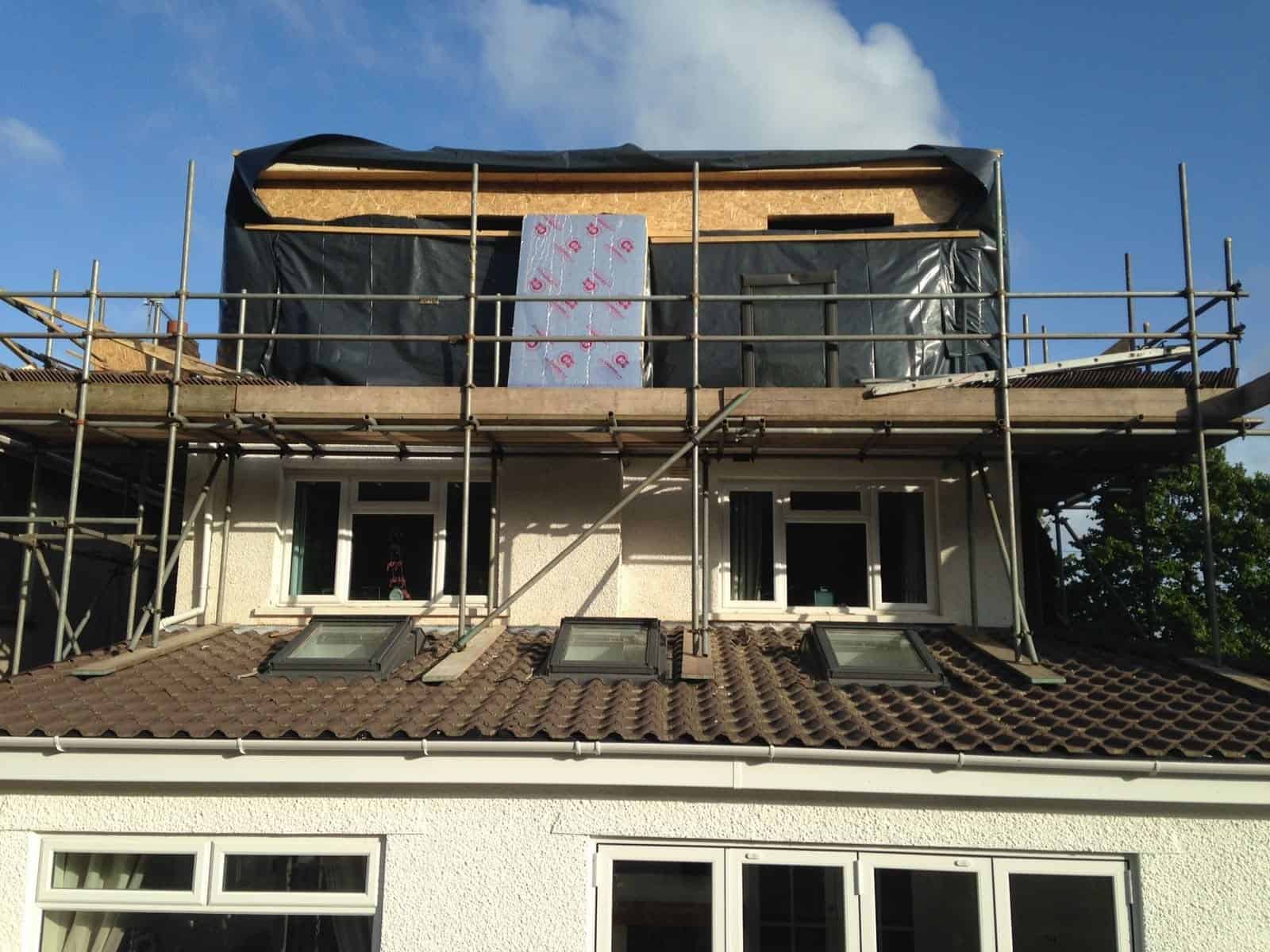
This question comes up regularly, and the honest answer is that it depends on several factors specific to your property and lease. Converting a loft into a flat is genuinely possible in some circumstances, but the legal and practical hurdles are more substantial than for a freehold house, and many flat owners discover early in the process that the conversion they had in mind is not straightforward at all.
Here is what you actually need to know before you spend time or money investigating further.
The fundamental difference between a flat and a house
When you own a freehold house, you own the building from the foundations to the ridge. The roof space is yours. The decision to convert it is yours to make, subject to planning rules and building regulations.
When you own a leasehold flat, which is how the overwhelming majority of London flats are owned, the situation is completely different. You own the right to occupy your flat for the term of the lease. The building itself, including the roof structure and the loft space above, is almost certainly owned by the freeholder.
This means that as a leaseholder, you do not automatically have the right to convert the loft, even if the loft space sits physically above your flat. You need the freeholder's permission, and in most cases you need to acquire the legal right to use that space before any conversion can proceed.
What your lease actually says
The starting point for any flat owner considering a loft conversion is reading the lease carefully. Not skimming it. Reading it properly, or having a solicitor read it on your behalf.
The lease will define exactly what you own and what rights you have over the building. It will specify what alterations you are permitted to make, what consent is required from the freeholder for structural works, and whether there are any provisions relating to the roof space or upper parts of the building.
Most standard residential leases in London explicitly require the freeholder's written consent for any structural alterations. Some leases go further and specifically prohibit alterations to the roof structure or external envelope of the building. Others are silent on the specific question of loft conversion, in which case the general alterations clause and the freeholder's ownership of the structure will still apply.
In almost every case, a leaseholder who proceeds with a loft conversion without the freeholder's consent is in breach of their lease. The consequences of that can include the freeholder taking legal action to require the works to be undone, which on a completed loft conversion is an extremely expensive outcome.
A solicitor with leasehold property experience should review your lease before you take any further steps. The Law Society provides a solicitor search tool that allows you to find practitioners with leasehold and property expertise.
The freeholder's position
Even if your lease does not explicitly prohibit a loft conversion, the freeholder owns the roof space you want to convert. They have no automatic obligation to grant you the right to use it or to consent to the works.
Some freeholders are cooperative and will engage constructively with leaseholders who want to convert the loft. Others are not interested or will only agree on terms that make the project financially unviable. The freeholder may want a premium for granting the right to use the loft space, which in London can be a significant sum depending on the value of the property and the area.
If the freeholder is a resident management company in which leaseholders hold shares, which is increasingly common in London purpose built blocks, the decision making process is different. The management company is effectively controlled by the leaseholders collectively, and a conversion proposal needs to go through whatever decision making process the company's articles require.
Engaging the freeholder or their managing agent early, before you commit to design fees or surveys, is the only way to understand whether a conversion is feasible for your specific situation.
Buying the lease of the loft space
In some cases, particularly where the loft space is accessible from a top floor flat and represents a clear opportunity to add value, the freeholder may be willing to sell or lease the loft space to the top floor leaseholder.
This involves negotiating a lease extension or a new lease that specifically includes the loft space, or in some cases purchasing the right to use the roof space through a formal legal agreement. The premium the freeholder charges for this reflects the value of the additional space being created, which in London can be substantial.
This route requires specialist legal advice and potentially a valuation of the loft space from a chartered surveyor. The Royal Institution of Chartered Surveyors provides a member search that allows you to find surveyors with leasehold valuation expertise.
The negotiation can take time. Several months is not unusual, and the legal costs involved in formalising the agreement add to the overall project budget before any construction work begins.
Collective enfranchisement and the right to manage
If leaseholders in a building collectively own the freehold through enfranchisement, the leaseholder of the top floor flat may be in a stronger position to negotiate access to the loft space, since the freeholder is effectively the collective of leaseholders rather than a separate third party.
But even in this situation the loft space is a shared asset of the freehold company, not automatically the property of the top floor leaseholder. The consent of the other shareholders is still required, and the process of allocating the loft space to one leaseholder needs to be handled carefully to protect the interests of all parties.
The Leasehold Advisory Service provides free guidance for leaseholders on a wide range of issues including alterations, enfranchisement, and the right to manage. It is a genuinely useful first resource before you engage paid legal advice.
Planning permission and building regulations still apply
Assuming the leasehold and freeholder questions are resolved in your favour, the planning and building regulations requirements are the same as for any other loft conversion.
Permitted development rights exist for the building as a whole, not for individual flats. For a purpose built flat in a block, permitted development for roof alterations is often more restricted than for a house. Many purpose built flat blocks do not benefit from permitted development for roof extensions at all, meaning full planning permission is required regardless of the size or type of conversion.
Conservation area restrictions, Article 4 directions, and local borough policies all apply in exactly the same way as they would for a house. In the inner London boroughs where purpose built flat blocks are most common, conservation area coverage is extensive and planning applications for roof alterations are assessed carefully.
Our permitted development rules guide explains the national framework and its limitations. Our conservation area guide covers the additional restrictions that affect properties in sensitive locations.
Building regulations apply without exception. Every loft conversion must be structurally sound, fire safe, properly insulated, and compliant with the ventilation and staircase requirements that apply to any habitable room. In a flat, fire safety requirements are particularly important because the escape route from the new loft room will pass through the existing flat and the common parts of the building, which creates specific design requirements that need to be addressed properly.
Our building regulations guide covers all of these requirements in detail.
The structural complexity of a flat loft conversion
Converting a loft above a flat presents structural challenges that are different from those in a house.
The floor between the existing flat ceiling and the loft space is a shared element of the building. Strengthening it for habitable room use involves work that affects the structure of the building as a whole, not just the top floor flat. The freeholder's structural engineer, not just your own, will need to be involved in assessing and approving any structural modifications.
Access for materials and steelwork in a flat building is often more challenging than in a house. Cranes or specialist lifting equipment may be required for structural elements that cannot be carried through the building's common parts.
Party wall considerations are also more complex in a flat building. Other flats in the building may be affected by the structural works, and the party wall or building structure between flats may trigger notice requirements beyond those that would apply in a simple terrace house conversion.
Our structural calculations guide explains what the structural engineer assesses on a loft conversion and why the complexity in a flat building is typically greater than in a straightforward house project.
The costs specific to flat loft conversions
The additional legal and professional costs involved in a flat loft conversion go beyond what a house conversion requires and need to be factored into the budget from the outset.
Solicitor fees for reviewing the lease, negotiating with the freeholder, and formalising any agreement over the loft space can run to £2,000 to £5,000 or more depending on the complexity of the situation and how cooperative the freeholder is.
The premium paid to the freeholder for the right to use the loft space varies enormously depending on the value of the property, the area, and the negotiation. In prime London locations this can be a very significant sum. Even in more moderately priced areas it is unlikely to be trivial.
Managing agent fees, freeholder's legal costs which you may be required to contribute to under the terms of the lease, and the cost of any structural engineer assessment commissioned by the freeholder are all additional items that add to the total before a single brick is moved.
Our loft conversion budgeting guide covers costs across all types of conversion, and while the specific additional costs of a flat conversion go beyond what that guide covers for houses, it provides a useful baseline for the construction cost elements that apply regardless of tenure.
Purpose built blocks versus converted houses
There is an important distinction between flats in purpose built blocks and flats in houses that have been converted into multiple dwellings.
In a purpose built block the loft space, if one exists at all, is typically a communal or service area that is clearly owned by the freeholder and used for building services, water tanks, and similar. Access to it as a private loft conversion is generally more difficult to achieve and less commonly pursued.
In a converted house, where a Victorian or Edwardian terrace has been divided into two or three flats, the loft space above the top floor flat is more analogous to the loft of a house and the physical opportunity for conversion is clearer. These conversions are more commonly attempted and more commonly achieved, though the leasehold legal questions still apply in the same way.
For a top floor flat in a converted Victorian terrace in London, where the loft space above is genuinely accessible and the freeholder is cooperative, the physical conversion is essentially the same as a rear dormer or Velux conversion on a house. The planning, building regulations, structural, and construction requirements are all equivalent. It is the legal and leasehold framework that makes it different, not the building work itself.
When is it worth pursuing?
A flat loft conversion is worth pursuing seriously when several conditions are met together.
The freeholder is cooperative or is a resident management company where you have influence over the decision. The lease does not contain provisions that make the project legally impossible. The loft space above the flat is genuinely accessible and has adequate dimensions to create a useful room. The planning context allows for the conversion without insurmountable restrictions. And the value added by the conversion justifies the additional legal, professional, and freeholder costs on top of the build cost.
When these conditions align, a flat loft conversion in London can be an excellent investment. Top floor flats that include a converted loft room command a significant premium over equivalent flats without one, and in many London locations the value uplift is substantial.
When these conditions do not all align, the project may not be worth pursuing regardless of how attractive it seems on paper. Discovering that the freeholder wants an unaffordable premium or that the lease contains a prohibition on roof alterations after spending money on surveys and drawings is a waste of resources that proper legal advice at the outset would have avoided.
The straightforward summary
Converting the loft in a London flat is possible but it is more legally complex and more expensive in professional costs than the equivalent conversion on a freehold house. The leasehold framework means you need the freeholder's agreement, and in most cases you need to acquire the legal right to use the space before any work can proceed.
Start with your lease. Get a solicitor with leasehold experience to review it. Engage the freeholder early to understand their position. Only once those steps have given you a clear picture of what is legally possible does it make sense to invest in surveys, design drawings, or planning advice.
The homeowners who successfully convert flats in London are the ones who navigate the legal questions carefully at the outset rather than discovering them as obstacles halfway through the process.
At Loft Converter London we have experience working with flat owners on loft conversion projects and understand the specific requirements and challenges involved. If you own a top floor flat in London and want to understand whether a loft conversion is feasible for your property, we are happy to talk through the practical and process questions with you from the start.
Our loft conversion costs page, planning permission timeline guide, building regulations guide, and party wall agreements guide are all useful reading as you build your understanding of what is involved before taking any further steps.