Loft Bathroom Design Ideas for Small Spaces
September 22, 2025
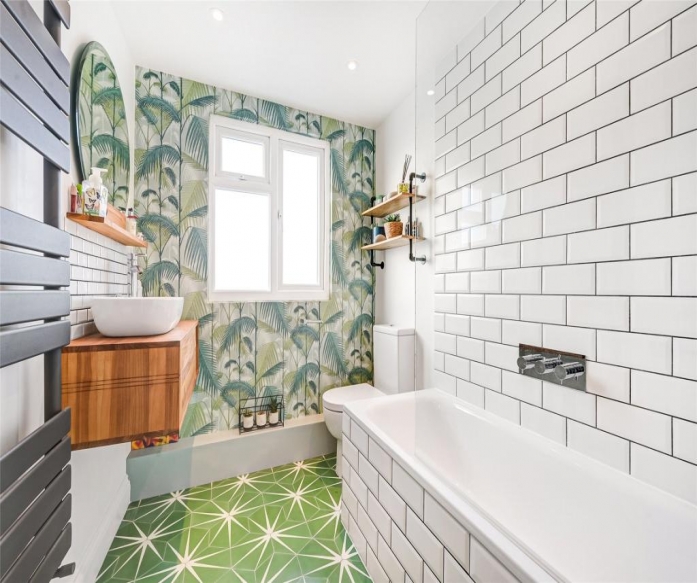
A loft bathroom is one of the most challenging spaces to design well. You are working with a limited floor area, varying ceiling heights, sloping walls, and the structural constraints of a conversion that was probably not originally planned around an ensuite. But a well-designed loft bathroom can also be one of the most characterful rooms in the house, and getting it right makes a significant difference to how the whole conversion feels.
This guide covers practical ideas and approaches that work specifically in small loft bathroom spaces, along with honest advice on what to prioritise and what to avoid.
Understanding the constraints before you design
Before thinking about tiles and fixtures, understand what you are actually working with. The available headroom at different points in the bathroom is the most important factor in deciding what goes where.
A shower needs a minimum of 2 metres of clear height at the shower head, ideally more. A toilet and basin are more forgiving and can sit comfortably under lower sections of the ceiling. A bath requires a long flat section of floor with adequate headroom for getting in and out, which in many small loft bathrooms is simply not achievable without compromising the rest of the space.
Map the ceiling height at every point in the proposed bathroom before you finalise the layout. Mark where the two metre line falls, where one metre eight falls, and where the ceiling drops below comfortable standing height. Those measurements will define your layout more than any design preference.
The RIBA Find an Architect tool is useful if you want professional help working through a challenging loft bathroom layout before committing to any structural changes.
Shower over bath or shower only
This is the first practical decision for most small loft bathrooms, and the answer is usually shower only.
A bath requires significant floor area, a long enough flat ceiling section to use it comfortably, and a structural floor that can take the weight of a full bath, plus water, plus occupant. In a small loft bathroom where floor area is at a premium and ceiling height varies, a well designed shower enclosure will always serve the space better.
A walk-in shower without a tray or screen is one of the cleanest solutions in a small loft bathroom. Wet-room-style waterproofing to the floor and lower walls removes the visual barrier of a shower tray and screen, making the room feel larger and the design feel more deliberate. The sloping floor required for drainage can be designed to follow the natural fall of the space, which in some loft configurations works very naturally.
If a bath is genuinely required, a freestanding bath positioned under the highest section of the ceiling with a handheld shower is the most practical approach. But be honest about whether a bath will actually be used regularly or whether a well designed shower is the more realistic fit for how the bathroom will function day to day.
Bathstore and Victorian Plumbing both have extensive ranges of compact shower enclosures and wet room drainage systems suitable for small loft bathrooms, with useful online planning tools that let you explore different configurations.
Making the layout work
In a small loft bathroom, the layout needs to be resolved at the design stage with the same rigour as the structural design. A poorly considered layout creates a bathroom that is frustrating to use, regardless of how well it is finished.
The toilet position is often the most constrained decision because the waste pipe needs a clear fall to the soil stack, which limits where it can go without significant additional plumbing work. Positioning the toilet close to the existing soil stack location reduces cost and avoids the need for a macerator pump, which adds noise and maintenance requirements.
A wall-hung toilet is worth considering in a small loft bathroom. It frees up floor space, makes cleaning easier, and looks cleaner than a close coupled floor standing unit. The cistern sits concealed within a slim duct or false wall, which adds a small amount of depth to one wall while saving floor space.
A compact basin mounted on a vanity unit rather than a pedestal keeps the floor clear and provides the storage that a small bathroom desperately needs for toiletries, towels, and cleaning products. Wall-mounted vanity units with storage above and below the basin are particularly efficient in tight spaces.
Crosswater produces a well-regarded range of compact bathroom furniture specifically designed for smaller spaces, including slim-depth vanity units and wall-hung storage that work well in loft conversions where depth is limited.
Shower design for loft bathrooms
The shower enclosure or wet room area is the centrepiece of most loft bathrooms and deserves careful thought for both design and function.
A frameless glass panel rather than a full enclosure is one of the most effective ways to make a small loft shower feel larger. A single fixed glass panel with an open entry keeps sightlines clear and avoids the visual clutter of a framed screen with multiple panels. In a wet room configuration with proper waterproofing throughout, a single glass deflector screen is sometimes all that is needed to keep water contained.
The position of the shower head relative to the ceiling height matters practically. A fixed overhead rain shower needs at least two metres of clearance above the shower tray or wet room floor. If the ceiling drops below that at the shower head position, a wall-mounted shower arm that angles the head downward and inward is a simple solution that avoids the headroom problem without compromising the shower experience.
Thermostatic shower valves are worth specifying over manual mixer valves in any new bathroom. They maintain a constant water temperature regardless of what else is happening in the household plumbing, which is both more comfortable and safer. The Hansgrohe Ecostat range and Mira showers both offer good quality thermostatic options across different price points.
Natural light in a loft bathroom
A loft bathroom with natural light feels dramatically better than one without. If the layout allows, a roof light above the shower or bath area transforms the space from a functional box into something genuinely pleasant.
Roof windows manufactured specifically for wet room environments are available from Velux and other manufacturers. These use laminated inner panes and sealed-unit constructions that handle the humidity of a bathroom environment without the condensation and seal failure issues that standard roof windows can experience in wet areas.
Privacy is an obvious consideration with a roof light in a bathroom. Obscured glass is available as a standard option from most roof window manufacturers and addresses privacy concerns effectively. Alternatively, a roof light positioned over the shower rather than the WC or vanity area provides natural light where it is most impactful while limiting any privacy concern.
If a roof light is not possible due to the roof structure or budget, a well-lit bathroom using layered artificial lighting can still feel bright and pleasant. Mirror-fronted storage units that reflect light back into the space, combined with well-positioned downlights and a heated mirror or mirror with integrated LED surround, go a long way toward compensating for the absence of natural light.
Tiles and surfaces
Tile choice in a small loft bathroom significantly affects how the space feels. The general principle is that fewer grout lines make a space feel larger, which points toward larger format tiles rather than small mosaic or brick formats.
Large format porcelain tiles, 600 by 600 millimetres or larger, used consistently across the floor and walls create a clean, expansive feel that makes a small bathroom read as more generous than it is. Carrying the same tile from floor to wall without a break is particularly effective in a wet room configuration where the floor and lower walls are all part of the waterproofed envelope.
Light-coloured tiles reflect light, making the space feel brighter. Greys, whites, and warm stone tones all work well. Very dark tiles can look dramatic in a loft bathroom with good natural light, but can feel oppressive in a small space that relies primarily on artificial lighting.
Slip resistance on the floor tile matters in a wet room. A tile that looks beautiful but becomes dangerously slippery when wet is not suitable for a shower floor, regardless of how good it looks on the showroom floor. Check the R rating of any floor tile before specifying it for a wet room application. R10 is the minimum for a domestic wet room floor.
Mandarin Stone and Tile Giant both offer extensive ranges of large-format tiles suitable for small loft bathrooms, with helpful in-store and online planning advice.
Storage solutions
Storage in a small loft bathroom needs to be built in from the start. There is rarely enough space for freestanding furniture, and adding it as an afterthought results in a cluttered, cramped space.
The eaves sections on either side of the bathroom, where the ceiling slopes down toward the outer wall, are natural storage locations. Built-in recessed shelving or a custom storage unit designed to fit the exact profile of the eaves cavity uses space that would otherwise be dead and keeps the main floor area clear.
Recessed niches in the shower wall are among the most useful details in any loft bathroom. A niche built into the structural wall behind the shower tiles provides a permanent shelf for shampoo, soap, and shower products without requiring a separate shower caddy that collects mould and gets knocked over. Two niches at different heights, one at hand level and one slightly higher, cover most practical requirements.
A mirror with integrated storage behind it, above the basin, is another efficient solution. The mirror provides the functional surface needed at the basin while the storage behind it keeps the vanity area clear of toiletry bottles and everyday clutter. Roper Rhodes produces a good range of mirrored bathroom cabinets, including options with integrated lighting that work well in compact spaces.
Heating and ventilation
A loft bathroom that is not properly heated and ventilated will develop condensation problems that lead to mould, tile grout deterioration, and eventually structural damage if moisture gets into the building fabric.
Mechanical extract ventilation is a building regulations requirement for any bathroom without an openable window providing adequate natural ventilation. In a loft bathroom, the duct run to the outside may be longer than in a standard bathroom, which affects the required fan specification. An undersized fan that cannot overcome the resistance of a long duct run will not adequately ventilate the space, regardless of how long the duct run is.
A humidity-sensitive fan that runs automatically when moisture levels exceed a set threshold is more effective than a fan wired to the light switch, which often does not run long enough to clear the space properly after a shower. Vent Axia and Manrose both produce good quality humidity-controlled extractor fans at accessible price points.
A heated towel rail on the bathroom regulations circuit provides both warmth and a practical place to dry towels, which in a small bathroom without good natural airflow matters more than in a standard bathroom. A chrome ladder-style heated towel rail in a slim profile fits neatly on a narrow wall section and adds warmth without dominating the space.
Underfloor heating beneath the tile is a popular addition in loft bathrooms and works well with the large-format tiled floors that suit the space. Electric underfloor heating rather than wet system underfloor heating is typically the most practical choice in a loft bathroom where installing pipework through the existing floor structure adds significant complexity.
Waterproofing
Waterproofing in a loft bathroom is more critical than in a ground or first-floor bathroom because any water ingress through the floor structure has a long way to travel before it causes visible damage, by which time significant harm may already have been done.
A tanked wet room floor, where the waterproofing membrane is applied to the entire floor and lower wall surfaces before tiling, is the correct approach for any wet room style loft bathroom. This is not an area to cut costs. A properly tanked wet room using a quality system such as Wedi or Schluter Kerdi will last the life of the building without issues. A poorly waterproofed wet room will cause expensive damage within a few years.
The waterproofing system should be installed by someone who has done it before and understands the specific details at junctions, corners, and penetrations. These are the points where failures happen. Ask your builder specifically about their experience with wet-room waterproofing and the system they use before work starts.
Plumbing and waste
Getting the plumbing right in a loft bathroom avoids costly problems that are hard to fix once the tiles are down.
Waste pipes need a minimum fall toward the soil stack to drain properly. In a loft conversion where the waste has to travel down through the building to reach the stack, maintaining adequate fall throughout can require raising the shower tray or wet room floor slightly, which affects the finished floor height and the headroom calculation at the shower.
Hot water pressure at loft level is sometimes lower than on lower floors, particularly in older London homes with gravity-fed hot water systems. This can affect shower performance significantly. A shower pump or an unvented hot water cylinder upgrade may be required to achieve adequate pressure at the top of the building. Your plumber should assess the existing system before specifying the shower valve and confirm whether any upgrade is needed.
The straightforward summary
Designing a loft bathroom well in a small space comes down to honest planning before creative decisions. Understand the ceiling heights first. Fix the layout based on what is structurally and plumbing-wise practical. Design storage in from the start. Ensure proper waterproofing, adequate ventilation, and appropriate heating before considering tiles and fittings.
The loft bathrooms that work best are those where these practical decisions were carefully made at the design stage, not discovered as problems during or after the build. A small bathroom that is well planned, properly built, and thoughtfully finished will feel better to use every day than a large bathroom that was designed without thinking through how it actually functions.
At Loft Converter London, we treat the bathroom design as an integral part of the conversion design, not a separate afterthought. Getting the layout, services, and structure right together from the start is what creates a loft bathroom that works properly for years without issues.
If you are still planning your conversion, our loft conversion costs page, how to design the perfect loft bedroom guide, and building regulations guide are useful next steps before you finalise any decisions.