What Is a Velux Loft Conversion and When Does It Work Best?
May 15, 2025
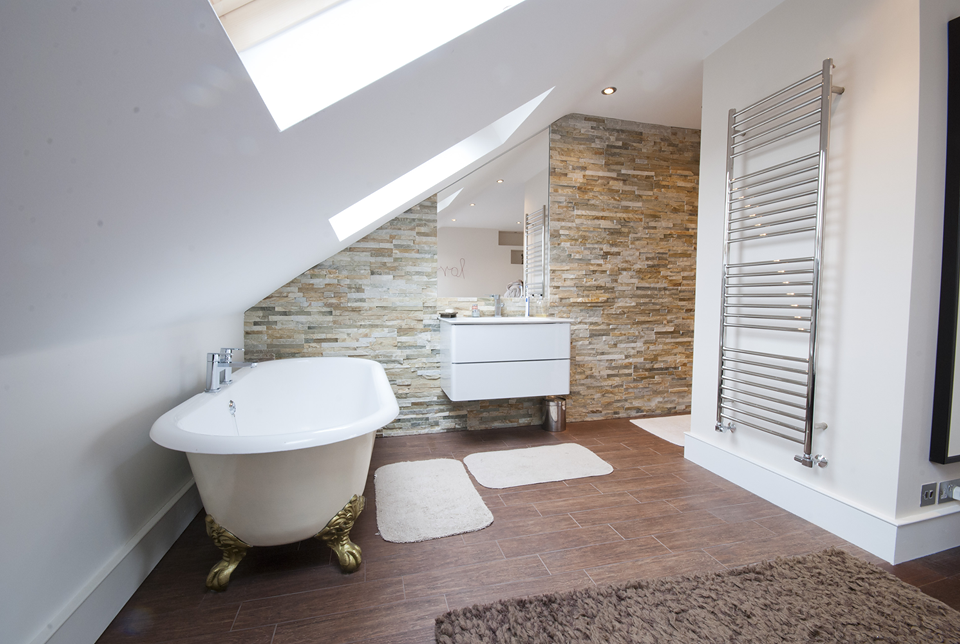
If you have heard of the term 'Velux loft conversion' and are not entirely sure what it means or whether it suits your home, this guide covers everything you need to know. It is one of the most straightforward and affordable ways to convert a loft, but it only works well in specific circumstances.
Understanding when it is the right choice and when it is not will save you time and money at the planning stage.
What a Velux loft conversion actually is
A Velux loft conversion, sometimes called a roof light conversion, keeps the existing roofline completely intact. No part of the roof structure is extended or altered. Instead, windows are cut into the existing roof slope and fitted flush with the surface, allowing light and ventilation into the space below.
Velux is actually a brand name, the most well-known manufacturer of roof windows, but the term is widely used to describe any roof light conversion regardless of which manufacturer's windows are used. Other brands, such as Fakro and Keylite, produce comparable products and are used interchangeably by most builders.
The conversion works within the existing space inside the roof. The floor is strengthened to meet building regulations requirements for a habitable room, a staircase is installed to provide proper access, insulation is fitted between and below the rafters, and the space is plastered, wired, and finished as a usable room. The roof's external appearance changes only in that windows are now visible on the slope.
How it compares to a dormer
The fundamental difference between a Velux conversion and a dormer is how the roof structure is affected.
A dormer projects outward from the roof slope, creating new vertical walls and additional headroom beyond what the existing roof shape provides. It adds space. A Velux conversion does not add any space. It simply makes the existing space usable.
This distinction matters enormously in practice. If your existing loft has enough height throughout to stand and move around comfortably, a Velux conversion can create a perfectly usable room. If it does not, no amount of roof windows will fix that. You are limited by the geometry of the existing roof, and nothing in a Velux conversion changes that geometry.
Our Velux vs dormer guide compares both options across cost, space, planning, and value. If you want a more detailed side-by-side comparison before deciding which route to take.
The headroom question
This is the single most important factor in deciding whether a Velux conversion will work for your home.
Building regulations require a minimum headroom of two metres at the centre of a habitable room, though in practice a comfortable usable room needs more than the bare minimum throughout the floor area. The relevant measurement is the height from the finished floor level to the underside of the rafters at the ridge, which is the highest point of the internal space.
A ridge height of at least 2.2 metres is generally considered the minimum for a Velux conversion to create a genuinely usable room. Below that, even with roof windows providing excellent natural light, the space feels cramped, and the practical usable area is limited.
Many London homes have sufficient ridge height for a Velux conversion to work well. Victorian and Edwardian terraces with steep-pitched roofs often have surprisingly generous loft spaces. Postwar homes with shallower pitches tend to have lower ceilings and are more likely to need a dormer to create a proper room.
The only reliable way to know whether your loft has enough height is to measure it. Take the measurement from the existing floor joists, not from the loft boarding if there is any, to the underside of the ridge timber. If you are not comfortable doing this yourself, a structural engineer can assess it as part of a broader loft suitability review.
Our loft suitability guide explains what to look for when assessing your existing roof space and which measurements matter most.
When a Velux conversion works best
There are specific situations where a Velux conversion is genuinely the right choice rather than a compromise.
The first is where the existing loft already has excellent natural height. If your ridge is high and the roof pitch is steep, you may have more usable space within the existing roof than you realise. In these cases, a Velux conversion creates a light, airy room that costs significantly less than a dormer and involves considerably less disruption to the building.
The second is where planning restrictions make structural alterations difficult or impossible. In conservation areas, a Velux conversion on a rear slope that is not visible from the street is often the most straightforward route to adding a room without triggering a planning application. Roof windows fitted flush with the slope typically do not alter the character of the roofscape as a dormer does, making them more acceptable in sensitive locations.
Our conservation area guide explains how planning restrictions in sensitive locations affect loft conversion options and what tends to get approved.
The third situation is the budget. A Velux conversion typically costs between £20,000 and £35,000 fully finished, compared to £35,000 to £60,000 for a rear dormer. If budget is the primary constraint and the loft has adequate height, a Velux conversion delivers a usable room at a lower cost and with a faster build programme.
The fourth is where speed and minimal disruption matter. Because the roof structure is not being altered, a Velux conversion is faster to build than a dormer. The risk of weather-related delays during the structural phase is lower. And the project is generally less disruptive to the household throughout.
When a Velux conversion does not work
Being honest about the limitations is just as important as understanding the benefits.
If your loft does not have sufficient ridge height, a Velux conversion will be disappointing. The room will feel cramped, the usable floor area will be small, and you will have spent money creating a space that does not function well for its intended purpose. In this situation, a dormer is the right answer even though it costs more.
If you want to fit a proper bedroom and ensuite, the available floor area in a Velux conversion is often not sufficient, particularly in narrower London homes. The sloping ceilings eat into the usable area quickly as you move toward the eaves, and fitting a bathroom alongside a bedroom in the remaining space requires very careful planning.
If your primary goal is maximising the value added to the property, a dormer that creates a generous bedroom and ensuite will almost always deliver a stronger return than a Velux conversion. The value uplift from adding usable floor area in London is significant, and a Velux conversion adds less floor area than a dormer by definition.
If you want to understand the financial comparison in detail, our loft conversion vs moving house guide covers the return on investment for different conversion types in the context of London property values.
Planning and permitted development
Velux conversions have the most straightforward planning position of any loft conversion type. Because they do not alter the roofline and the windows sit flush with the existing roof slope, they almost always qualify for permitted development.
The conditions are simple. The windows must not protrude more than 150mm beyond the roof slope. They must not be installed on a front elevation that faces a highway. And the property must not be subject to restrictions that remove permitted development rights, such as a conservation area designation on a front slope or an Article 4 direction.
For most London homes, a rear slope Velux conversion is permitted development without question. This means no planning application, no eight week wait for a decision, and no planning fees beyond the cost of drawings for building regulations.
Even where a planning application would not be required, it is worth considering a Lawful Development Certificate if you plan to sell the property in the future. This gives you formal written confirmation from the council that the works were lawful, which buyers and their solicitors will find reassuring. Our permitted development rules guide explains the Lawful Development Certificate process and when it is worth applying for one.
Building regulations still apply
A common misconception is that because Velux conversions are simple and do not need planning permission, they somehow bypass building regulations. They do not. Building regulations apply to every loft conversion without exception.
The same requirements that apply to a dormer or hip to gable conversion apply here. The floor must be structurally adequate for a habitable room. Fire safety measures must be in place including a protected escape route and interlinked smoke alarms. Insulation must meet minimum thermal performance standards. The staircase must comply with the required dimensions and specifications. Electrics must be installed and certified by a registered electrician.
None of these are optional even on the simplest Velux conversion. A building regulations completion certificate is required at the end of the project and is necessary when you come to sell. Our building regulations guide covers what each requirement involves and what the inspection process looks like throughout the build.
The staircase on a Velux conversion
One aspect of Velux conversions that people underestimate is the staircase. Because no space is being added to the roof structure, the staircase must fit within the house's existing floor plan below. This is sometimes more challenging than it sounds.
A fixed staircase that meets building regulations requires a certain run and rise, a minimum headroom above the stair, and handrails on both sides if the width requires it. Finding a position within the existing first-floor layout that accommodates all of this without sacrificing too much usable space on the floor below is a design challenge that needs proper thought.
In some London homes with tight layouts, the staircase question is the most constraining element of a Velux conversion and should be resolved at the design stage before any other decisions are made. An experienced architect or architectural technician will work through this early and confirm whether a compliant staircase can be fitted before you commit to the conversion.
Our 'Do you need an architect?' guide explains the roles of different design professionals on a loft conversion project and when it is worth appointing an architect rather than an architectural technician.
The insulation consideration
Roof insulation in a Velux conversion requires careful attention because the existing rafters in most older London homes are not deep enough to accommodate the thickness of insulation needed to meet current building regulations thermal standards in a single layer between the rafters.
The standard approach is to insulate between the rafters, then add a further layer below them, reducing the internal height slightly but achieving the required thermal performance. This needs to be accounted for in the design, as it affects the finished ceiling height and the position of the roof windows relative to the finished internal surfaces.
Getting the insulation specification right matters beyond compliance. A well-insulated Velux conversion will be comfortable year-round. A poorly insulated one will be cold in winter and overheated in summer, particularly given that roof windows admit a lot of solar gain on warm days. Roof windows with solar control glass are worth specifying on south or west-facing slopes for this reason.
Velux windows: what to specify
Not all roof windows are equal. The specification choices you make affect both the performance of the finished room and the project's cost.
Centre-pivot windows, which open by rotating around a central horizontal axis, are the most common and affordable. Top-hung windows, which hinge at the top and open outward at the bottom, offer a cleaner view when open and suit rooms with lower window sills. Both are widely available, and both meet building regulations requirements for ventilation and means of escape where required.
Glazing specification matters. Double-glazed units are standard. Triple glazing improves thermal and acoustic performance and is worth considering on busy London streets. Solar control glazing reduces heat gain on south and west-facing slopes. Laminated inner panes improve security and reduce the risk of injury if the glass breaks.
Electric operation, where the windows open and close via a motor and can be linked to rain sensors, is a popular upgrade, particularly for windows that are not easily reached from floor level. The cost premium over manual operation is modest relative to the overall project cost, and the convenience benefit in daily use is significant.
What a Velux conversion costs in London
A fully finished Velux conversion in London typically costs between £20,000 and £35,000. This covers the structural floor work, staircase, insulation, roof windows, plastering, electrics, and basic decoration.
The variables that push the cost toward the upper end of the range include the number and specification of roof windows, the complexity of the staircase, the addition of an ensuite if the space allows, and the quality of the internal finish.
The costs that often sit outside the headline quote include building control fees, structural engineer fees, party wall notices if applicable, and any scaffold required for window installation. Our loft conversion budgeting guide covers all of these additional costs in detail so you can build a realistic total budget rather than working from the build cost alone.
The straightforward summary
A Velux loft conversion is the right choice when your existing loft already has good natural height, when planning restrictions make structural alterations difficult, when budget is the primary constraint, or when you want the fastest and least disruptive route to adding a room.
It is not the right choice when headroom is marginal, when you need to maximise floor space, or when the goal is the strongest possible return on investment. In those situations, a dormer delivers better results even at a higher cost.
The starting point for any decision is measuring your ridge height accurately and being honest about whether the existing space will work as a room. If it will, a Velux conversion is an excellent value option. If it will not, knowing that early saves you from committing to a conversion that will disappoint.
At Loft Converter London, we assess every loft individually before recommending an approach. We would rather tell you honestly that a Velux conversion will not work for your home than let you spend money finding that out halfway through a project. Getting the right conversion type from the start is the foundation of a project that delivers what you actually need.
If you are still comparing your options, our loft conversion types guide, loft conversion costs page, and hip to gable vs dormer guide are useful next steps before you make any decisions.