Loft Conversion vs Moving House in London: Which Saves More Money?
April 13, 2024
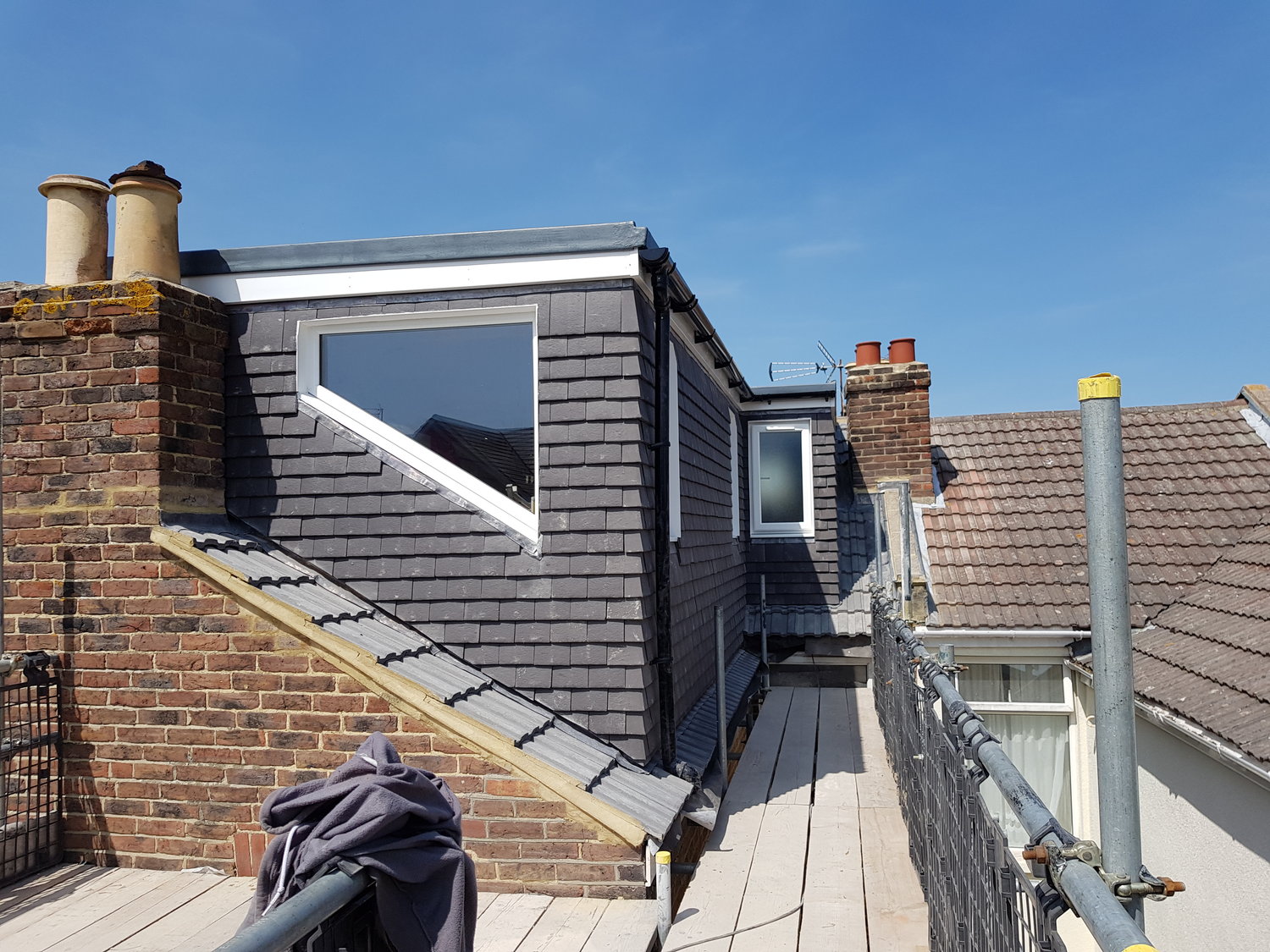
This is one of the most common questions we hear. You need more space, and you have two realistic options. Do you convert your loft and stay put, or do you sell up and buy somewhere bigger?
Both routes cost serious money in London. The question is which one makes more financial sense for your situation.
What moving house actually costs in London
People focus on the price difference between their current home and the next one. But moving is expensive before you even think about that gap.
Here is what you are actually paying when you move in London:
Estate agent fees typically range from 1% to 3% of your sale price. On a £600,000 home, that is up to £18,000 gone before you see a penny.
Stamp duty on your next purchase can be substantial. On a £750,000 property, you are looking at around £27,500. If you already own and are not a first-time buyer, there is no relief available on standard purchases.
Solicitor fees, surveys, and removals add another £3,000 to £5,000. And if your chain falls through and you restart the process, many of those costs repeat.
In total, moving in London routinely costs £40,000 to £70,000 in transaction costs alone, before you account for any difference in mortgage.
What a loft conversion actually costs
A well-built loft conversion in London typically runs between £35,000 and £65,000 fully finished. That includes the structure, staircase, insulation, electrics, plastering, and basic decoration.
Add in the hidden costs we cover in our loft conversion budgeting guide, such as party wall agreements, structural engineer fees, building control, and planning if required, and the realistic all-in number for most London homes sits around £45,000 to £70,000.
That is comparable to moving costs, but with one major difference. The loft conversion adds a room and adds value. Moving costs just disappear.
The value a loft conversion adds
This is where the numbers start to favour converting. A properly built loft conversion in London typically adds between 15% and 25% to a property's value, according to multiple estate agent and surveyor reports.
On a £600,000 home, that is £90,000 to £150,000 in added value. Even if you spend £60,000 on the conversion, the return on investment is strong, particularly in areas where square footage commands a premium.
A bedroom and bathroom loft conversion will almost always add more value than it costs in London. That is not always true in other parts of the country, but London's price per square foot makes the calculation different.
If you want to understand which type of conversion adds the most value, our loft conversion types guide breaks it down clearly.
The mortgage reality
Moving to a bigger home usually means a bigger mortgage. In the current rate environment, that matters a lot.
If you are moving from a £600,000 home to a £800,000 home and need to borrow an extra £200,000, at a 5% rate that adds roughly £1,100 per month to your repayments. Over five years, that is £66,000 in additional interest alone, not capital repayment.
A loft conversion financed through savings or a remortgage at a lower rate can cost significantly less in total, especially if your existing mortgage deal is already favourable.
It is worth speaking to a mortgage broker before making this decision, because the numbers look very different depending on your current deal, equity position, and what you would need to borrow.
When moving makes more sense
A loft conversion is not always the right answer.
If your home has other fundamental problems, too small a footprint, a poor location, bad schools nearby, or a layout that simply does not work for your family, adding a room at the top will not fix them.
If you need significantly more space beyond one or two rooms, converting your loft gets you one or possibly two extra rooms. Moving might get you a whole different class of property.
And if your loft is not suitable for conversion due to roof height, structure, or access constraints, the decision gets made for you. Our loft suitability guide helps you understand whether your home is a realistic candidate before you go any further.
When converting makes more sense
If you like where you live, your home is fundamentally right for your family, and you just need more space, a loft conversion is hard to argue against financially.
You avoid all transaction costs. You stay in an area you know. You add lasting value to an asset you already own. And you avoid the disruption, uncertainty, and cost of a chain.
For most London homeowners who are happy in their location and have a suitable roof, the numbers consistently favour converting over moving.
The honest comparison
Here is a straightforward way to think about it. Add up the realistic cost of moving, including stamp duty, agent fees, legal costs, and any premium you would pay for the extra space. Then compare that to a realistic all-in loft conversion quote, including contingency.
In most London scenarios, the conversion comes out cheaper and leaves you with a more valuable home at the end of it.
The exception is if you genuinely need to move for reasons beyond space. But if space is the primary driver, staying put and building up is almost always the better financial decision in London.
If you are at the early stage of thinking this through, our loft conversion cost guide gives you a solid starting point for what to budget.