Dormer Loft Conversion Cost Guide for London Homeowners
August 17, 2024
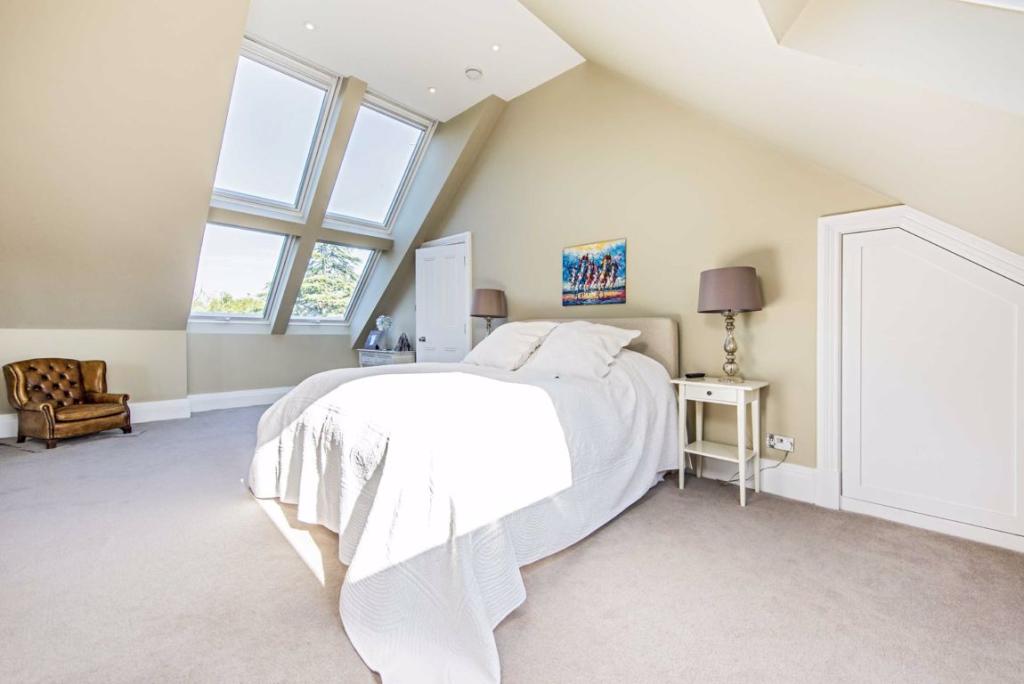
A dormer loft conversion is the most popular choice for London homeowners, and it is not hard to see why. It adds genuine headroom, creates a proper, usable room, and, in most cases, does not require planning permission.
But the cost varies more than most people expect. This guide breaks down what you are actually paying for, what drives the price up or down, and what a realistic budget looks like for a London property.
What is a dormer loft conversion?
A dormer is a structural extension that projects outward from the existing roof slope. It creates a vertical wall and a flat or shallow-pitched roof, which adds headroom and floor space that simply would not exist in the original roof shape.
The most common version in London is a rear dormer, built at the back of the property, out of sight from the street. This is practical, usually permitted development, and gives you the most usable space for the money.
Other variations include side dormers, L-shaped dormers on Victorian and Edwardian terraces, and full-width dormers that run across the entire rear of the roof. Each has different cost implications and planning considerations.
If you want to understand how a dormer compares to other conversion types before deciding, our loft conversion types guide covers all the main options side by side.
What does a dormer loft conversion cost in London?
For most London homes, a rear dormer loft conversion costs between £35,000 and £60,000 fully finished. That is a wide range, and the gap between the lower and upper ends comes down to a handful of specific factors.
A basic rear dormer on a standard London terrace, finished to a decent standard with a single room, sits toward the lower end of that range. Add an ensuite bathroom, high-end finishes, complex steelwork, or a larger footprint and the cost moves toward the upper end.
An L-shaped dormer, which combines a rear dormer with a smaller side return and is common on Victorian terraces, typically costs between £45,000 and £70,000. The additional structure and roofing work adds to both the build time and the cost.
A full-width rear dormer, which maximises the space across the entire back of the roof, costs between £50,000 and £75,000 in most cases.
These figures assume a fully finished room ready to use. They include the structural work, staircase, insulation, windows, plastering, electrics, and basic decoration. What they often do not include are the additional costs that sit alongside any loft conversion project.
Our loft conversion budgeting guide covers those hidden costs in detail, including party wall agreements, structural engineer fees, building control, and planning if required.
What affects the cost most?
Size is the obvious one. A larger dormer means more structure, more roofing, more internal volume to finish, and a longer build programme. Every additional square metre adds cost.
The staircase has a bigger impact than most people realise. A simple straight stair costs less than a space-saving alternating tread stair or a bespoke joinery solution. But the staircase also affects how much floor space you lose on the floor below, sometimes forcing layout changes that add further cost.
Adding an ensuite bathroom is where costs can jump significantly. You are adding plumbing, tiling, sanitaryware, and ventilation on top of the standard room fit out. Budget an additional £6,000 to £12,000 for a well-finished ensuite, depending on specification.
The condition of your existing roof matters too. Older roofs sometimes need structural repairs or strengthening before the dormer can be built. A structural engineer will identify this early, which is why getting one involved before you approach builders is always worth the cost.
Specification drives the final number more than anything else. The difference between a mid-range and high-end finish on windows, flooring, joinery, and bathroom fittings can easily be £10,000 to £15,000 on the same structural build.
Planning permission and permitted development
Most rear dormers in London qualify for permitted development, meaning no formal planning application is needed. But there are conditions attached and exceptions that catch people out.
The dormer must not exceed the highest point of the existing roof. It must not overhang the outer wall of the house. Materials should be similar in appearance to the existing house. And the total volume added across all extensions must not exceed 40 cubic metres for a terraced home or 50 cubic metres for a detached or semi-detached property.
If you live in a conservation area, a listed building, or an area covered by an Article 4 direction, permitted development rights may be restricted or removed entirely. Some London boroughs have specific local policies that go further than the national rules.
A full planning application adds around £800 to £1,500 in fees and drawings, and typically takes eight to twelve weeks. If your property is in a sensitive area, it is worth getting professional advice before assuming you can proceed without one.
Building regulations and sign off
Every dormer loft conversion needs building regulations approval, regardless of whether planning permission is required. These are separate processes and both are mandatory.
Building regulations cover structural integrity, fire safety, insulation, ventilation, and means of escape. An inspector will visit at key stages of the build and sign off at the end.
Without a building regulations completion certificate, you cannot legally sell the property and the work is not covered by the protections that come with a proper sign-off. Budget around £800 to £1,200 for building control fees, and confirm with your builder whether this is included in their quote or separate.
Party wall considerations
If your dormer is being built close to or on a shared wall, you are legally required to serve a party wall notice on your neighbour before work starts. Most rear dormers on terraced homes trigger this requirement.
If your neighbour agrees and signs the notice, costs are minimal. If they appoint their own surveyor, you pay their fees. That can run to £1,000 or more per neighbour. On a mid-terrace with neighbours on both sides, that is a potential £2,000 addition to your budget that many people do not anticipate.
How much value does a dormer add?
This is the number that puts the cost in context. A well-built dormer loft conversion in London, particularly one that creates a bedroom and ensuite, typically adds between 15% and 25% to a property's value.
On a £650,000 London terrace, that is £97,000 to £162,000 in added value. Even at the upper end of build costs, the return on investment is strong. London's price per square foot makes adding usable space one of the most reliable ways to increase what a property is worth.
An L-shaped dormer that creates a large master bedroom with an ensuite consistently performs at the higher end of that value range because it adds the kind of space buyers specifically look for and pay a premium for.
If you are weighing up a loft conversion vs moving to a bigger home, our guide runs through the full financial comparison honestly.
What the build process looks like
A standard rear dormer on a London terrace takes between eight and fourteen weeks from start to finish. An L-shaped dormer or a more complex build can take sixteen weeks or more.
The project typically starts with scaffolding, followed by structural work to prepare the floor and support any required steel beams. The dormer structure goes up next, followed by roofing and weatherproofing before internal work begins.
The disruption is real but manageable. Most families continue living in the property throughout the build, though the noise and dust during the structural phase can be significant for a few weeks.
A good builder will keep you informed at each stage and have the building weather-tight as quickly as possible. Ask specifically about this when you are interviewing contractors.
Getting quotes right
The most common mistake people make is comparing quotes that do not cover the same scope. One builder includes scaffolding, building control, and a staircase. Another does not. On paper, the second quote looks cheaper, but it is not.
Ask every builder to provide an itemised quote that specifies exactly what is and is not included. Confirm whether VAT is included. Ask about contingency allowances for unforeseen structural issues. And check what their process is for managing building control sign-off.
Three comparable quotes from experienced loft conversion specialists will give you a reliable picture of what your specific project should cost.
The straightforward summary
A dormer loft conversion is the most practical and most popular way to add serious usable space to a London home. For most terraced and semi-detached properties, it delivers the best combination of added space, added value, and realistic cost.
Budget honestly, understand what is and isn't in your quotes, and involve a structural engineer early. Those three steps will save you from the surprises that catch most people off guard.
If you are at the early stage of thinking this through, our loft conversion costs page and loft suitability guide are good places to start before you speak to anyone.