Loft Conversion Barnehurst

Loft Conversion Barnehurst

Loft Conversions in Barnehurst

Loft Conversions in Barnehurst

Bespoke loft conversions in Barnehurst

Barnehurst is packed with 1930s semis that were built for three-bedroom families. And for a while, that worked. But families change shape. Kids get bigger. One of you starts working from home. Suddenly the house that fitted ten years ago doesn't any more- and moving in DA7 means either spending a lot more or going further out than you'd like.

That's where a loft conversion comes in. We've done plenty of them around Barnehurst- on the semis along Barnehurst Road, the Mayplace estate off Oakwood Drive, the terraces around Midfield Parade, and the bungalows on the quieter roads toward the golf course. Good houses with solid roofs and enough space up top to make a proper difference.

Contact us

What Makes Barnehurst Housing Stock Good for Conversions

What Makes Barnehurst Housing Stock Good for Conversions

Barnehurst Loft Conversions

Barnehurst only really exists because of the railway. The Bexleyheath line opened in 1895 and gave the station its name after Colonel Barne, who owned the local land. But almost nobody lived here until the 1926 electrification brought commuters, and with them, builders. J.W. Ellingham put up 578 semis on the Barnehurst Estate. W.H. Wedlock developed the Mayplace Farm area off Oakwood Drive. Midfield Parade- the row of shops near the station- followed in 1928.

That means the overwhelming majority of houses here are interwar semis- mostly three-bed, brick-built, hipped roofs, generous gardens, and lofts that were never designed to be rooms but often have enough head height to become them. There are also some detached houses, a decent number of bungalows, and a scattering of post-war terraces. All of them respond well to a loft conversion.

Barnehurst Station gets you into Charing Cross, Victoria, or Cannon Street, and the A2 and M25 are both close. DA7 house prices have been moving up steadily, and adding a bedroom through a loft conversion is one of the easiest ways to keep ahead of that- you get the extra space and the extra value without having to buy something bigger.

Contact us

Which Loft Conversion Suits Your Barnehurst Home

Which Loft Conversion Suits Your Barnehurst Home

Our step by step process for Loft Conversion in Barnehurst

Rear Dormer- The Go-To for Barnehurst Semis

A rear dormer extends the back slope of the roof outward, creating full standing height across most of the new floor.

You get enough space for a double bedroom, bathroom, or home office- while the front of the house remains unchanged.

This is the most common conversion in DA7, particularly suited to 1930s homes with the right roof pitch.

Right for:

  • 1930s semi-detached homes
  • Terraced houses
  • Homeowners needing one additional room

Hip-to-Gable- Fixing the Side Slope Problem

Many Barnehurst homes have hipped roofs, where the side slopes inward and reduces usable loft space.

A hip-to-gable conversion replaces this slope with a vertical wall, opening up the full width of the loft. Combined with a rear dormer, it creates enough space for a master bedroom and bathroom.

Right for:

  • Semi-detached homes
  • End-of-terrace properties
  • Homes with hipped roofs

L-Shaped Dormer- When One Room Isn’t Enough

If your home has a rear addition, an L-shaped dormer can extend across both the main roof and the extension, creating a larger connected space.

This layout often allows for two bedrooms and a bathroom.

Right for:

  • Homes with rear extensions
  • Families needing multiple additional rooms

Velux Conversion- Simple, Affordable, Tidy

A Velux conversion keeps the roofline unchanged. Rooflights are installed, and the loft is upgraded to meet Building Regulations.

It’s the most affordable and quickest option, with minimal disruption.

Right for:

  • Lofts with sufficient head height
  • Homeowners on a tighter budget
  • Properties where maintaining external appearance is important

Mansard Conversion- Maximum Space, Bigger Commitment

A mansard conversion rebuilds the rear roof into a near-vertical wall with a flat top, effectively creating a full additional storey.

This delivers maximum space but usually requires planning permission and a longer build timeline.

Right for:

  • Larger properties
  • Projects focused on maximising floor area

Bungalow Loft Conversion- Going From One Floor to Two

A bungalow loft conversion transforms a single-storey home into a two-storey property without affecting the ground floor layout.

Right for:

  • Bungalow owners in DA7
  • Homeowners needing more space without extending outward
Planning Rules for Barnehurst Loft Conversions

Planning Rules for Barnehurst Loft Conversions

Barnehurst is relatively straightforward when it comes to planning. There are no major Conservation Areas covering most residential streets, and very few listed buildings. This makes loft conversions simpler compared to more restricted parts of London.

Here’s the short version:

  • Rear dormers and Velux conversions (houses): Usually fall under Permitted Development, so no planning permission is required.
  • Hip-to-gable conversions: Typically fall under Permitted Development, but must meet conditions around volume limits and boundary distances.
  • Mansard conversions: Almost always require full planning permission from Bexley Council.
  • Flats and maisonettes: Permitted Development does not apply- full planning permission is required.
  • Front-facing roof changes: Any alteration visible from the street usually requires planning approval.

Building Regulations

Every loft conversion- regardless of planning requirements- must comply with Building Regulations.

In Barnehurst, this is handled by Bexley Council’s Building Control team or an approved inspector, covering:

  • Structural integrity
  • Fire safety and escape routes
  • Insulation standards
  • Staircase design and access

We handle all of this for you. From planning checks to Building Regulations approval, everything is managed as part of the project.

Our Services

The types of Loft Conversions that we work in -

Contact Us →
01.

Dormer Loft Conversion in Barnehurst

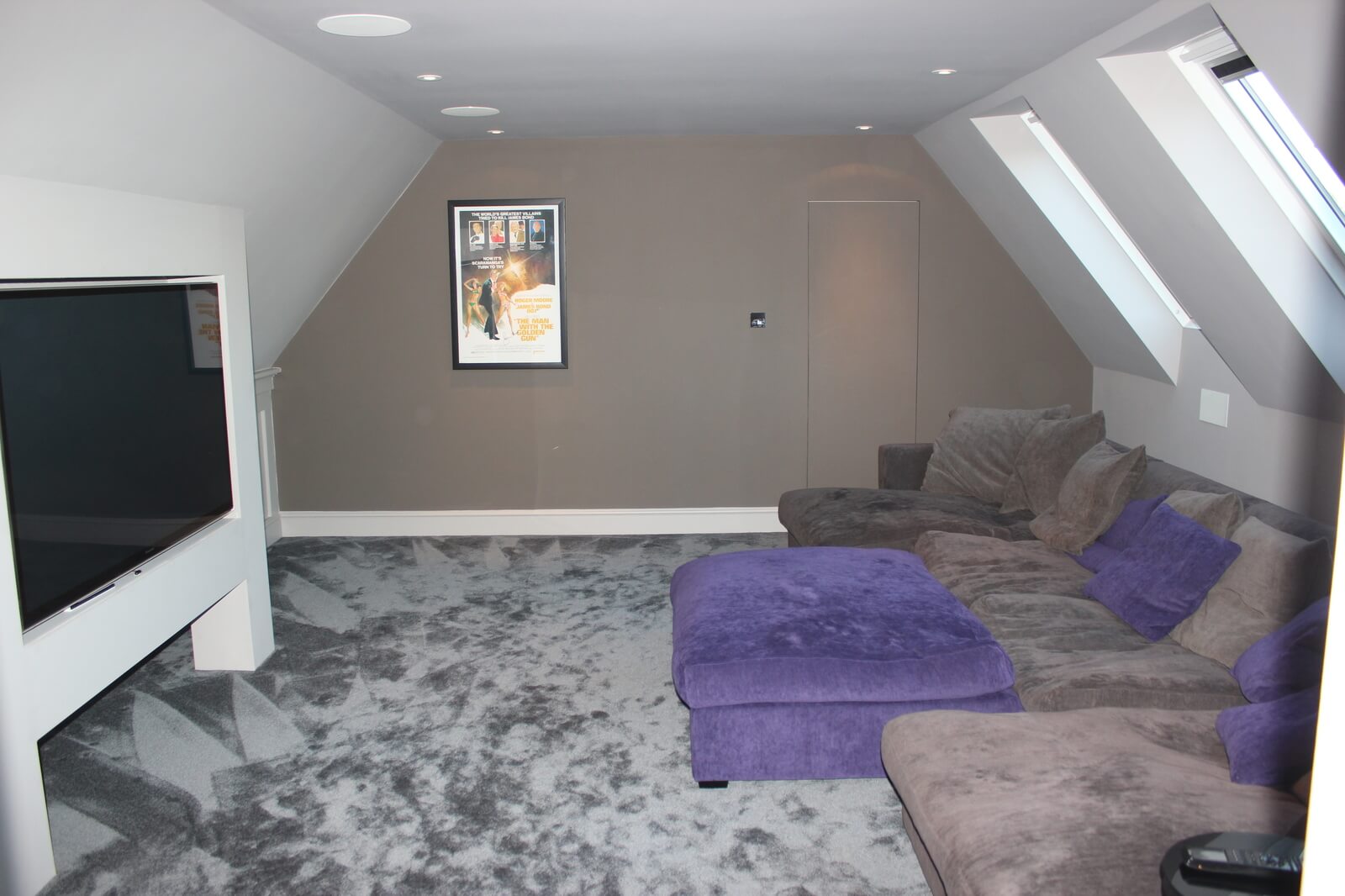
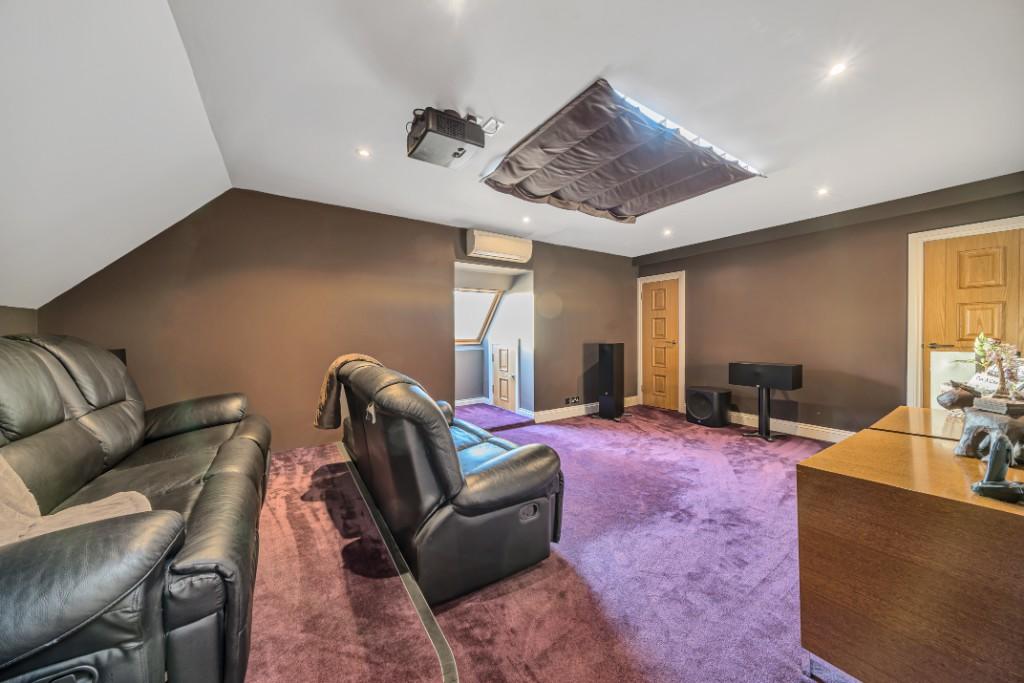
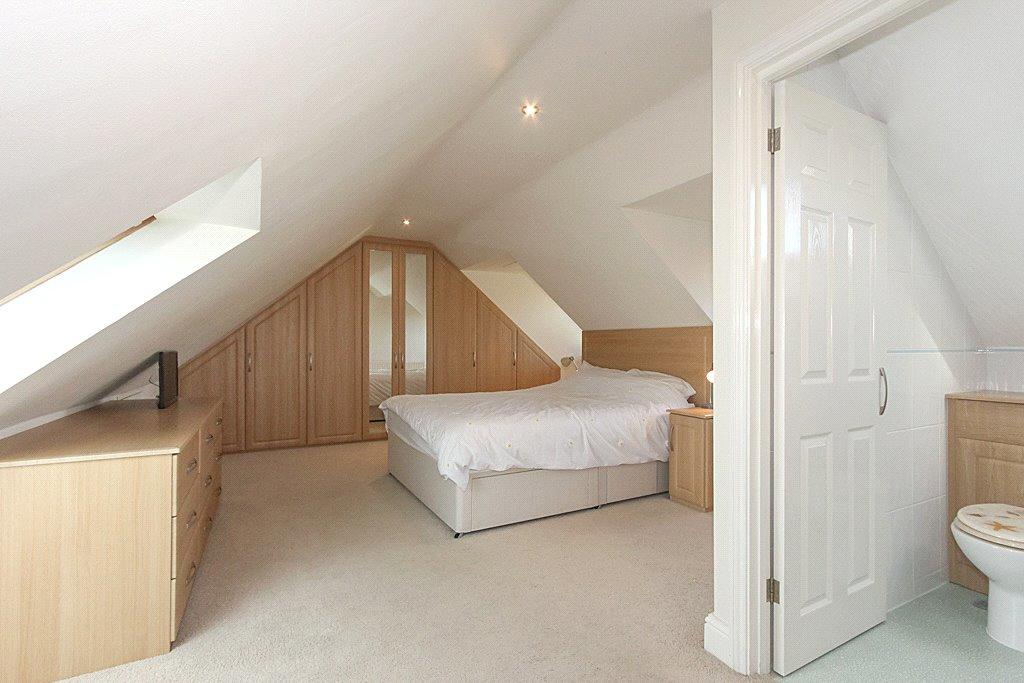
Barnehurst is the kind of place people choose deliberately. It's quieter than most parts of outer London, the streets are well kept, and the housing stock is genuinely good. A lot of the homes here are 1930s semis and detached houses built to last, and they've held up well. The one thing they weren't built for is the way families use space today. A dormer conversion takes that unused loft and makes it work. The rear roof slope extends outward, head height comes up, and you end up with a proper room rather than a storage area with a hatch. On a Barnehurst semi or detached house the result tends to look clean and considered, not bolted on. People use the space for a bedroom, a home office, an en-suite, sometimes all three across different projects on the same street. The roof proportions on these older homes are generous and there is usually more to gain up there than people expect when they first look into it. Best for: 1930s semis and detached homes in Barnehurst, families who need more room without moving further out, and lofts that are wasted purely because the standing height is not there yet.

02.

Hip to Gable Loft Conversion in Barnehurst

A lot of the semis and detached homes in Barnehurst were built with hipped roofs. It is a common design from that era and it suits the style of the area well. The issue is not how it looks from the outside. The issue is what that inward slope does to the space inside the loft. It cuts in from the side and by the time you account for it, a good portion of the floor area is either too low to stand in or too awkward to use properly. Taking that slope off and putting a straight gable wall in its place changes the picture entirely. The full width of the loft opens up and suddenly there is something worth working with. Most homeowners in Barnehurst add a rear dormer at the same time, which makes sense. The two together give you enough room for a proper bedroom and a bathroom without either one feeling undersized. It is a combination that works particularly well on the kind of houses Barnehurst has in abundance. Best for: Semi-detached and detached homes in Barnehurst with hipped roofs, homeowners who feel the loft is too restricted to bother with, and anyone who wants a usable layout rather than a series of workarounds.

03.

Velux Loft Conversion in Barnehurst

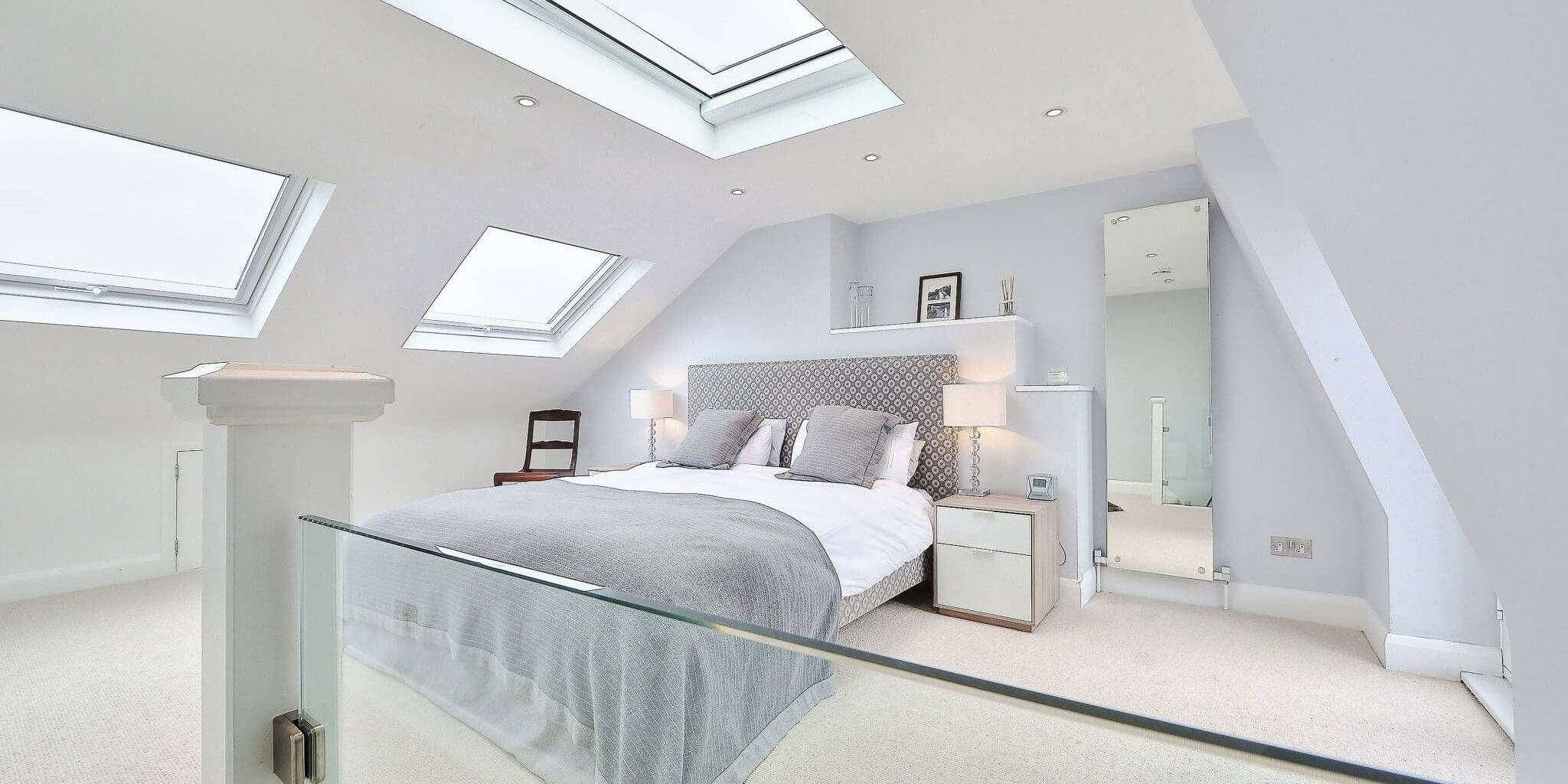
Sometimes the right answer is also the simplest one. If the loft in your Barnehurst home already has a reasonable amount of head height, a Velux conversion can deliver a proper usable room without any changes to the roof structure at all. Windows go into the existing slope, the floor is reinforced, insulation is fitted, and the room is brought up to building regulation standard. The outside of the house looks exactly the same as it did before the work started. Barnehurst is a settled, well-presented area and homeowners here generally care about how their properties look. A Velux conversion sits well with that. There is no change to the roofline, no new dormer sitting on the back of the house, nothing that alters the character of the building. What you get is a clean, well-lit room upstairs at a lower cost and with less disruption than a larger conversion would involve. For a lot of homes in Barnehurst it is not the compromise option. It is simply the right one. Best for: Barnehurst homes with good existing loft height, homeowners who want a tidy and cost-effective solution, and properties where the external appearance is something worth preserving.

04.

L-Shaped Dormer Loft Conversion in Barnehurst

If your home in Barnehurst has a rear extension, you have more potential sitting in that roof than most people realise. An L-shaped dormer conversion puts it to use. A dormer runs across the back of the main roof and a second one sits above the extension. The two connect and the floor area that results is considerably larger than anything a single dormer could produce on its own. Two bedrooms and a bathroom upstairs becomes a realistic outcome rather than an optimistic one. For families in Barnehurst who have settled into the area and want the house to grow with them rather than force a move, this conversion makes a lot of sense. It is also one of the better ways to use space that is already there above the extension rather than leaving it untouched. A well-planned L-shaped dormer changes how the whole house functions, not just the top floor. Best for: Barnehurst homes with an existing rear extension, families who need more than one room upstairs, and homeowners thinking about the long term rather than just the immediate need.

05.

Mansard Loft Conversion in Barnehurst

A mansard is not the quickest or cheapest route but it is the one that delivers the most. The rear roof slope is taken down completely and rebuilt at a steep angle with a flat section running across the top. The room that comes out of it does not feel like a loft conversion. It feels like a proper additional floor with full ceiling height throughout, straight walls on all sides and space that you can use without having to think about where you are standing. In Barnehurst, where families tend to stay put and properties hold their value steadily, doing a conversion properly and getting the best possible result is a reasonable approach. Planning permission is usually required and the project takes longer than other conversion types. That is worth knowing going in. But for homeowners who want to make a significant and lasting improvement to their home without moving, a mansard gives you more than anything else on this list. The floor area is greater, the rooms feel better, and the long term value it adds to the property reflects that. Best for: Larger homes in Barnehurst, homeowners who want the maximum possible space from their loft, and anyone prepared to go through the planning process once in order to get a result that genuinely stands apart.

06.

Bungalow Loft Conversion in Barnehurst

Barnehurst has a fair number of bungalows and they are popular for good reason. Single storey living suits a lot of people very well, right up until the point where it does not. A growing family, a parent moving in, a need for a proper workspace at home. When one of those things happens and the ground floor is already full, the options start to narrow quickly. A loft conversion is the most straightforward way through that problem. A proper upper level gets built with bedrooms, a bathroom and whatever else the household needs, and the ground floor carries on exactly as it was. Nothing gets reorganised, nothing gets lost. Bungalow roofs in Barnehurst tend to span the full width of the property which means there is usually a generous amount of floor area to work with once someone takes a proper look. Get the design right and you are not just adding rooms. You are giving the home a second life. Best for: Bungalows in Barnehurst where the ground floor has run out of answers, families going through a change in how they need to live, and homeowners who want to add real lasting value to a property in a solid and steady part of outer London.

Loft Conversion Costs in Barnehurst, DA7

Loft Conversion Costs in Barnehurst, DA7

Barnehurst is outer London, so build costs here are generally lower than in Central or West London. Here are realistic starting points:

  • Velux conversion from around £25,000
  • Rear dormer conversion £35,000 to £50,000
  • Hip-to-gable with rear dormer £45,000 to £62,000
  • L-shaped dormer from £52,000 upwards
  • Mansard conversion from £60,000 upwards
  • Bungalow loft conversion £45,000 to £75,000 depending on scope

These figures typically include design, structural engineering, Building Regulations approval, and construction.

Additional features may increase the cost, including:

  • En-suite bathrooms
  • Built-in storage
  • High-end windows and glazing
  • Underfloor heating

Value Added: A well-executed loft conversion in Barnehurst can increase your property value by around 15% to 25%.

With average semi-detached homes in DA7 ranging between £400,000 and £525,000, even a modest uplift represents a meaningful return on investment.

Contact us

How We Run a Barnehurst Loft Conversion

How We Run a Barnehurst Loft Conversion

The process is the same whether you're on the Barnehurst Estate, the Mayplace side, or one of the surrounding streets. Here's what to expect:

1. Free Site Visit

We visit your home, inspect the loft space, measure the head height and footprint, and discuss your plans. Simple and no obligation.

2. Planning Check and Design

We confirm whether your project falls under Permitted Development or requires planning permission. Then we prepare:

  • Architectural drawings
  • Structural calculations
  • Detailed specifications

3. Fixed-Price Quote

You receive a fully itemised, fixed-price quote. No hidden costs, no vague estimates — what you see is what you pay.

4. Approvals

We handle all required approvals and paperwork, including:

  • Building Regulations applications
  • Planning permission (if required)
  • Party Wall Agreements with neighbours

5. Build

The construction phase includes:

  • Scaffolding setup
  • Opening the roof structure
  • Steel installation
  • Staircase fitting
  • Insulation and first fix (electrics/plumbing)
  • Second fix and finishing
  • Plastering and decoration

A typical Barnehurst loft conversion takes around 8 to 12 weeks on-site.

6. Handover

We complete a final walkthrough, resolve any snagging issues, and provide your Building Regulations certificate.

Your new space is ready to use.

Why Barnehurst Homeowners Pick Us

Why Barnehurst Homeowners Pick Us

  • Specialists in 1930s homes- We understand the common Barnehurst features such as hipped roofs, chimney stacks, and single-skin rear walls, and know how to work with them properly.
  • Local planning expertise- We’re familiar with Bexley Council’s planning and Building Control processes, ensuring a smoother approval process.
  • Fixed pricing- Clear, upfront costs with no surprises, helping you budget confidently for your project.
  • One team, start to finish- Design, approvals, construction, and finishing are all handled in-house, with no need to manage multiple contractors.
  • Clean and considerate work- We maintain tidy, well-managed sites, minimising disruption in close residential streets.
  • Built for long-term quality- We don’t cut corners on structural work, insulation, or fire safety, ensuring your loft conversion stands the test of time.

FAQ's about Loft Conversion answered

Do you have a question about Loft Conversions? We're here to help. Contact our team at Loft Converter London

  • How can I find out if my Loft in Barnehurst can be Converted?

    The minimum height required for a Loft Conversion is 2.2m (from the floor to the highest point in your loft). If you do not have the required height, your ceilings can be lowered on your first floor.

  • How long does a Loft Conversion take to Complete?

    This depends on the size and type of Loft, most loft conversions take around 10-12 weeks. We can give you a more accurate estimation when we see your property.

  • How much does a Loft Conversion in Barnehurst Cost?

    Loft Conversion cost is determined by the size and type of the project, the features you would like, etc. Our architect will help you achieve the best use of your space within your budget. Most Lofts cost between £30,000 and £70,000.

  • Will I need to move out during the Loft Conversion?

    No - it's safe to carry on living in your house. Our team starts from the scaffolding before the stairs go in. We always try to limit the disruption during the construction process.

  • Do I need planning permission for a loft conversion in Reading?

    Loft Conversions usually fall under the permitted development category therefore planning permission is not normally required. There are some exceptions like conservation areas, flats, or listed buildings. Our in-house surveyors can advise further on planning permission..

  • What is a party wall agreement, and will I need one for a loft conversion?

    A party wall agreement is also known as PWA is required if you own semi-detached or terraced property. In simple words, if you are working within or near your neighbor’s boundary then you will need a party wall agreement in place. Click here for more info.

  • Does a loft conversion add value to my Barnehurst home?

    Yes - it will add from 15% to 25% upwards depending on the size, design, and type of Loft. Read more about adding value here.

  • Will my Loft Conversion be subject to Building regulations?

    Yes, all Loft conversions require building regulation approval from the local authority. These regulations are important to ensure the safety measures are in place and they set a protocol of construction and design to follow.

  • Can I use my own plans?

    Absolutely yes, we will work with you to achieve your dream new living space.
FAQ's about Loft Conversion answered