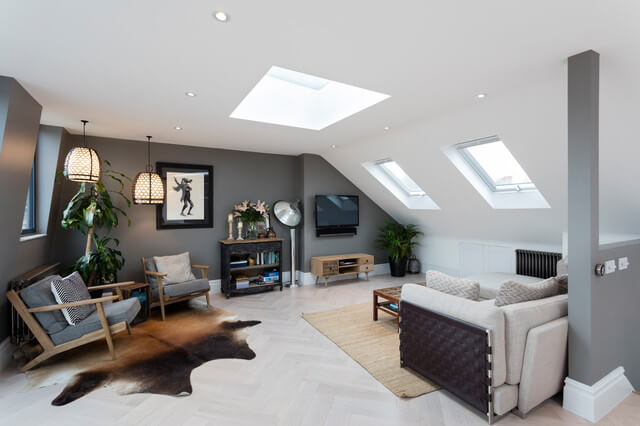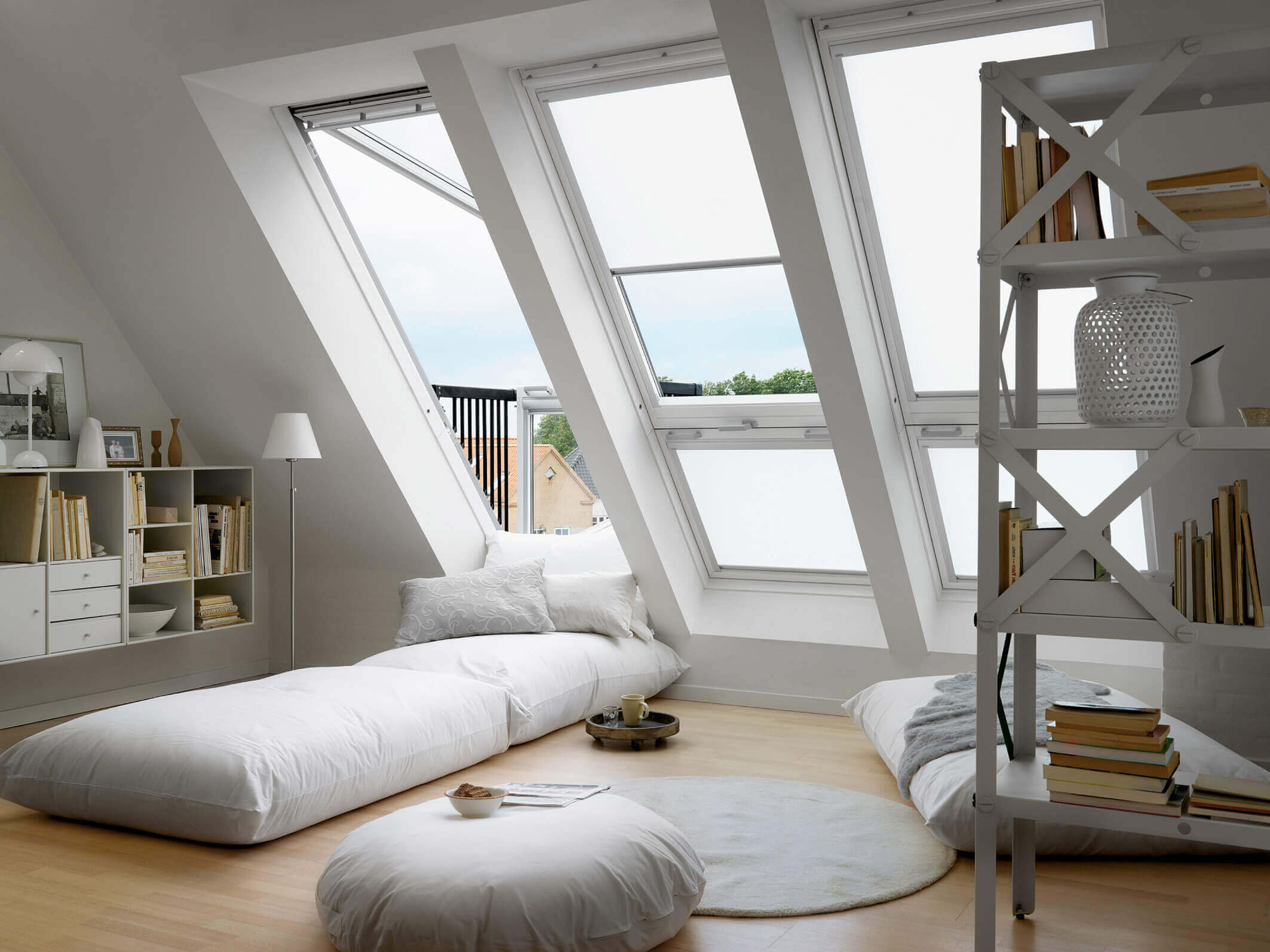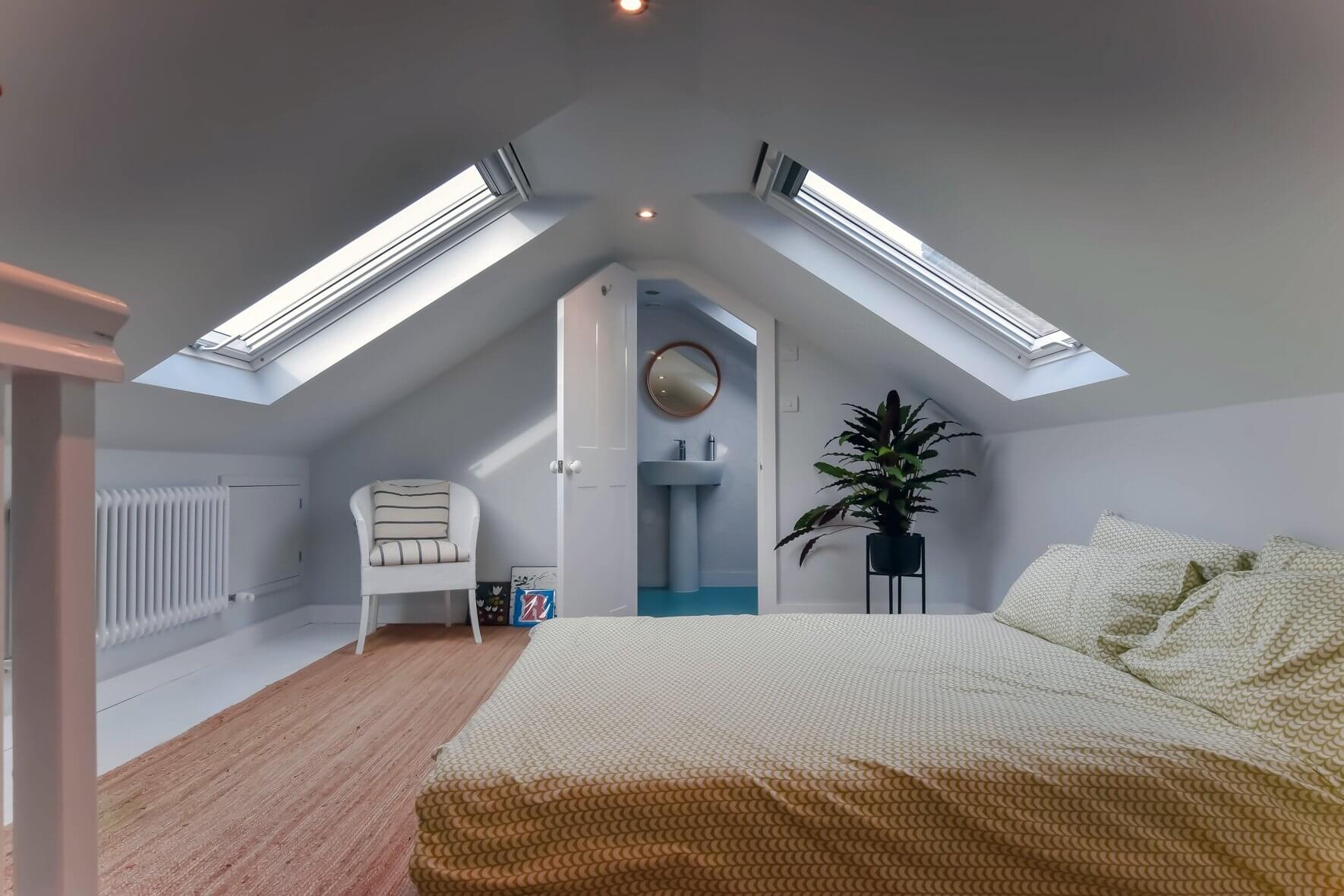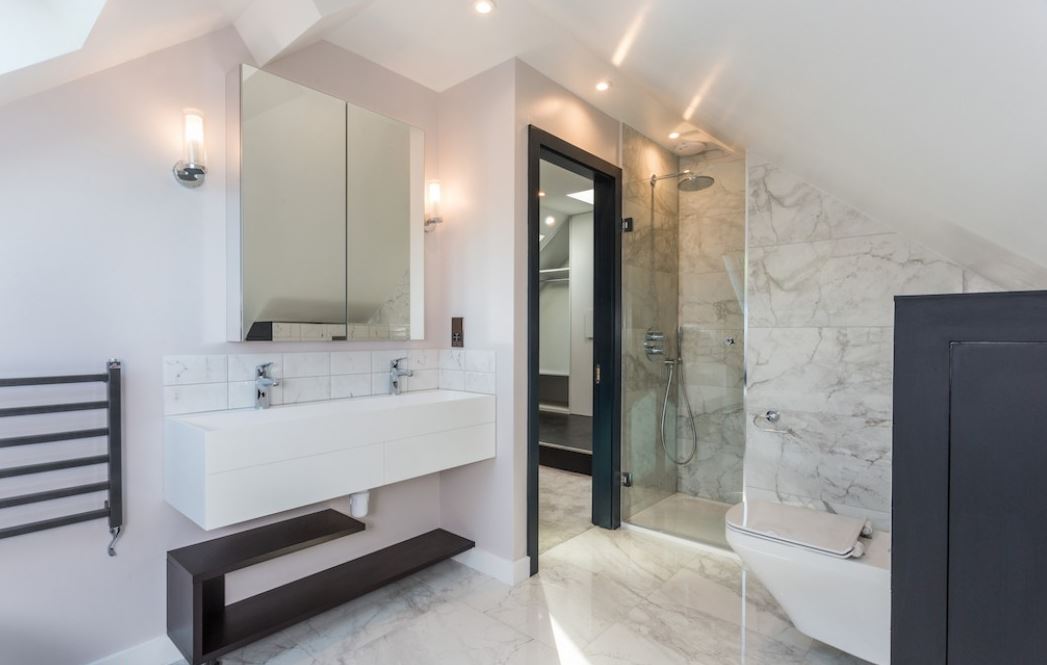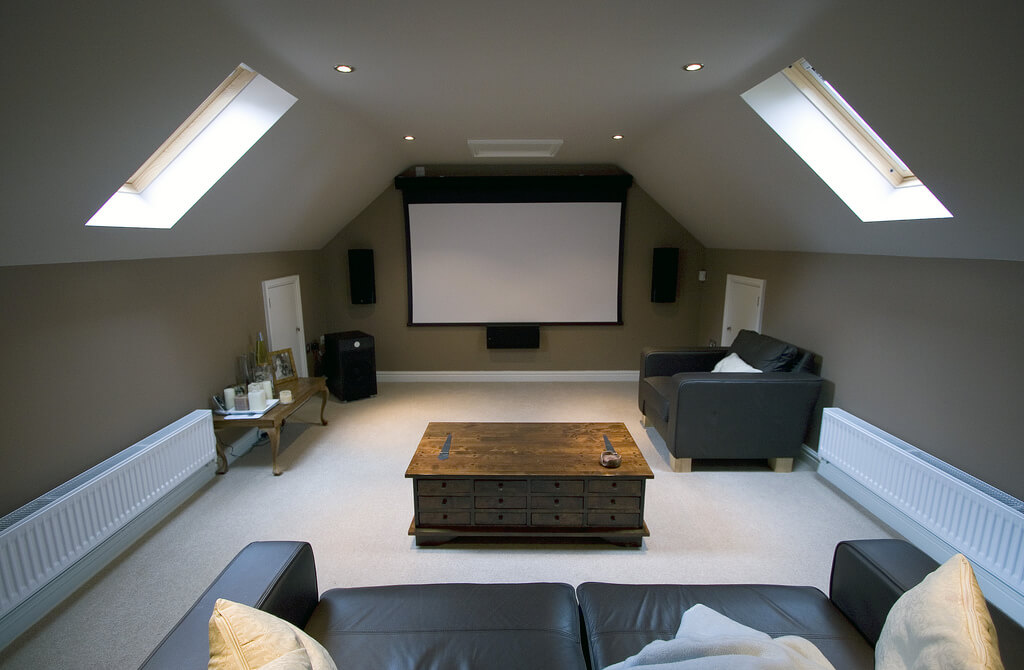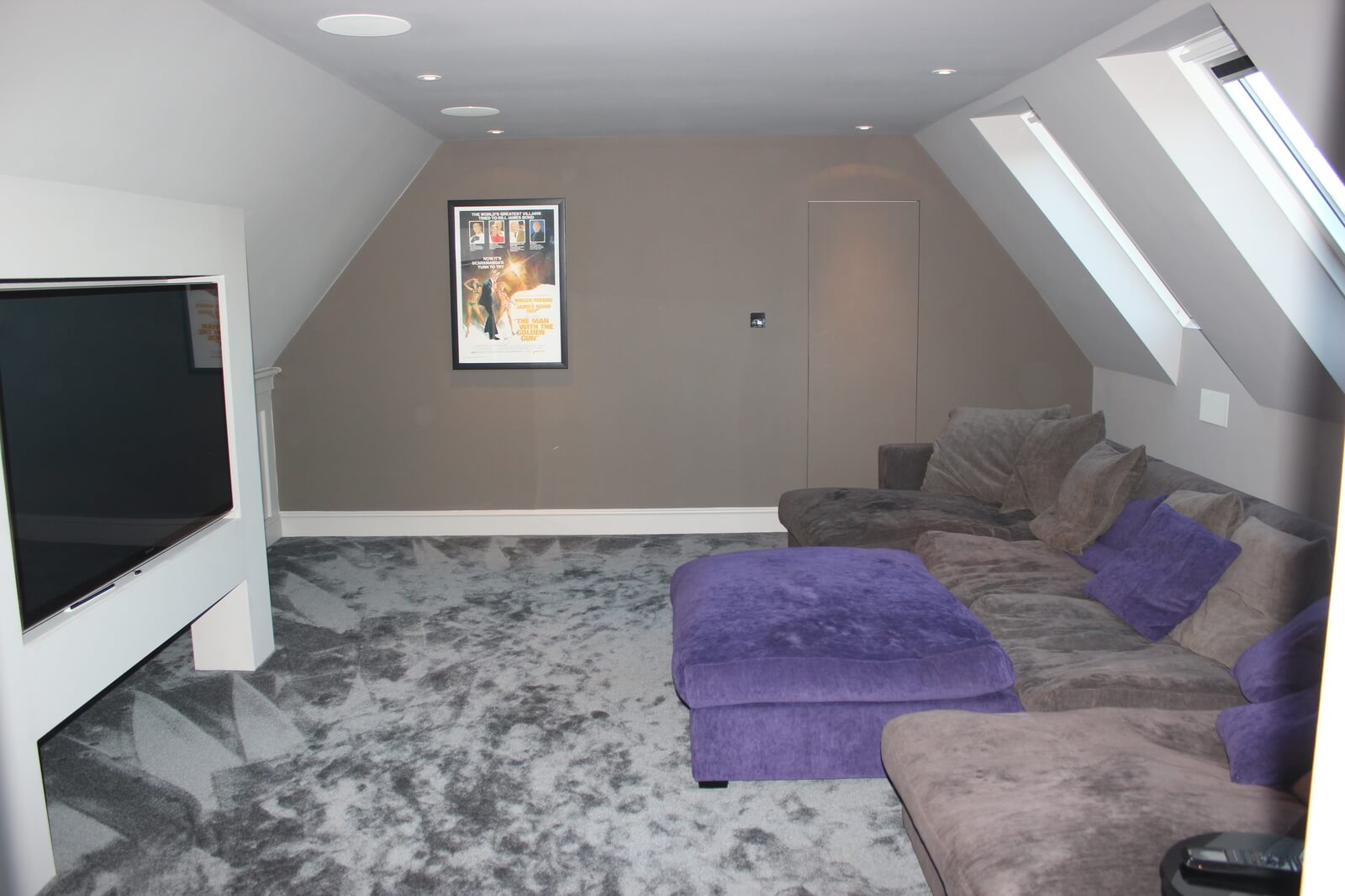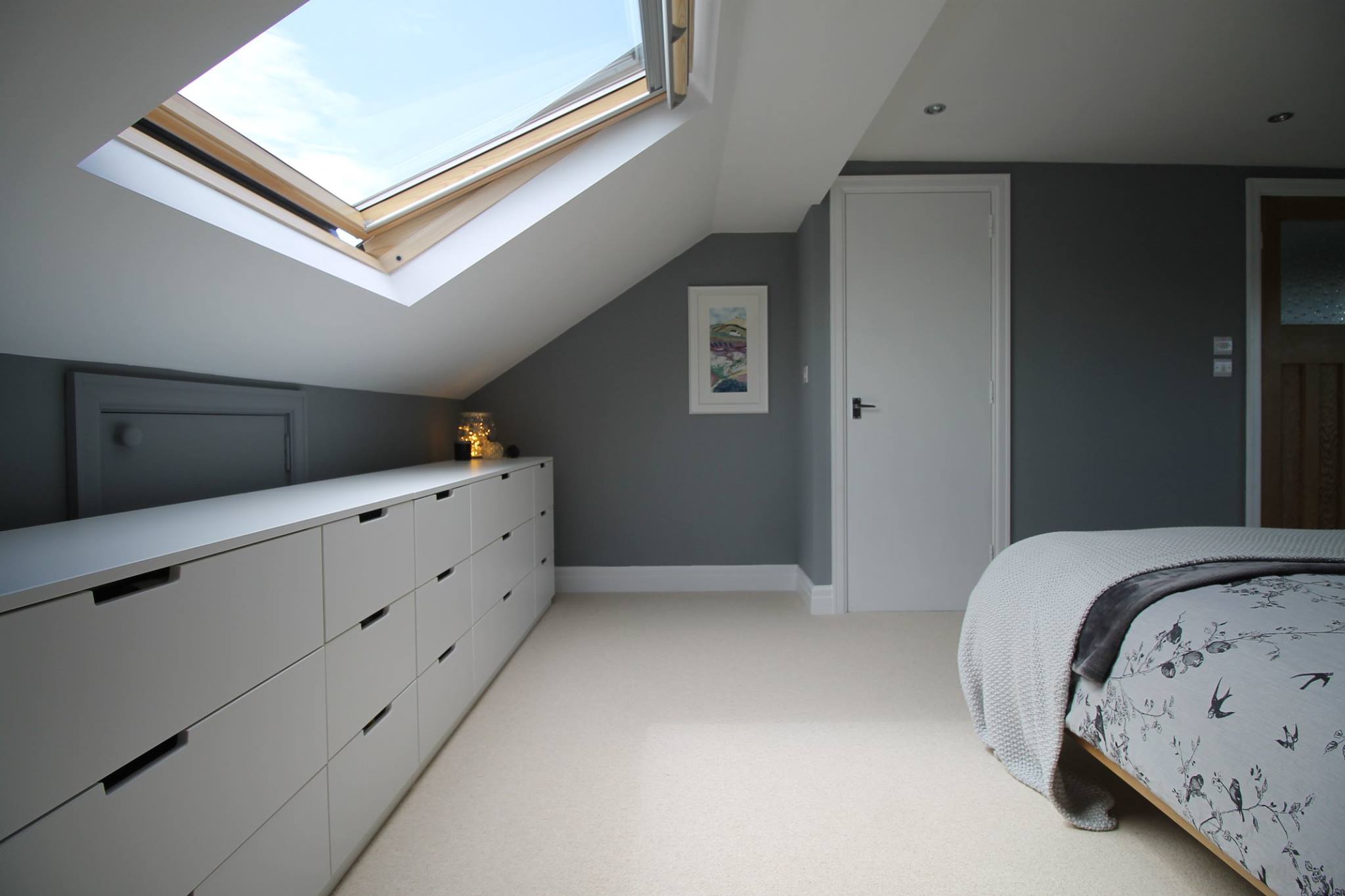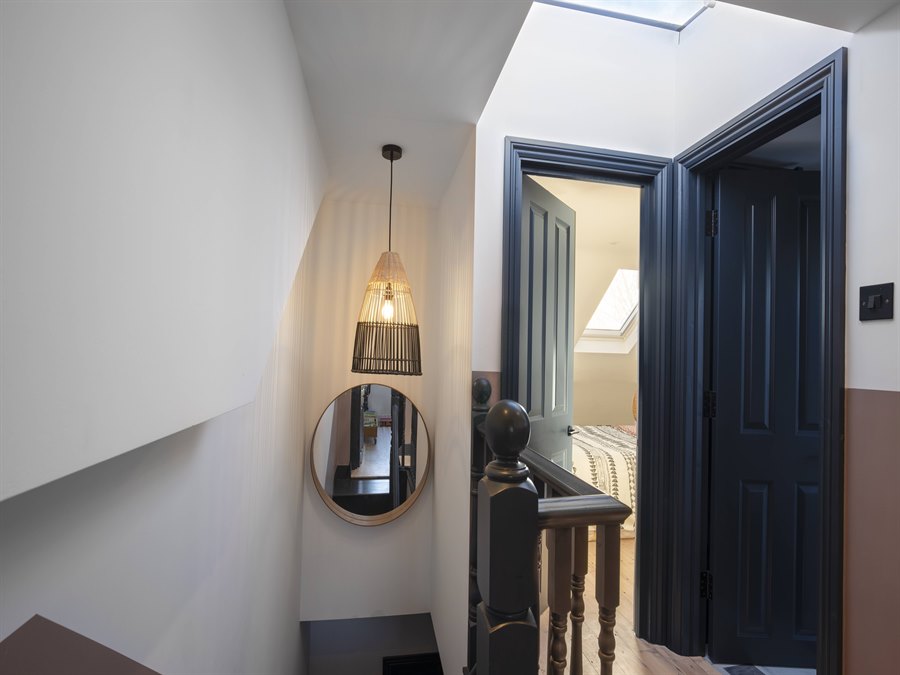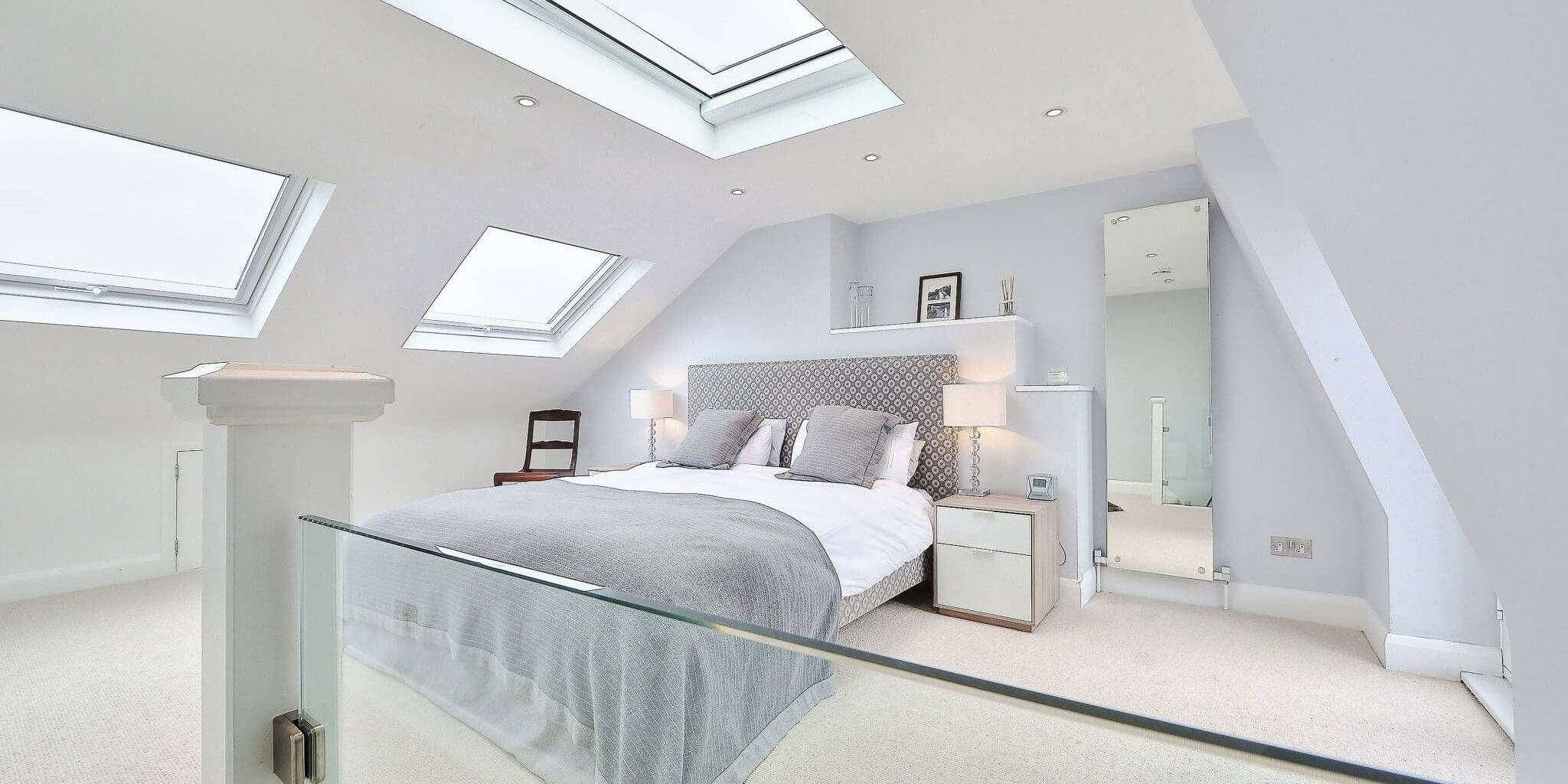
The types of Loft Conversions that we work in -
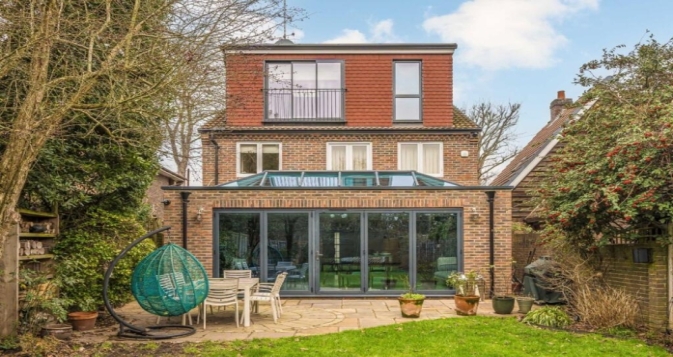
Hampton is one of South West London's most sought after places to call home. With Hampton Court on the doorstep, the Thames nearby, and streets like Wensleydale Road and Courtlands Avenue lined with characterful period homes, it is a place people rarely want to leave. When a growing family needs more room, converting the loft rather than moving is almost always the smarter decision. A dormer extends outward from the rear roof slope, adding proper headroom and a usable floor area without touching the garden or altering the front of the house. On Hampton's Victorian and Edwardian properties, where roof pitches are generous but internal height quickly proves limiting, a rear dormer creates a room that feels like it was always meant to be there. Best for: Period terraced and semi-detached homes across TW12, families who need an extra bedroom, and homeowners who want more space without compromising Hampton's distinctive street character.
Many of Hampton's semi-detached homes were built with hipped roofs, a style that suits the area's leafy, suburban feel but works against you once you go up into the loft and try to use it properly. That inward-sloping side takes away width that could otherwise become a bedroom wall. A hip-to-gable conversion replaces the sloping side with a straight vertical wall, immediately widening the loft space. Combined with a rear dormer, what was once an awkward triangular void becomes a layout that comfortably holds a bedroom and bathroom side by side. Best for: Hampton's semi-detached and end of terrace homes, where the hipped roof prevents the loft from being genuinely useful.
Hampton has an abundance of older properties with naturally steep roof pitches, and where the existing head height is already workable, a Velux conversion is often the most practical and cost-effective solution. Roof windows are fitted flush into the existing slope, the floor is reinforced, insulation is upgraded, and the result is a bright and properly usable room without any change to the roofline. It is also worth noting that parts of Hampton fall within conservation areas, particularly around Hampton Court and the riverside. A Velux conversion is typically the easiest to gain approval for in these locations, as it makes no external structural changes. Best for: Properties with good existing loft height, homes in or near Hampton's conservation areas, and anyone who wants a straightforward, cost-effective solution.
A number of Hampton's homes have had rear extensions added over the years, often to create larger kitchen and dining spaces that suit family life. If your property has one of these additions, it opens the possibility of an L-shaped dormer, which spans both the main roof and the extension to create a combined loft floor plan large enough for two separate rooms. For Hampton families who need both a bedroom and a home office in the loft, or a master suite with a proper en-suite bathroom, this configuration makes both achievable without compromise. Best for: Extended homes in Hampton, TW12, where maximising loft floor area and creating two usable rooms is the priority.
For homeowners in Hampton who want the absolute most from their loft, a mansard delivers it. The rear roof slope is rebuilt at a near vertical angle with a flat section across the top, turning the entire floor area into fully usable space from wall to wall. No sloping ceilings, no awkward corners, no sense that the room is fighting the shape of the roof above it. Hampton's period homes lend themselves well to this type of conversion when done with the right materials and proportions. Planning permission will be required, but for homeowners investing seriously in a long-term improvement to a property they love, the outcome more than justifies the process. Best for: Larger Hampton properties and homeowners who want the maximum possible space and are happy to work through the planning process to achieve it.
Not every Hampton loft needs a full-width dormer, and given the area's conservation sensitivities, particularly around Hampton Court and the riverside, a smaller and more carefully considered solution is sometimes the right call. A small dormer can bring in targeted headroom or natural light in exactly the right place without drawing any real attention to itself from the street. In a neighbourhood where the appearance of period homes is something residents genuinely care about, a well-proportioned small dormer can make a meaningful difference to how the loft feels and functions while sitting entirely in keeping with the character of the surrounding area. Best for: Lofts in conservation-sensitive parts of Hampton, properties where modest improvements are all that is needed, and homeowners who want a thoughtful solution that respects the look of their home.
Do you have a question about Loft Conversions? We're here to help. Contact our team at Loft Converter London
The minimum height required for a Loft Conversion is 2.2m (from the floor to the highest point in your loft). If you do not have the required height, your ceilings can be lowered on your first floor.
This depends on the size and type of Loft, most loft conversions take around 10-12 weeks. We can give you a more accurate estimation when we see your property.
Loft Conversion cost is determined by the size and type of the project, the features you would like, etc. Our architect will help you achieve the best use of your space within your budget. Most Lofts cost between £30,000 and £70,000.
No - it's safe to carry on living in your house. Our team starts from the scaffolding before the stairs go in. We always try to limit the disruption during the construction process.
Loft Conversions usually fall under the permitted development category therefore planning permission is not normally required. There are some exceptions like conservation areas, flats, or listed buildings. Our in-house surveyors can advise further on planning permission..
A party wall agreement is also known as PWA is required if you own semi-detached or terraced property. In simple words, if you are working within or near your neighbor’s boundary then you will need a party wall agreement in place. Click here for more info.
Yes - it will add from 15% to 25% upwards depending on the size, design, and type of Loft. Read more about adding value here.
Yes, all Loft conversions require building regulation approval from the local authority. These regulations are important to ensure the safety measures are in place and they set a protocol of construction and design to follow.
Absolutely yes, we will work with you to achieve your dream new living space.