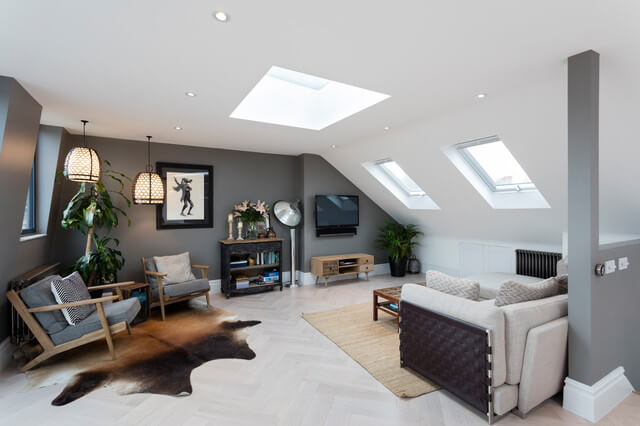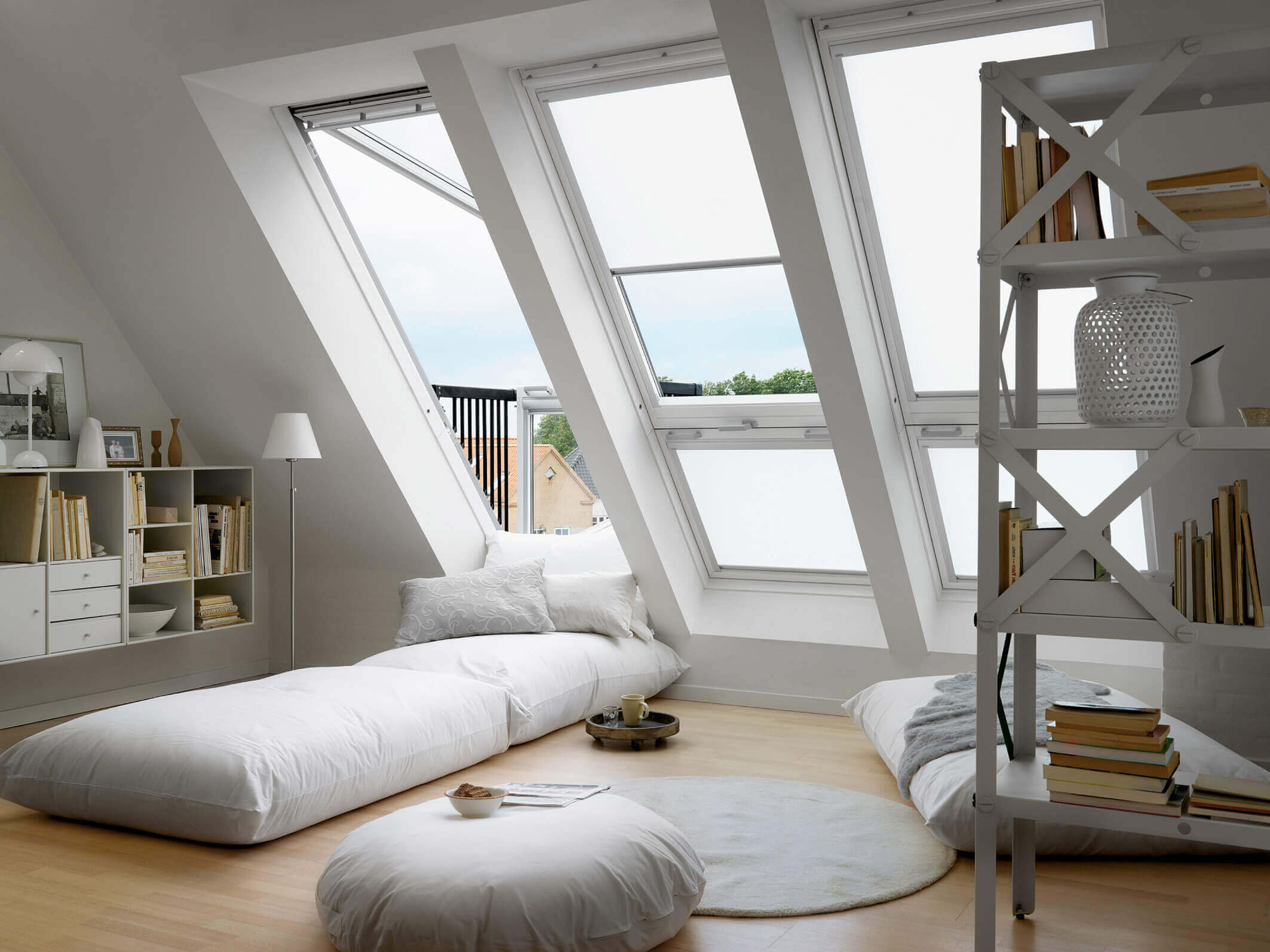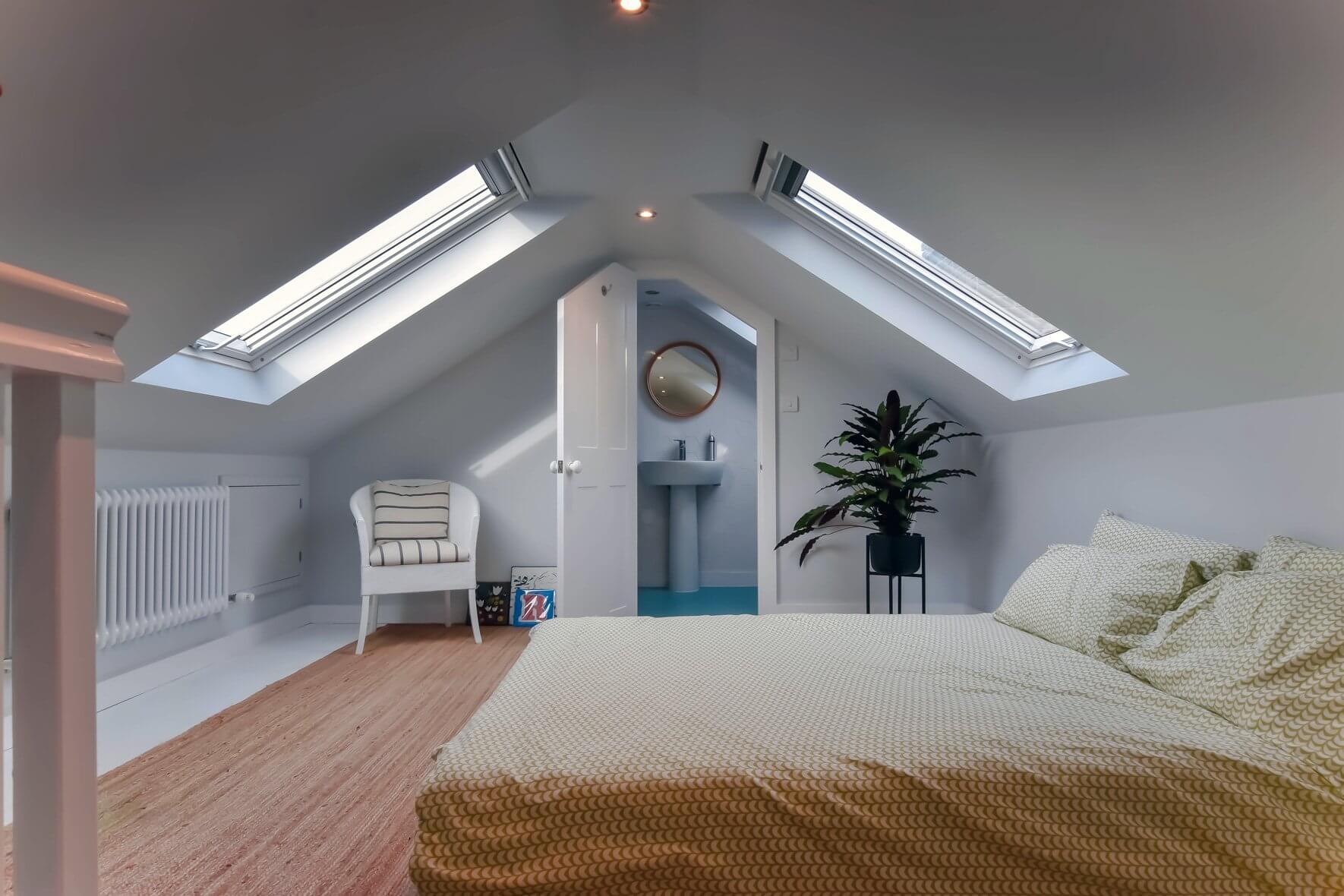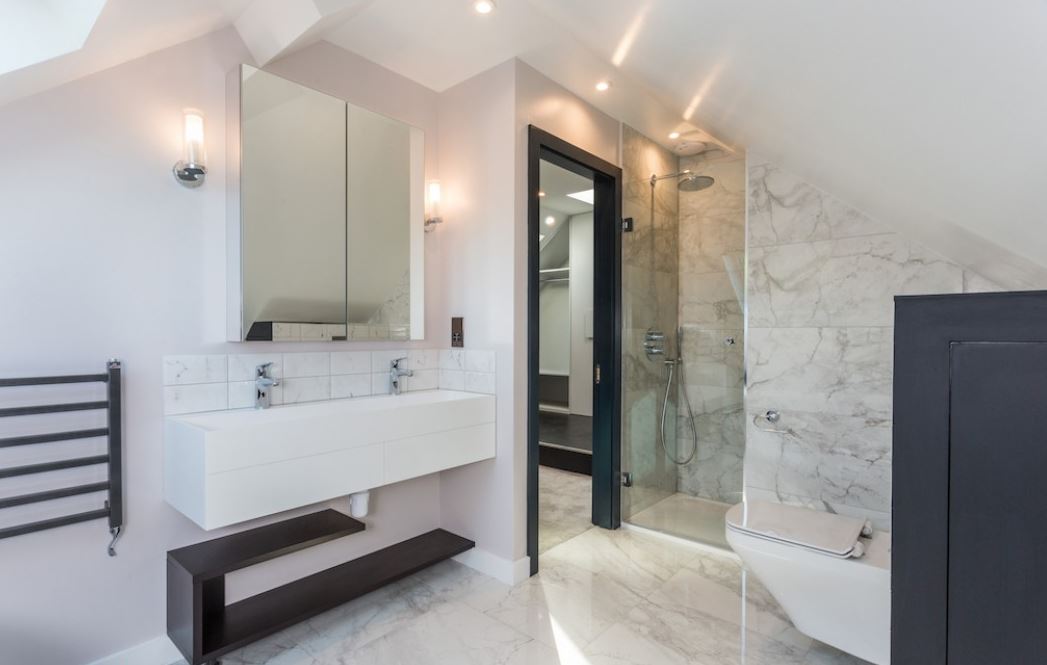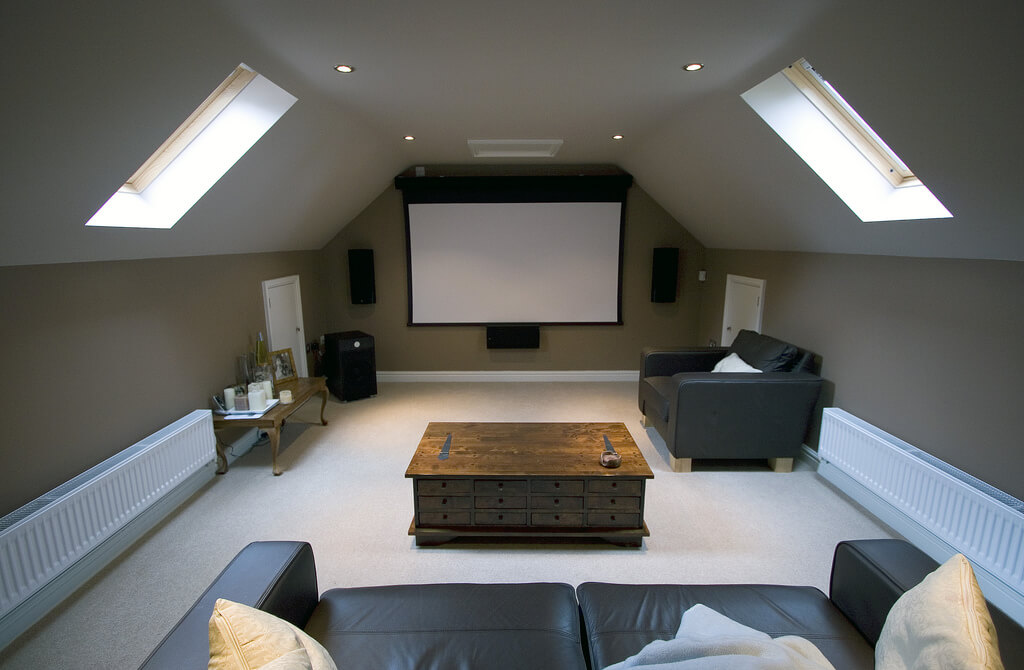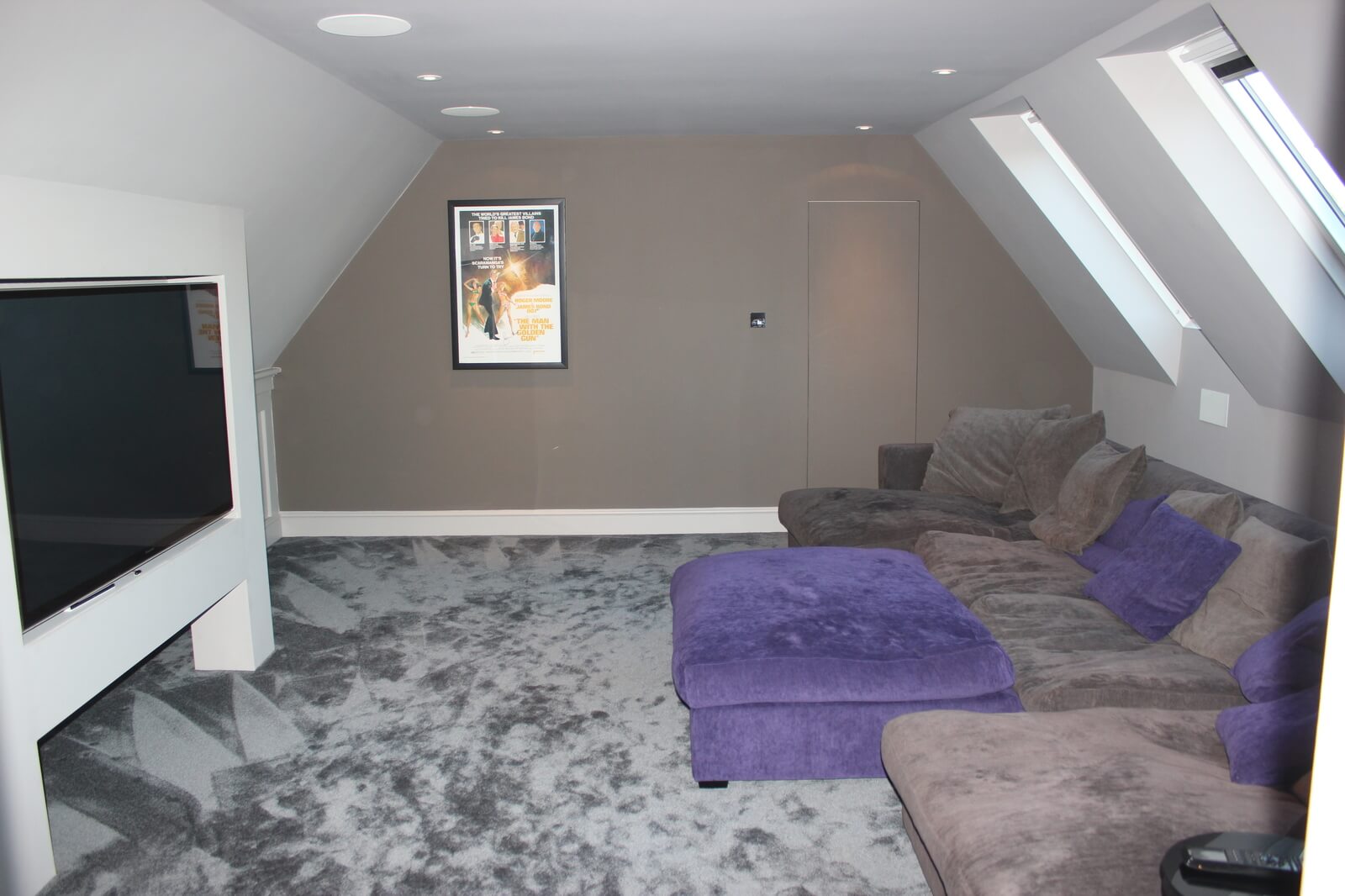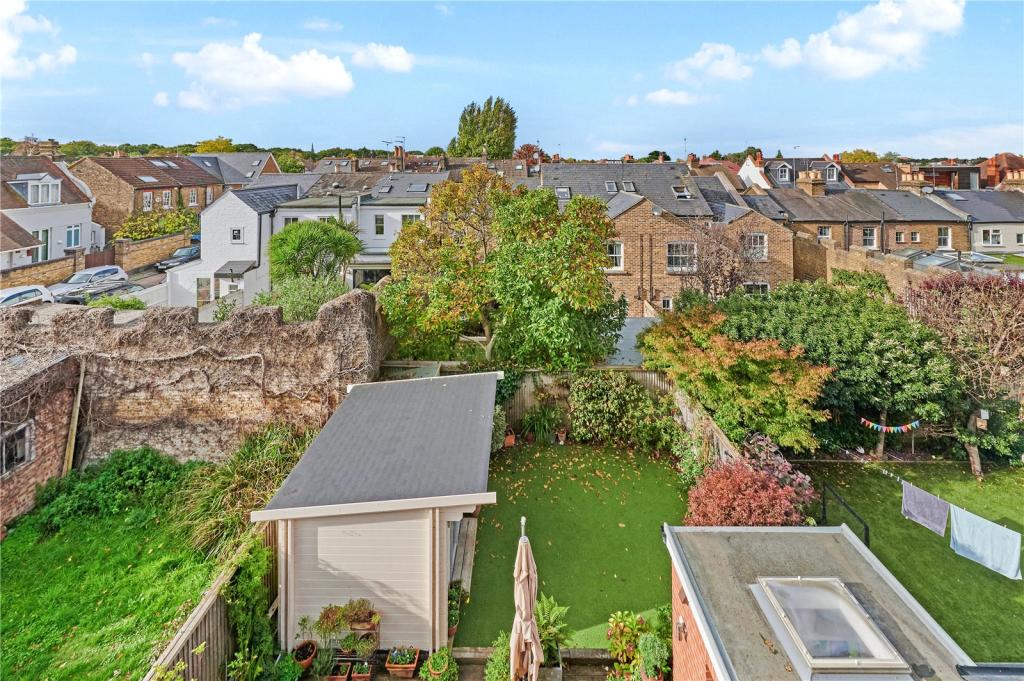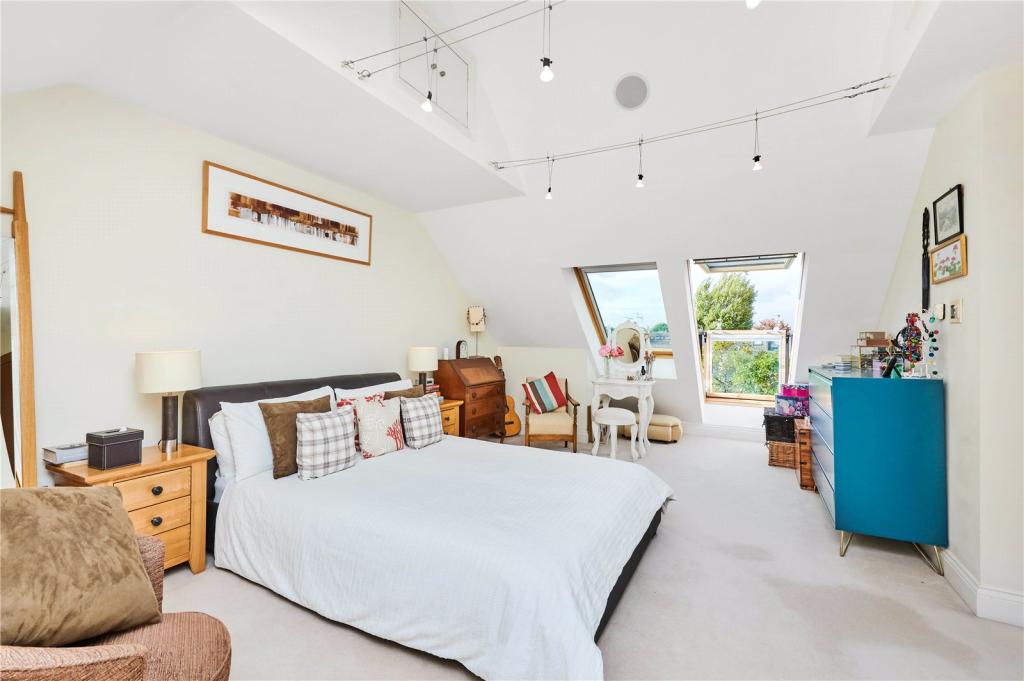
The types of Loft Conversions that we work in -
Richmond occupies a rare position in London. It has the river, the park, the Georgian and Victorian architecture and a residential character that most parts of the capital spend decades trying to replicate. People do not leave Richmond lightly and when a home starts to feel tight the instinct is almost always to invest in what is already there rather than trade it in for something elsewhere. A dormer loft conversion answers that instinct directly. It extends from the rear roof slope, establishes proper ceiling height and transforms overhead space that was contributing nothing into a room that changes how the whole house is used. The period housing stock that defines so much of Richmond is well-suited to this kind of work. Victorian and Edwardian rooflines tend to carry the right proportions and a well-executed dormer reads as part of the original building rather than an opportunistic addition to it. Best for: Victorian and Edwardian homes across Richmond, households that need a high quality extra room whether that is a bedroom, a study or a dressing room, and lofts where the existing head height has always made a conversion feel just out of reach.
The hipped roof is a recurring feature on Richmond's semi-detached and end-of-terrace properties and it brings with it a specific spatial consequence that is worth understanding clearly. Where a gable roof terminates in a vertical wall a hipped roof slopes inward on the sides toward the ridge. Inside the loft that geometry translates into a measurable reduction in usable floor area on both flanks of the space. The wider the potential loft the more significant that loss becomes in practical terms. A hip to gable conversion addresses this by removing the inward-sloping side and replacing it with a straight vertical wall. The full usable width of the loft is recovered and the internal layout becomes substantially more workable. Combined with a rear dormer the resulting floor plan can accommodate a bedroom and a bathroom with proper circulation space between them rather than a layout that feels like it has been negotiated out of an awkward geometry. Best for: Semi-detached and end-of-terrace homes in Richmond where a hipped roof has been quietly reducing the internal width of the loft and making an effective conversion harder to achieve.
Richmond has a strong and well-established sense of how its streets should look. Conservation areas cover significant portions of the borough and the expectation that buildings should respect their context is not merely a planning technicality here but something the community actively upholds. A Velux conversion sits comfortably within that framework. The roofline is not touched. Roof windows are set carefully into the existing structure, the floor is reinforced to carry a habitable load, insulation is upgraded to the required standard and building regulation approval is secured. Nothing on the exterior changes. For Richmond homes where the loft already carries a useful amount of head height this is frequently the most appropriate solution. It produces a room that is quiet and light-filled without asking anything of the street scene in return. In a borough where understatement is generally the right approach that is not a small consideration. Best for: Richmond homes with adequate existing loft height, properties in conservation areas or on streets where external alterations are restricted, and homeowners who want a well-finished room that leaves the character of the building entirely intact.
For Richmond properties that include a rear extension an L-shaped dormer conversion represents one of the most effective and spatially rewarding options available. A dormer is constructed along the main rear roof slope and a second dormer is built directly above the existing rear extension. The two are joined into a single continuous L-shaped structure and the floor area produced across the loft is considerably larger than a conventional single dormer would deliver. The spatial dividend of this layout is not merely quantitative. Two bedrooms and a well-proportioned bathroom sit within it without the floor plan feeling compressed. A generous principal bedroom with an en suite and considered storage works equally well. What distinguishes a well-designed L-shaped loft in Richmond from a simply large one is the way the space feels to move through rather than just the number of rooms it contains. That quality is worth designing for from the outset. Best for: Richmond properties with an existing rear extension, households that need the loft to deliver multiple rooms rather than a single large space, and homeowners who want a conversion that feels generous and considered in equal measure.
A mansard conversion is the most complete transformation a roof can undergo and the interior it produces reflects that entirely. The rear slope is demolished and rebuilt at a near vertical pitch. A flat roof sits on top. The space inside carries full ceiling height throughout without the tapering angles and diminishing headroom that characterise most loft rooms. It does not feel like a conversion. It feels like a floor of the house that has always been there. Richmond is one of London's most consistently desirable addresses and the investment case for a mansard conversion here is not difficult to make. Full planning permission is a requirement and the construction is more involved and more extended than other conversion types. Those are the honest parameters of the project and a homeowner who understands them clearly from the beginning is in the best position to see it through well. For those who do the outcome is the highest standard a loft conversion can reach. Best for: Larger Richmond properties, homeowners for whom ceiling height and floor area are the defining requirements, and projects where the loft conversion is being undertaken as a serious and permanent improvement to a property in one of London's most valued residential markets.
A bungalow in Richmond carries a particular kind of appeal. Generous plots, single storey living, a quieter relationship with the street than the terraced houses that surround them. But the roof that sits above all of that space is often doing very little. Because a bungalow roof spans the entire footprint of the building the loft beneath it tends to be broader and more open than almost any other residential property type. That space is available and in most cases it is not being used at all. Converting it brings a complete upper floor into being. Bedrooms, a bathroom, a private space that the ground floor never had to give up anything to create. The household gains a new level and the way it uses the home shifts accordingly. In Richmond where properties are looked after with care and where improvements are made with an eye on the long term a bungalow loft conversion is one of the more quietly compelling projects a homeowner can undertake. Best for: Single-storey homes in Richmond where the roof space is broad and largely untouched, and homeowners who want to add a full and properly considered upper floor to a property that has both the structure and the setting to carry it well.
Do you have a question about Loft Conversions? We're here to help. Contact our team at Loft Converter London
The minimum height required for a Loft Conversion is 2.2m (from the floor to the highest point in your loft). If you do not have the required height, your ceilings can be lowered on your first floor.
This depends on the size and type of Loft, most loft conversions take around 10-12 weeks. We can give you a more accurate estimation when we see your property.
Loft Conversion cost is determined by the size and type of the project, the features you would like, etc. Our architect will help you achieve the best use of your space within your budget. Most Lofts cost between £30,000 and £70,000.
No - it's safe to carry on living in your house. Our team starts from the scaffolding before the stairs go in. We always try to limit the disruption during the construction process.
Loft Conversions usually fall under the permitted development category therefore planning permission is not normally required. There are some exceptions like conservation areas, flats, or listed buildings. Our in-house surveyors can advise further on planning permission..
A party wall agreement is also known as PWA is required if you own semi-detached or terraced property. In simple words, if you are working within or near your neighbor’s boundary then you will need a party wall agreement in place. Click here for more info.
Yes - it will add from 15% to 25% upwards depending on the size, design, and type of Loft. Read more about adding value here.
Yes, all Loft conversions require building regulation approval from the local authority. These regulations are important to ensure the safety measures are in place and they set a protocol of construction and design to follow.
Absolutely yes, we will work with you to achieve your dream new living space.