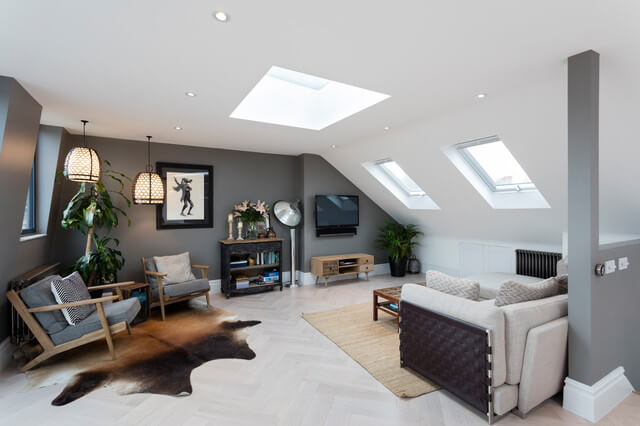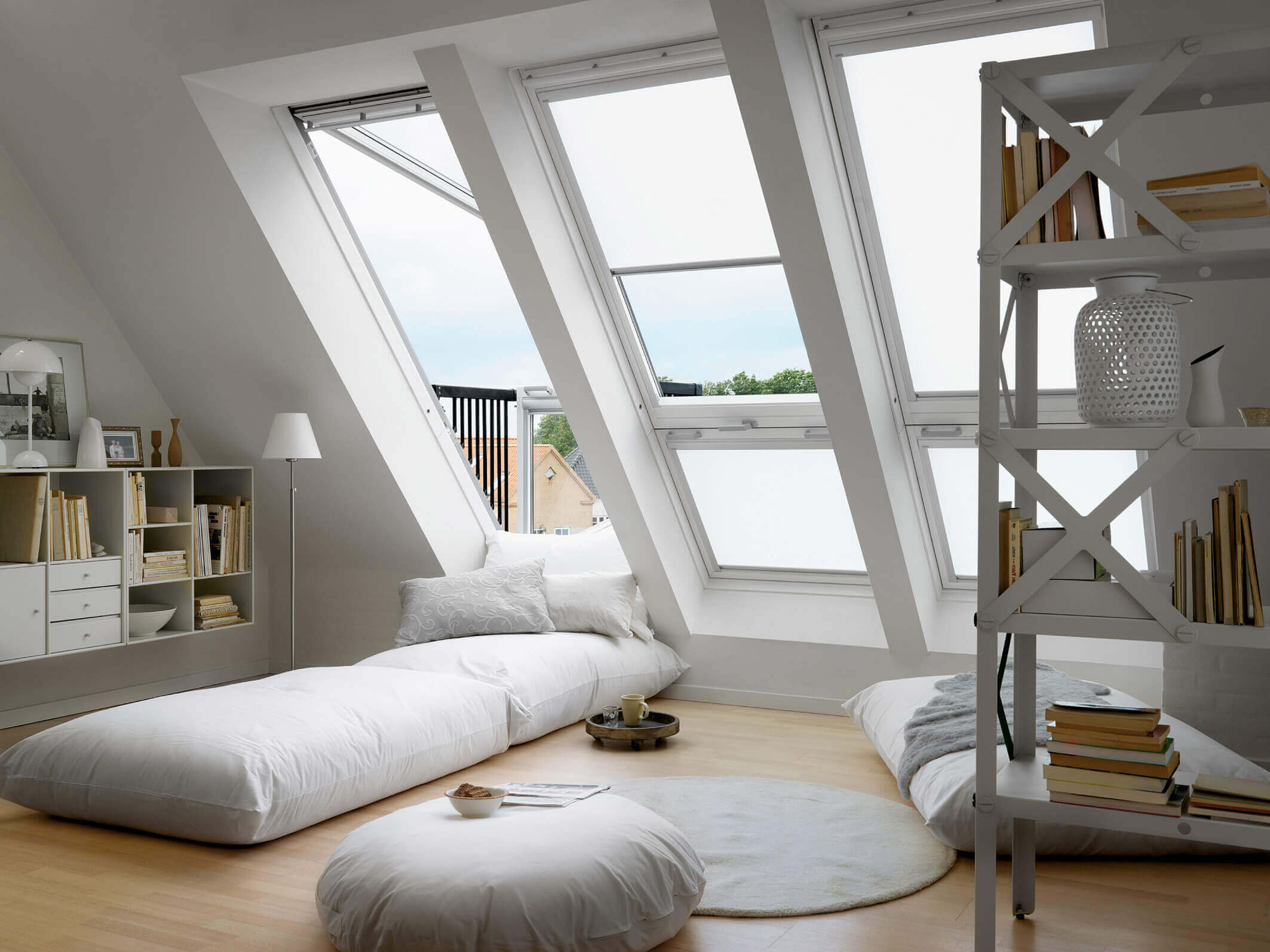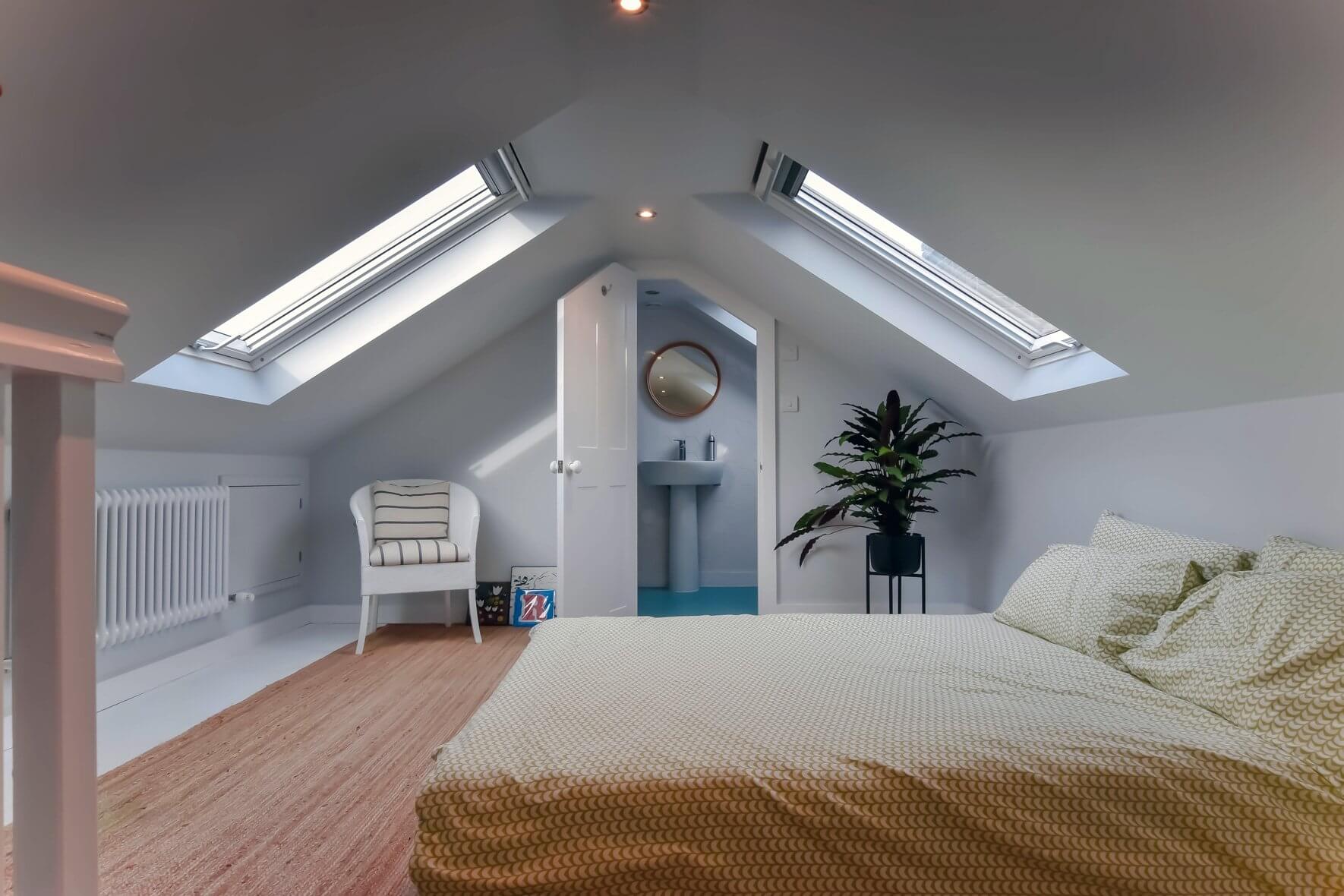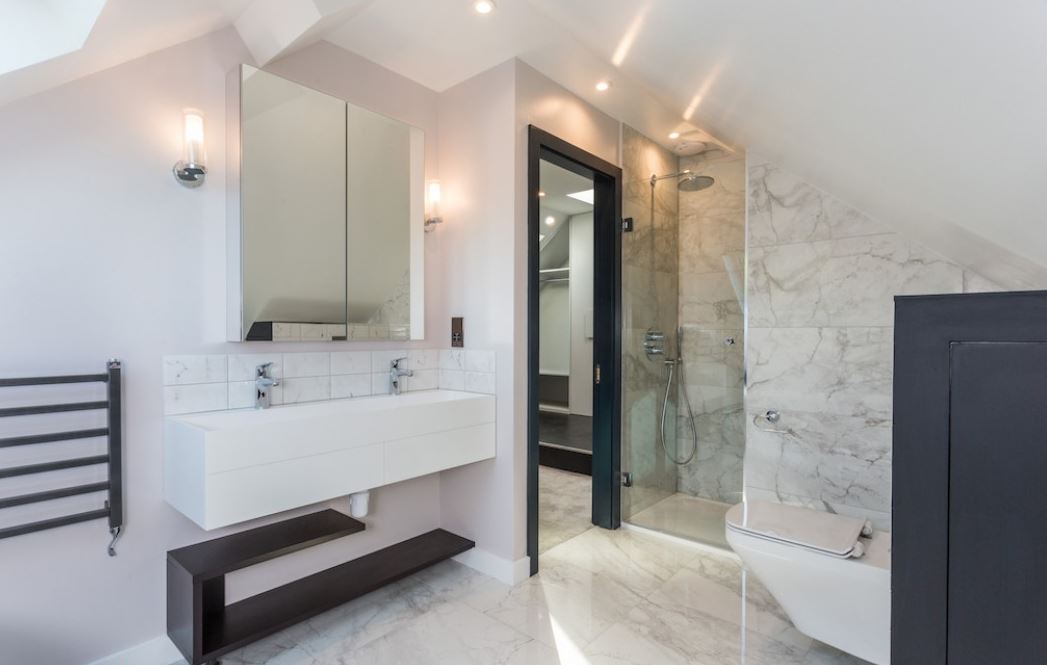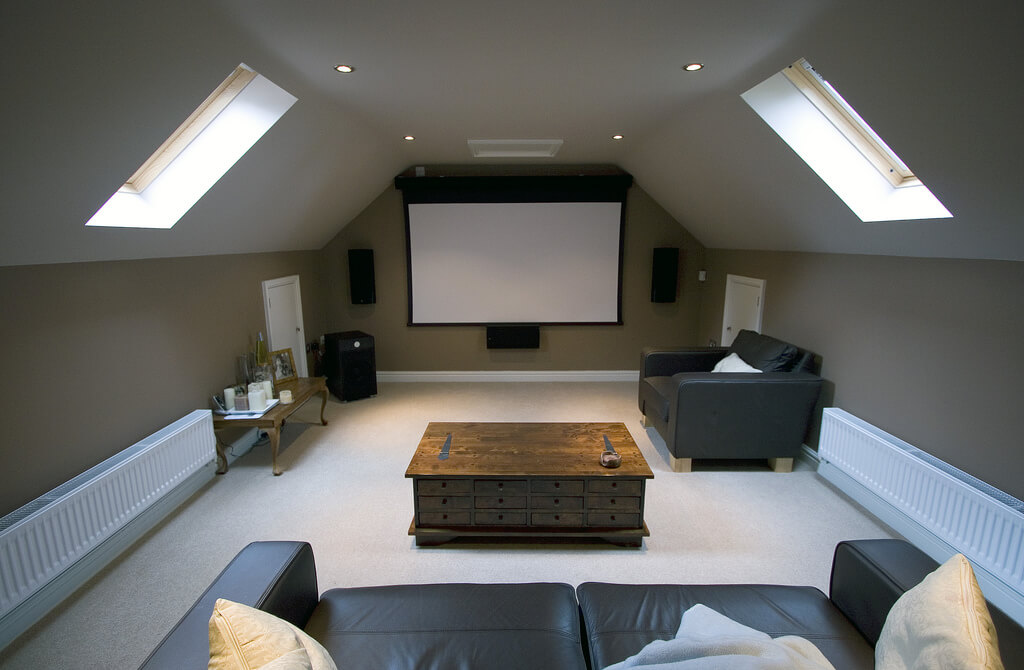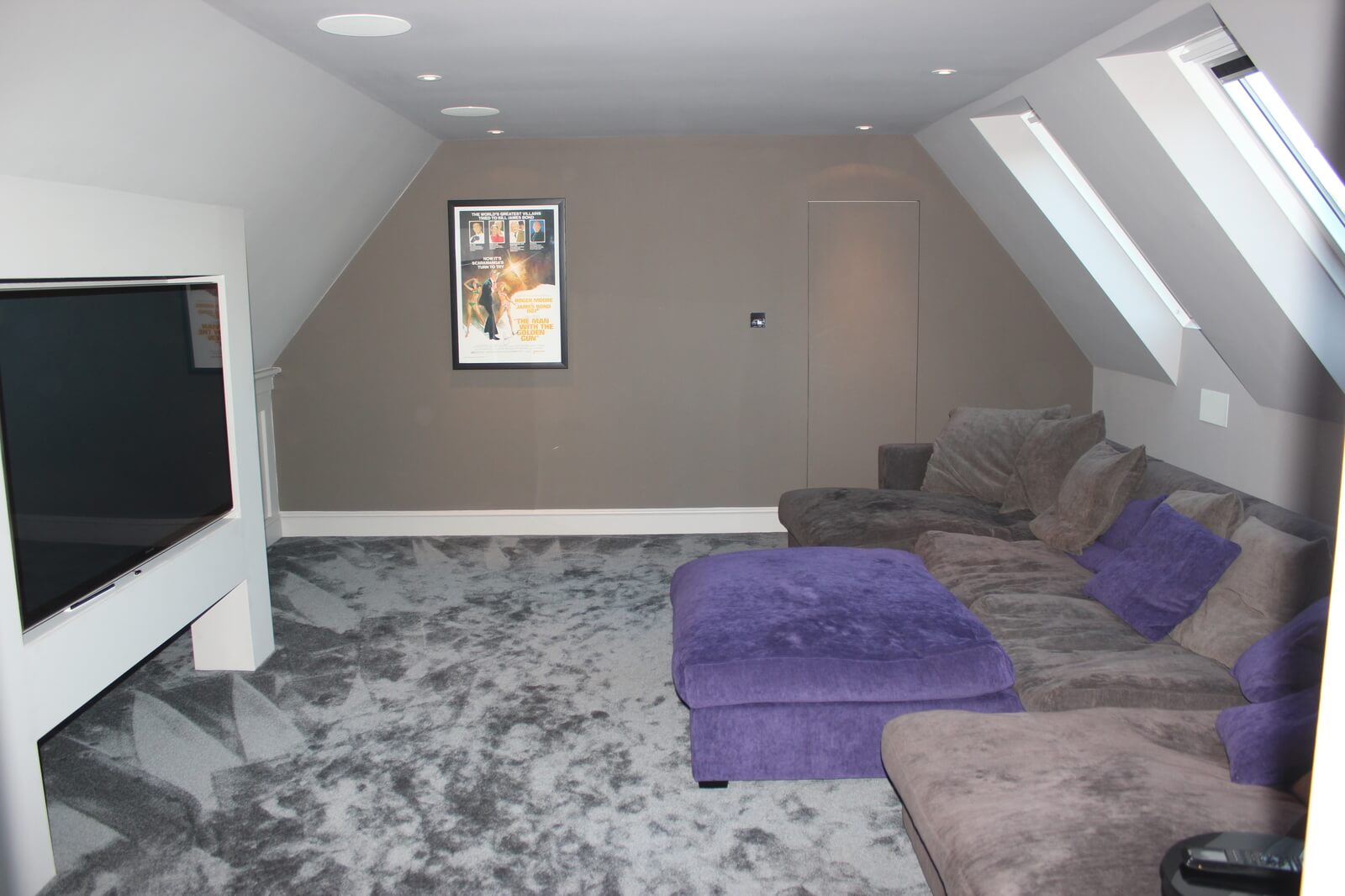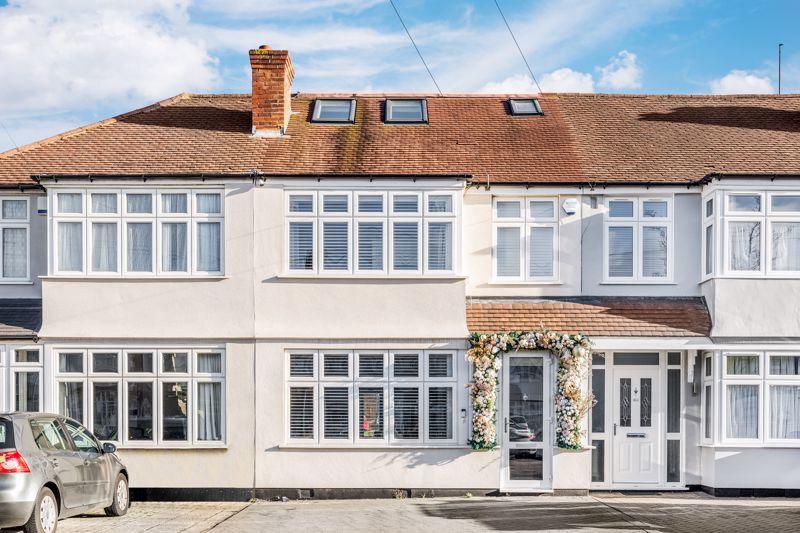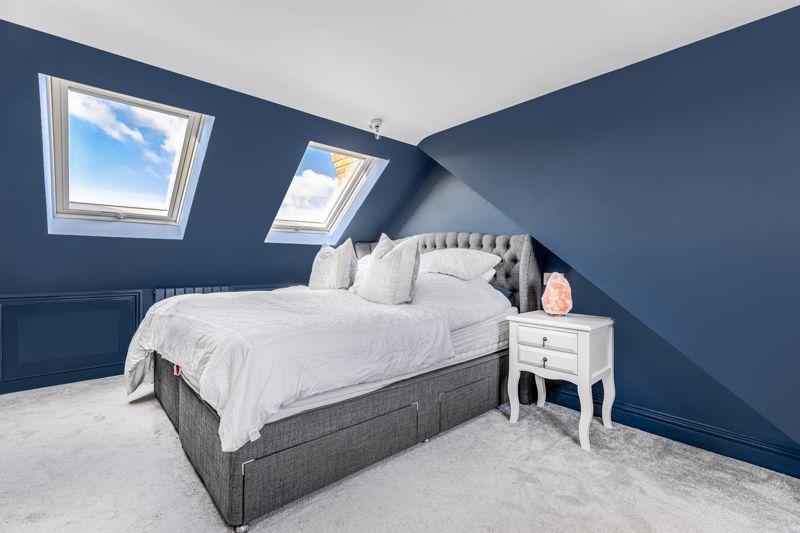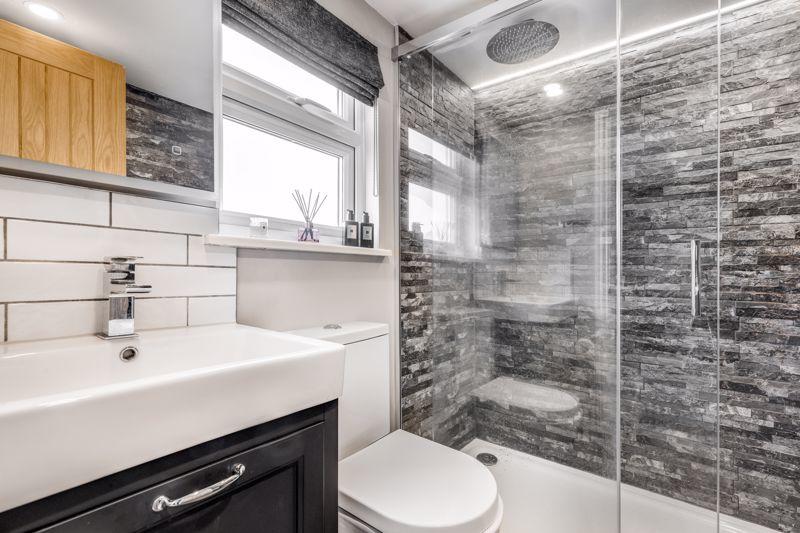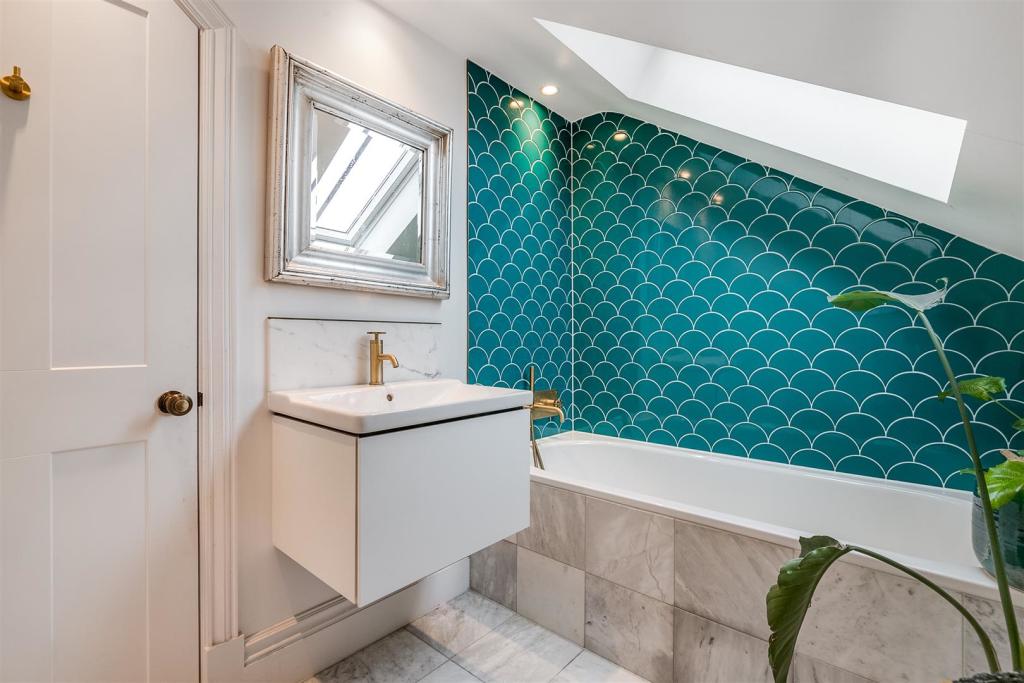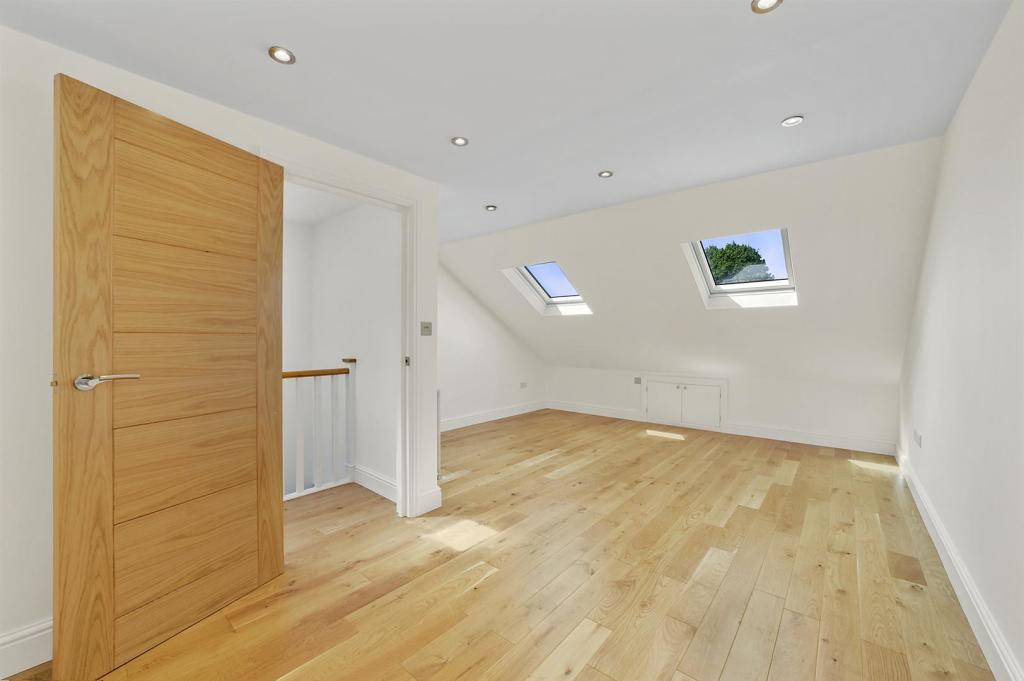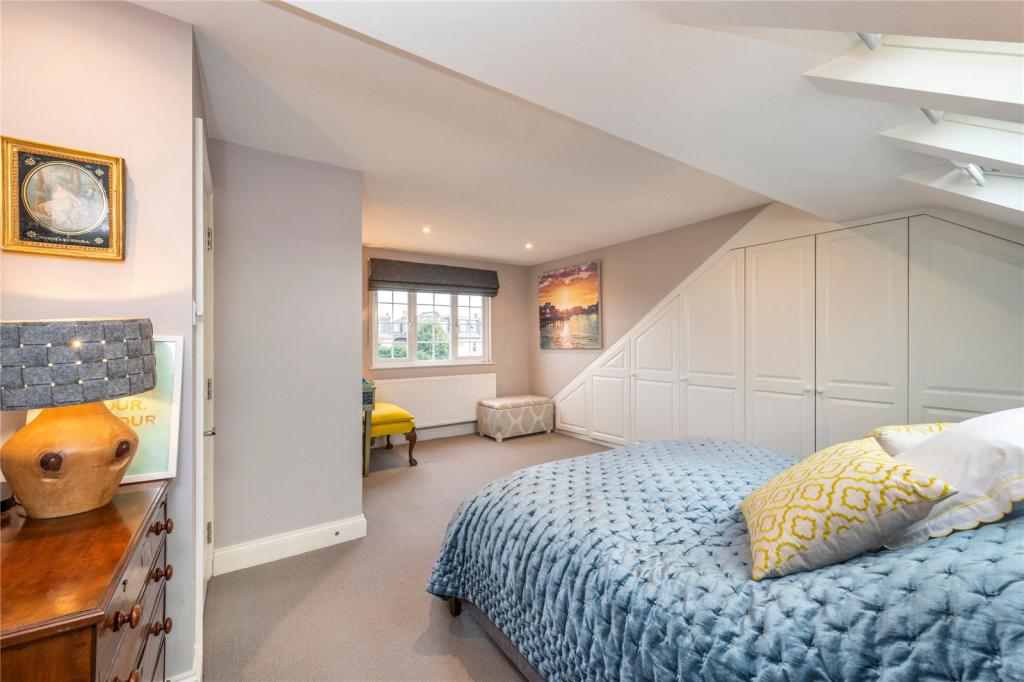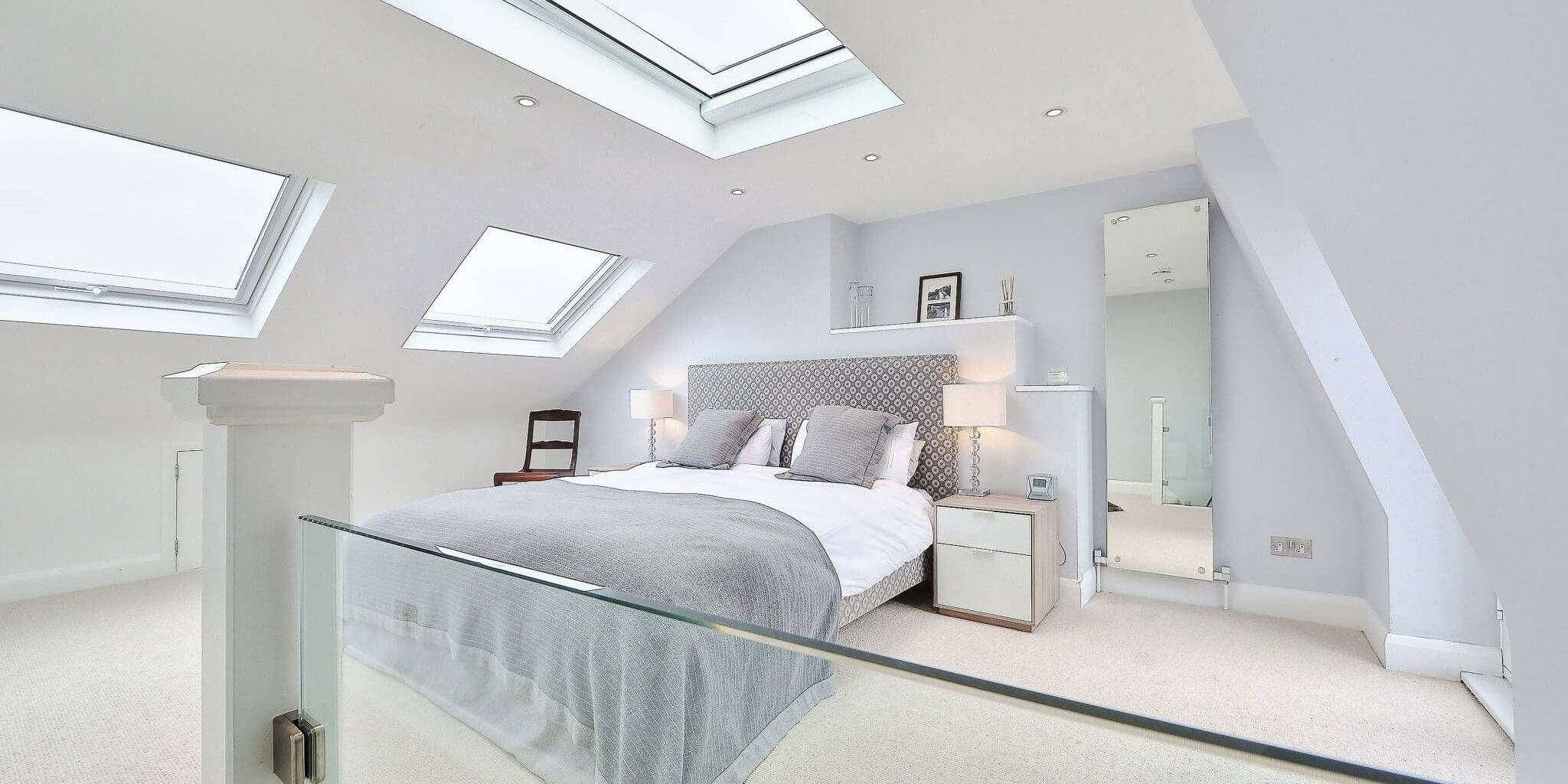
The types of Loft Conversions that we work in -
Mitcham is one of south London's most underrated areas. The CR4 postcode offers genuinely good value compared to its neighbours, Wimbledon to the west and Tooting to the north, and the mix of Victorian terraces, interwar semis and postwar housing gives loft conversion contractors plenty to work with. Families who move here tend to stay, and when the home starts to feel cramped, a dormer loft conversion is almost always the most practical first step. It extends the rear roof slope outward, introducing vertical walls and a proper ceiling where there was previously only a sloping, awkward void. For Mitcham homeowners, the rear dormer sits neatly behind the house, changes nothing about the street-facing elevation, and delivers a room that works properly from day one. The garden stays intact, and the disruption during the build is manageable. Best for: Mitcham's terraced and semi-detached homes across CR4, where an extra bedroom or usable workspace is needed without the cost and upheaval of moving.
A significant portion of Mitcham's interwar semis were built with hipped roofs, and while they fit the area's residential character well, they present a familiar frustration for anyone who has gone into the loft and found the usable width considerably narrower than expected. The hipped end slopes inward from both sides, quietly removing floor area that would otherwise make a meaningful difference to what the space can become. A hip-to-gable conversion solves this by rebuilding that sloping end as a straight vertical wall, widening the loft and making a properly functional layout possible. For many Mitcham homeowners, this conversion moves the project from marginal to worthwhile, particularly when paired with a rear dormer to complete the transformation. Best for: Mitcham semis and end of terrace homes in CR4, where the hipped roof has been limiting what the loft can realistically deliver.
Mitcham has a good stock of older properties, particularly Victorian and Edwardian terraces, where the roof pitch is steep enough that the existing head height in the loft is already closer to usable than most owners realise. A Velux conversion works with this by fitting roof windows flush with the existing slope, reinforcing the floor, and upgrading insulation, all without altering the external roofline. It is the most budget-friendly route to a new room and the most straightforward to plan, which matters in a borough where applications are scrutinised carefully. For Mitcham homeowners who want a sensible and cost-effective improvement with minimal fuss, a Velux conversion is often the right place to start the conversation. Best for: CR4 properties with a naturally steep roof pitch and good existing head height, and anyone who wants a clean, low-impact result at a competitive price.
Rear extensions are common across Mitcham's residential streets, particularly on the Victorian terraces that run through CR4. If your home has one, the roof above it is not just structural. It is the starting point for a considerably more generous loft conversion than a standard dormer could achieve on its own. An L-shaped dormer joins the main rear roof and the extension roof into a single connected space, producing a floor plan large enough to genuinely divide into two separate uses rather than trying to make everything share one room. For Mitcham families who need a bedroom and a home office that feels properly separate, or a master suite with a bathroom that is not compromised by space, this configuration makes it possible. Best for: Extended Mitcham terraces and semis, where combining two roof areas would unlock a more ambitious, genuinely useful loft layout.
A mansard is the most complete loft conversion available, and for the right Mitcham property, it removes all the compromises that other conversion types require. The rear slope is rebuilt at a near-vertical angle with a flat section across the top, turning the entire loft floor into fully usable space. No part of the room tapers away, no corner is wasted to a low ceiling. It works as a room, exactly the same way every other room in the house does. Planning permission from the London Borough of Merton will be required, and the build is more involved than a dormer, but for homeowners focused on long-term value, the outcome is hard to argue with. Mitcham's larger Victorian terraces and semis, particularly those across the more established residential streets of CR4, are well suited to a mansard when the budget and ambition are there to match it. Best for: Larger Mitcham properties where maximum usable floor space and lasting improvement to property value are the primary goals.
Not every loft in Mitcham needs a comprehensive conversion to become useful. Sometimes the space just needs one targeted improvement, a bit more headroom in a specific area, a roof window that makes the loft bright enough to work in comfortably, or a modest structural change that unlocks the room without altering the overall shape of the roof. A small dormer is proportionate, straightforward, and in the right circumstances exactly the right solution. For Mitcham homeowners working within a tighter budget, or those who simply want to add practical value without taking on a large project, a small dormer delivers a real and lasting improvement without overreaching. Best for: CR4 lofts where a focused, proportionate change is all that is needed, and homeowners who want good value without the scale of a full conversion.
Do you have a question about Loft Conversions? We're here to help. Contact our team at Loft Converter London
The minimum height required for a Loft Conversion is 2.2m (from the floor to the highest point in your loft). If you do not have the required height, your ceilings can be lowered on your first floor.
This depends on the size and type of Loft, most loft conversions take around 10-12 weeks. We can give you a more accurate estimation when we see your property.
Loft Conversion cost is determined by the size and type of the project, the features you would like, etc. Our architect will help you achieve the best use of your space within your budget. Most Lofts cost between £30,000 and £70,000.
No - it's safe to carry on living in your house. Our team starts from the scaffolding before the stairs go in. We always try to limit the disruption during the construction process.
Loft Conversions usually fall under the permitted development category therefore planning permission is not normally required. There are some exceptions like conservation areas, flats, or listed buildings. Our in-house surveyors can advise further on planning permission..
A party wall agreement is also known as PWA is required if you own semi-detached or terraced property. In simple words, if you are working within or near your neighbor’s boundary then you will need a party wall agreement in place. Click here for more info.
Yes - it will add from 15% to 25% upwards depending on the size, design, and type of Loft. Read more about adding value here.
Yes, all Loft conversions require building regulation approval from the local authority. These regulations are important to ensure the safety measures are in place and they set a protocol of construction and design to follow.
Absolutely yes, we will work with you to achieve your dream new living space.