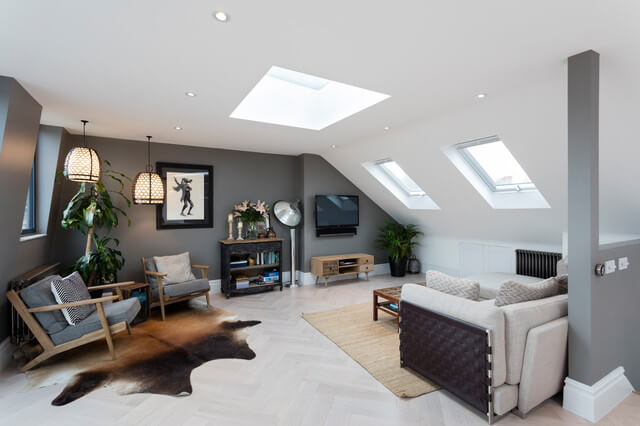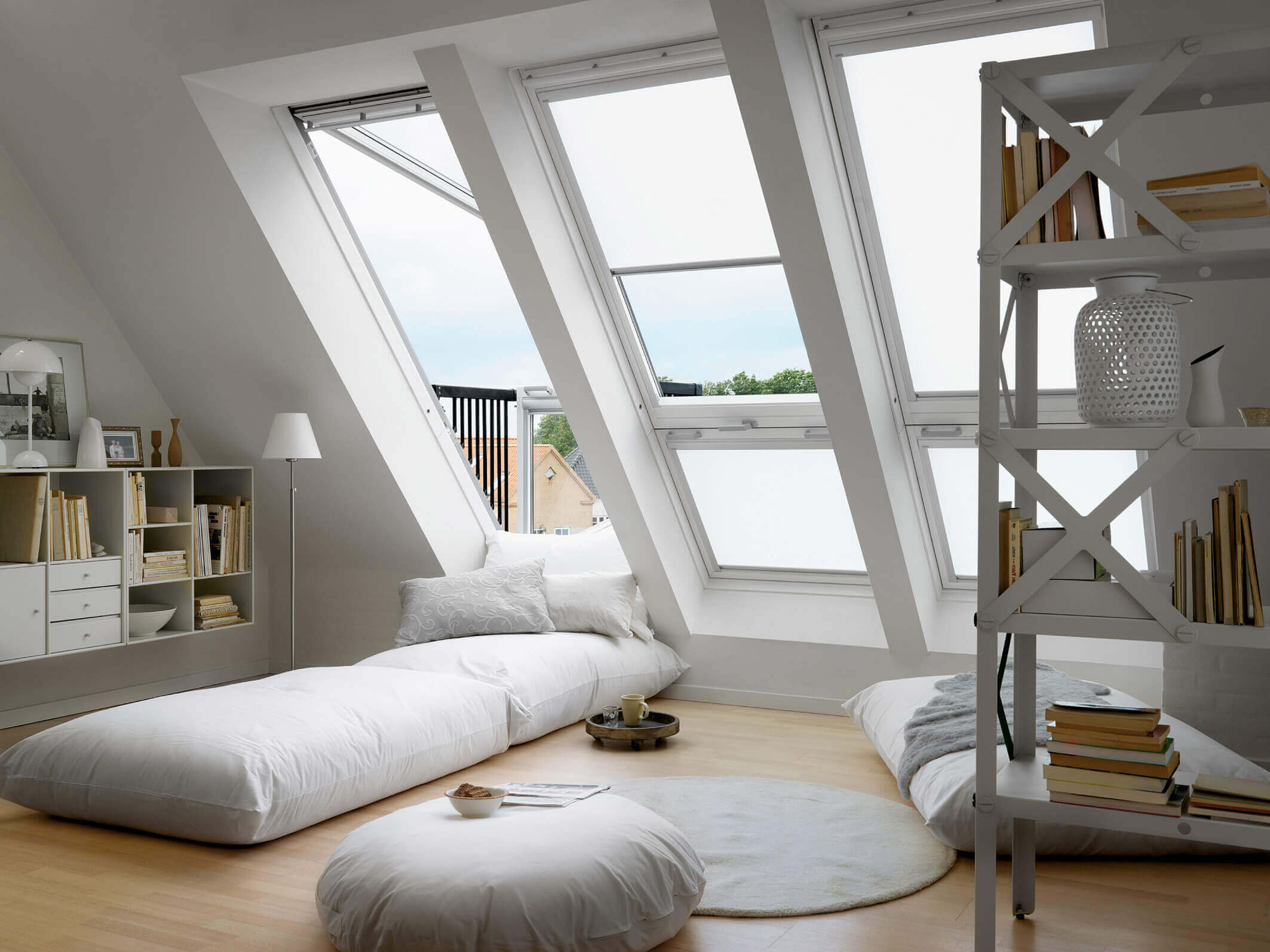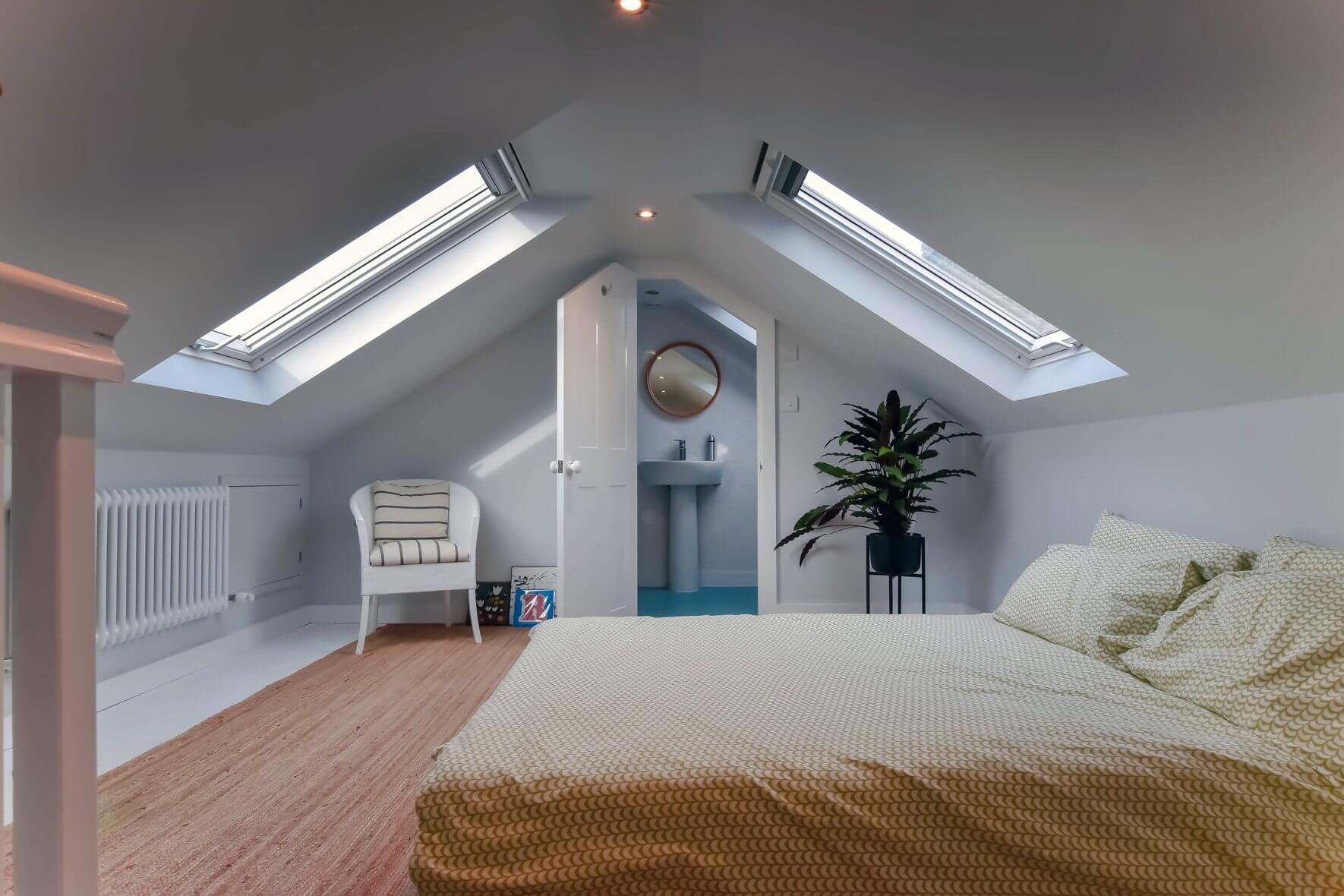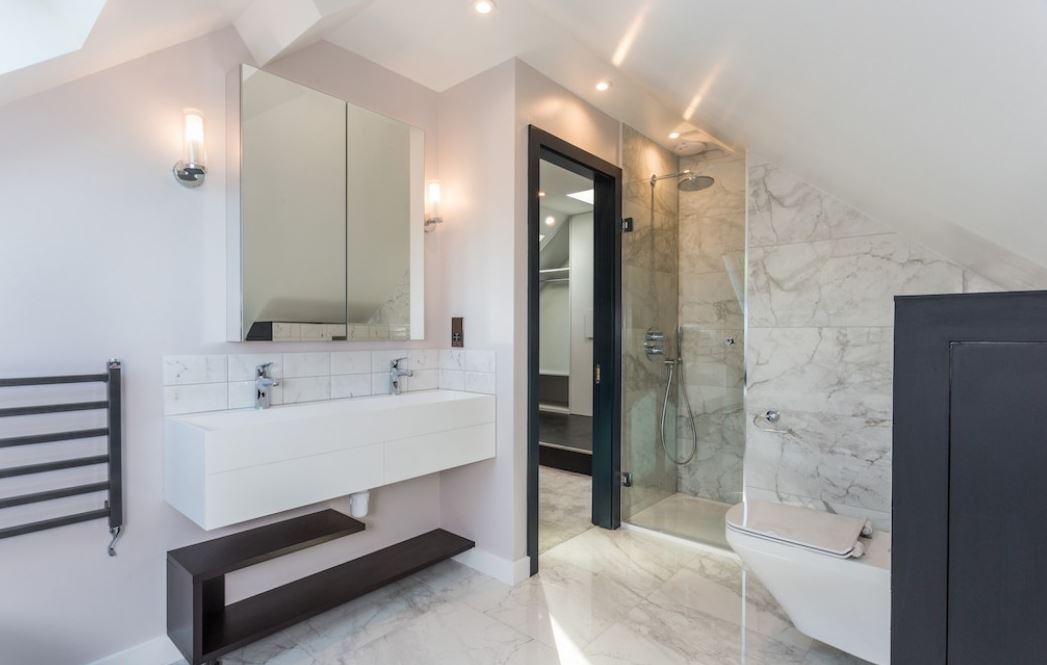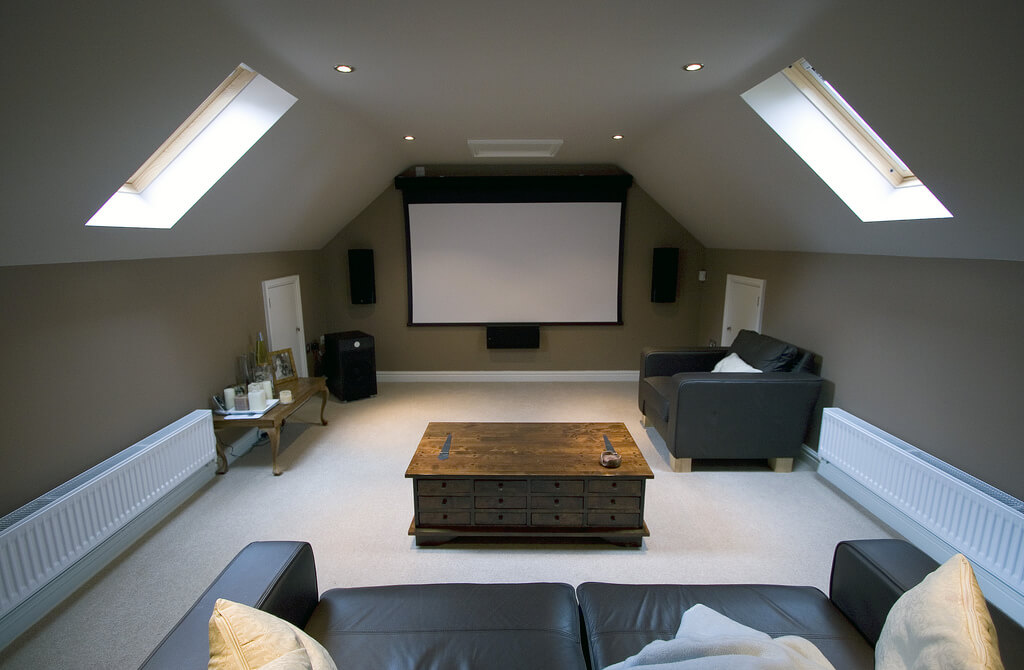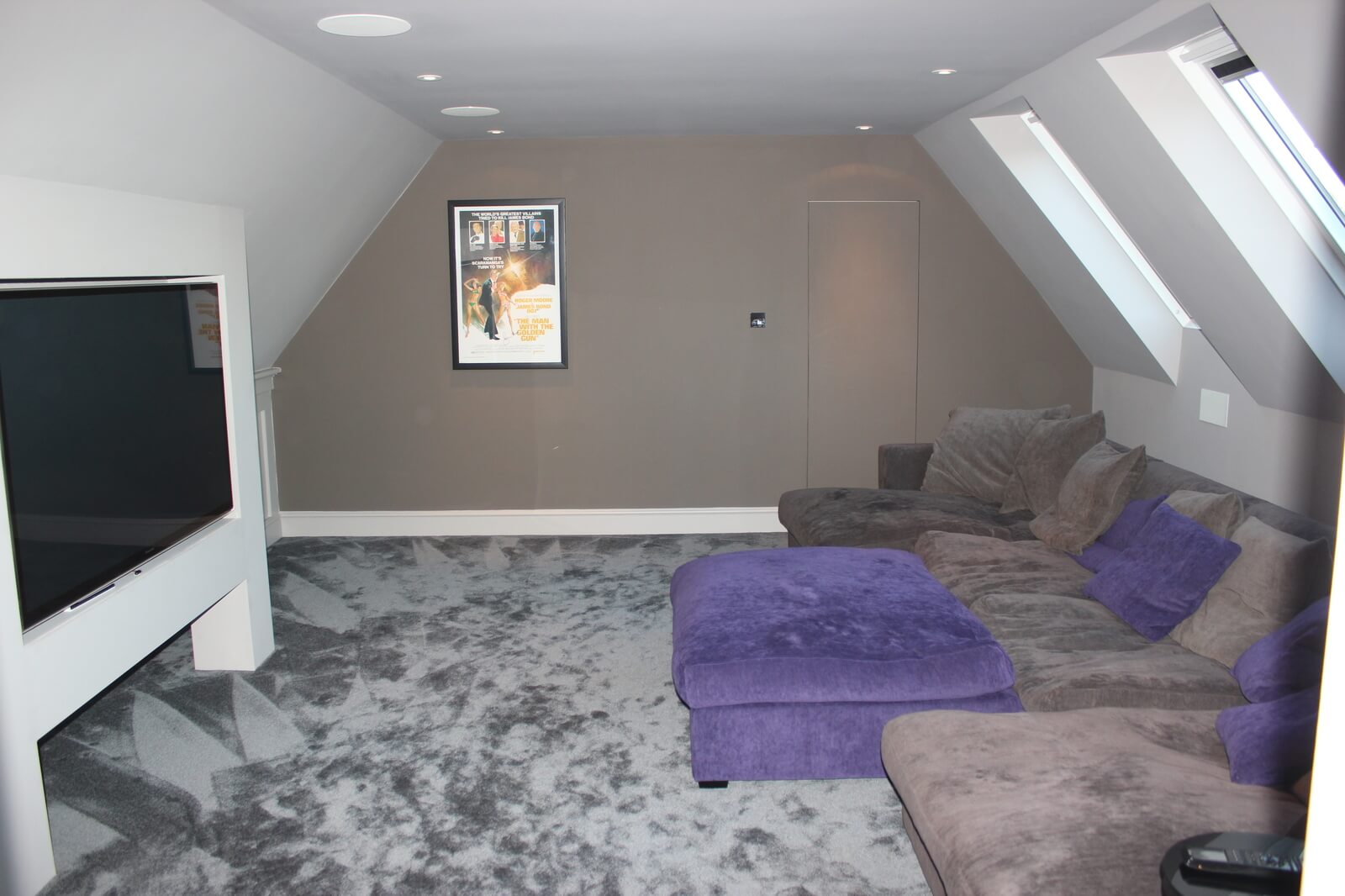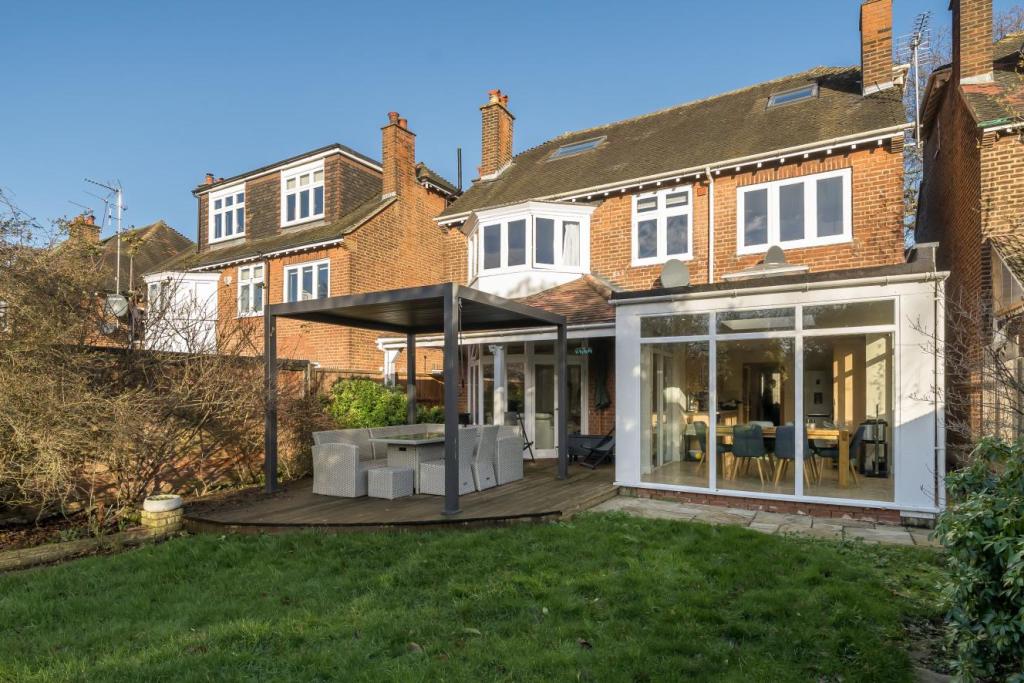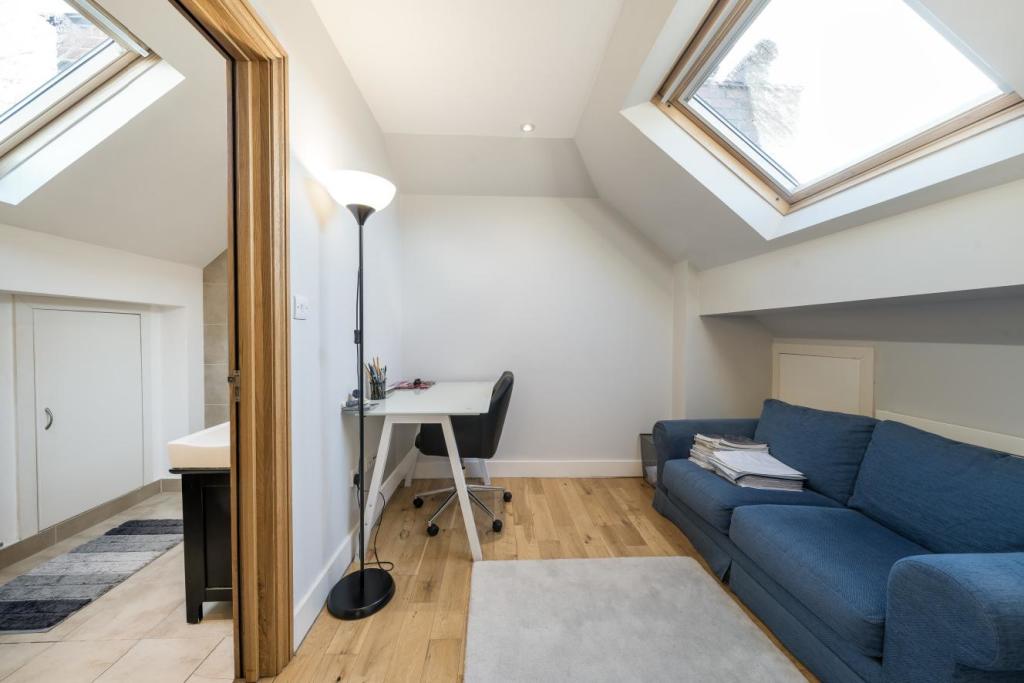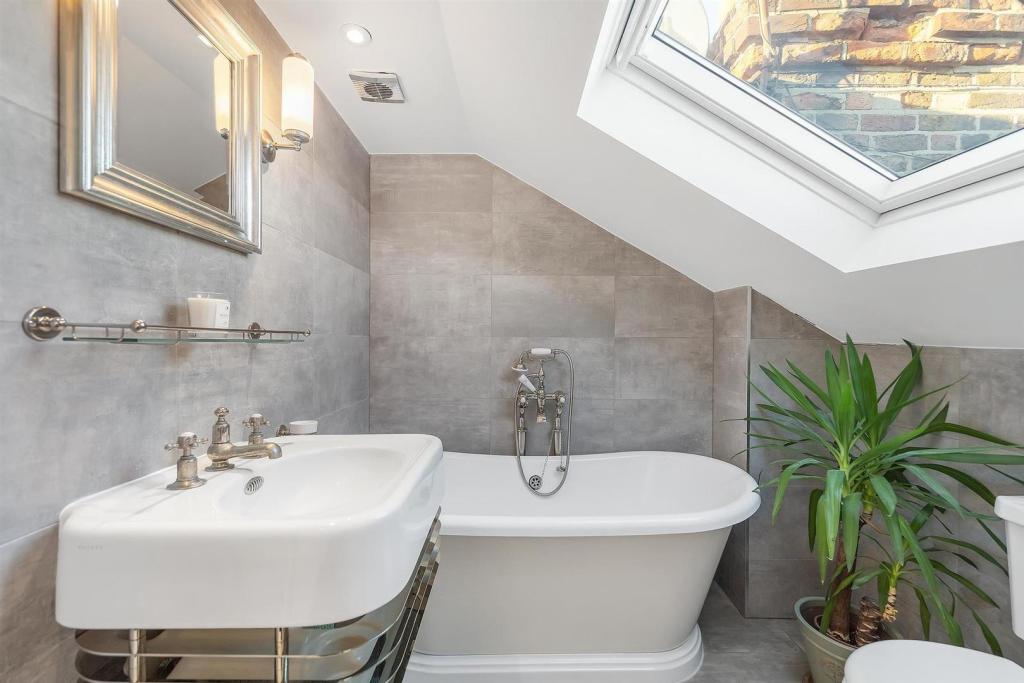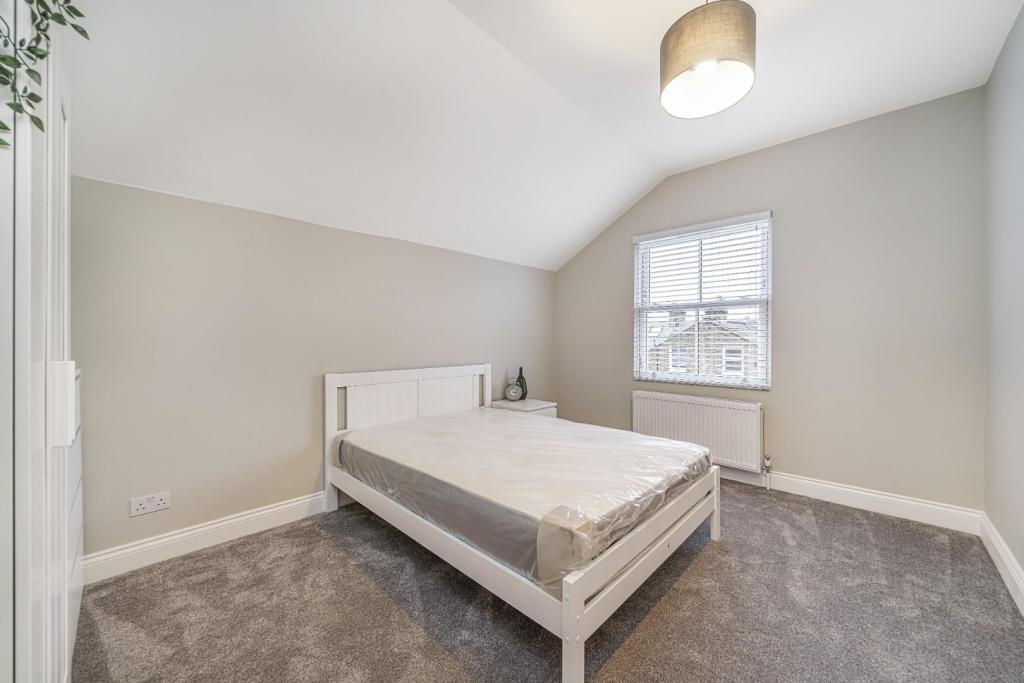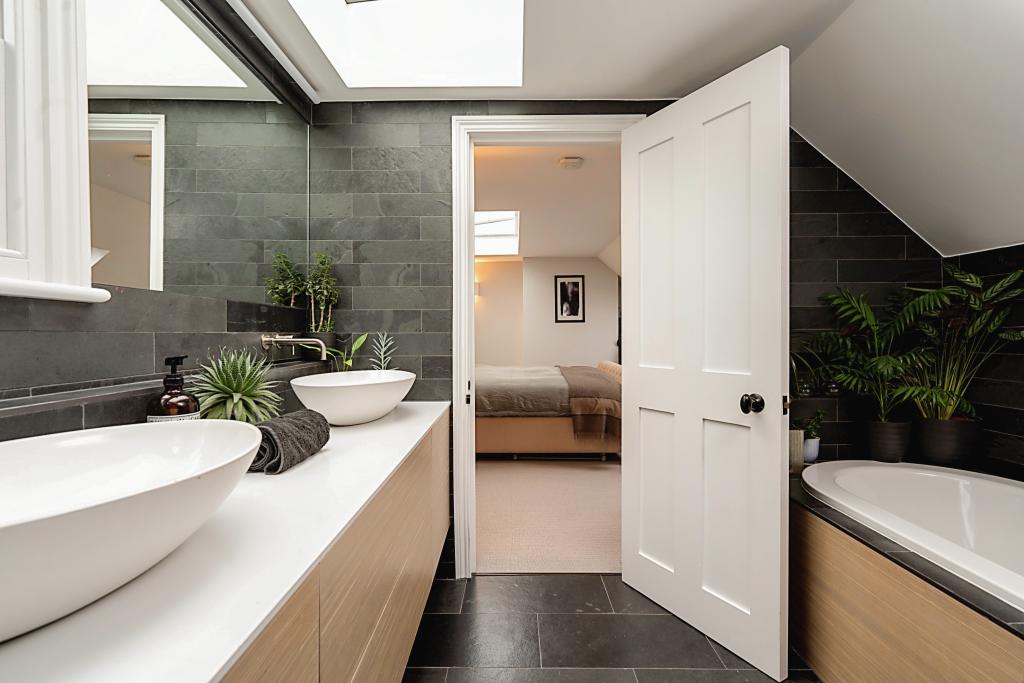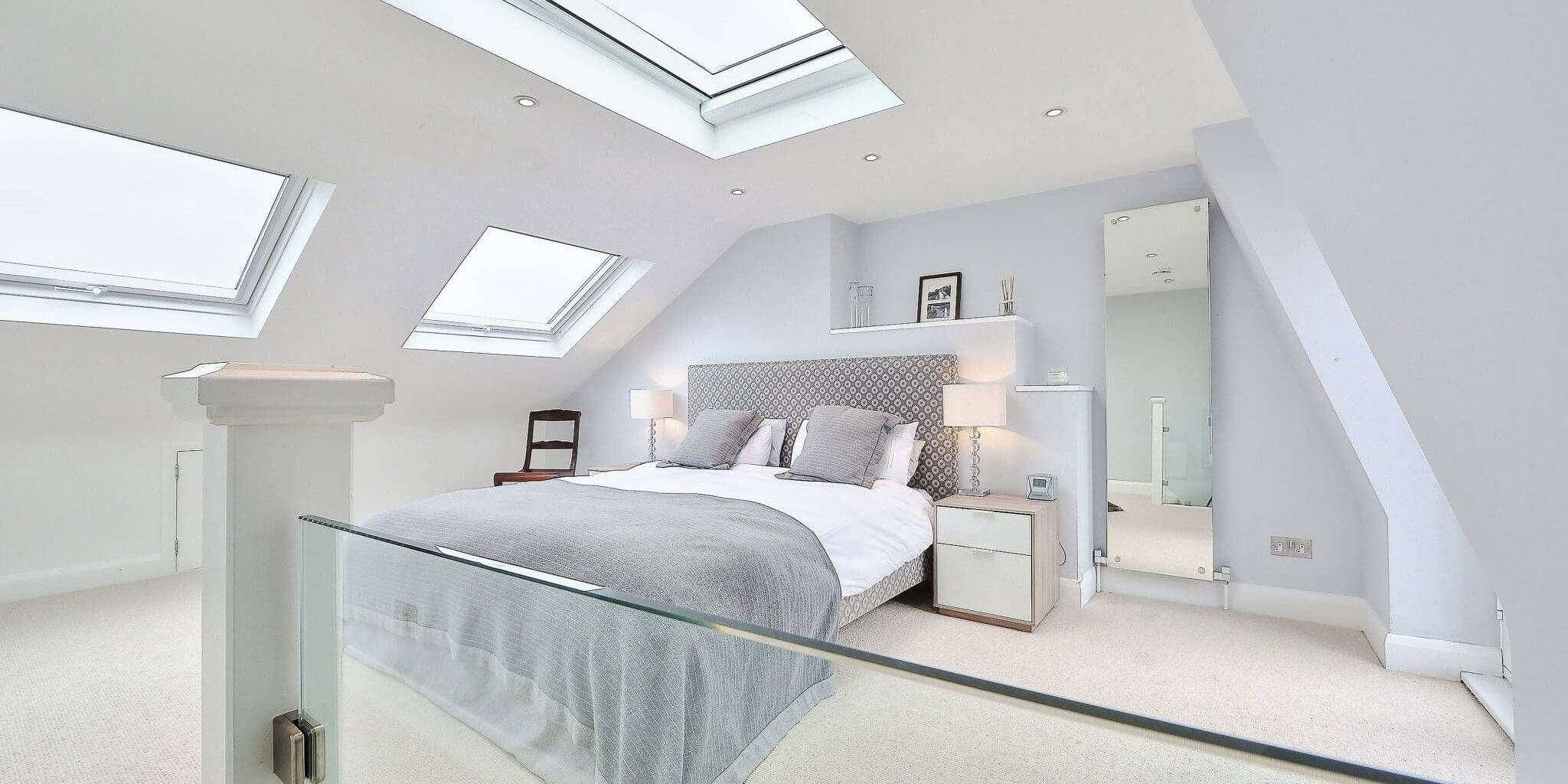
The types of Loft Conversions that we work in -
Southwark does not sit still. It is one of the most layered and fast-moving parts of London, a borough where old warehouses sit next to new developments and where Victorian terraces hold their ground on streets that have seen a century of change. Homeowners here understand what their properties are worth and they know that adding space intelligently is one of the shrewdest things they can do. A dormer loft conversion does exactly that. It pushes out from the rear roof slope, lifts the ceiling height and converts dead overhead space into a room that pulls real weight in the household. The terraced and semi-detached homes that make up much of Southwark's residential fabric are genuinely well-suited to this kind of work. The roof structures tend to be cooperative and the finished dormer reads as part of the original building rather than something grafted on afterwards. Best for: Victorian terraces and period semis across Southwark, households that need a substantial extra room, and lofts that have been sitting empty because the head height was never quite enough to make them worth thinking about.
A hipped roof presents a specific spatial problem and it is worth understanding exactly what that problem is before deciding how to solve it. On a hipped roof the sides of the structure slope inward toward a ridge rather than terminating in a vertical gable wall. Inside the loft that translates directly into a reduction of usable floor area on both sides. The wider the potential loft the more pronounced the loss. A hip to gable conversion resolves this by removing the sloping side entirely and constructing a vertical wall in its place. The usable width of the loft is restored fully and the internal geometry becomes far more practical to work with. In combination with a rear dormer the resulting layout is capable of accommodating a bedroom and a bathroom with sufficient circulation space between them. For Southwark properties where the hipped roof has always made a loft conversion feel more complicated than it should be this is the conversion that changes the calculation. Best for: End-of-terrace and semi-detached homes in Southwark where a hipped roof has been limiting the internal width and making the loft harder to convert effectively.
Strip away everything that is not necessary and what you are left with is a Velux conversion. The roof does not move. No new structure is added to the outside of the building. Roof windows are set into the existing roof covering, the floor joists are strengthened to carry a habitable load, insulation is upgraded throughout and the space is signed off under building regulations. Clean, contained and complete. In Southwark where planning considerations can add complexity to more substantial conversion types this approach has a particular practical advantage. There is nothing to negotiate with the local authority because there is nothing being altered on the exterior. For homes with a workable loft height already in place it is a route that delivers a usable room quickly and without unnecessary complication. Best for: Southwark homes with decent existing loft height, homeowners who want a fast and cost-effective route to a finished room, and properties in areas where external alterations require careful handling.
Think of an L-shaped dormer as two dormers that have decided to work together. One occupies the main rear roof slope and the other sits directly above the rear extension of the property. They are built as a single connected structure and the floor plate they create across the loft is dramatically larger than anything a single dormer produces. In a Southwark terrace with a typical rear addition this can mean the difference between a loft with one modest room and a loft with two proper bedrooms and a bathroom between them. The layout tends to feel easy to live in rather than cleverly optimised and that distinction matters. Space that flows naturally is space that gets used well. An L-shaped loft in Southwark is rarely underused once it is finished because it gives the household room to grow into rather than room that has been carefully rationed. Best for: Southwark properties with a rear extension, households who need the loft to deliver more than a single room, and homeowners who want the conversion to feel like a natural extension of the house rather than a space that has been squeezed out of the roof.
A mansard conversion operates on a different scale to everything else on this list and the results reflect that accordingly. The entire rear roof slope is demolished and reconstructed at a near vertical pitch. A flat roof caps the structure at the top. The interior volume that is created as a result bears no resemblance to a conventional loft. The ceiling height runs to the full height of a standard room throughout the space. There are no awkward angles to work around, no points where headroom suddenly disappears and no sense that the room has been carved out of a roof rather than built as a floor. Southwark carries significant property value and the calculus around a mansard conversion here is straightforward for the right homeowner. Full planning permission is a requirement and the construction programme is longer and more complex than other conversion types. Neither of those facts should discourage a serious homeowner. They are simply the cost of entry for the most complete and spacious loft conversion available. Best for: Larger period homes in Southwark, homeowners for whom floor area and ceiling height are non-negotiable priorities, and projects where the loft conversion is being approached as a major and permanent improvement to a high-value property.
A bungalow in Southwark occupies an unusual position. In a borough dominated by terraced streets and converted warehouse apartments a single storey home stands as something genuinely distinct. And the loft that sits above it tends to reflect that distinctiveness. Because a bungalow roof spans the complete footprint of the building the space overhead is broader and more open than in almost any other residential property type. That space is rarely being put to any use at all. Converting it changes the character of the home in a way that goes beyond the addition of a room or two. A proper upstairs arrives. Bedrooms, a bathroom, somewhere quiet and separate. The ground floor does not have to be rearranged or compromised to make it happen. The house simply becomes more of what it could always have been. In a neighbourhood as dense and as property-conscious as Southwark that kind of untapped potential is worth acting on. Best for: Single-storey homes in Southwark where the roof space is generous and largely unused, and homeowners who want to add a complete upper floor to a property that has the structure and the footprint to support it properly.
Do you have a question about Loft Conversions? We're here to help. Contact our team at Loft Converter London
The minimum height required for a Loft Conversion is 2.2m (from the floor to the highest point in your loft). If you do not have the required height, your ceilings can be lowered on your first floor.
This depends on the size and type of Loft, most loft conversions take around 10-12 weeks. We can give you a more accurate estimation when we see your property.
Loft Conversion cost is determined by the size and type of the project, the features you would like, etc. Our architect will help you achieve the best use of your space within your budget. Most Lofts cost between £30,000 and £70,000.
No - it's safe to carry on living in your house. Our team starts from the scaffolding before the stairs go in. We always try to limit the disruption during the construction process.
Loft Conversions usually fall under the permitted development category therefore planning permission is not normally required. There are some exceptions like conservation areas, flats, or listed buildings. Our in-house surveyors can advise further on planning permission..
A party wall agreement is also known as PWA is required if you own semi-detached or terraced property. In simple words, if you are working within or near your neighbor’s boundary then you will need a party wall agreement in place. Click here for more info.
Yes - it will add from 15% to 25% upwards depending on the size, design, and type of Loft. Read more about adding value here.
Yes, all Loft conversions require building regulation approval from the local authority. These regulations are important to ensure the safety measures are in place and they set a protocol of construction and design to follow.
Absolutely yes, we will work with you to achieve your dream new living space.