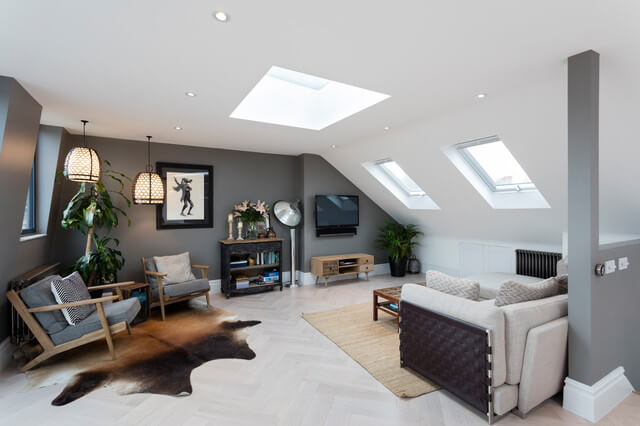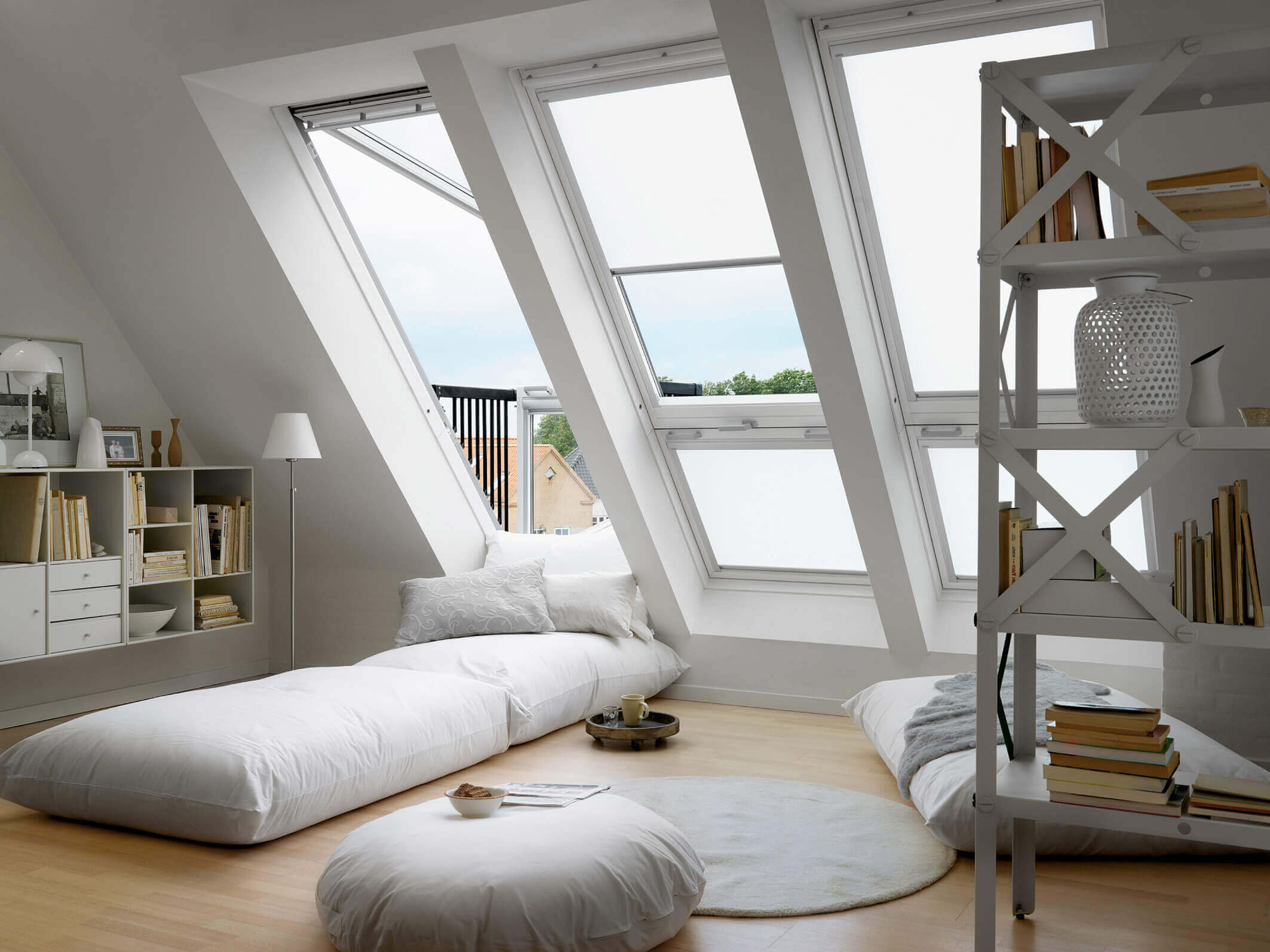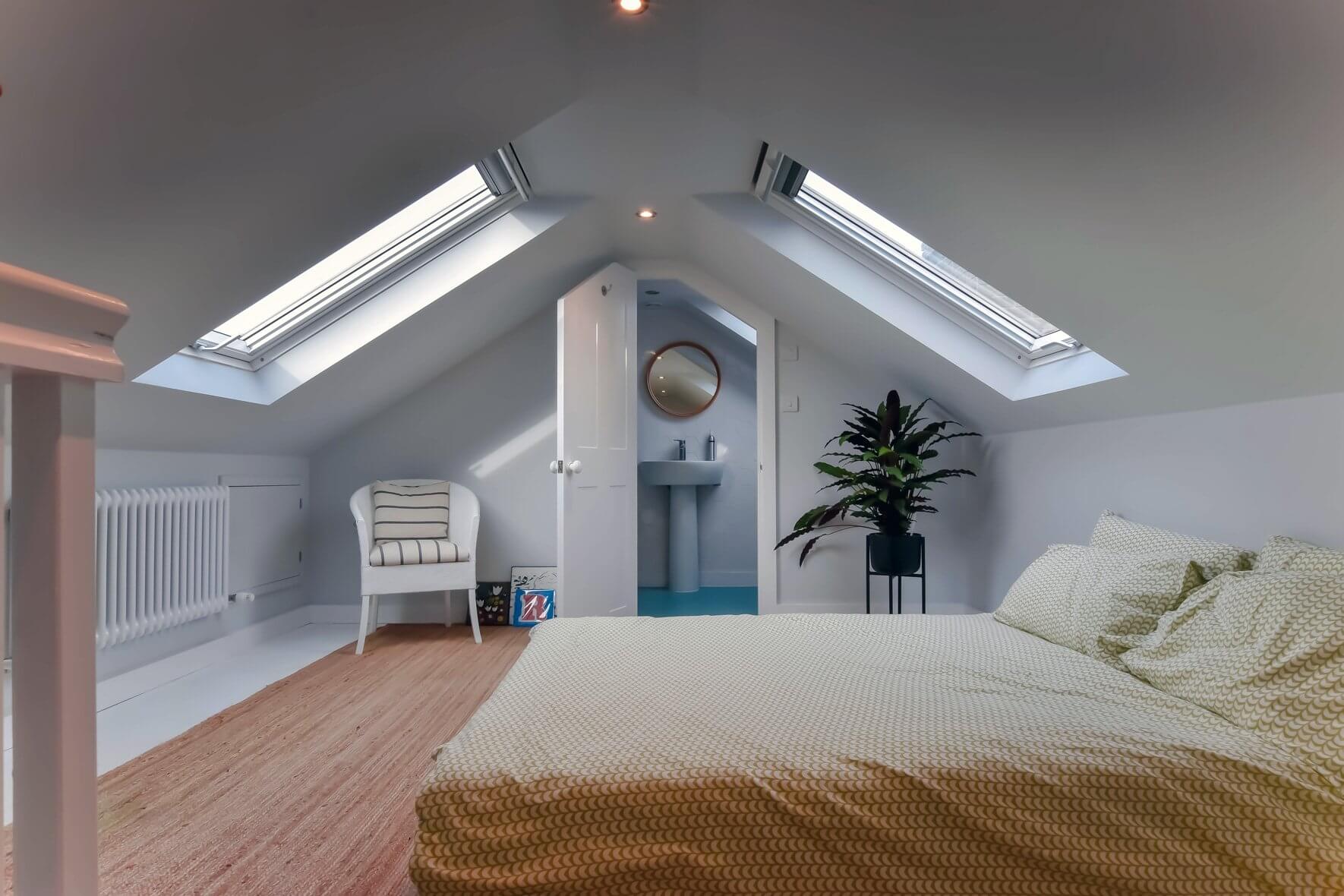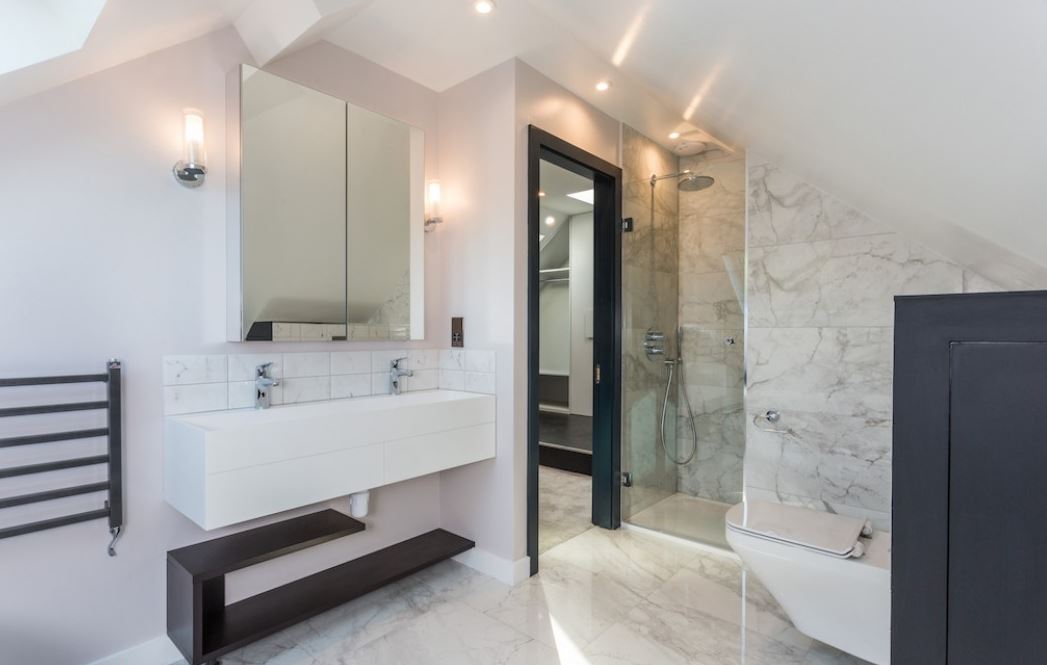
The types of Loft Conversions that we work in -
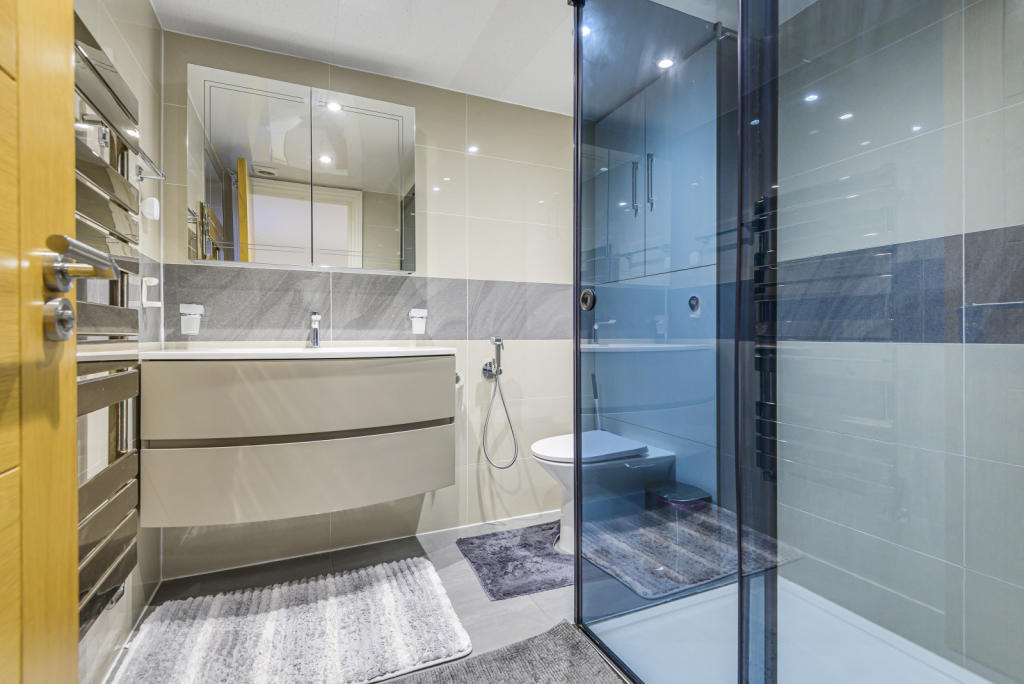
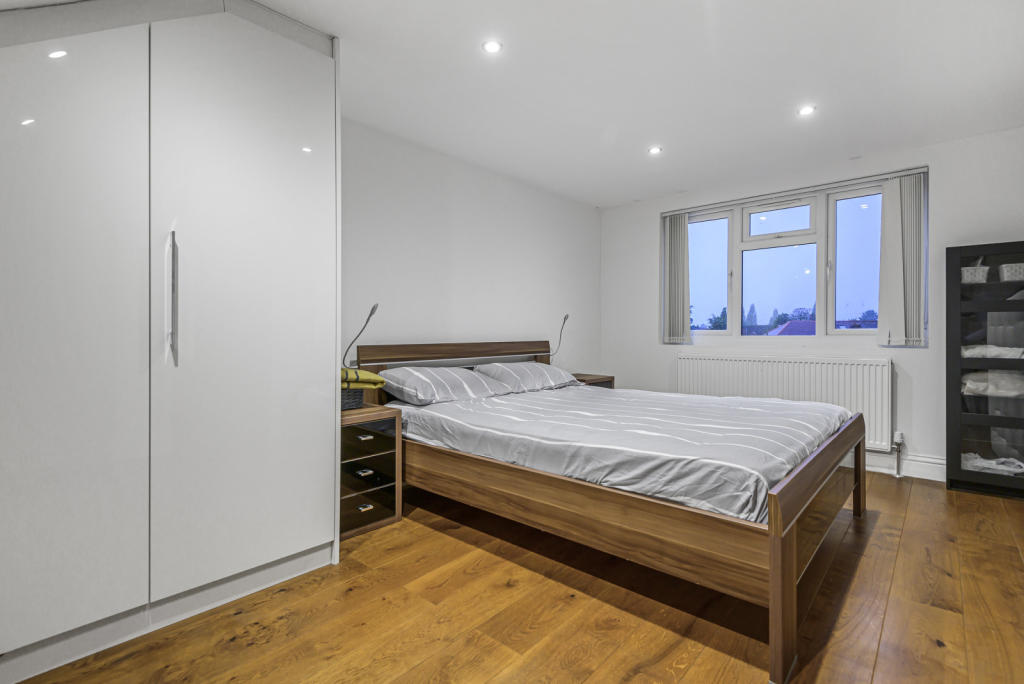
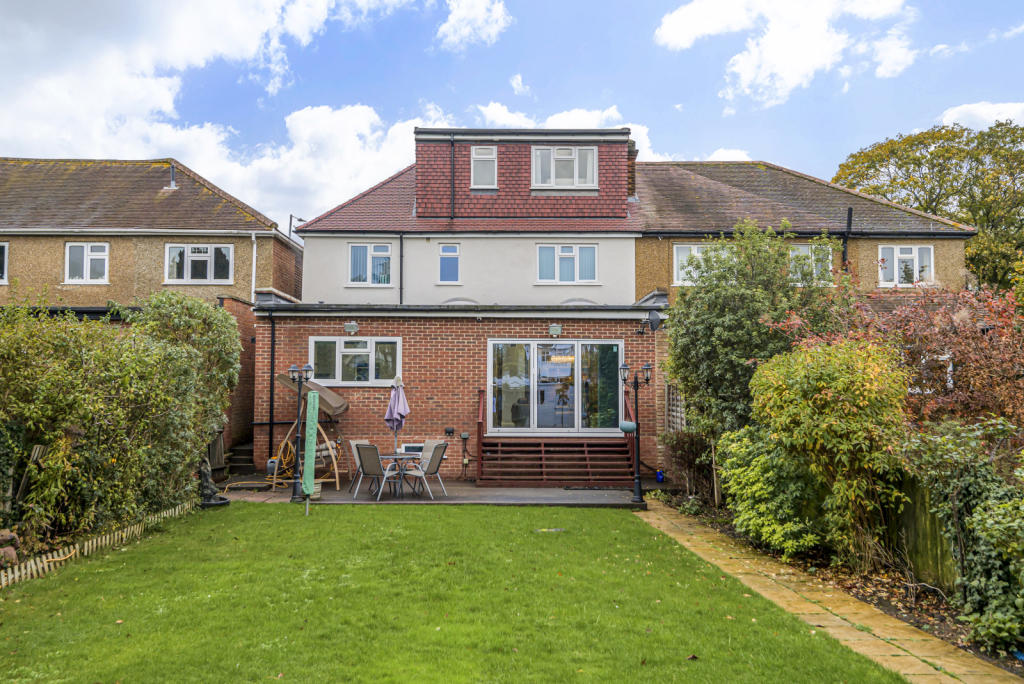
Hounslow is a borough that gets overlooked by people who have never spent time there, but the families who live across TW3, TW4, and TW5 know exactly what it offers. Good schools, strong community ties, easy access to central London via the Piccadilly line, and a housing stock of solid Victorian and interwar terraces that have real bones to them. The loft in many of these homes is the last untouched resource, and a dormer conversion is the most direct way to unlock it. Rather than simply adding a window to an existing slope, a dormer creates a genuine room by pushing the rear roof face outward and introducing vertical walls and a proper ceiling height. For Hounslow terraces where families are growing faster than the ground floor can accommodate, this is often the conversation that starts with one extra bedroom in mind and ends with a completely reimagined upper floor. Best for: Hounslow's terraced and semi-detached homes, families in TW3 and TW4 who need more room, and anyone who has been putting off the loft conversion because they were not sure what was possible.
Drive through Hounslow's residential streets and you will see a consistent pattern of interwar semis with neat hipped roofs. They suit the area well and give the streets a tidy, cohesive appearance. The problem shows itself when you go up into the loft and find that the sloping end has eaten into the width of the space considerably more than you expected. This is one of the most common frustrations we encounter when visiting properties across the Hounslow borough. A hip to gable conversion resolves it by removing that inward slope and replacing it with a flat vertical gable wall. The loft widens noticeably, and when a rear dormer is added at the same time, the combined result is a loft that goes from limiting to genuinely impressive in terms of what it can accommodate. Best for: Hounslow's interwar semi-detached and end of terrace properties where the hipped roof has been the quiet obstacle to a properly usable loft.
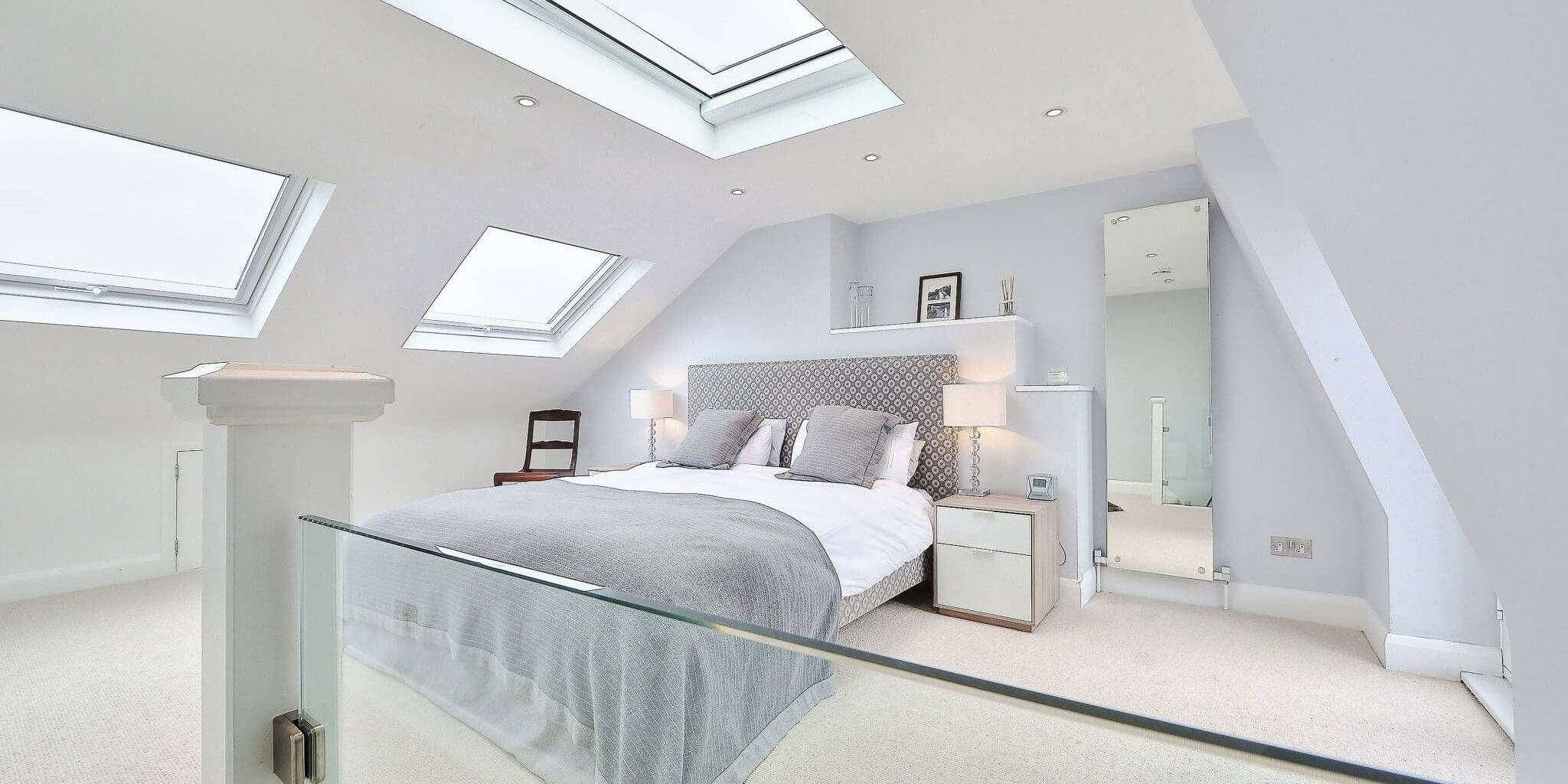
Not every loft conversion needs to announce itself. For homeowners in Hounslow whose properties already have a reasonable amount of head height in the roof space, a Velux conversion does the job quietly and efficiently. No structural changes to the roofline, no scaffolding that the whole street notices for weeks. Roof windows are installed flush into the existing slope, the floor is upgraded, insulation is brought up to current standards, and a usable room emerges without anything on the outside of the house changing. Hounslow has areas with planning sensitivities, and for homes in these parts of the borough a Velux conversion is often the most straightforward option to approve and the quickest to deliver. It is also the most budget-friendly entry point into loft conversion for homeowners who want to improve their home without a significant structural undertaking. Best for: Hounslow properties with good existing head height, homeowners looking for the most cost-effective and least disruptive solution, and anyone in a part of the borough where external roof changes require careful handling.
Hounslow has a considerable number of homes that have been extended at the rear over the years, typically to create a larger kitchen or a family dining room that opens onto the garden. These ground floor additions are well known, but what is less often recognised is the opportunity they create upstairs. An L-shaped dormer uses both the main rear roof and the roof above the existing rear extension, connecting them into a single loft space that is substantially larger than a standard dormer could ever achieve on its own. For Hounslow families who need the loft to work as more than one room, perhaps a bedroom alongside a dedicated home office, or a master suite with a bathroom that does not feel compromised, the L-shaped configuration is the one that makes those ambitions properly achievable. Best for: Extended Hounslow homes where a single loft room would not be enough, and the layout needs to deliver two genuinely functional spaces.
Hounslow is a place where families invest in their homes for the long term rather than treating them as stepping stones, and a mansard conversion reflects that same long-term thinking. By rebuilding the rear roof slope at a near vertical angle and laying a flat section across the top, the entire loft floor becomes usable. Every square foot counts and none of it is sacrificed to a tapering ceiling or a corner where nothing practical will fit. It is the most substantial conversion type available and requires planning permission from the London Borough of Hounslow. But for homeowners who want their loft to function not as a clever conversion of an awkward space but as a full and natural room within the home, the mansard is the option that delivers that most completely. Best for: Larger Hounslow properties where long-term value and maximum usable space are the driving considerations, and homeowners who are ready to commit properly to the planning process.
Bungalows are dotted throughout Hounslow's residential areas, particularly in the quieter parts of TW4 and TW5, and they are homes that their owners tend to be quietly attached to. The single storey lifestyle suits many people very well, right up until the moment it does not. When that moment arrives, a loft conversion above a bungalow offers something that few other property types can match in terms of the scale of change it creates. Because the roof spans the entire ground-floor footprint, the new floor above can be genuinely generous in size. Bedrooms, a bathroom, a study, sometimes all of the above, become possible within a single conversion. The ground floor is freed up, the garden is untouched, and the home feels fundamentally different without having moved an inch. Best for: Single-storey Hounslow homes where the owners want to stay put but the ground floor has simply run out of room to accommodate everything the household needs.
Do you have a question about Loft Conversions? We're here to help. Contact our team at Loft Converter London
The minimum height required for a Loft Conversion is 2.2m (from the floor to the highest point in your loft). If you do not have the required height, your ceilings can be lowered on your first floor.
This depends on the size and type of Loft, most loft conversions take around 10-12 weeks. We can give you a more accurate estimation when we see your property.
Loft Conversion cost is determined by the size and type of the project, the features you would like, etc. Our architect will help you achieve the best use of your space within your budget. Most Lofts cost between £30,000 and £70,000.
No - it's safe to carry on living in your house. Our team starts from the scaffolding before the stairs go in. We always try to limit the disruption during the construction process.
Loft Conversions usually fall under the permitted development category therefore planning permission is not normally required. There are some exceptions like conservation areas, flats, or listed buildings. Our in-house surveyors can advise further on planning permission..
A party wall agreement is also known as PWA is required if you own semi-detached or terraced property. In simple words, if you are working within or near your neighbor’s boundary then you will need a party wall agreement in place. Click here for more info.
Yes - it will add from 15% to 25% upwards depending on the size, design, and type of Loft. Read more about adding value here.
Yes, all Loft conversions require building regulation approval from the local authority. These regulations are important to ensure the safety measures are in place and they set a protocol of construction and design to follow.
Absolutely yes, we will work with you to achieve your dream new living space.