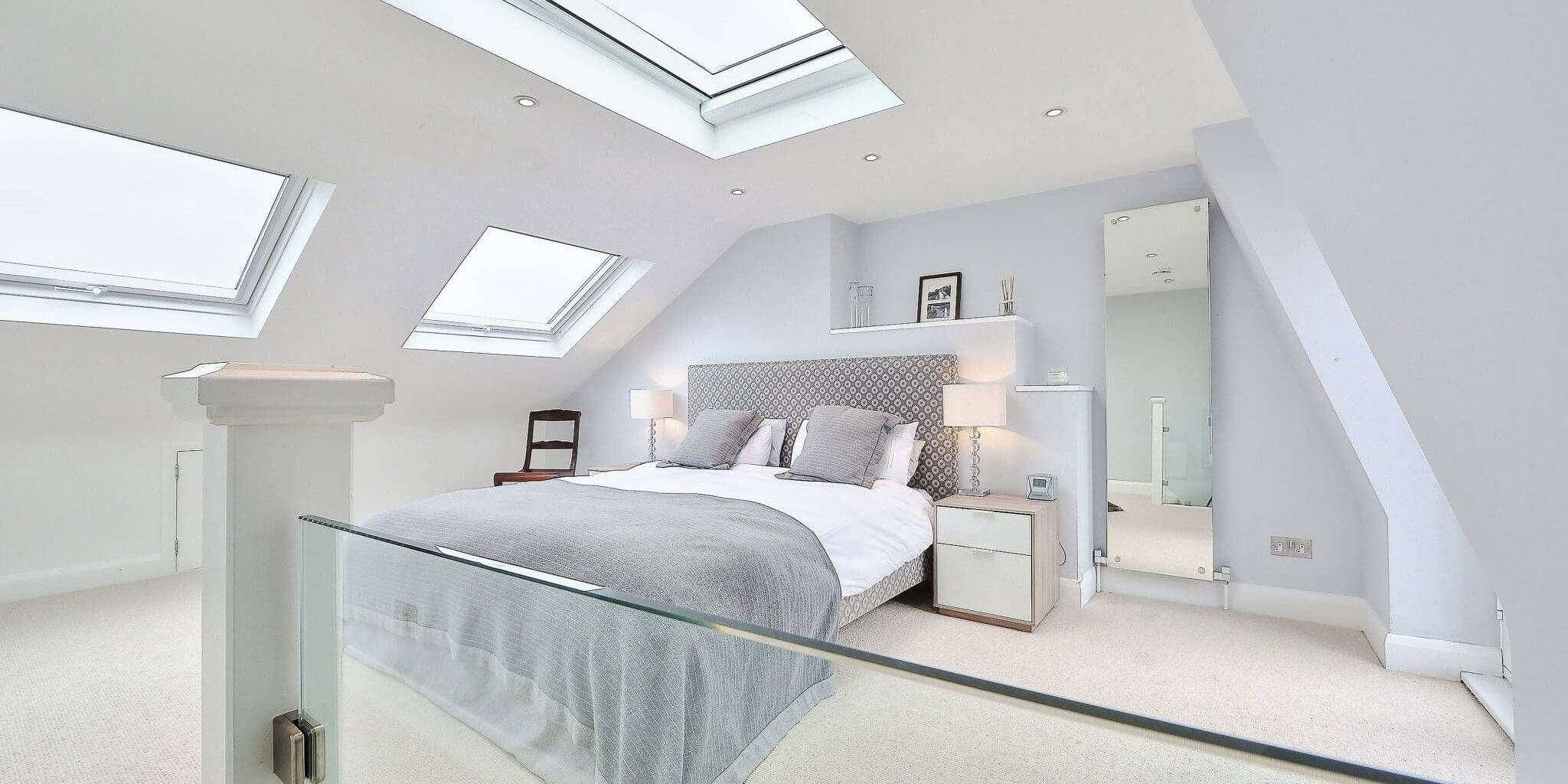
The types of Loft Conversions that we work in -
New Malden is a compact, well-connected suburb in the KT3 postcode that has quietly built a strong reputation as one of the better value family areas in southwest London. The housing stock is largely made up of interwar and postwar semis with solid roof structures that work well for loft conversions, and families here tend to stay put rather than move on when the house starts to feel tight. A dormer extends the rear roof slope outward, replacing the sloping void with straight walls and a proper ceiling to create a fully habitable room. For New Malden homeowners, the dormer is consistently the most popular starting point because it delivers genuine usable space without dramatic changes to the street-facing appearance of the house. The garden stays intact, the front elevation stays the same, and the family gains a room that works every day. Best for: New Malden's semis and terraced homes across KT3 where an extra bedroom or dedicated workspace is the priority.
Many of New Malden's semis were built with hipped roofs, and while they look entirely at home on the area's residential streets, the hipped end slopes inward and removes a surprising amount of usable loft width. Homeowners who go up to measure the space often find it considerably narrower than expected, which makes planning a functional layout difficult. A hip to gable conversion rebuilds that sloping end as a vertical gable wall, widening the floor area meaningfully and making the loft feel like somewhere a proper room can actually go. It is one of the most impactful single changes you can make to a New Malden semi, and when combined with a rear dormer, it transforms the entire loft from a compromised space into a generous one. Best for: New Malden semi-detached and end-of-terrace homes where the hipped roof has been the main obstacle to a worthwhile conversion.
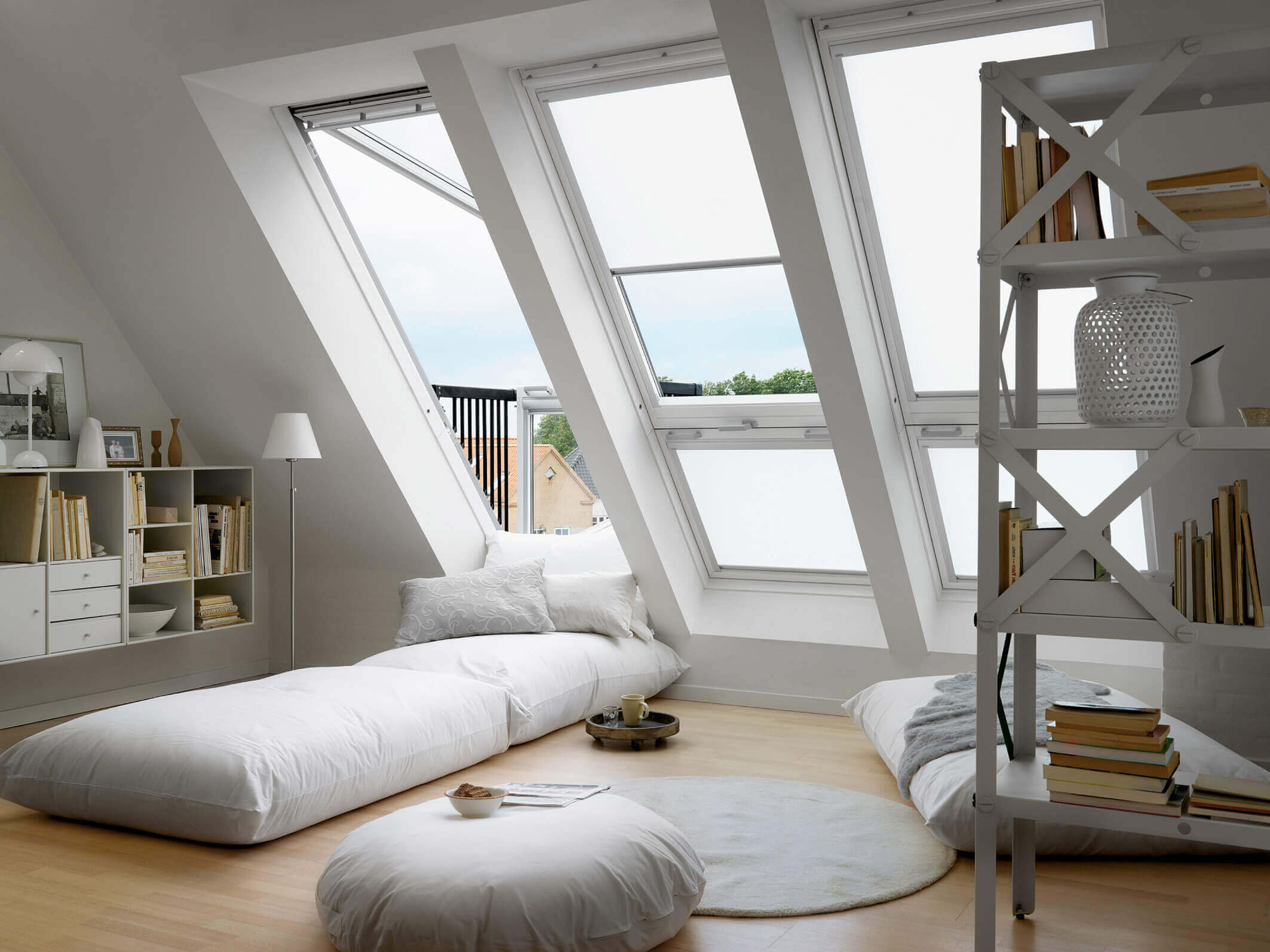
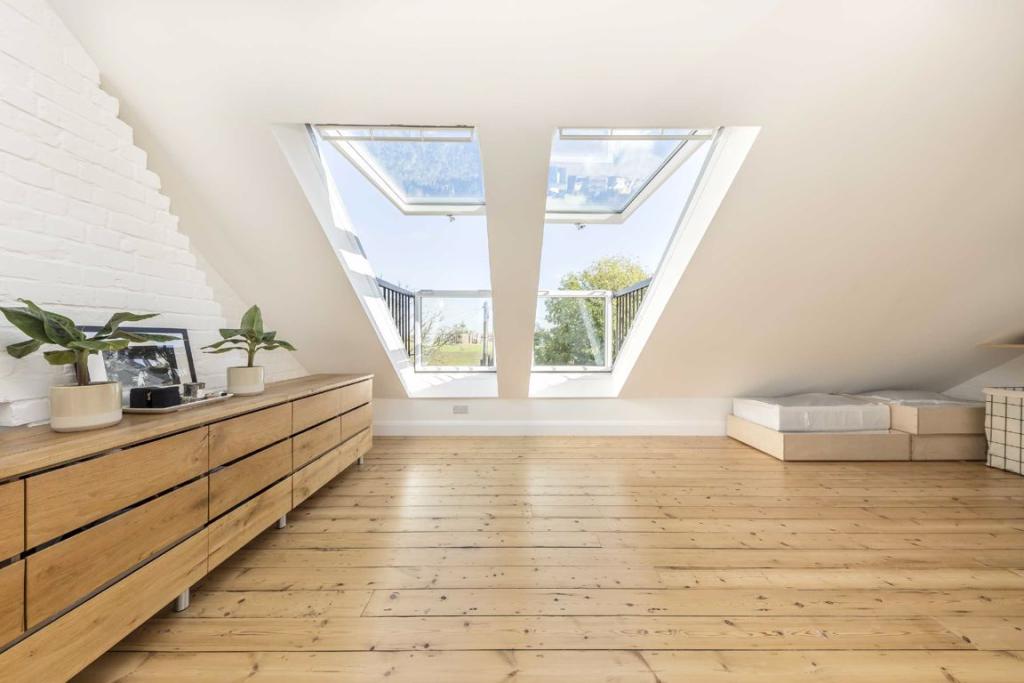
New Malden's older properties, particularly those built before the 1960s, often have a roof pitch steep enough that the existing head height is already closer to workable than most owners realise. A Velux conversion takes advantage of this by fitting roof windows flush into the existing slope, reinforcing the floor, and upgrading insulation, without touching the external structure of the roof at all. It is the most straightforward and budget-friendly route to a new room, and in a borough where planning considerations around street character matter, the fact that nothing changes externally is a genuine advantage. For New Malden homeowners who want to improve the home sensibly and with minimal disruption, a Velux conversion is often the conversation worth having first before anything more involved is considered. Best for: New Malden properties with a naturally steep pitch and reasonable existing head height, and anyone prioritising cost efficiency and a clean, low-impact build.
Rear extensions are common across New Malden's residential streets, and if your home has one, the roof above it is not simply part of the structure. It is the foundation for a considerably more ambitious loft conversion than a standard dormer could achieve. An L-shaped dormer joins the main rear roof and the extension roof into a single, larger loft footprint, giving the project enough floor area to consider dividing the space rather than making everything share one room. For KT3 families who need both a bedroom and a workspace, or a proper master suite rather than a bedroom with a bathroom squeezed into the corner, the L-shaped configuration is the one that makes this possible. Best for: Extended New Malden homes where a larger loft footprint would unlock a more ambitious and genuinely useful conversion.
A mansard is the most comprehensive loft conversion available, and for the right New Malden property it is also the most rewarding. The rear slope is rebuilt at a near vertical angle with a flat section across the top, which means the entire loft floor becomes usable from wall to wall. No part of the room tapers away, no corner is lost to a low ceiling, and the space works exactly as any other room in the house works. Planning permission from the Royal Borough of Kingston upon Thames will be required, and the build is more involved than a dormer, but for homeowners who want a permanent, high-quality improvement, the result stands apart. New Malden's family homes, particularly the larger semis and detached properties across KT3, are well-suited to a mansard when the ambition and budget are in place to match it. Best for: Larger New Malden properties where maximum usable space and long-term property value are the driving goals
New Malden has a number of larger houses that have been converted into flats over the years, and top floor owners in these buildings sometimes find themselves directly beneath an empty loft space that has never been brought into use. Whether a conversion is possible depends on the lease, loft ownership rights, and freeholder consent, all of which need to be established clearly before any building or design work begins. The Royal Borough of Kingston upon Thames also has specific planning requirements for this type of application that need to be understood early in the process. We help flat owners in New Malden work through all of these questions methodically at the outset, so that by the time any money is spent on drawings, the project is on solid ground. Best for: Top-floor flat owners in New Malden who have confirmed their lease position and have the freeholder's support before approaching us.
Do you have a question about Loft Conversions? We're here to help. Contact our team at Loft Converter London
The minimum height required for a Loft Conversion is 2.2m (from the floor to the highest point in your loft). If you do not have the required height, your ceilings can be lowered on your first floor.
This depends on the size and type of Loft, most loft conversions take around 10-12 weeks. We can give you a more accurate estimation when we see your property.
Loft Conversion cost is determined by the size and type of the project, the features you would like, etc. Our architect will help you achieve the best use of your space within your budget. Most Lofts cost between £30,000 and £70,000.
No - it's safe to carry on living in your house. Our team starts from the scaffolding before the stairs go in. We always try to limit the disruption during the construction process.
Loft Conversions usually fall under the permitted development category therefore planning permission is not normally required. There are some exceptions like conservation areas, flats, or listed buildings. Our in-house surveyors can advise further on planning permission..
A party wall agreement is also known as PWA is required if you own semi-detached or terraced property. In simple words, if you are working within or near your neighbor’s boundary then you will need a party wall agreement in place. Click here for more info.
Yes - it will add from 15% to 25% upwards depending on the size, design, and type of Loft. Read more about adding value here.
Yes, all Loft conversions require building regulation approval from the local authority. These regulations are important to ensure the safety measures are in place and they set a protocol of construction and design to follow.
Absolutely yes, we will work with you to achieve your dream new living space.