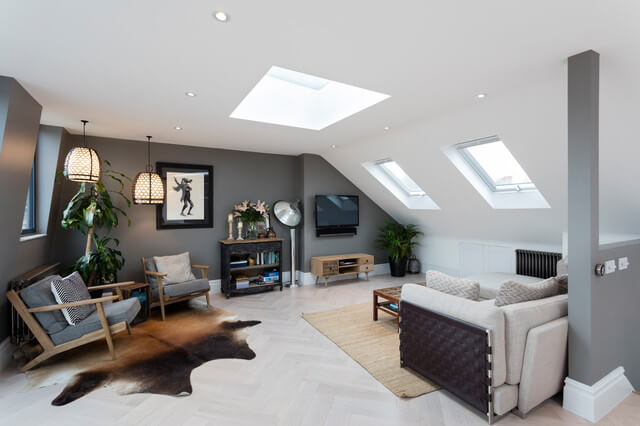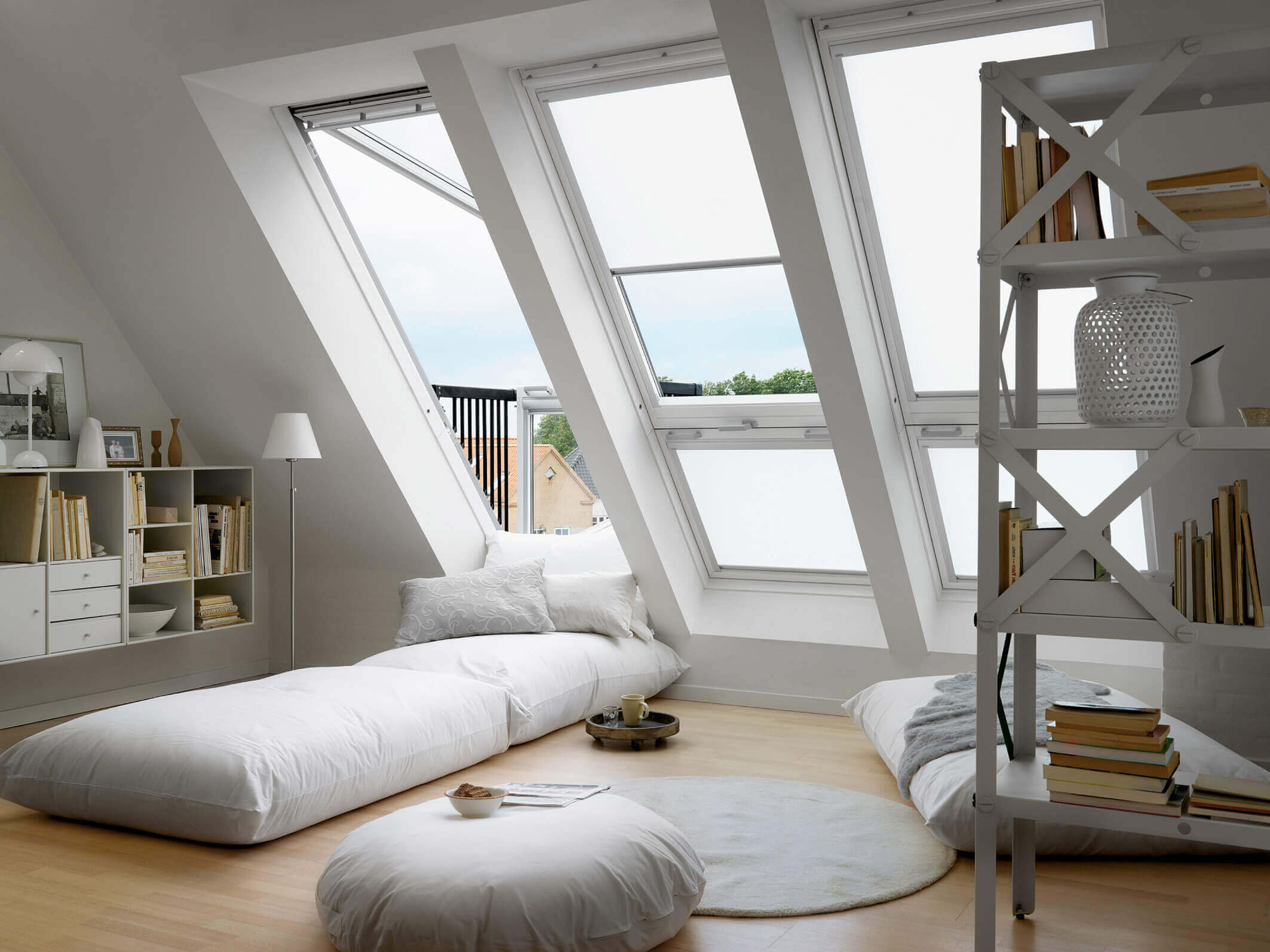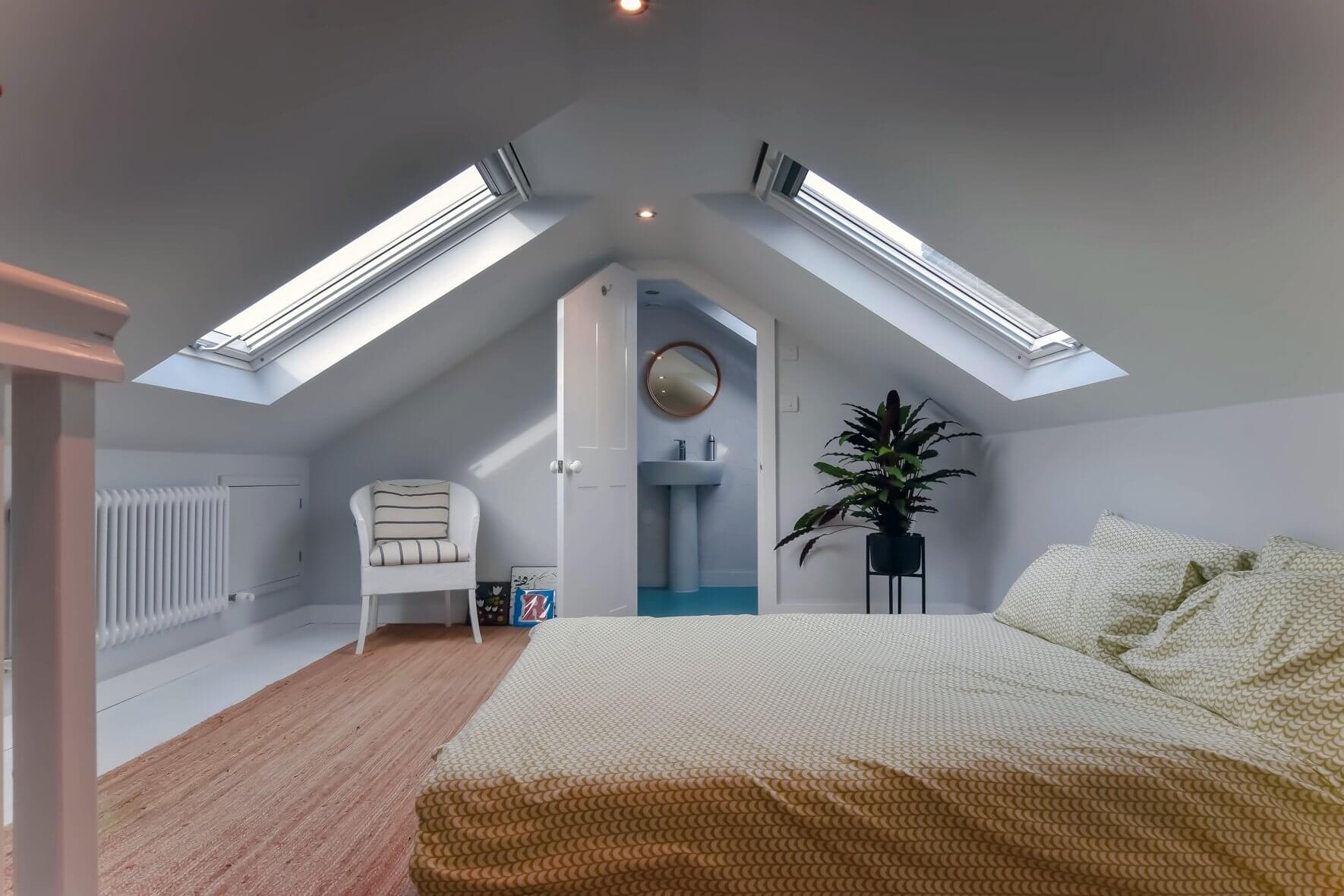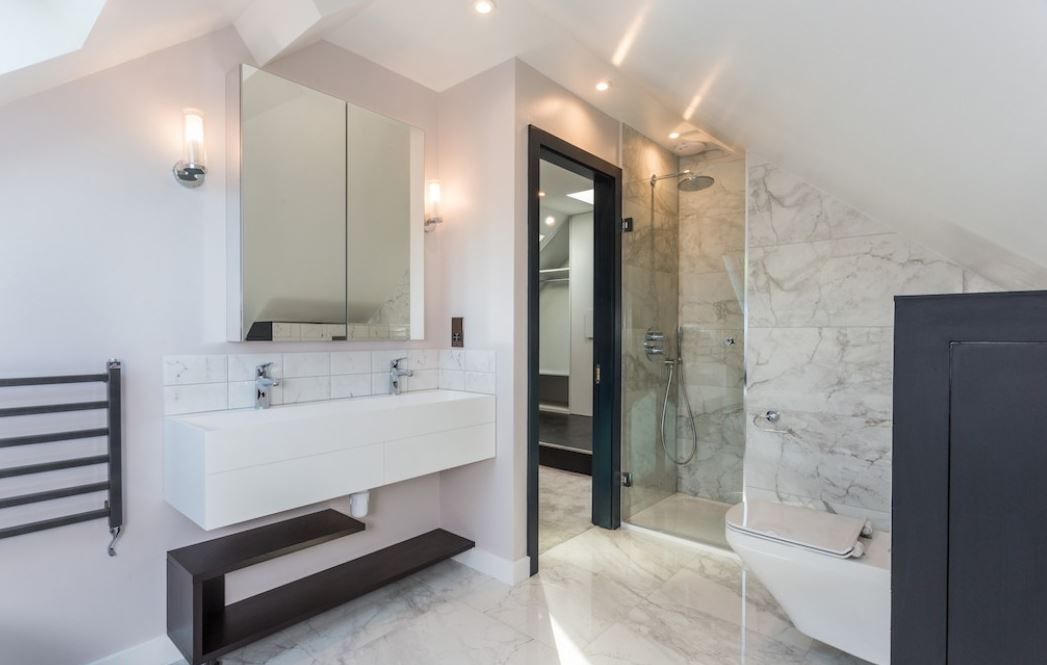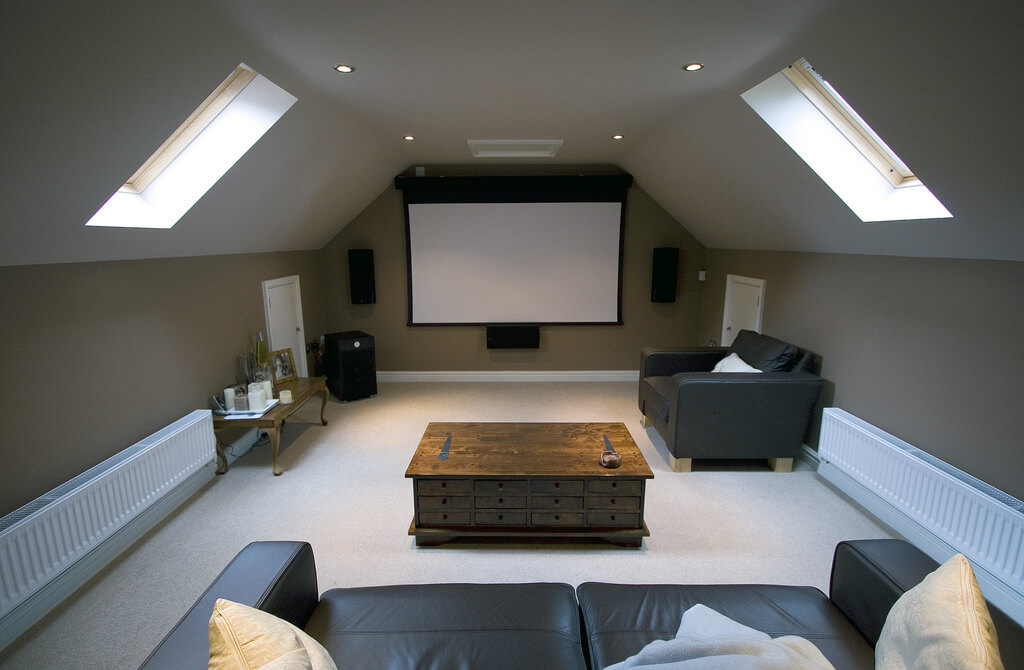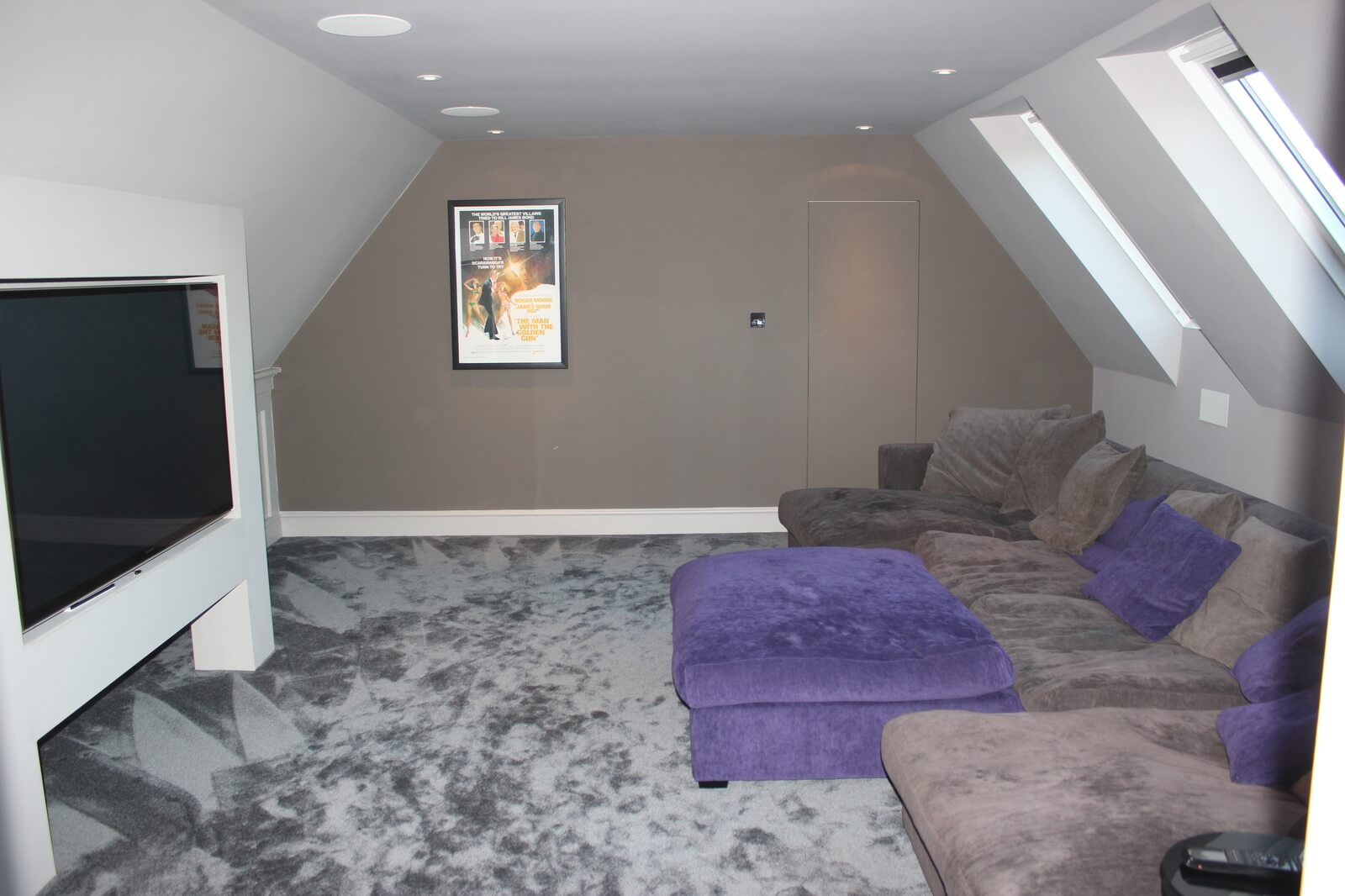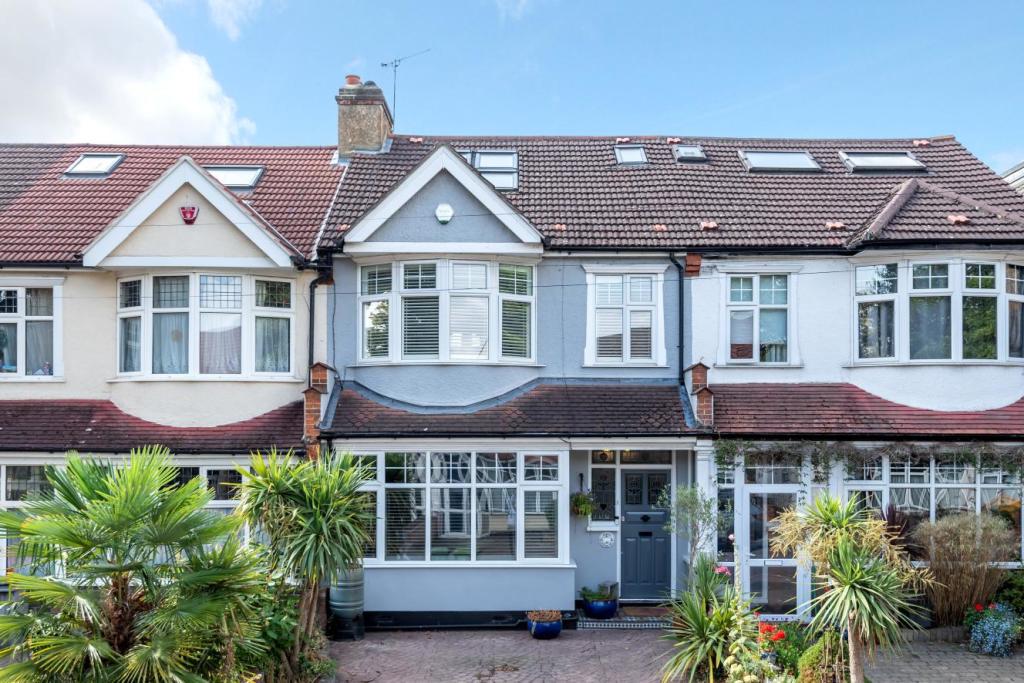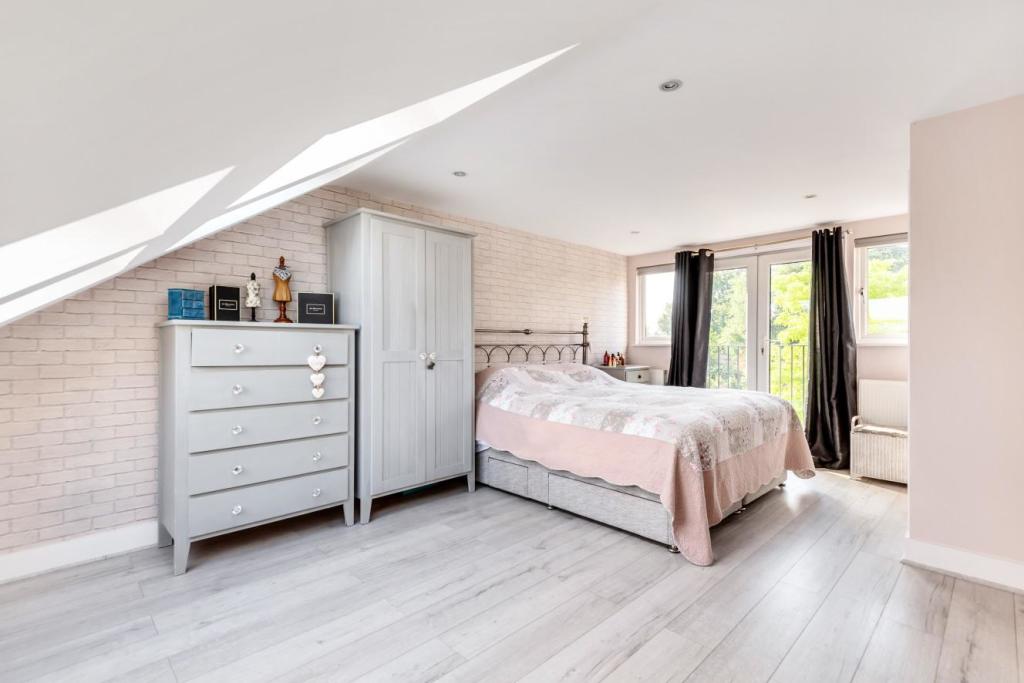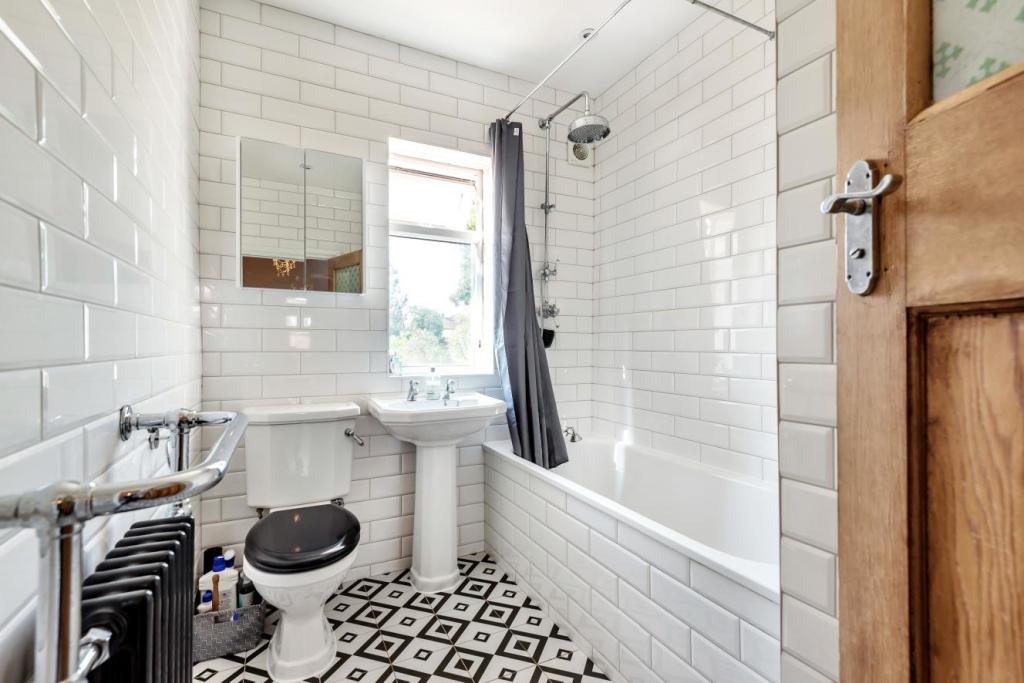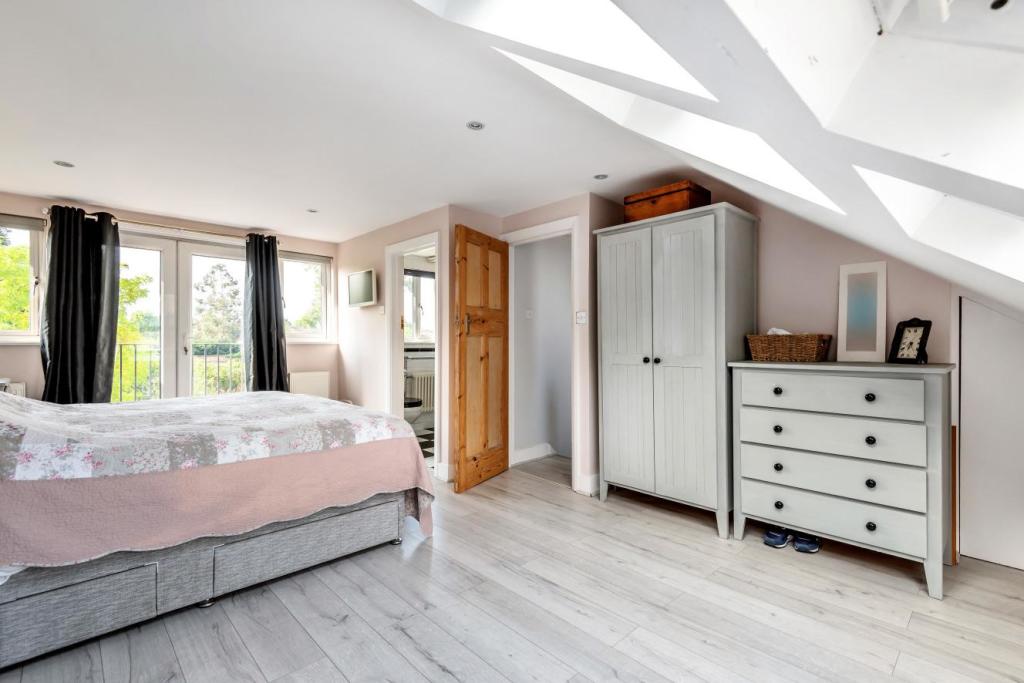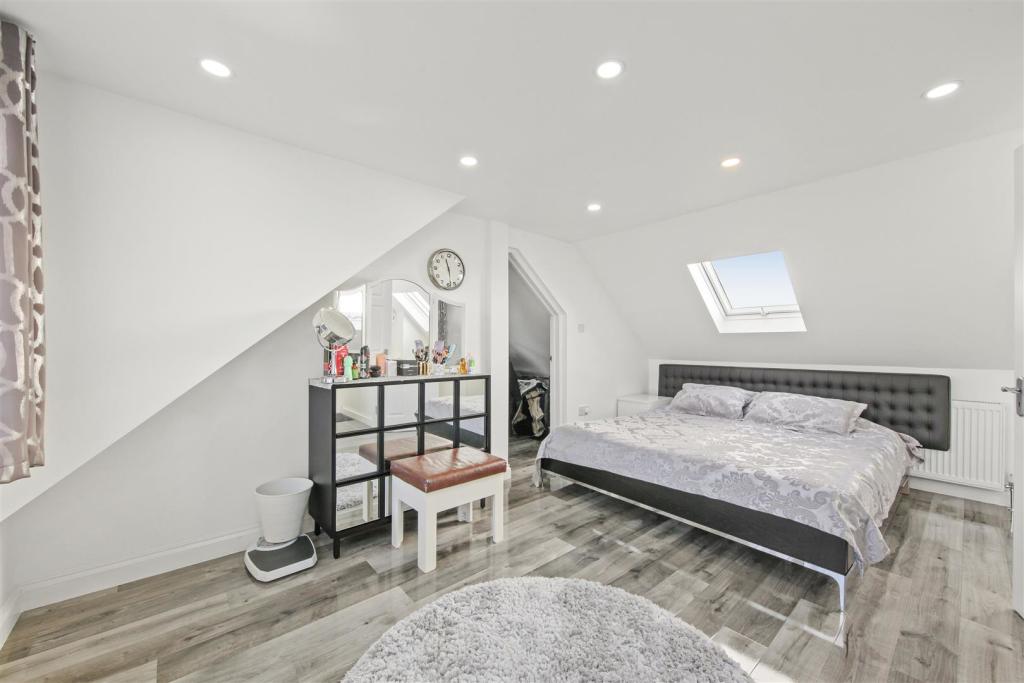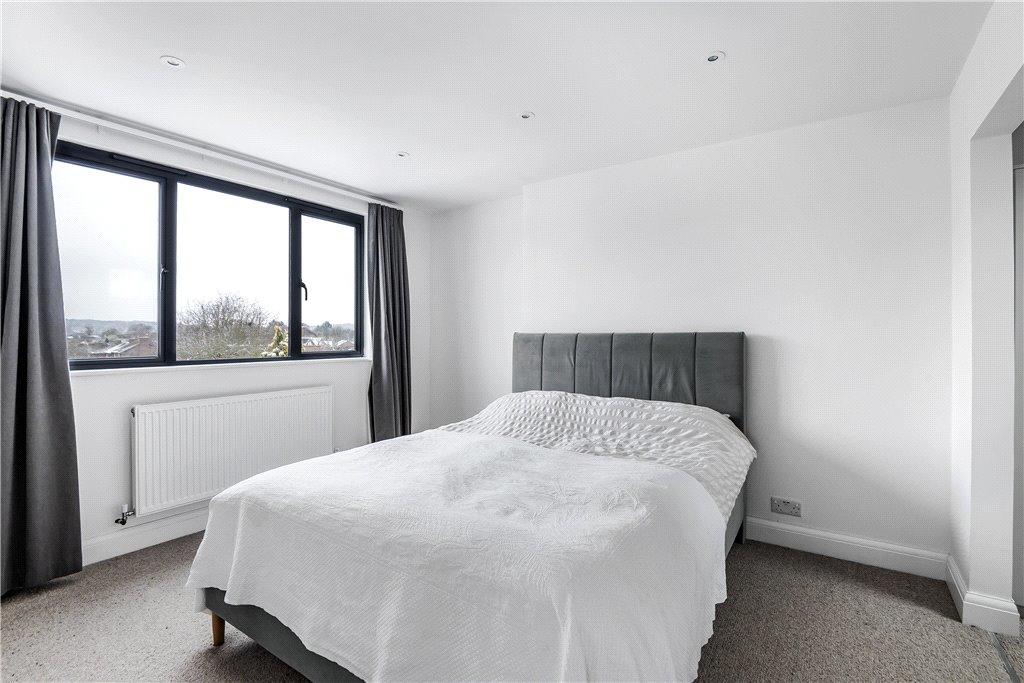
The types of Loft Conversions that we work in -
Bromley is one of those London boroughs that quietly gets on with being a good place to live. Excellent schools, green spaces like Norman Park and Kelsey Park, a proper high street, and a mix of detached and semi-detached homes across BR1, BR2, and BR3, giving families real room to breathe. When that room starts to run out, the choice most Bromley homeowners face is whether to move further out or find a way to make the home they have work better. A dormer loft conversion is almost always the more sensible answer. By extending outward from the rear of the roof, a dormer replaces the awkward sloping void with straight walls and a ceiling at the proper height. Bromley's housing stock, with its generous plots and well-proportioned rooflines, tends to lend itself well to this type of conversion. The rear dormer sits behind the house, the street view stays the same, and the family gains a room that actually earns its place in the home. Best for: Bromley's detached, semi-detached and terraced homes, families needing an extra bedroom or private suite, and anyone who wants more space without compromising their garden or their postcode.
Drive through the residential streets of Bromley and you will quickly notice how many of the semis were built with hipped roofs. It is a style that suits the leafy, suburban character of the borough, but it creates a specific problem for anyone who has gone up into the loft with ambitious plans and come back down feeling deflated. The hipped end eats into the usable width in a way that is genuinely surprising until you see it for yourself. A hip to gable conversion targets that problem directly. The sloping end is rebuilt as a vertical gable wall, the loft widens considerably, and the space that previously felt restricted starts to feel like somewhere a proper room could actually go. Combined with a rear dormer, this transformation is one of the most significant improvements you can make to a Bromley semi without touching the ground floor at all. Best for: Bromley's semi-detached and end of terrace homes where the hipped roof has been the defining obstacle to a genuinely useful loft.
Bromley has a lot going in its favour when it comes to Velux conversions. The borough's older properties, particularly those built before the 1960s across areas like Shortlands and Sundridge, often have roof pitches steep enough that the existing head height in the loft is already closer to workable than most homeowners realise. Add roof windows, reinforce the floor, upgrade the insulation, and what was a dusty storage space becomes a room worth having. The Velux route is also the most straightforward from a planning perspective, which matters in a borough with conservation areas and tree preservation considerations in some of its more established residential parts. No external structure is added, no roofline changes, and the project typically moves from decision to completion faster than any other conversion type. Best for: Bromley properties with a good existing roof pitch, homeowners who want the most cost-effective and planning-friendly route to a new room, and anyone in a conservation-sensitive part of the borough.
Bromley families tend to extend their homes thoughtfully over time, and a rear extension at ground floor level is a common improvement on many of the borough's streets. If your home has one, the roof above that extension is not just part of the structure. It is the foundation of a significantly more generous loft conversion than a standard dormer could provide. An L-shaped dormer connects the main rear roof and the extension roof into a single, larger loft space. The floor plan this creates is spacious enough to think properly about how it is divided, rather than making everything share one room by necessity. For Bromley families who want a bedroom and a home office that feel separate from one another, or a master suite with a bathroom that hasn't been shoehorned in, the L-shaped configuration is the one that gives those ideas the space they deserve. Best for: Extended Bromley homes across BR1 and BR2 where a more generous loft footprint would unlock a genuinely different level of ambition for the conversion.
Bromley is a borough of homeowners who invest in their properties with the long term in mind, and a mansard loft conversion reflects exactly that kind of thinking. The rear slope of the roof is reconstructed at a near vertical angle with a flat top, turning the entire loft floor into fully usable space. There is no portion of the room that tapers away, no corner that is too low for furniture, no sense that the space is making concessions to the shape of the roof above it. It simply works as a room. For owners of Bromley's larger detached and semi-detached homes, particularly across the BR1 and BR3 postcodes where properties have the proportions to carry this type of conversion well, a mansard is the option that delivers the most complete and lasting transformation. Planning permission from the London Borough of Bromley will be required, and the build is more involved than a dormer, but the outcome more than justifies both. Best for: Larger Bromley properties where long-term value, maximum usable space, and a permanent improvement to how the home works are the driving motivations.
Bromley is a borough that takes the appearance of its residential streets seriously, and rightly so. It is part of what makes the area as desirable as it is. But that same care means there are situations where a full-width dormer would attract more planning scrutiny than a homeowner wants to deal with, or where the loft simply does not need a comprehensive conversion to become genuinely useful. A small dormer can deliver targeted headroom in exactly the right place, introduce light into a space that currently feels too dark to use comfortably, or provide the specific improvement that makes the loft viable without changing the overall character of the roof. It is a more modest undertaking, but in Bromley where the context often calls for something proportionate and considered, it is frequently exactly the right one. Best for: Bromley lofts where a focused improvement is all that is needed, properties in conservation areas or on streets with planning sensitivities, and homeowners who want a result that sits naturally within the character of the surrounding area.
Do you have a question about Loft Conversions? We're here to help. Contact our team at Loft Converter London
The minimum height required for a Loft Conversion is 2.2m (from the floor to the highest point in your loft). If you do not have the required height, your ceilings can be lowered on your first floor.
This depends on the size and type of Loft, most loft conversions take around 10-12 weeks. We can give you a more accurate estimation when we see your property.
Loft Conversion cost is determined by the size and type of the project, the features you would like, etc. Our architect will help you achieve the best use of your space within your budget. Most Lofts cost between £30,000 and £70,000.
No - it's safe to carry on living in your house. Our team starts from the scaffolding before the stairs go in. We always try to limit the disruption during the construction process.
Loft Conversions usually fall under the permitted development category therefore planning permission is not normally required. There are some exceptions like conservation areas, flats, or listed buildings. Our in-house surveyors can advise further on planning permission..
A party wall agreement is also known as PWA is required if you own semi-detached or terraced property. In simple words, if you are working within or near your neighbor’s boundary then you will need a party wall agreement in place. Click here for more info.
Yes - it will add from 15% to 25% upwards depending on the size, design, and type of Loft. Read more about adding value here.
Yes, all Loft conversions require building regulation approval from the local authority. These regulations are important to ensure the safety measures are in place and they set a protocol of construction and design to follow.
Absolutely yes, we will work with you to achieve your dream new living space.