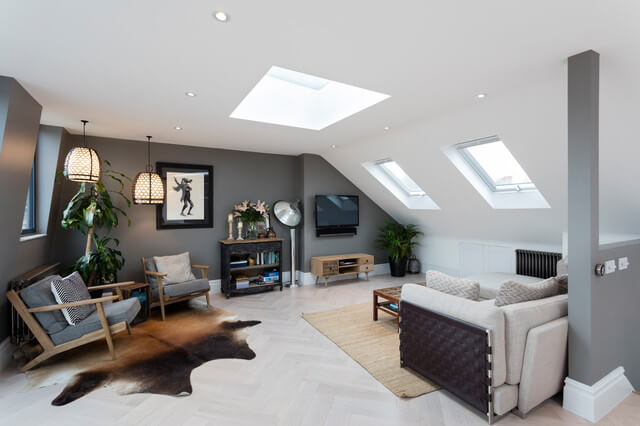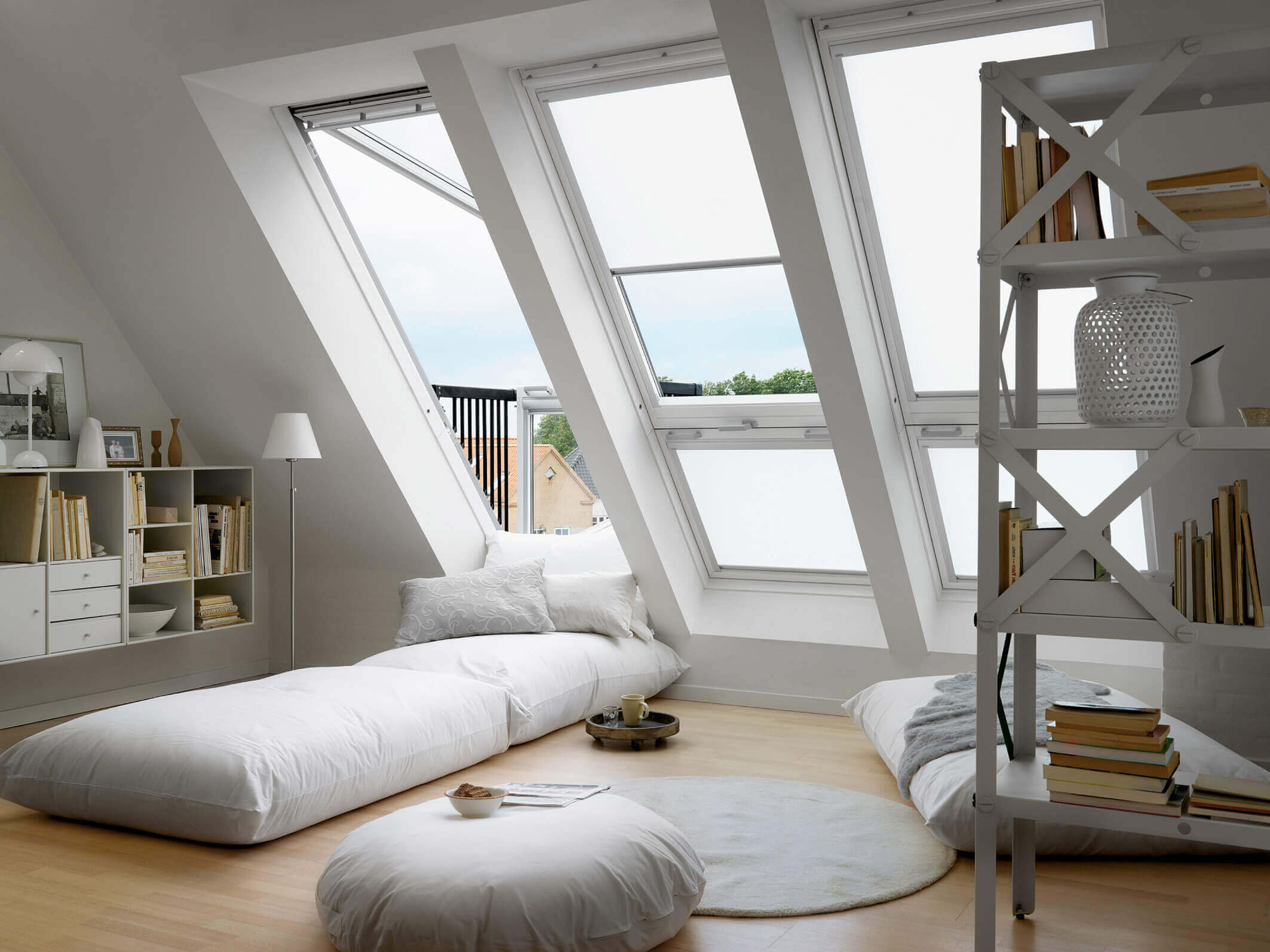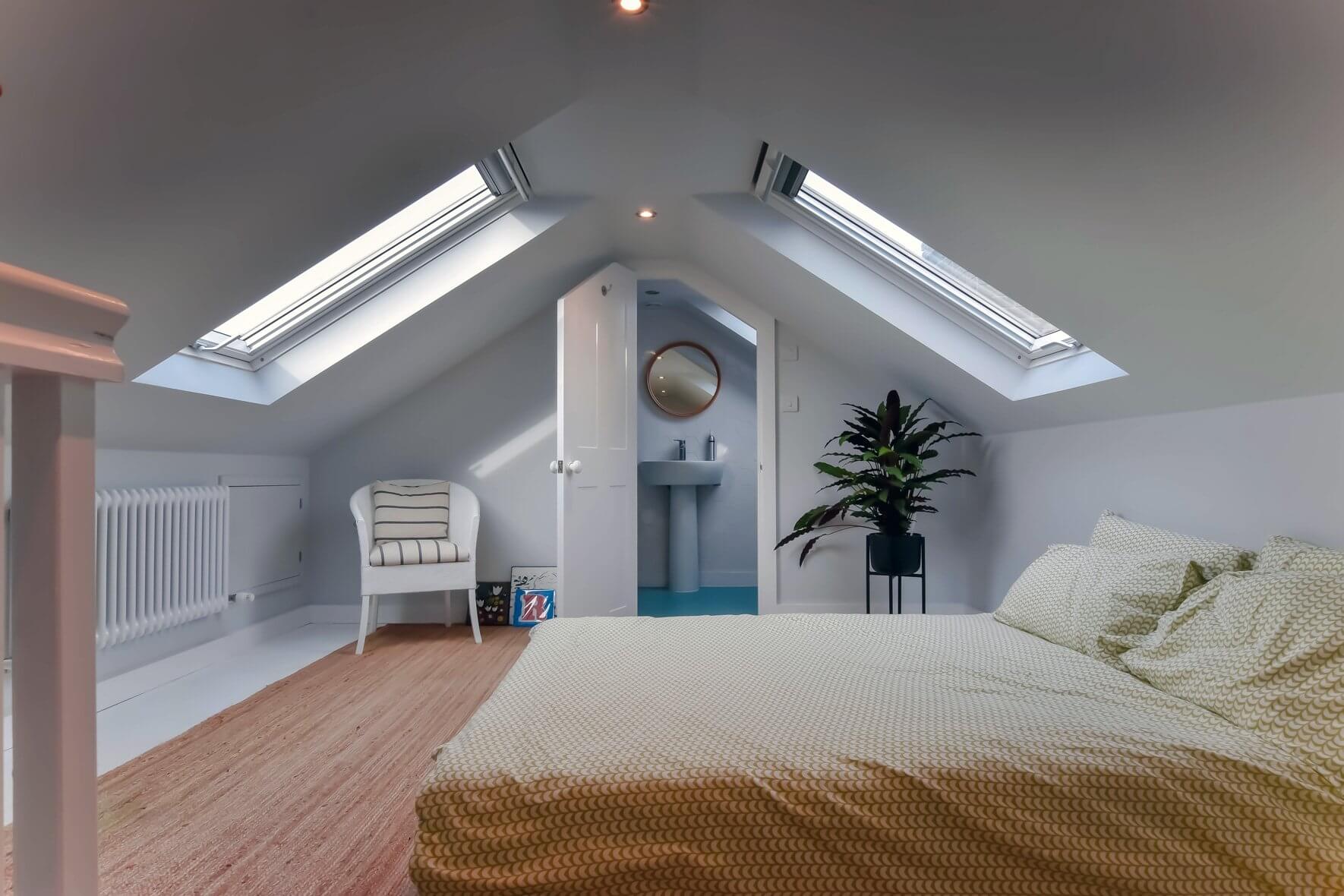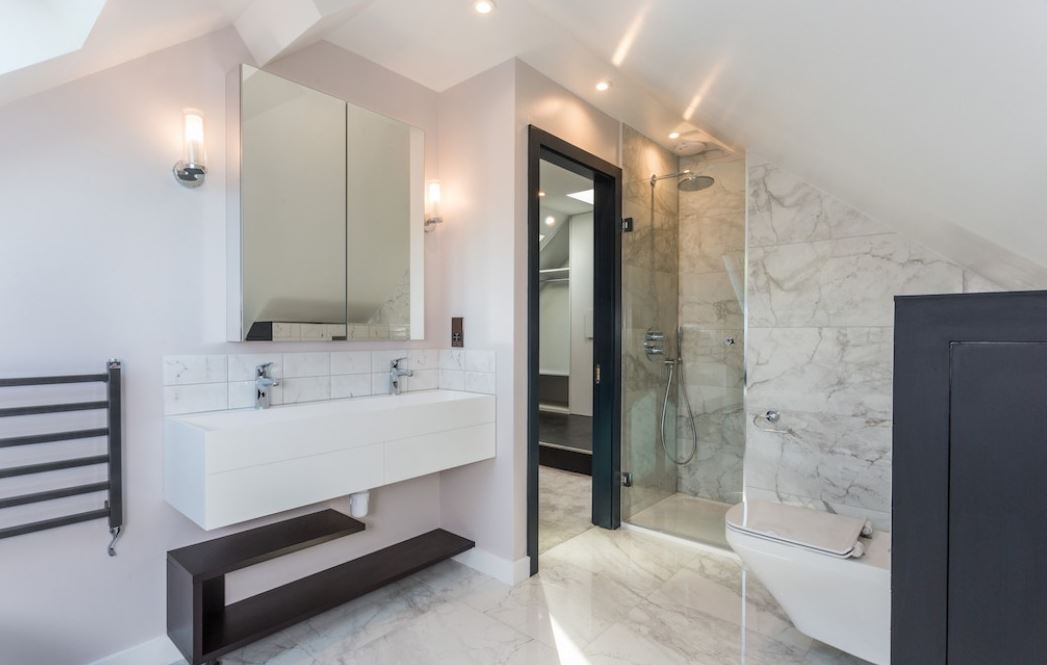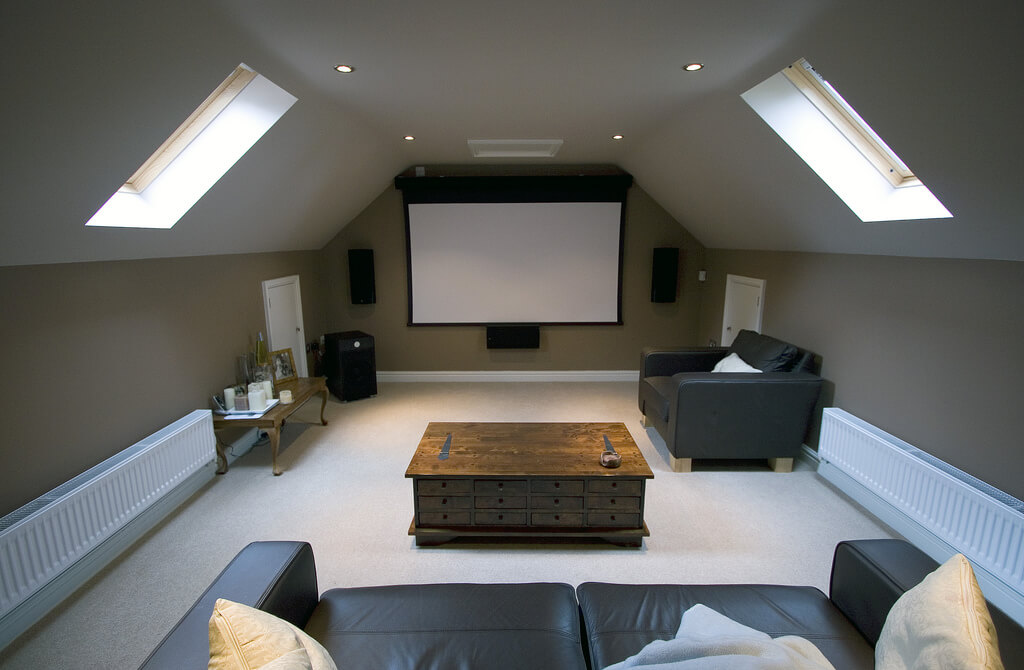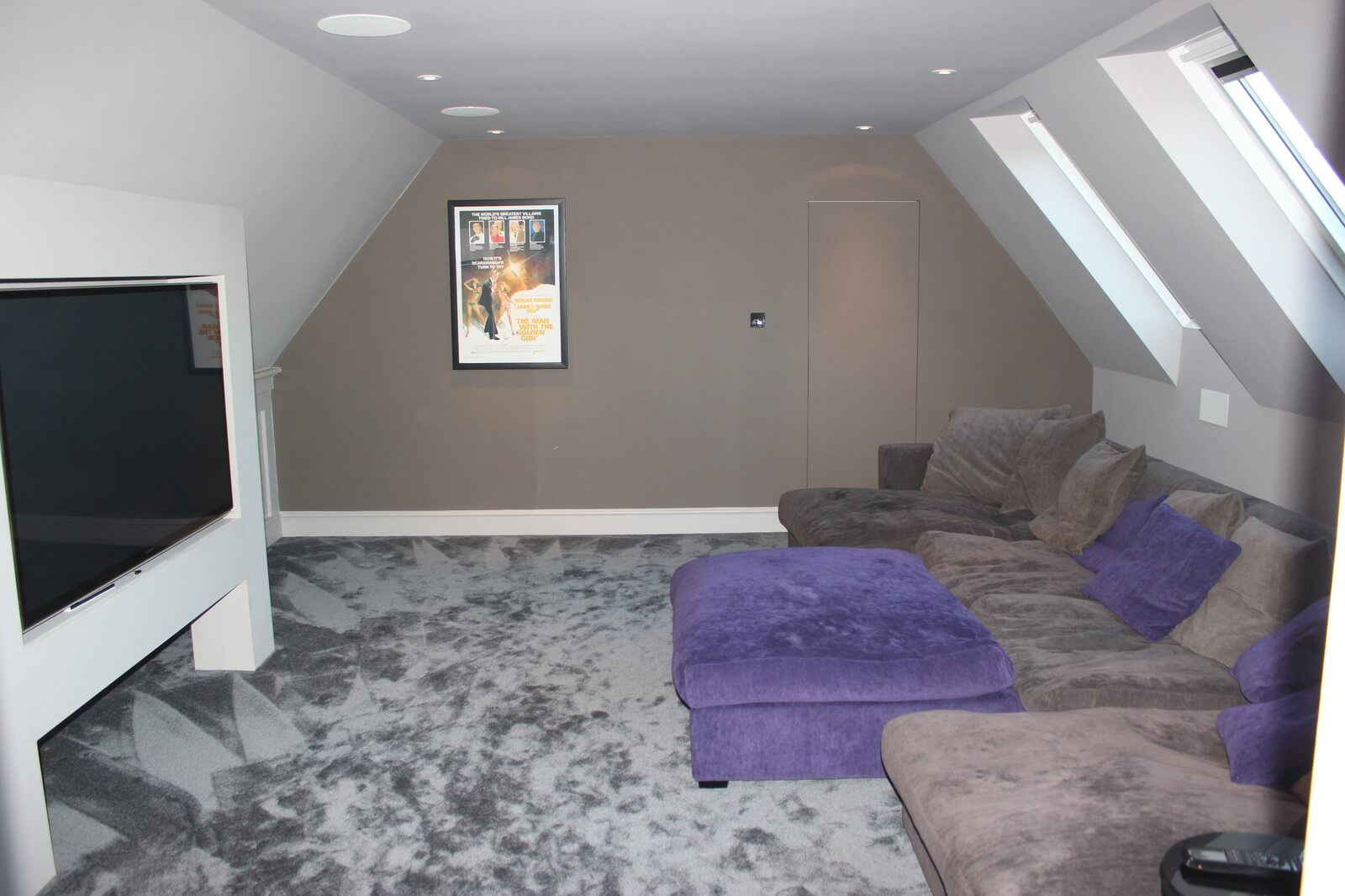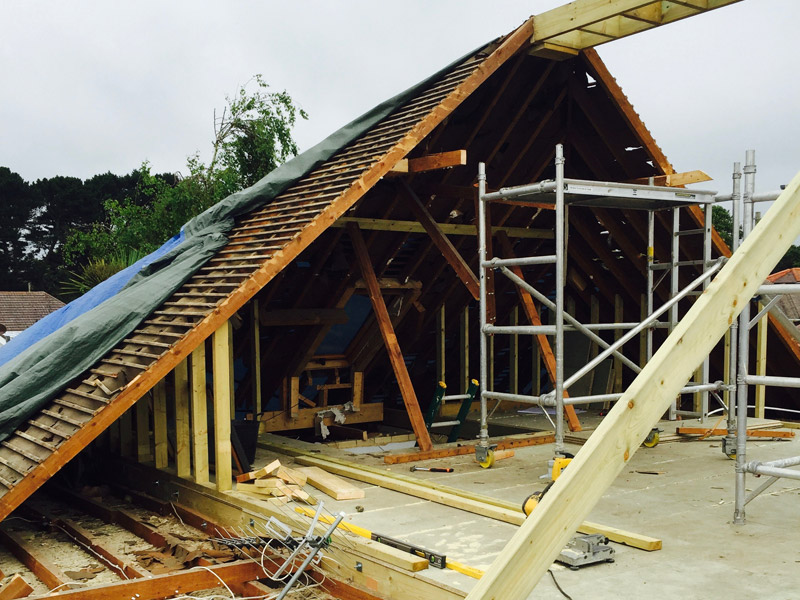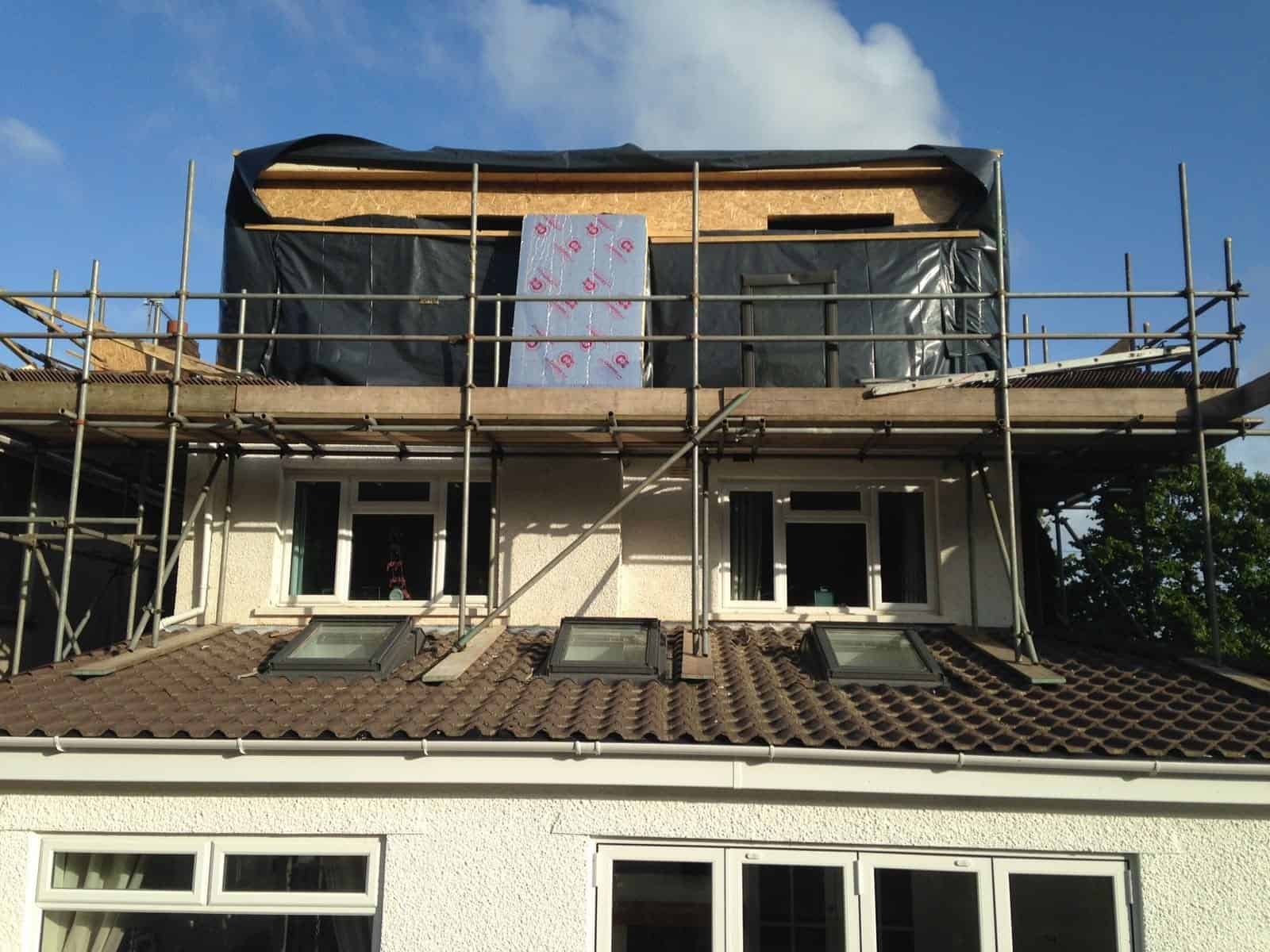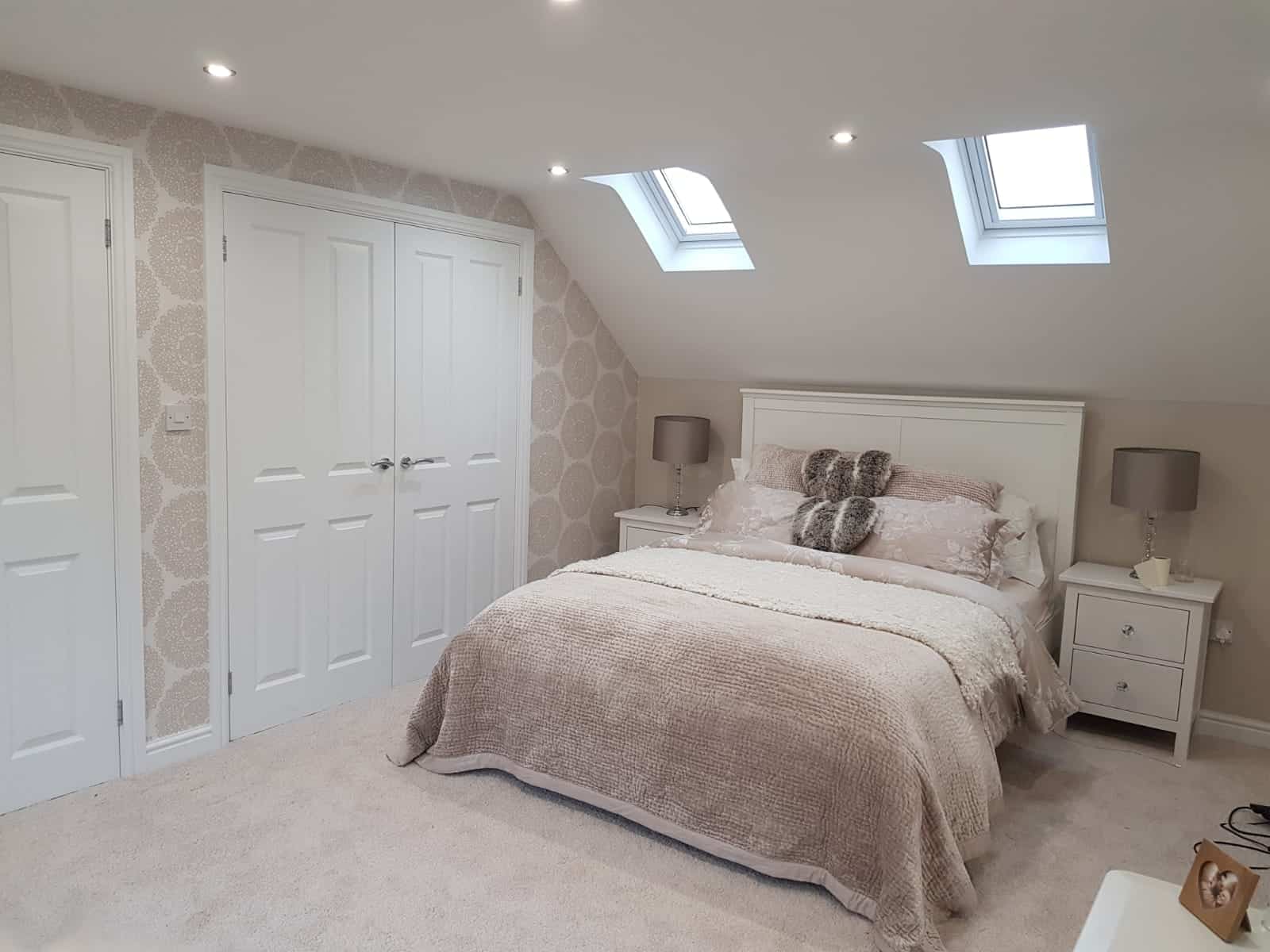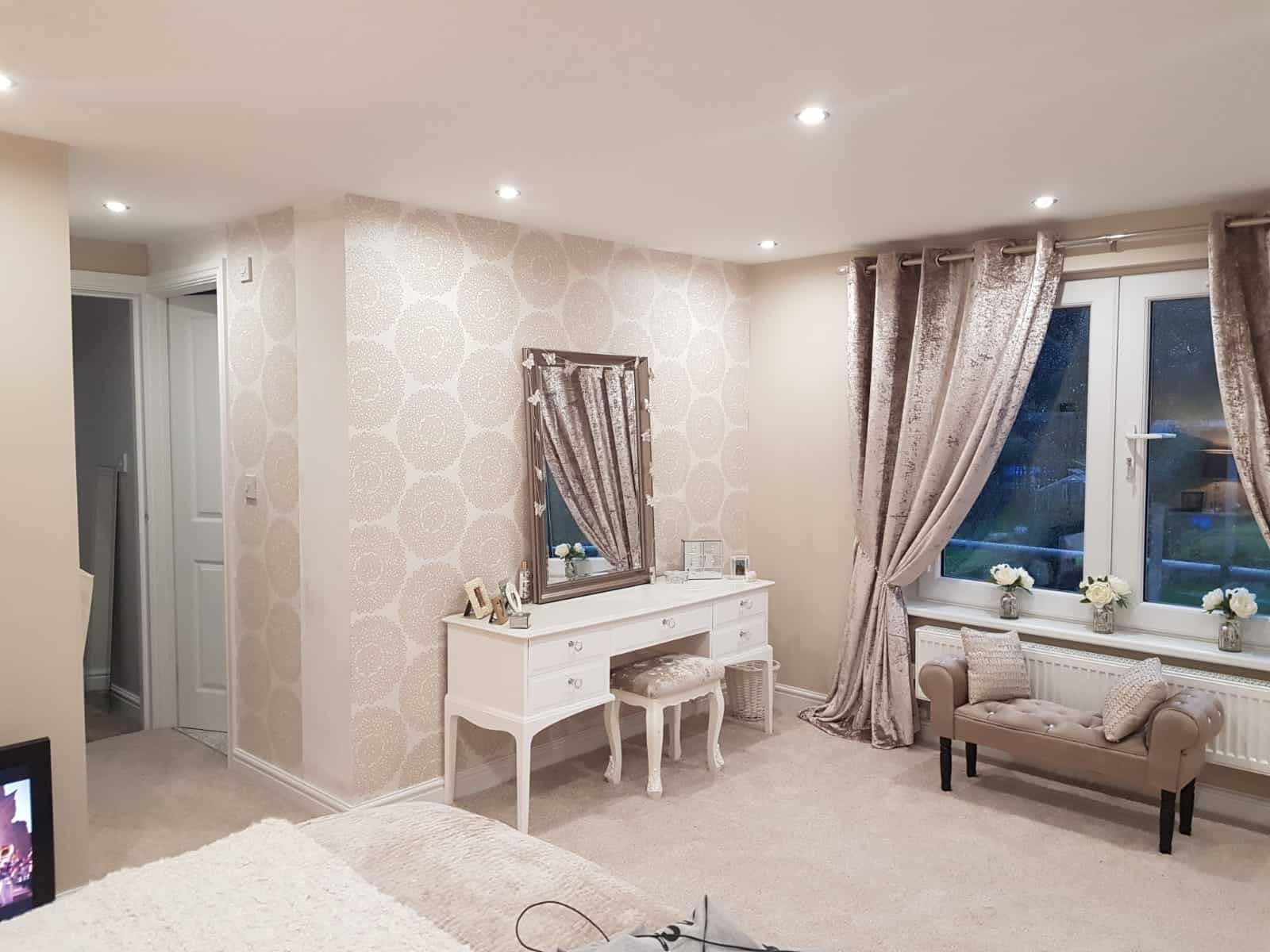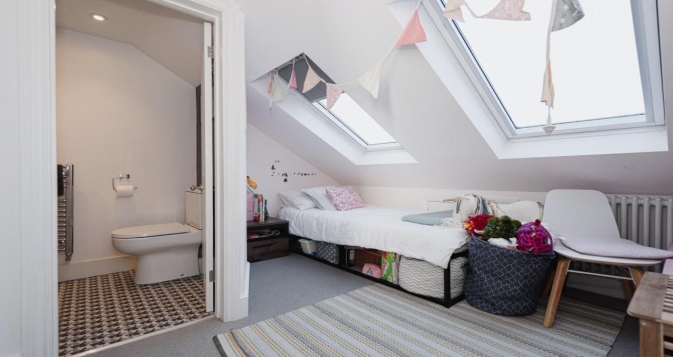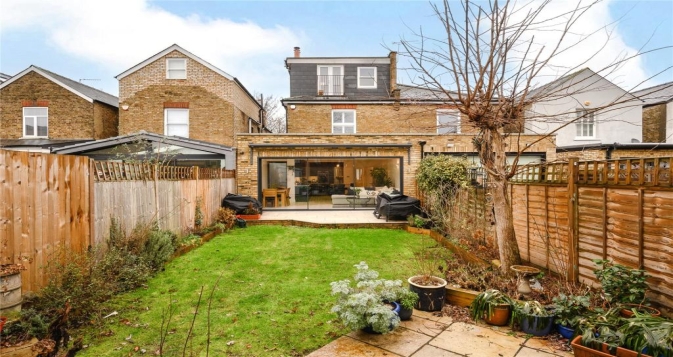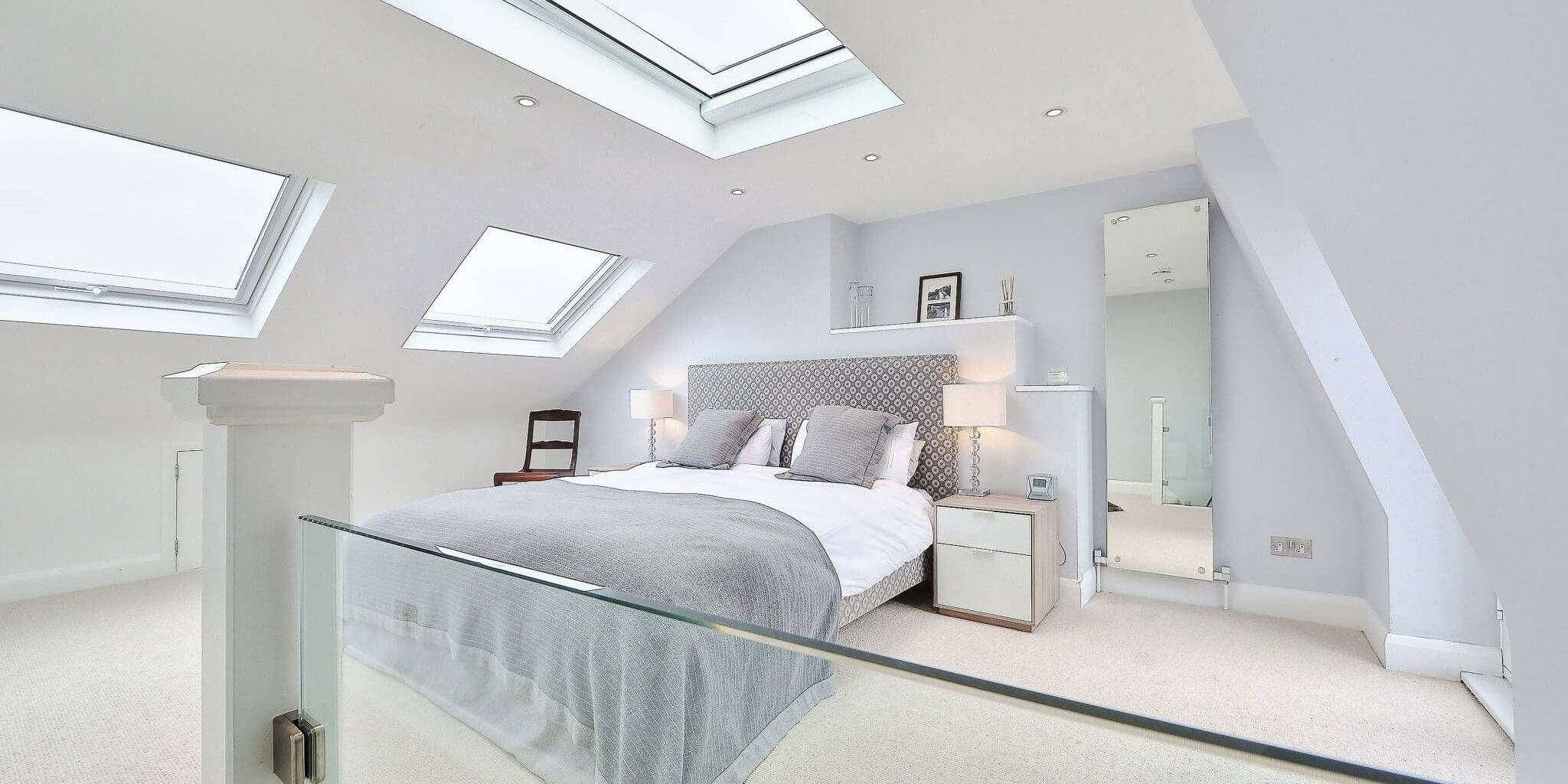
The types of Loft Conversions that we work in -
Kingston upon Thames is one of South West London's most desirable places to live, and it is not hard to see why. Good schools, a thriving town centre, the river on the doorstep, and easy connections into central London make it a place families genuinely want to stay in. When the house starts to feel too small, the last thing most Kingston homeowners want is to move further out. A dormer loft conversion is usually the answer.By extending outward from the rear roof slope, a dormer creates proper headroom and a usable floor area that can become an extra bedroom, a home office, or a master suite. On Kingston's Victorian and Edwardian terraces in KT1 and KT2, where roof pitches are generous but internal height quickly disappoints, a well-designed rear dormer transforms the loft into a room the whole family benefits from.Best for: Terraced and semi-detached homes across Kingston, families who need more space, and anyone who wants to stay in the area rather than upsize elsewhere.
Kingston has a good number of semi-detached homes, particularly in areas like Norbiton and Surbiton, that were built with hipped roofs. The inward-sloping side looks tidy from the street but causes real frustration once you go up into the loft and realise how much usable width that slope has taken away. A hip-to-gable conversion rebuilds that sloping side as a straight vertical wall, immediately opening up the loft. Add a rear dormer, and the space goes from narrow and awkward to a layout that comfortably holds a bedroom and bathroom side by side. We have completed exactly this type of conversion on Portland Road in KT1, and the results speak for themselves. Best for: Kingston's semi-detached and end-of-terrace homes, where the hipped roof is holding the loft back from its full potential.
If your Kingston home already has a reasonable amount of head height in the loft, a Velux conversion is often the smartest and most cost-effective place to start. Roof windows are fitted flush into the existing slope without changing the roofline, the floor is reinforced, insulation is brought up to standard, and the result can feel far more spacious and light-filled than people expect before the work begins. It is the most straightforward conversion type available, requires no major structural work, and is typically the easiest to gain approval for. For homeowners in Kingston who want to add a usable room without the complexity or cost of a dormer, it is well worth considering. Best for: Properties with good existing loft height, tighter budgets, and anyone who wants a low-disruption solution that still delivers a genuinely usable new room.
Many Kingston homes have had rear extensions added at ground floor level over the years, and if yours is one of them, that extension unlocks the possibility of a considerably more generous loft conversion. An L-shaped dormer builds across both the main rear roof and the extension, creating a combined loft floor plan large enough to divide into two proper rooms. For Kingston families juggling the need for a bedroom and a home office, or a master suite with an en-suite that does not feel like an afterthought, this configuration makes both achievable within the same conversion. Best for: Extended homes in Kingston, where the goal is creating two genuinely usable loft rooms rather than one.
A mansard loft conversion is the option that delivers the most internal space of all. The rear roof slope is rebuilt at a near vertical angle with a flat section across the top, making the entire loft floor fully usable from wall to wall. No sloping ceilings narrowing the room, no awkward corners where a wardrobe simply will not fit. Just a proper, full-height room that functions like any other in the house. In Kingston, where property values are high, and homeowners invest seriously in long-term improvements, a mansard is increasingly seen as a worthwhile and ambitious project. Planning permission will be required from the Royal Borough of Kingston, but for those who want the best possible outcome, the process is well worth going through. Best for: Larger Kingston properties where maximising every square foot of loft space is the priority and a planning application is something the homeowner is ready to commit to.
Kingston has a mix of converted Victorian and Edwardian houses, particularly in the KT1 and KT2 postcodes, and top floor flats in these buildings sometimes sit directly beneath a loft that has never been used. If that describes your situation, a conversion could be worth exploring, but the right starting point is the legal side rather than the structural side. Lease terms, loft ownership, and freeholder consent must be clearly established before anything else moves forward. The Royal Borough of Kingston also has its own planning considerations for this type of project. We help clients work through all of these questions early so there are no unexpected obstacles once the project is underway. Best for: Top-floor flat owners in Kingston with confirmed lease arrangements and freeholder support already in place.
Do you have a question about Loft Conversions? We're here to help. Contact our team at Loft Converter London
The minimum height required for a Loft Conversion is 2.2m (from the floor to the highest point in your loft). If you do not have the required height, your ceilings can be lowered on your first floor.
This depends on the size and type of Loft, most loft conversions take around 10-12 weeks. We can give you a more accurate estimation when we see your property.
Loft Conversion cost is determined by the size and type of the project, the features you would like, etc. Our architect will help you achieve the best use of your space within your budget. Most Lofts cost between £30,000 and £70,000.
No - it's safe to carry on living in your house. Our team starts from the scaffolding before the stairs go in. We always try to limit the disruption during the construction process.
Loft Conversions usually fall under the permitted development category therefore planning permission is not normally required. There are some exceptions like conservation areas, flats, or listed buildings. Our in-house surveyors can advise further on planning permission..
A party wall agreement is also known as PWA is required if you own semi-detached or terraced property. In simple words, if you are working within or near your neighbor’s boundary then you will need a party wall agreement in place. Click here for more info.
Yes - it will add from 15% to 25% upwards depending on the size, design, and type of Loft. Read more about adding value here.
Yes, all Loft conversions require building regulation approval from the local authority. These regulations are important to ensure the safety measures are in place and they set a protocol of construction and design to follow.
Absolutely yes, we will work with you to achieve your dream new living space.