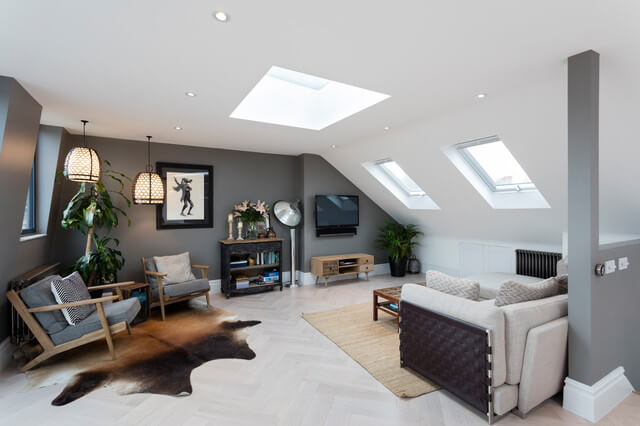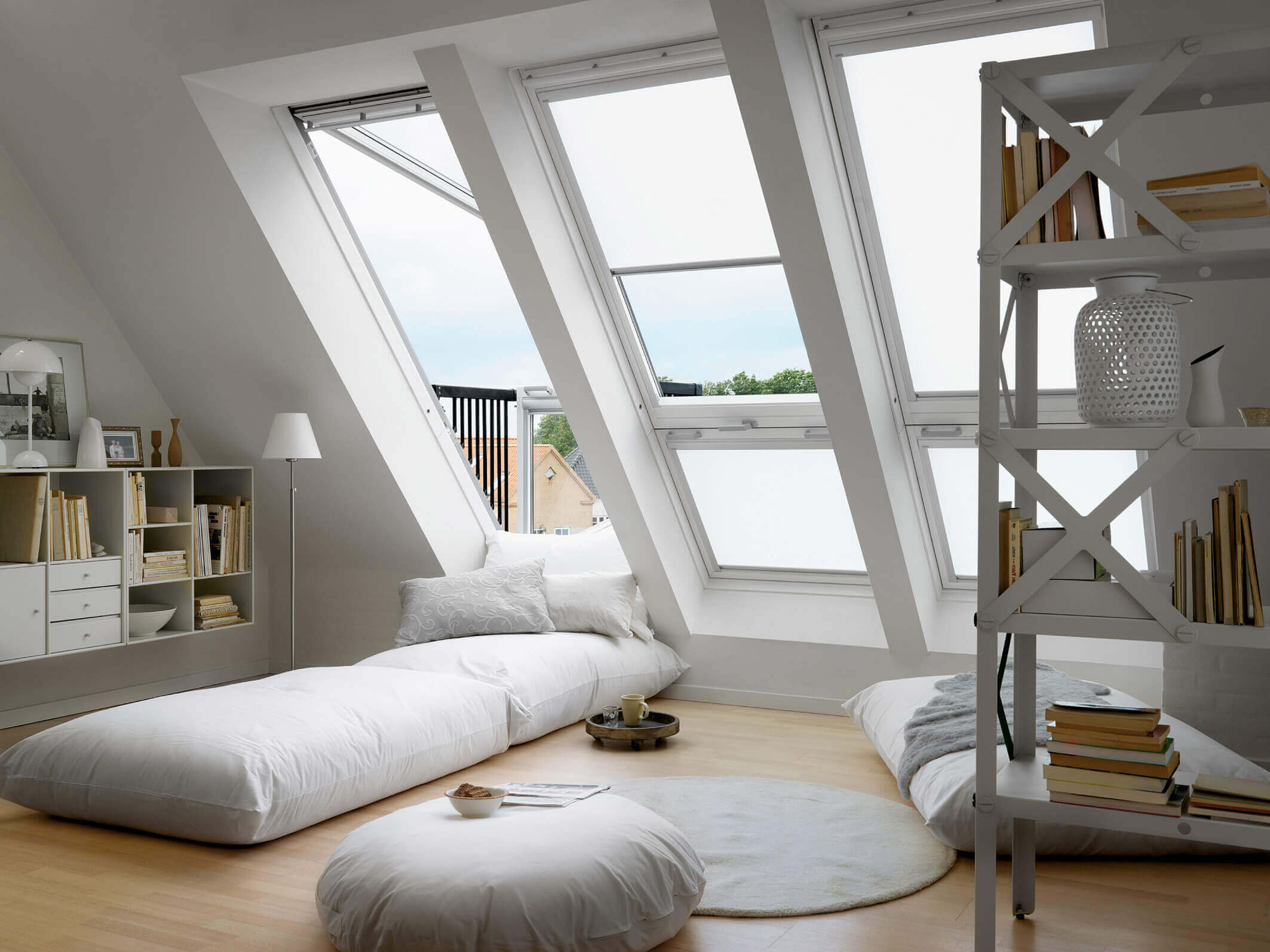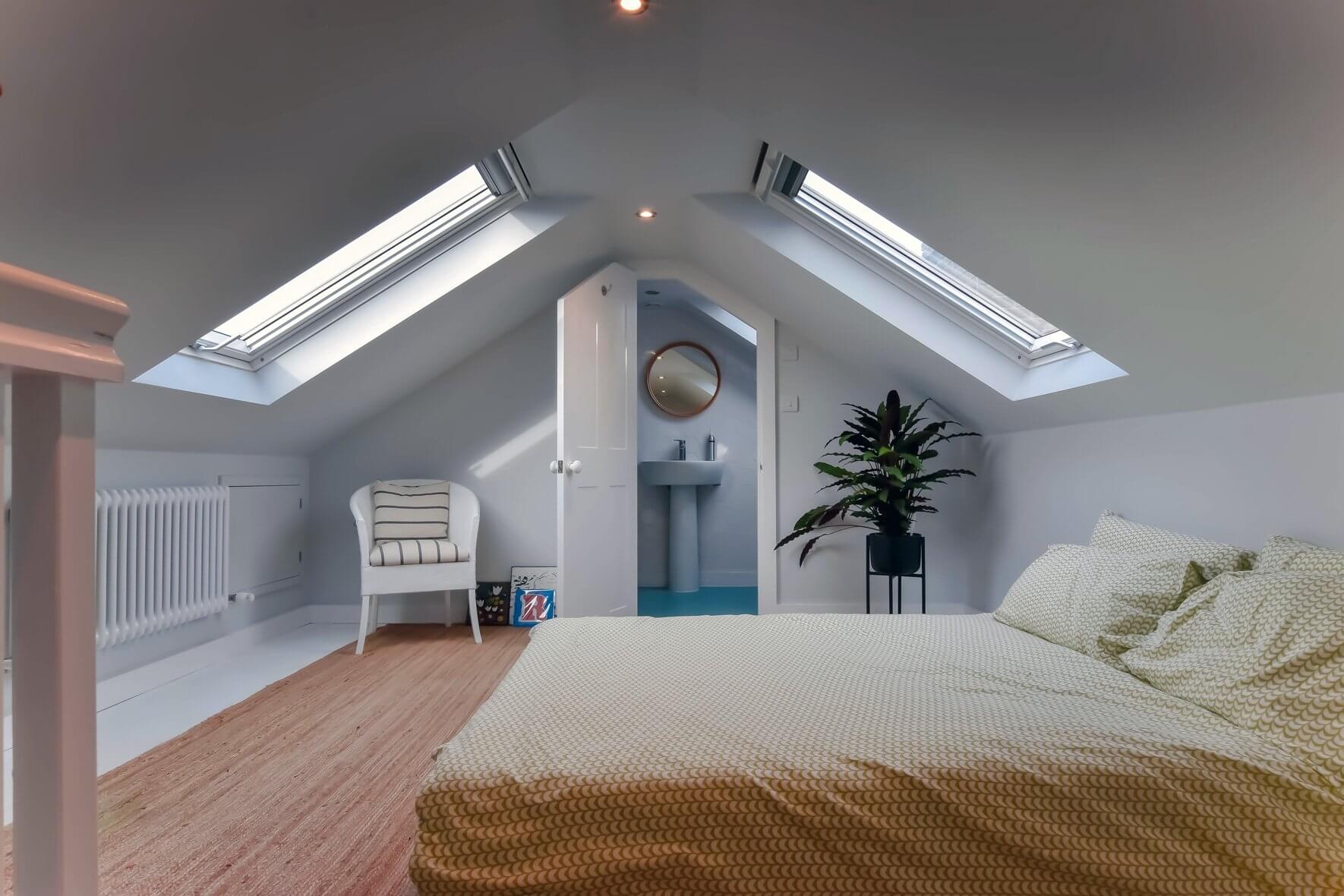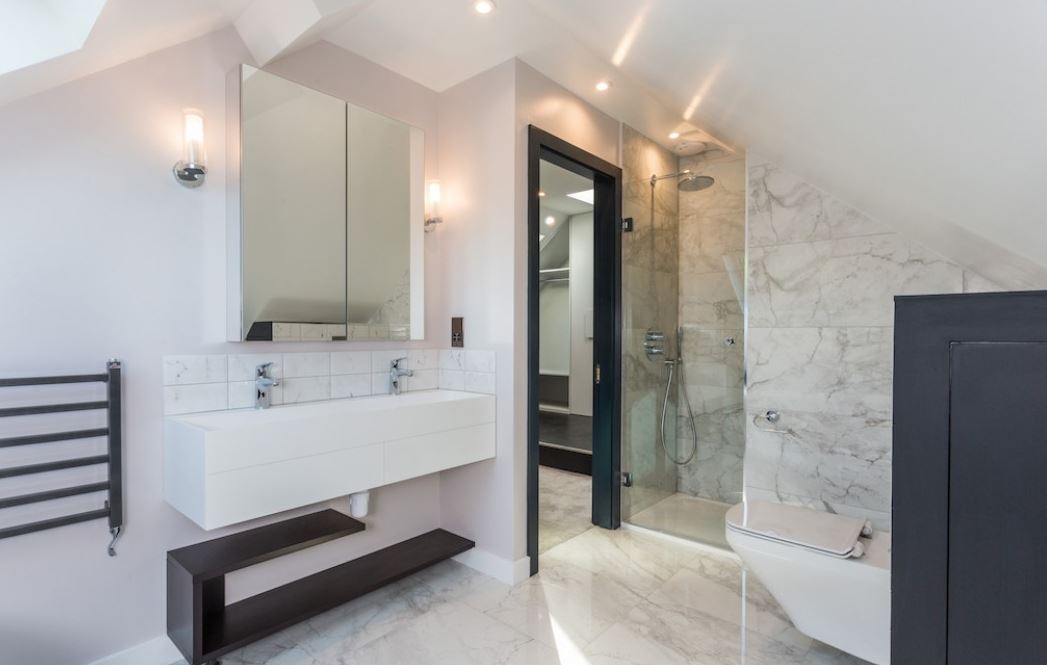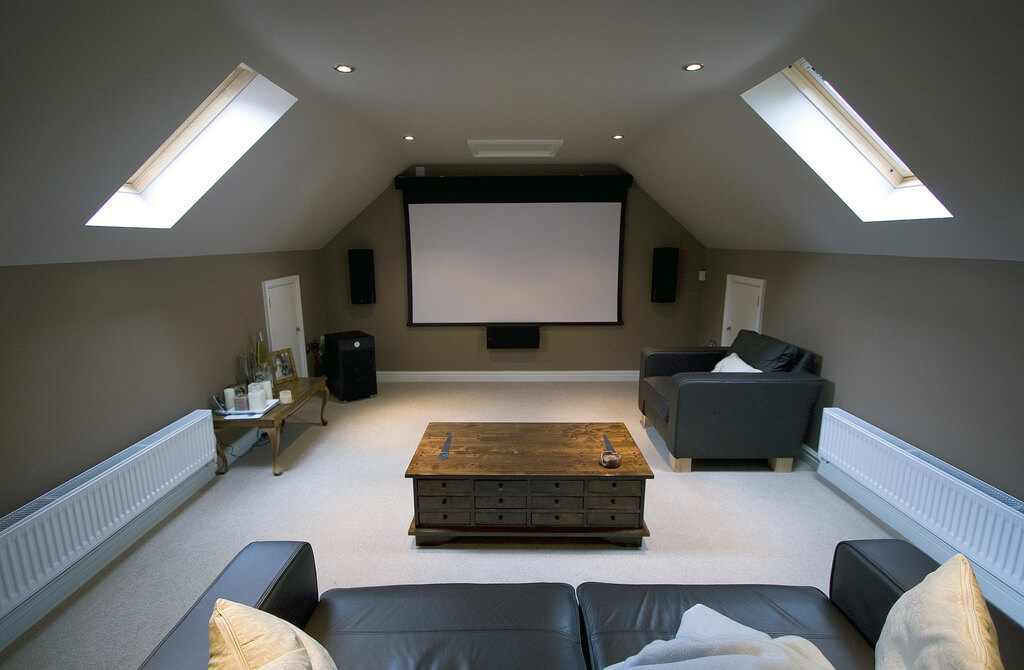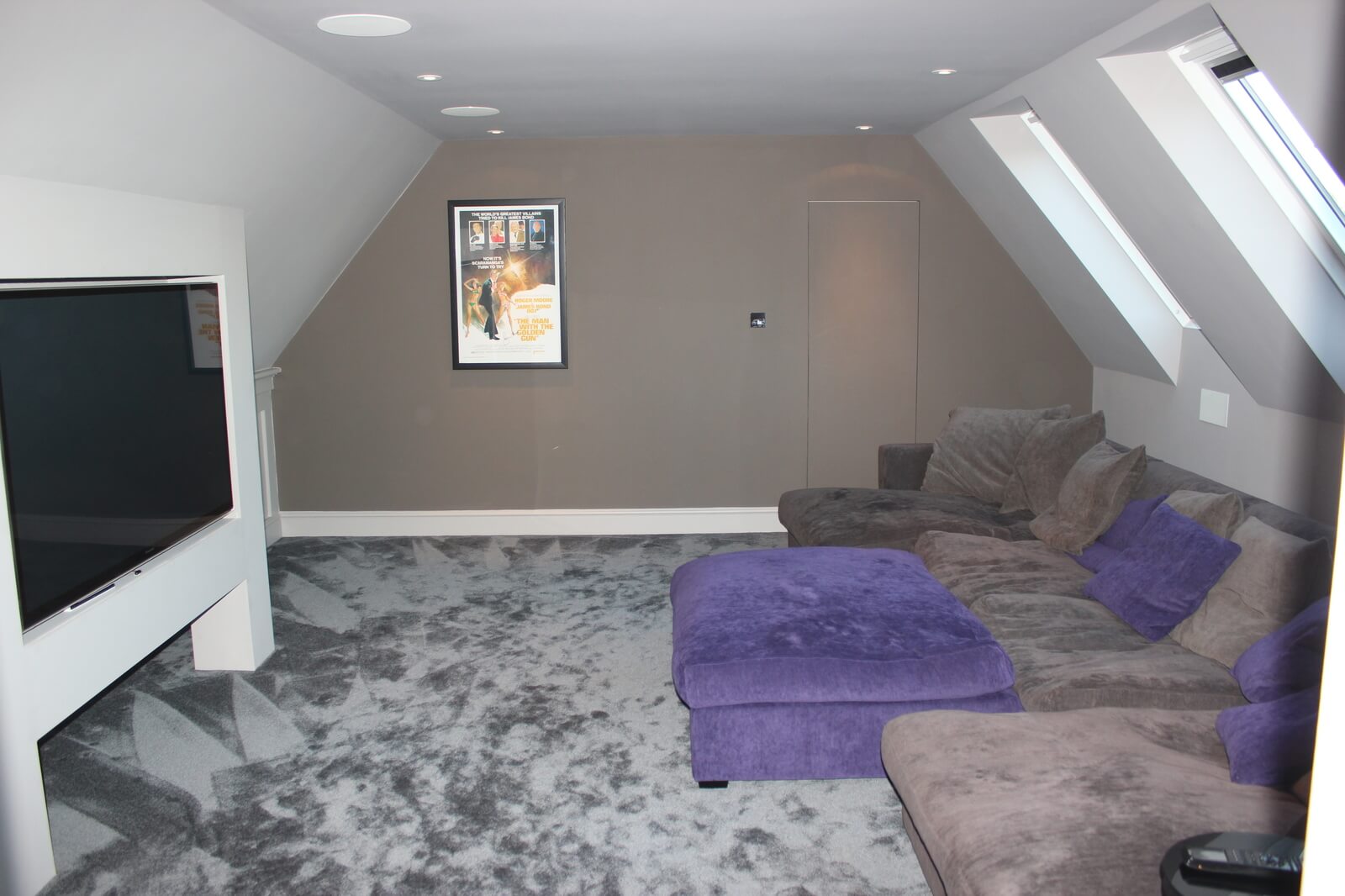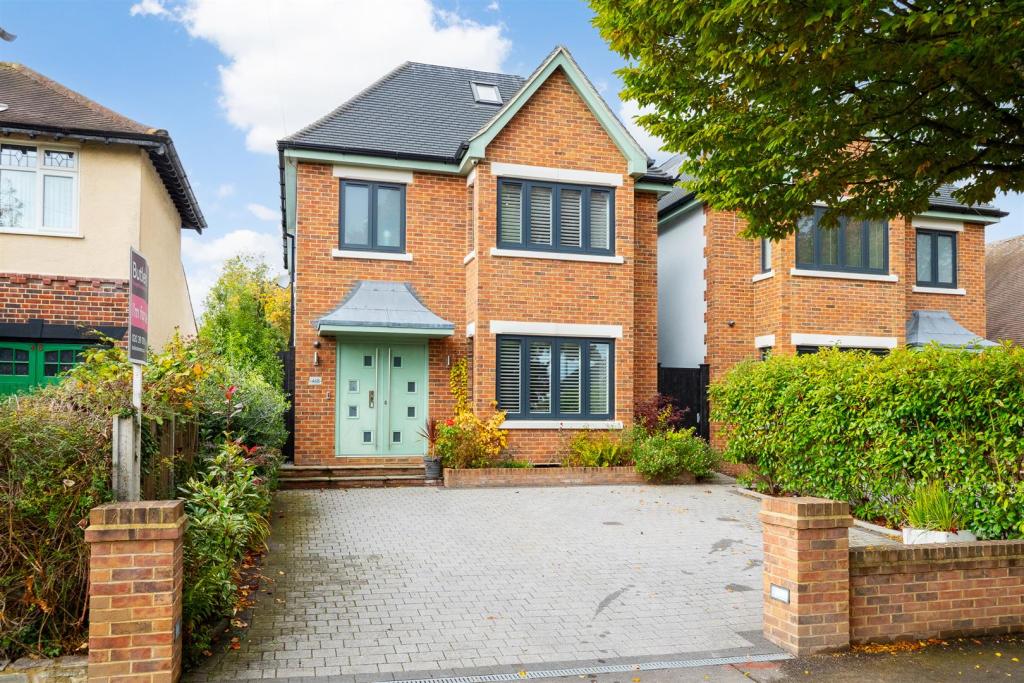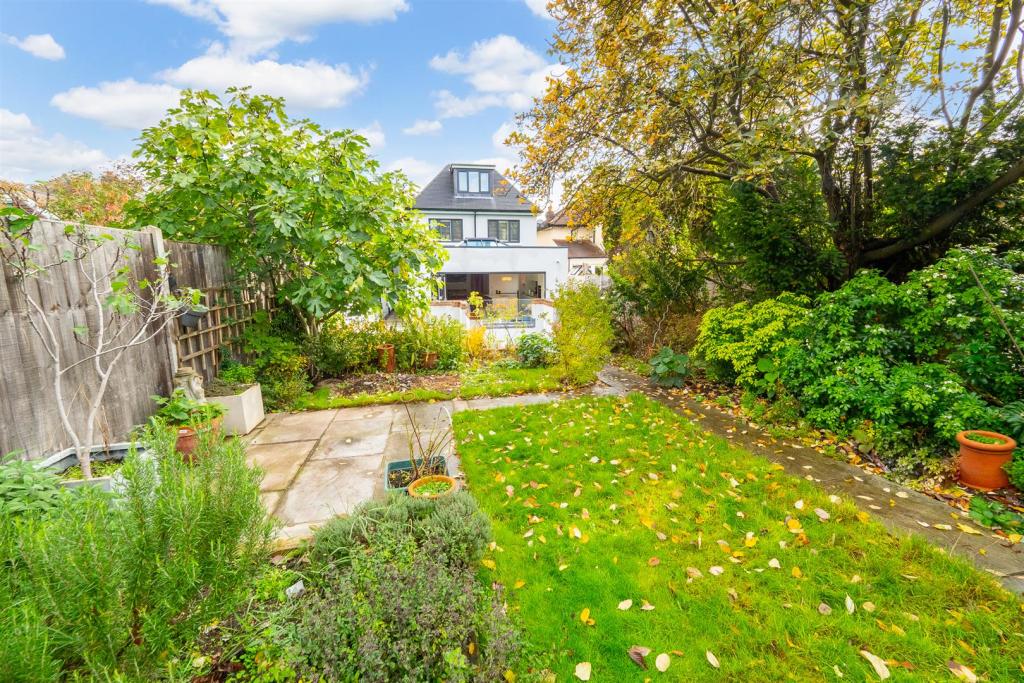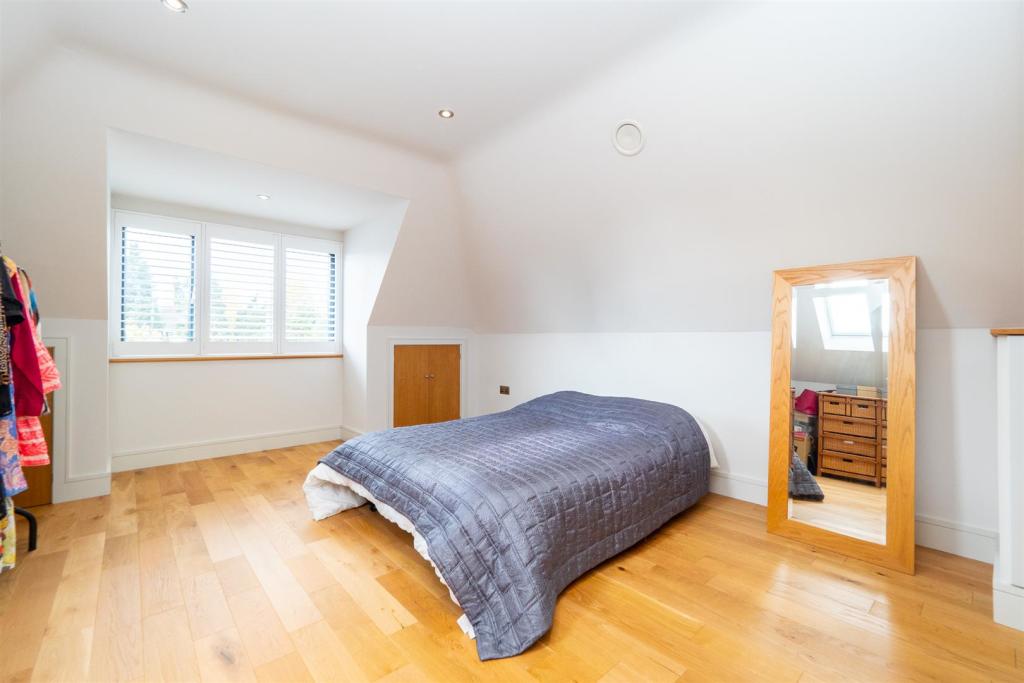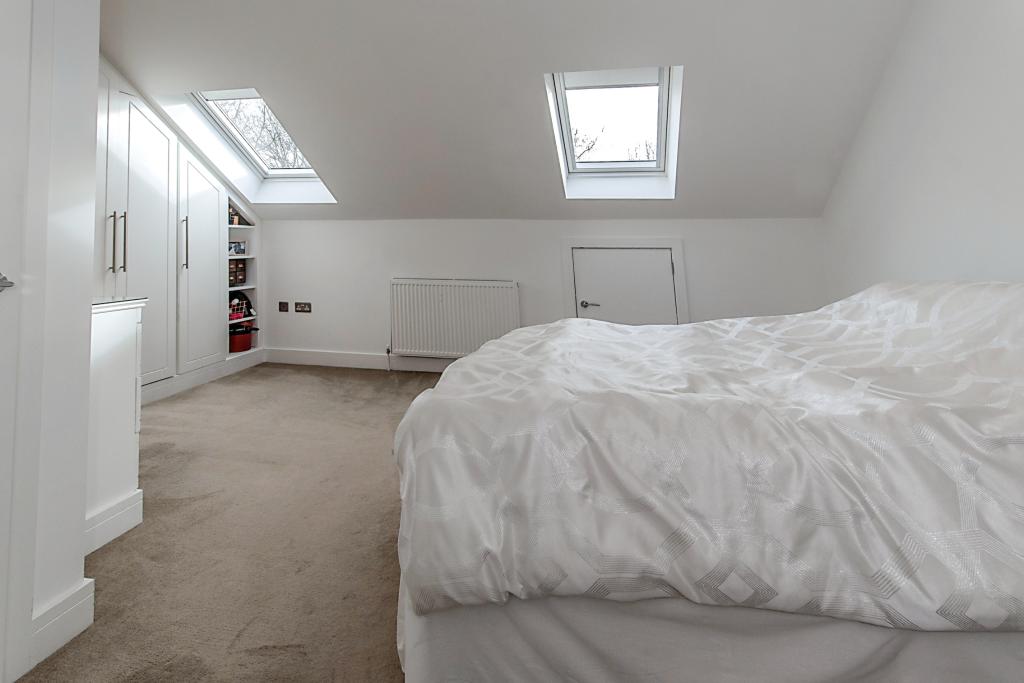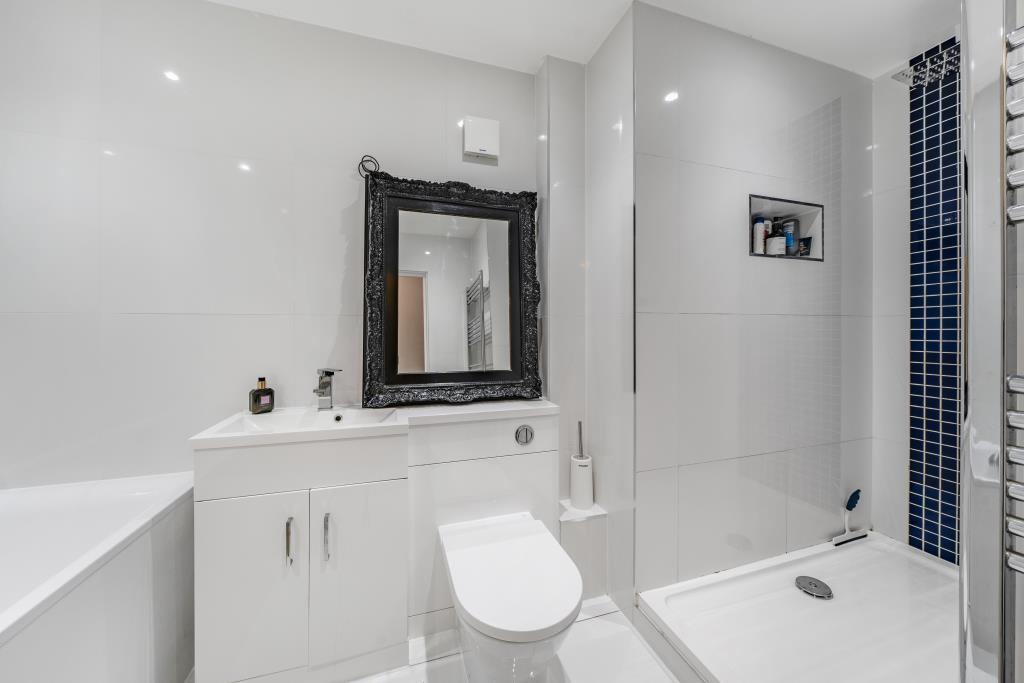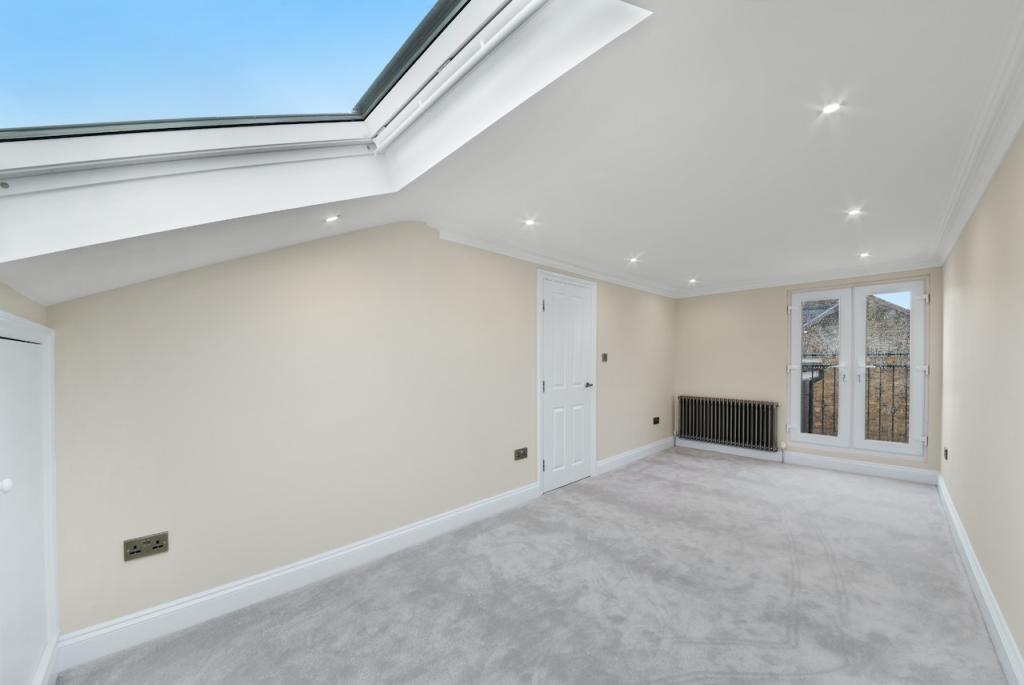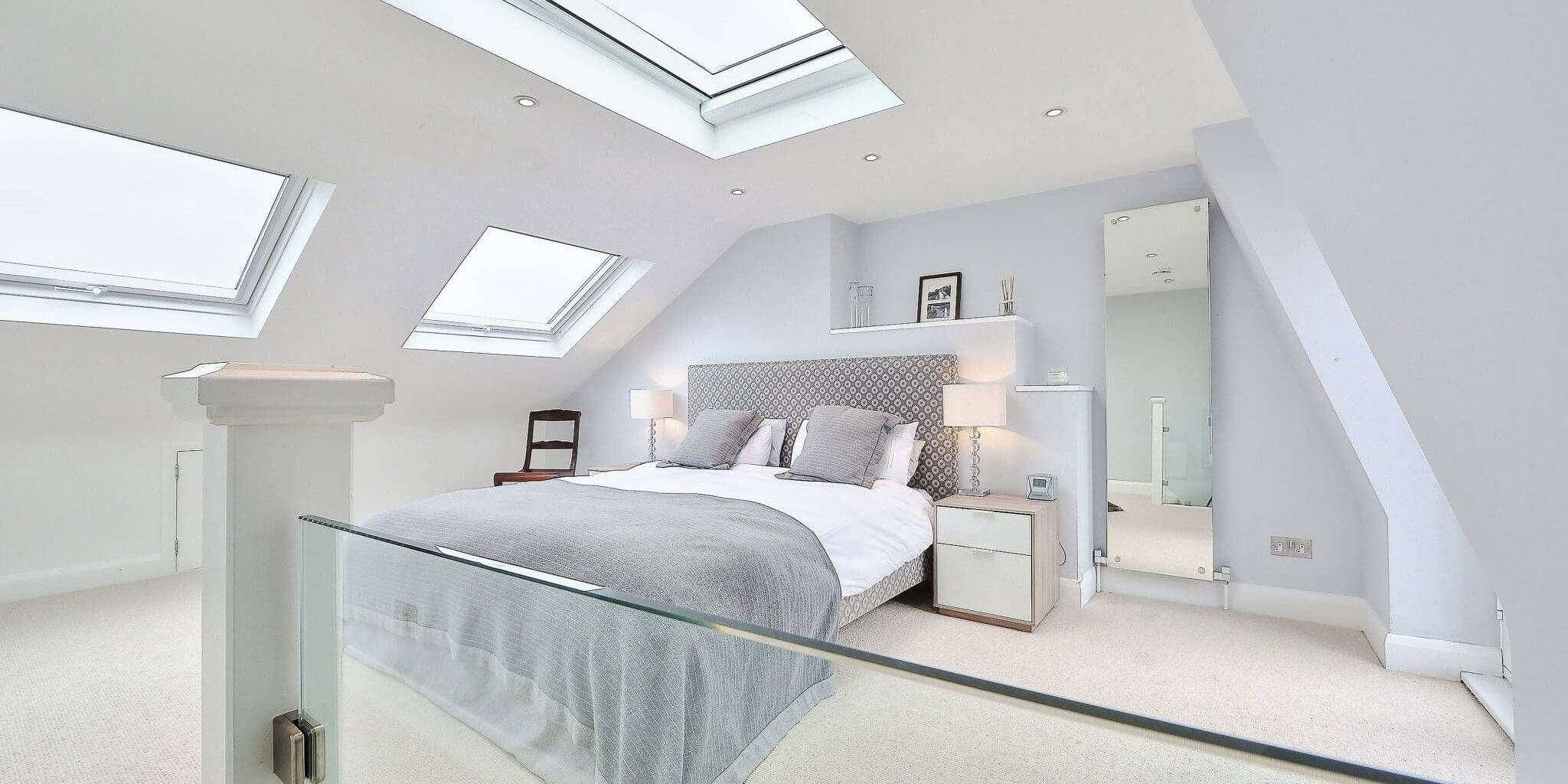
The types of Loft Conversions that we work in -
Sutton sits at the southern edge of Greater London in the SM1 and SM2 postcodes, and it has built a quiet reputation as one of the better family boroughs in this part of the city. Good schools, straightforward rail connections into Victoria and London Bridge, and a housing stock that ranges from Victorian terraces near the town centre to larger interwar semis further out. When families here run out of room, moving further into London is rarely the answer, and a dormer loft conversion is almost always the most practical way to create the space they need. It extends the rear roof slope outward, replacing the cramped sloping void with straight walls and a proper usable ceiling. The rear dormer sits behind the house, leaves the front elevation untouched, and delivers a room that earns its place every day. For Sutton homeowners who want to improve the property rather than leave it, this is consistently the most popular starting point. Best for: Sutton's terraced and semi-detached homes across SM1 and SM2, where an extra bedroom or dedicated workspace is the priority.
Many of Sutton's interwar and postwar semis were built with hipped roofs, and while they look entirely at home on the borough's residential streets, the hipped end creates a real problem once you go into the loft. It slopes inward from both sides and removes a meaningful chunk of usable width, leaving a space that looks more promising from below than it turns out to be once you are up there measuring. A hip-to-gable conversion rebuilds that sloping end into a straight vertical wall, widening the loft considerably and making a proper room layout genuinely achievable. For many Sutton homeowners, this single change transforms the project from borderline to clearly worth doing, particularly when paired with a rear dormer to maximise the overall floor area. Best for: Sutton semis and end-terrace homes where the hipped roof has been the main reason the loft has never quite worked.
Sutton has a strong stock of older properties, particularly Victorian terraces in the streets around the town centre, where the roof pitch is steep enough that the existing head height in the loft is already workable without any structural changes. A Velux conversion makes the most of this by fitting roof windows flush into the existing slope, reinforcing the floor, and upgrading insulation, all without altering the roofline from the outside. It is the most cost-effective route to a new habitable room and the one with the least planning complexity, which matters in a borough that takes the character of its residential streets seriously. For Sutton homeowners who want a clean, well-priced improvement with minimal disruption to daily life, a Velux conversion is often the right place to begin. Best for: SM1 and SM2 properties with a naturally steep roof pitch and adequate existing head height, and homeowners working within a tighter budget.
Rear kitchen extensions are a familiar feature across Sutton's residential streets, and if your home has one, the roof above it is more useful than it might first appear. An L-shaped dormer connects the main rear roof and the extension roof into a single, larger loft space, producing a floor plan that is considerably more generous than a standard dormer could achieve. That extra area changes what the conversion can realistically contain, shifting the conversation from one room with everything squeezed in to two distinct spaces that each have room to work properly. For Sutton families who want a bedroom alongside a home office that genuinely feels separate, or a master suite with a bathroom that has not been compromised by tight dimensions, the L-shaped configuration delivers. Best for: Extended Sutton homes where combining the main and extension rooflines would unlock a significantly more useful loft layout.
A mansard is the most complete loft conversion available, and for the right Sutton property, it eliminates all the compromises that come with other conversion types. The rear slope is rebuilt at a near-vertical angle with a flat section across the top, meaning the entire loft floor becomes usable from wall to wall. No corner tapers away, no part of the room is wasted to the pitch of the roof. It simply functions as a room, in the same way every other room in the house functions. Planning permission from the London Borough of Sutton will be required, and the build is more involved than a dormer, but for homeowners thinking about long-term value, the result is hard to argue with. Sutton's larger detached and semi-detached homes, particularly across SM1, SM2, and the more established residential streets of SM3, are well suited to a mansard when the ambition and budget are in place to match it. Best for: Larger Sutton properties where maximising usable floor space and achieving a lasting improvement in property value are the driving goals.
Sutton has a notable number of bungalows scattered across its quieter residential streets, particularly towards Cheam and the SM3 postcode, and these properties are consistently better loft conversion candidates than their owners initially expect. Because the roof covers the entire ground floor footprint, the new level above tends to be generously proportioned. The ground floor is completely undisturbed, the garden stays exactly as it was, and the home simply gains a whole new dimension above. For Sutton bungalow owners who are settled in the area and simply need the property to do more for a growing or changing household, this is the improvement that makes the most sense without giving up anything they already value about their home. Best for: Single-storey Sutton homes across SM2 and SM3 where the owners want more space without moving and without losing their outdoor space.
Do you have a question about Loft Conversions? We're here to help. Contact our team at Loft Converter London
The minimum height required for a Loft Conversion is 2.2m (from the floor to the highest point in your loft). If you do not have the required height, your ceilings can be lowered on your first floor.
This depends on the size and type of Loft, most loft conversions take around 10-12 weeks. We can give you a more accurate estimation when we see your property.
Loft Conversion cost is determined by the size and type of the project, the features you would like, etc. Our architect will help you achieve the best use of your space within your budget. Most Lofts cost between £30,000 and £70,000.
No - it's safe to carry on living in your house. Our team starts from the scaffolding before the stairs go in. We always try to limit the disruption during the construction process.
Loft Conversions usually fall under the permitted development category therefore planning permission is not normally required. There are some exceptions like conservation areas, flats, or listed buildings. Our in-house surveyors can advise further on planning permission..
A party wall agreement is also known as PWA is required if you own semi-detached or terraced property. In simple words, if you are working within or near your neighbor’s boundary then you will need a party wall agreement in place. Click here for more info.
Yes - it will add from 15% to 25% upwards depending on the size, design, and type of Loft. Read more about adding value here.
Yes, all Loft conversions require building regulation approval from the local authority. These regulations are important to ensure the safety measures are in place and they set a protocol of construction and design to follow.
Absolutely yes, we will work with you to achieve your dream new living space.