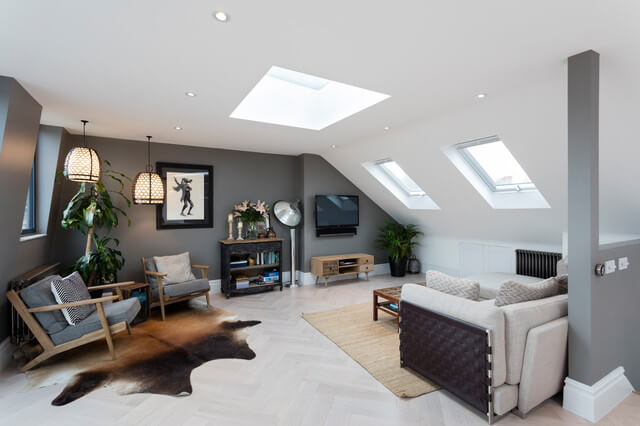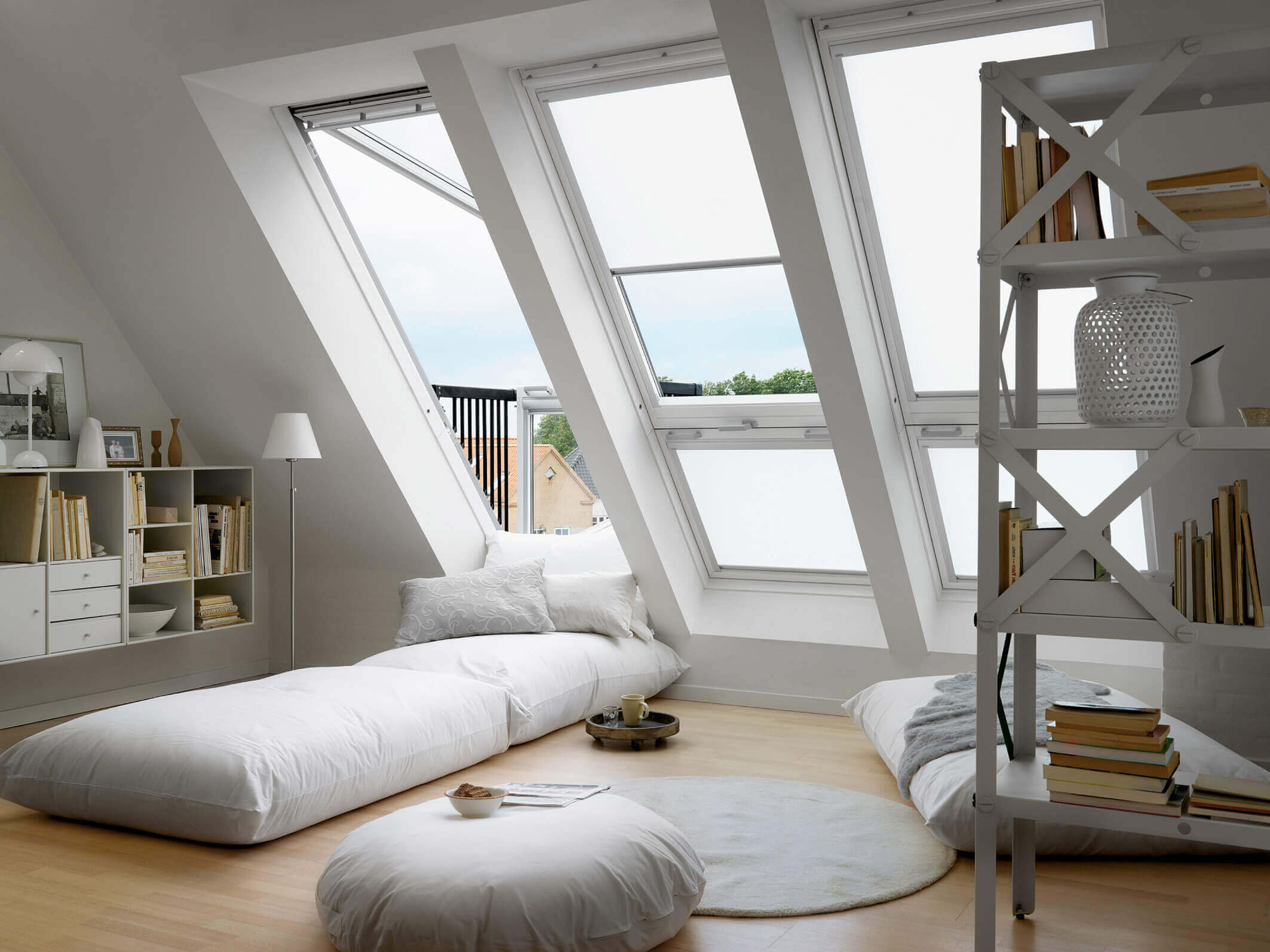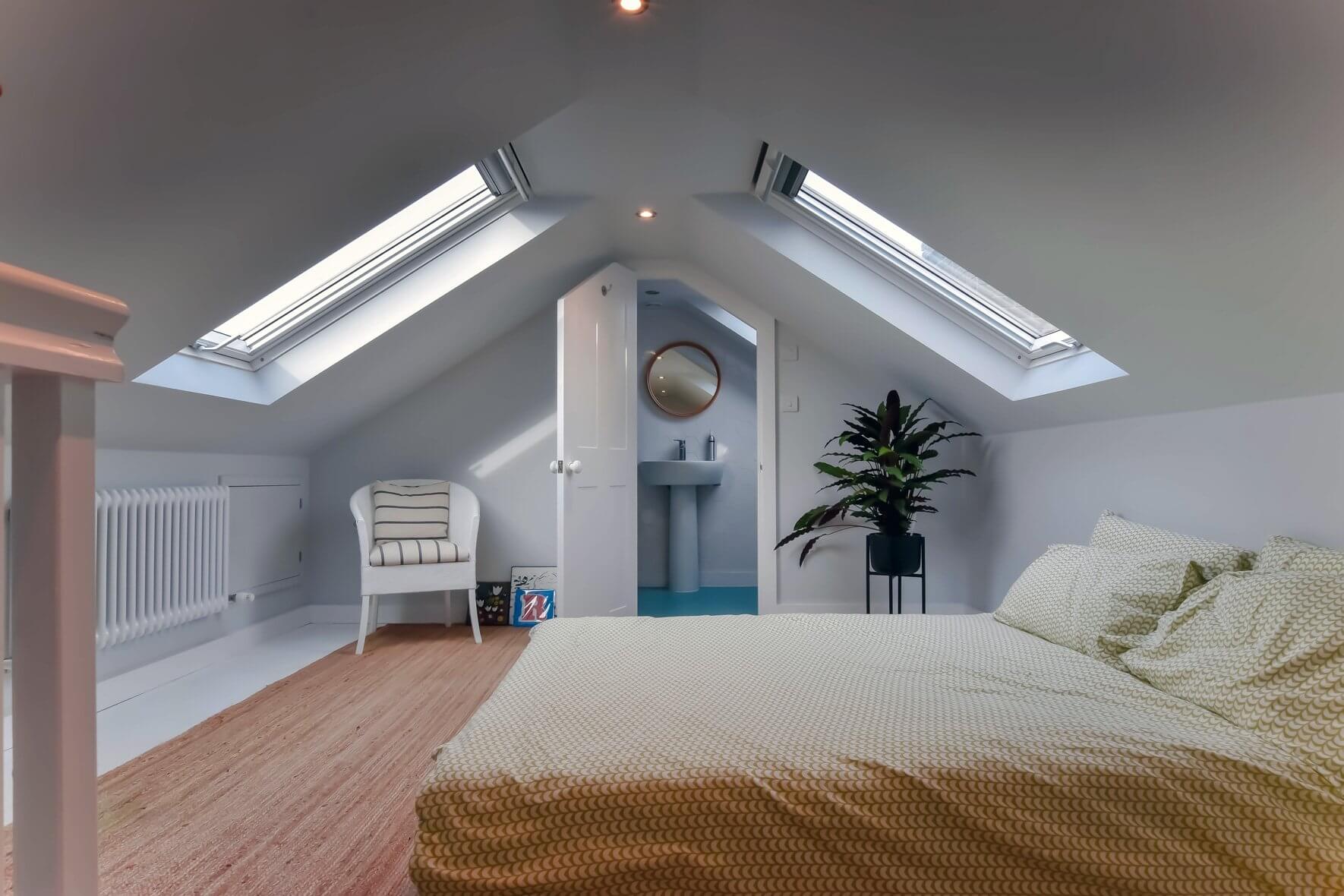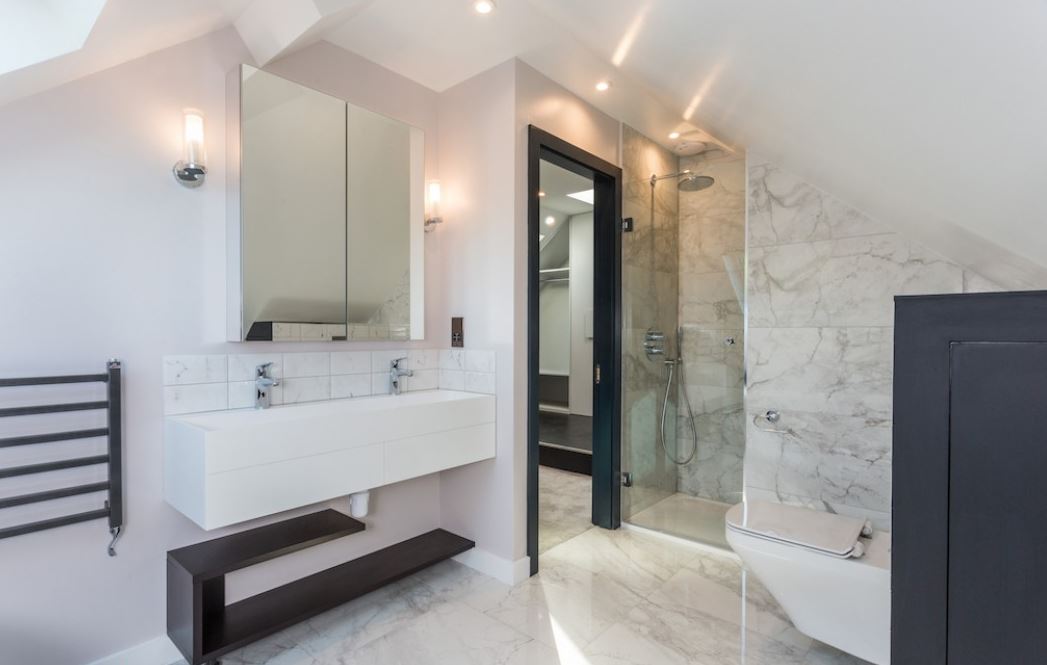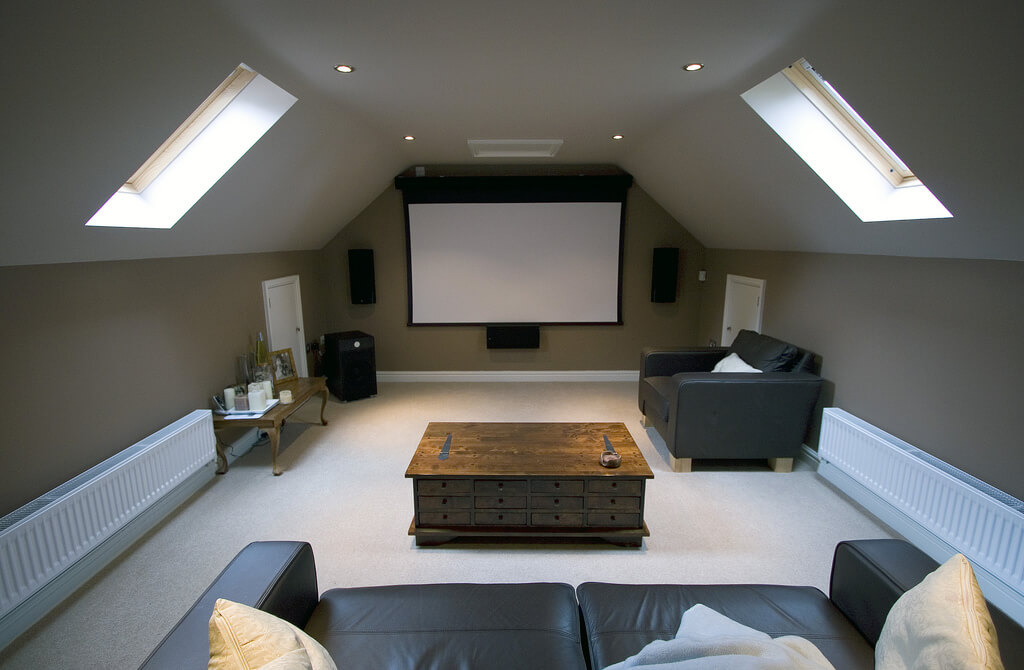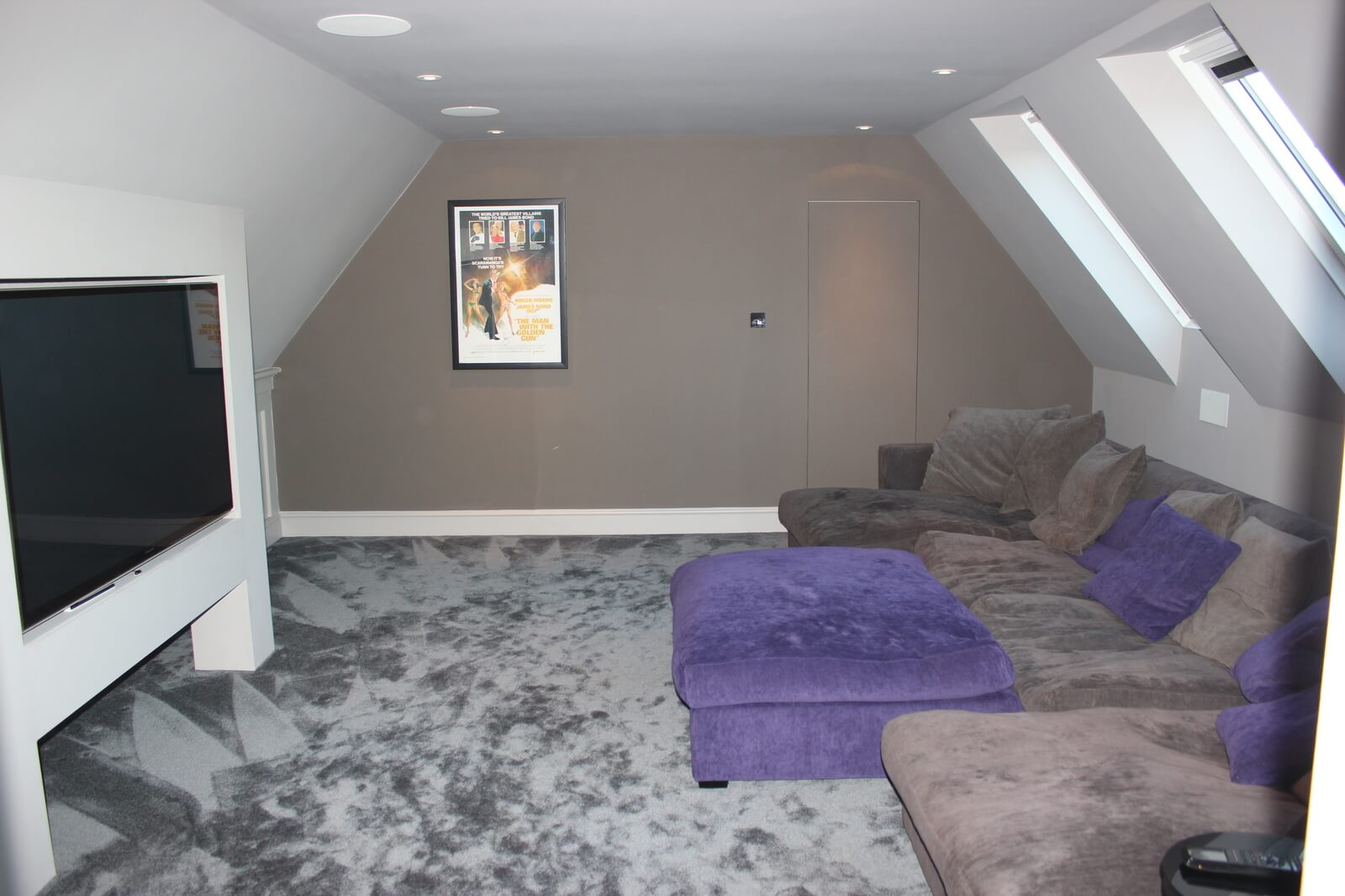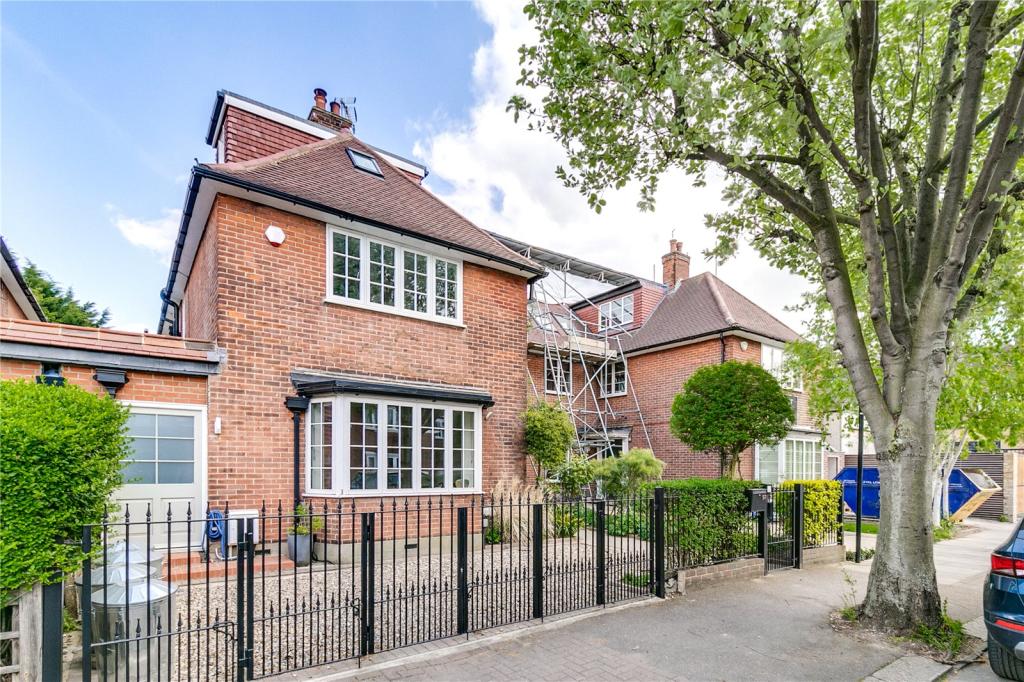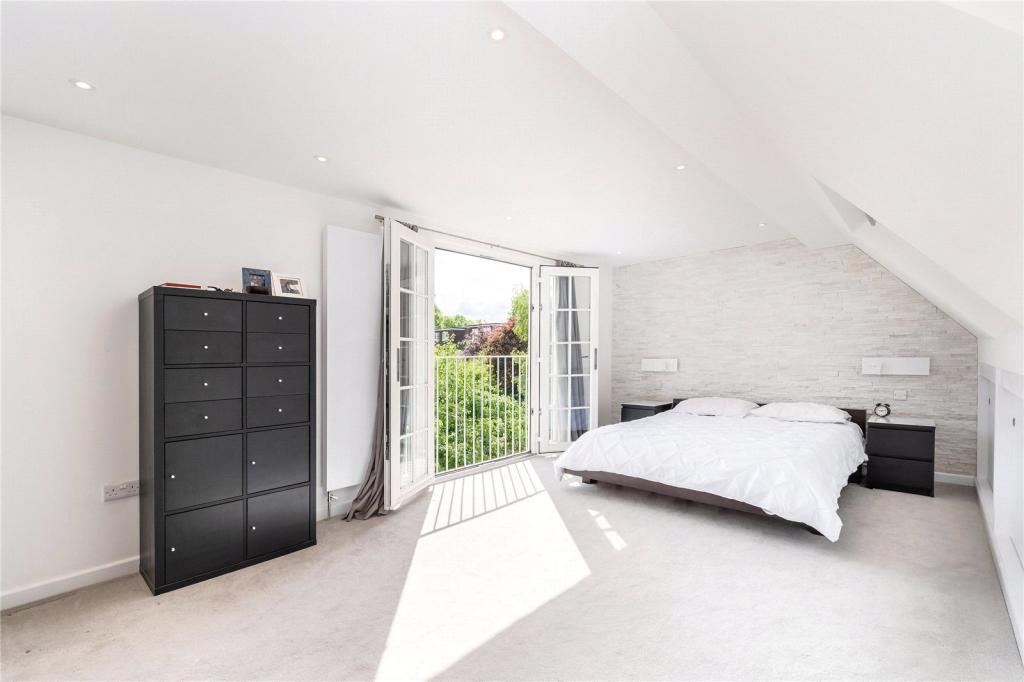
The types of Loft Conversions that we work in -
Wandsworth has quietly become one of South London's most sought after places to own a home. The combination of good schools, green spaces, river access and strong transport connections means that once people settle here they rarely find a compelling reason to leave. When a growing household starts to outgrow its space the question is almost never about moving out of Wandsworth. It is about making more of the home that is already here. A dormer loft conversion answers that question with something tangible. A rear roof extension that raises the ceiling, widens the floor plate and delivers a room that serves the household every day rather than sitting empty and unused.Wandsworth's residential streets carry a strong mix of Victorian and Edwardian terraces alongside Edwardian semis and the roof structures on these properties lend themselves well to dormer work. A well-built dormer on a Wandsworth terrace does not announce itself. It settles into the roofline and reads as part of the original fabric of the building.Best for: Victorian and Edwardian terraces and semis in Wandsworth, households that need a properly sized extra bedroom or a dedicated home workspace, and lofts where the existing ceiling height has always fallen just short of being genuinely useful.
The geometry of a hipped roof creates a predictable problem inside the loft. Where a standard gable roof ends in a vertical wall a hipped roof folds the sides inward and downward toward the ridge. The consequence at loft level is a progressive narrowing of usable floor area from both sides of the space. On a typical Wandsworth semi-detached or end-of-terrace property that narrowing can remove a significant proportion of the floor plate before any conversion work has even been considered. A hip to gable conversion dismantles the inward slope and erects a vertical gable wall in its place. The floor plate is restored to its full potential width and the loft becomes a genuinely practical space to design within. A rear dormer added to this configuration produces a layout with the proportions to hold a bedroom and a bathroom comfortably with adequate space between them for the conversion to feel like a room rather than a puzzle. Best for: Semi-detached and end-of-terrace properties in Wandsworth where the hipped roof geometry has been eroding the internal width of the loft and constraining what any conversion could realistically produce.
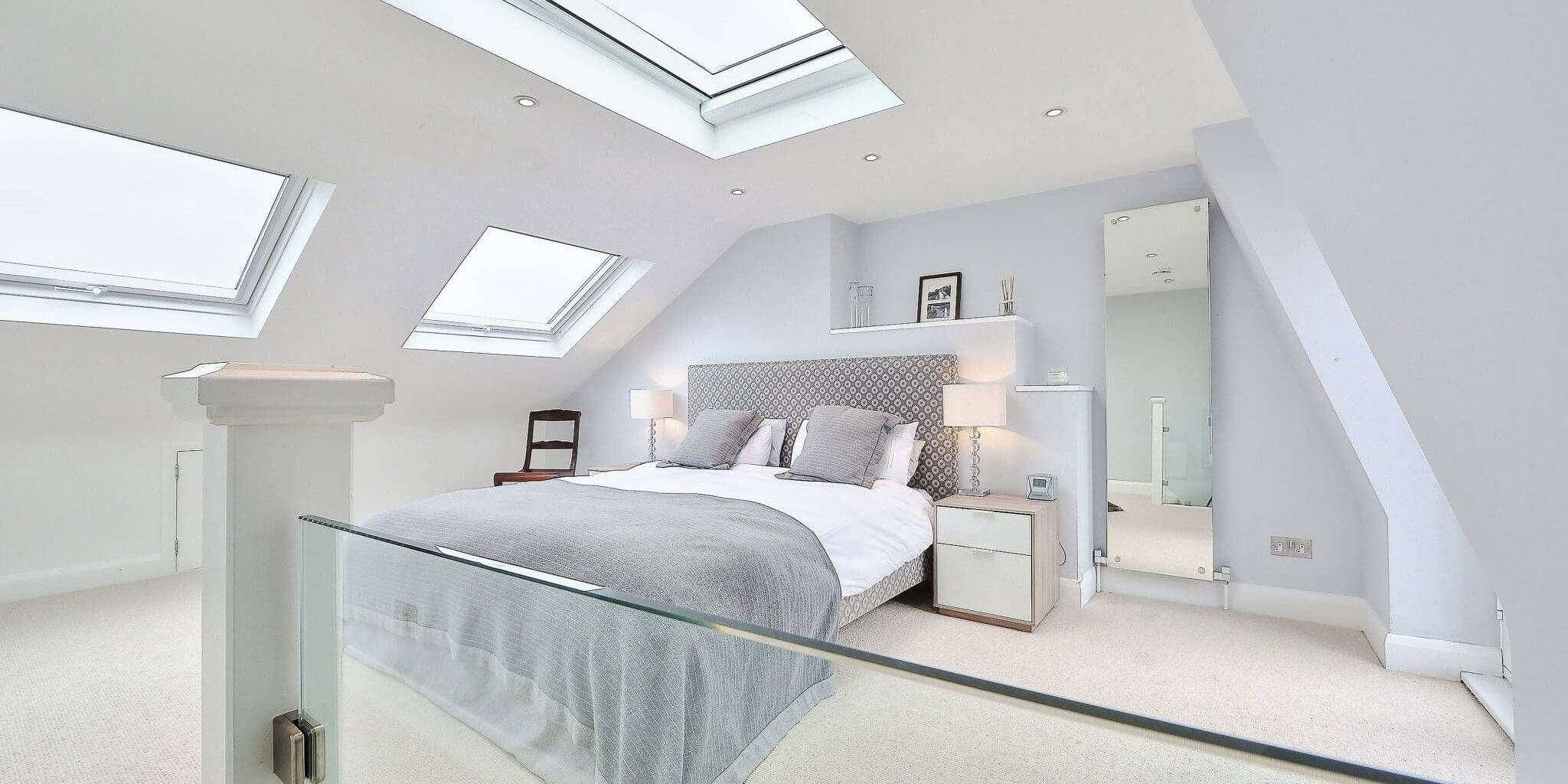
There is a version of a loft conversion that does not ask the building to change its shape and in the right circumstances that version is the correct one. A Velux conversion works entirely within the existing roof envelope. Apertures are cut and roof windows are installed with precision into the existing covering. The floor structure is upgraded to carry a habitable load. Insulation is taken to the required thermal performance. Building regulation compliance is achieved and the space is handed over as a finished room. The roofline from the street looks exactly as it did before work started. In Wandsworth where planning policy can be attentive and where the character of residential streets is actively protected this matters. There is no planning application to navigate because there is nothing external to approve. For homes where the loft carries a workable head height the Velux route delivers a usable, well-lit room through a contained and relatively swift build process. Best for: Wandsworth homes with sufficient existing loft height, properties in areas where external alterations attract planning scrutiny, and homeowners who want a finished room delivered efficiently without altering the appearance of the building.
The presence of a rear extension on a Wandsworth property changes the loft conversion conversation considerably. It introduces the possibility of an L-shaped dormer and with it a spatial outcome that outperforms a conventional single dormer by a meaningful margin. The principle is straightforward. One dormer is constructed along the primary rear roof slope and a second is built above the roof of the rear extension. The two structures are joined at their shared corner to form a continuous L-shaped platform and the combined floor area they produce across the loft is substantially greater than either dormer would deliver independently. What that floor area enables is where the real value lies. Two properly proportioned bedrooms and a bathroom become achievable without the layout feeling like it has been assembled under pressure. A principal bedroom suite with an en suite bathroom and fitted storage sits just as comfortably within the same footprint. The L-shaped loft in a Wandsworth terrace or semi tends to feel like a floor of the house that happened to be waiting rather than a space that was engineered out of the roof. Best for: Wandsworth properties with an existing rear extension, households that require the loft to deliver two or more rooms, and homeowners who want the converted space to feel genuinely roomy rather than efficiently arranged.
Every other conversion type on this list works within or around the existing roof structure. A mansard conversion does not. The rear slope is taken down entirely and rebuilt from scratch at a near vertical pitch with a flat roof forming the upper boundary of the new structure. The interior volume that results is categorically different from what any other conversion type can produce. Ceiling height runs consistently throughout the space. There are no raking soffits, no points at which the room suddenly becomes unusable and no sense that the space has been extracted from the building rather than designed into it. It functions as a full floor of the house because structurally that is precisely what it is. Wandsworth property commands serious value and the financial logic of a mansard conversion here is not difficult to follow for the right homeowner. Planning permission is a requirement without exception and the build programme is longer and more involved than any other option. Both of those realities are simply the conditions of the project. For a homeowner who enters the process with clear expectations and a genuine commitment to the outcome a mansard conversion in Wandsworth delivers something that no other loft conversion can. Best for: Larger Wandsworth properties, homeowners for whom consistent ceiling height and maximum floor area are requirements rather than preferences, and projects where the roof conversion is being undertaken as a defining and permanent upgrade to a high-value South London home.
Wandsworth's bungalows occupy a distinct niche within the borough's housing mix. Against a backdrop of terraced streets and purpose-built apartment blocks a single storey home reads differently and the space concealed within its roof tends to be treated as an afterthought rather than an asset. That is a significant oversight. A bungalow roof covers the complete ground floor footprint of the building and the loft volume above it is correspondingly wide and open. In most cases it is entirely unused. In most cases it is also entirely convertible. Bringing that space into use adds a complete upper tier to the property. Bedrooms arrive where there were none. A bathroom takes its place upstairs. The ground floor layout is not disturbed in any way to accommodate what has been created above it. The home does not feel extended or adapted. It feels completed. For Wandsworth bungalow owners who have been sitting on that possibility without yet acting on it the case for a loft conversion tends to become very straightforward once the space is properly assessed. Best for: Single-storey homes in Wandsworth where the roof covers a generous footprint and the loft volume above it remains wholly unconverted, and homeowners who want to add a fully realised upper floor to a property that has the structure and the scale to carry it properly.
Do you have a question about Loft Conversions? We're here to help. Contact our team at Loft Converter London
The minimum height required for a Loft Conversion is 2.2m (from the floor to the highest point in your loft). If you do not have the required height, your ceilings can be lowered on your first floor.
This depends on the size and type of Loft, most loft conversions take around 10-12 weeks. We can give you a more accurate estimation when we see your property.
Loft Conversion cost is determined by the size and type of the project, the features you would like, etc. Our architect will help you achieve the best use of your space within your budget. Most Lofts cost between £30,000 and £70,000.
No - it's safe to carry on living in your house. Our team starts from the scaffolding before the stairs go in. We always try to limit the disruption during the construction process.
Loft Conversions usually fall under the permitted development category therefore planning permission is not normally required. There are some exceptions like conservation areas, flats, or listed buildings. Our in-house surveyors can advise further on planning permission..
A party wall agreement is also known as PWA is required if you own semi-detached or terraced property. In simple words, if you are working within or near your neighbor’s boundary then you will need a party wall agreement in place. Click here for more info.
Yes - it will add from 15% to 25% upwards depending on the size, design, and type of Loft. Read more about adding value here.
Yes, all Loft conversions require building regulation approval from the local authority. These regulations are important to ensure the safety measures are in place and they set a protocol of construction and design to follow.
Absolutely yes, we will work with you to achieve your dream new living space.