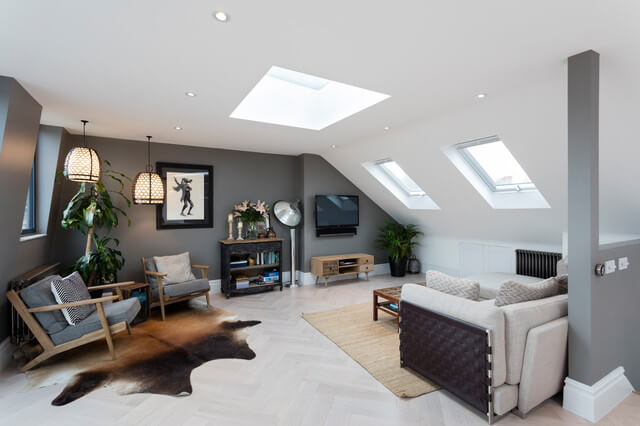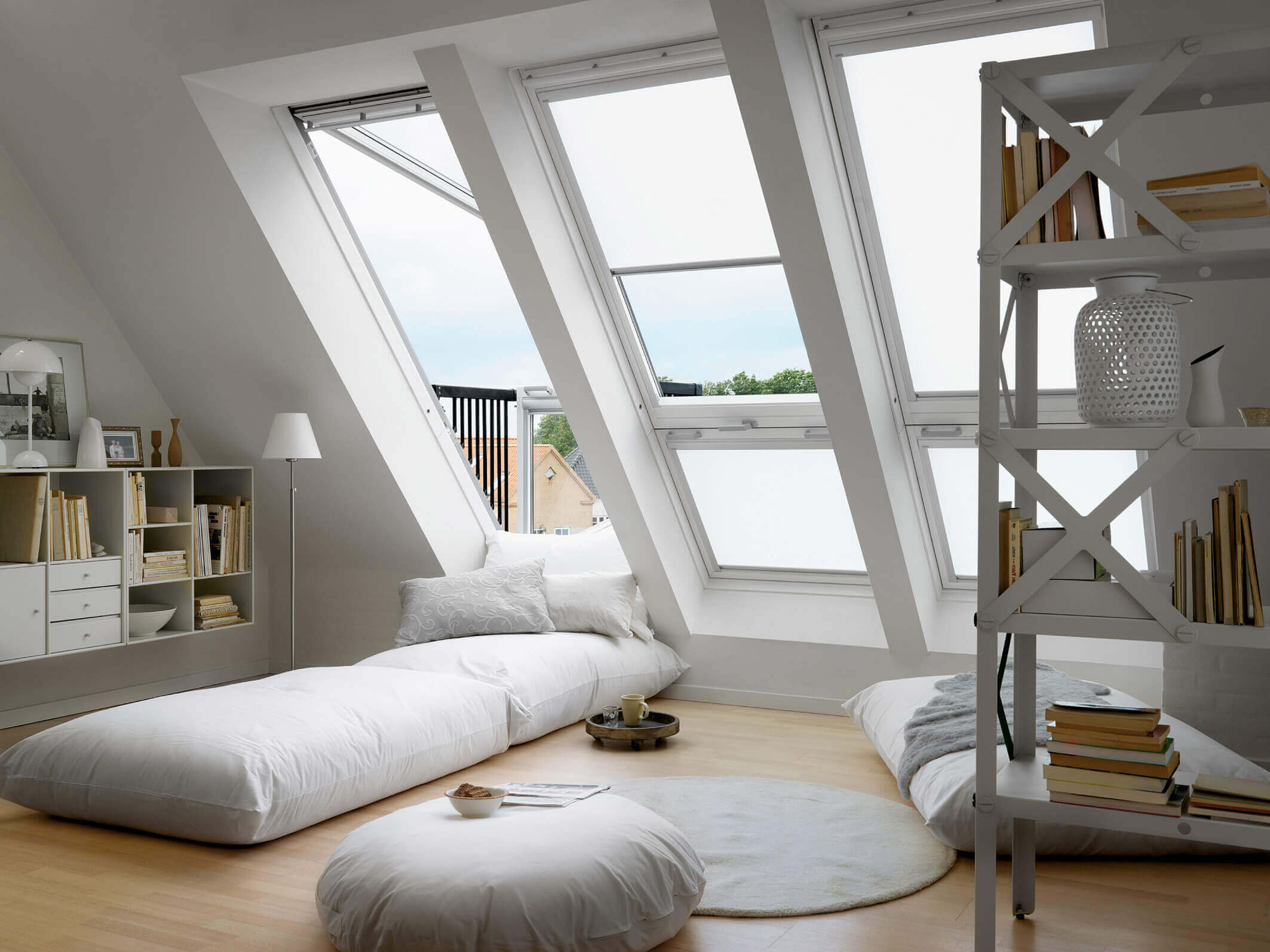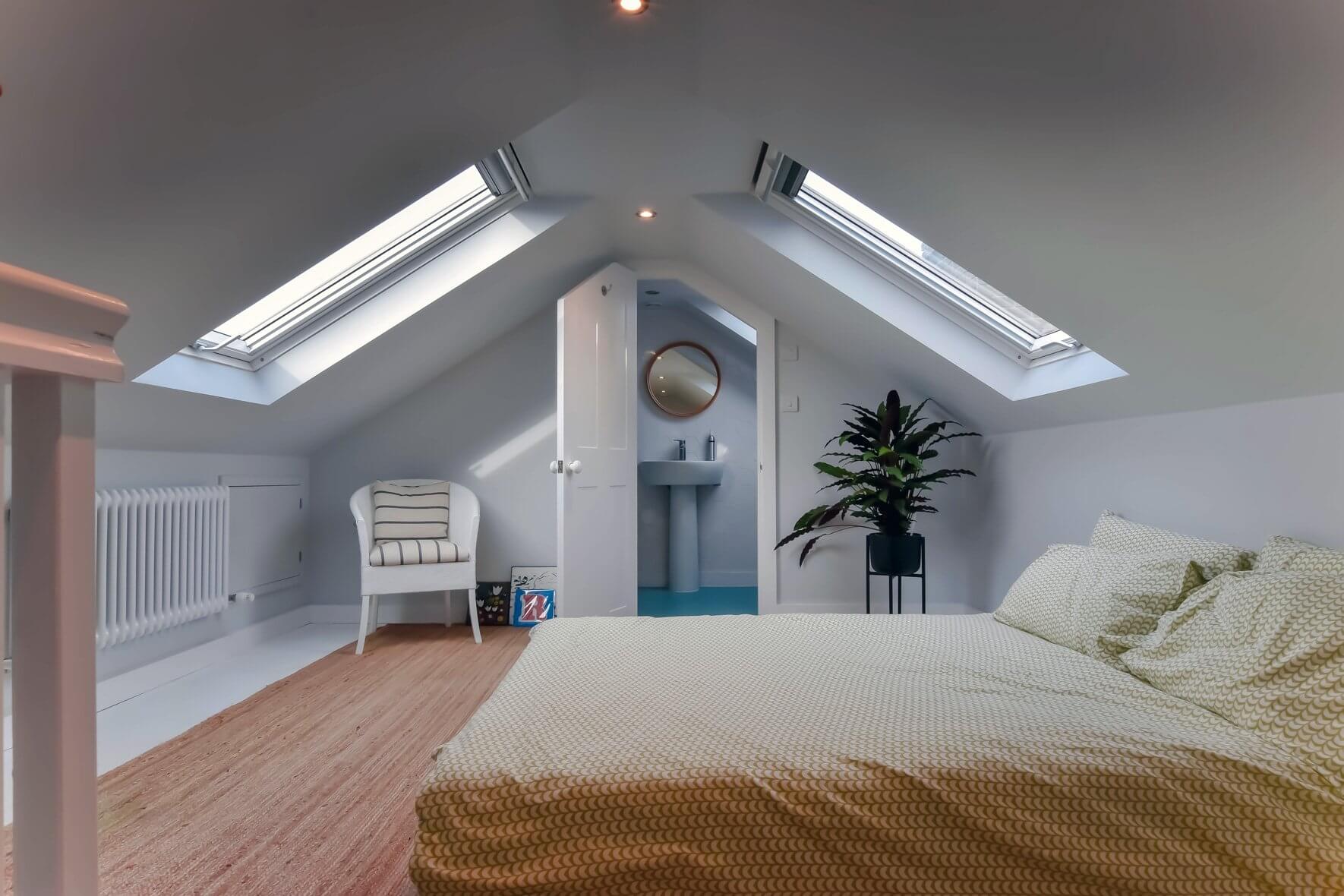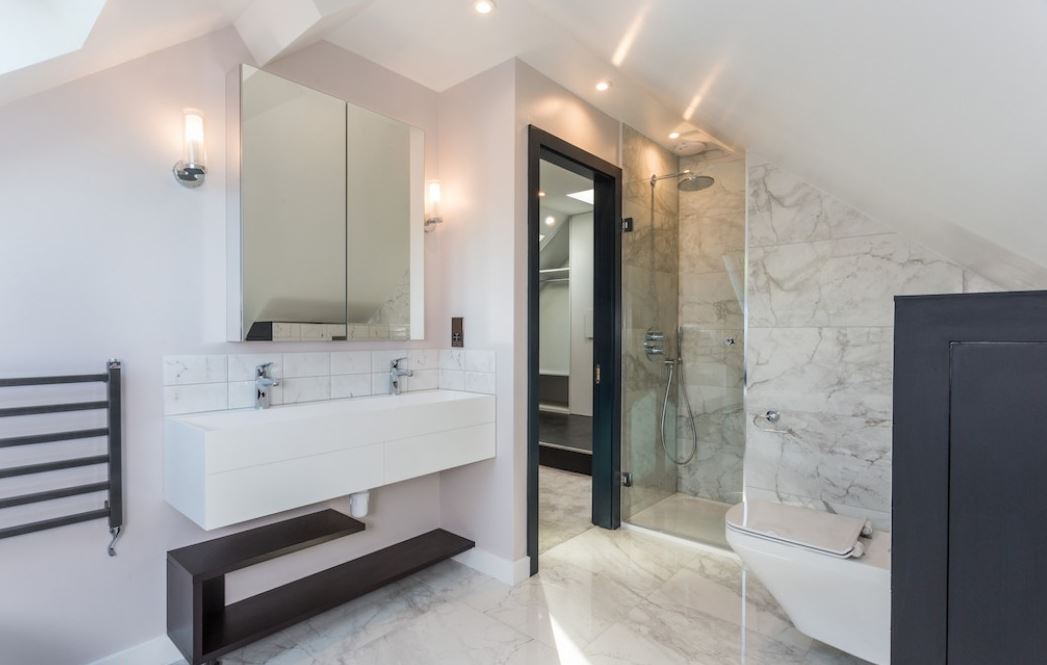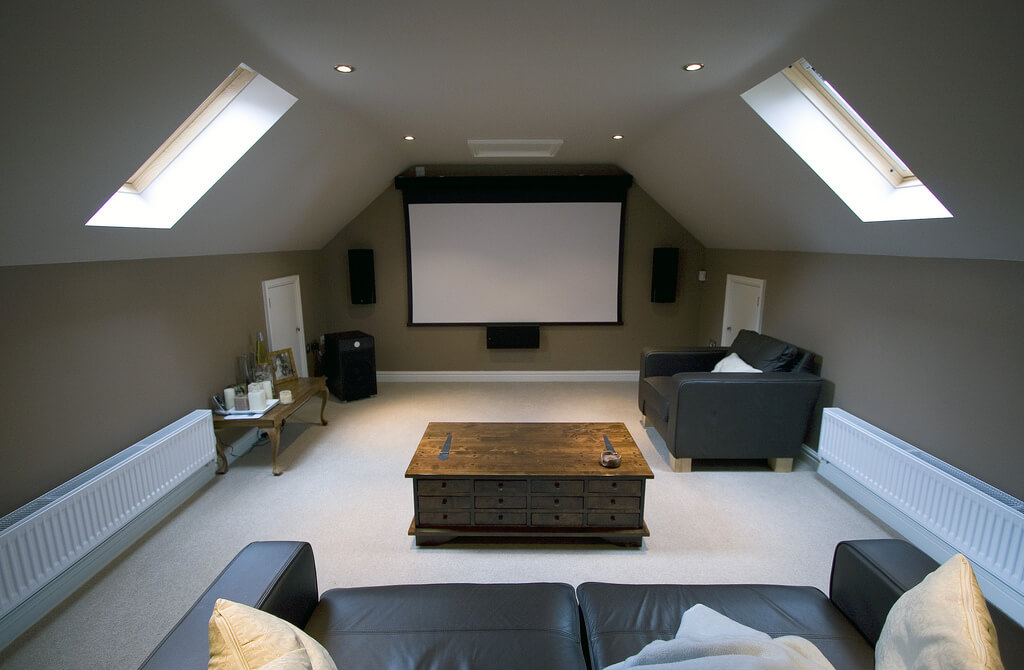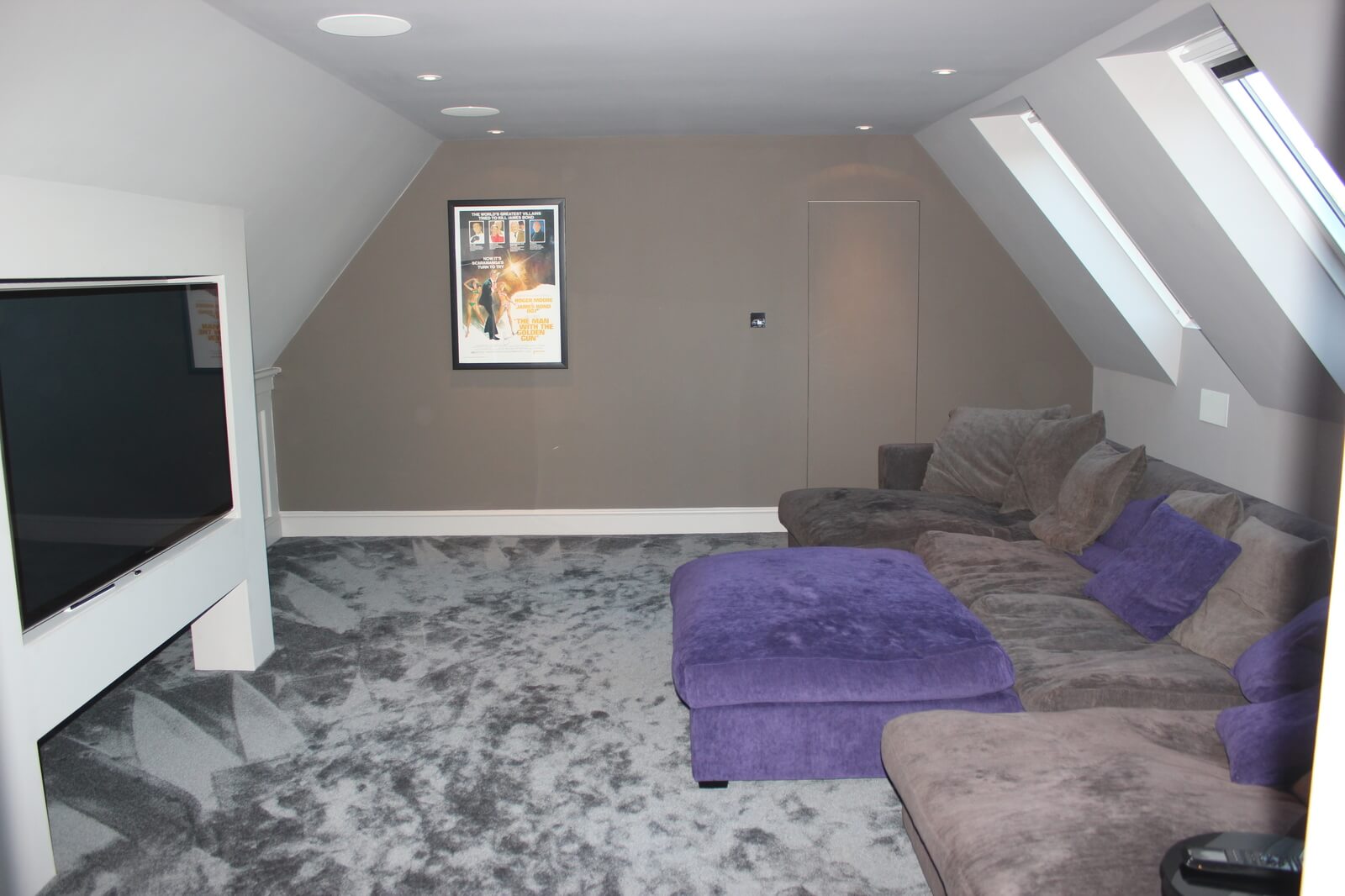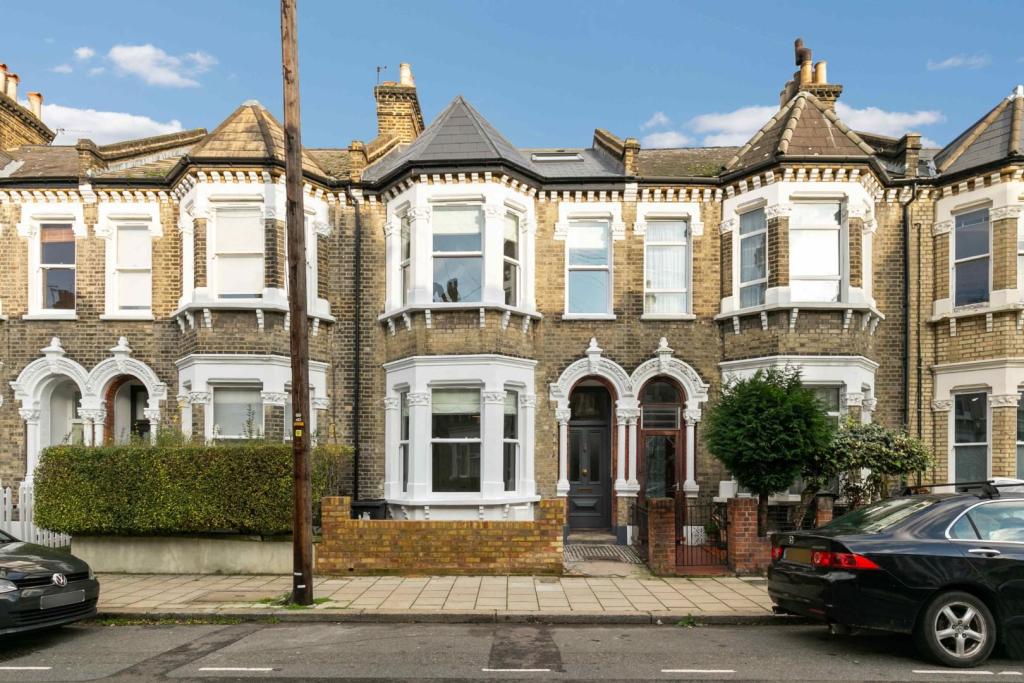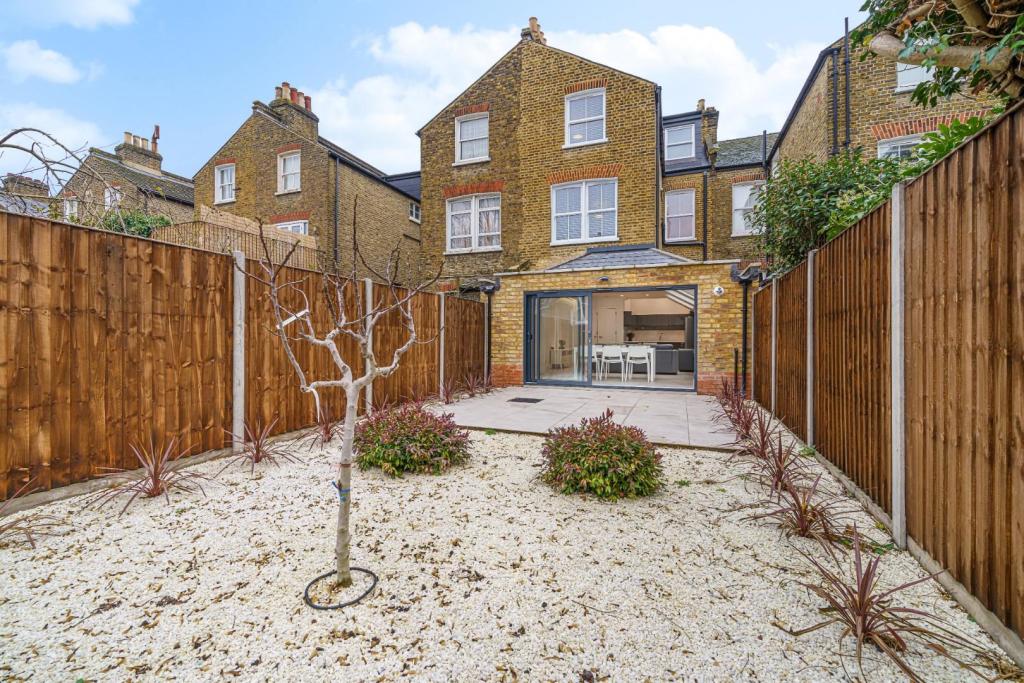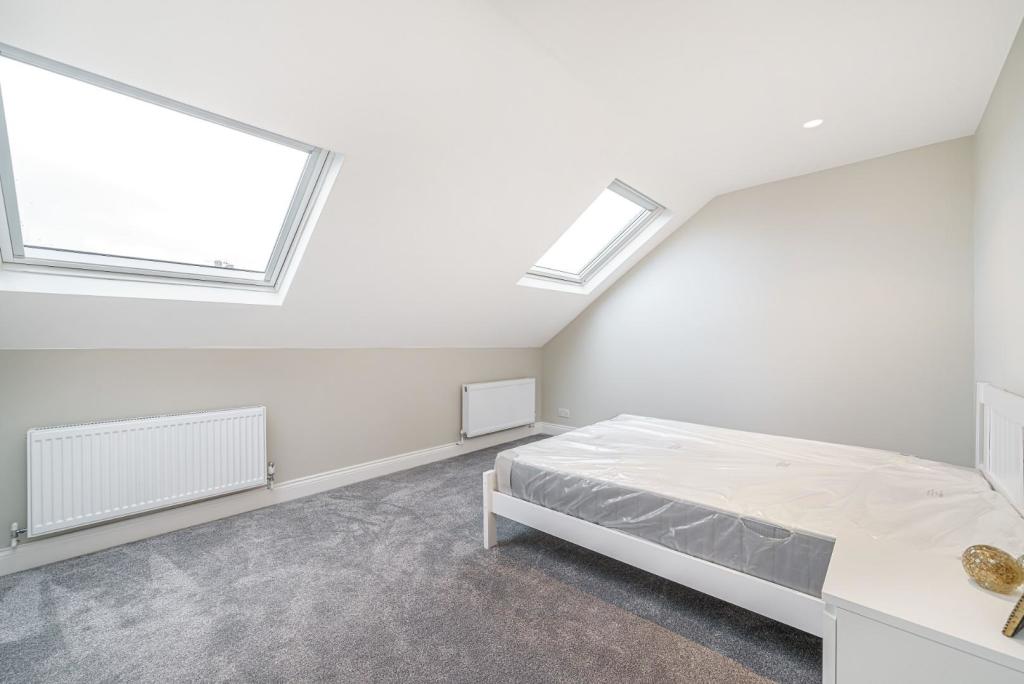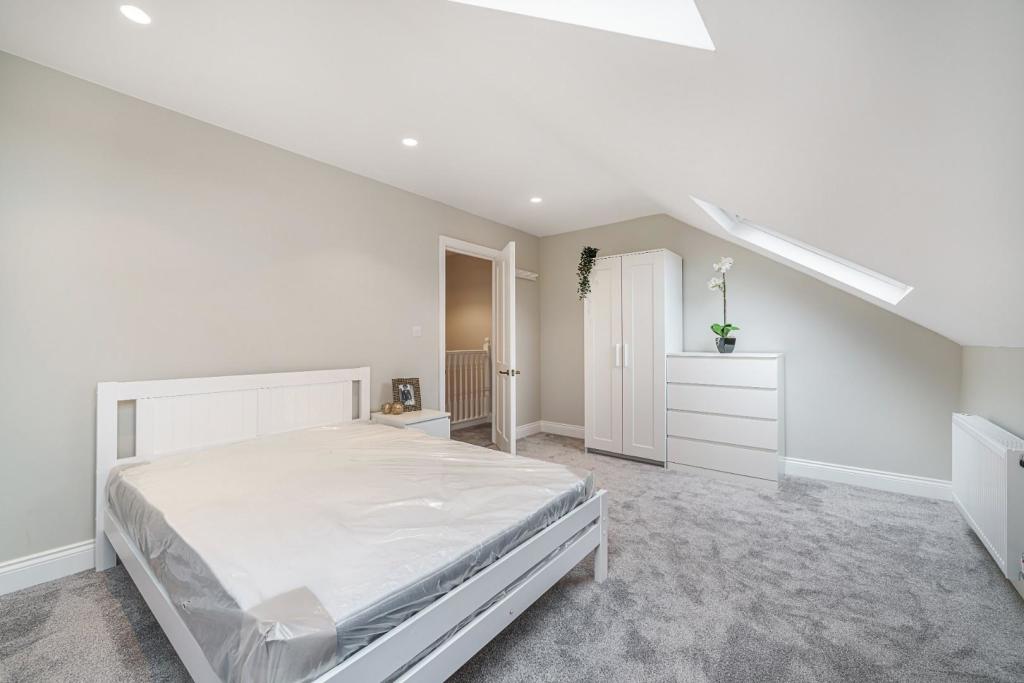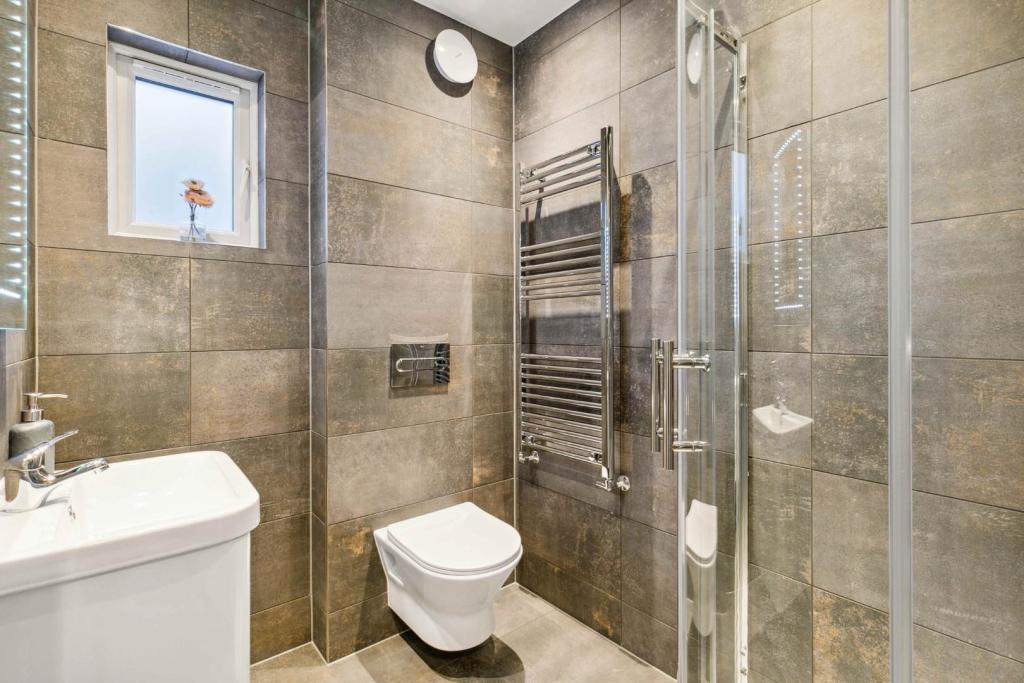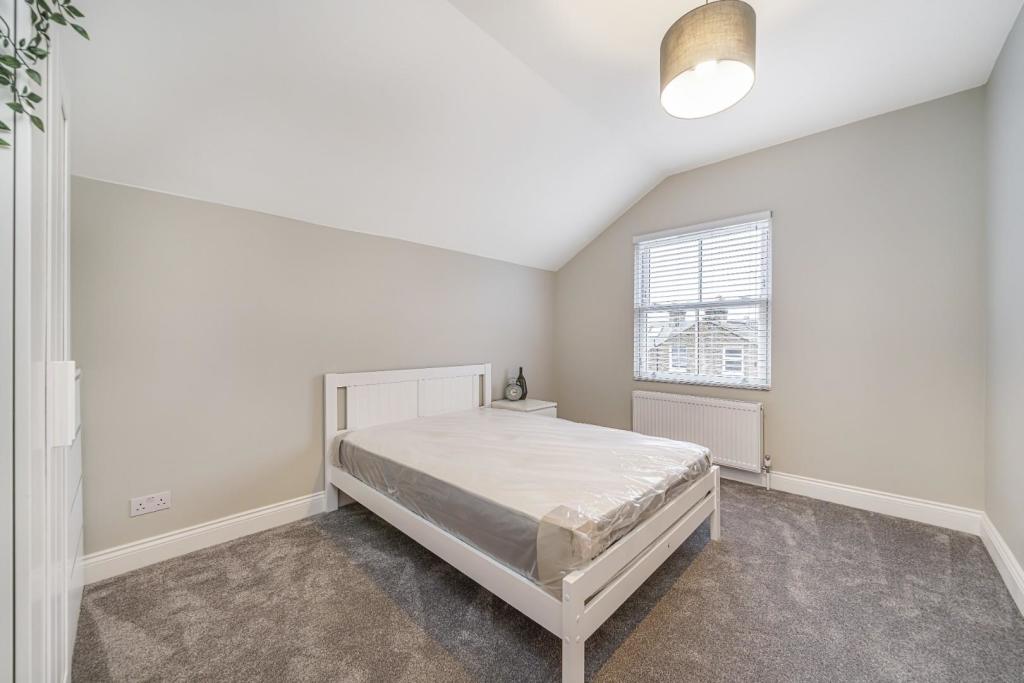
The types of Loft Conversions that we work in -
Brixton is not the kind of place that does things halfway. It has character, energy and a community that genuinely invests in where it lives. So when you need more space at home a dormer loft conversion fits right in with that mindset. It extends from the rear of your roof, raises the headroom and converts a loft that has been doing nothing into a room with a real purpose. An extra bedroom, a home studio, a space that is entirely yours. The streets around Brixton are full of Victorian and Edwardian terraces and these properties were practically built for dormer conversions. The proportions work, the results look confident and the added space changes how the whole house functions. Best for: Victorian and Edwardian terraces in Brixton, creative households needing a studio or workspace, families who need a proper extra room and have no intention of leaving one of London's most exciting postcodes.
So your Brixton home has a hipped roof. You have probably already noticed that the loft feels a bit awkward, a bit pinched at the sides. That is exactly what a hipped roof does. The sides slope inward and that takes away floor space before you have even started thinking about what to do with the conversion. A hip to gable sorts it out. The sloping side comes down and a straight wall goes up in its place. Just like that the full width of the loft is back on the table. Add a rear dormer alongside it and you have a layout with enough room for a bedroom and a bathroom without either one feeling like it was squeezed in as an afterthought. Best for: Semi-detached and end-of-terrace homes in Brixton where the hipped roof has always made the loft feel more awkward than it should be.
There is something to be said for a conversion that does not overcomplicate things. A Velux conversion fits that description well. The roof stays exactly as it is. Roof windows go in, the floor gets properly reinforced, insulation is upgraded and the space is signed off against building regulations. That is the full extent of the work involved. In Brixton where a lot of homes already have decent loft height this is often the most honest answer. You get a bright, usable room with good natural light from the roof windows and you do it without turning your home into a building site for months on end. Sometimes that matters just as much as the end result. Best for: Brixton homes with adequate existing loft height, homeowners who want a clean and cost-effective route to a usable room, and properties where the exterior appearance of the roof needs to stay as it is.
Picture two dormers built as one. One running across the main roof of your Brixton home and one sitting above the rear extension, joined together into a single L shape. The floor area that creates is something most people do not fully appreciate until they are standing in the finished space. It is wide, it is generous and it gives you options that a single dormer simply cannot match. A bedroom and a bathroom? Comfortably. Two bedrooms and a bathroom? Still very much possible. A large open plan room with space for a sofa, a desk and a proper bed? That works too. The L-shaped layout has a way of making the loft feel less like a conversion and more like a floor that was always meant to be there. Best for: Brixton properties with a rear extension, households who want multiple rooms rather than just one, and homeowners who want the loft to feel like a natural and generous part of the house rather than an add-on.
A mansard conversion is not for everyone and it is worth being straight about that. It is the most involved type of loft conversion, it requires full planning permission and the build takes longer than other options. But what it delivers in return is the most space, the most ceiling height and the most complete transformation of any conversion type on this list. The rear roof slope is rebuilt at a steep angle and topped with a flat roof. Inside the result does not feel like a loft at all. It feels like a proper room on a proper floor. In a place like Brixton where the housing market has grown considerably over the years and where homes are genuinely valued a mansard conversion is the kind of project that makes a lasting difference. Best for: Larger Victorian properties in Brixton, homeowners who want the maximum possible space and are fully committed to the process, and projects where the investment is viewed as a long-term decision rather than a short-term fix.
They are not the first thing people think of when they picture Brixton but bungalows do exist here and their lofts tell a quiet story of untapped potential. The roof on a bungalow runs the full width of the property and that means there is usually more space up there than the building suggests from the street. Converting it brings a proper upstairs into the home, real bedrooms, a bathroom, space for whatever the household actually needs, while the ground floor stays completely as it was. It is one of those projects where the transformation feels personal. A home that seemed to have reached its limit discovers it had more to give all along. And in a neighbourhood as full of life as Brixton that extra space tends to get used well. Best for: Single-storey homes in Brixton where the ground floor is already working at full capacity, and homeowners who want to add genuine long-term living space without extending outward or compromising the outdoor space they already enjoy.
Do you have a question about Loft Conversions? We're here to help. Contact our team at Loft Converter London
The minimum height required for a Loft Conversion is 2.2m (from the floor to the highest point in your loft). If you do not have the required height, your ceilings can be lowered on your first floor.
This depends on the size and type of Loft, most loft conversions take around 10-12 weeks. We can give you a more accurate estimation when we see your property.
Loft Conversion cost is determined by the size and type of the project, the features you would like, etc. Our architect will help you achieve the best use of your space within your budget. Most Lofts cost between £30,000 and £70,000.
No - it's safe to carry on living in your house. Our team starts from the scaffolding before the stairs go in. We always try to limit the disruption during the construction process.
Loft Conversions usually fall under the permitted development category therefore planning permission is not normally required. There are some exceptions like conservation areas, flats, or listed buildings. Our in-house surveyors can advise further on planning permission..
A party wall agreement is also known as PWA is required if you own semi-detached or terraced property. In simple words, if you are working within or near your neighbor’s boundary then you will need a party wall agreement in place. Click here for more info.
Yes - it will add from 15% to 25% upwards depending on the size, design, and type of Loft. Read more about adding value here.
Yes, all Loft conversions require building regulation approval from the local authority. These regulations are important to ensure the safety measures are in place and they set a protocol of construction and design to follow.
Absolutely yes, we will work with you to achieve your dream new living space.