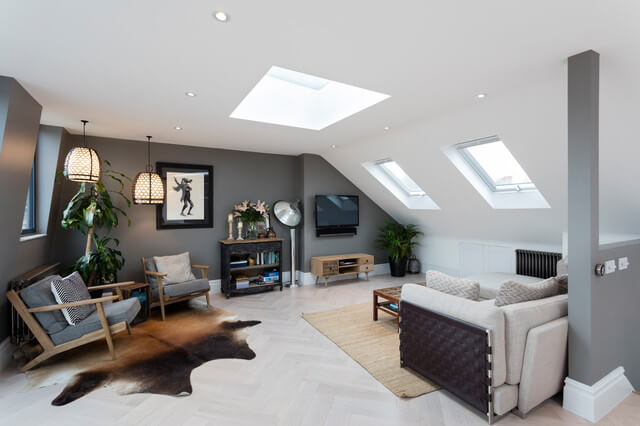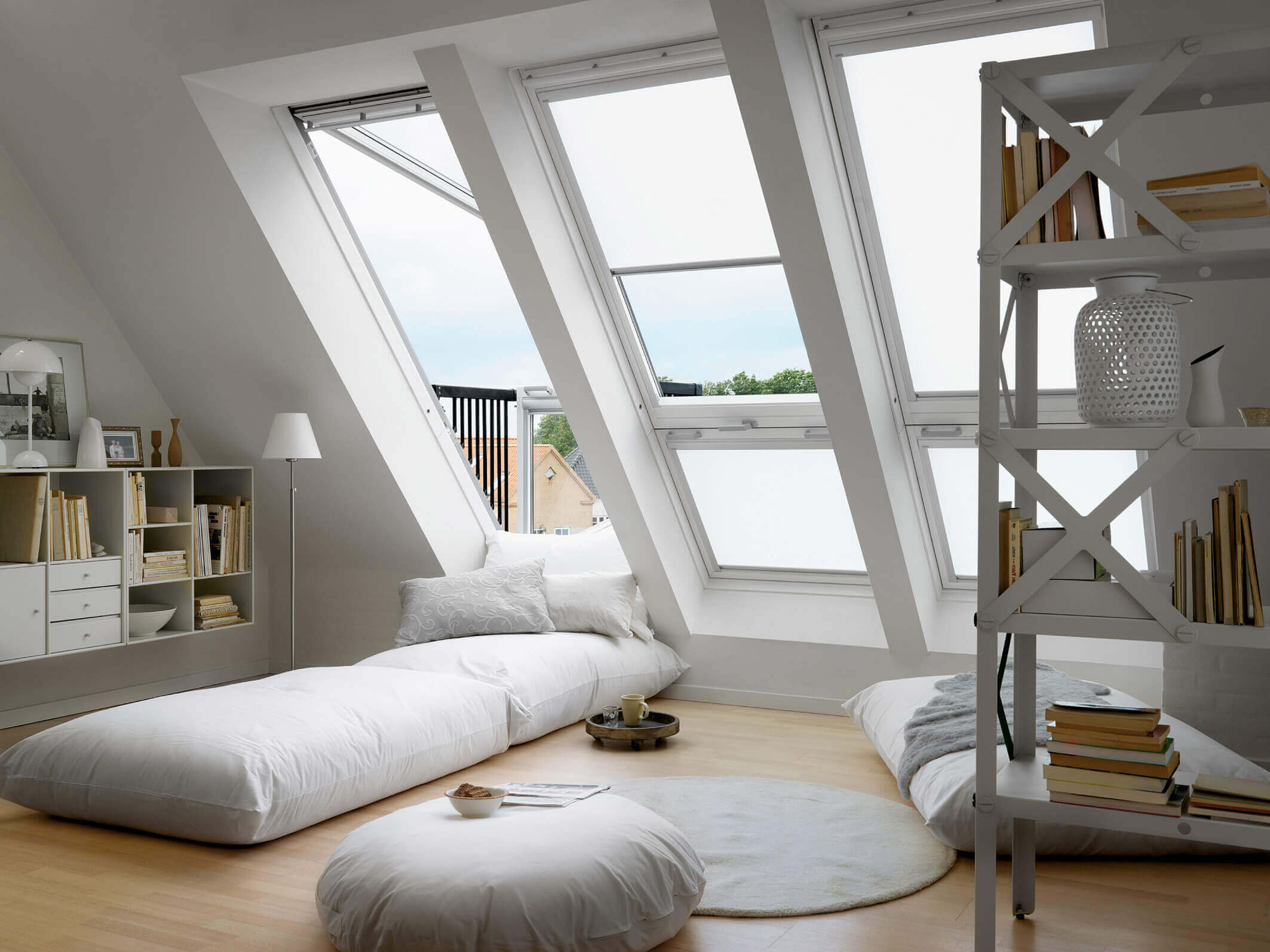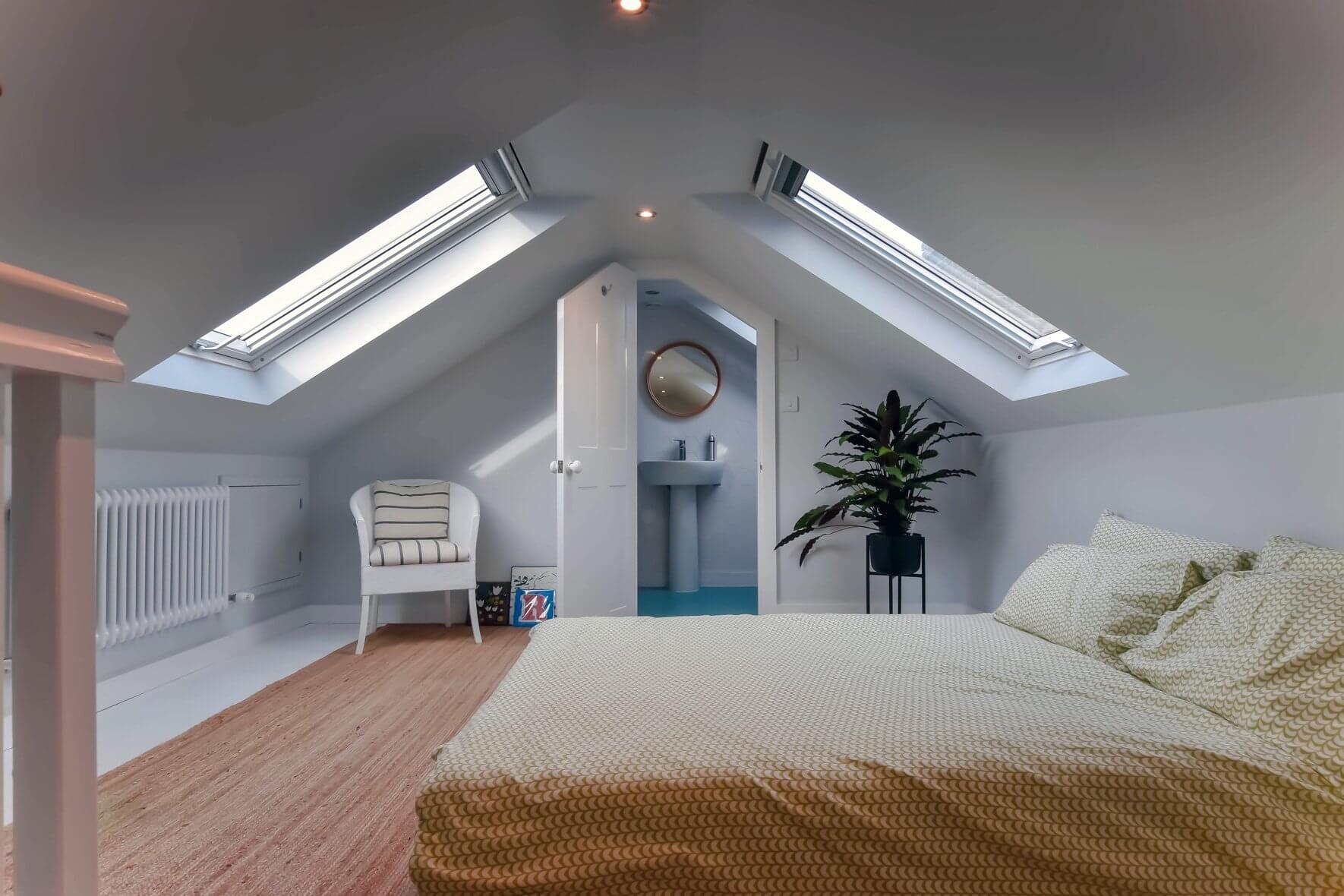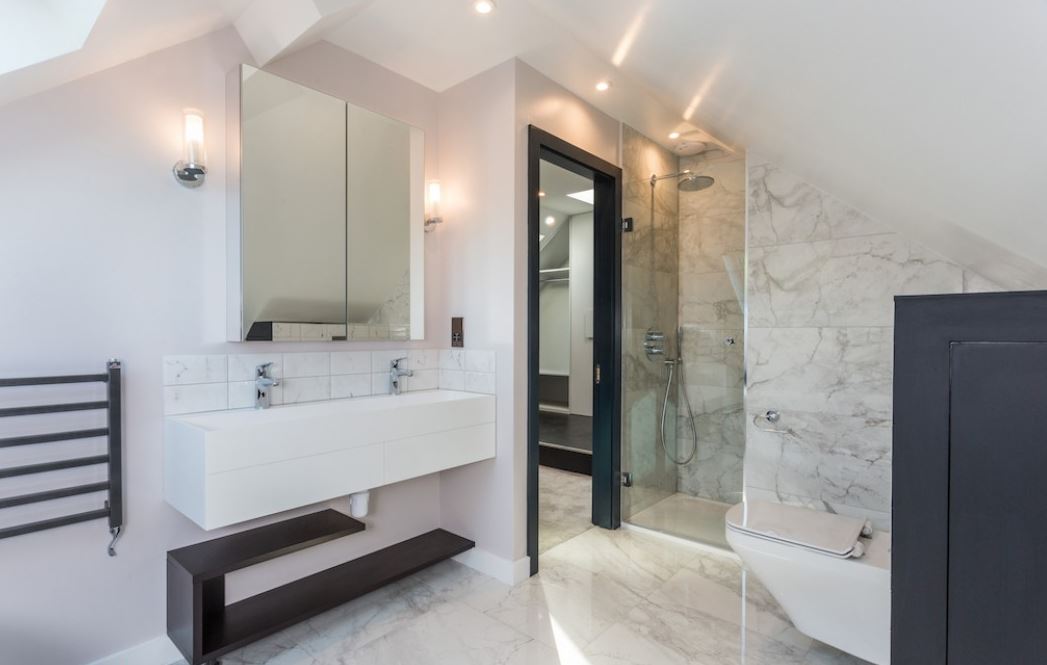
The types of Loft Conversions that we work in -
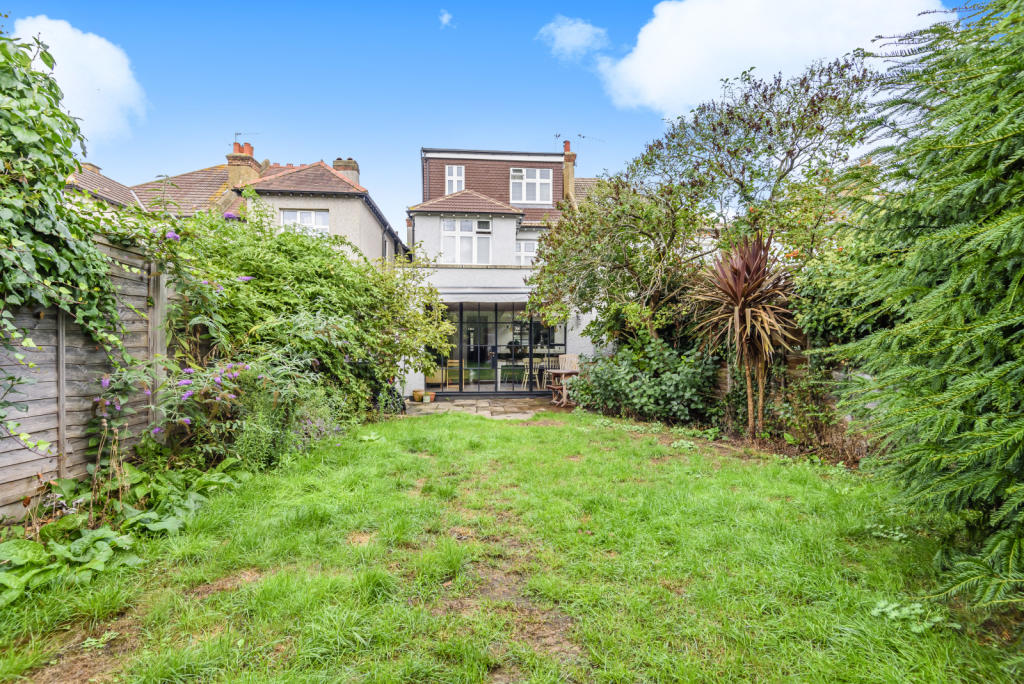
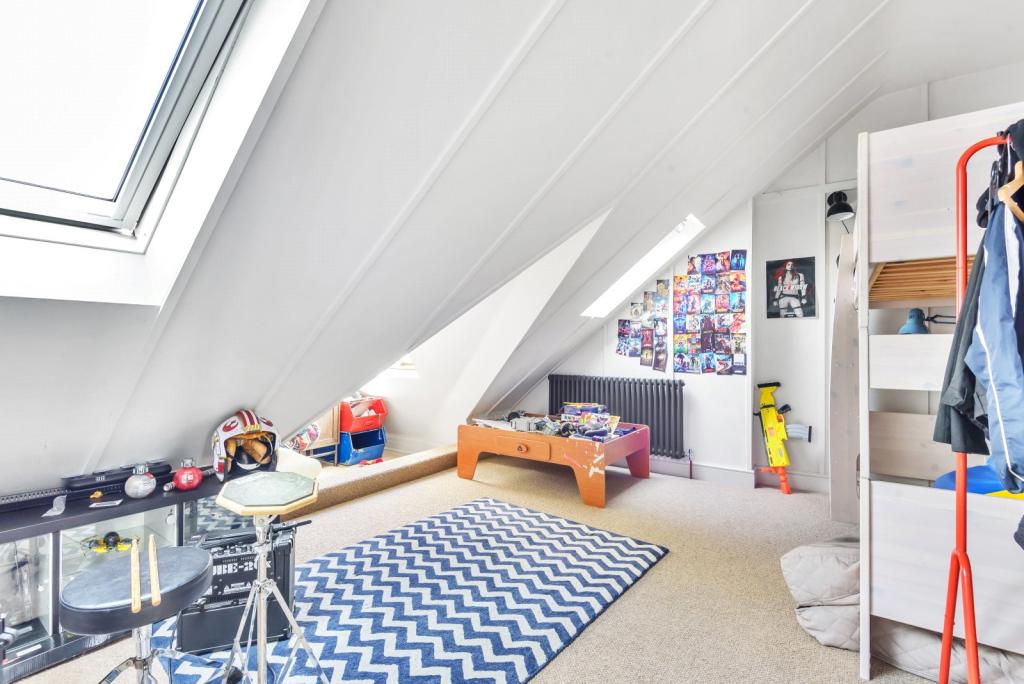
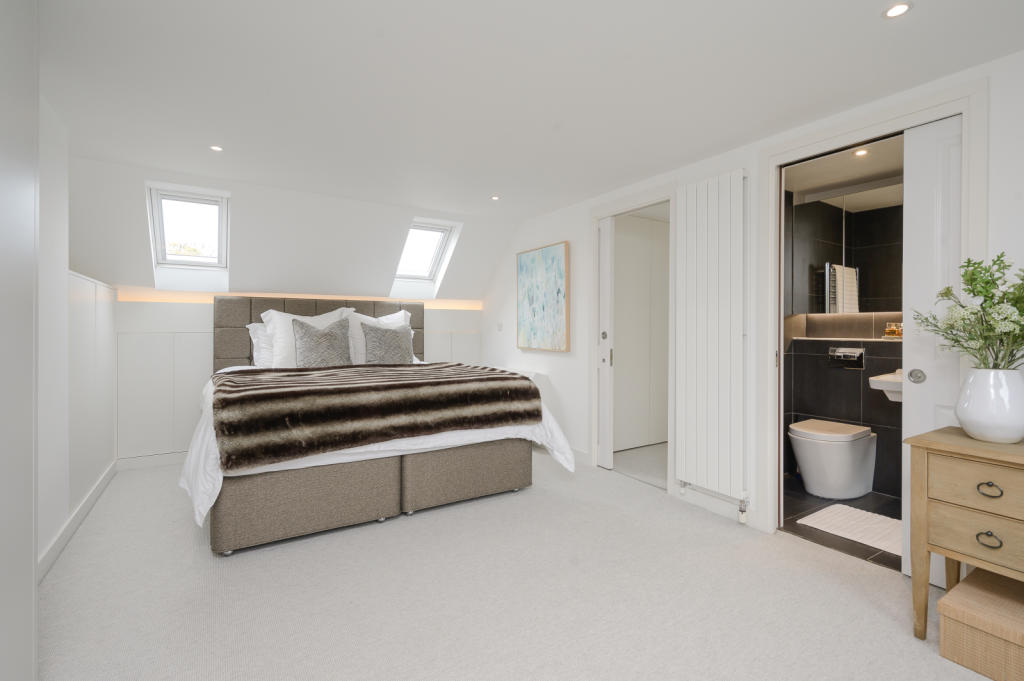
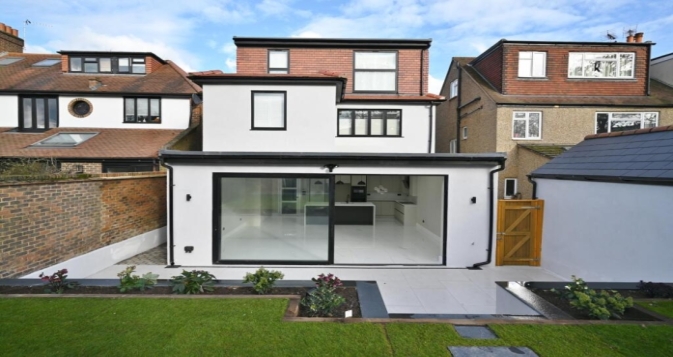
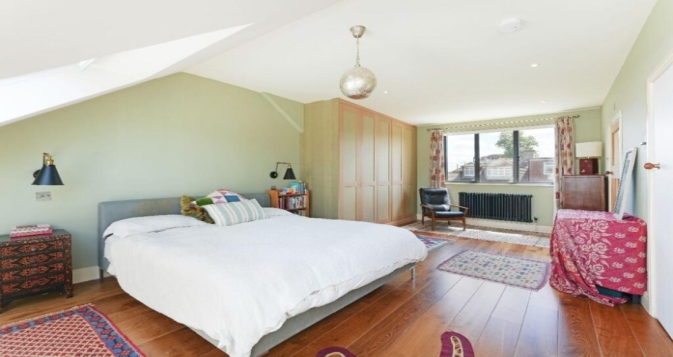
Twickenham is a town that earns its reputation. The rugby stadium, the river walks along the Thames, the independent shops on King Street, and a housing stock that ranges from handsome Victorian terraces to roomy Edwardian semis all contribute to a place where people genuinely dig their heels in when the idea of moving comes up. The problem is that houses in TW1 and TW2 were not built with modern family life in mind, and the loft is almost always the untapped answer to the space question. A dormer works by pushing the rear roof slope outward, replacing the tapered void with vertical walls and a proper ceiling. On streets like Poulett Gardens and Cassilis Road where we have completed conversions, the transformation is consistent: what was an awkward, barely accessible space becomes a room that earns its place in the home every single day. Because the dormer sits at the back, the front of the house stays exactly as it was. Best for: Twickenham's Victorian and Edwardian terraces and semis, families who need a proper additional bedroom, and anyone whose loft is currently doing nothing more useful than storing Christmas decorations.
Ask anyone who has bought a semi-detached home in Twickenham with the idea of converting the loft and you will hear the same story. The roof looks generous from the outside, but the moment you go up there the hipped end closes in on one side and the usable floor area shrinks to something frustrating. It is one of the most common loft conversion problems we encounter across TW1 and TW2. A hip to gable conversion addresses this at source by rebuilding the hipped end as a straight vertical wall. The loft widens immediately and the whole space starts to feel like somewhere a room could actually go. It works especially well when combined with a rear dormer, because the two together create a floor plan that gives you real choices about layout rather than forcing a compromise between space and function. Best for: Twickenham semis and end-of-terrace properties where the loft has always felt short of its potential due to the hipped end.
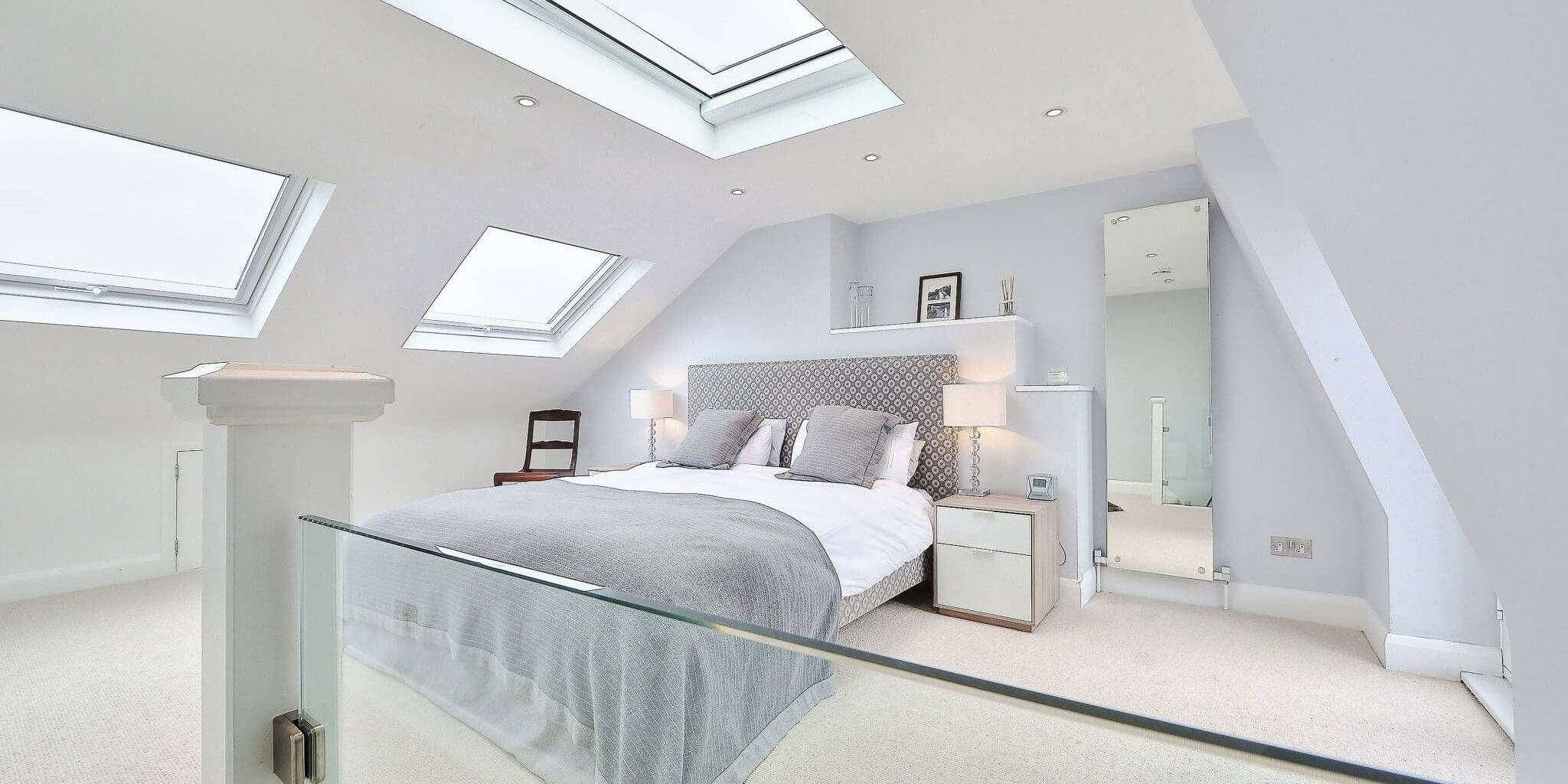
Twickenham has a significant number of conservation areas, including parts of Twickenham Riverside and St Margarets, and planning sensitivities in these locations mean that external changes to rooflines are looked at closely. For homeowners in or near these areas, a Velux conversion is often the most sensible and achievable route, because it makes no external structural changes at all. Roof windows are fitted flush into the existing slope, insulation is upgraded, the floor is reinforced, and the result is a room that sits entirely within the existing envelope of the house. Where the original roof pitch is steep, as it often is on Twickenham's Victorian properties, the head height can be surprisingly generous without any structural intervention. It is the conversion that asks the least of the planning process and tends to deliver more than people expect. Best for: Homes in or near Twickenham's conservation areas, properties where the existing roof pitch already provides decent head height, and anyone who wants a clean, low-impact route to a usable new room.
Ground floor rear extensions are a common feature on Twickenham's family homes, and the ones that have been extended at the back are sitting on considerably more loft potential than they may realise. An L-shaped dormer takes the roof above both the main house and the rear extension and connects them into a single, larger loft space that changes what is possible with the layout entirely. The shift in scale is real. Where a standard dormer gives you one room to work with, an L-shaped dormer gives you enough floor area to think about how you actually want to divide it. A bedroom with a dedicated dressing area, a home office with a proper meeting space, or two separate rooms that serve two genuinely different purposes in the household. The flexibility is what makes this type of conversion stand out for Twickenham families with more complex needs. Best for: Extended Twickenham homes where a single room in the loft would not be enough, and the layout needs to work harder than a standard dormer can manage.
Twickenham's period homes have genuine architectural character, and a mansard conversion, when it is designed and built properly, honours that rather than working against it. The rear slope of the roof is reconstructed at a near vertical angle with a flat section across the top, which creates a loft room where the full floor area is usable and the ceiling height feels like a proper room rather than a conversion. What makes this particularly relevant in Twickenham is the quality of the homes here. Owners of larger Victorian and Edwardian properties in TW1 tend to invest carefully in how their homes are improved, and a mansard is the conversion type that delivers the most substantial and permanent result. It requires planning permission from Richmond Council, and the design needs to be handled thoughtfully, but the finished space becomes a genuine part of the house rather than an addition to it. Best for: Larger period homes in Twickenham where maximising loft space is a long-term investment, and homeowners who want the best possible outcome and are willing to engage with the planning process to get it.
Twickenham is a borough where the appearance of the built environment is taken seriously, and that is not a complaint. It is one of the reasons the area looks the way it does. But it does mean that for some properties, particularly those on streets or within conservation zones where a full-width dormer would attract planning scrutiny, a smaller and more carefully scaled solution is the more realistic path. A small dormer targeted at the right part of the roof can solve a specific problem, whether that is getting enough standing height in a particular area of the loft, bringing in light that transforms the mood of the space, or simply making the room functional in a way it was not before. It is a focused intervention rather than a comprehensive one, and in the right situation it is exactly the right tool for the job. Best for: Twickenham lofts where planning constraints apply, properties where a modest but well-placed improvement is all that is needed, and homeowners who want a result that sits sympathetically within the character of their street.
Do you have a question about Loft Conversions? We're here to help. Contact our team at Loft Converter London
The minimum height required for a Loft Conversion is 2.2m (from the floor to the highest point in your loft). If you do not have the required height, your ceilings can be lowered on your first floor.
This depends on the size and type of Loft, most loft conversions take around 10-12 weeks. We can give you a more accurate estimation when we see your property.
Loft Conversion cost is determined by the size and type of the project, the features you would like, etc. Our architect will help you achieve the best use of your space within your budget. Most Lofts cost between £30,000 and £70,000.
No - it's safe to carry on living in your house. Our team starts from the scaffolding before the stairs go in. We always try to limit the disruption during the construction process.
Loft Conversions usually fall under the permitted development category therefore planning permission is not normally required. There are some exceptions like conservation areas, flats, or listed buildings. Our in-house surveyors can advise further on planning permission..
A party wall agreement is also known as PWA is required if you own semi-detached or terraced property. In simple words, if you are working within or near your neighbor’s boundary then you will need a party wall agreement in place. Click here for more info.
Yes - it will add from 15% to 25% upwards depending on the size, design, and type of Loft. Read more about adding value here.
Yes, all Loft conversions require building regulation approval from the local authority. These regulations are important to ensure the safety measures are in place and they set a protocol of construction and design to follow.
Absolutely yes, we will work with you to achieve your dream new living space.