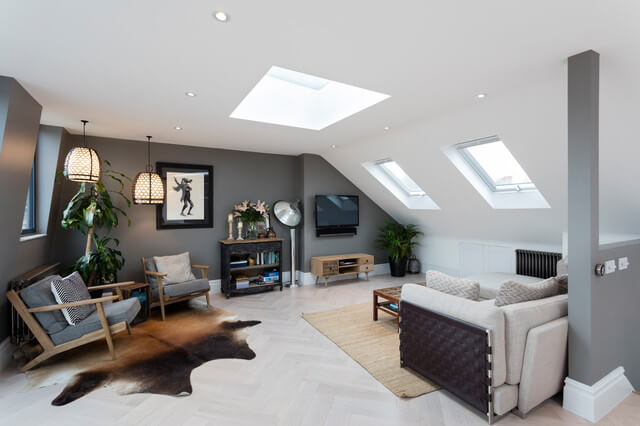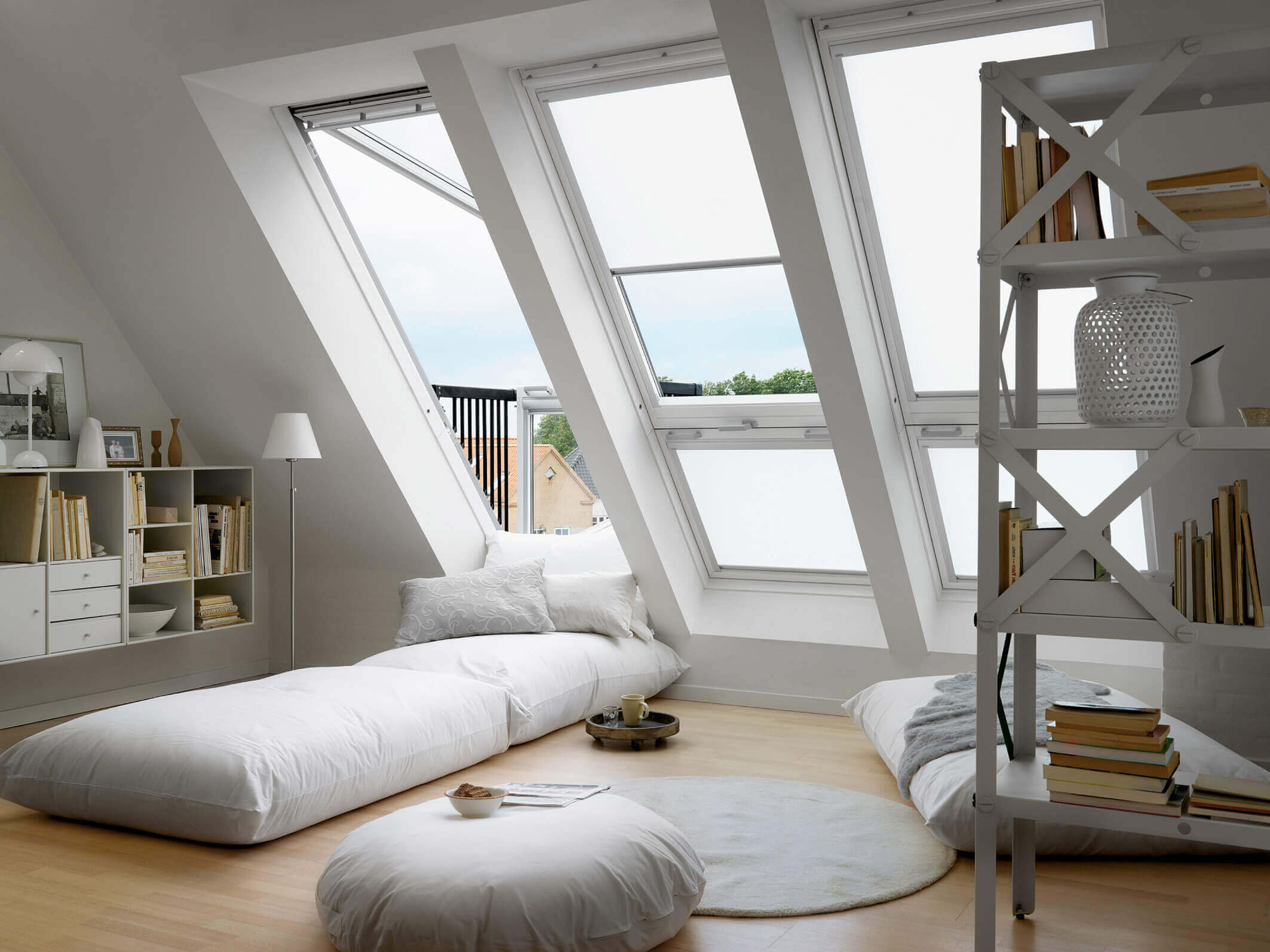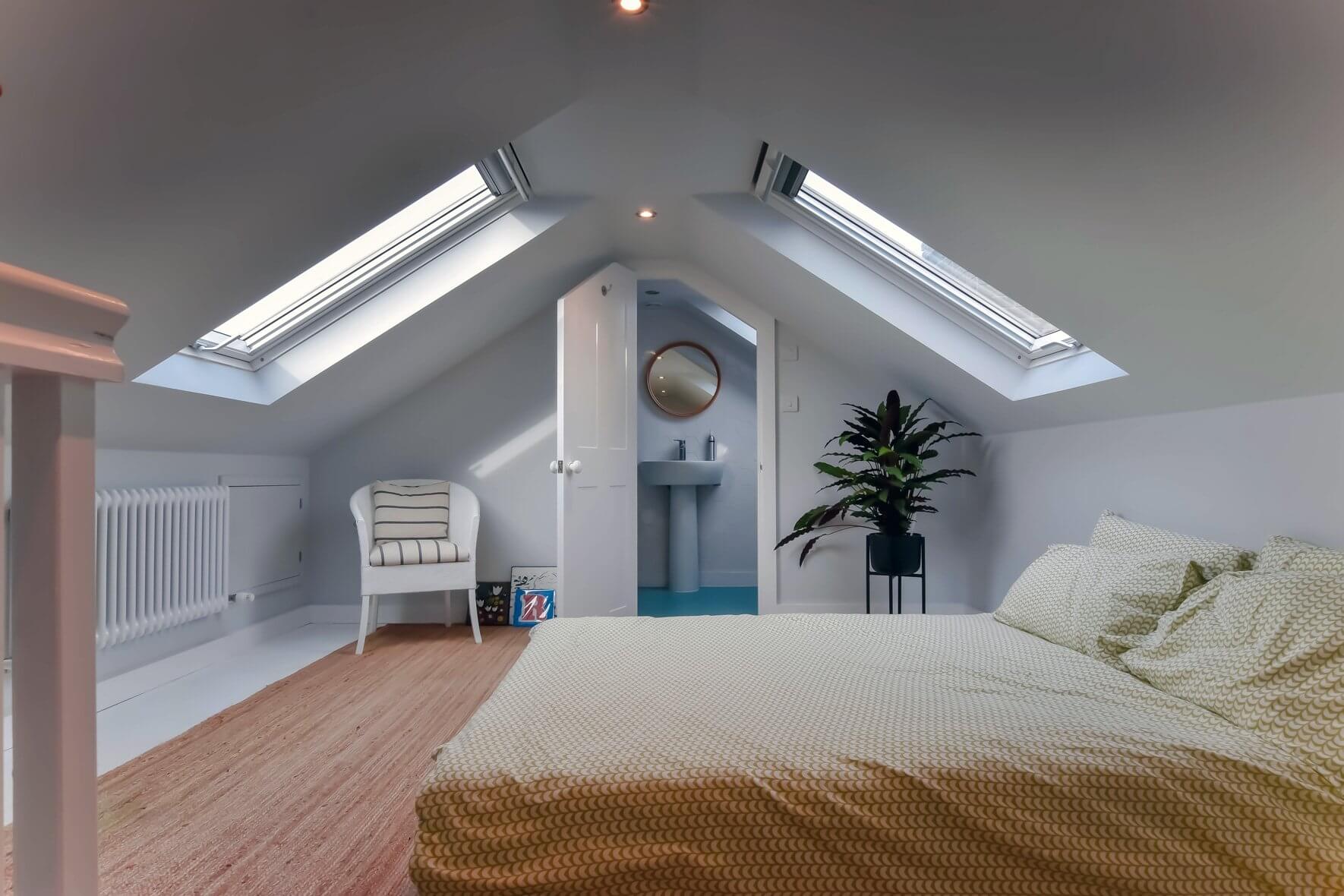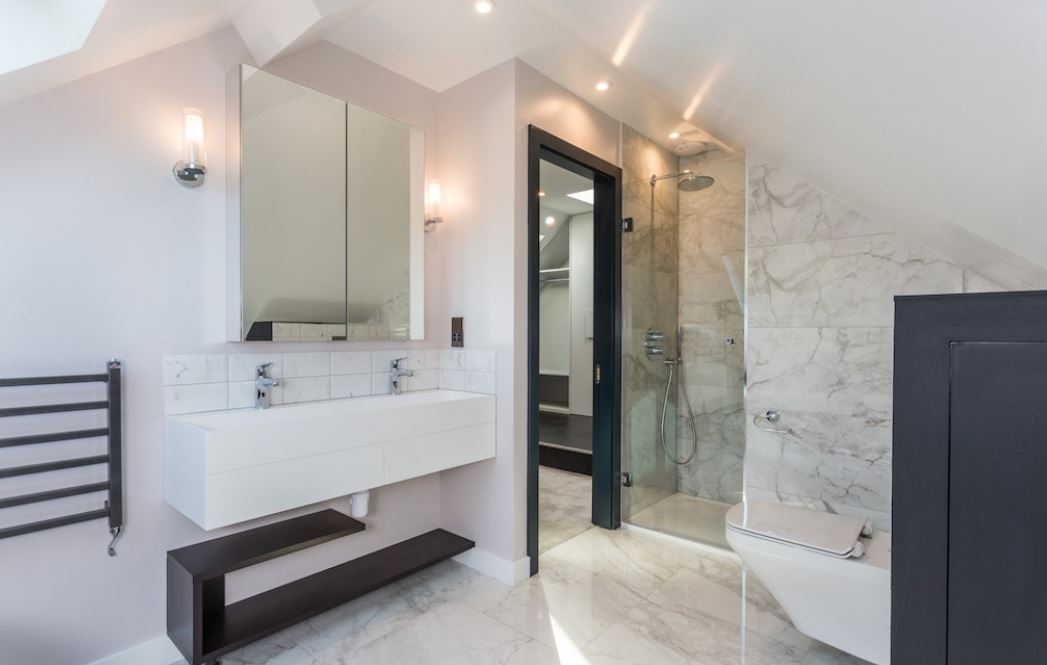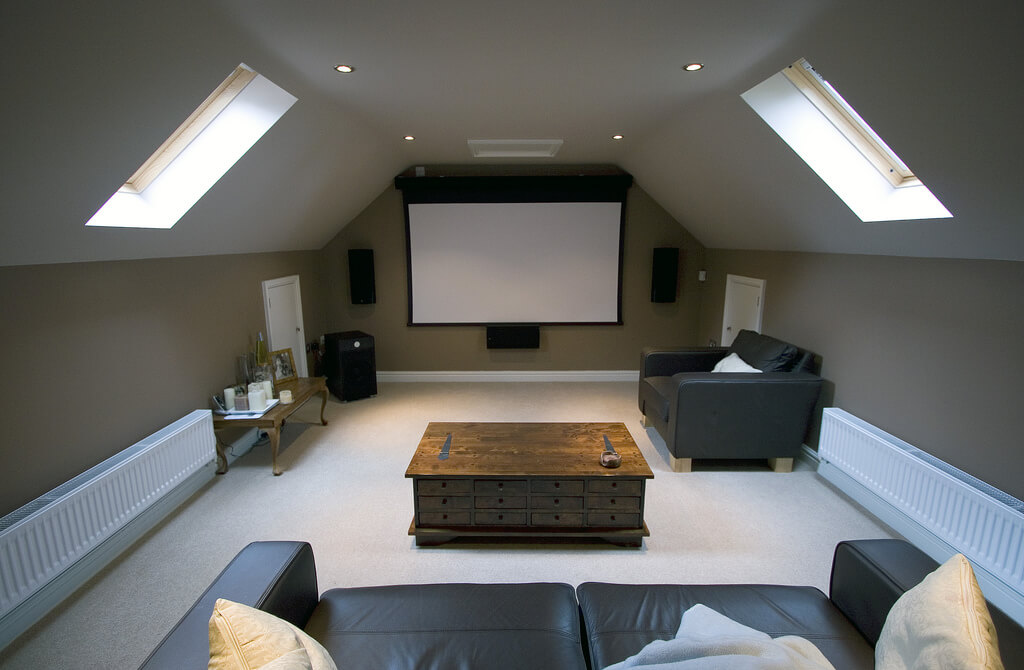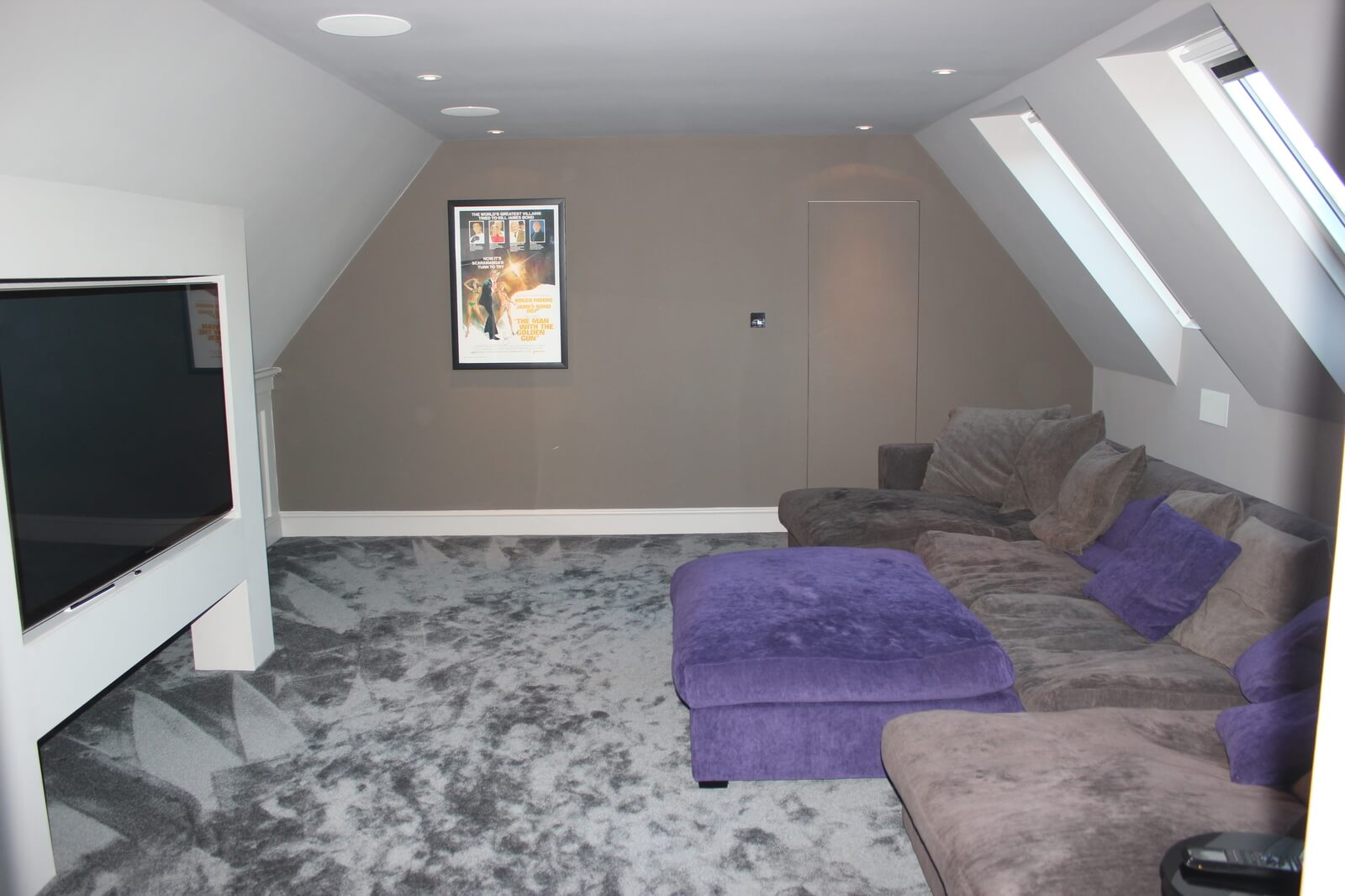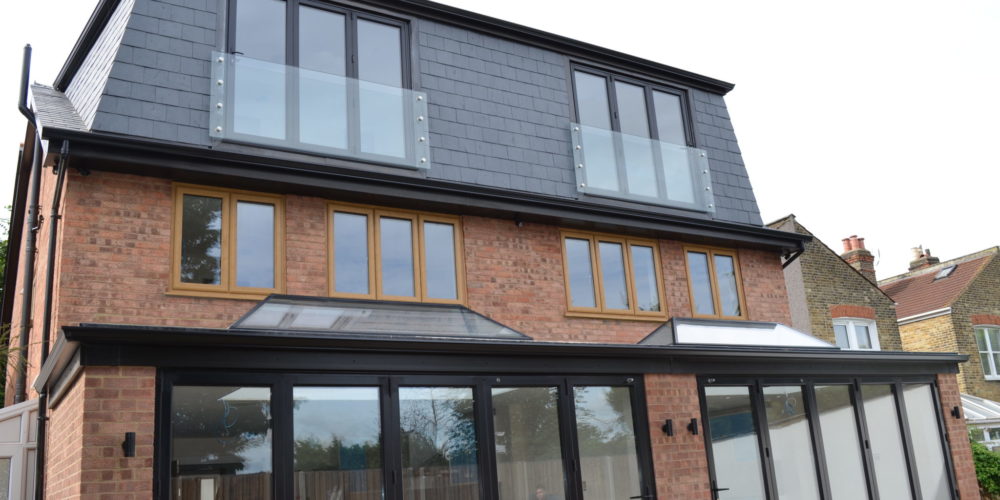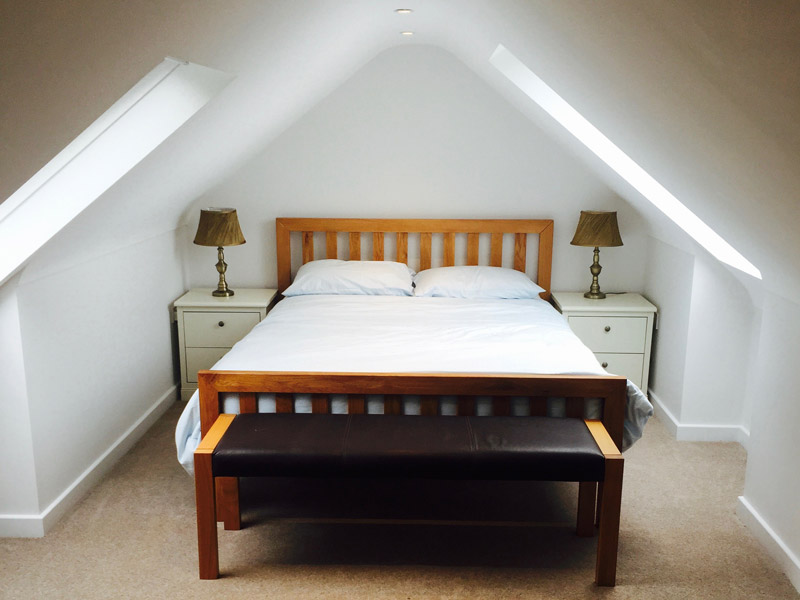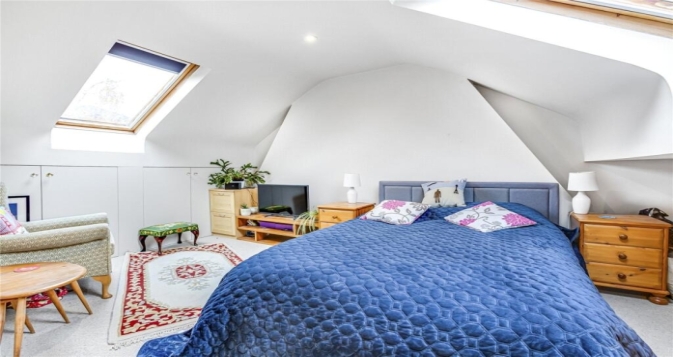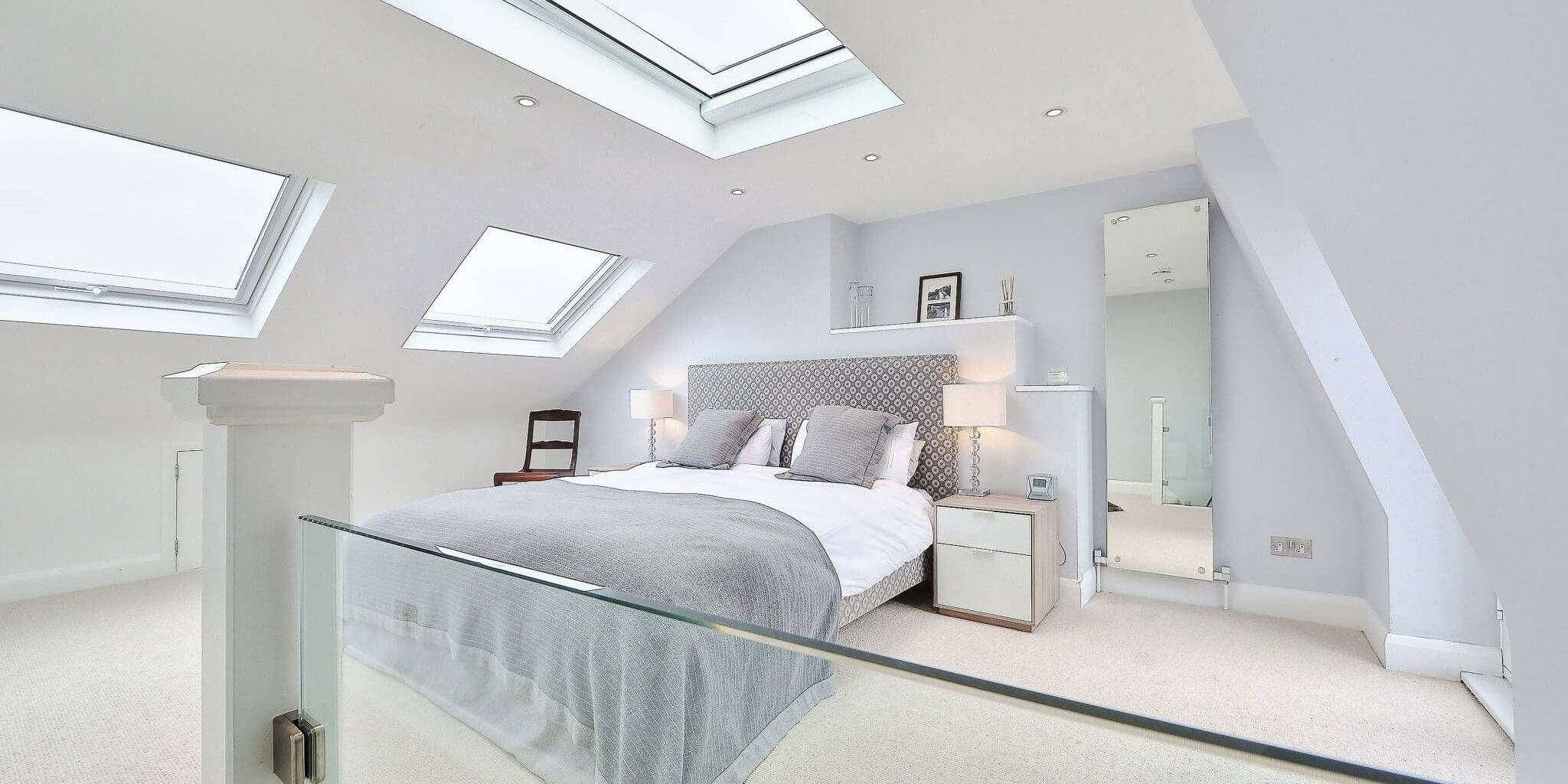
The types of Loft Conversions that we work in -
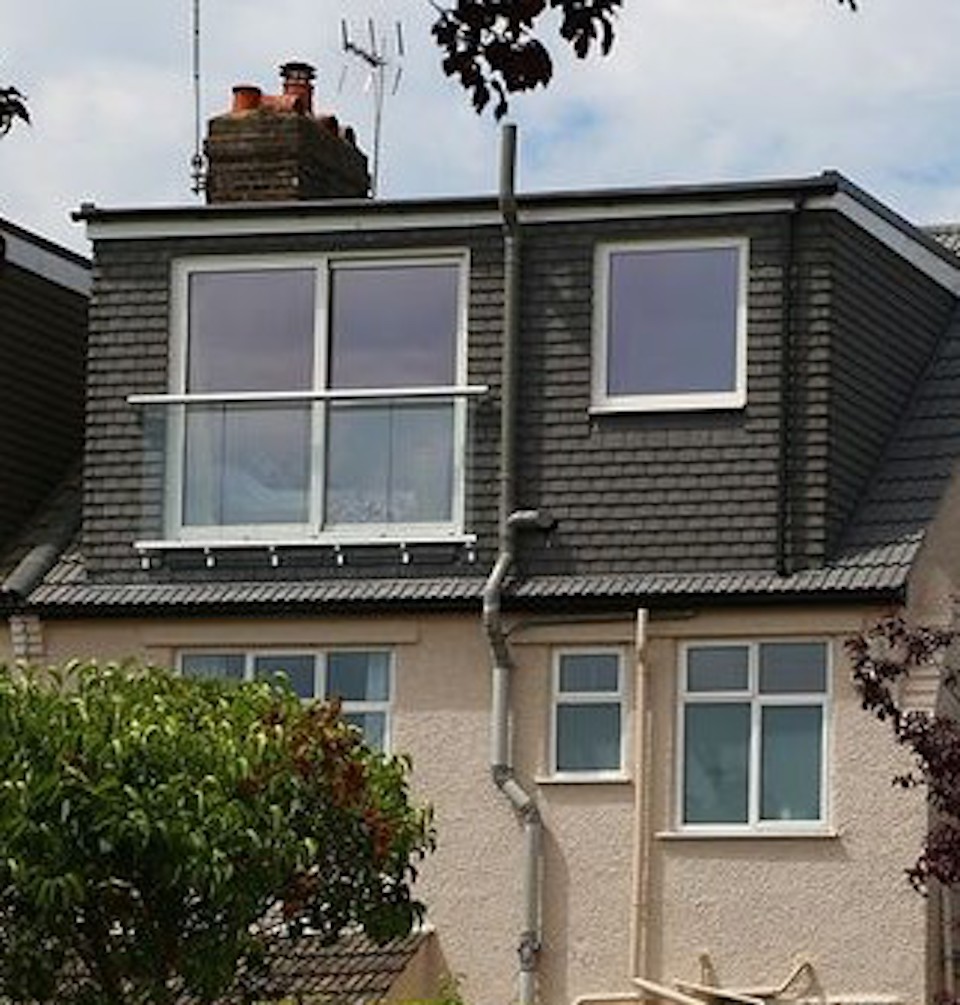
Teddington sits in one of the most quietly enviable spots in South West London. Tucked between the Thames and Bushy Park, with streets like Claremont Road and Waldegrave Road lined with well-kept Victorian and Edwardian homes, it has the kind of settled, community feel that makes people reluctant to leave even when their house starts to feel too small. A dormer loft conversion offers a way to stay exactly where you are while getting the space you need.What makes a dormer particularly well-suited to Teddington's housing stock is the roof profile on many of these period properties. There is often enough pitch to suggest good loft potential, but the moment you go up there, the height disappears quickly. A dormer resolves this by pushing outward from the rear slope, creating vertical walls and a proper ceiling that turn an unusable void into a room your family will actually use .Best for: Period terraced and semi-detached homes throughout TW11, homeowners who want to add a bedroom or private suite, and anyone who has looked at their loft and felt it could be so much more than storage.
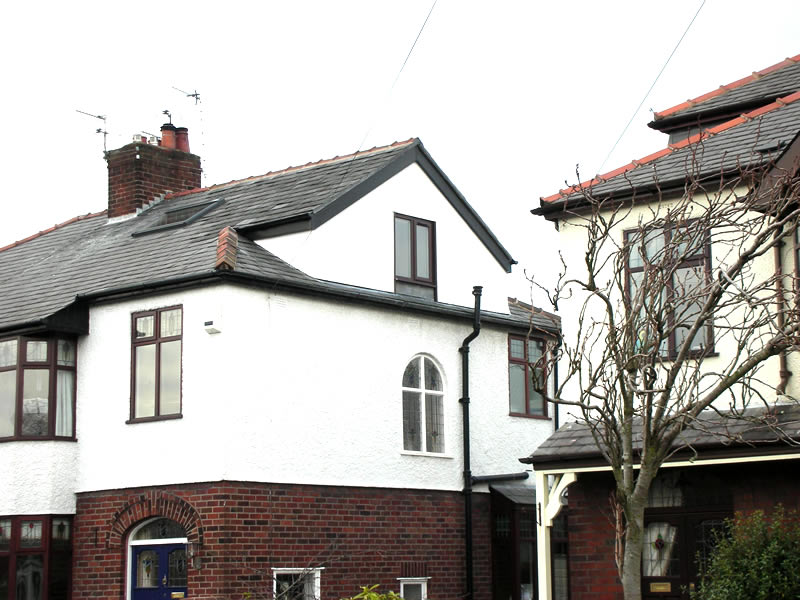
Teddington has a generous spread of interwar semi-detached homes, and these are the properties where a hip to gable conversion tends to make the most dramatic difference. The issue is almost always the same: the hipped roof looks perfectly fine from the pavement, but once you are standing in the loft you quickly realise that the sloping side has quietly removed the width you were counting on. Rebuilding that side as a straight vertical gable wall opens the loft up considerably. It is not a small change; in many Teddington semis, it transforms what felt like a cramped triangular void into a space wide enough to plan a proper layout. Pair it with a rear dormer, and you have a loft that can realistically hold a bedroom and bathroom without either feeling squeezed. Best for: Teddington's interwar semis and end-of-terrace properties where the hipped roof has been the main obstacle to a usable loft.
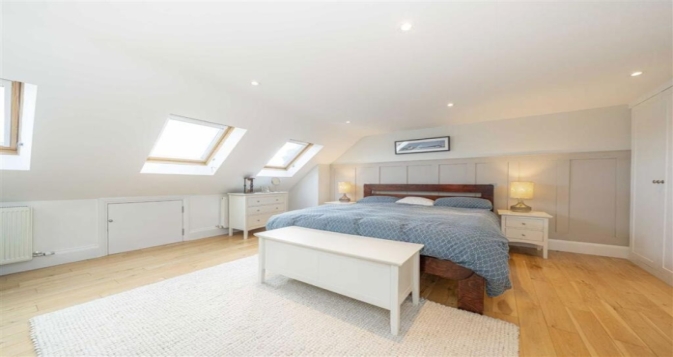
Teddington is not the kind of place where people want to draw unnecessary attention to their homes, and that sensibility actually works in favour of the Velux conversion. No external structure is added, no roofline changes, no scaffolding drama that the whole street notices. Roof windows are fitted flush into the existing slope, the floor gets reinforced, insulation is brought up to scratch, and the result is a room that arrives quietly and works beautifully. This is a particularly good fit for Teddington's older Victorian properties where the roof pitch is naturally steep and head height in the loft is already more promising than average. It is also the most straightforward option for planning, which matters given the area's proximity to the Thames and its associated conservation considerations. Best for: Victorian properties with a naturally steep pitch and good existing head height, anyone who prefers a minimal external footprint, and homeowners who want to avoid a lengthy planning process.
A sizeable number of Teddington homes have grown downstairs over the years with ground floor rear extensions, often to create the open plan kitchen and living space that suits modern family life. What many homeowners do not immediately realise is that this extension also creates an opportunity upstairs. An L-shaped dormer uses both the main rear roof and the roof above the extension, joining them to form a significantly larger loft footprint. The difference in floor area compared to a standard dormer is substantial, and it changes what the loft can realistically offer. Instead of making one room serve two purposes, you have the space to give each its own room. Best for: Teddington homes with existing rear extensions that need the loft to accommodate more than one room or function.
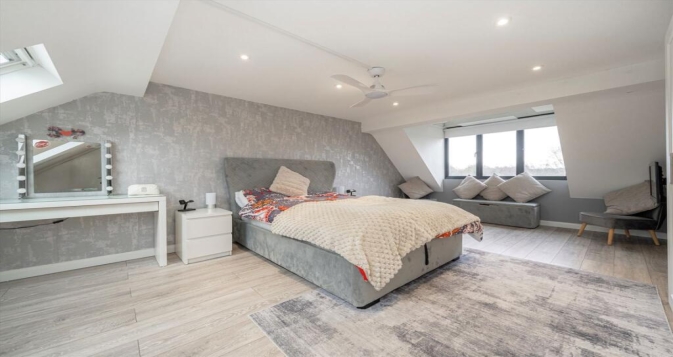
There is a reason people who commission mansard conversions rarely look back. By rebuilding the rear roof slope at a near vertical angle and finishing with a flat section on top, the entire loft floor becomes fully usable from one side to the other. The room does not taper, the ceiling does not close in on you, and the furniture layout is not dictated by where the slope happens to fall. In Teddington, where homes are well-loved and homeowners tend to think carefully about long-term investments, a mansard sits at the more considered end of the decision. It requires planning permission and a greater upfront commitment, but for those who want their loft to function as a true extension of the home rather than a clever conversion of an awkward space, it is the option that delivers most completely. Best for: Larger Teddington properties where the goal is maximum usable space and where the homeowner is ready to engage properly with the planning process.
Sometimes the right answer is less rather than more. Teddington's quiet residential character and the care its residents take over the appearance of their homes means that a modest, well-proportioned dormer is often a better fit than something larger and more dominant. A small dormer brings in headroom or light where it is most needed without making the roof look like it has had something bolted onto it. This is also a pragmatic choice in parts of Teddington where permitted development limits or the proximity to conservation-sensitive zones make a full-width dormer harder to push through. A smaller intervention, designed with the right materials and set well back from the ridge, can achieve planning approval far more smoothly while still making a real and lasting improvement to how the loft lives. Best for: Teddington lofts where a targeted and discreet improvement is the goal, properties where planning appetite for larger dormers is limited, and homeowners who value subtlety as much as space.
Do you have a question about Loft Conversions? We're here to help. Contact our team at Loft Converter London
The minimum height required for a Loft Conversion is 2.2m (from the floor to the highest point in your loft). If you do not have the required height, your ceilings can be lowered on your first floor.
This depends on the size and type of Loft, most loft conversions take around 10-12 weeks. We can give you a more accurate estimation when we see your property.
Loft Conversion cost is determined by the size and type of the project, the features you would like, etc. Our architect will help you achieve the best use of your space within your budget. Most Lofts cost between £30,000 and £70,000.
No - it's safe to carry on living in your house. Our team starts from the scaffolding before the stairs go in. We always try to limit the disruption during the construction process.
Loft Conversions usually fall under the permitted development category therefore planning permission is not normally required. There are some exceptions like conservation areas, flats, or listed buildings. Our in-house surveyors can advise further on planning permission..
A party wall agreement is also known as PWA is required if you own semi-detached or terraced property. In simple words, if you are working within or near your neighbor’s boundary then you will need a party wall agreement in place. Click here for more info.
Yes - it will add from 15% to 25% upwards depending on the size, design, and type of Loft. Read more about adding value here.
Yes, all Loft conversions require building regulation approval from the local authority. These regulations are important to ensure the safety measures are in place and they set a protocol of construction and design to follow.
Absolutely yes, we will work with you to achieve your dream new living space.