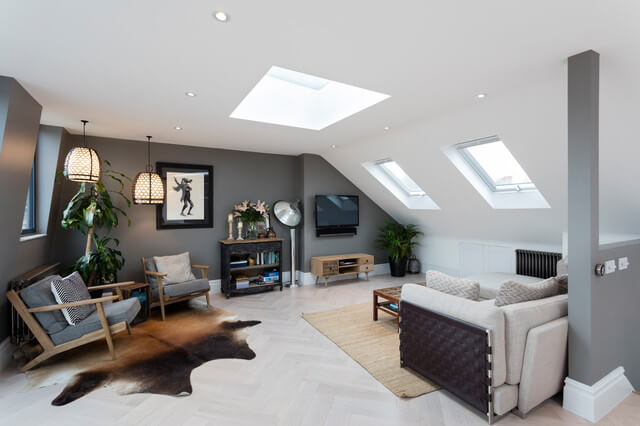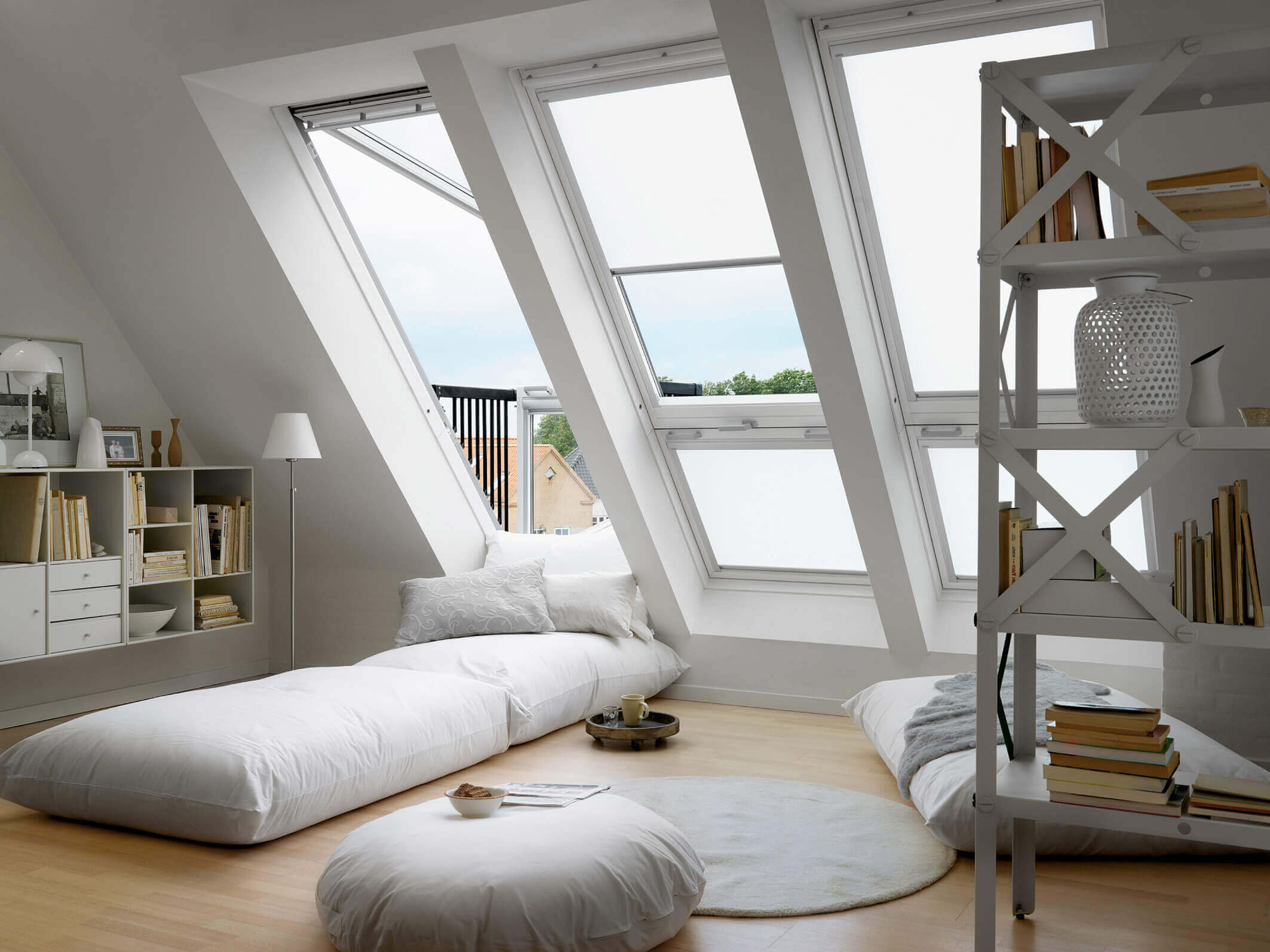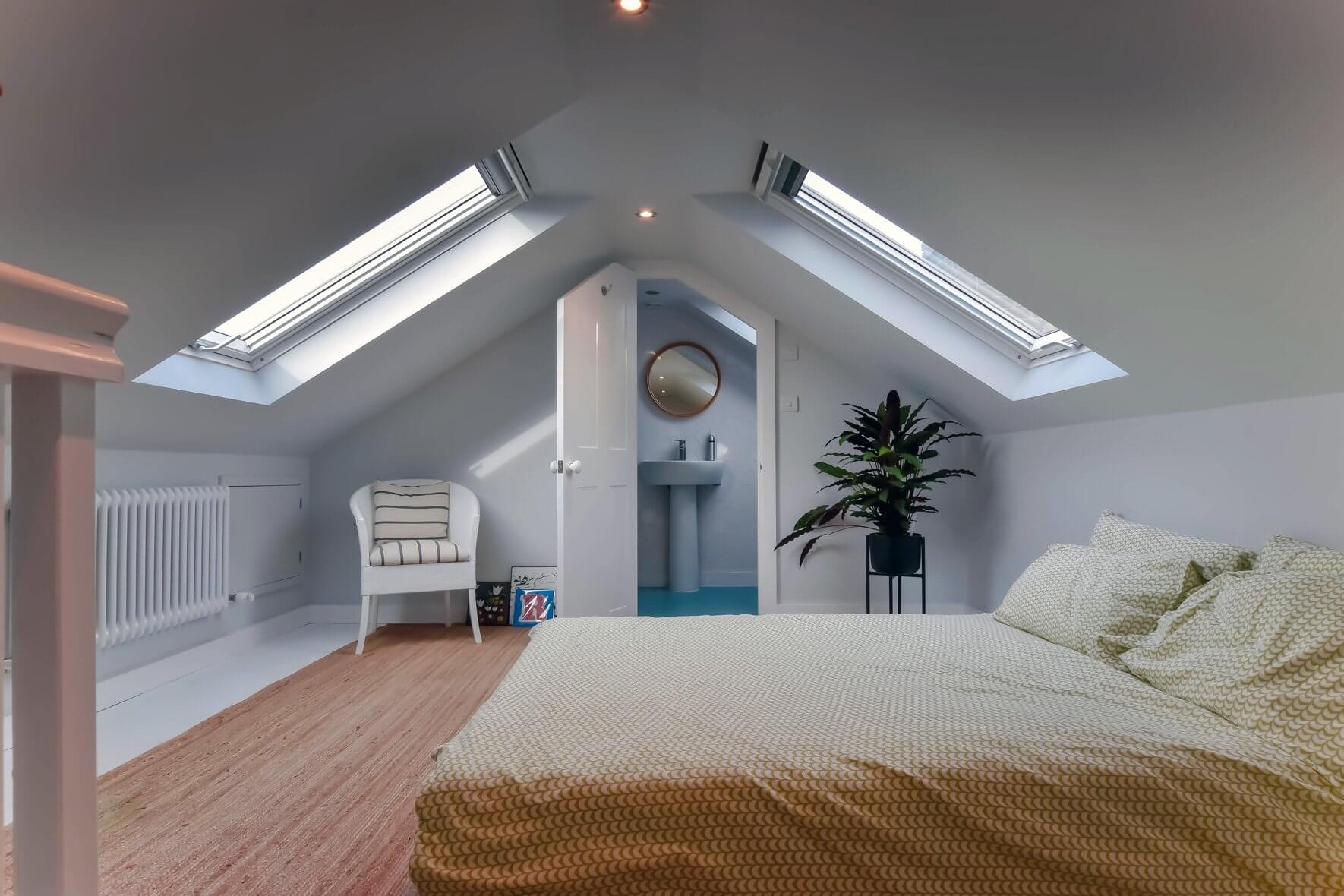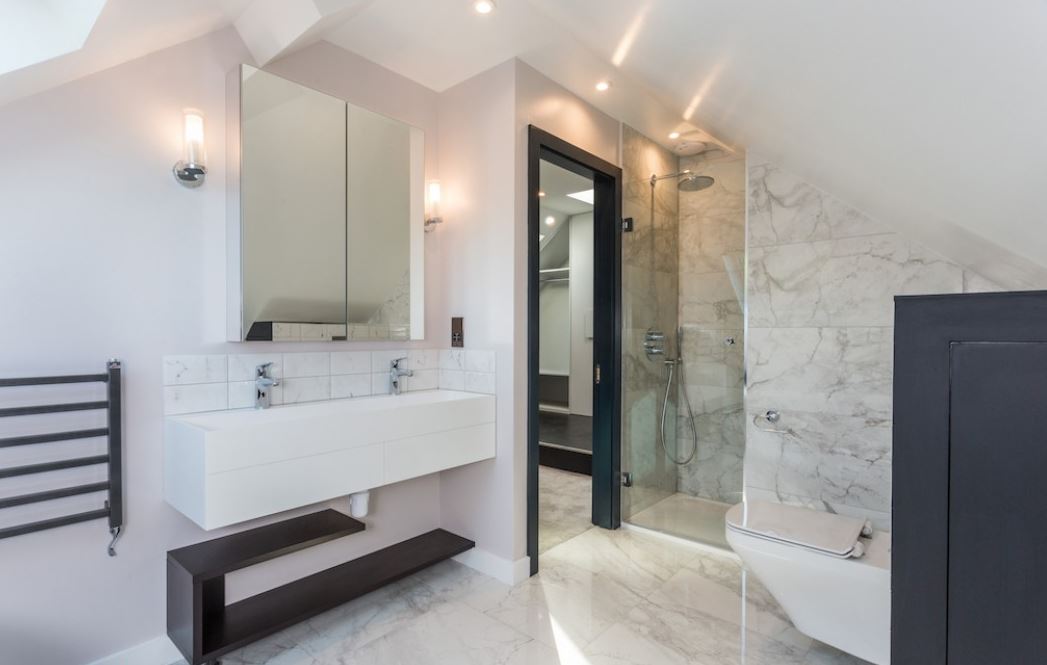
The types of Loft Conversions that we work in -
Ham sits in one of the quieter corners of South West London, tucked between Richmond Park and the Thames. It has a genuinely village-like feel that is rare this close to the city, and the people who live here tend to value that. When the house needs more space the answer is almost never to leave. It is to make better use of what is already there. A dormer conversion does exactly that. The rear roof slope extends outward, proper standing height comes in and the loft becomes a room that earns its place in the house. The older semis and detached homes in Ham suit this well and a well-built dormer on the back of one of these properties tends to look completely settled once the work is done. Bedroom, home office, en-suite, whatever the room needs to be, there is usually enough up there to make it work properly. Best for: Semis and detached homes in Ham, families who want to stay in the area and need more room, and lofts that are sitting unused because the head height is not quite there yet.
Ham has a good number of semis and detached houses built with hipped roofs, particularly on the residential streets that run through the middle of the area. That inward slope on the side of the roof is easy to ignore until you get into the loft and realise how much floor area it has quietly taken away. What feels like a generous house from the outside can have a surprisingly limited loft once that slope is accounted for. Replacing it with a straight gable wall opens everything up. The full width of the loft becomes usable and the difference is immediate. Most homeowners in Ham add a rear dormer at the same time and the two together produce a layout comfortable enough for a bedroom and a bathroom without anything feeling like a compromise. Best for: Semi-detached and detached homes in Ham with hipped roofs, and homeowners who expected more from their loft than it currently offers.
Ham is a quiet and well-kept area and a lot of homeowners here prefer keeping their properties looking exactly as they are. A Velux conversion sits well with that. The roof structure stays completely untouched, windows are fitted into the existing slope, the floor is reinforced, insulation goes in and the room is brought up to building regulation standard. From the outside nothing changes at all. For homes with good existing head height this is a clean, cost-effective route to a proper usable room upstairs. It takes less time than a dormer build and costs less too. In a settled residential area like Ham where the streets have a consistent and pleasant character, being able to add space without altering the roofline is a real advantage. Best for: Ham homes with decent existing loft height, homeowners who want a simple and affordable solution, and properties where the external appearance is worth leaving alone.
A number of homes in Ham have rear extensions, and the roof sitting above one is usable space that most people walk past every day without thinking about. An L-shaped dormer puts it to work. A dormer goes across the back of the main roof and another sits over the extension. The two connect and the combined floor area is a significant step up from a single dormer. Two bedrooms and a bathroom upstairs without the layout feeling tight becomes a realistic outcome rather than an optimistic one. Ham is the kind of place where families put down roots and stay. This conversion is one of the better ways to make the house match that commitment without having to leave a neighbourhood that is genuinely hard to improve on. Best for: Ham homes with a rear extension, families who need more than one room upstairs, and homeowners who want to invest in the house for the long term.
Ham is surrounded by some of the most attractive residential streets in South West London and the properties here are taken seriously. A mansard conversion matches that standard. The entire rear roof slope is rebuilt at a steep angle with a flat top and what comes back is a space that feels like a proper additional floor rather than an improved loft. Full ceiling height throughout, straight walls and rooms that do not require any adjustment to feel comfortable in. Planning permission is usually required and the project takes longer than other conversion types. In Ham that process is worth going through. Properties here hold their value well and well-executed work is recognised and rewarded over time. For homeowners who want the most a loft can give and want to do it properly, a mansard is the right answer. Best for: Larger and higher-value homes in Ham, homeowners who want the maximum possible space, and anyone prepared to go through the planning process for a result that genuinely sets the property apart.
There are bungalows in Ham that sit on generous plots with attractive outlooks and they are well-loved homes. Single storey living suits a lot of people perfectly until the household changes and the ground floor simply cannot keep up. A loft conversion is the most natural way to deal with that without disturbing what already works. Bedrooms and a bathroom get added upstairs and the ground floor carries on exactly as it was. Nothing gets moved around or compromised to make it fit. Bungalow roofs in Ham tend to span the full width of the property so there is usually more floor area available up there than the outside suggests. In one of South West London's most sought-after pockets, using that space well is as sound a decision as a homeowner can make. Best for: Bungalows in Ham where the ground floor has run out of room, families who need more space without the disruption of moving, and homeowners who want to add lasting value to a property in one of the most desirable parts of South West London.
Do you have a question about Loft Conversions? We're here to help. Contact our team at Loft Converter London
The minimum height required for a Loft Conversion is 2.2m (from the floor to the highest point in your loft). If you do not have the required height, your ceilings can be lowered on your first floor.
This depends on the size and type of Loft, most loft conversions take around 10-12 weeks. We can give you a more accurate estimation when we see your property.
Loft Conversion cost is determined by the size and type of the project, the features you would like, etc. Our architect will help you achieve the best use of your space within your budget. Most Lofts cost between £30,000 and £70,000.
No - it's safe to carry on living in your house. Our team starts from the scaffolding before the stairs go in. We always try to limit the disruption during the construction process.
Loft Conversions usually fall under the permitted development category therefore planning permission is not normally required. There are some exceptions like conservation areas, flats, or listed buildings. Our in-house surveyors can advise further on planning permission..
A party wall agreement is also known as PWA is required if you own semi-detached or terraced property. In simple words, if you are working within or near your neighbor’s boundary then you will need a party wall agreement in place. Click here for more info.
Yes - it will add from 15% to 25% upwards depending on the size, design, and type of Loft. Read more about adding value here.
Yes, all Loft conversions require building regulation approval from the local authority. These regulations are important to ensure the safety measures are in place and they set a protocol of construction and design to follow.
Absolutely yes, we will work with you to achieve your dream new living space.