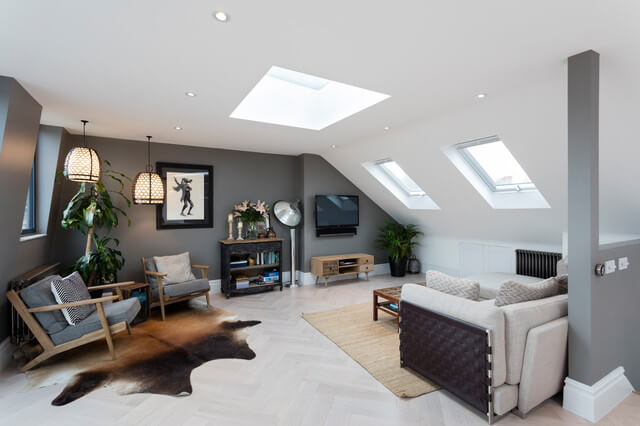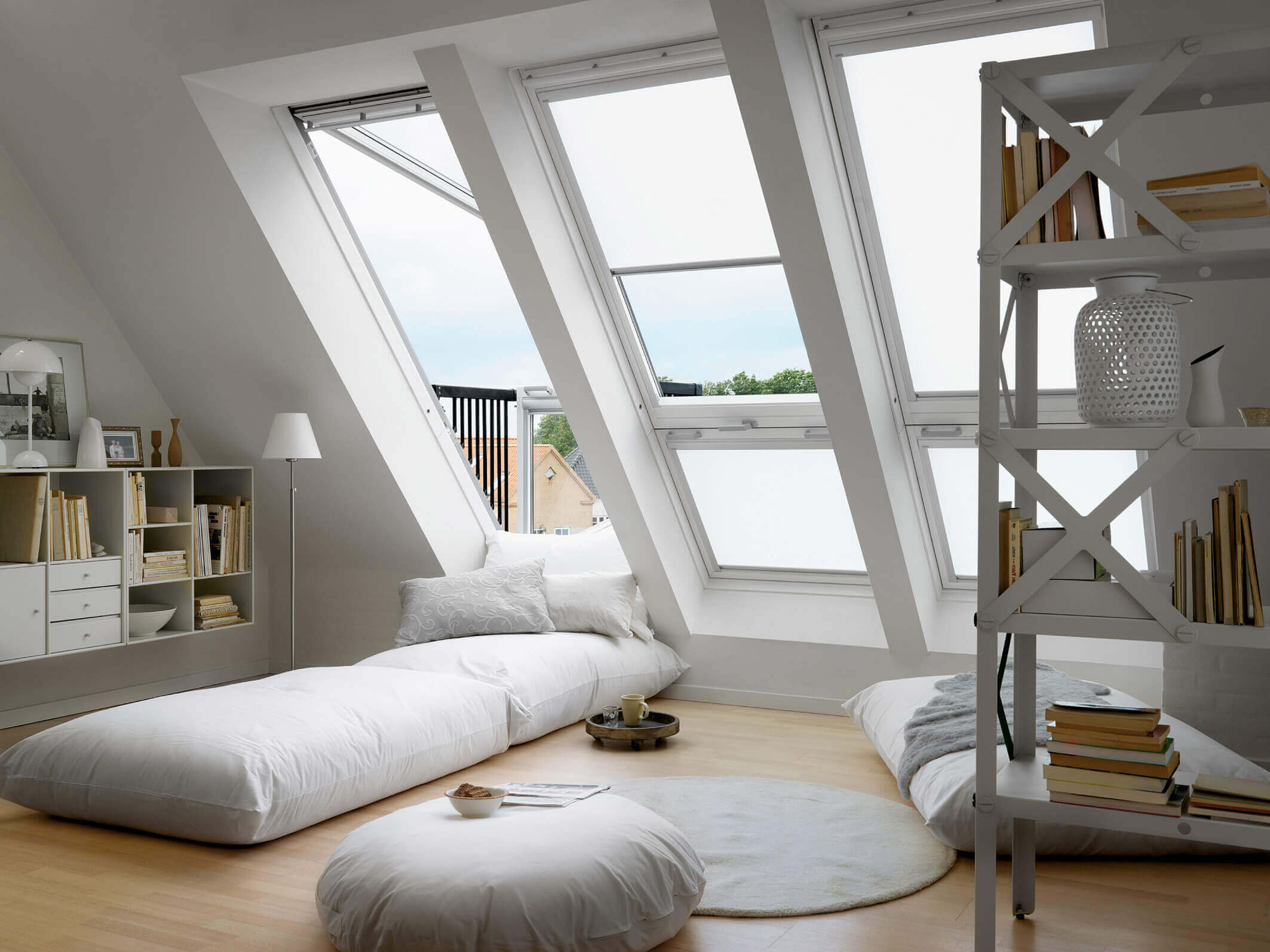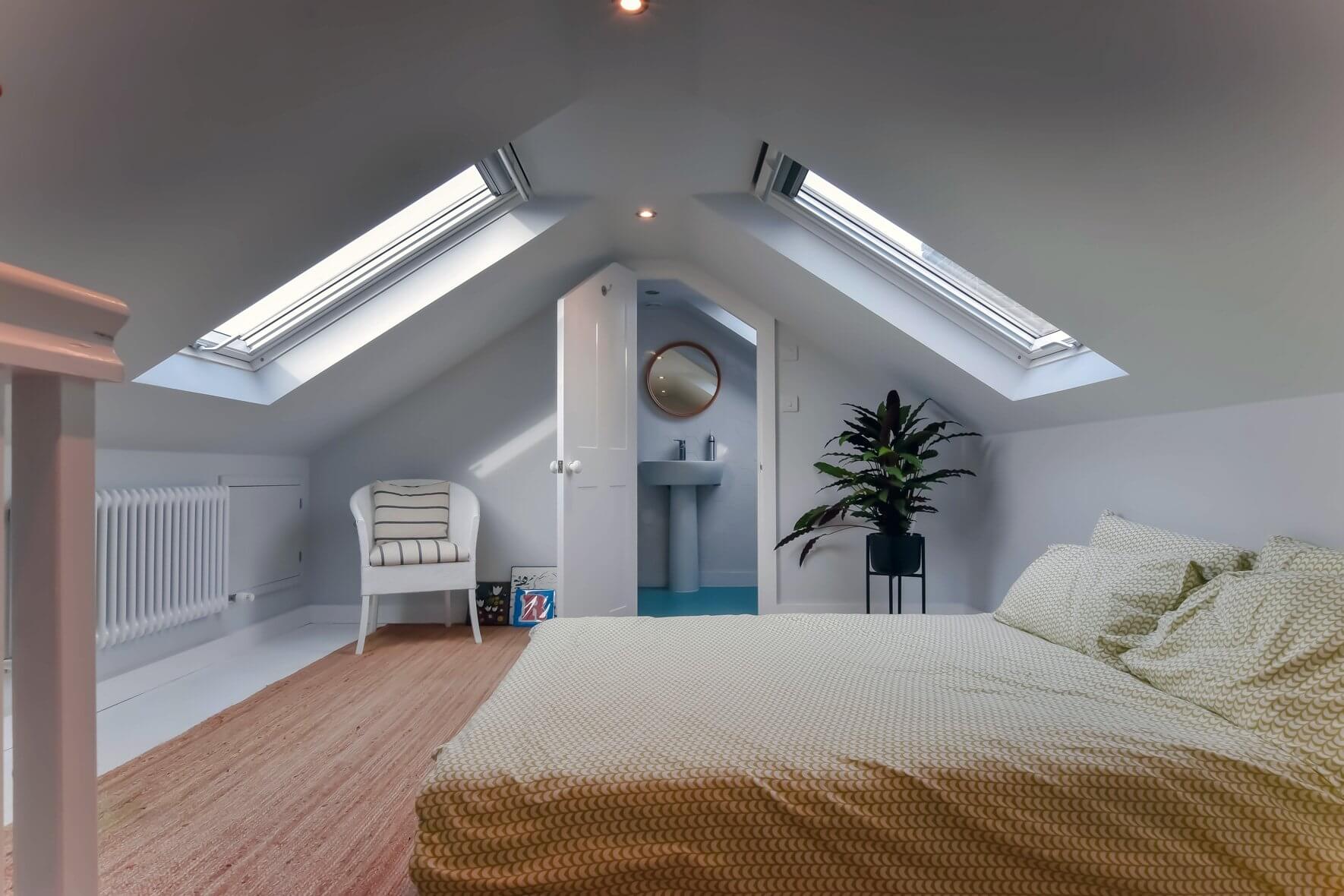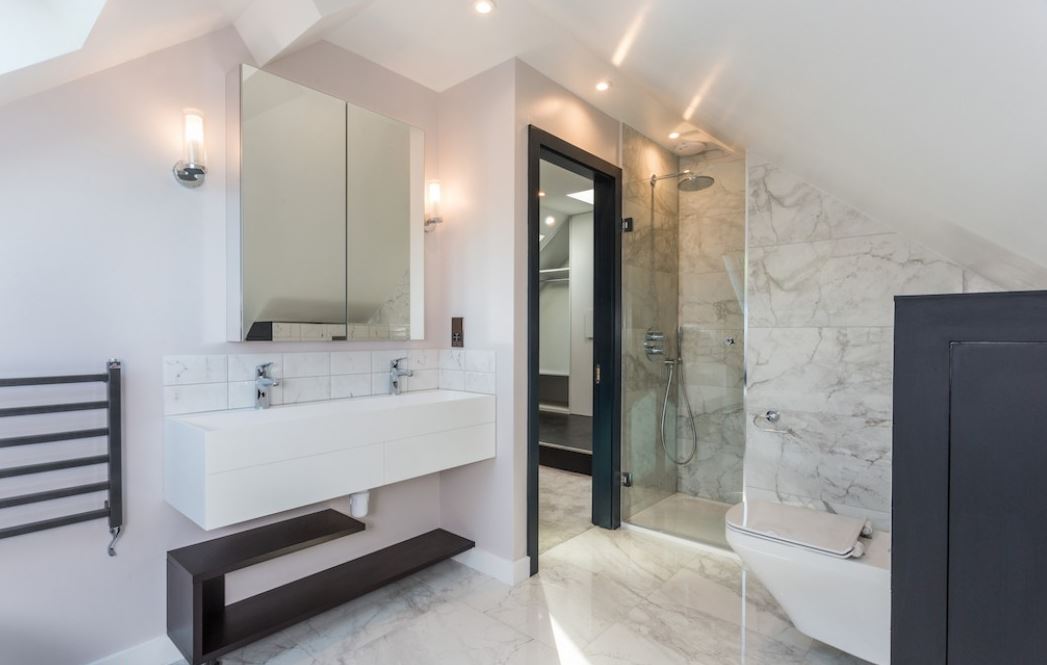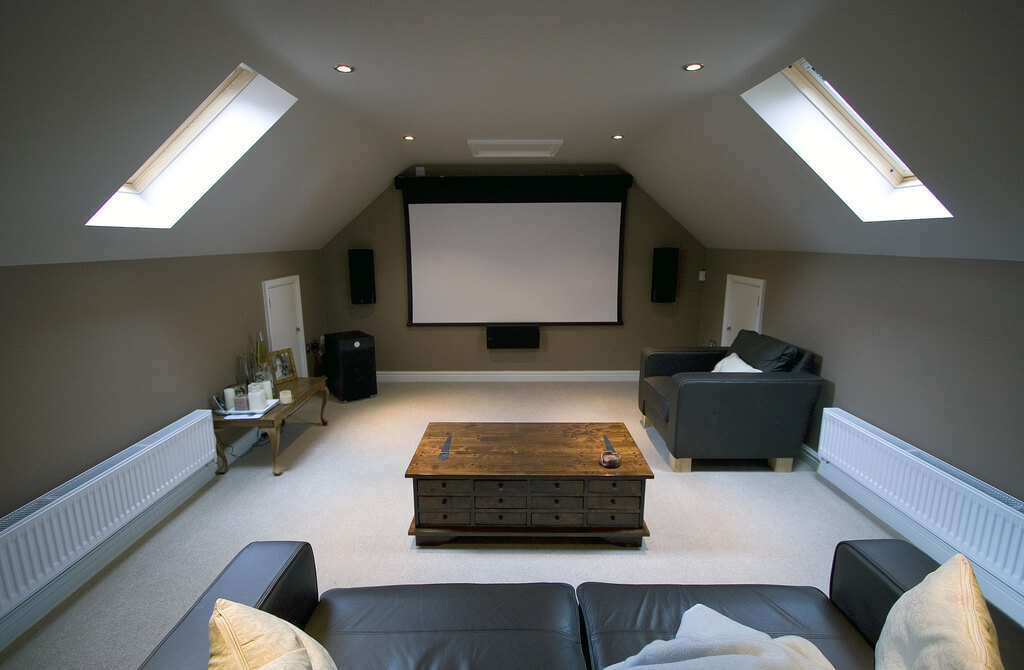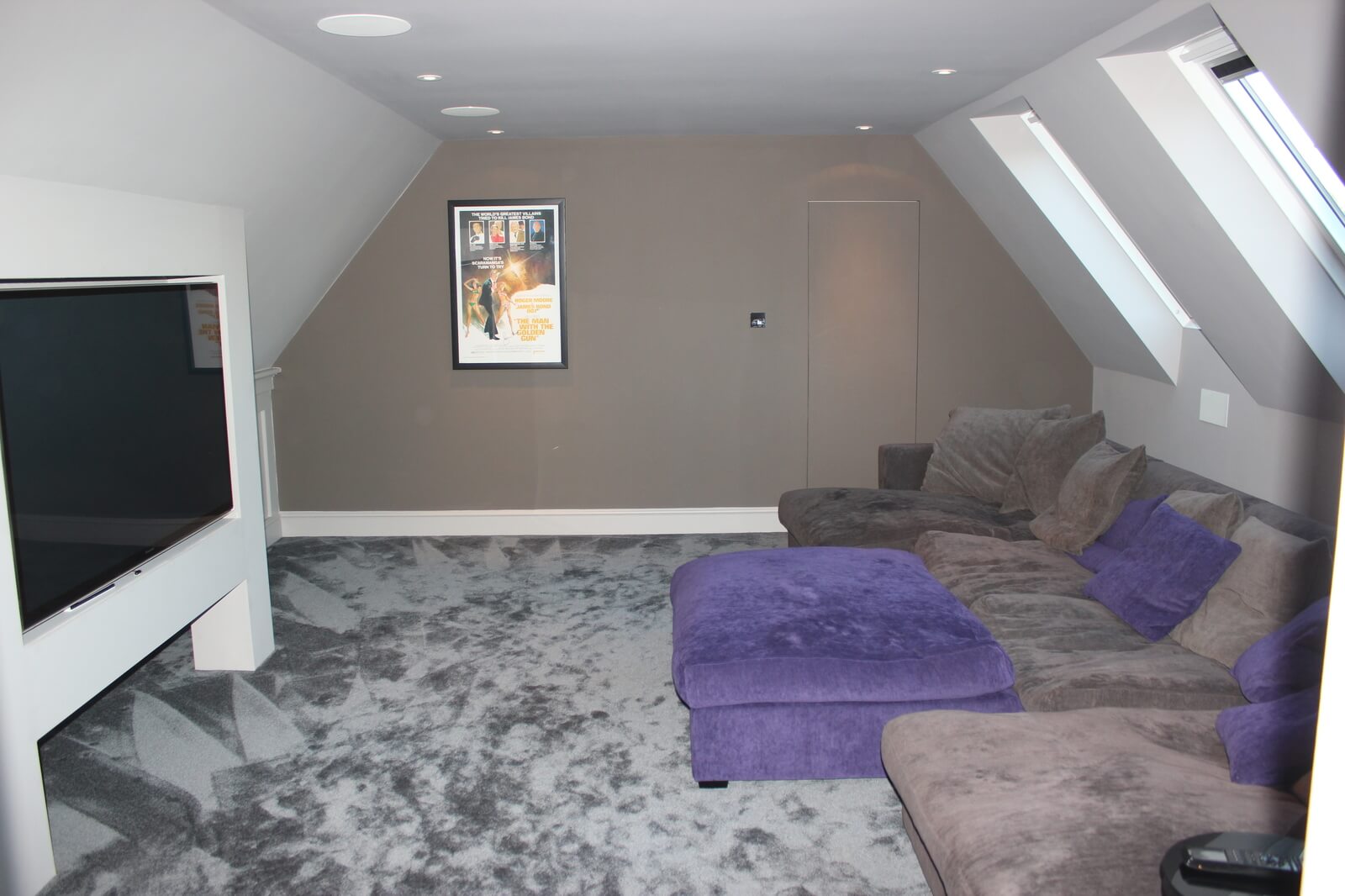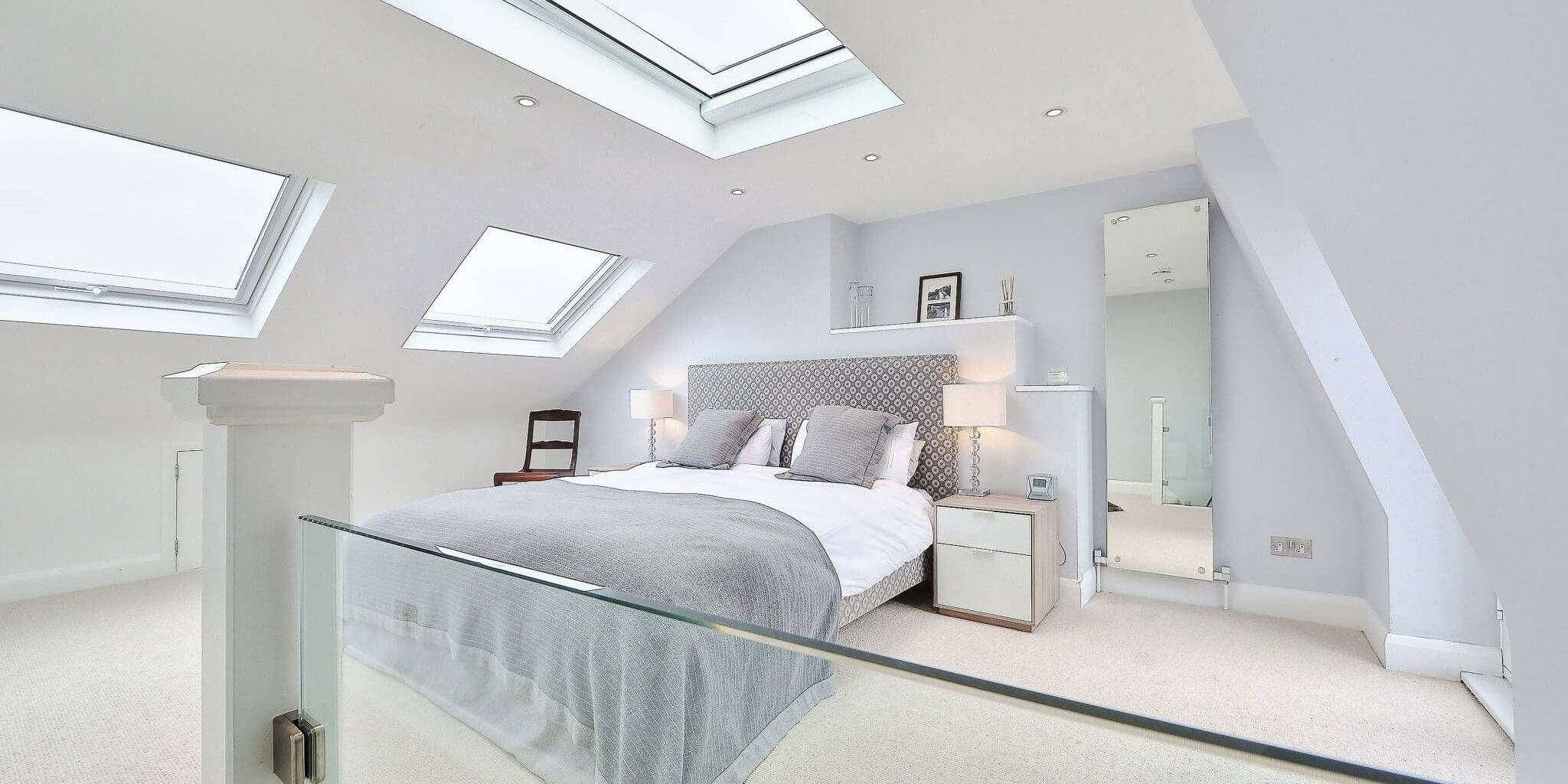
The types of Loft Conversions that we work in -
Petersham is one of those places that feels removed from London even though it is very much part of it. The meadows, the river, the historic properties set back from quiet lanes. People who find their way here tend to hold on to it, and when more space is needed the answer is almost always to improve the home rather than leave it. A dormer conversion is often the most natural starting point. The rear roof slope extends outward, proper standing height comes in and the loft becomes a room that genuinely contributes to the house. The older detached and semi-detached properties in Petersham tend to have good roof proportions and a well-built dormer on the back of one of these homes sits quietly and naturally once the work is done. Bedroom, home office, en-suite, the space is usually there to deliver whatever is needed. Best for: Detached and semi-detached homes in Petersham, homeowners who want to improve rather than move, and lofts that are currently too low or too restricted to be of any practical use.
Many of the detached and semi-detached homes in Petersham were built with hipped roofs, which suits the traditional architectural character of the area well. The issue is not the appearance from outside. It is the space that the inward slope quietly removes from the loft, leaving a floor area that is narrower and more limited than the overall size of the house would suggest. Replacing that slope with a straight gable wall gives the full width of the loft back in one move. Most homeowners in Petersham add a rear dormer alongside it, and together the two produce a layout that works properly, enough for a bedroom and a bathroom without either one feeling like a compromise. On the kind of well-proportioned properties Petersham has in good number, this conversion tends to deliver a result well worth having. Best for: Detached and semi-detached homes in Petersham with hipped roofs, and homeowners who feel the loft does not reflect the true potential of the property.
Petersham is a conservation area and the appearance of its buildings and streets is protected for good reason. A Velux conversion respects that entirely. The roof structure stays completely as it is, windows are fitted into the existing slope, the floor is reinforced, insulation goes in and the room is brought up to building regulation standard. From outside nothing changes at all. For properties with good existing head height this is a clean and considered route to a usable upstairs room without touching the roofline or risking a difficult conversation with the planning authority. In a location where the character of the built environment is actively preserved, being able to gain space without altering the exterior is not just convenient. In many cases it is the only practical option available. Best for: Petersham homes with decent existing loft height, properties within the conservation area, and homeowners where any change to the external appearance of the building is best avoided.
Some of the larger homes in Petersham have rear extensions, and the roof above one is space that rarely gets considered. An L-shaped dormer conversion changes that. A dormer runs across the back of the main roof and a second one sits over the extension. The two meet and the combined floor area is considerably larger than a single dormer would produce on its own. Two properly proportioned bedrooms and a bathroom upstairs becomes a realistic outcome rather than a stretch. For families in Petersham who want the house to grow with them without compromising the setting they have chosen to live in, this conversion is one of the more thoughtful ways to achieve that. Best for: Larger homes in Petersham with a rear extension, families who need more than one room upstairs, and homeowners who want to make full use of their roof space without taking on two separate projects.
Petersham is an area where properties are genuinely special and the standard of work carried out on them tends to reflect that. A mansard conversion sits at the top of that standard. The entire rear roof slope is rebuilt at a steep angle with a flat section running across the top, and the space that results feels nothing like a conventional loft conversion. Full ceiling height, straight walls, rooms that feel considered and permanent rather than adapted. Planning permission is required in Petersham and given the conservation status of the area the process deserves careful handling. The right architect and the right approach make a significant difference here. For homeowners who want the best possible result and understand that doing it properly takes time, a mansard delivers something that no other conversion type on this list can come close to matching. Best for: Larger and higher-value properties in Petersham, homeowners who want the maximum space a loft can give, and anyone who understands that in an area like this the quality of the work is as important as the work itself.
Bungalows in Petersham are not common but they do exist, and they tend to be well-positioned properties on generous plots with a great deal of quiet appeal. Single storey living in a setting like Petersham is something many households value deeply. The limitation, as with bungalows everywhere, is that one floor eventually runs out of room. A loft conversion resolves that without disturbing what makes the home worth living in. A proper upper level is added with bedrooms and a bathroom, and the ground floor remains completely untouched. Nothing gets reorganised or reduced. Bungalow roofs here tend to cover the full width of the property and there is usually more space available up there than the building suggests from the outside. In one of the most quietly exceptional locations in South West London, making proper use of that space is a decision that holds its value for a very long time. Best for: Bungalows in Petersham where the ground floor is fully occupied, homeowners who need more space without altering what makes the property special, and anyone looking to add lasting value to a home in one of the most distinctive and desirable addresses in the area.
Do you have a question about Loft Conversions? We're here to help. Contact our team at Loft Converter London
The minimum height required for a Loft Conversion is 2.2m (from the floor to the highest point in your loft). If you do not have the required height, your ceilings can be lowered on your first floor.
This depends on the size and type of Loft, most loft conversions take around 10-12 weeks. We can give you a more accurate estimation when we see your property.
Loft Conversion cost is determined by the size and type of the project, the features you would like, etc. Our architect will help you achieve the best use of your space within your budget. Most Lofts cost between £30,000 and £70,000.
No - it's safe to carry on living in your house. Our team starts from the scaffolding before the stairs go in. We always try to limit the disruption during the construction process.
Loft Conversions usually fall under the permitted development category therefore planning permission is not normally required. There are some exceptions like conservation areas, flats, or listed buildings. Our in-house surveyors can advise further on planning permission..
A party wall agreement is also known as PWA is required if you own semi-detached or terraced property. In simple words, if you are working within or near your neighbor’s boundary then you will need a party wall agreement in place. Click here for more info.
Yes - it will add from 15% to 25% upwards depending on the size, design, and type of Loft. Read more about adding value here.
Yes, all Loft conversions require building regulation approval from the local authority. These regulations are important to ensure the safety measures are in place and they set a protocol of construction and design to follow.
Absolutely yes, we will work with you to achieve your dream new living space.