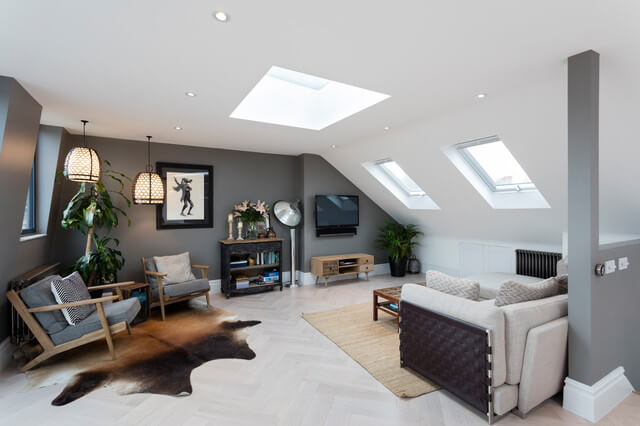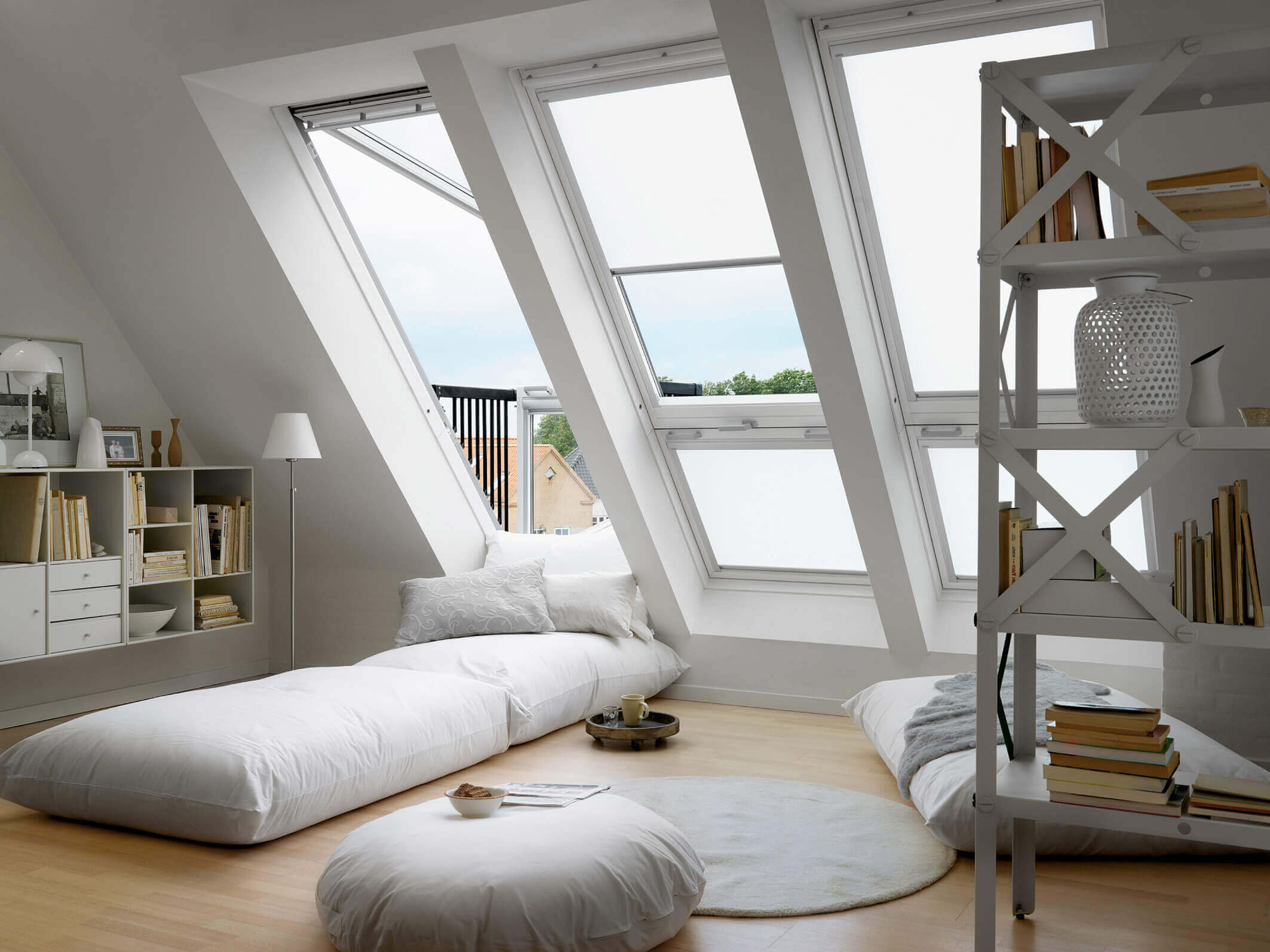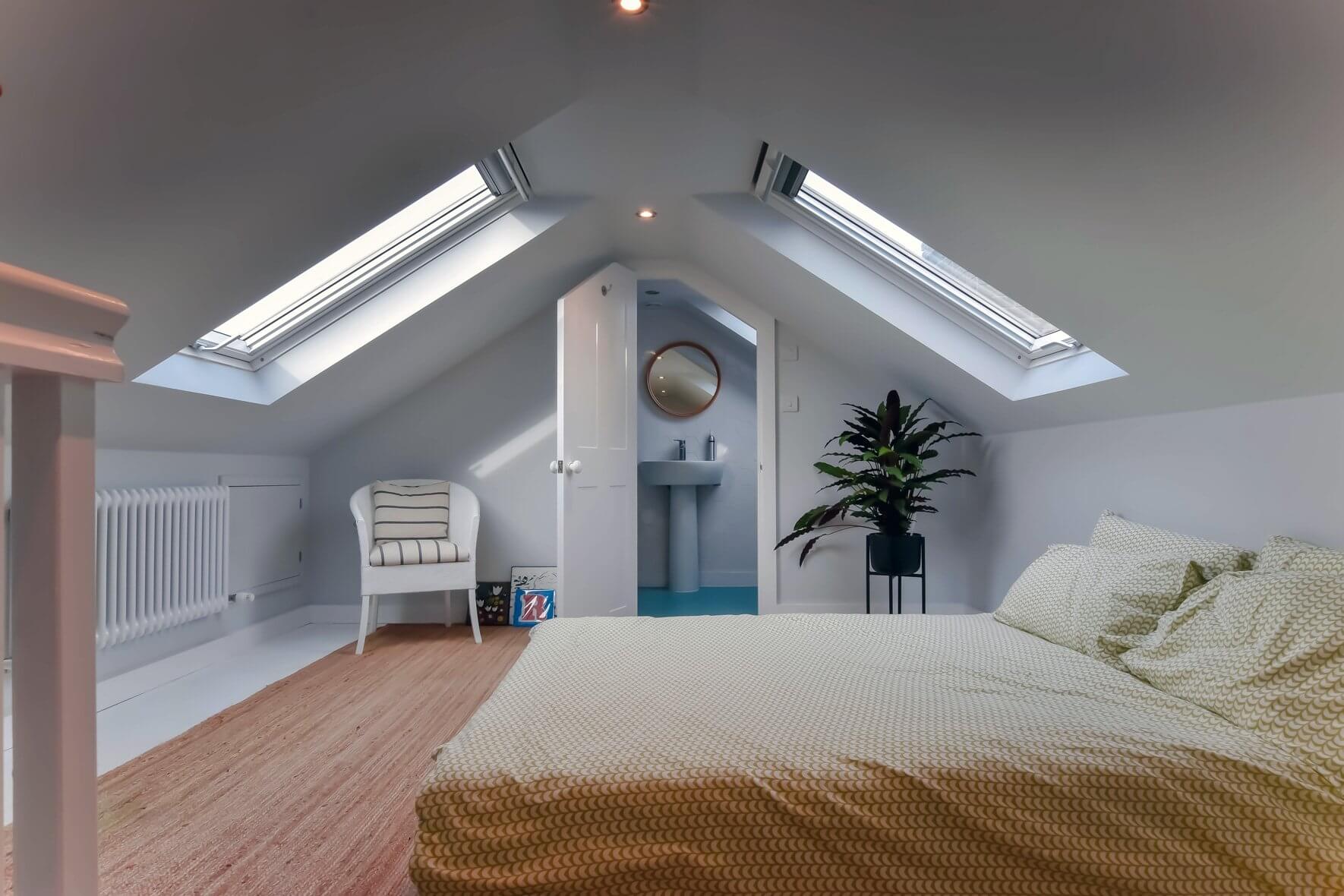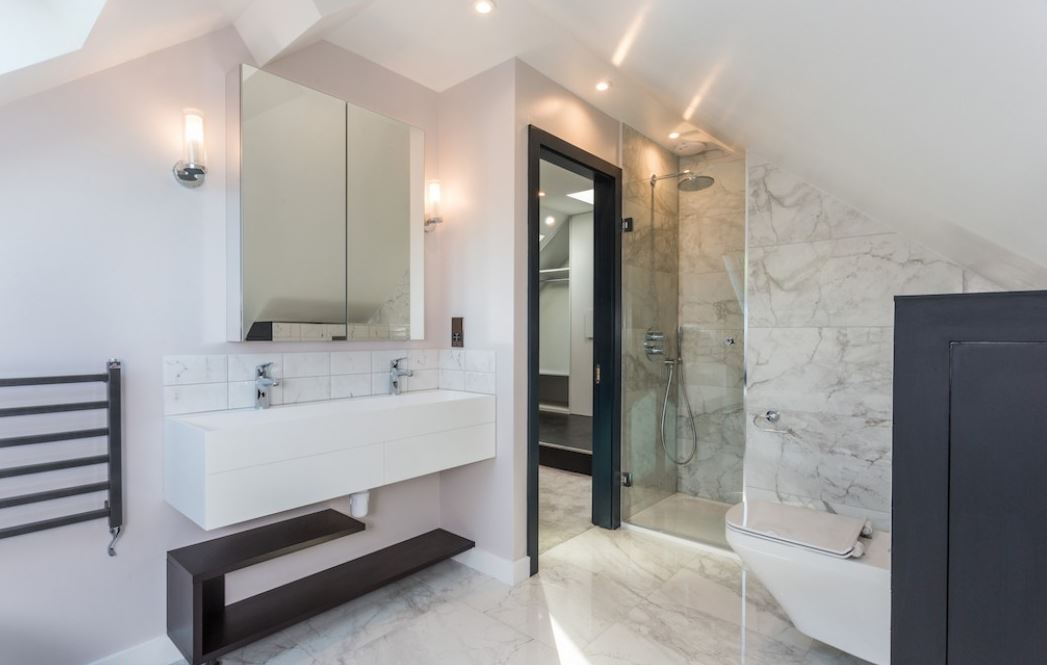
The types of Loft Conversions that we work in -
Purley is a dependable suburb that does not try too hard. Good schools, decent transport into the city, well-built homes and streets that have held their character for decades. Families move here because it makes sense, and once they are settled the idea of leaving rarely comes up. What does come up, sooner or later, is the need for more space. A dormer conversion is usually where that conversation leads. The rear roof slope extends outward, proper head height comes in and the loft stops being a storage problem and starts being a room worth having. Purley has a strong mix of 1930s semis and larger detached homes and both types tend to suit a rear dormer well. The result sits naturally on the back of the house and the room that comes out of it works hard, whether it ends up as a bedroom, a home office or something else entirely. Best for: 1930s semis and detached homes in Purley, families who need more room without uprooting themselves, and lofts that are sitting unused because the head height is not quite there.
Purley has plenty of semis and detached homes from the interwar period and a good number of them were built with hipped roofs. The slope on the side of the roof suits the style of these houses well but it quietly takes away a meaningful amount of loft space. Get up there and the floor area is usually narrower and more awkward than the footprint of the house would lead you to expect. Taking that slope off and replacing it with a straight gable wall opens everything up. The full width of the loft becomes usable and a rear dormer added at the same time turns that into a layout worth building on. Bedroom and bathroom upstairs without anything feeling cramped is a straightforward outcome from a conversion that Purley homes are genuinely well suited to. Best for: Semis and detached homes in Purley with hipped roofs, and homeowners who feel the loft is too restricted to justify converting.
Not every loft in Purley needs a full dormer build to become something useful. If the head height is already reasonable a Velux conversion gets the job done cleanly and without a lot of disruption. The roof stays as it is, windows go into the existing slope, the floor is reinforced, insulation is fitted and the room is signed off to building regulations. The outside of the house does not change. Purley is a well-kept suburb and homeowners here generally take care of how their properties look. A Velux conversion sits well with that. No change to the roofline, no new structure on the back of the house, nothing that alters the street view. For the right property it is not the budget option. It is simply the right one. Best for: Purley homes with good existing loft height, homeowners who want a clean and cost-effective route, and properties where the external appearance is worth preserving.
Rear extensions are common across Purley and the roof sitting above one is usable space that most people never think about. An L-shaped dormer puts it to work. A dormer runs across the back of the main roof and another sits over the extension. The two connect and the combined floor area is a meaningful step up from anything a single dormer could offer. Two bedrooms and a bathroom upstairs without the layout feeling tight becomes a realistic outcome. Purley is an area families settle into properly and this conversion is one of the better ways to make the house match that commitment. It uses the space that is already there above the extension rather than leaving half the roof untouched. Best for: Purley homes with a rear extension, families who need more than one room upstairs, and anyone who wants to make the most of their full roof space in one project.
A mansard is the most involved conversion on this list and it delivers the most in return. The entire rear roof slope is rebuilt at a steep angle with a flat top and the space that comes back feels like a proper additional floor rather than a converted loft. Full ceiling height, straight walls, rooms that feel right from the moment you walk into them. Planning permission is usually required in Purley and the project takes longer than other conversion types. For homeowners who want to do this once and get the best possible outcome that is worth knowing going in and worth accepting. Purley property values are steady and well-finished work holds up well here. A mansard done properly is a long term decision that makes sense on more than one level. Best for: Larger homes in Purley, homeowners who want the maximum space a loft can give, and anyone prepared to go through the planning process for a result that stands clearly apart from the rest.
Purley has a fair number of bungalows and they are well-regarded homes in the area. Easy to live in, easy to maintain and well placed for everything the suburb has to offer. The limitation is the same one that comes with every bungalow eventually. One floor fills up and there is nowhere obvious to go. A loft conversion is the most practical response. A proper upper level gets added with bedrooms and a bathroom, and the ground floor carries on completely as it was. Nothing gets lost or reorganised below to make room for what is being built above. Bungalow roofs in Purley tend to span the full width of the property so there is usually more space up there than the outside suggests. In a stable and well-connected part of outer South London, using that space properly is one of the more straightforward ways to add lasting value to a home. Best for: Bungalows in Purley where the ground floor has run out of room, families who need more space without the upheaval of moving, and homeowners who want to add real value to a well-located property.
Do you have a question about Loft Conversions? We're here to help. Contact our team at Loft Converter London
The minimum height required for a Loft Conversion is 2.2m (from the floor to the highest point in your loft). If you do not have the required height, your ceilings can be lowered on your first floor.
This depends on the size and type of Loft, most loft conversions take around 10-12 weeks. We can give you a more accurate estimation when we see your property.
Loft Conversion cost is determined by the size and type of the project, the features you would like, etc. Our architect will help you achieve the best use of your space within your budget. Most Lofts cost between £30,000 and £70,000.
No - it's safe to carry on living in your house. Our team starts from the scaffolding before the stairs go in. We always try to limit the disruption during the construction process.
Loft Conversions usually fall under the permitted development category therefore planning permission is not normally required. There are some exceptions like conservation areas, flats, or listed buildings. Our in-house surveyors can advise further on planning permission..
A party wall agreement is also known as PWA is required if you own semi-detached or terraced property. In simple words, if you are working within or near your neighbor’s boundary then you will need a party wall agreement in place. Click here for more info.
Yes - it will add from 15% to 25% upwards depending on the size, design, and type of Loft. Read more about adding value here.
Yes, all Loft conversions require building regulation approval from the local authority. These regulations are important to ensure the safety measures are in place and they set a protocol of construction and design to follow.
Absolutely yes, we will work with you to achieve your dream new living space.