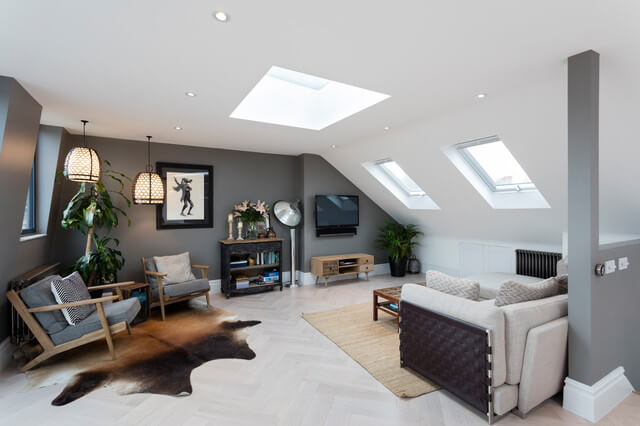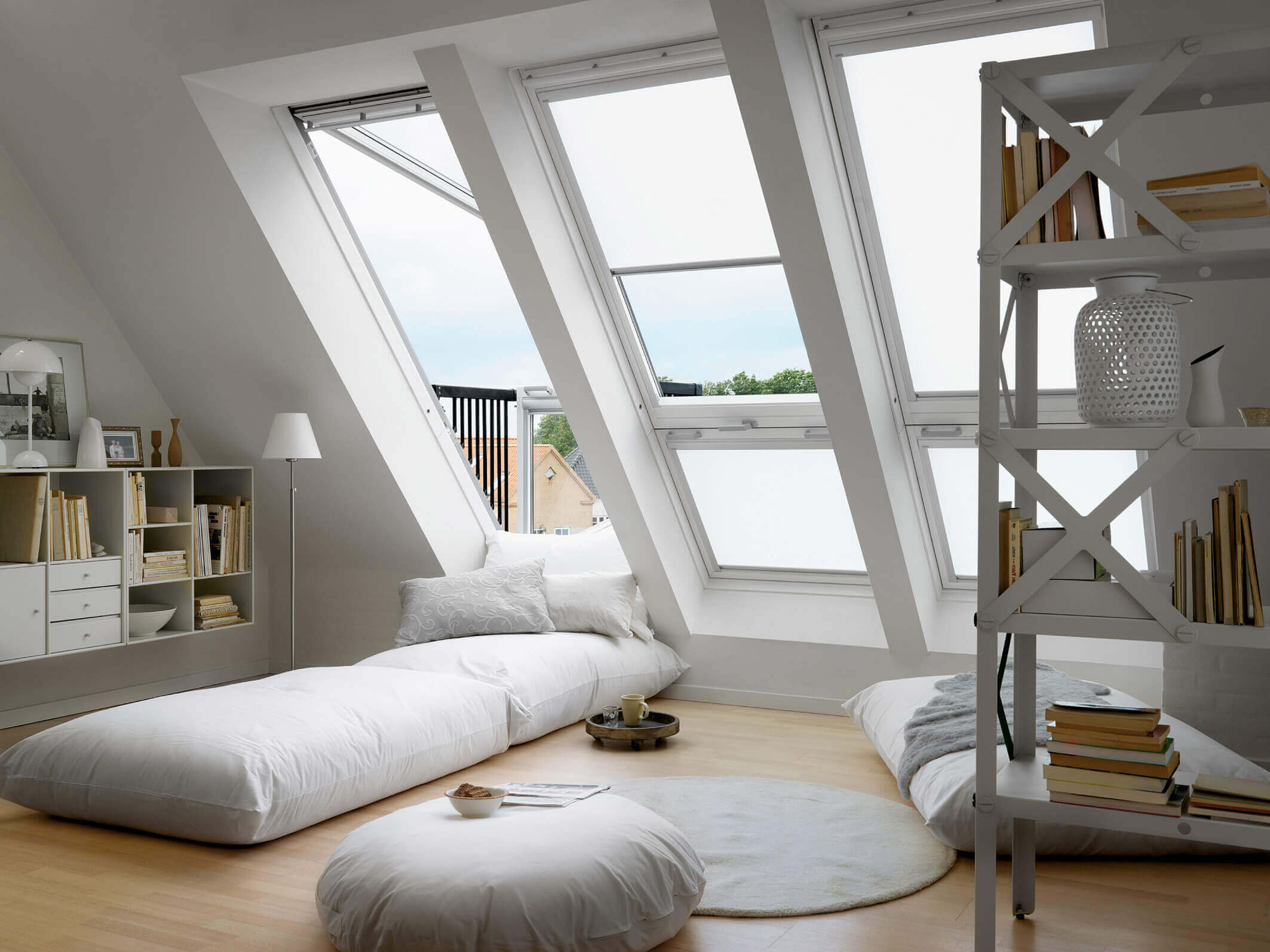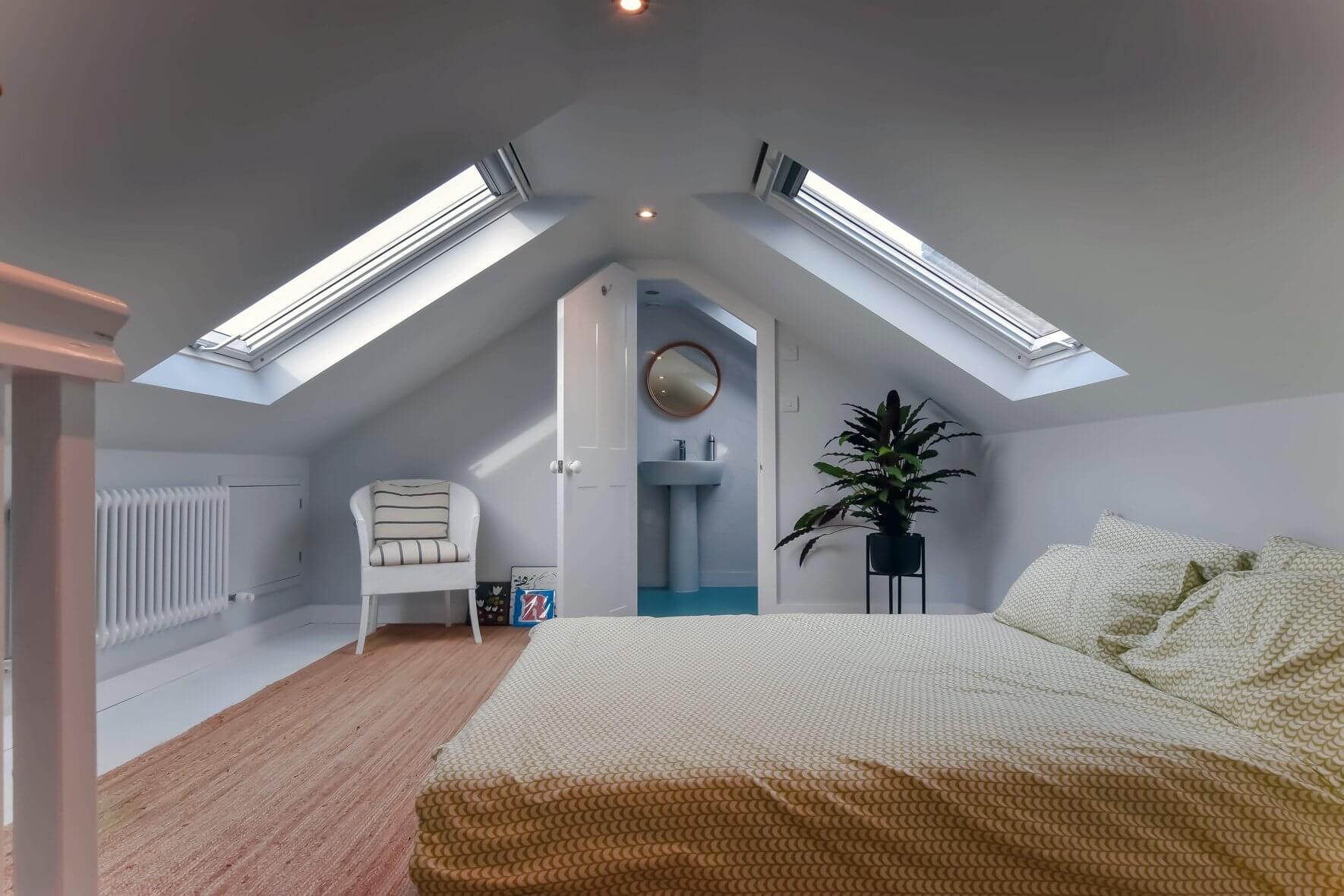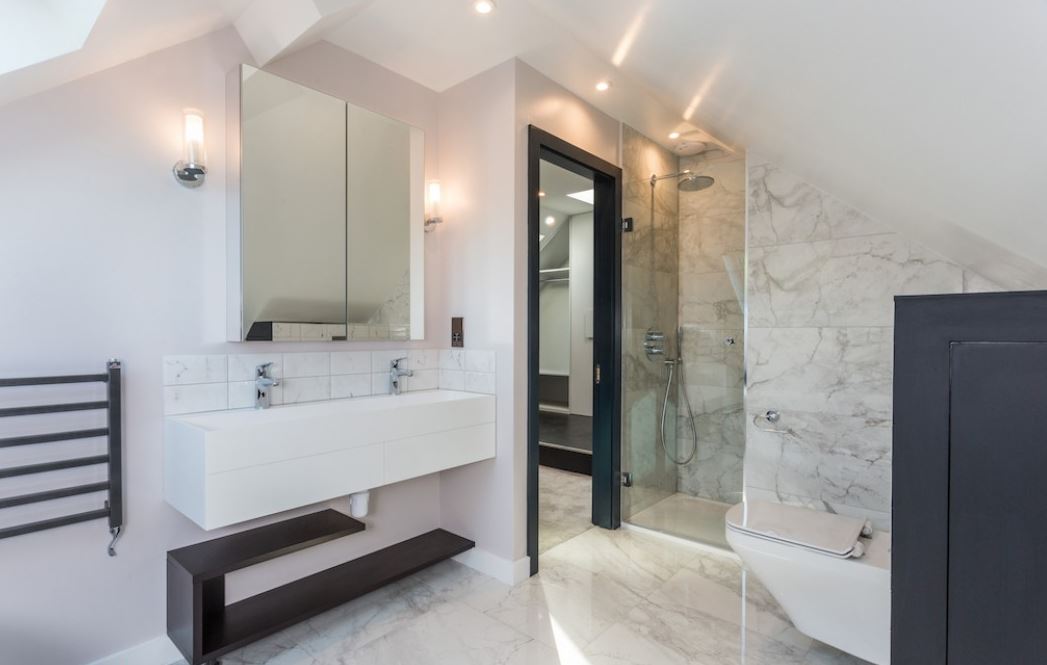
The types of Loft Conversions that we work in -
Southfields punches above its weight. Good District line connections, Wimbledon on the doorstep, streets of Victorian and Edwardian houses that have aged well and hold their value steadily. It is an area people move to with purpose and once they are here the idea of leaving tends to fade pretty quickly. When the house needs more room the answer is usually up, not out. A dormer conversion extends the rear roof slope, brings in real ceiling height and turns a loft that was doing nothing useful into a room worth having. On a Victorian or Edwardian house in Southfields a rear dormer tends to sit cleanly on the back of the building. Bedroom, office, en-suite, whatever the space needs to become, the roof proportions on these older homes usually give you enough to work with. Best for: Victorian and Edwardian homes in Southfields, homeowners who want more space without leaving an area they have chosen deliberately, and lofts that are too low or too tight to be of any practical use.
The semis in Southfields are solid homes but a good number of them came with hipped roofs, and that inward slope on the side quietly takes away more loft space than most owners expect. From the street it looks fine. Get up into the loft and the floor area is narrower and more awkward than the size of the house would suggest it should be. A hip to gable conversion takes that slope off and puts a straight wall up in its place. The full width of the loft opens up and something properly usable becomes possible. Add a rear dormer at the same time and the layout is comfortable enough for a bedroom and a bathroom without things feeling like a squeeze. On the semis that Southfields has in good supply this combination works very well. Best for: Semi-detached homes in Southfields with hipped roofs, homeowners who feel short-changed by what the loft currently offers, and anyone who wants a layout that actually does what it should.
Southfields has period streets that look good and homeowners here tend to keep them that way. A Velux conversion fits into that without asking anything of the exterior at all. The roof structure stays exactly as it is, windows go into the existing slope, the floor gets reinforced, insulation is fitted and the room is brought up to building regulation standard. Nothing on the outside changes. If the loft already has decent head height this is a genuinely strong option. It costs less than a dormer, involves less disruption and takes less time from start to finish. For the right property in Southfields it is not the cautious choice. It is the smart one. Best for: Southfields homes with good existing loft height, homeowners who want an efficient and cost-effective solution, and properties where the exterior character is worth keeping intact.
Rear extensions are common on the Victorian and Edwardian terraces of Southfields and if yours has one the roof above it is space that is probably being ignored. An L-shaped dormer puts it to use. A dormer runs across the back of the main roof and another sits over the extension. They connect and the combined floor area is a serious upgrade on what a single dormer could offer. Two bedrooms and a bathroom upstairs without the layout feeling tight becomes genuinely achievable. Southfields attracts people who want to be in this part of South West London for the long haul and this conversion is one of the better ways to make sure the house grows with them rather than holds them back. Best for: Southfields homes with a rear extension, families who need more than one room upstairs, and homeowners thinking seriously about the long term.
A mansard is the most ambitious conversion on this list and the results match that. The entire rear roof slope comes down and gets rebuilt, steep at the back and flat on top, and what comes back is a full height space with straight walls and proper rooms. It does not feel like a loft conversion. It feels like an extra floor of the house. Planning permission is usually needed and the build takes longer than other types. In Southfields where period homes are in consistent demand and well-finished work is noticed and valued, going through that process properly is worth it. A mansard done well here adds space, quality and long term value in a way that is difficult to replicate by any other means. Best for: Larger period homes in Southfields, homeowners who want the maximum a loft can deliver, and anyone who wants to do this once and get a result that stands apart.
Bungalows are not the defining feature of Southfields but they exist in the area and they are well-placed homes. Single storey living works until it does not, and in a neighbourhood where space commands a real premium the moment the ground floor runs out is the moment a loft conversion starts making a lot of sense. A proper upper level gets added with bedrooms and a bathroom while the ground floor carries on exactly as it was. Nothing below gets touched or rearranged. Bungalow roofs tend to cover the full width of the property so there is usually more floor area available up there than the outside suggests. In a well-connected and consistently popular part of South West London, using that space well is one of the more straightforward decisions a homeowner can make. Best for: Bungalows in Southfields where the ground floor has run out of room, families who need more space without moving, and homeowners who want to add real value to a well-located property.
Do you have a question about Loft Conversions? We're here to help. Contact our team at Loft Converter London
The minimum height required for a Loft Conversion is 2.2m (from the floor to the highest point in your loft). If you do not have the required height, your ceilings can be lowered on your first floor.
This depends on the size and type of Loft, most loft conversions take around 10-12 weeks. We can give you a more accurate estimation when we see your property.
Loft Conversion cost is determined by the size and type of the project, the features you would like, etc. Our architect will help you achieve the best use of your space within your budget. Most Lofts cost between £30,000 and £70,000.
No - it's safe to carry on living in your house. Our team starts from the scaffolding before the stairs go in. We always try to limit the disruption during the construction process.
Loft Conversions usually fall under the permitted development category therefore planning permission is not normally required. There are some exceptions like conservation areas, flats, or listed buildings. Our in-house surveyors can advise further on planning permission..
A party wall agreement is also known as PWA is required if you own semi-detached or terraced property. In simple words, if you are working within or near your neighbor’s boundary then you will need a party wall agreement in place. Click here for more info.
Yes - it will add from 15% to 25% upwards depending on the size, design, and type of Loft. Read more about adding value here.
Yes, all Loft conversions require building regulation approval from the local authority. These regulations are important to ensure the safety measures are in place and they set a protocol of construction and design to follow.
Absolutely yes, we will work with you to achieve your dream new living space.